Artwork
Portrait of Petrus Schaak, Clergyman and Scholar in Amsterdam
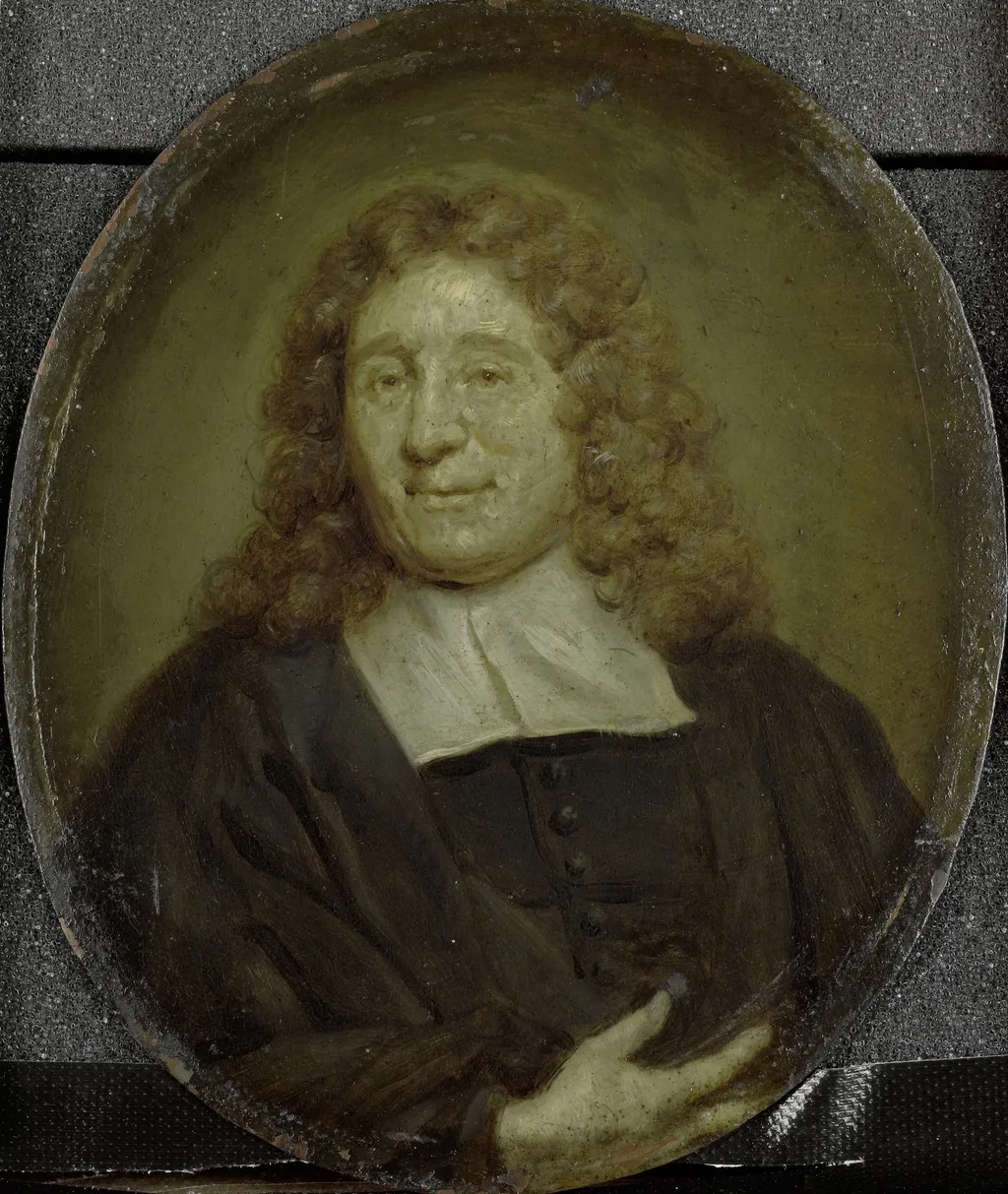
Portrait of Petrus Schaak, Clergyman and Scholar in Amsterdam is an oil painting by the Rococo painting artist Jan Maurits Quinkhard. It dates from 1747 and is held in the collection of the Rijksmuseum.
About this work
Overview
The work exemplifies the restrained elegance typical of mid‑century Dutch portraiture, balancing detailed facial rendering with a subdued, earthy backdrop.
Jan Maurits Quinkhard’s 1747 portrait of Petrus Schaak presents a Dutch clergyman and scholar rendered on a copper plate. The work exemplifies the restrained elegance typical of mid‑century Dutch portraiture, balancing detailed facial rendering with a subdued, earthy backdrop. Currently part of the Rijksmuseum’s holdings, the painting offers a clear view of Quinkhard’s compositional poise and his capacity to convey status without overt flourish.
Subject & Meaning
Petrus Schaak is depicted with shoulder‑length, curled hair, a crisp white collar, and a dark, buttoned jacket, his right hand resting lightly on his chest. His expression is neutral, inviting contemplation of his scholarly and clerical roles. The modest attire and calm demeanor suggest a focus on intellectual virtue rather than worldly display, aligning with the modesty expected of an 18th‑century Dutch theologian.
Technique & Style
Executed on copper, the portrait benefits from the metal’s smooth surface, allowing Quinkhard to achieve fine brushwork and precise detailing, especially in the subject’s facial features and fabric texture. The palette is restrained, dominated by muted earth tones that enhance the subject’s dark clothing and white collar. The composition reflects rococo influences through its graceful pose and subtle ornamental restraint, characteristic of the period’s Dutch adaptation.
History & Provenance
Created in 1747, the portrait entered the Rijksmuseum collection, where it remains on display. Quinkhard, a prolific painter and print designer active in the Dutch Republic, produced the work during his mature phase, when he was regularly commissioned for portraits of educated and ecclesiastical patrons. The painting’s provenance traces a straightforward path from its original commission to its acquisition by the national museum.
Context
The portrait belongs to a broader tradition of Dutch Enlightenment portraiture, wherein scholars and clergy were commemorated with dignified realism rather than Baroque grandeur. Quinkhard’s approach mirrors contemporary expectations for modest yet refined representation, reflecting the cultural climate of Amsterdam’s intellectual circles in the mid‑18th century. The work thus serves as a visual document of the period’s social values and artistic conventions.
Artist & collection
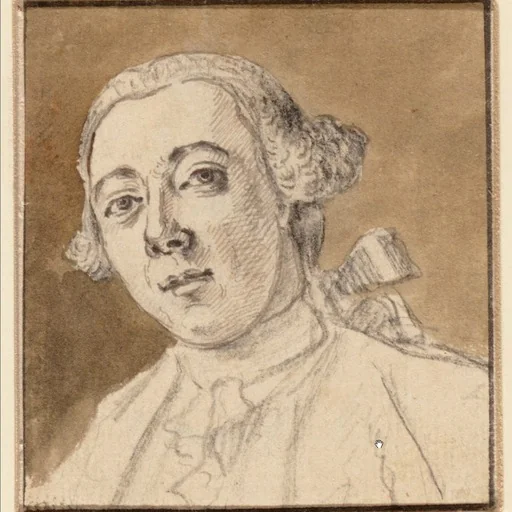
Artist
Jan Maurits Quinkhard (28 January 1688 – 11 November 1772) was an 18th-century painter and print designer from the Dutch Republic.

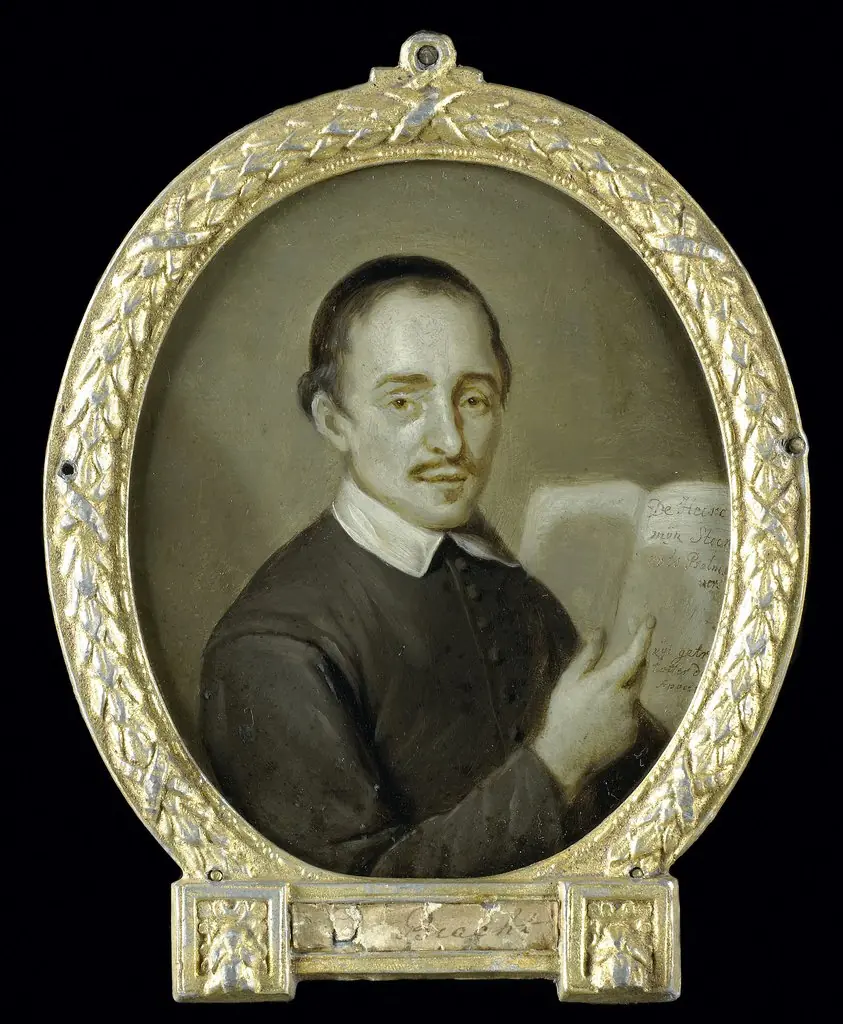 Portrait of Tieleman Jansz van Bracht, Clergyman and Poet in Dordrecht
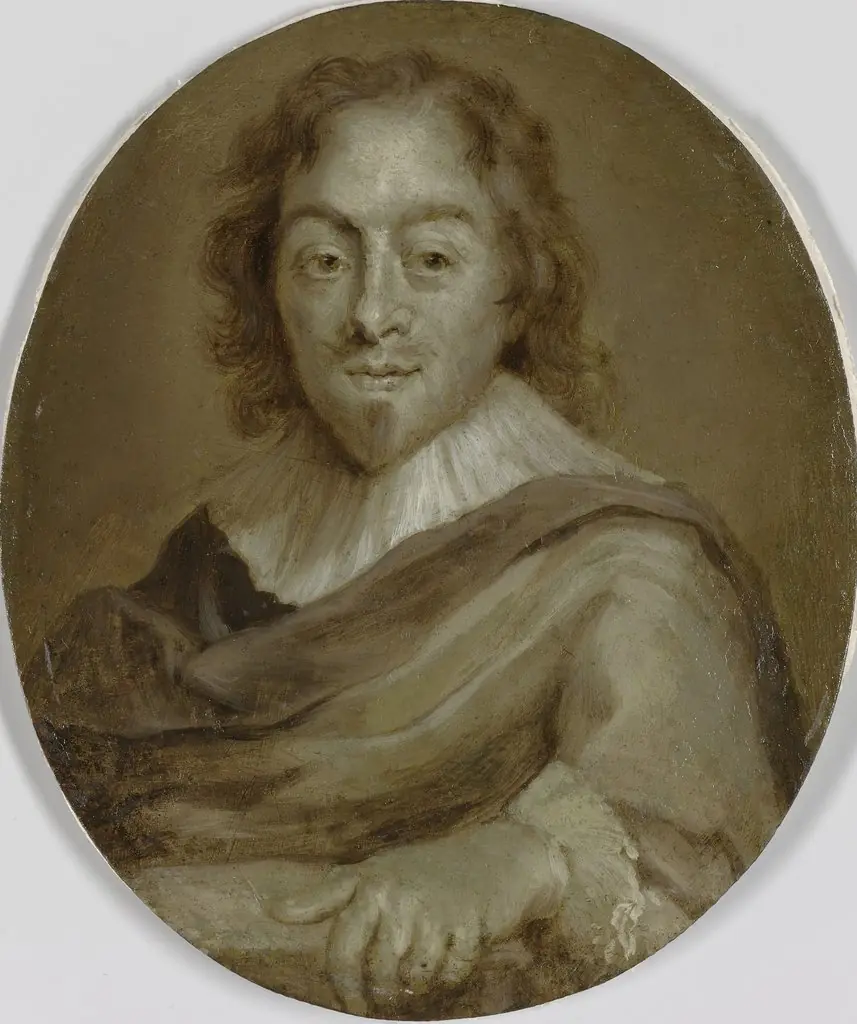 Portrait of Constantijn Huygens, Poet, Secretary to Prince Frederick Henry and Prince William II and First Councilor and Exchequer to William III
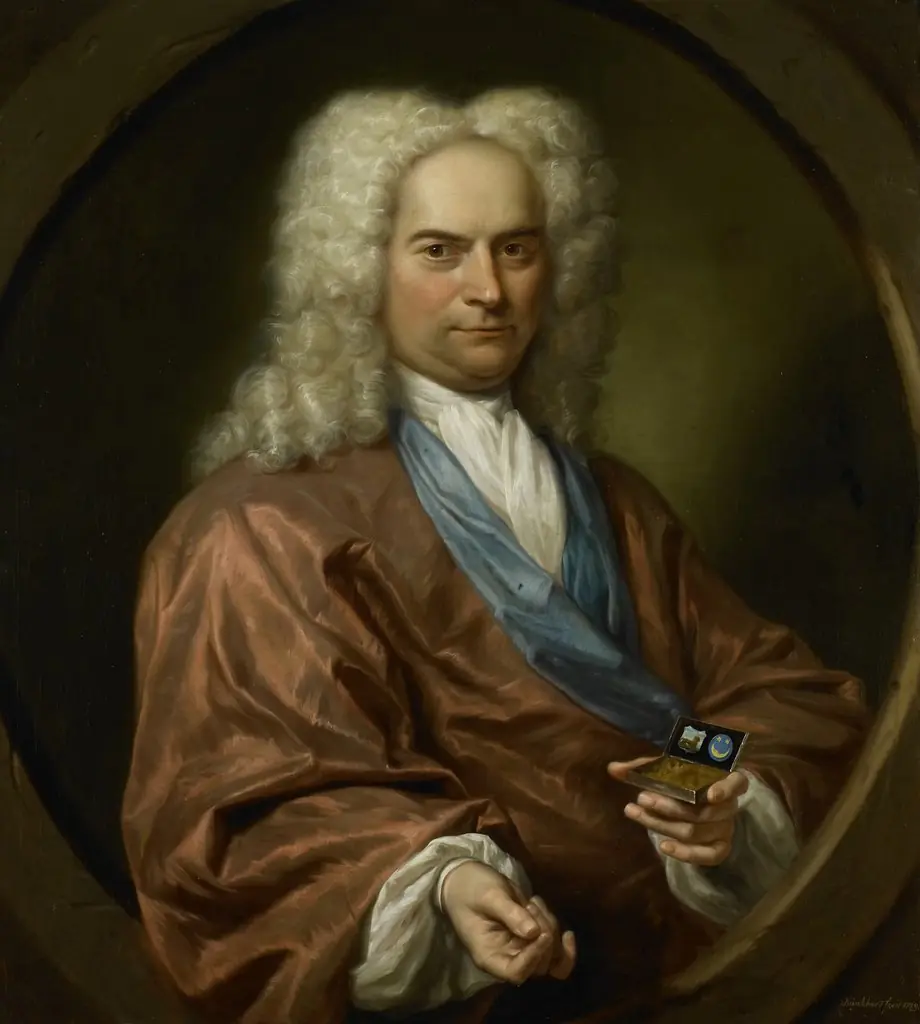 Portrait of David Leeuw, Mennonite Cloth and Dry Goods Merchant
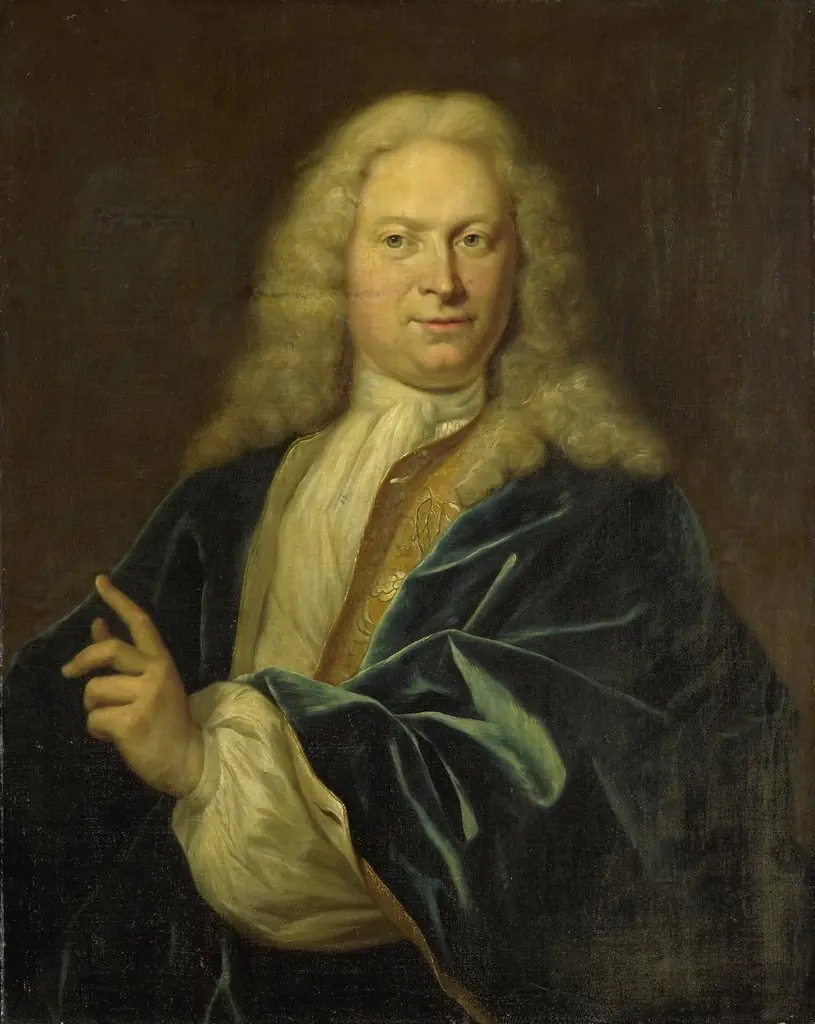 Portrait of Jan Hendrik van Heemskerck, Count of the Holy Roman Empire, Lord of Achttienhoven, Den Bosch and Eyndschoten, Captain of the Citizenry of Amsterdam (Johan Hendrik Graaf Van Heemskerk)
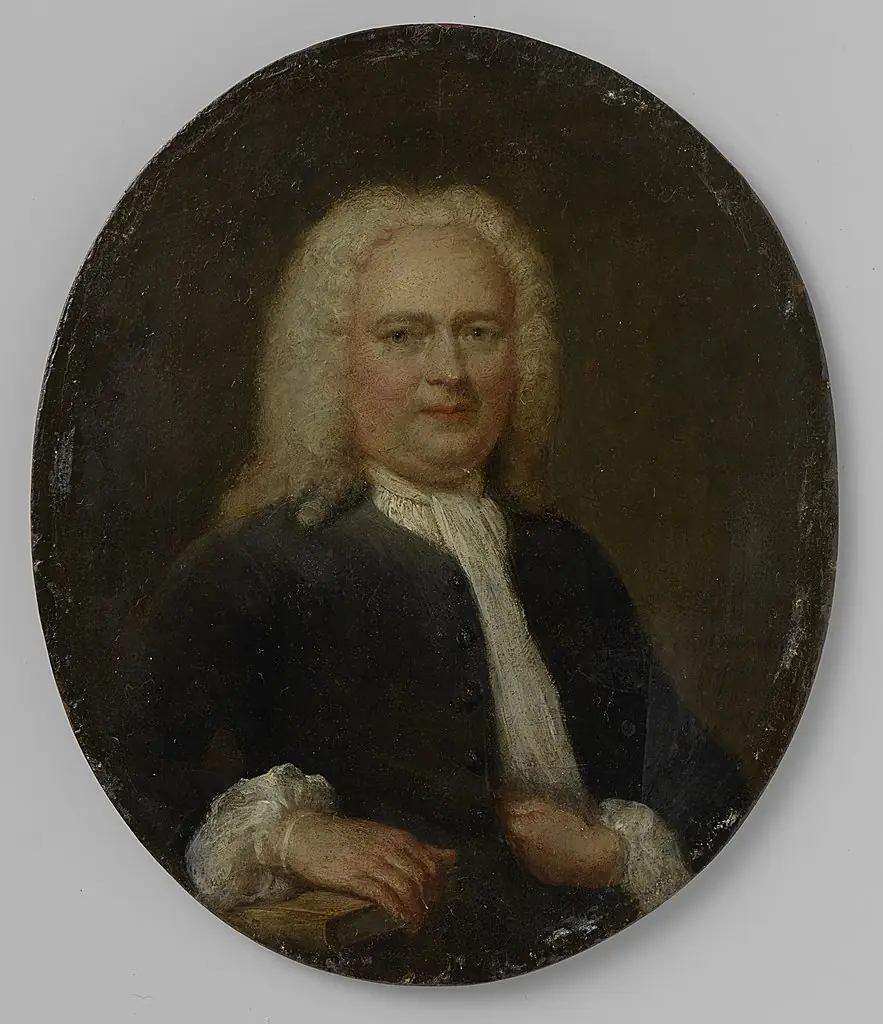 Portrait of a Man, perhaps a Member of the Klinkhamer Family
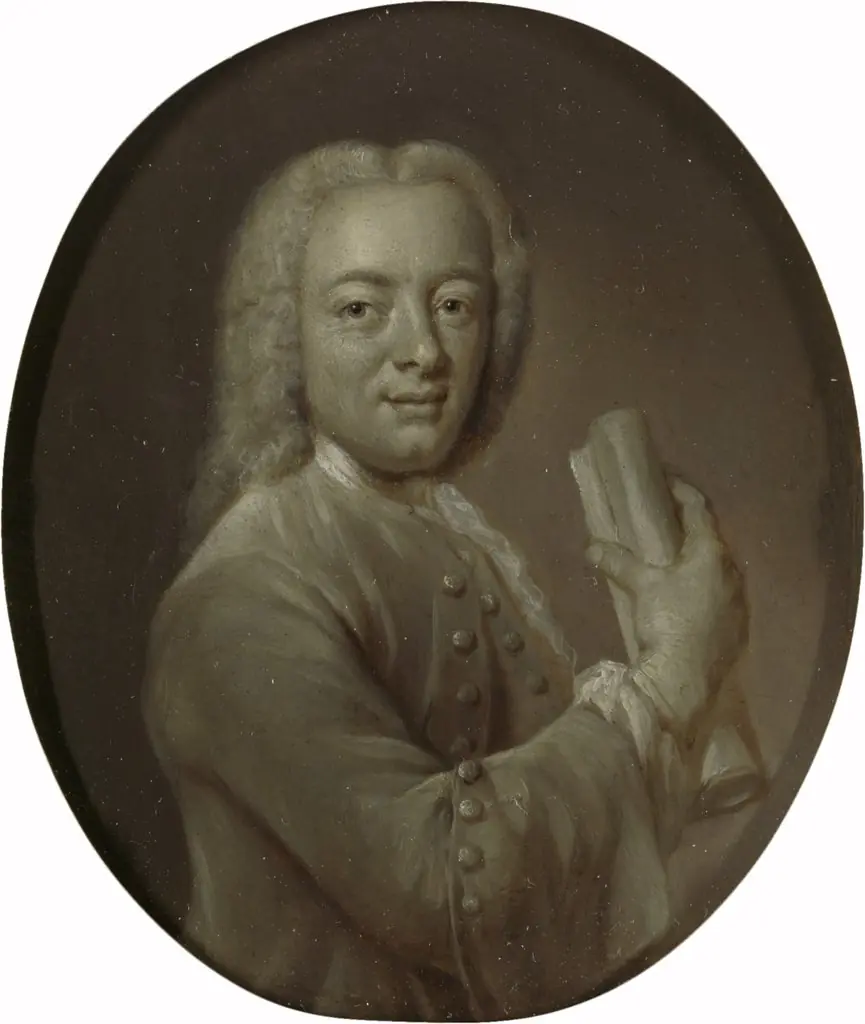 Portrait of Bernardus de Bosch I, Poet in Panpoeticon Batavum
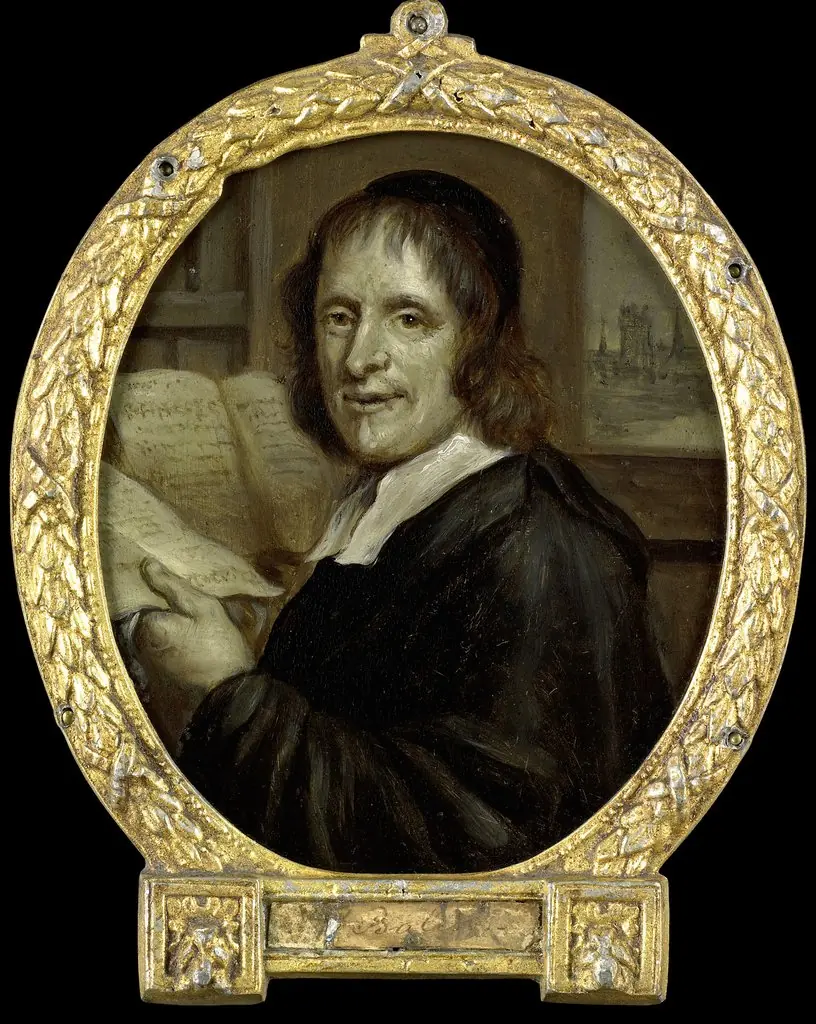 Matthijs Balen Jansz (1611-91), poet and chronicler of Dordrecht
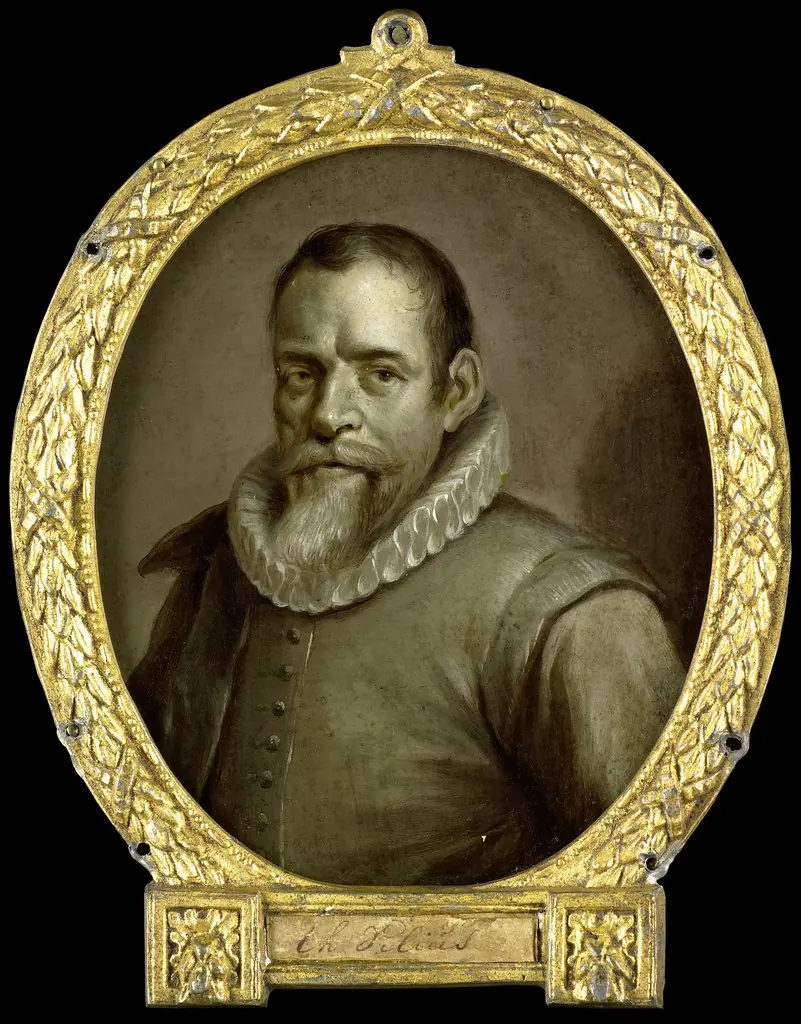 Portrait of Theodorus Velius, Writer of the Chronicle of Horn
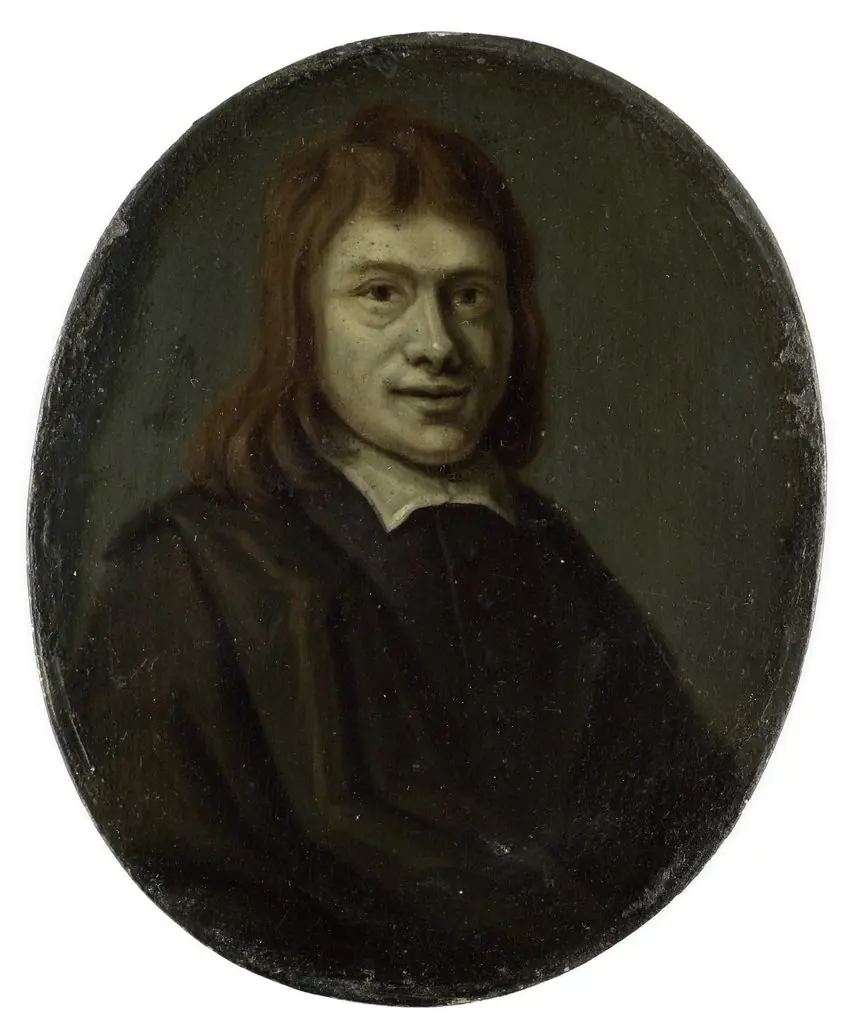 Portrait of Frans van Hoogstraten, Poet and Bookseller in Rotterdam and Dordrecht
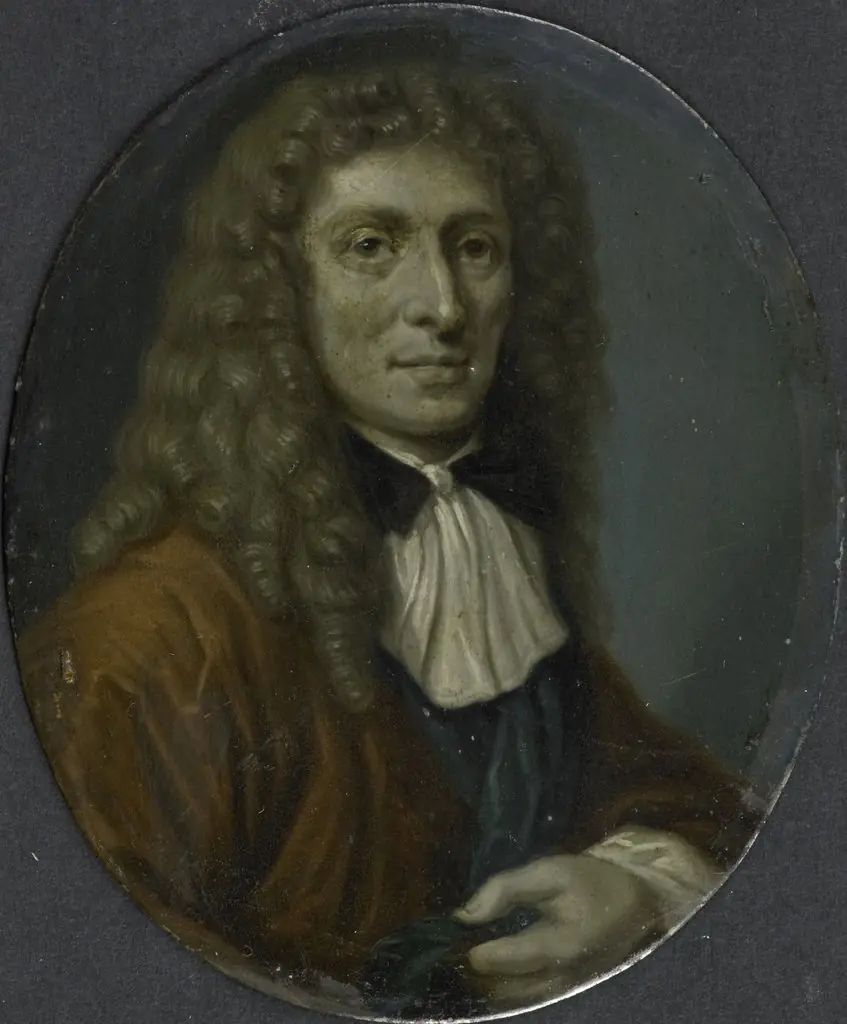 Portrait of Govert Bidloo
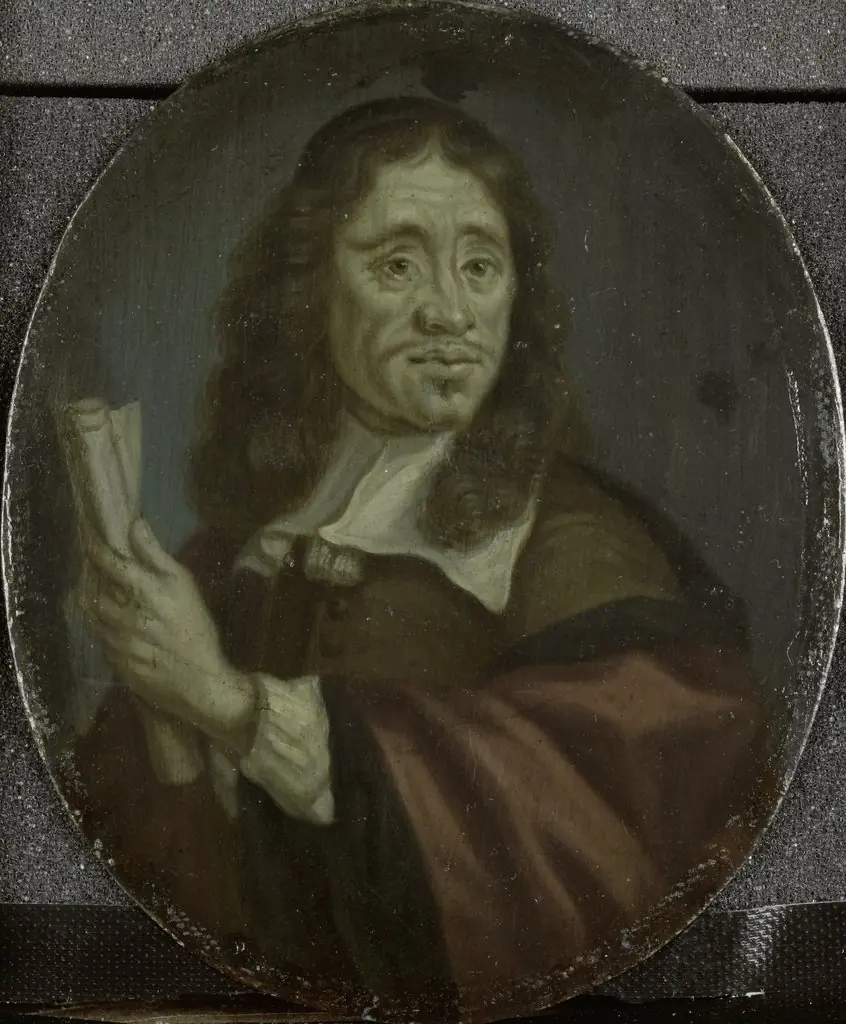 Jan Vos (c. 1620-67), Amsterdam poet
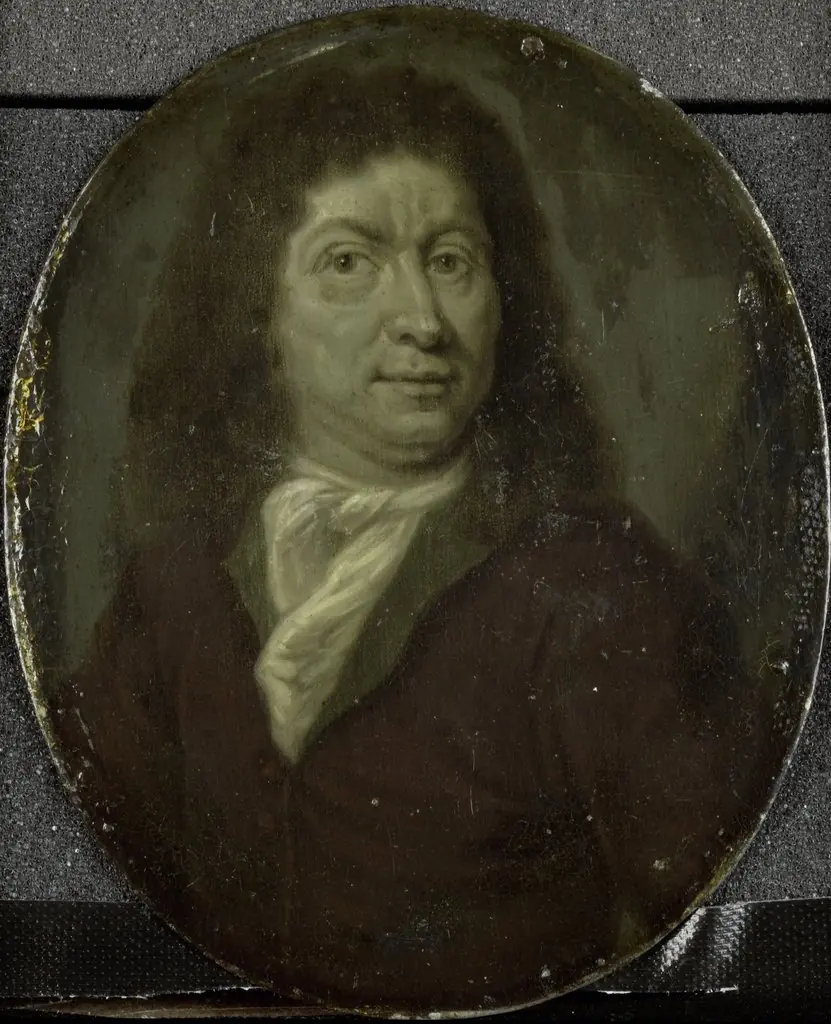 Portrait of Andries Pels (1631-81)
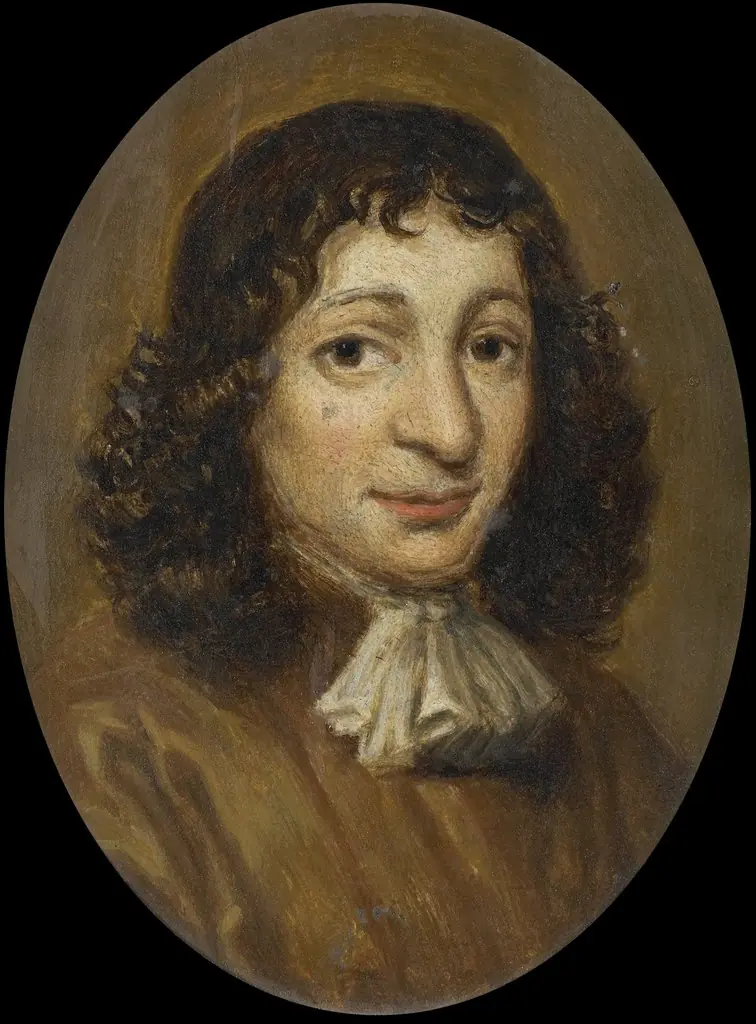 Portrait of a man
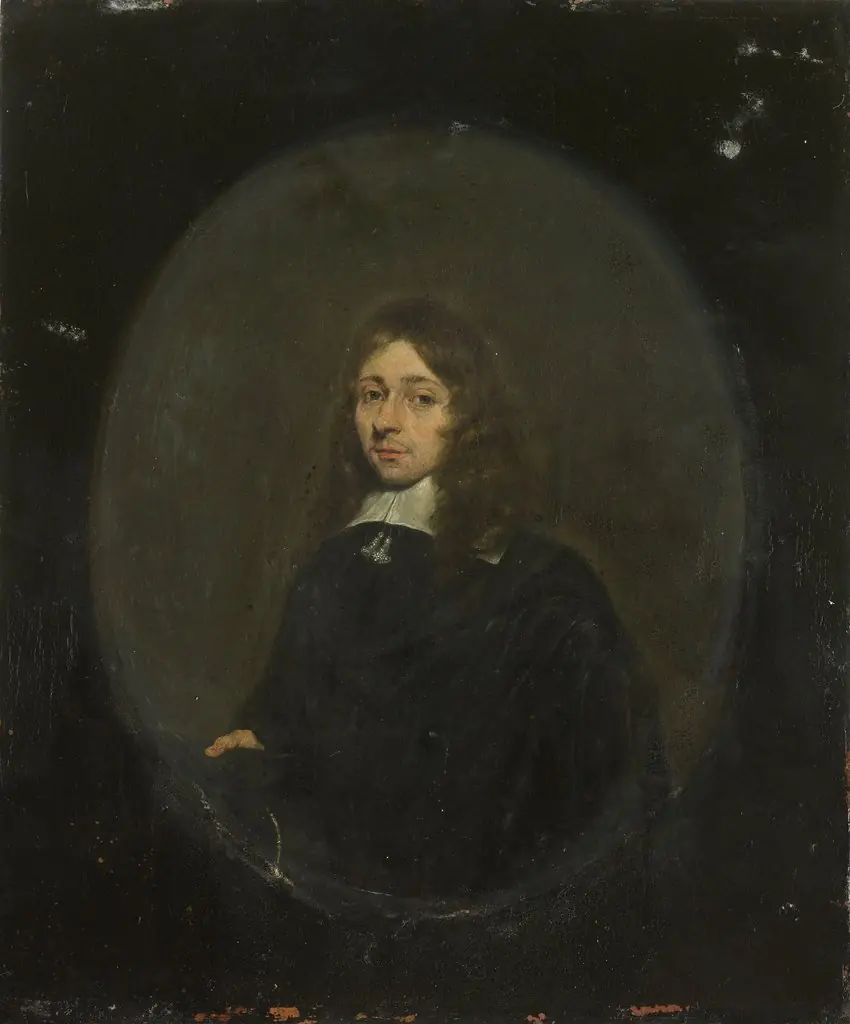 Portrait of a man
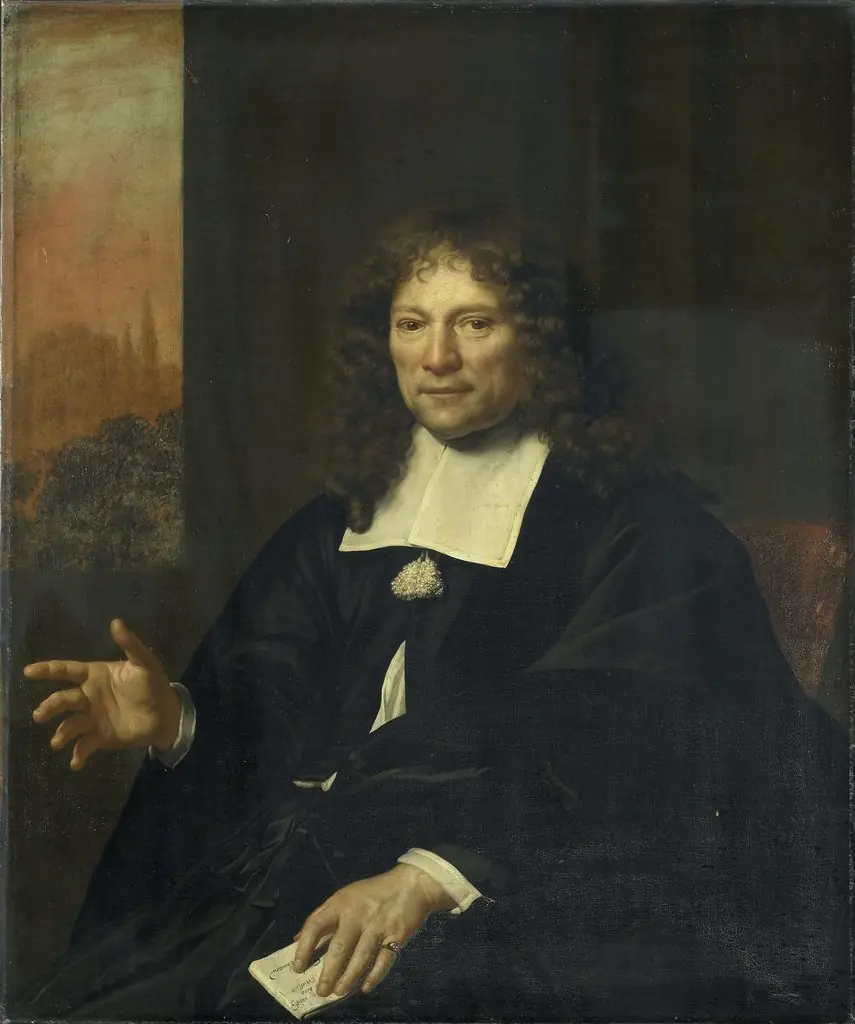 Portrait of Daniel Nellius, elder of the Remonstrant church and sampling official of Alkmaar
 Portrait of Daniel Niellius. Elder of the Remonstrant Church and Sampling Official of Alkmaar