Artwork
Saint Barbara from Nicodemia
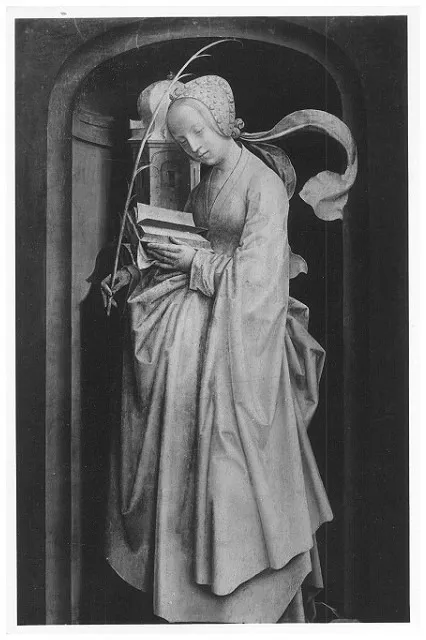
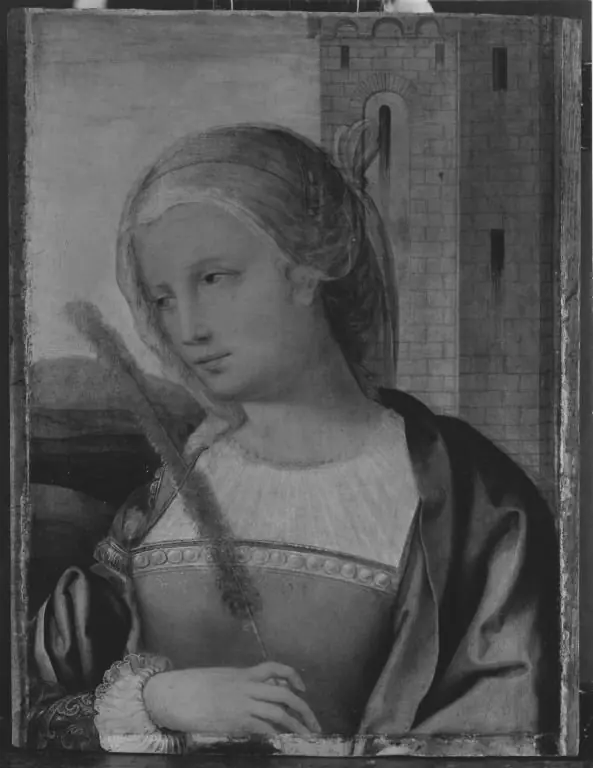
Saint Barbara from Nicodemia is an oil painting by the Northern Renaissance artist Jan Provoost. It dates from 1505 and is held in the collection of the Royal Museum of Fine Arts Antwerp.
About this work
Overview
Painted in 1505 by Jan Provoost, this oil-on-panel work portrays Saint Barbara, a Christian martyr, in a quiet, contemplative pose.
Painted in 1505 by Jan Provoost, this oil-on-panel work portrays Saint Barbara, a Christian martyr, in a quiet, contemplative pose. Executed in the Northern Renaissance tradition, the painting emphasizes meticulous detail and naturalistic rendering. It originates from the artist’s time in Bruges or Antwerp, where he maintained an active workshop. The piece is now part of the Royal Museum of Fine Arts Antwerp’s collection.
Subject & Meaning
Saint Barbara is depicted as a devout figure, engaged with a book—symbolizing her study of scripture—and holding a plant with elongated leaves, possibly a palm frond, a traditional emblem of martyrdom. Her serene expression and modest attire reflect the devotional ideals of the period. The arched doorway behind her may allude to the tower in which she was imprisoned, referencing her legendary story of faith under persecution.
Technique & Style
Provoost employed oil paint to achieve fine textures in fabric, foliage, and skin tones, characteristic of Northern Renaissance practice. Subtle chiaroscuro models the figure’s form, lending volume without dramatic contrast. The intricate patterns on her headdress and the delicate rendering of leaf veins demonstrate a commitment to observable detail, aligning with the period’s preference for realism over idealization.
History & Provenance
Created during Provoost’s mature period in the Low Countries, the painting likely originated in a private or ecclesiastical setting before entering institutional collection. Its documented presence in the Royal Museum of Fine Arts Antwerp confirms its long-standing recognition within Flemish art heritage. No earlier ownership records are widely cited, but its survival suggests consistent appreciation among collectors and religious institutions.
Context
Provoost operated in a vibrant artistic environment alongside figures like Quentin Matsys and Albrecht Dürer, whose 1520 visit to Antwerp highlights the city’s role as a hub for Northern European art. The painting reflects the era’s fusion of religious devotion and emerging naturalism, where saints were rendered not as distant icons but as accessible, humanized figures within intimate, detailed settings.
Legacy
Though less widely known than some contemporaries, Provoost’s work contributed to the evolution of Flemish portraiture and devotional imagery. His technical precision and integration of architectural elements influenced regional painters. This painting remains a representative example of early 16th-century Netherlandish art, valued for its quiet dignity and craftsmanship rather than public fame.
Artist & collection
Artist
Jan Provoost, or Jean Provost, or Jan Provost (1462/65 – January 1529) was a painter born in Mons.

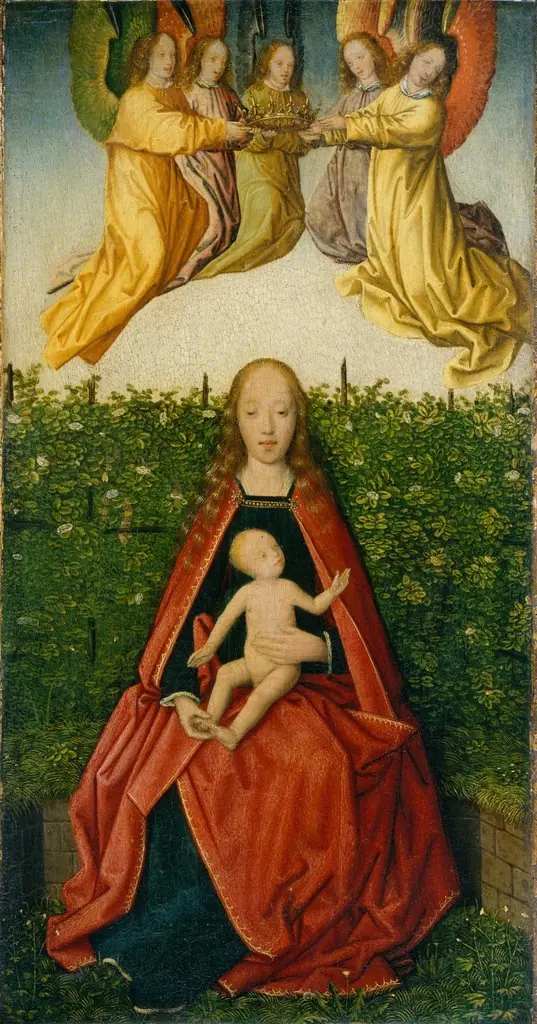 Virgin and Child
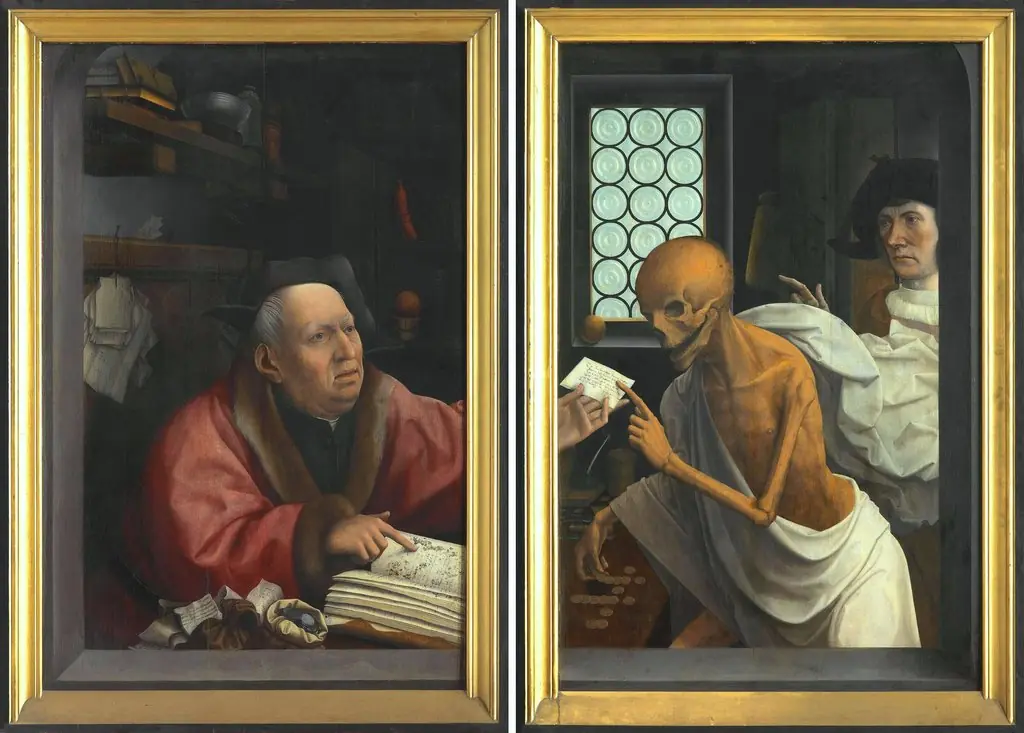 Death and the Miser (outer doors); St. Nicolas with donor and St. Godelieve with donor (inner doors)
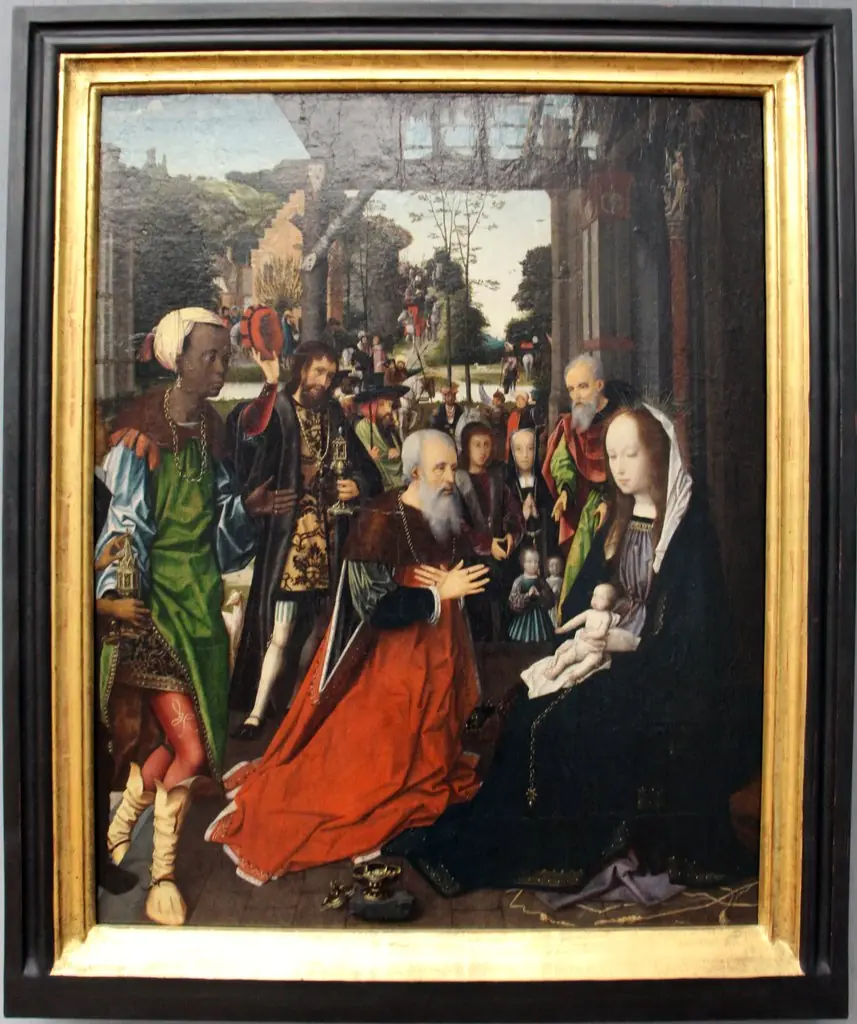 Adoration of the Magi
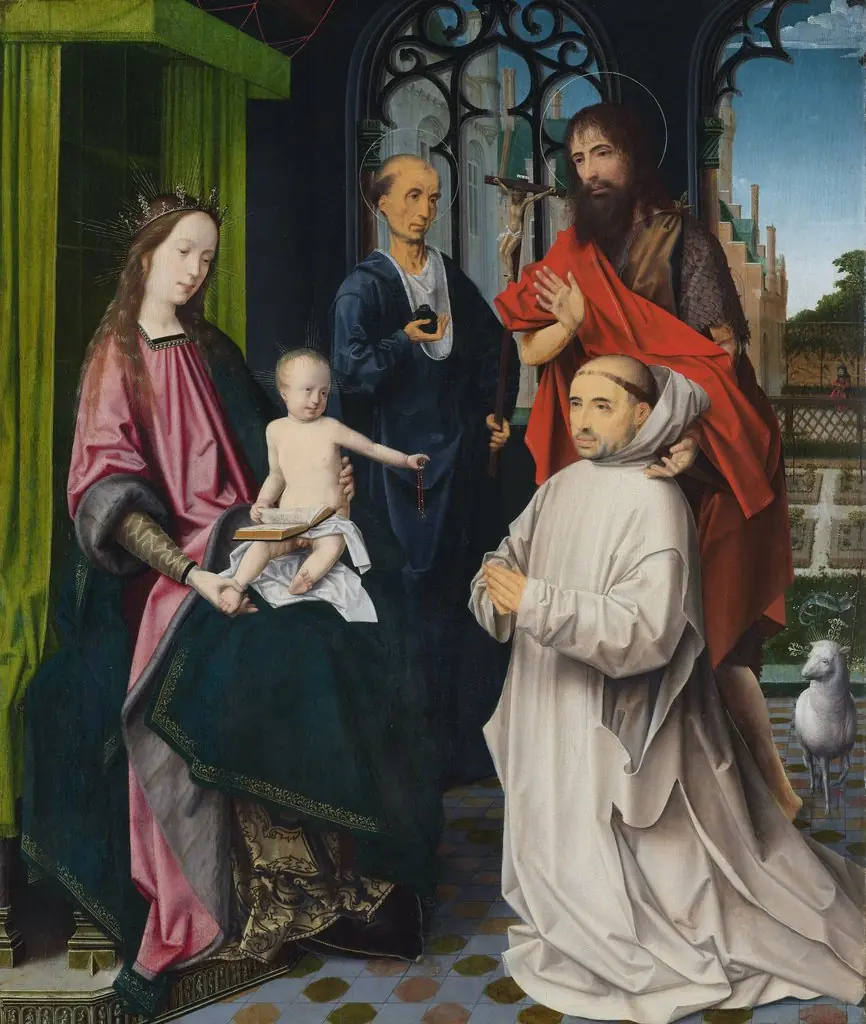 Virgin and Child Enthroned, with Saints Jerome and John the Baptist and a Carthusian Monk
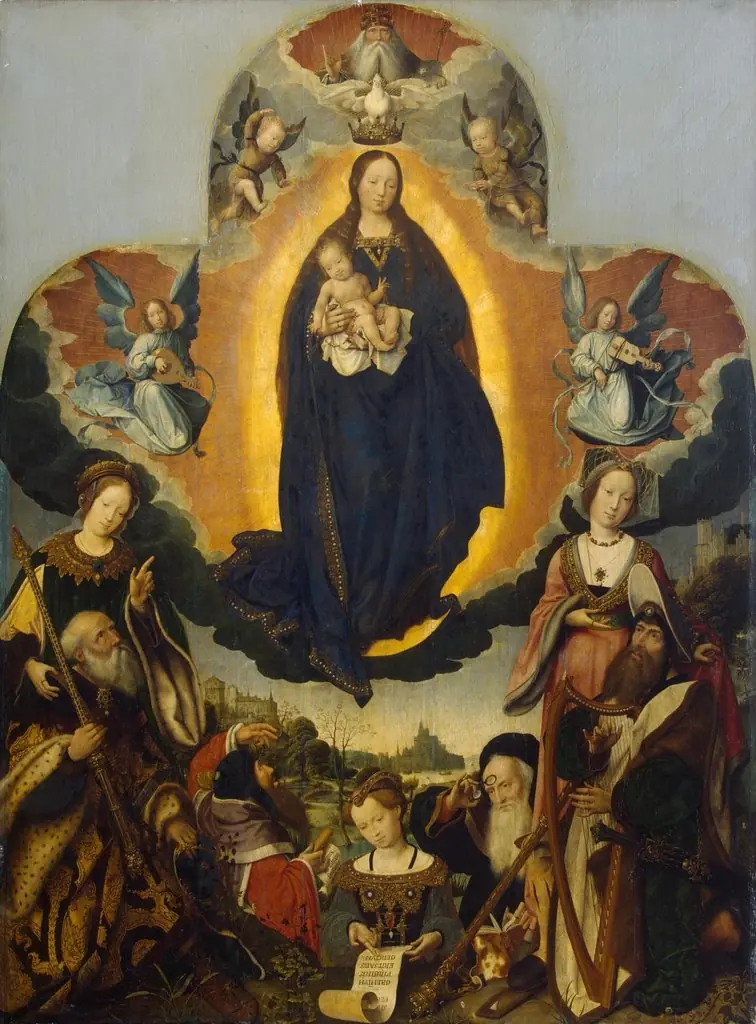 The Virgin Mary in Glory
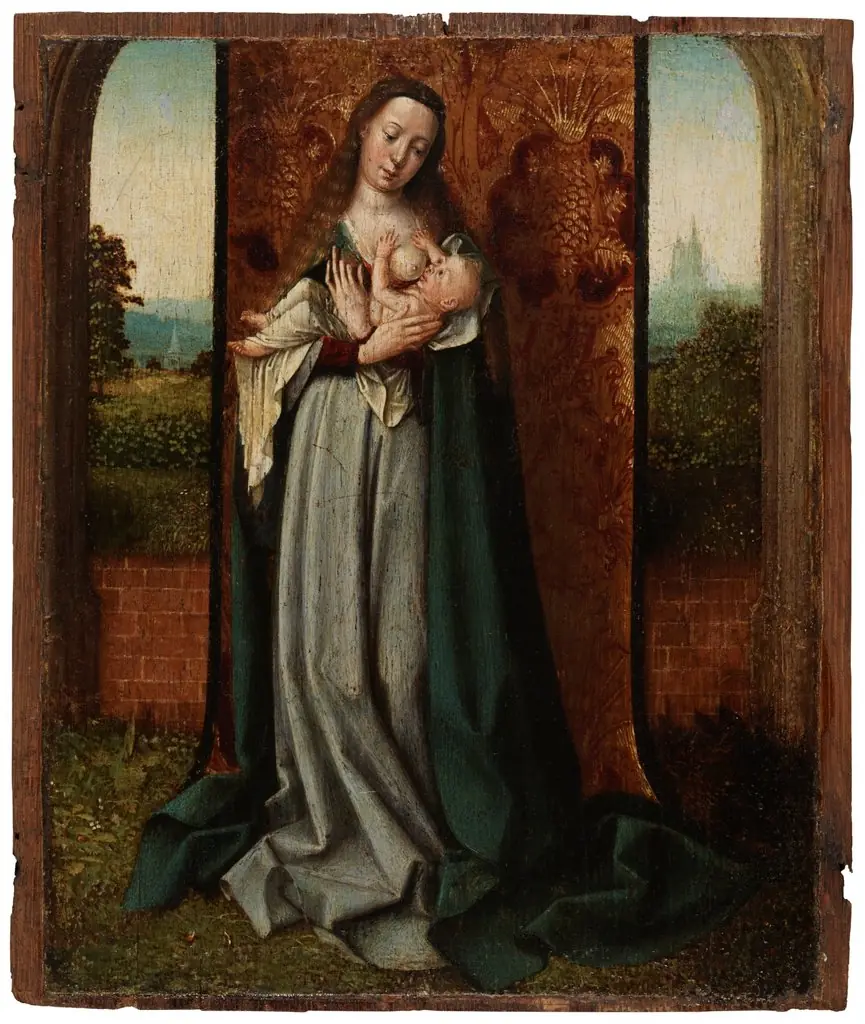 The Virgin and Child
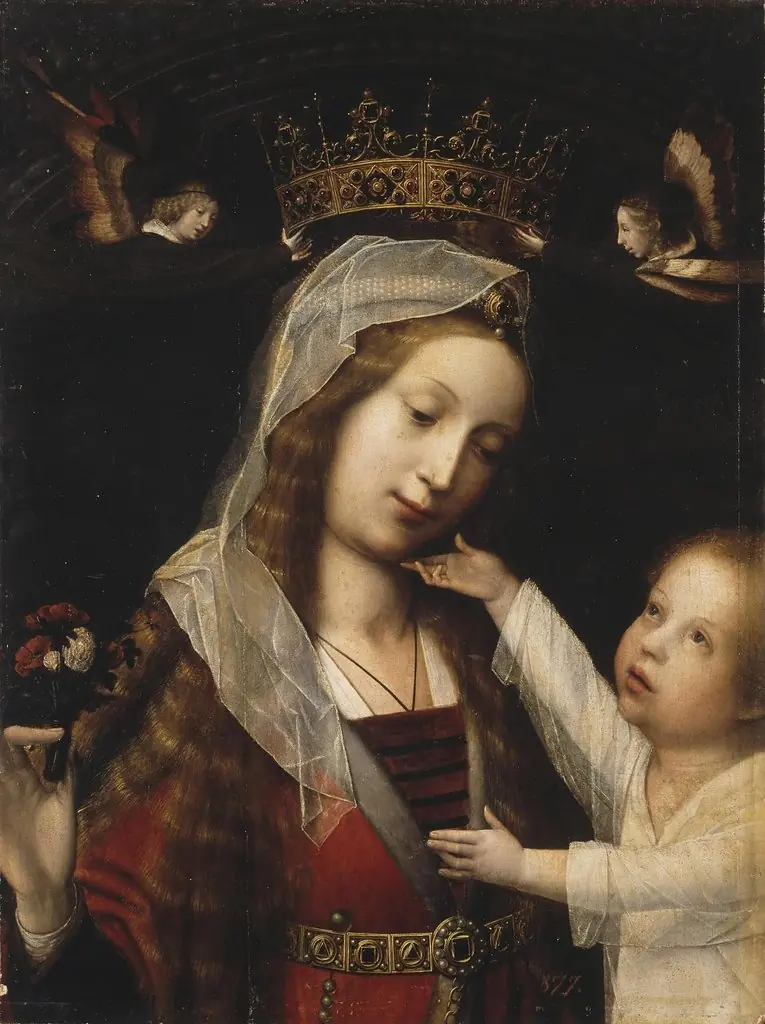 Madonna with the Child
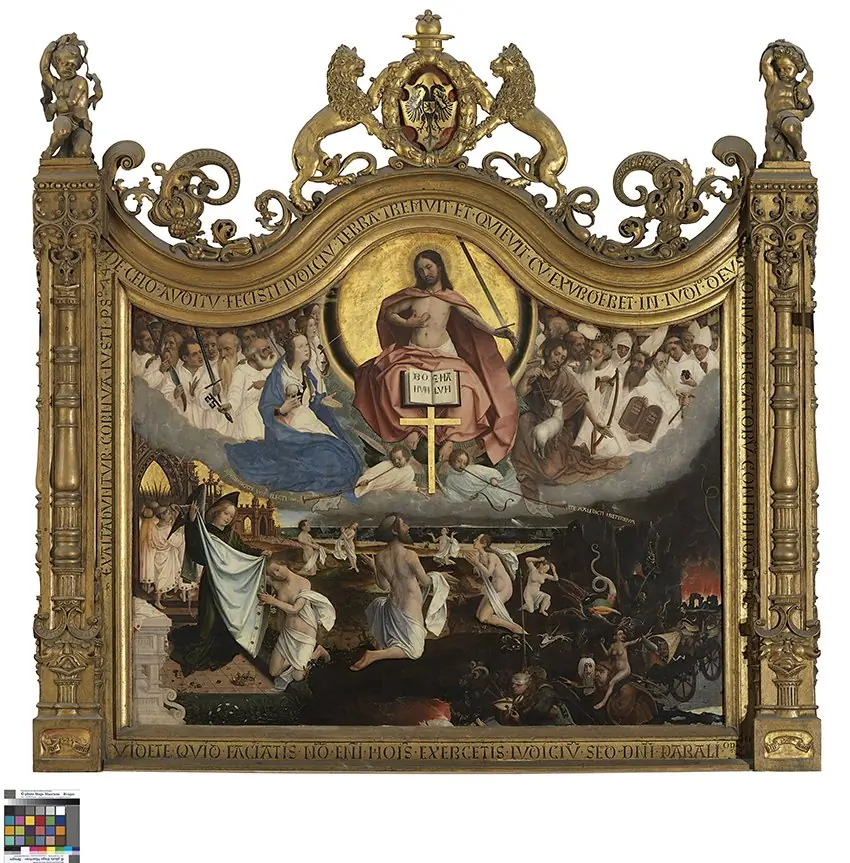 Last Judgement
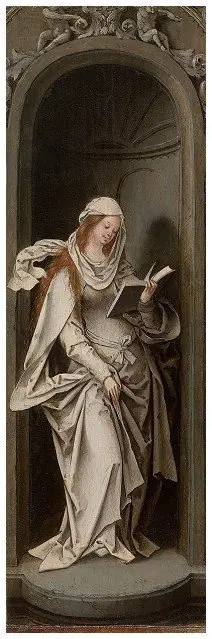 Annunciation (Mary)
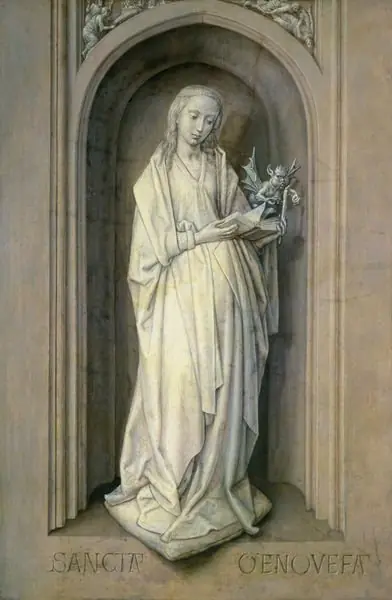 Genevieve
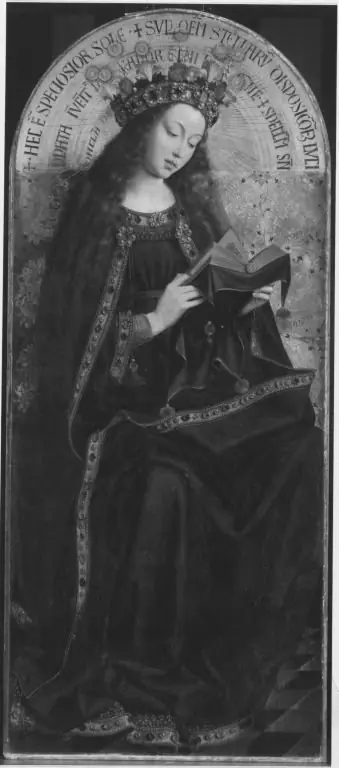 Mary (after The Ghent Altarpiece)
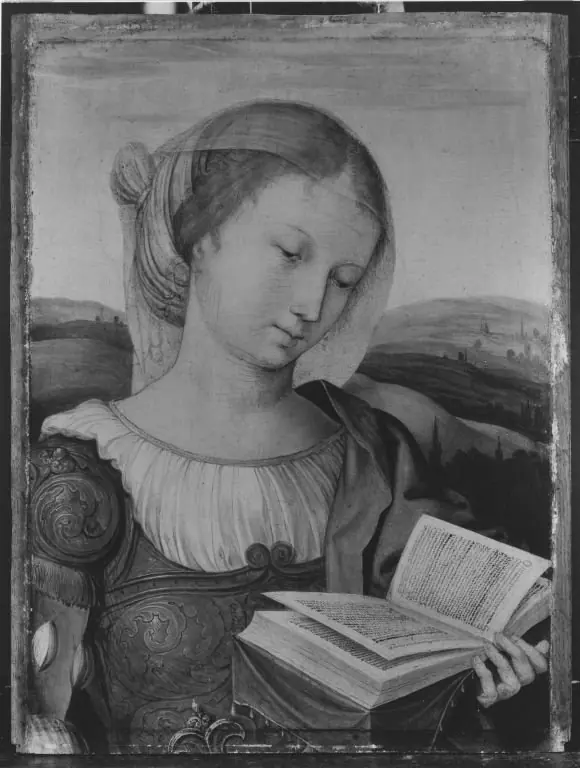 Saint Catherine of Alexandria
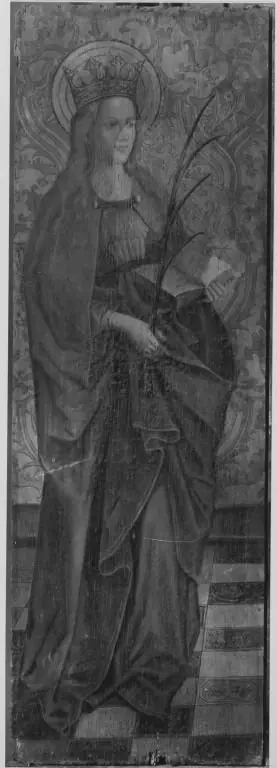 Hl. Barbara
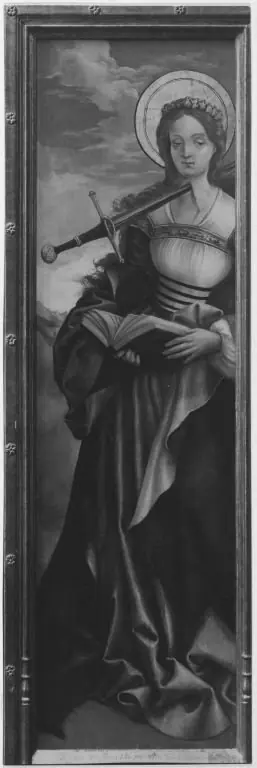 St. Lucy
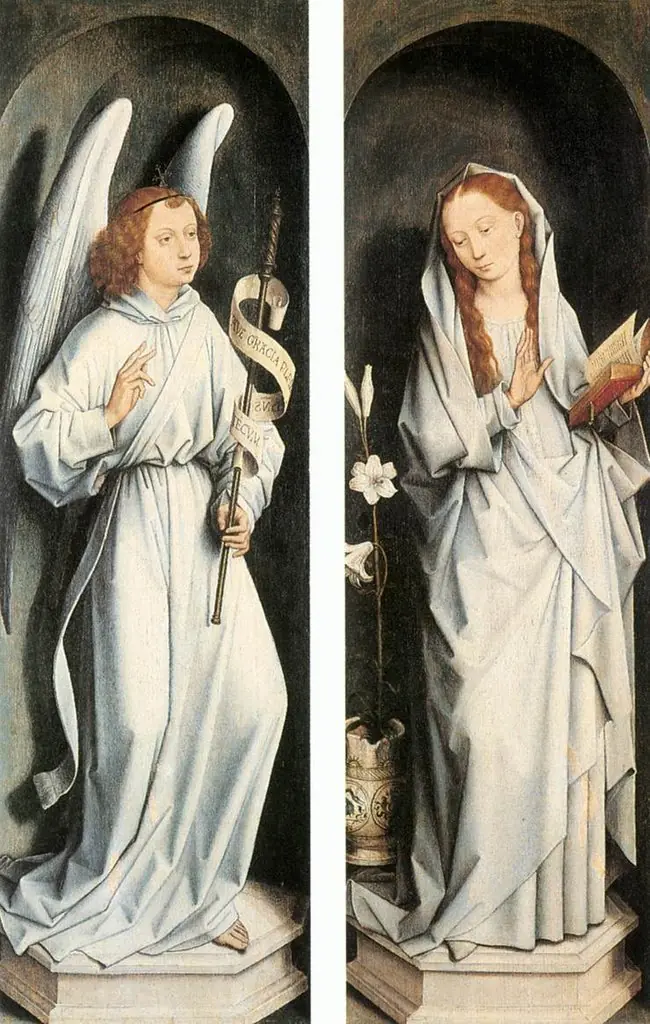 Annunciation
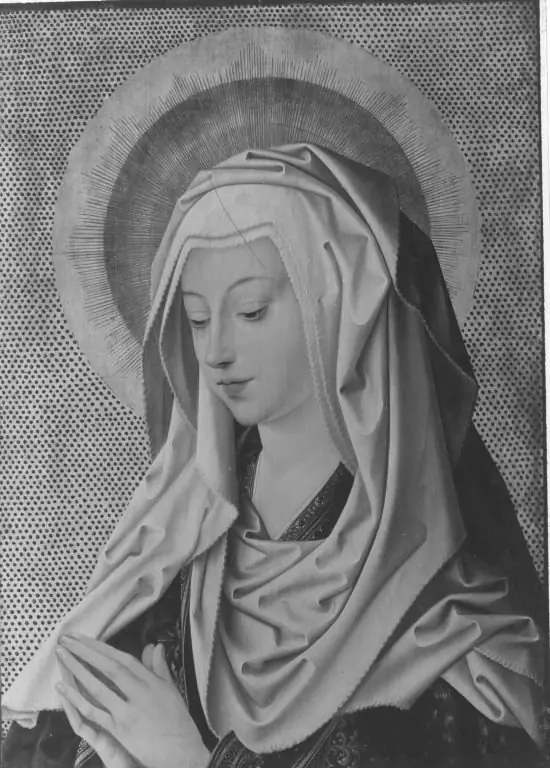 Virgin at prayer
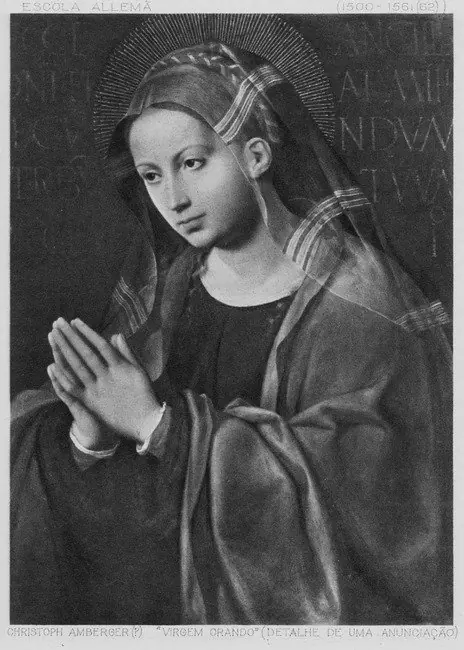 Biddende Maria
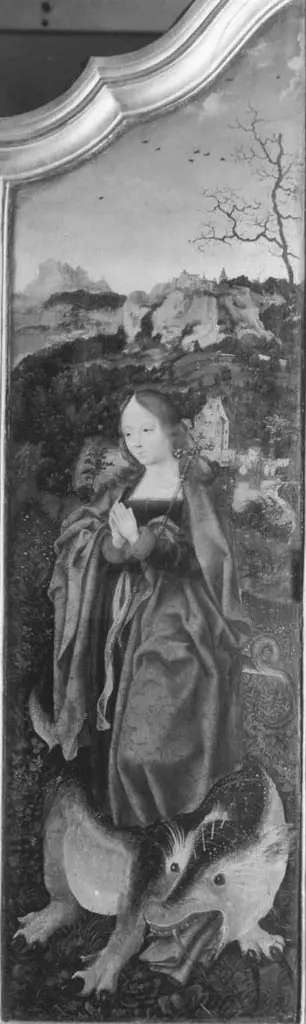 Lamentation triptych: St. Margaret On reverse: Angel of the Annunciation
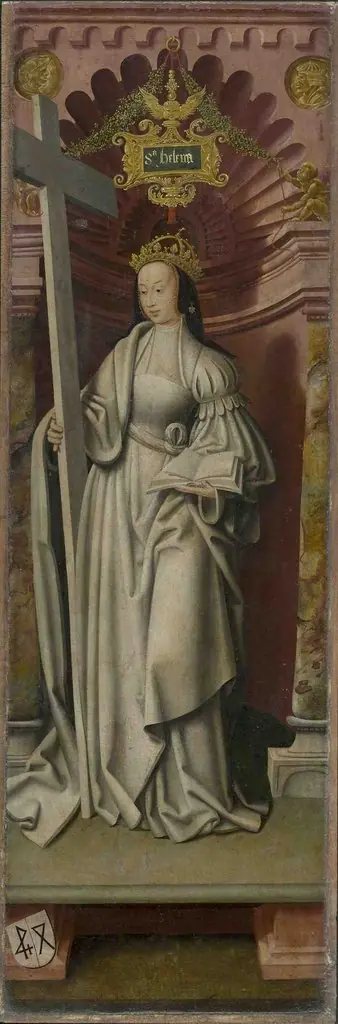 Kreuzigungsaltar: Hl. Helena
 Saint Barbara (exterior: fragment of an Annunciation)