Artwork
St. Lucy
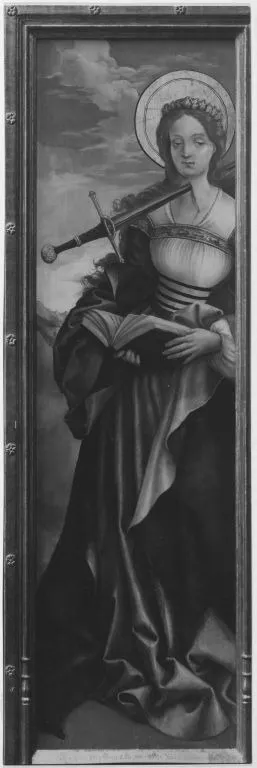
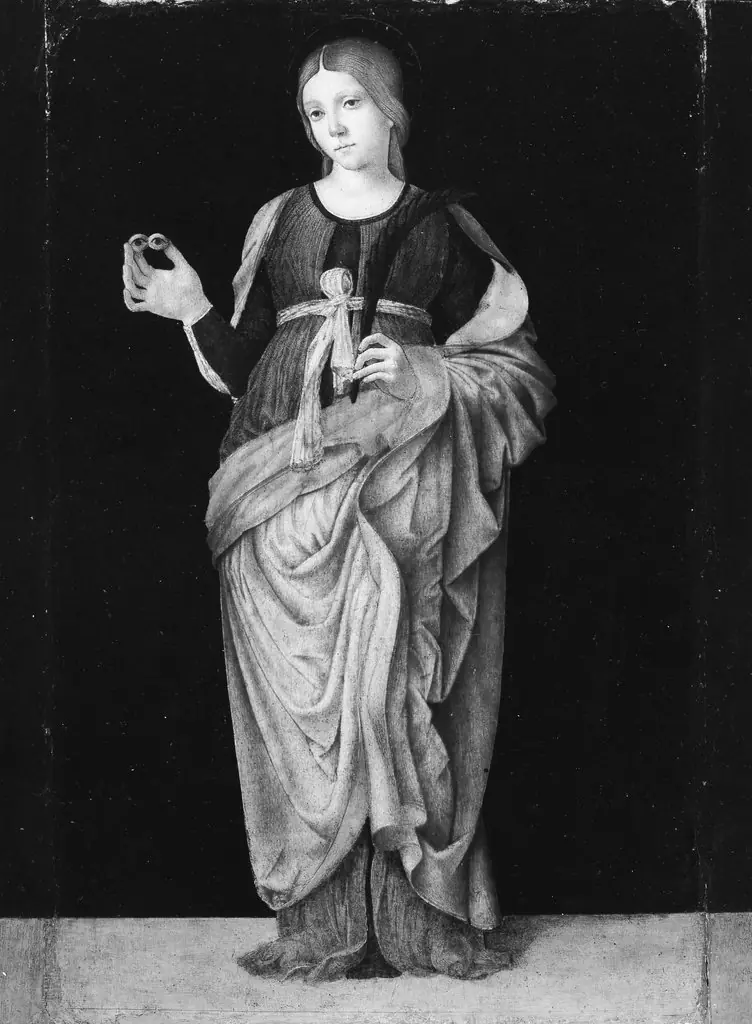
St. Lucy is a paint painting by the Early Baroque Italian artist Jörg Breu the Elder. It dates from 1614 and is held in the collection of the Bavarian State Painting Collections. St.
About this work
Overview
St. Lucy is a painting created in 1614 by Jörg Breu the Elder, a prominent figure of the German Danube school based in Augsburg. The work belongs to the religious genre and is characterized by the artistic fusion of German and Italian stylistic elements, reflecting the artist's travels to Italy.
Subject & Meaning
The painting portrays Saint Lucy, a Christian martyr, depicted with symbols of her martyrdom and spiritual significance. A golden halo, a book (representing wisdom or scripture), and a spear topped with a globe (alluding to her protective role or martyrdom) are key elements. Her calm yet serious expression conveys devotion and resilience.
Technique & Style
Breu employed chiaroscuro, a strong contrast between light and dark, to create a sense of depth and highlight the subject. The sharp illumination of Saint Lucy's face and body against a dark background, complemented by soft blues and grays in the sky, exemplifies the early Baroque's dramatic lighting effects.
History & Provenance
Created in 1614, St. Lucy is now part of the collection at the Alte Pinakothek. Breu's biographical background, including his travels to Italy (notably in 1514/15) and his origins in a weaving family (born circa 1475), influenced his artistic approach, blending German tradition with Italian Baroque elements.
Context
The painting reflects the religious and artistic currents of the early 17th century, specifically the intersection of German Danube school traditions with the emerging Baroque styles of Italy. It speaks to the period's emphasis on religious themes and the use of symbolism to convey moral and spiritual messages.
Artist & collection
Artist
Jörg Breu the Elder (c. 1475–1537), of Augsburg, was a painter of the German Danube school. He was the son of a weaver. He journeyed to Austria and created several multi-panel altarpieces there in 1500–02, such as the…

 The Suicide of Lucretia
 Portrait of a Woman
 Mary with Child and Goldfinch 1523
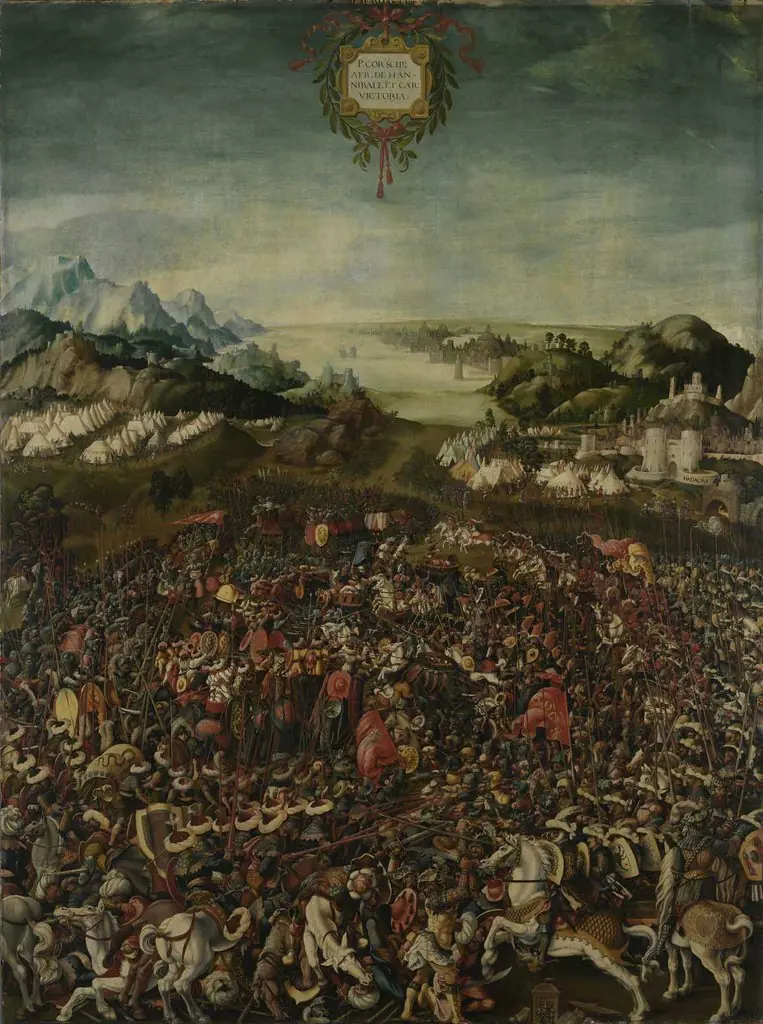 Historienzyklus: Der Sieg des P. Cornelius Scipio über Hannibal in der Schlacht bei Zama
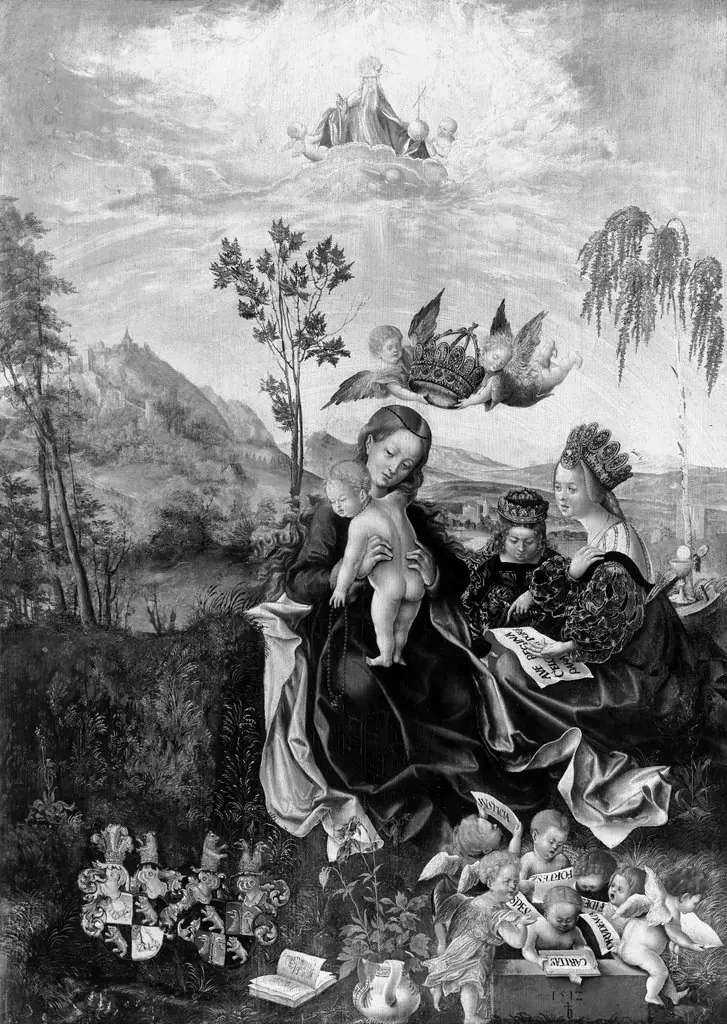 Mary with the child, Saint Catherine, Saint Barbara and angels
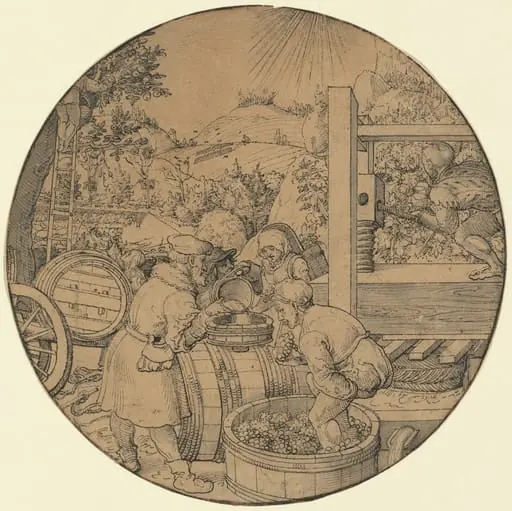 The Wine Harvest (September)
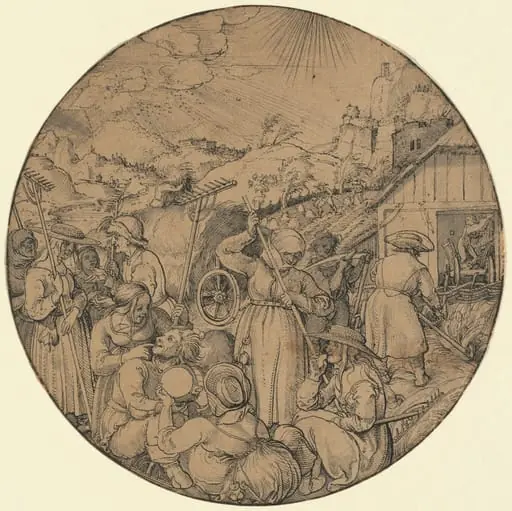 The Hay Harvest (June)
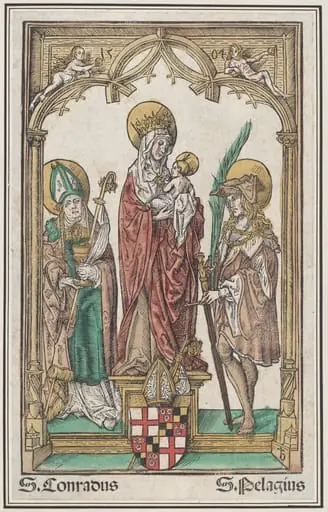 The Virgin and Child with Saint Conrad and Saint Pelagius
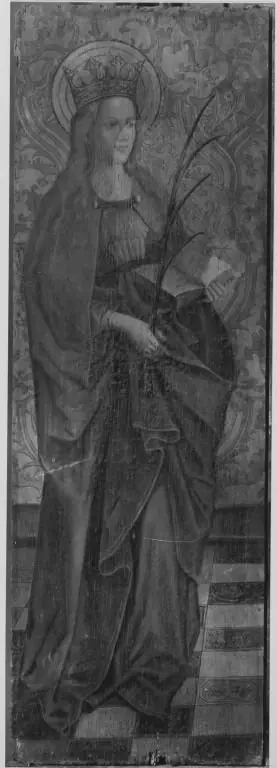 Hl. Barbara
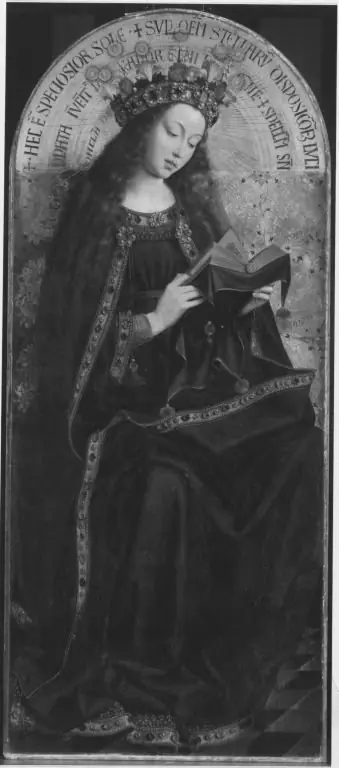 Mary (after The Ghent Altarpiece)
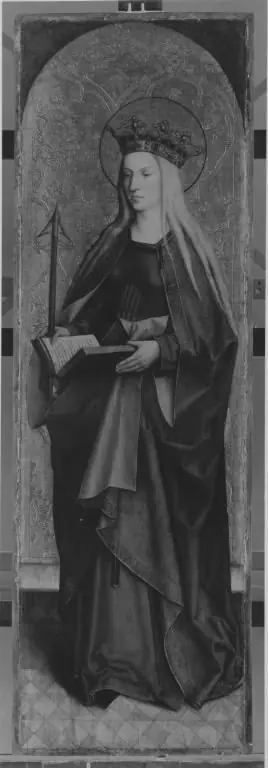 Flügel eines Altares: Die hl. Ursula Rückseite mit hl. Brigitta abgesägt (Inv.-Nr. 1207)
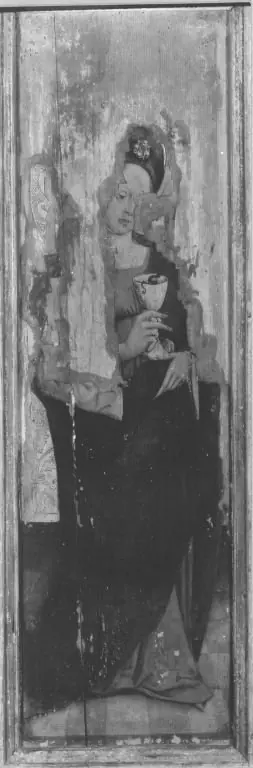 Hl. Barbara (Rückseite: Hl. Ottilie)
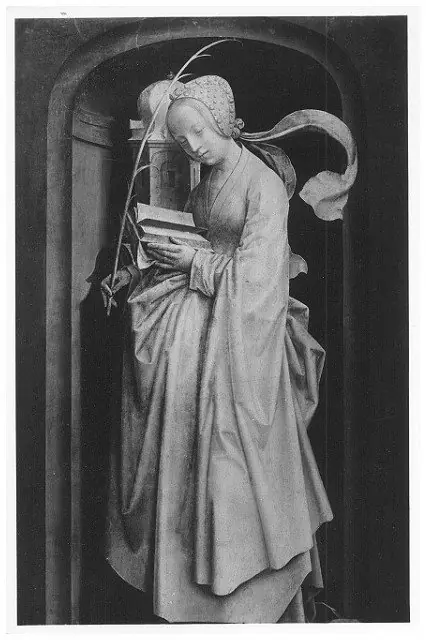 Saint Barbara from Nicodemia
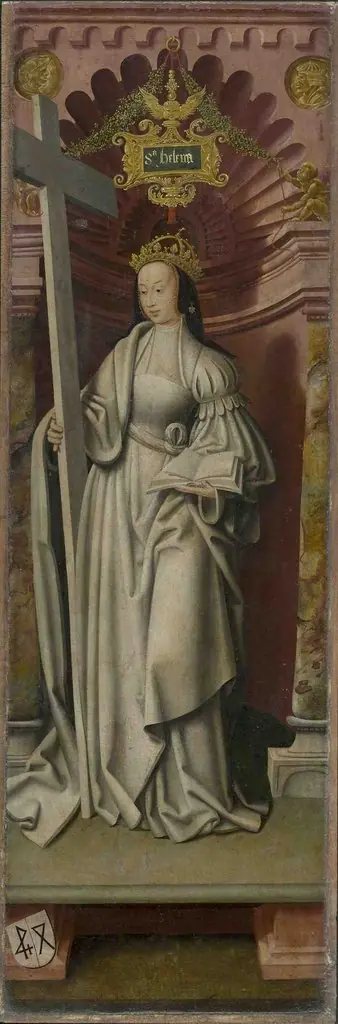 Kreuzigungsaltar: Hl. Helena
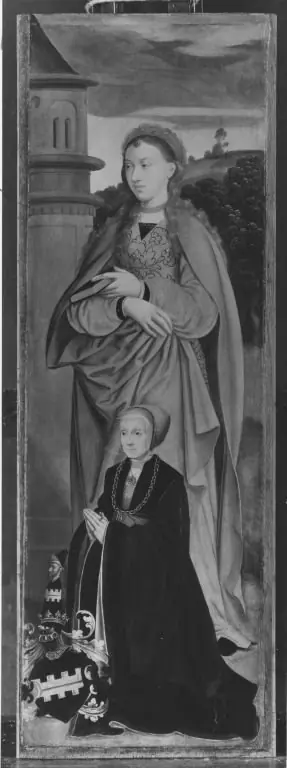 Saint Barbera and the donor Sibylla Rinck-Kannegießer
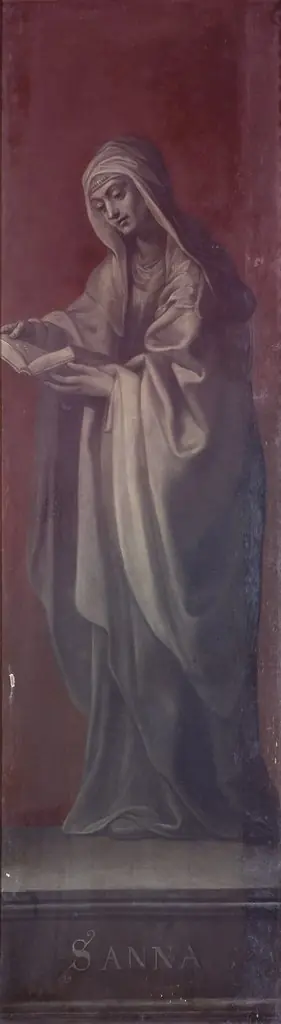 Saint Ann
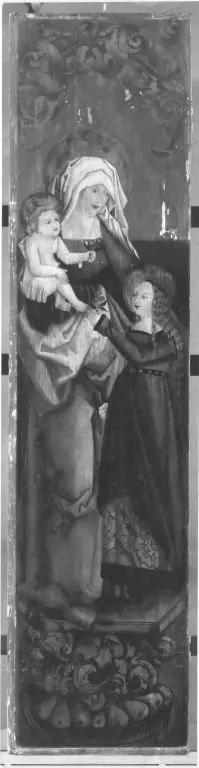 Madonna and Child with Saint Anne (Back: Remnant of a halo)
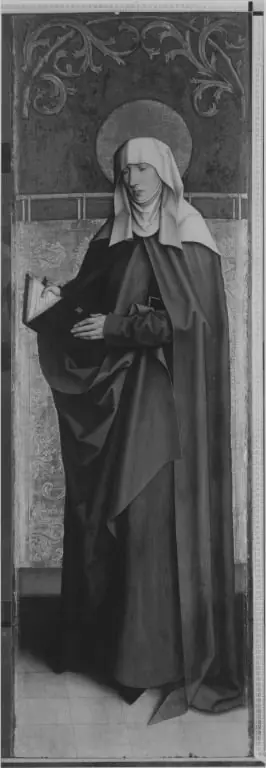 Flügel eines Altares: Hl. Brigitta (abgesägte Rückseite von WAF 1205)
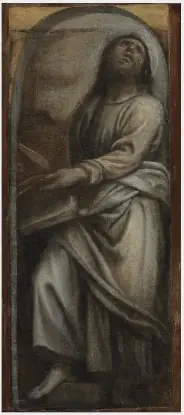 St Bartholomew
 Saint Lucy