Artwork
Triptych with the Virgin and Child (centre panel), St John the Evangelist (inner left wing) and Mary Magdalen (inner right wing)
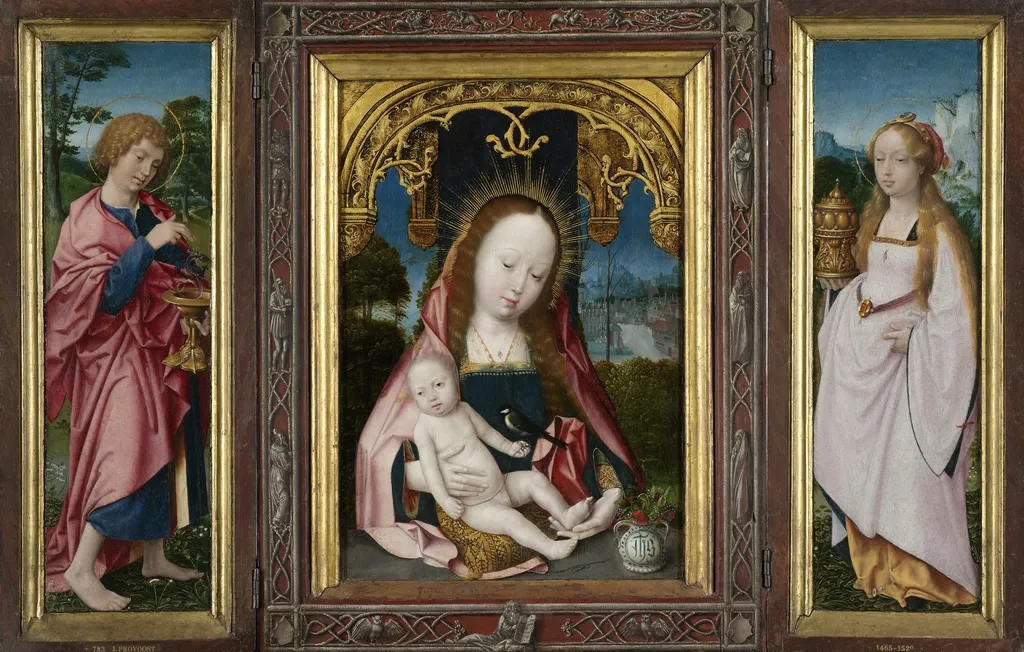
Triptych with the Virgin and Child (centre panel), St John the Evangelist (inner left wing) and Mary Magdalen (inner right wing) is an oil painting by the Northern Renaissance artist Jan Provoost. It dates from 1520 and is held in the collection of the Rijksmuseum.
About this work
Overview
The work exemplifies the Northern Renaissance’s attention to detail and devotional intimacy, and it now belongs to the Mauritshuis collection in The Hague.
Jan Provoost, a Flemish artist active in the early sixteenth century, completed a three‑panel oil painting in 1520. The central panel shows the Virgin with the infant Christ, flanked by St John the Evangelist on the left and Mary Magdalene on the right. The work exemplifies the Northern Renaissance’s attention to detail and devotional intimacy, and it now belongs to the Mauritshuis collection in The Hague.
Subject & Meaning
The central image presents the Virgin Mary holding the newborn Jesus, a traditional motif of maternal devotion. To the left, St John the Evangelist, often portrayed as a youthful companion of the infant, underscores themes of prophecy and witness. On the right, Mary Magdalene, identified by her customary attributes, introduces a narrative of repentance and redemption, creating a balanced theological program across the three panels.
Technique & Style
Executed in oil on panel, the triptych displays Provoust’s characteristic fine brushwork and layered glazing that achieve subtle modelling of flesh and fabric. The composition balances a clear, linear arrangement with a rich, atmospheric background, reflecting the Northern Renaissance’s synthesis of meticulous observation and symbolic depth. Light falls gently across the figures, enhancing their three‑dimensional presence.
History & Provenance
Created in 1520, the work remained in private hands before entering the Mauritshuis collection, where it is displayed among other Flemish masterpieces. Documentation traces its acquisition to the museum’s early twentieth‑century purchases, confirming its provenance from the Low Countries to its current public setting.
Context
Provoost operated workshops in both Bruges and Antwerp, cities that were artistic hubs during the period. His career also encompassed cartography, engineering, and architecture, indicating a multidisciplinary approach common among Renaissance practitioners. The triptych reflects the devotional practices of the era, catering to private or chapel patrons seeking a portable yet richly detailed religious image.
Artist & collection
Artist
Jan Provoost, or Jean Provost, or Jan Provost (1462/65 – January 1529) was a painter born in Mons.

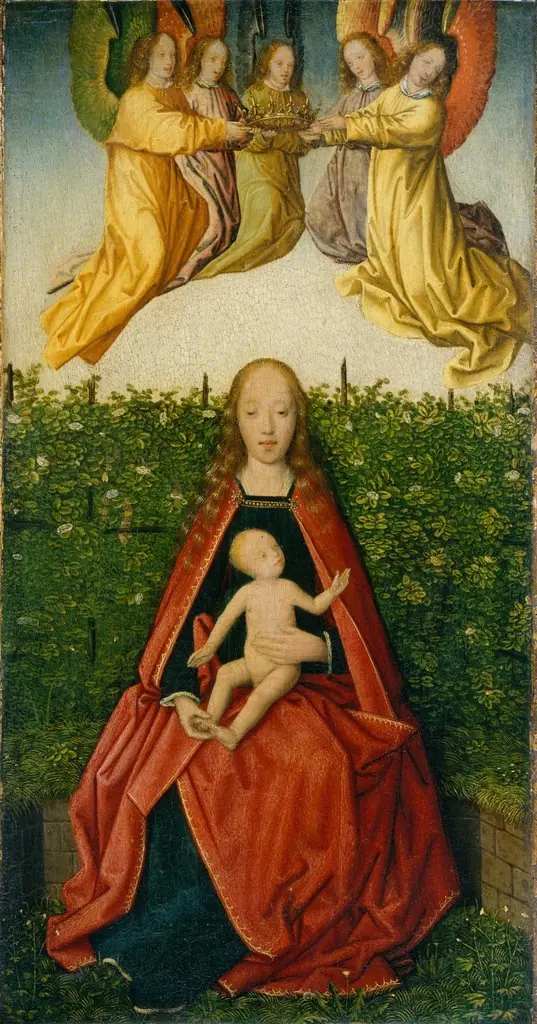 Virgin and Child
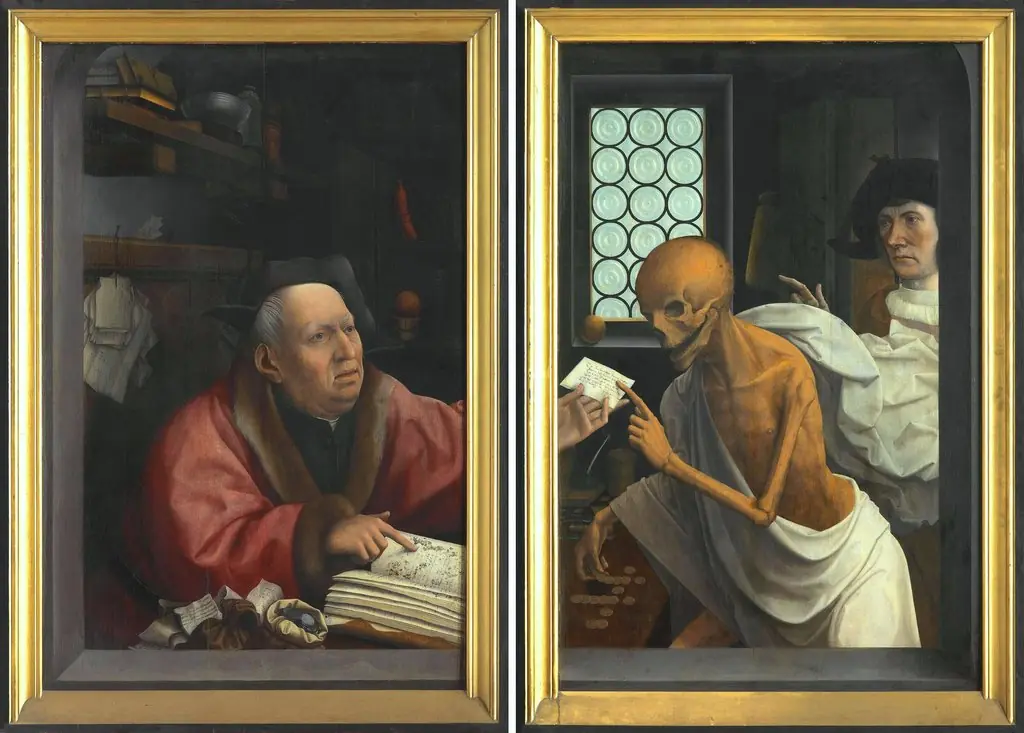 Death and the Miser (outer doors); St. Nicolas with donor and St. Godelieve with donor (inner doors)
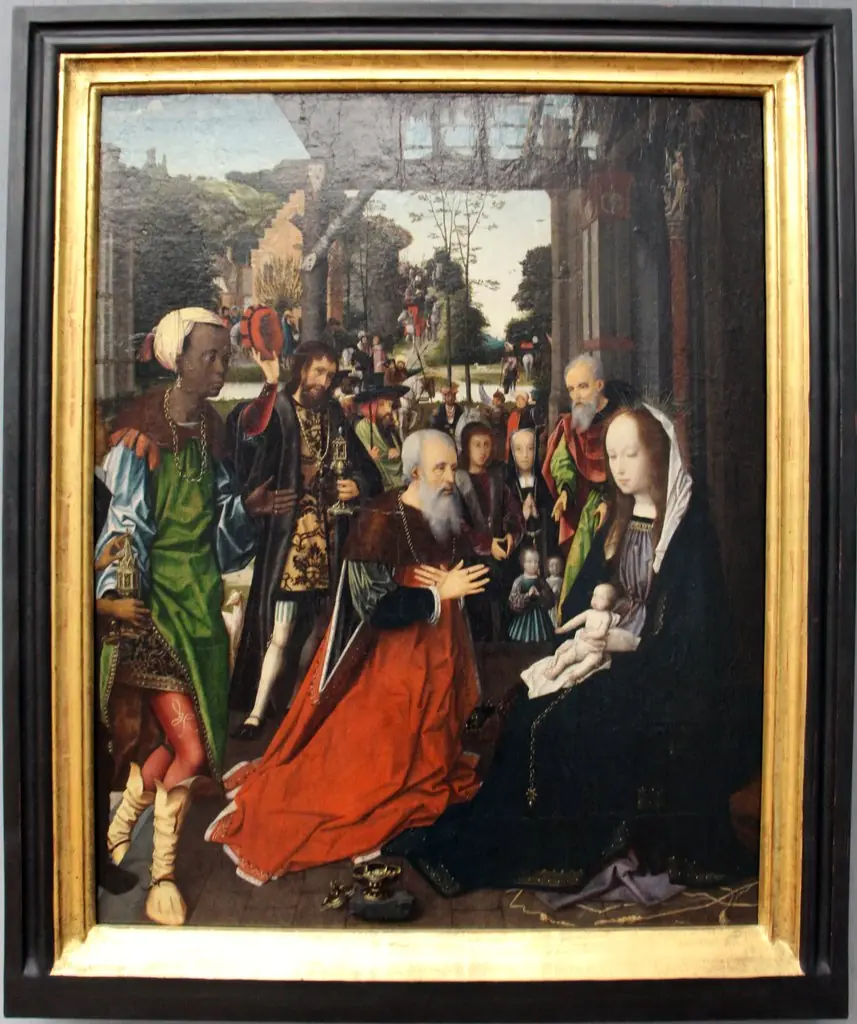 Adoration of the Magi
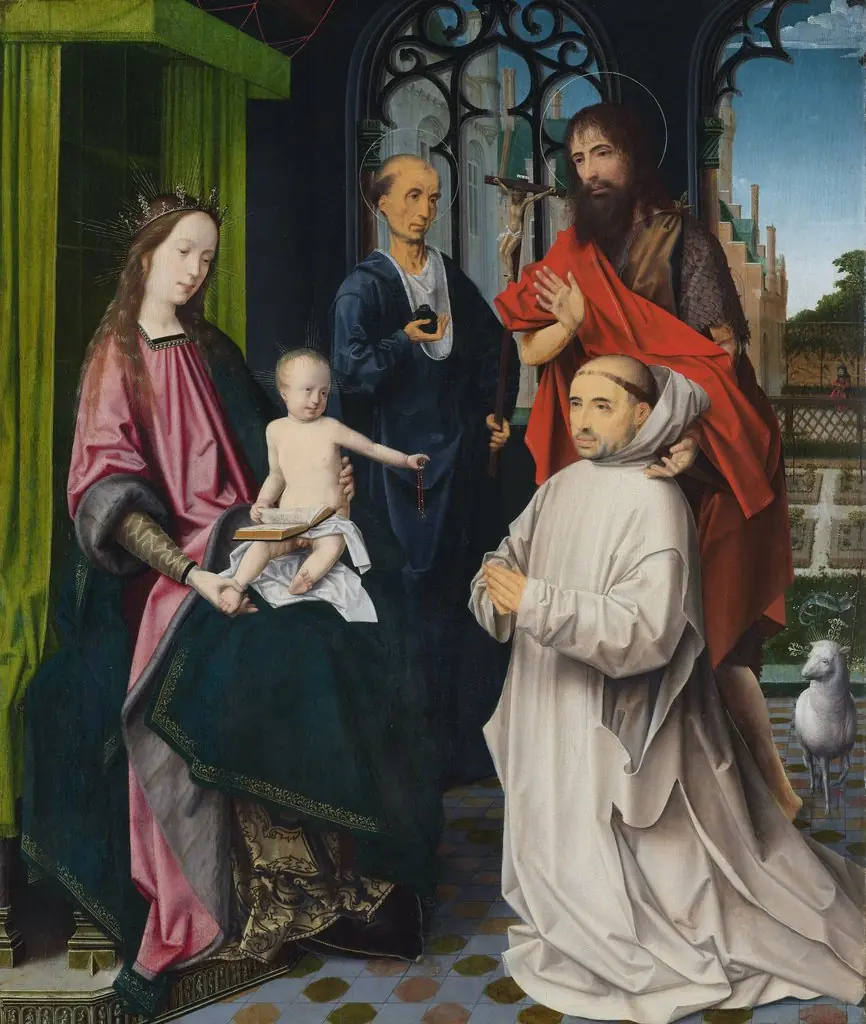 Virgin and Child Enthroned, with Saints Jerome and John the Baptist and a Carthusian Monk
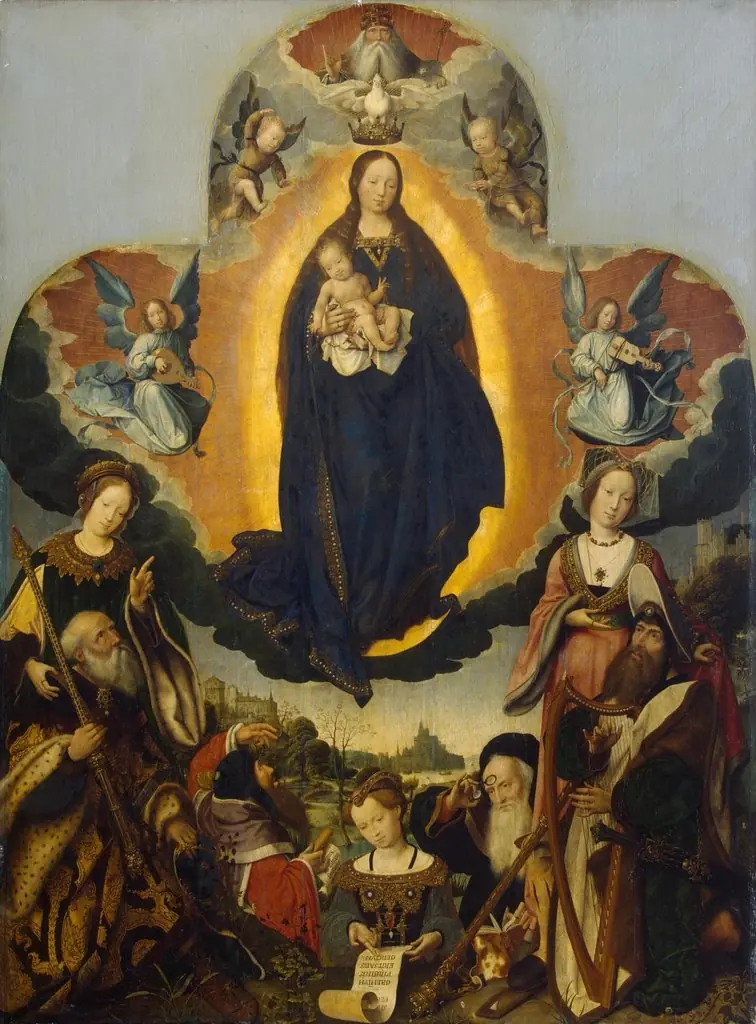 The Virgin Mary in Glory
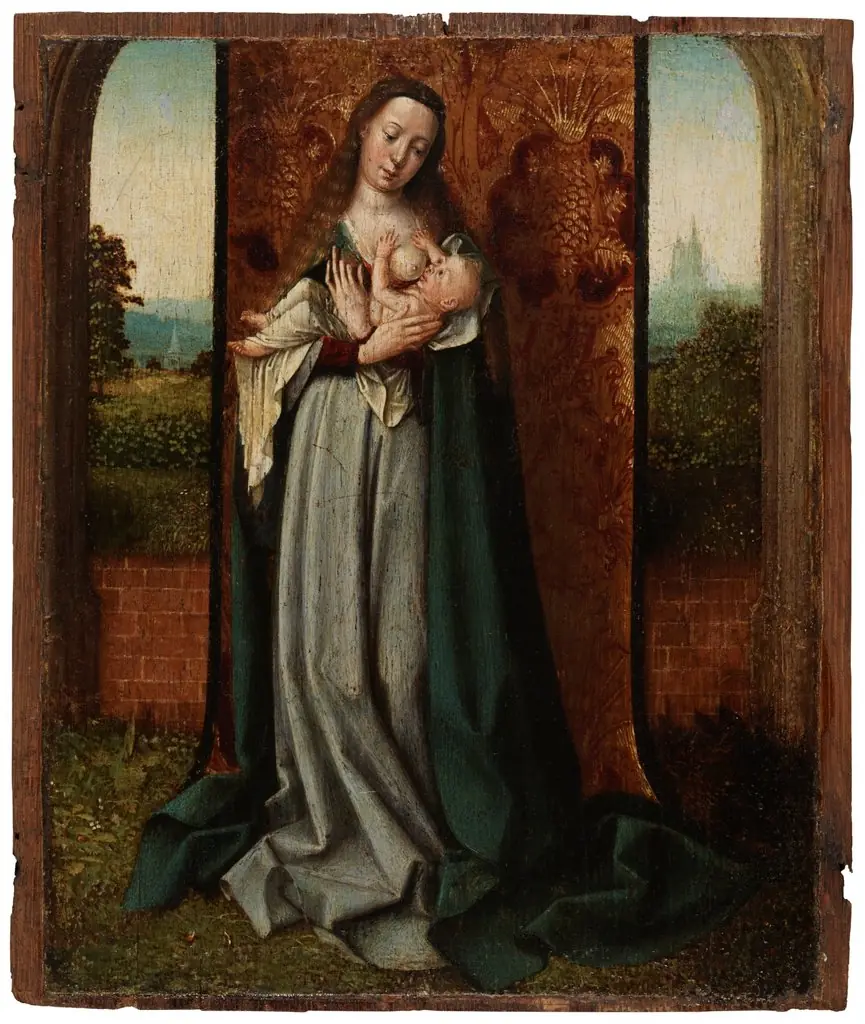 The Virgin and Child
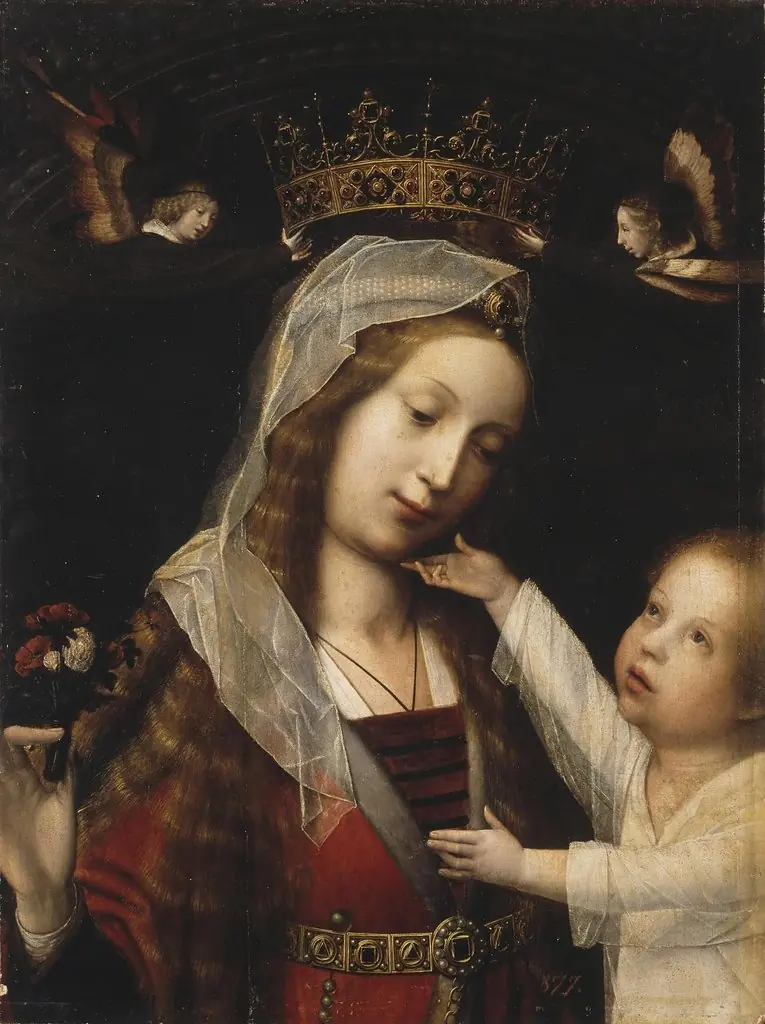 Madonna with the Child
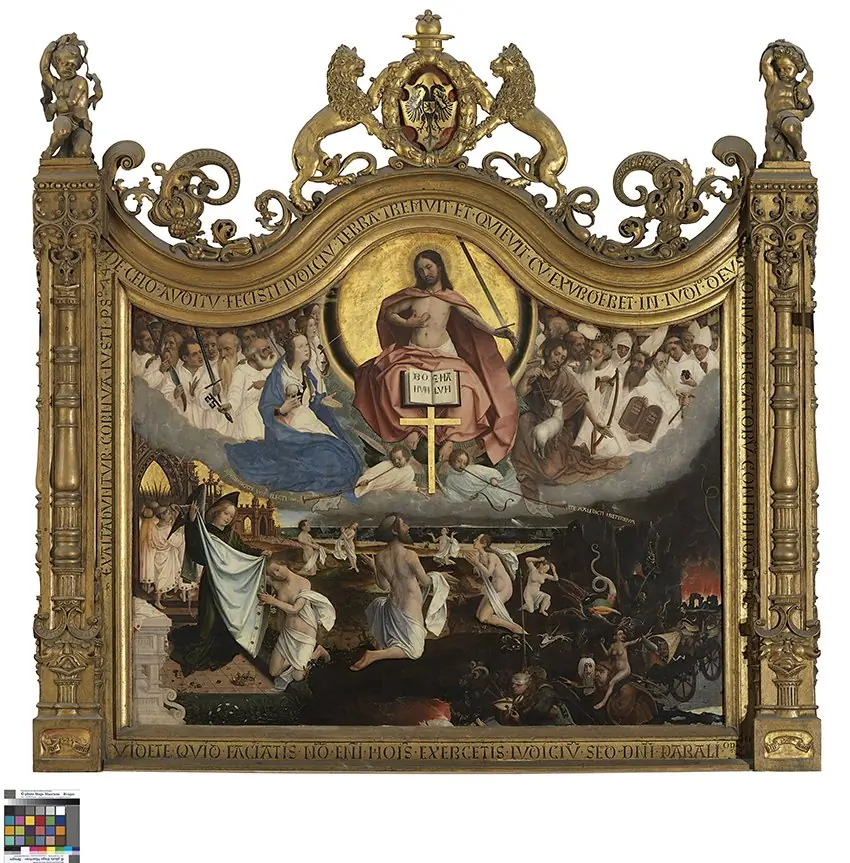 Last Judgement
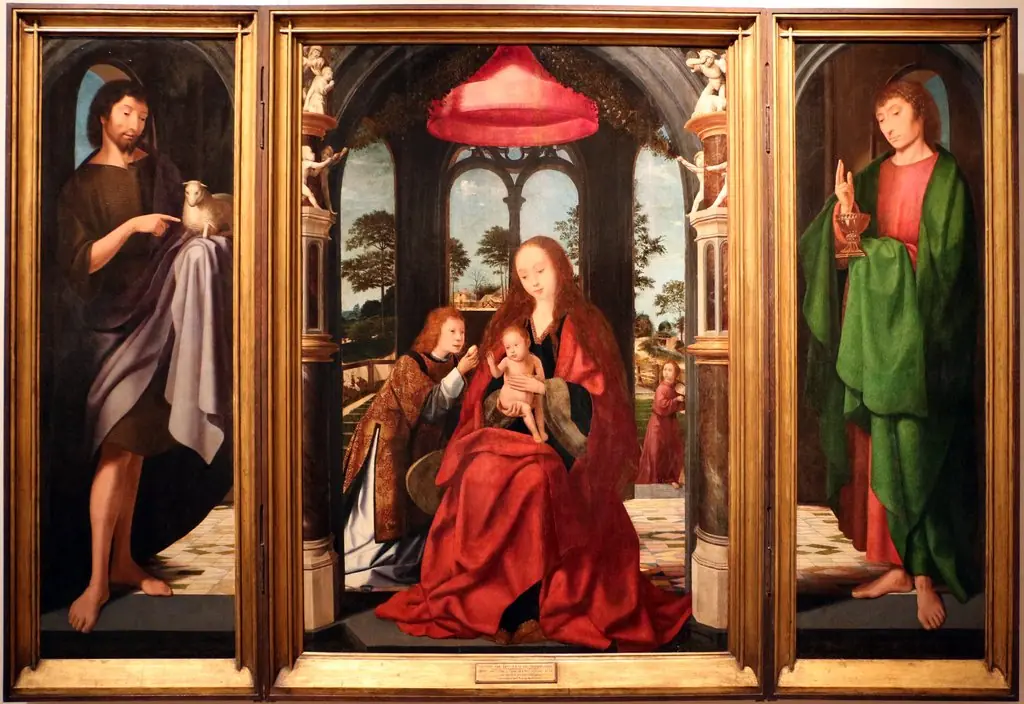 Triptych of the Virgin with the Child and Angels, St. John the Baptist and St. John the Evangelist
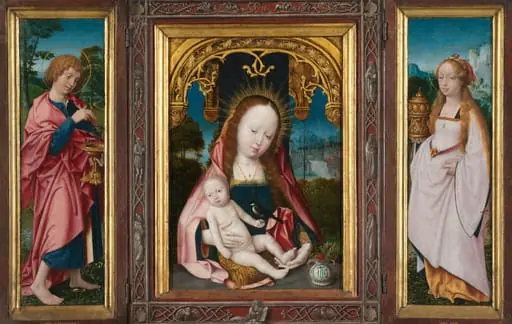 Triptych with Virgin and Child, Saint John the Evangelist (left wing) and Mary Magdalene (right wing)
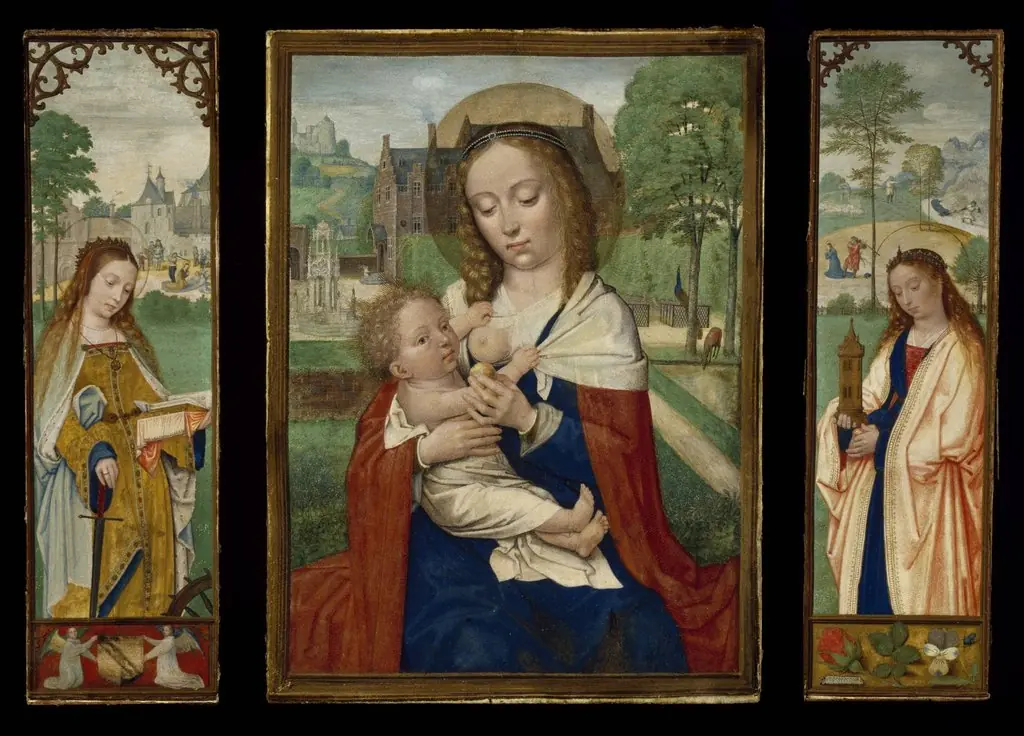 Triptych of Virgin and Child; Saints Catherine and Barbara
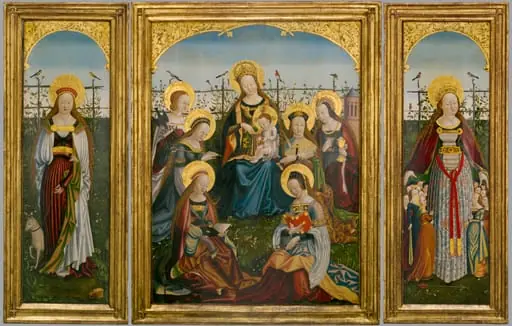 Triptych of the Virgin and Child with Saints
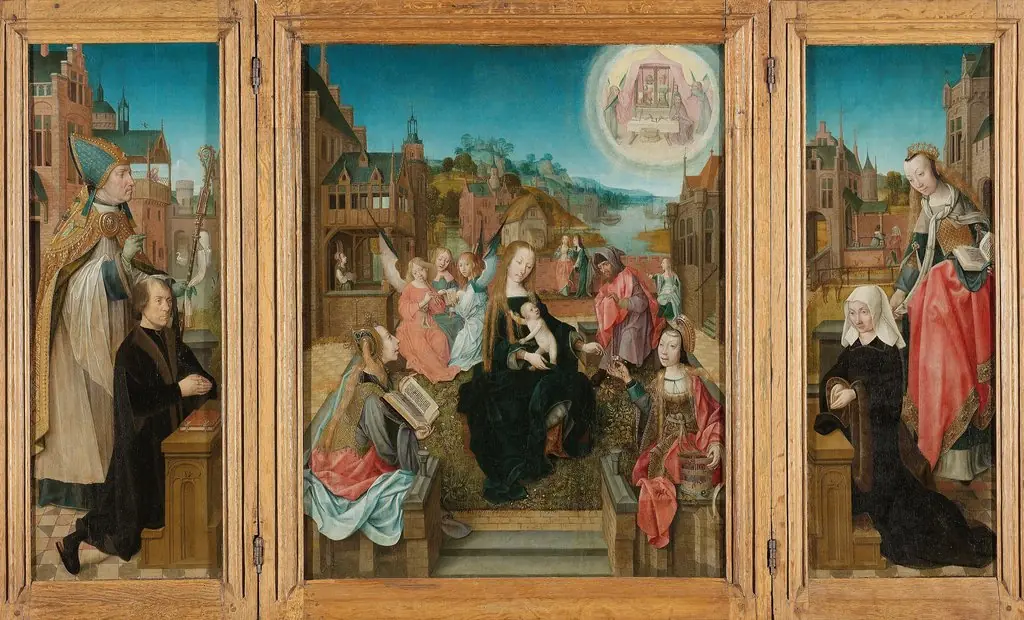 Triptych with the Virgin and Child and saints (centre panel), the donor with St Martin (inner left wing), the donor’s wife with St Cunera (inner right wing) and the Annunciation (outer wings)
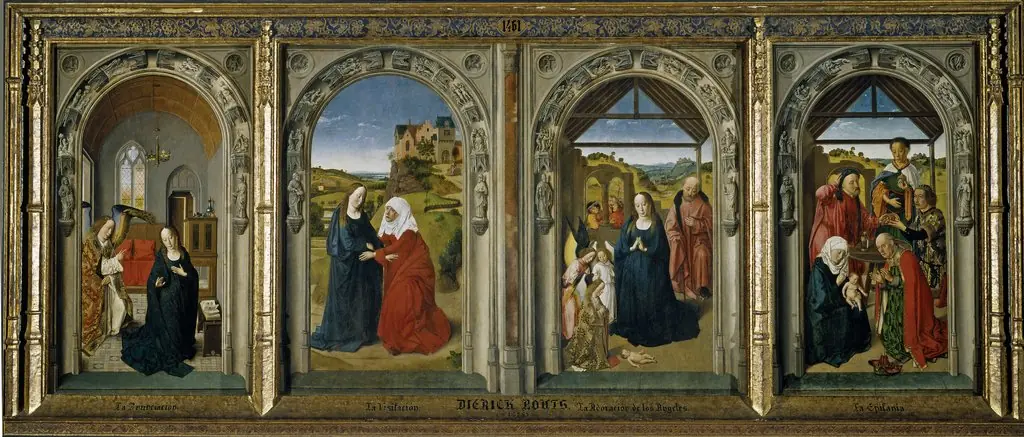 Triptych with Scenes from the Life of the Virgin