Artwork
Flemish Tavern
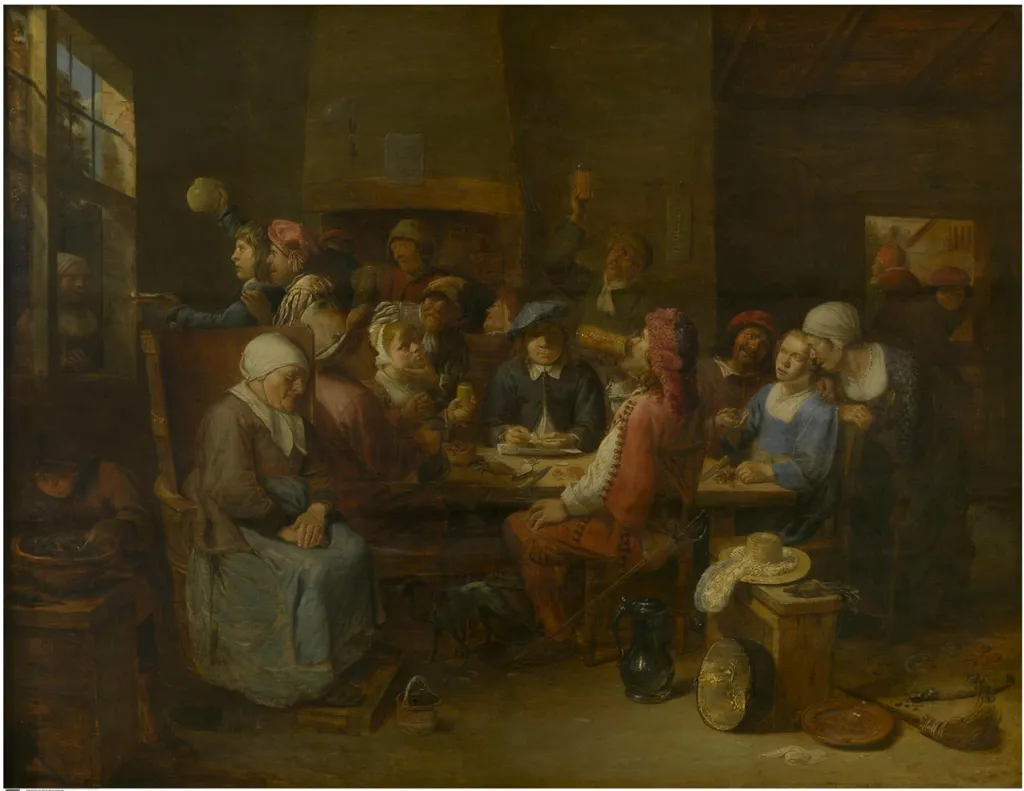
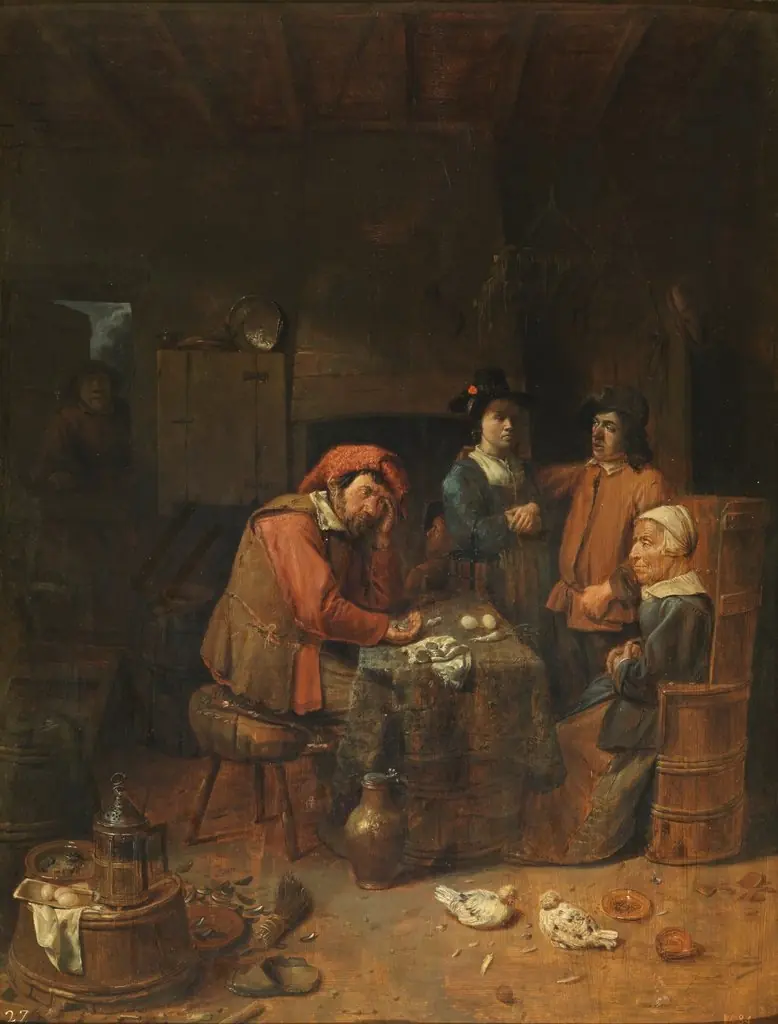
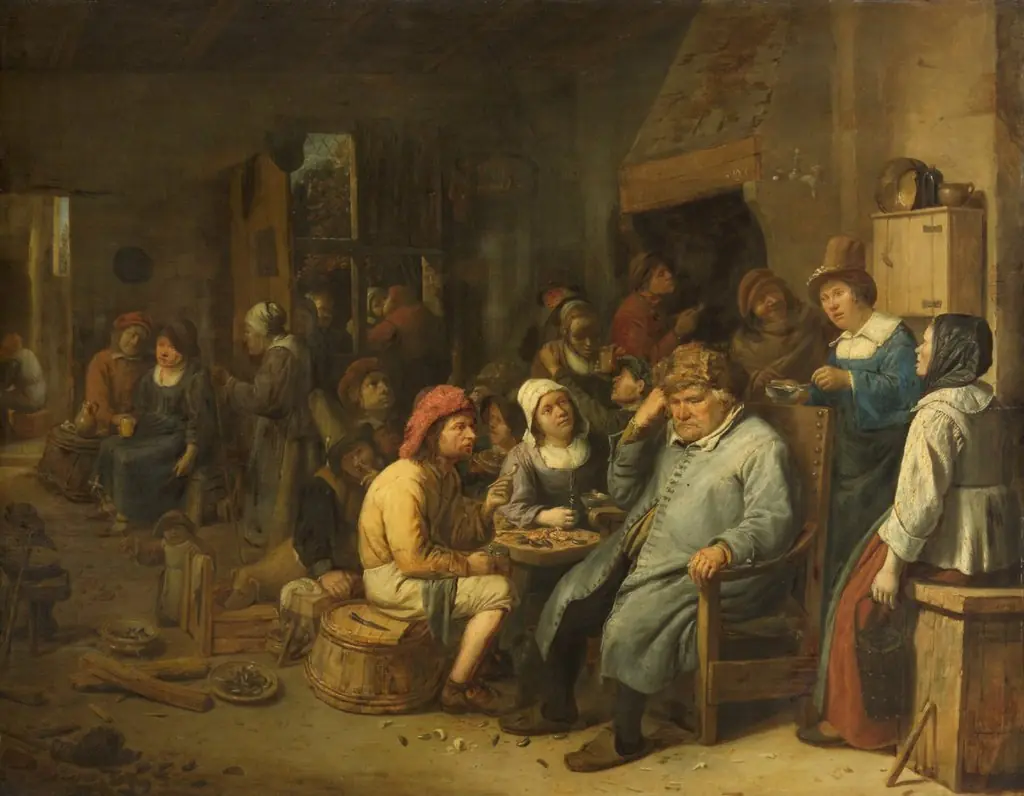
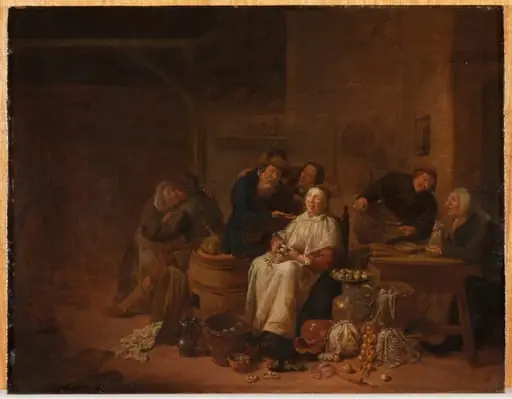
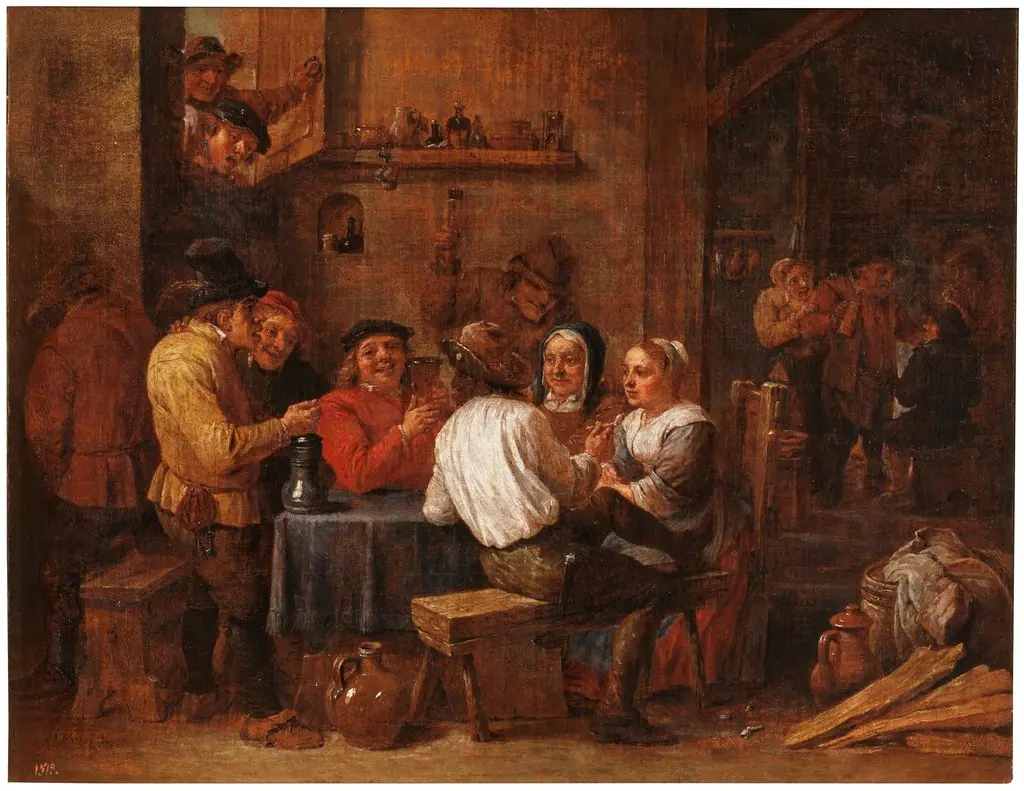
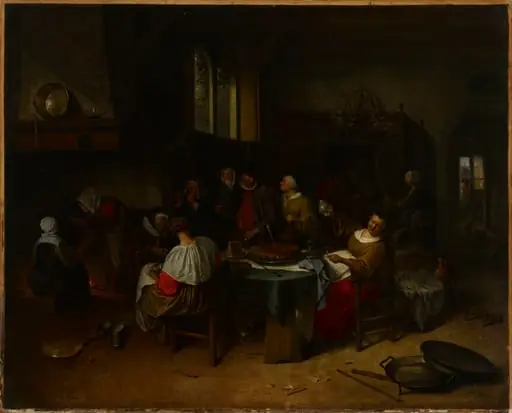
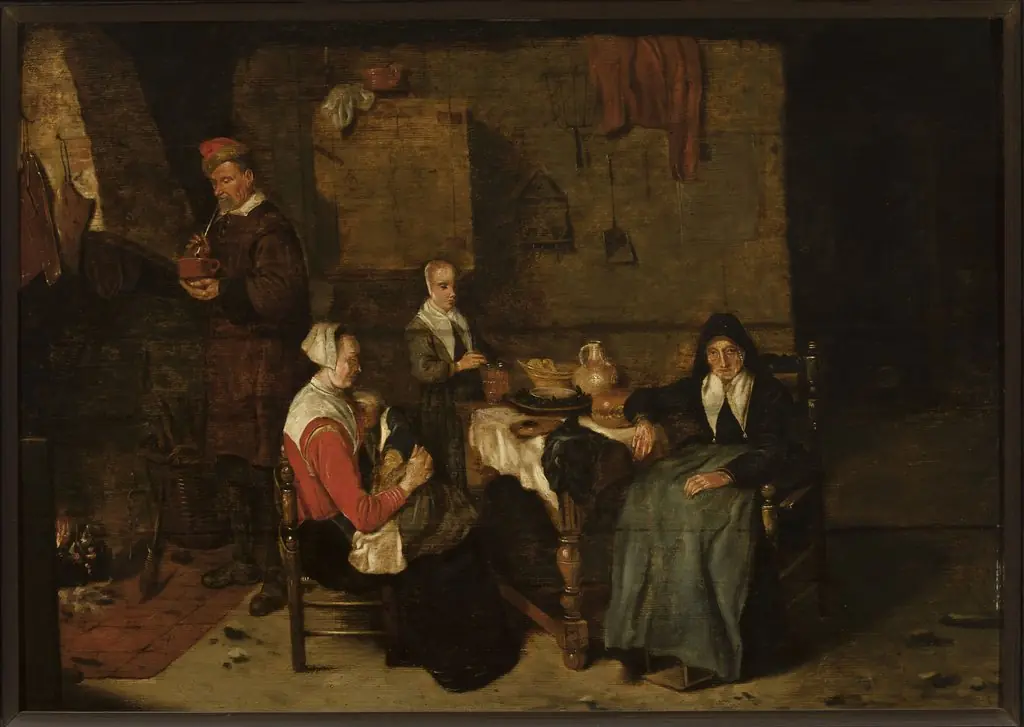
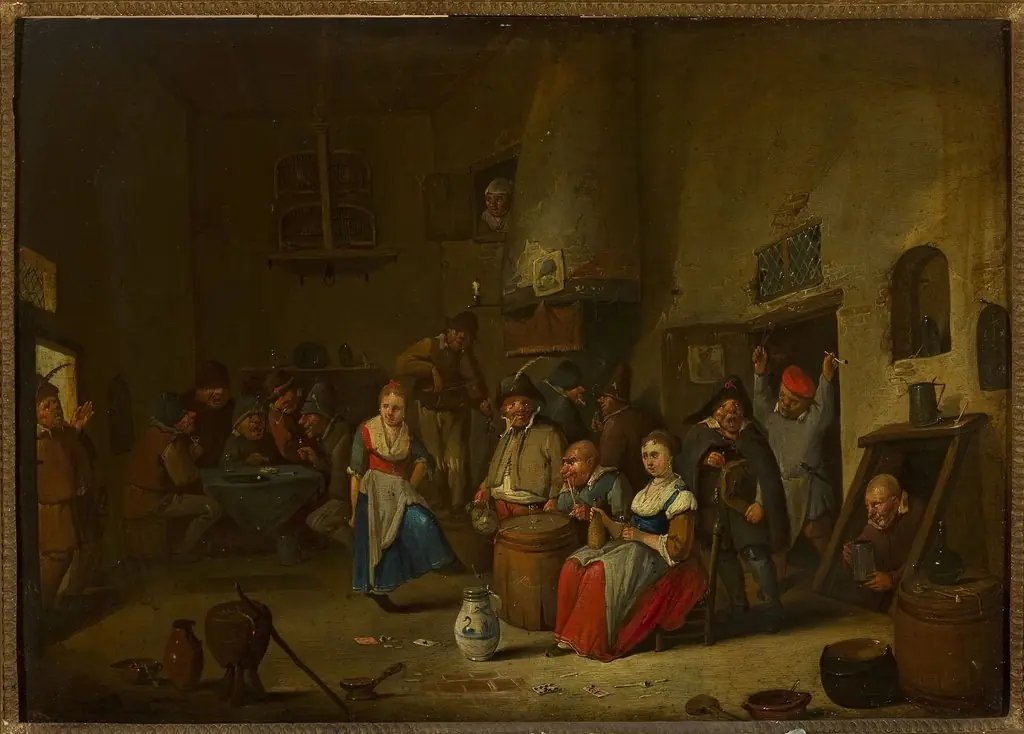
Flemish Tavern is an oil painting by Joos van Craesbeeck. It dates from 1647 and is held in the collection of the Royal Museum of Fine Arts Antwerp.
About this work
Overview
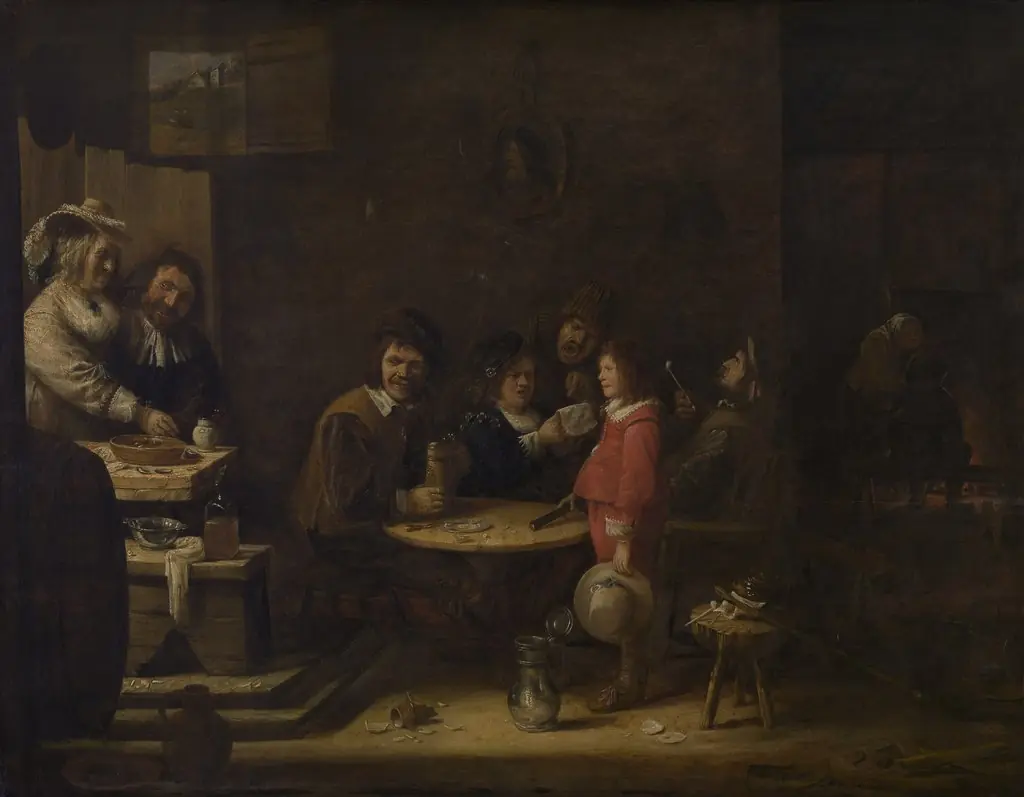
Painted in 1647 by Joos van Craesbeeck, *Flemish Tavern* is a genre scene capturing everyday life in a mid-17th-century Flemish drinking establishment.
Painted in 1647 by Joos van Craesbeeck, *Flemish Tavern* is a genre scene capturing everyday life in a mid-17th-century Flemish drinking establishment. Van Craesbeeck, originally trained as a baker before turning to painting, specialized in intimate interiors populated by ordinary people. The work belongs to a broader Flemish tradition of depicting social gatherings without romanticization, emphasizing authenticity over idealism.
Subject & Meaning
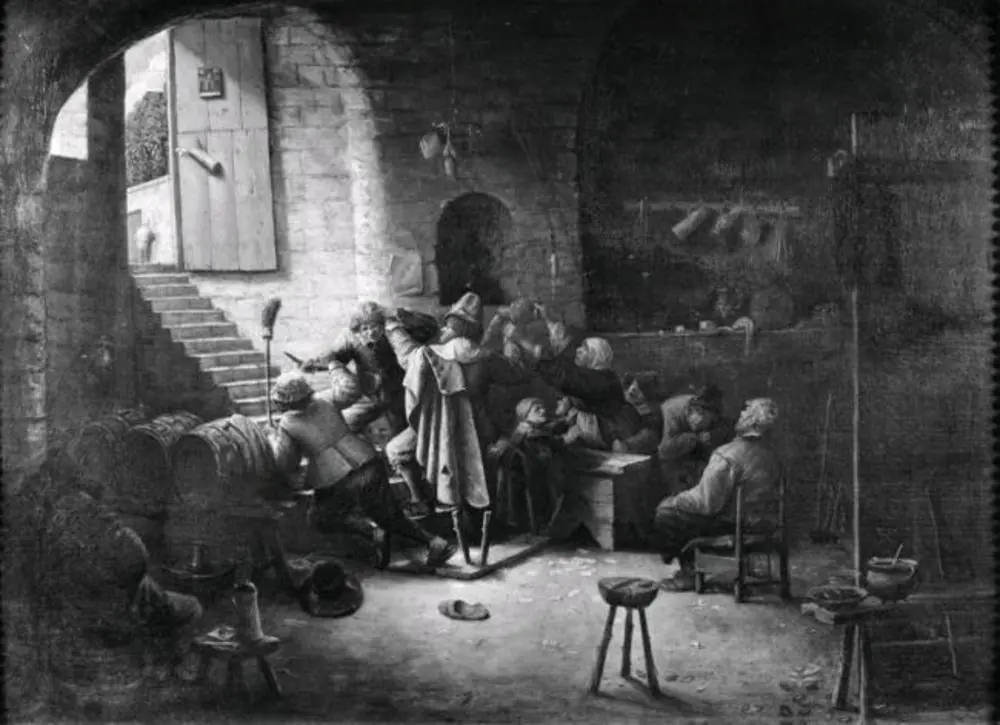
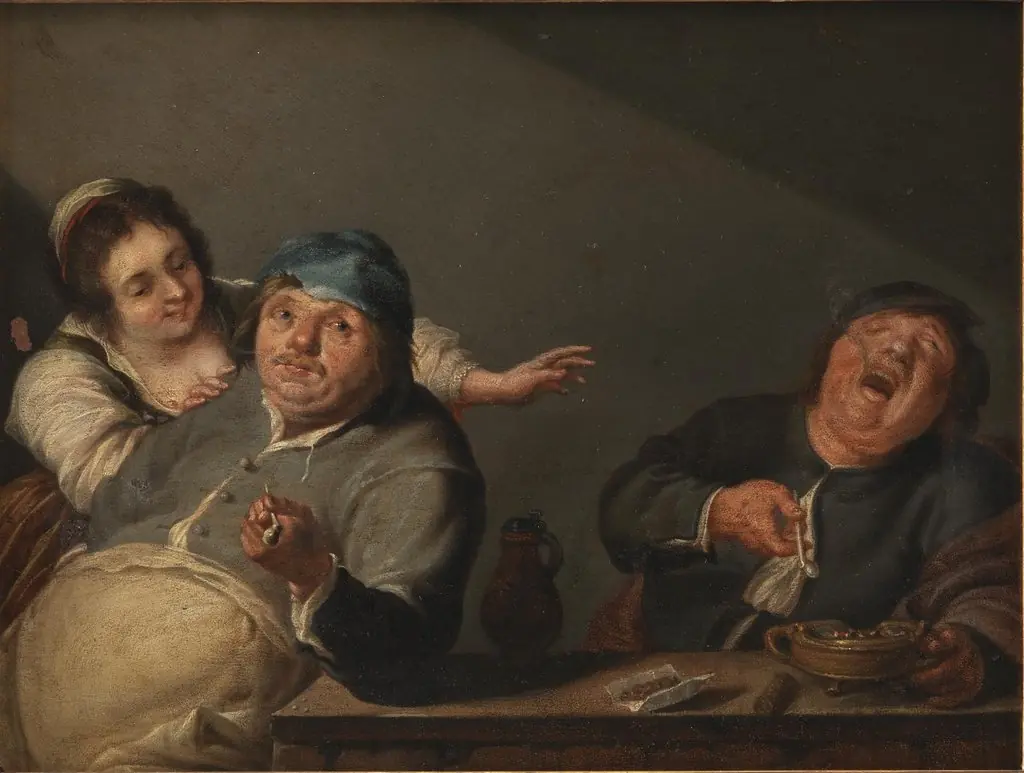
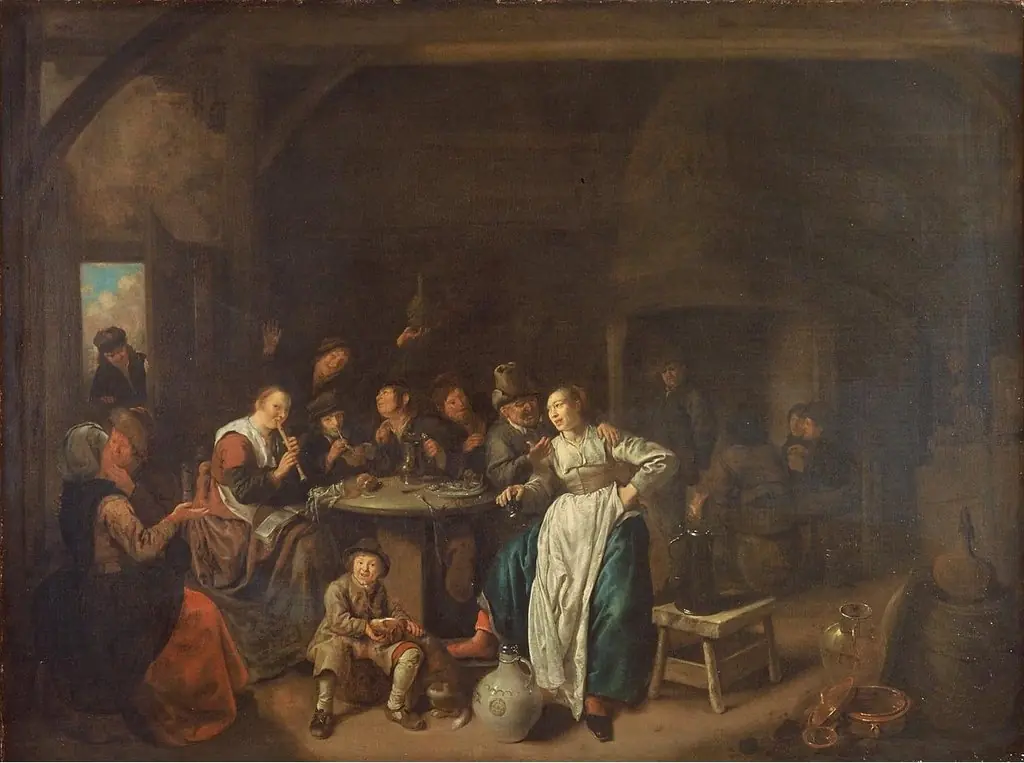
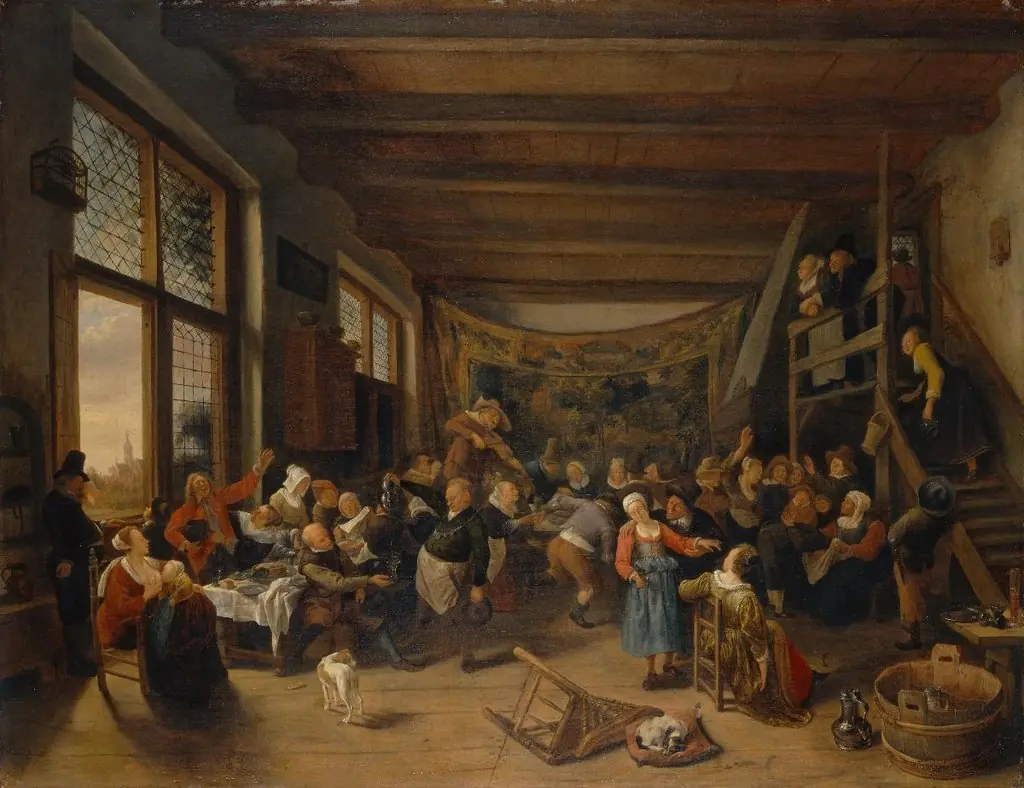
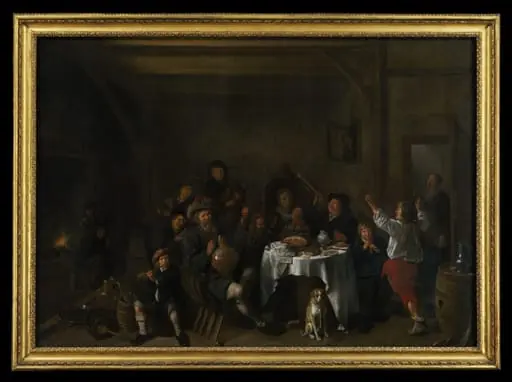
The painting portrays a group of patrons in a modest tavern, engaged in quiet conversation and drinking. Figures are dressed in typical attire of the period, their expressions and postures suggesting informal camaraderie rather than theatrical drama. There is no moralizing tone; instead, the scene presents human interaction as a natural, unembellished part of daily life, reflecting the values of a society that found dignity in the commonplace.
Technique & Style
Van Craesbeeck employs subtle chiaroscuro to model forms and define spatial depth within the confined interior. Light falls unevenly across faces and surfaces, enhancing the sense of a dim, candlelit room. Brushwork is restrained yet precise, with attention to textures of fabric, wood, and ceramic. The palette is muted, dominated by earth tones, reinforcing the painting’s grounded, unadorned character.
History & Provenance
The painting has remained in institutional hands since at least the 19th century and is now part of the Royal Museum of Fine Arts Antwerp’s collection. Its continuous presence in public collections suggests early recognition of its value as a representative example of Flemish genre painting. No significant alterations or reattributions are recorded, supporting its stable provenance.
Context
In mid-17th-century Flanders, tavern scenes were popular among artists seeking to document the lives of non-elite citizens. Van Craesbeeck’s work aligns with contemporaries like Adriaen Brouwer, who similarly rejected aristocratic subjects in favor of raw, unfiltered social moments. These paintings responded to a growing urban middle class’s interest in art that mirrored their own experiences.
Legacy
Van Craesbeeck’s *Flemish Tavern* contributes to the historical record of Flemish genre painting’s evolution, illustrating how artists moved beyond religious and mythological themes to explore secular life. While not widely known outside specialist circles, his works remain important for understanding the visual culture of everyday existence in the Dutch-speaking Low Countries during the Baroque era.
Artist & collection
Artist
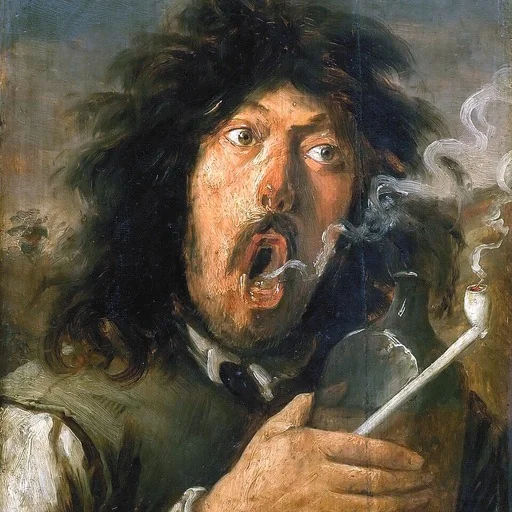
Joos van Craesbeeck (c. 1605/06 – c. 1660) was a Flemish baker and a painter who played an important role in the development of Flemish genre painting in the mid-17th century through his tavern scenes and dissolute…