Artwork
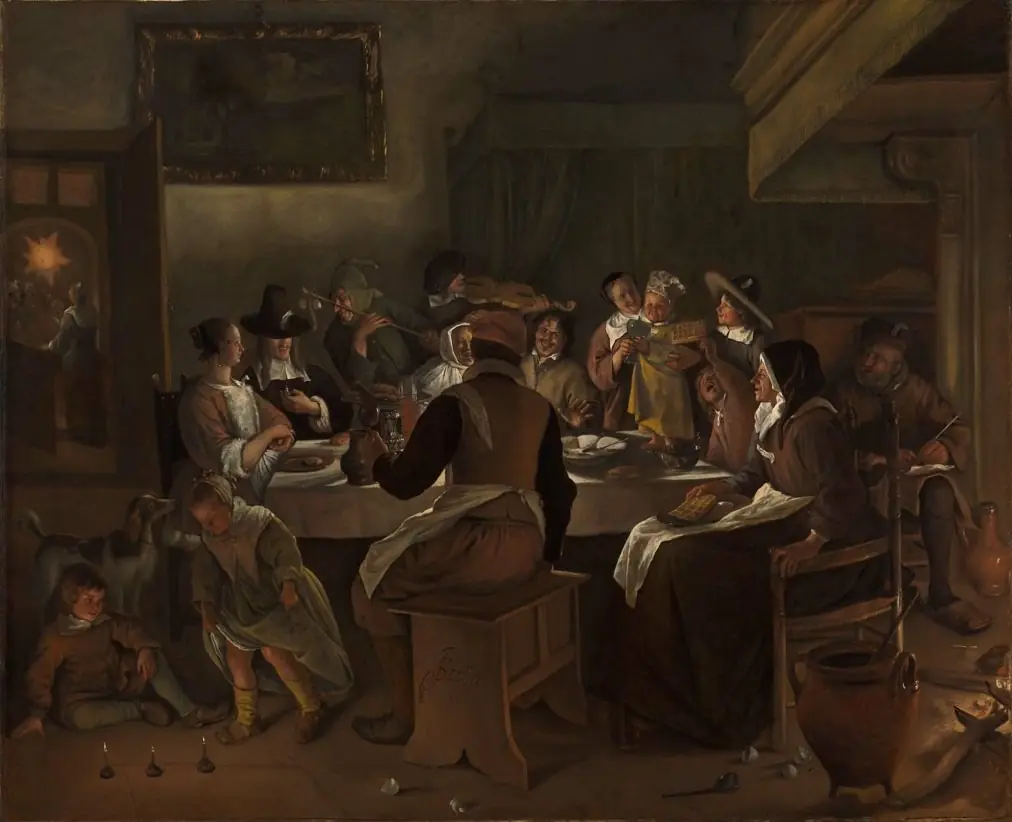
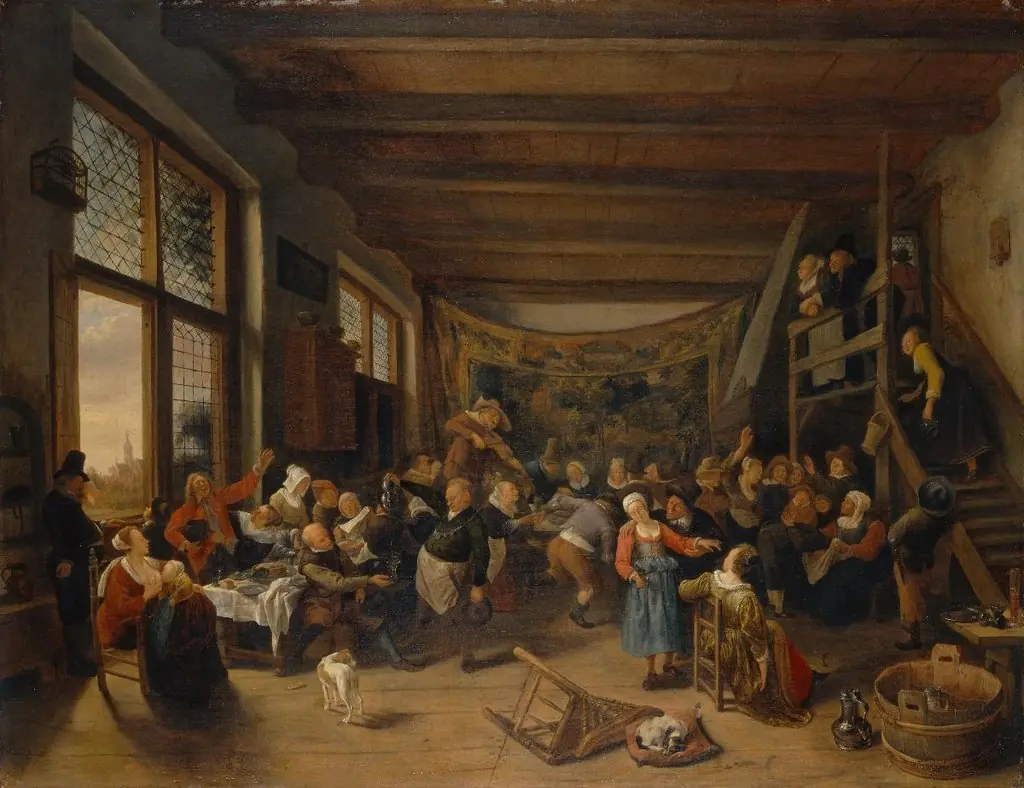
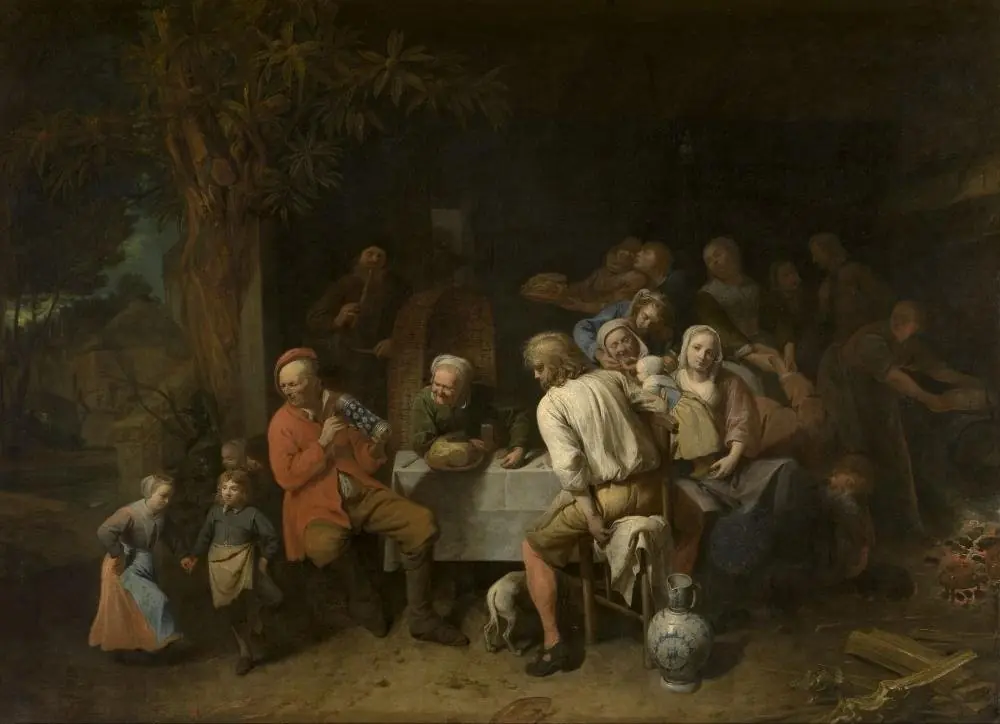
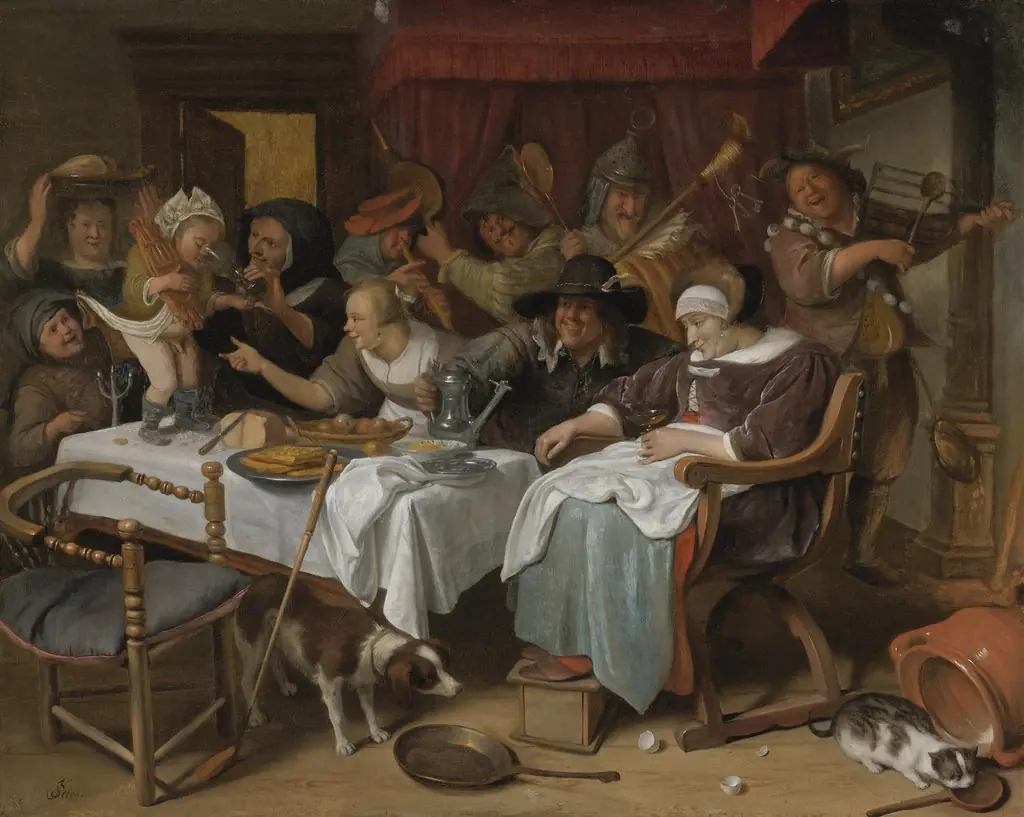
A monkey feast or The King drinks
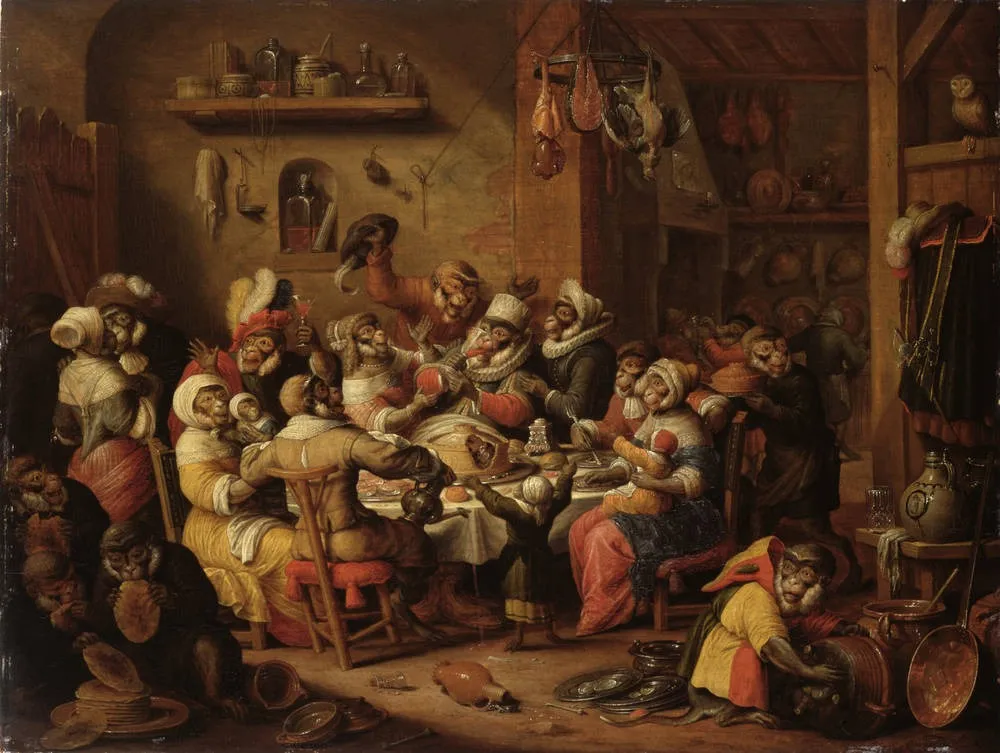
A monkey feast or The King drinks is an oil painting by the Rococo painting artist Nicolaes van Verendael. It is held in the collection of the Gemäldegalerie Alte Meister.
About this work
The painting is titled "A monkey feast or The King drinks" by Nicolaes van Verendael.
It was created in 1686 using oil paint. The fact that it has two possible titles suggests that the artist may have intended for it to be interpreted in different ways.
You can learn more about this style of painting at the museum: Gemäldegalerie Alte Meister.
Overview
Nicolaes van Verendael, a Flemish artist based in Antwerp, painted this genre scene in 1686 using oil on panel. Though best known for floral still lifes and vanitas compositions, he occasionally turned to satirical subjects. This work belongs to a niche tradition of animal fables in Northern European art, where monkeys mimic human behavior to critique social norms.
Subject & Meaning
The painting portrays monkeys engaged in a banquet, some dressed in human attire, one raised on a throne as if a monarch. The scene likely satirizes aristocratic excess and the folly of unchecked power. The dual titles—'A Monkey Feast' and 'The King Drinks'—suggest layered interpretations, inviting viewers to consider both the absurdity and the moral warning embedded in the imagery.
Technique & Style
Van Verendael rendered the monkeys with precise, almost anthropomorphic detail, using subtle gradations of oil paint to suggest fur, fabric, and surface textures. The composition is tightly arranged, with figures clustered around a central table, creating a sense of theatrical intimacy. Lighting is even and naturalistic, avoiding dramatic contrasts, which reinforces the work’s observational tone.
History & Provenance
The painting entered the collection of the Gemäldegalerie Alte Meister in Dresden, where it remains today. Its documented date of 1686 places it near the end of Van Verendael’s career. While little is known about its early ownership, its presence in a major European collection by the 19th century indicates early recognition of its artistic and satirical value.
Context
Van Verendael’s participation in this genre reflects the city’s vibrant artistic exchange, where specialists often contributed to collaborative compositions.
In late 17th-century Antwerp, monkey scenes were popular among collectors who enjoyed moral allegories disguised as whimsy. These works responded to broader European interests in natural history and human folly, influenced by classical traditions and contemporary court culture. Van Verendael’s participation in this genre reflects the city’s vibrant artistic exchange, where specialists often contributed to collaborative compositions.
Legacy
Though not widely reproduced, the painting exemplifies a distinctive strand of Flemish satire that influenced later genre painters. Its preservation in a major museum underscores its role as a cultural artifact of early modern visual critique. The work continues to be studied for its nuanced portrayal of social mimicry and the boundaries between human and animal behavior.
Artist & collection
Artist
Nicolaes van Verendael or Nicolaes van Veerendael (1640 in Antwerp – 1691 in Antwerp) was a Flemish painter active in Antwerp who is mainly known for his flower paintings and vanitas still lifes.