Artwork
Frieze of the Prophets
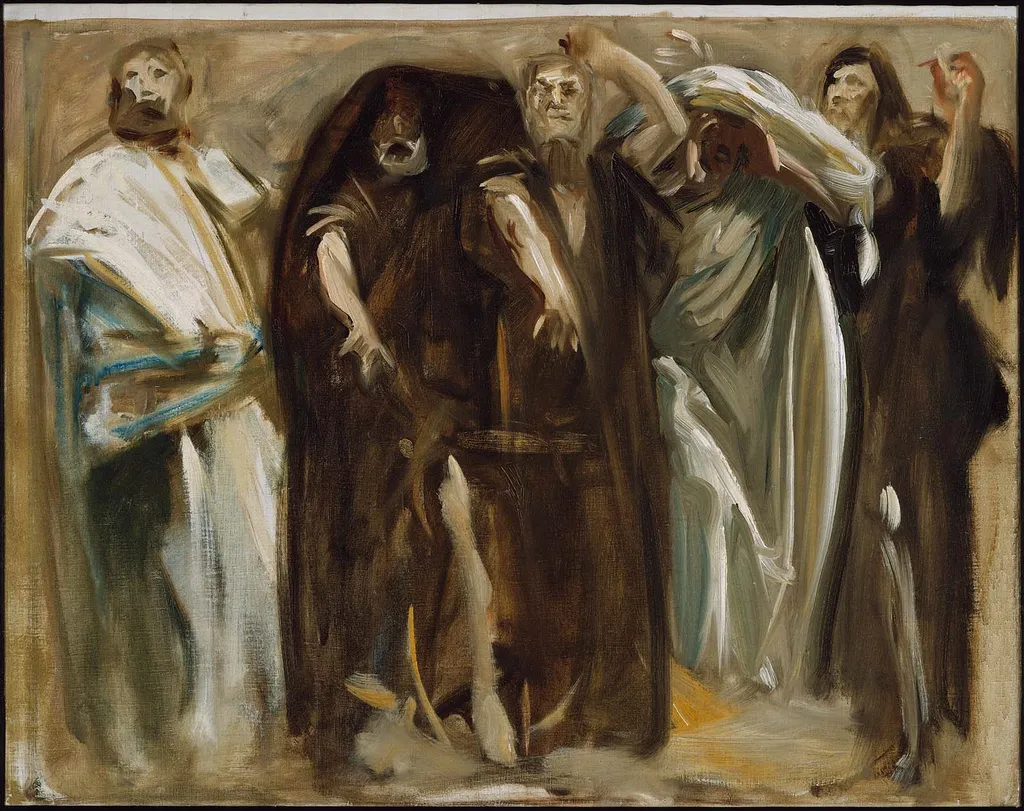
Frieze of the Prophets is an oil painting by the Post-Impressionist artist John Singer Sargent. It dates from 1896 and is held in the collection of the Museum of Fine Arts Boston.
About this work
Overview
Painted in 1896, *Frieze of the Prophets* is an oil-on-canvas work by John Singer Sargent, an American artist who spent much of his career in Europe.
Painted in 1896, *Frieze of the Prophets* is an oil-on-canvas work by John Singer Sargent, an American artist who spent much of his career in Europe. Though best known for portraiture, this piece reflects his engagement with large-scale decorative projects. It was created for the Boston Public Library and remains part of the Museum of Fine Arts, Boston’s collection. The painting’s scale and subject mark a departure from his more intimate commissions.
Subject & Meaning
The painting depicts a row of biblical prophets arranged in a horizontal frieze, each rendered with solemn, introspective expressions. They are positioned as if in a monumental architectural space, suggesting spiritual authority and timeless presence. Their varied postures—standing, seated, leaning—imply individuality within a collective mission. Sargent avoids narrative detail, focusing instead on the weight of their contemplative silence.
Technique & Style
Sargent employed bold, fluid brushwork to model the figures and their voluminous robes, using rich earth tones against cooler, muted backgrounds to create spatial depth. The paint is applied with visible, energetic strokes that suggest movement and texture without sacrificing form. While influenced by Renaissance frescoes, the handling of light and pigment aligns with late 19th-century tendencies toward expressive realism rather than strict academic convention.
History & Provenance
Commissioned as part of the decorative program for the Boston Public Library’s main reading room, the work was completed in 1896 after Sargent spent time studying Italian fresco cycles. Though initially installed in the library, it was later transferred to the Museum of Fine Arts, Boston, where it remains today. Its relocation reflects shifting priorities in public art display during the early 20th century.
Context
Sargent painted this during a period when American institutions sought to elevate public spaces with grand artistic narratives. While European traditions of religious fresco were a clear influence, the work also responds to the era’s interest in moral and intellectual ideals. Unlike his society portraits, this piece reveals his engagement with civic and spiritual themes, aligning with broader cultural ambitions of the time.
Legacy
Though less known than his portraits, *Frieze of the Prophets* stands as one of Sargent’s most ambitious non-portrait works. It demonstrates his ability to adapt his technique to monumental scale and public function. The painting continues to be studied for its synthesis of classical composition and modern brushwork, offering insight into how American artists engaged with European traditions in the Gilded Age.
Artist & collection
Artist
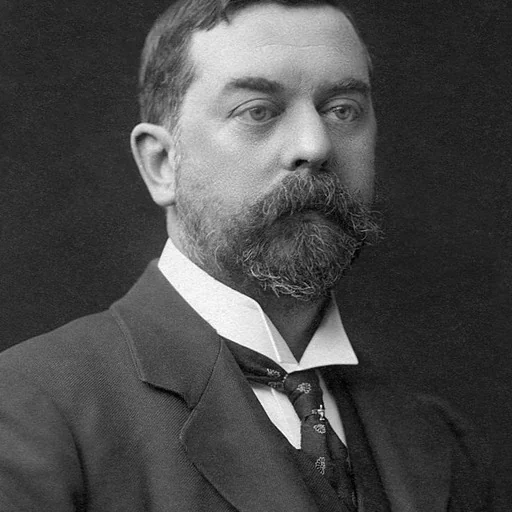
John Singer Sargent (; January 12, 1856 – April 15, 1925) was an American expatriate artist, considered the "leading portrait painter of his generation" for his evocations of Belle Époque and Edwardian-era luxury.

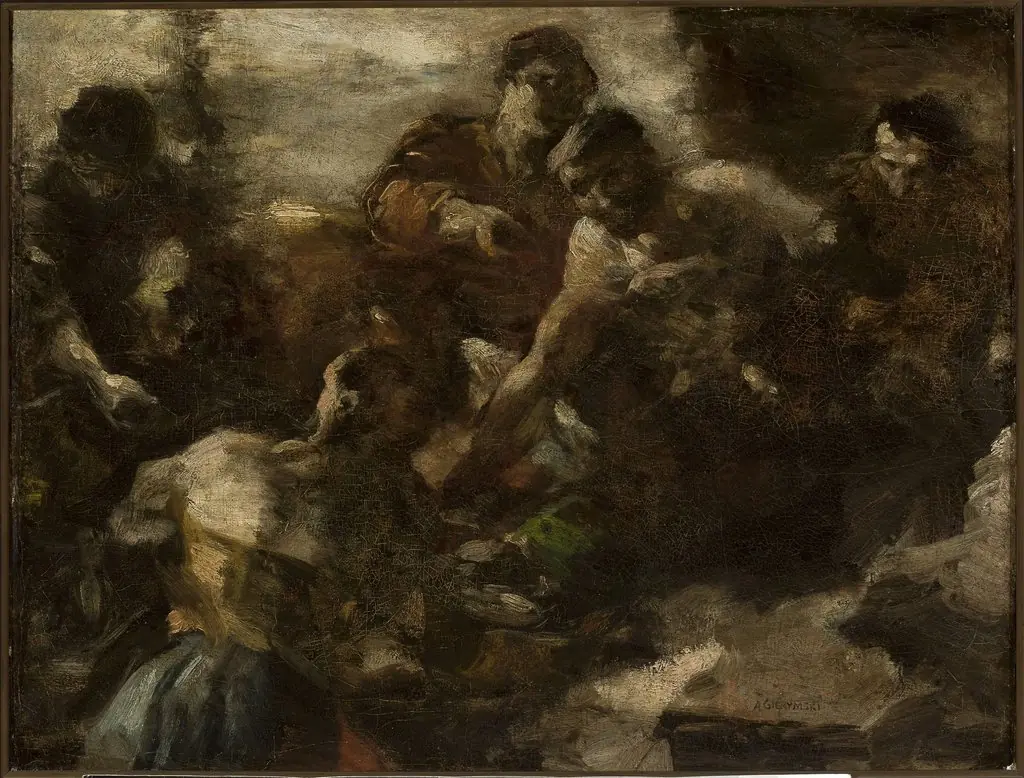 Tavern in Rome, sketch
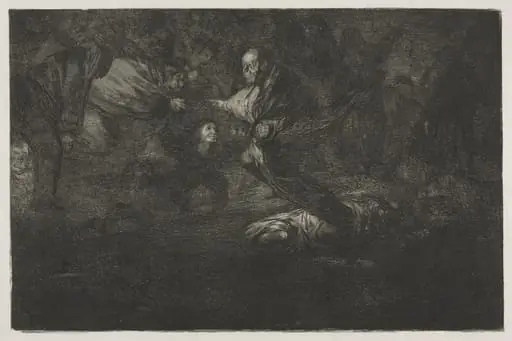 The Proverbs: God Creates Them and They Join Up Together
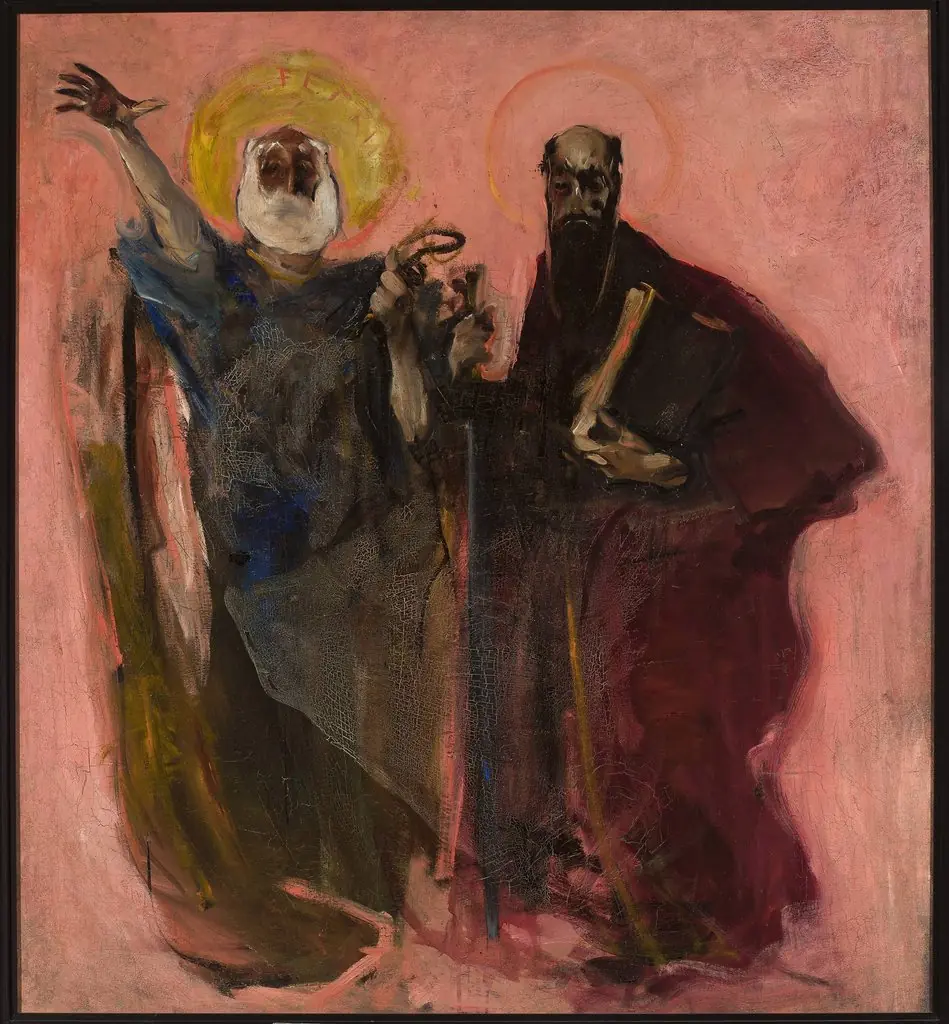 Apostles Peter and Paul, sketch
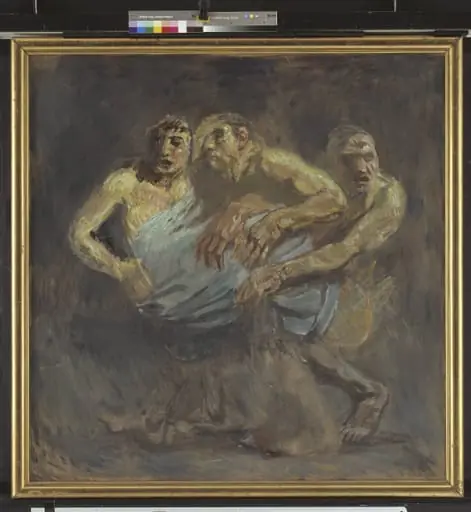 Susanna
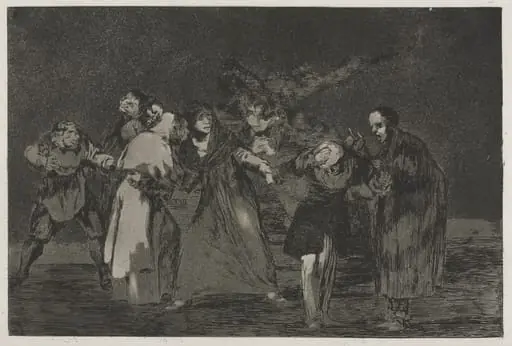 The Proverbs: Wounds Heal Quicker Than Hasty Words
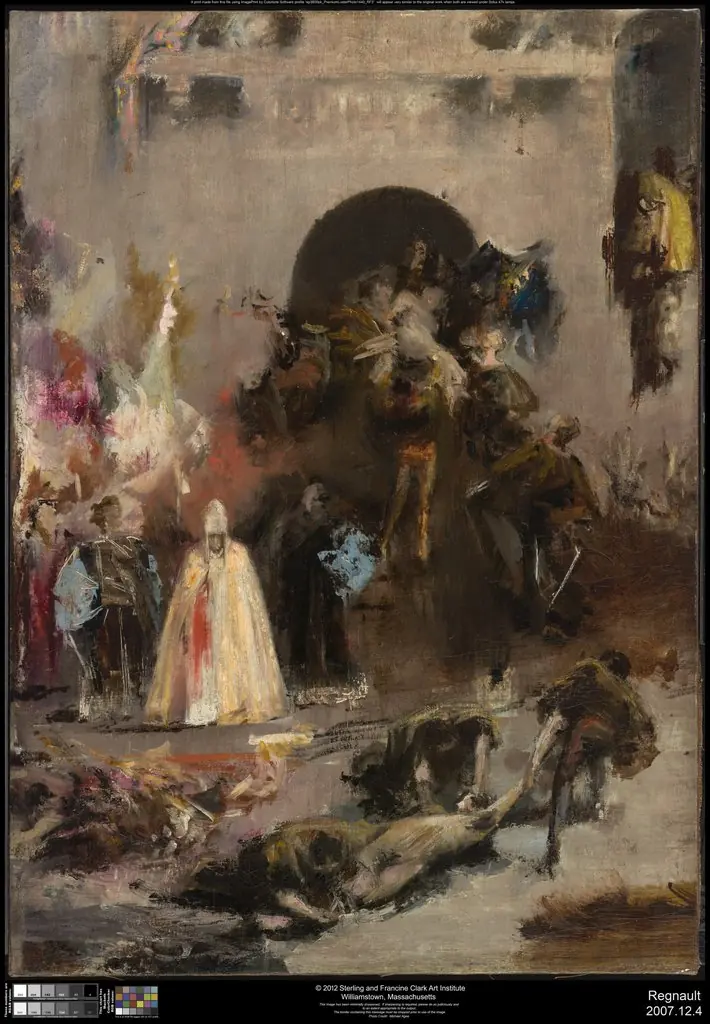 Scene from the Spanish Inquisition
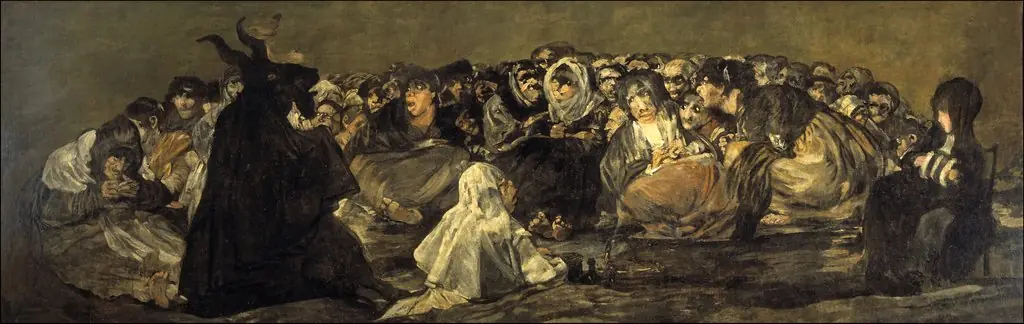 Witches' Sabbath
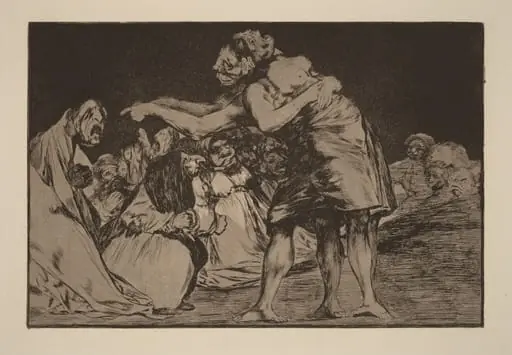 Disparate desordenado (Disorderly Folly)
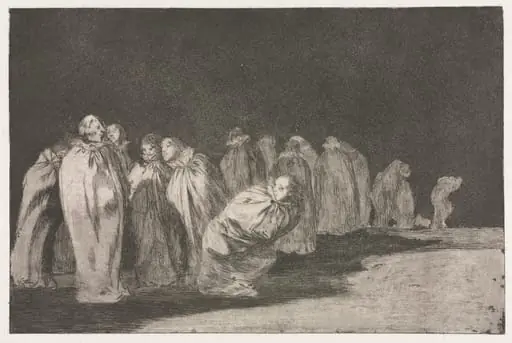 The Proverbs: The Men in Sacks
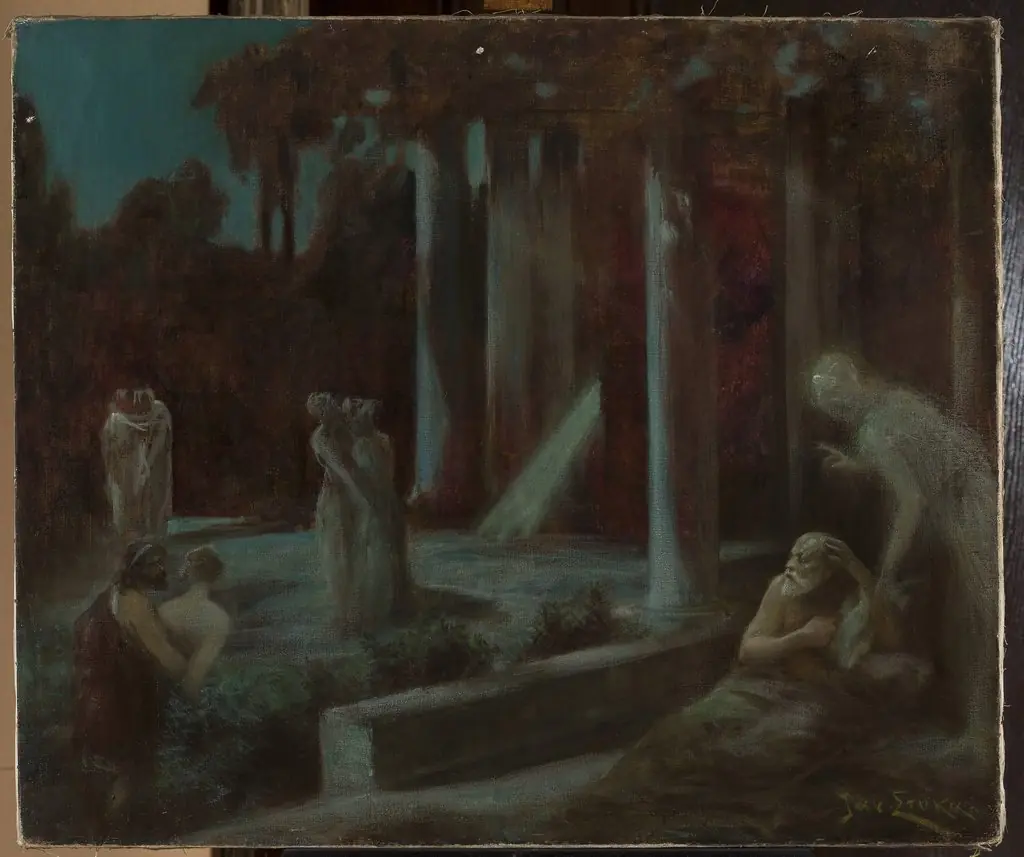 Ulysses
 Spaima
 The Supper at Emmaus