Artwork
Bacchanal
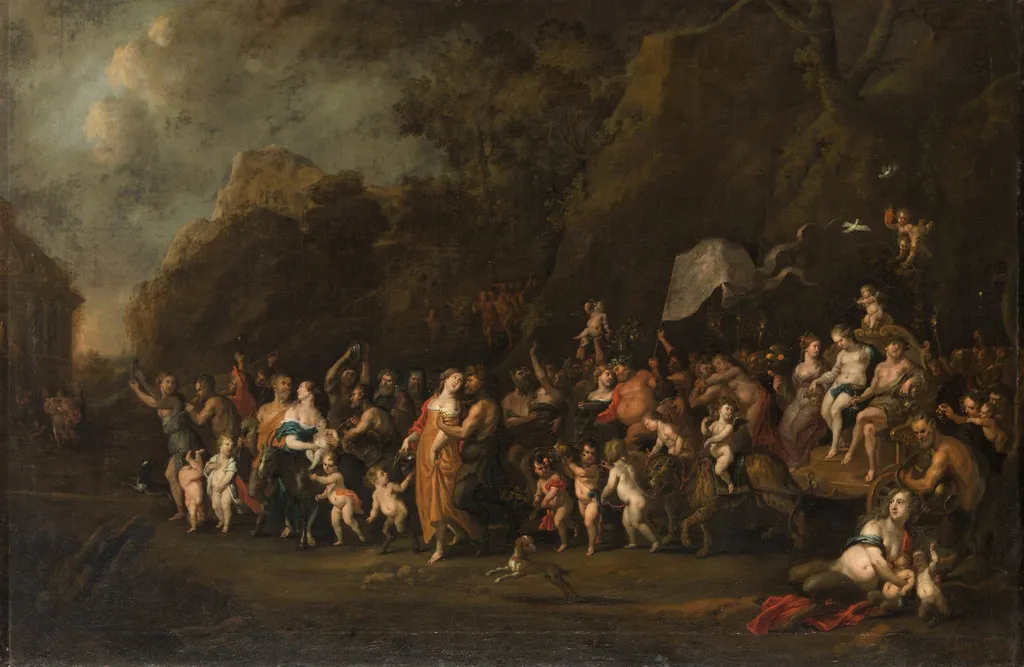
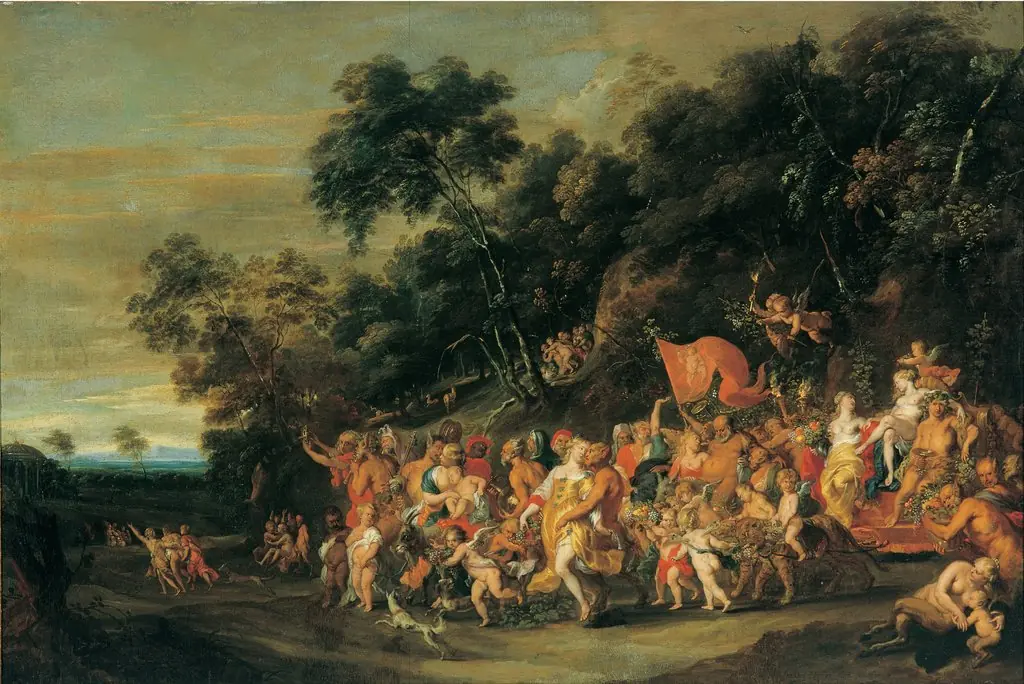
Bacchanal is an oil painting by the Flemish Baroque painting artist Jan Thomas van Ieperen. It dates from 1656 and is held in the collection of the Kunsthistorisches Museum.
About this work
Overview
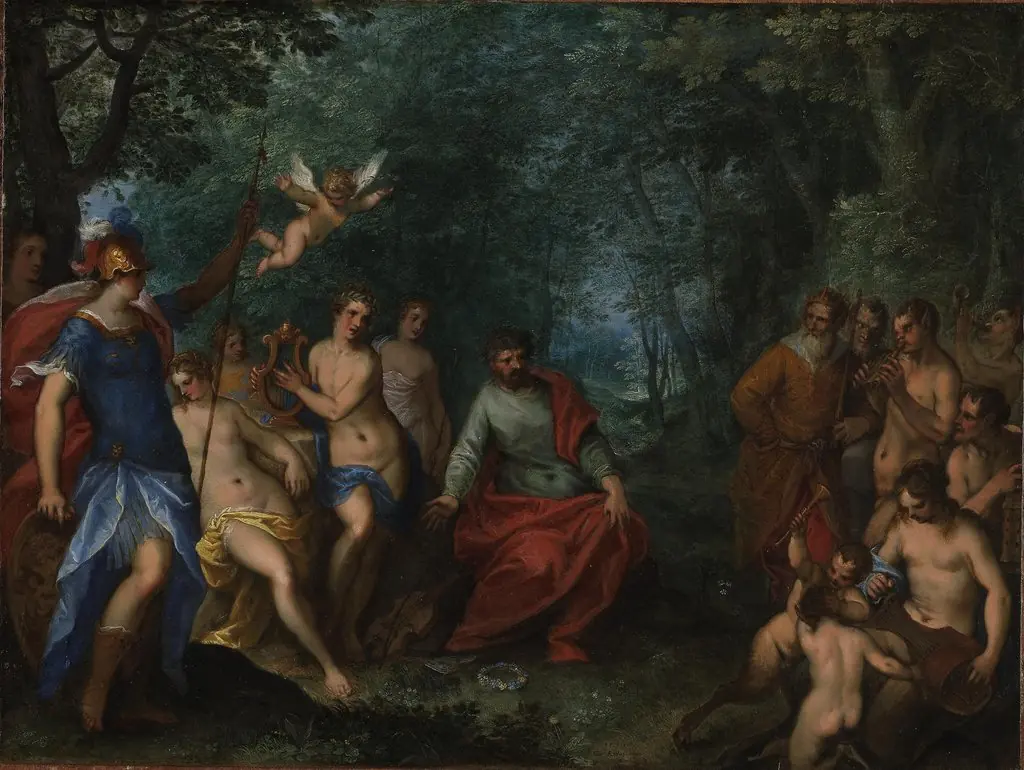
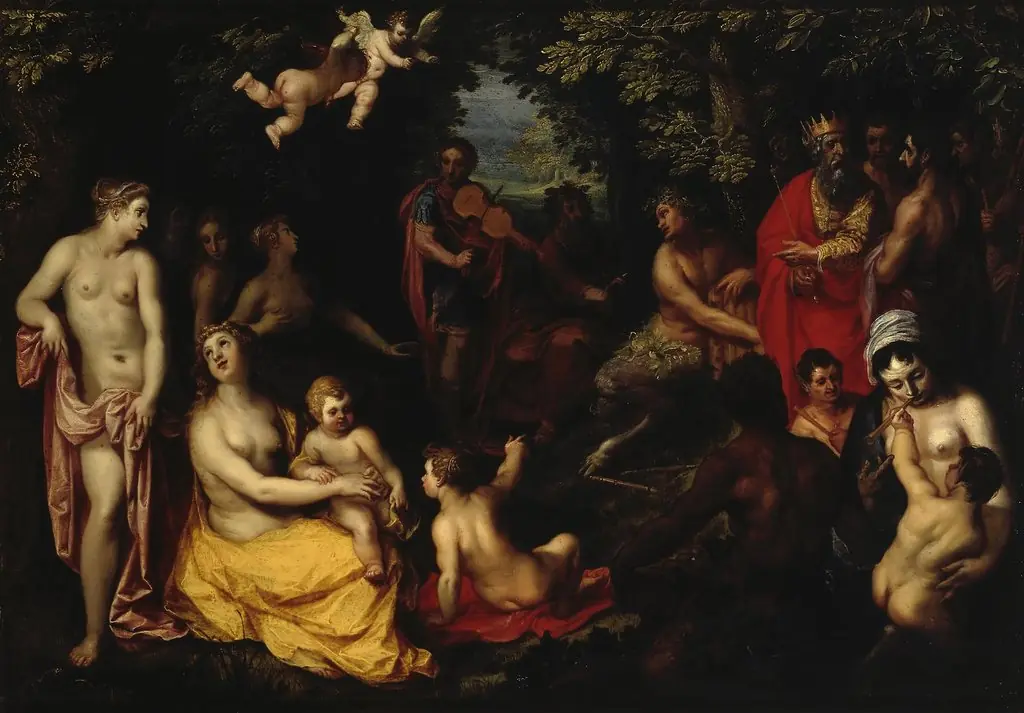
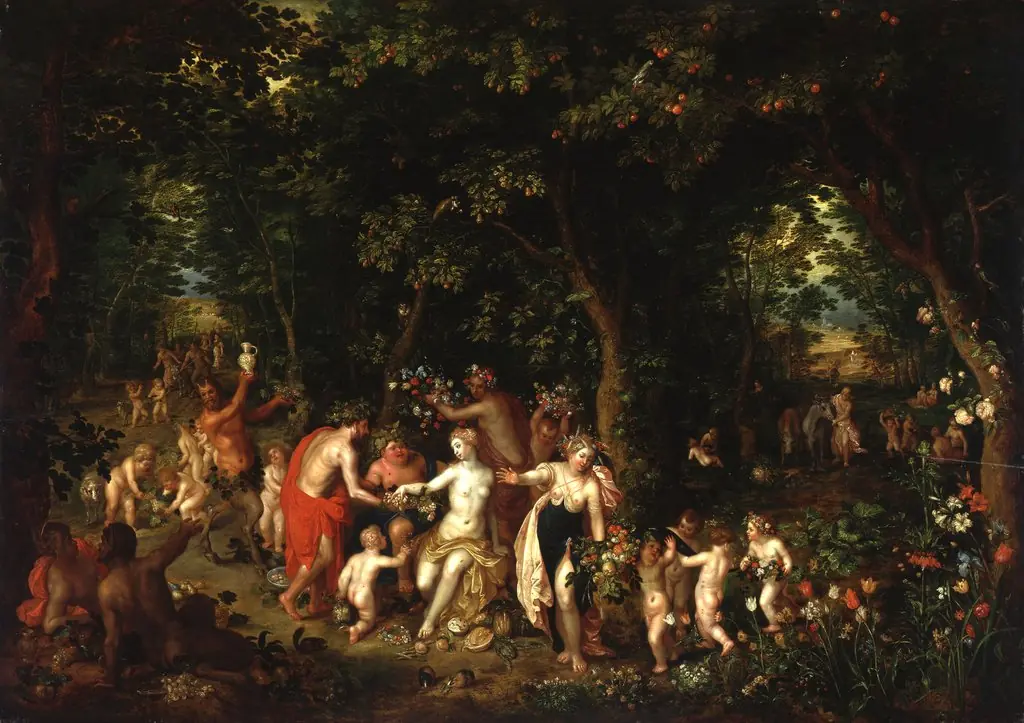
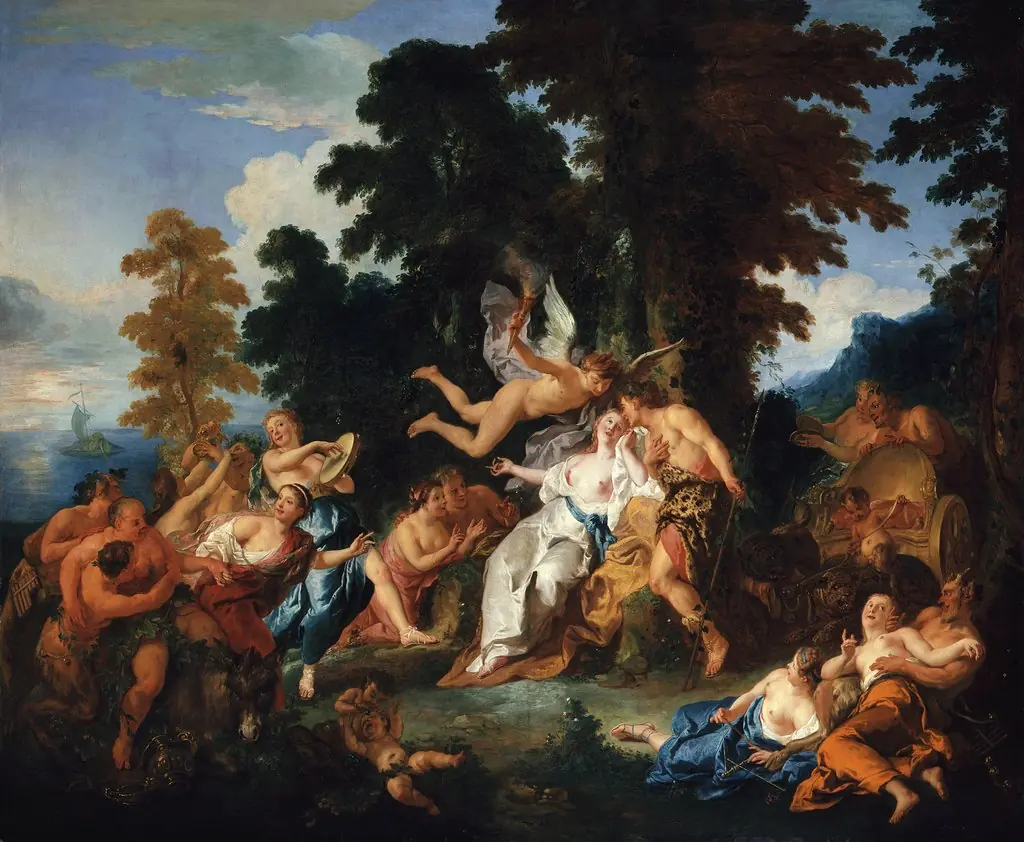
Jan Thomas van Ieperen’s *Bacchanal*, executed in oil in 1656, presents a festive woodland gathering of partially clothed figures. The composition centers on a woman in a flowing dress being lifted by a male companion, surrounded by children and revelers. Dark earth tones dominate, while strategic lighting highlights the movement and creates a sense of depth.
Subject & Meaning
The work illustrates a mythological celebration, likely a bacchanalian rite, where participants indulge in dance, music, and communal merriment. The inclusion of nude and semi‑nude bodies, as well as playful gestures, underscores themes of abundance, fertility, and the liberating spirit associated with the god Bacchus.
Technique & Style
Van Ieperen employs a pronounced chiaroscuro, contrasting deep shadows with illuminated figures to model forms and suggest volume. The palette of browns, greens, and muted ochres reflects Flemish Baroque sensibilities, while the dynamic arrangement of figures conveys a sense of spontaneous movement typical of the period.
History & Provenance
Trained in Peter Rubens’s Antwerp workshop, van Ieperen later became a court painter for the Habsburgs in Vienna. *Bacchanal* entered the Kunsthistorisches Museum’s collection, where it remains part of the institution’s holdings of 17th‑century Flemish art.
Context
The painting aligns with the Baroque fascination for mythological subjects that allowed artists to explore the human form, emotion, and theatrical composition. In the mid‑17th century, such scenes were popular among aristocratic patrons who favored lavish, narrative-driven works for private display.
Artist & collection
Artist
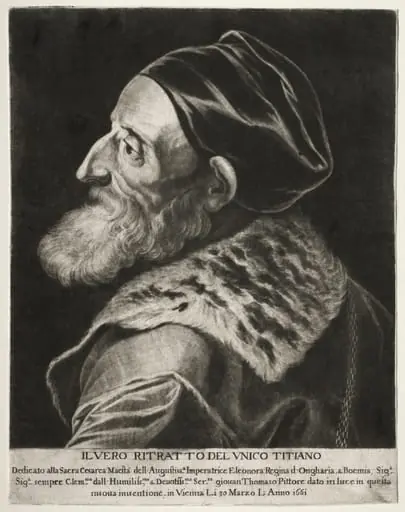
Jan Thomas or Jan Thomas van Ieperen (5 February 1617 – 6 September 1673) was a Flemish Baroque painter, draughtsman and printmaker.