Artwork
Fisherwoman
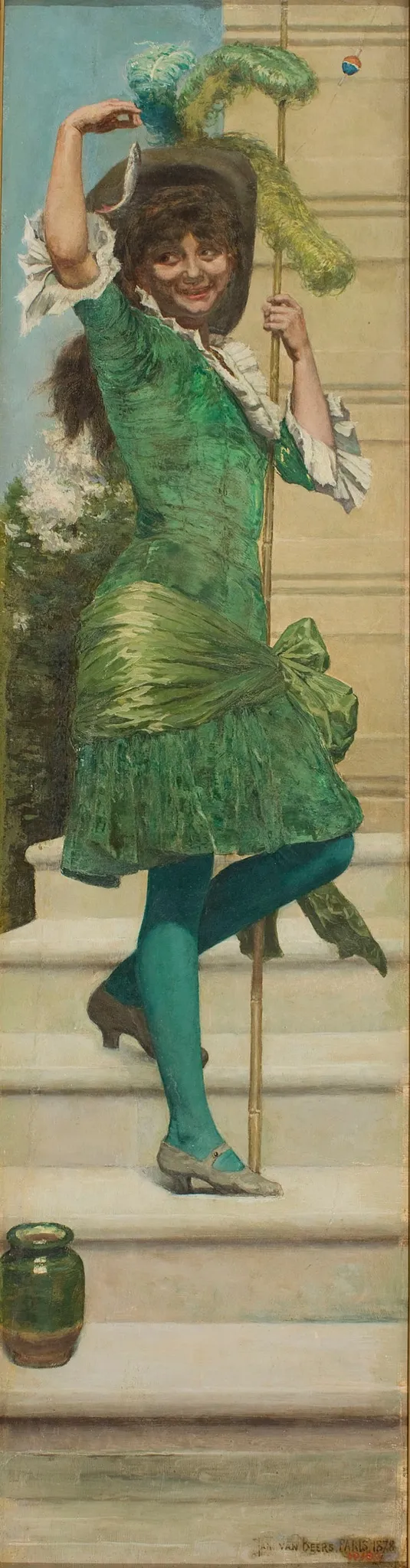
Fisherwoman is an oil painting by the Impressionist artist Jan van Beers. It dates from 1890 and is held in the collection of the Museu Nacional d'Art de Catalunya.
About this work
Overview
Van Beers, known for his illustrations and genre scenes, employed the loose brushwork and light-sensitive palette characteristic of Impressionism.
Created in 1890 by Belgian artist Jan van Beers, *Fisherwoman* is an oil painting that captures a moment of quiet daily life. Van Beers, known for his illustrations and genre scenes, employed the loose brushwork and light-sensitive palette characteristic of Impressionism. The work resides in the collection of Museu Nacional d'Art de Catalunya, reflecting its recognition within broader European artistic circles of the late 19th century.
Subject & Meaning
The painting portrays a woman standing on a stone staircase, dressed in a green gown with white lace, wearing a feathered hat. She holds a long stick in one hand and a feathered item—possibly a fishing tool—in the other. Her posture is lively, her expression uplifted, suggesting a moment of informal repose rather than labor. The scene avoids idealization, presenting an ordinary figure in a domestic setting with subtle dignity.
Technique & Style
Van Beers used fluid brushstrokes and a restrained, sunlit palette to convey texture and atmosphere. The green dress and hat are rendered with soft transitions, while the staircase and background walls are painted with minimal detail, emphasizing light over structure. The composition’s asymmetry and focus on casual movement align with Impressionist priorities, though the subject remains grounded in realism rather than abstraction.
History & Provenance
The painting entered the Museu Nacional d'Art de Catalunya’s collection in the 20th century, though its earlier ownership is undocumented. Van Beers, active in Belgium and France, exhibited widely during his lifetime. His reputation as both a painter and illustrator—particularly for his 1884 pen drawings accompanying his father’s poetry—helped establish his presence in cultural circles, though *Fisherwoman* remains one of his few known easel paintings in public collections.
Context
In the 1890s, Belgian artists increasingly engaged with French Impressionism, adapting its techniques to local subjects. Van Beers, influenced by this trend, turned his attention to scenes of ordinary life, often featuring women in domestic or semi-public spaces. *Fisherwoman* reflects this shift, aligning with broader European efforts to elevate everyday moments as worthy of artistic attention, distinct from historical or mythological themes.
Legacy
Though not widely reproduced or studied today, *Fisherwoman* exemplifies the quiet transition in late 19th-century Belgian art toward intimate, light-infused realism. Van Beers’s dual career as painter and illustrator underscores the permeability between commercial and fine art practices of the era. The painting endures as a modest but authentic record of a momentary gesture, preserved without grandeur or narrative embellishment.
Artist & collection
Artist
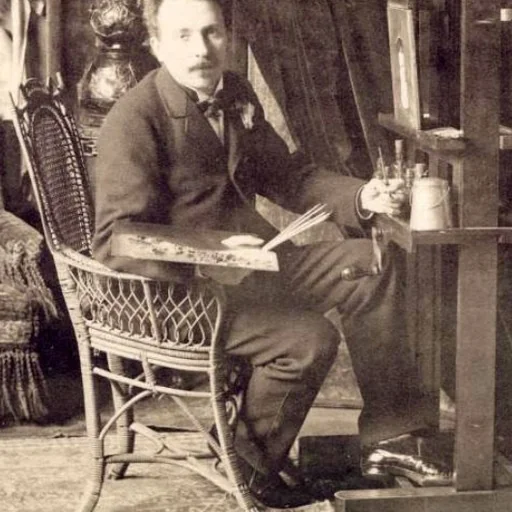
Jean Marie Constantin Joseph "Jan" van Beers (27 March 1852 – 17 November 1927) was a Belgian painter and illustrator, son of the poet Jan van Beers.

 Study for Birds
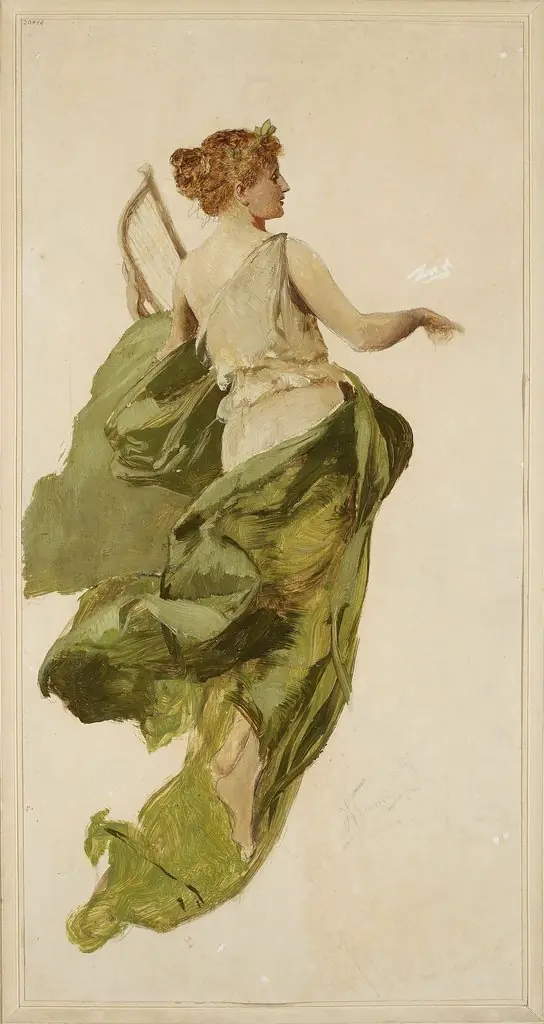 Allegory of Music, sketch for the project of the stage curtain of the Słowacki Theatre in Kraków
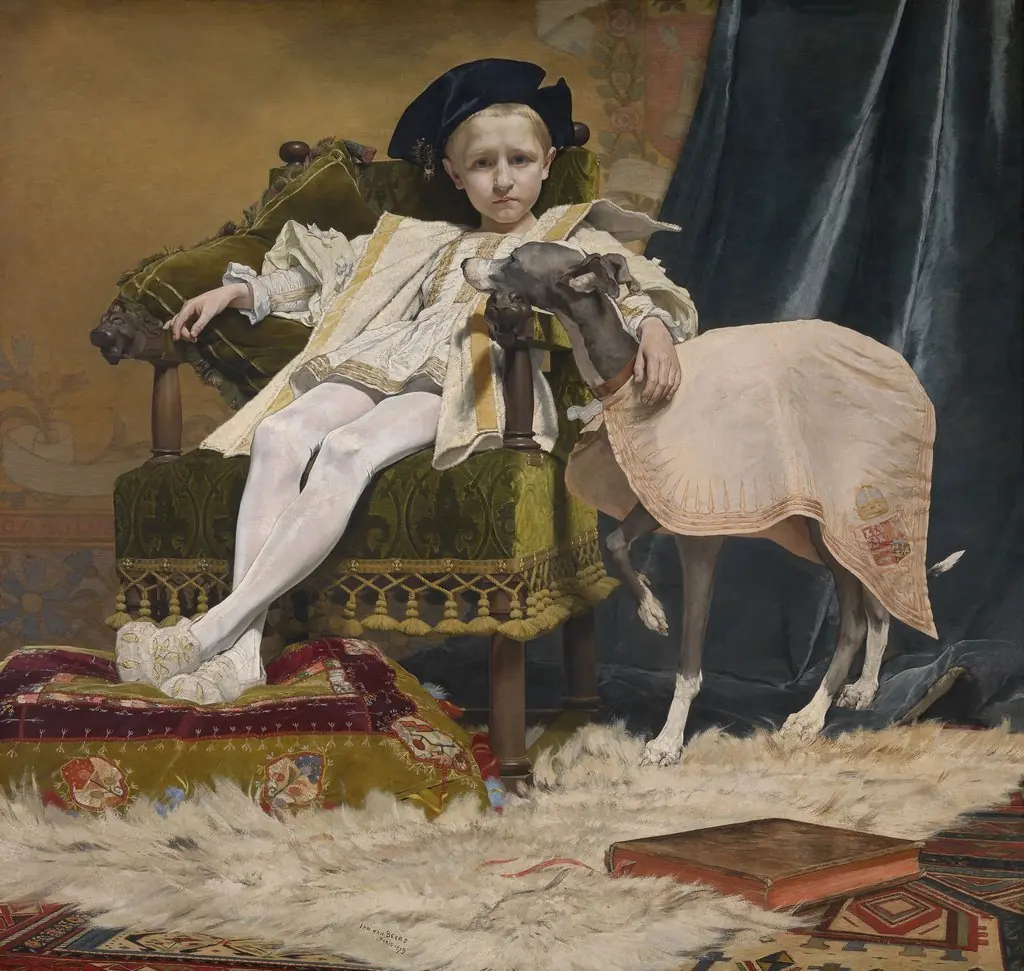
 Retrat de la nena Sardà
 Jessica Penn in Black with White Plumes
 A Masked Lady
 A Girl Holding a Mirror and a Rose
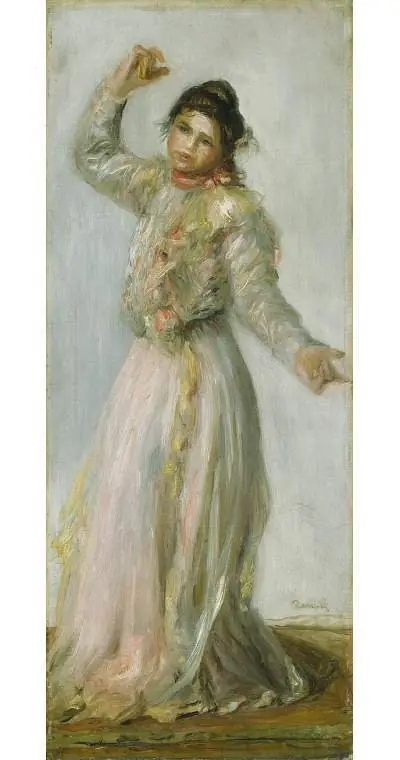 La danse
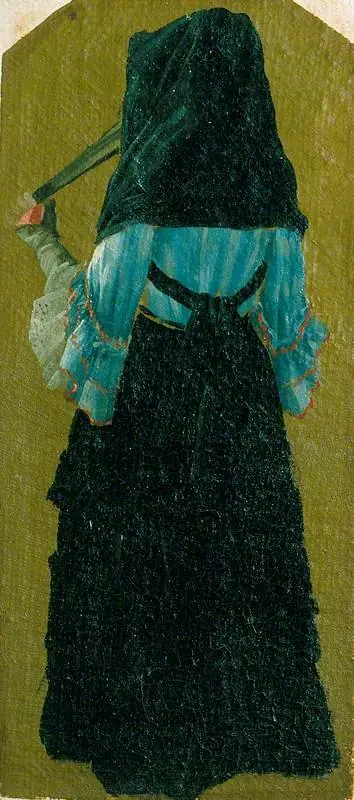 A Lady Seen from Behind, Holding a Fan
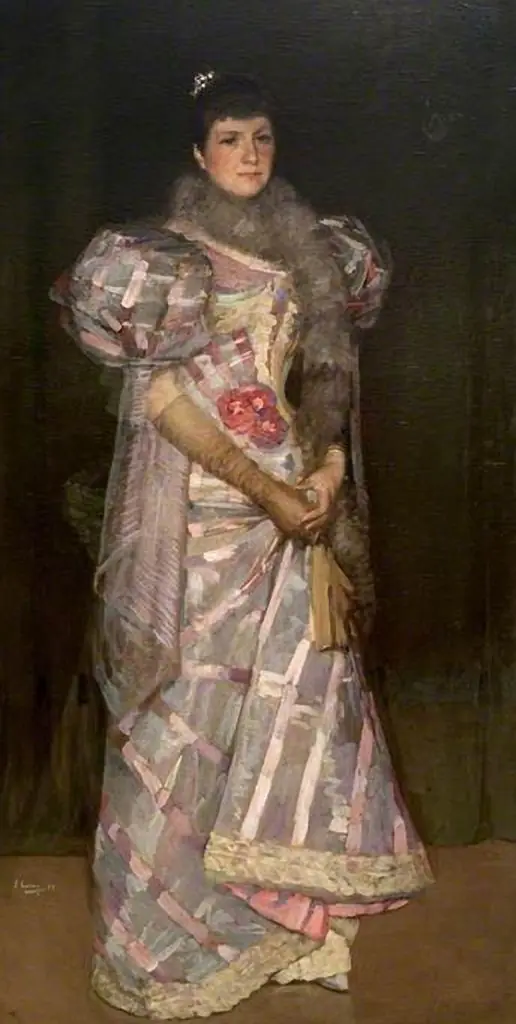 Mrs Fitzroy Bell
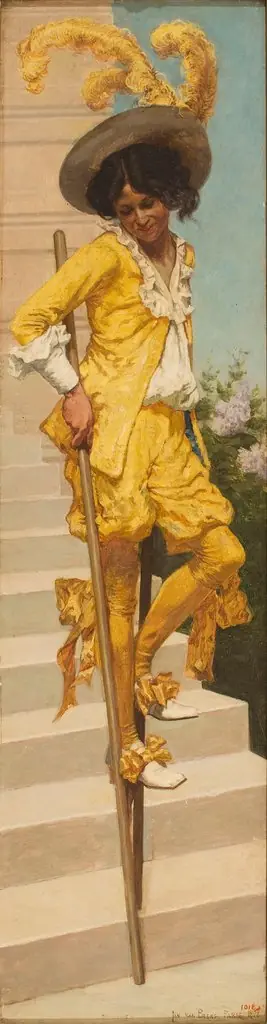 The Woman with Stilts
 Annie Haden
 Portrait of the Fiancée