Artwork
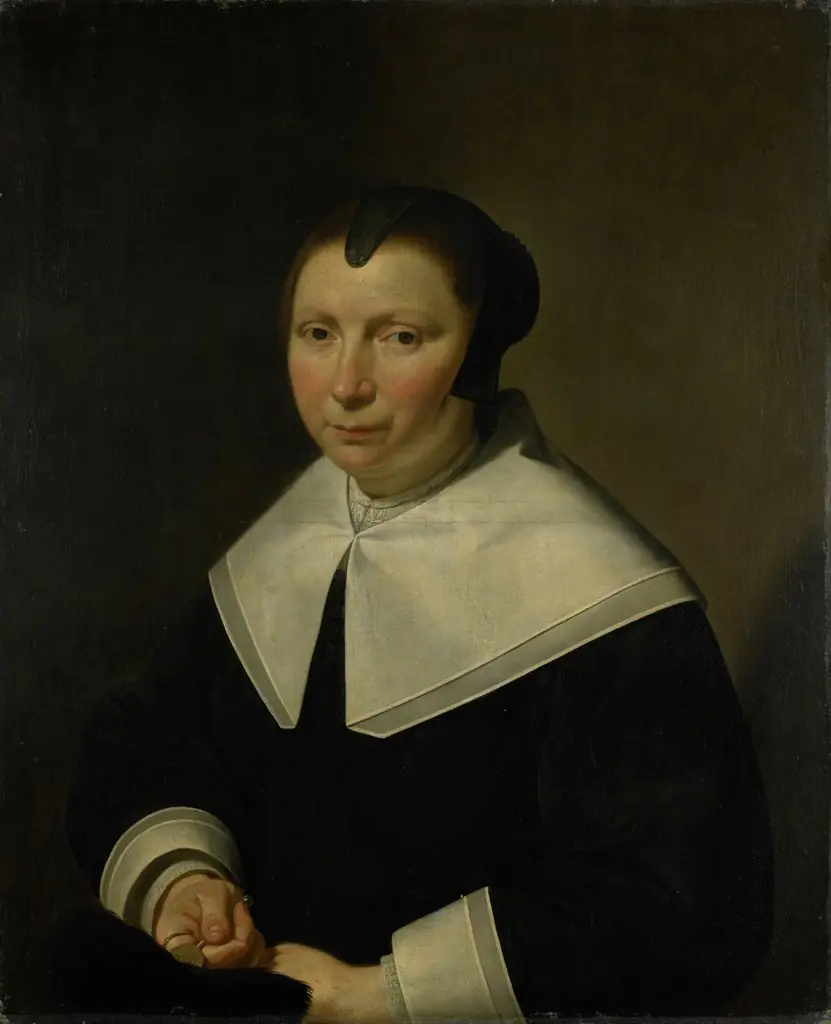
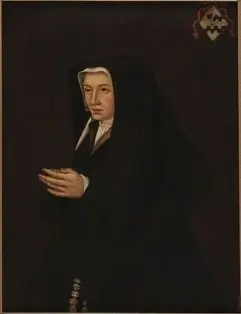
Portrait of Beatrix Gibels van Linschoten
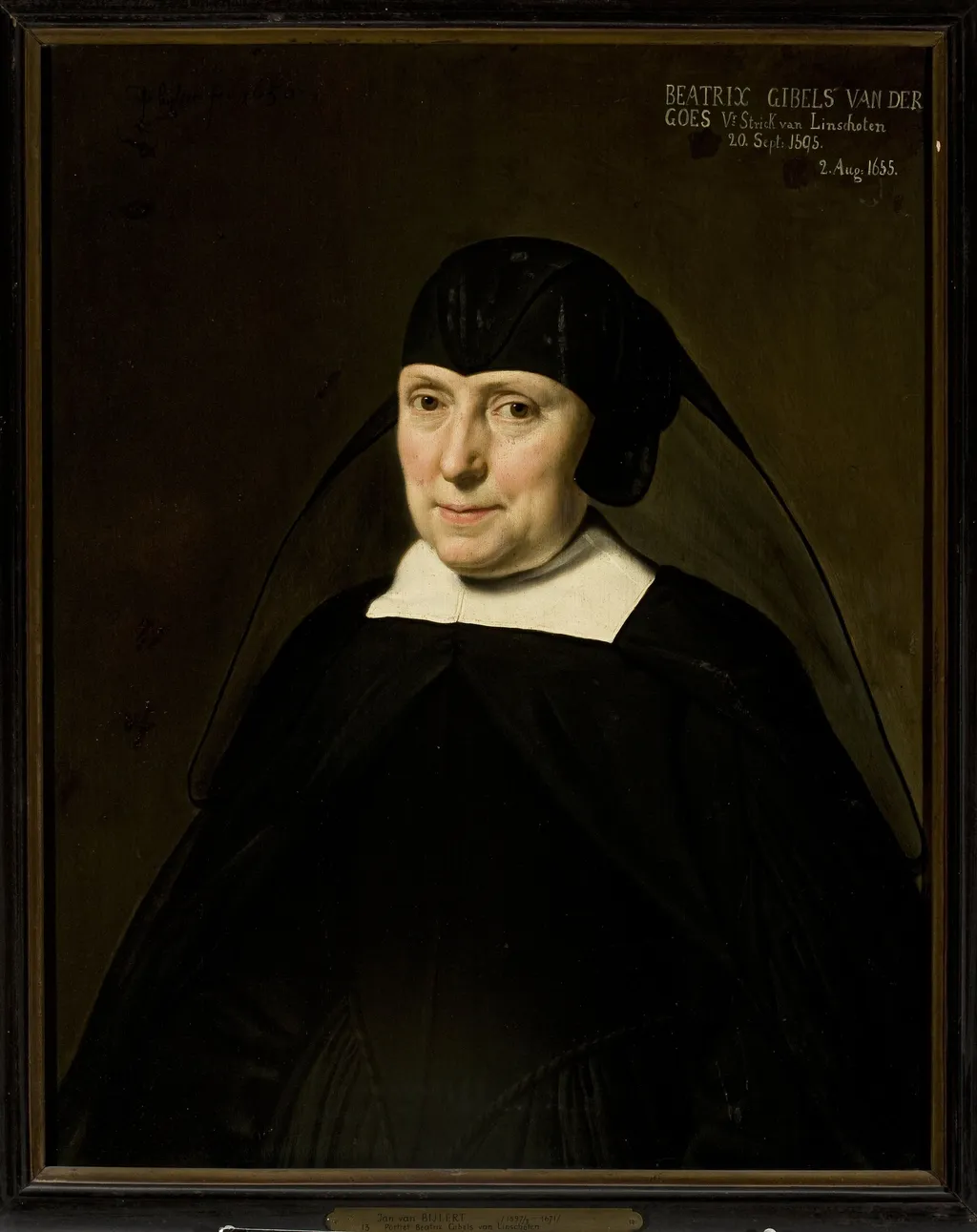
Portrait of Beatrix Gibels van Linschoten is an oil painting by the Dutch Golden Age artist Jan van Bijlert. It dates from 1650 and is held in the collection of the National Museum in Warsaw.
About this work
Overview
The work is part of the National Museum in Warsaw’s collection and reflects the quiet dignity characteristic of mid-17th-century Dutch elite portraiture.
Painted around 1650 by Jan van Bijlert, this oil-on-canvas portrait depicts Beatrix Gibels van Linschoten, a woman of Dutch nobility. Van Bijlert, trained in Italy and associated with the Utrecht Caravaggisti, brought Italianate naturalism to Dutch portraiture. The work is part of the National Museum in Warsaw’s collection and reflects the quiet dignity characteristic of mid-17th-century Dutch elite portraiture.
Subject & Meaning
The sitter, identified as Beatrix Gibels van Linschoten, is portrayed with restrained elegance. Her plain features, calm expression, and subtle smile suggest introspection rather than grandeur. The inscription on the painting records her name as Beatrix Gibels van der Goes, possibly indicating a prior marriage or family lineage. The portrait emphasizes personal identity over social display, aligning with Dutch values of modesty and individual character.
Technique & Style
Van Bijlert employs chiaroscuro to model the sitter’s face and hands against a deep, unbroken background. The contrast between the dark attire and the softly lit skin creates volume without theatricality. The white collar catches the light with precision, drawing attention to the face. Brushwork is controlled and refined, avoiding the dramatic intensity of Caravaggio while retaining his focus on naturalistic lighting and texture.
History & Provenance
The painting was likely commissioned in the Netherlands during Van Bijlert’s later career, after his return from Rome. It entered the National Museum in Warsaw’s collection in the 20th century, though its earlier ownership remains undocumented. The artist’s name, inscribed on the frame, confirms attribution, a practice uncommon in Dutch portraiture of the period, suggesting the frame may have been added later or by a later owner.
Context
Van Bijlert was part of a group of Dutch artists who absorbed Caravaggio’s style in Rome and reintroduced it to the Netherlands. This portrait reflects the fusion of Italian chiaroscuro with Dutch realism, a hallmark of the Utrecht Caravaggisti. Unlike Italian religious scenes, Dutch portraits of this era favored understated elegance, reflecting the civic and mercantile culture of the Republic’s elite.
Legacy
The portrait stands as a quiet example of how Italianate techniques were adapted to Dutch sensibilities. While Van Bijlert is less known than his contemporaries, this work illustrates the cross-pollination of artistic ideas across Europe. It contributes to the broader understanding of how Caravaggism influenced secular portraiture beyond religious or mythological subjects in the Dutch Golden Age.
Artist & collection
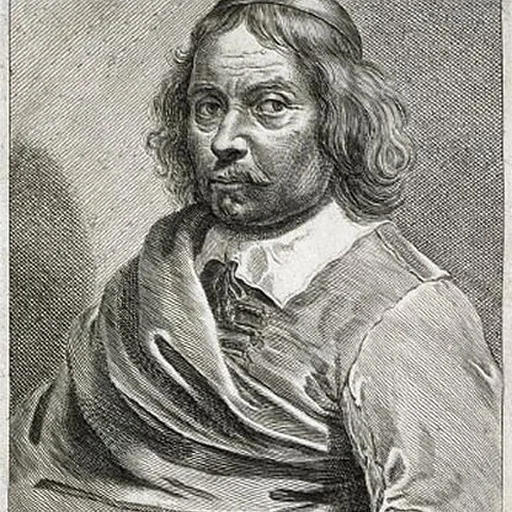
Artist
Jan Hermansz van Bijlert (1597 or 1598 – November 1671) was a Dutch Golden Age painter from Utrecht, one of the Utrecht Caravaggisti whose style was influenced by Caravaggio.

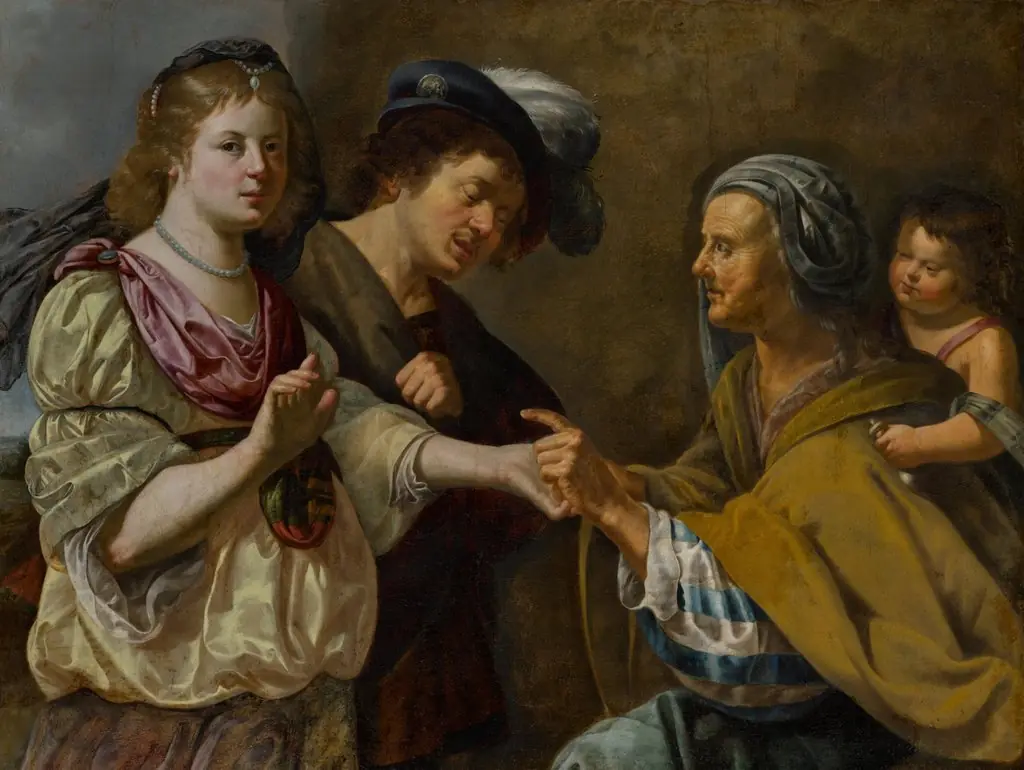
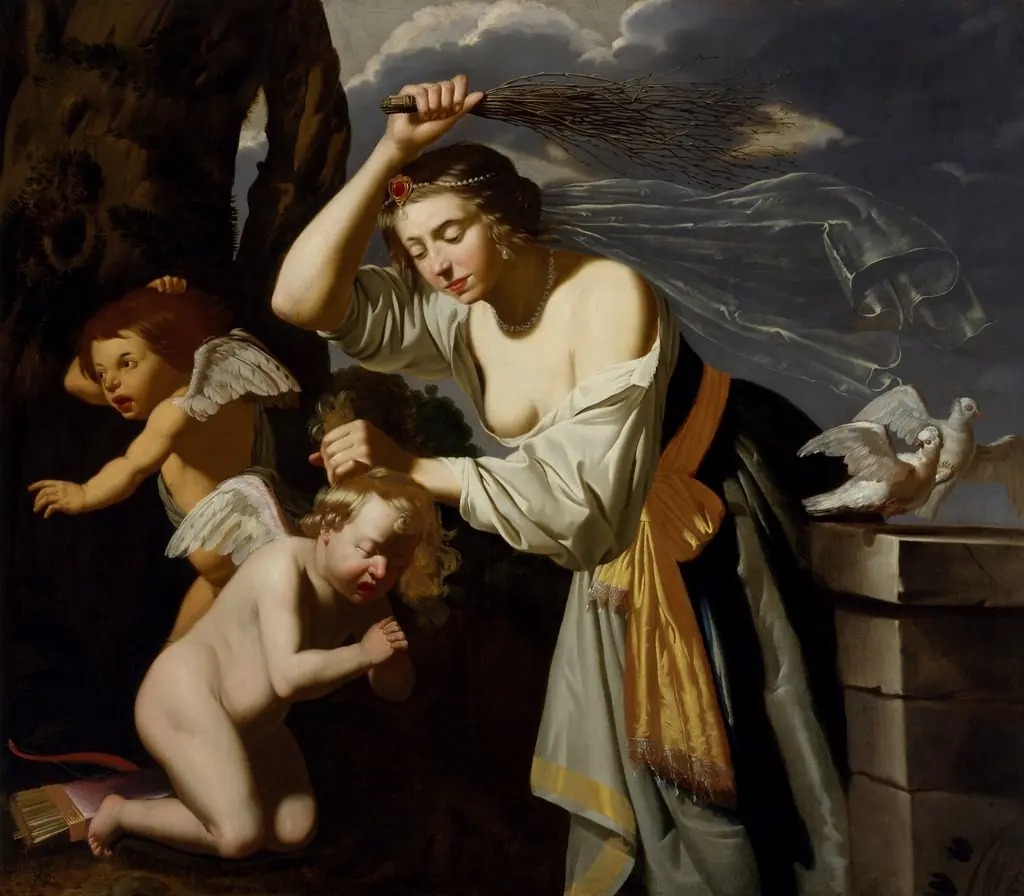
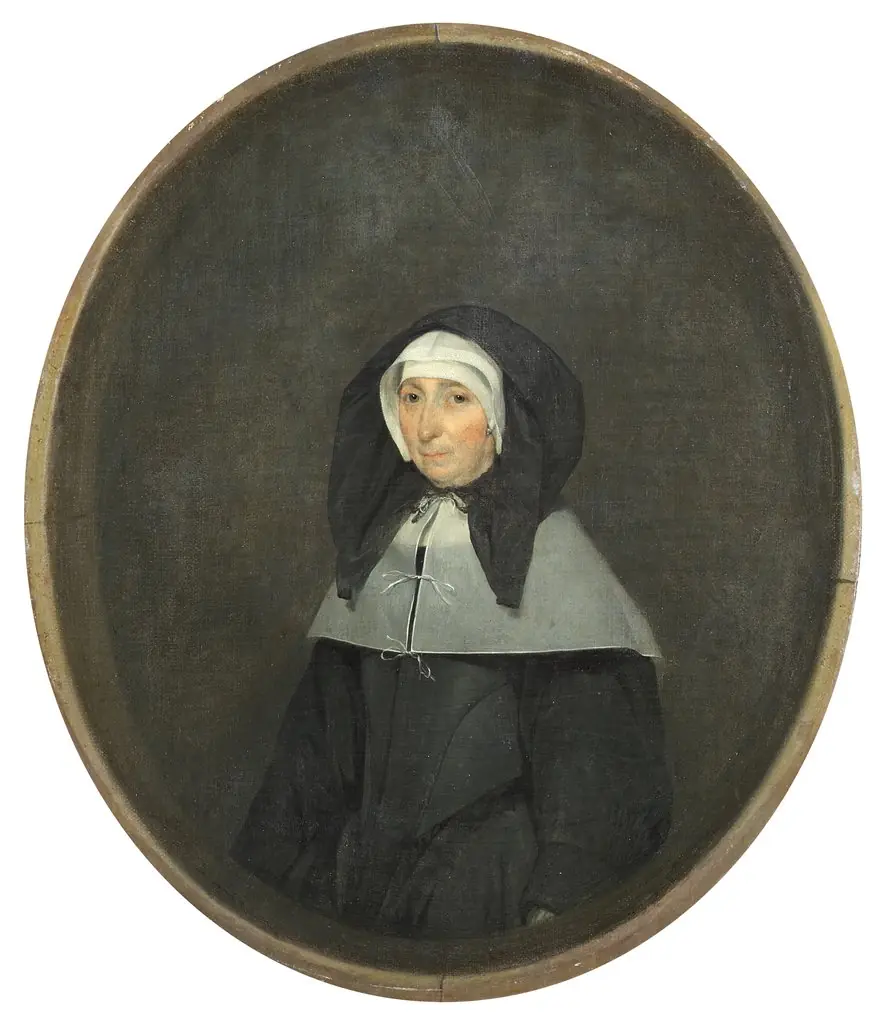 Portrait of Gertruida Assink (1602-1679), wife of the mayor of Deventer
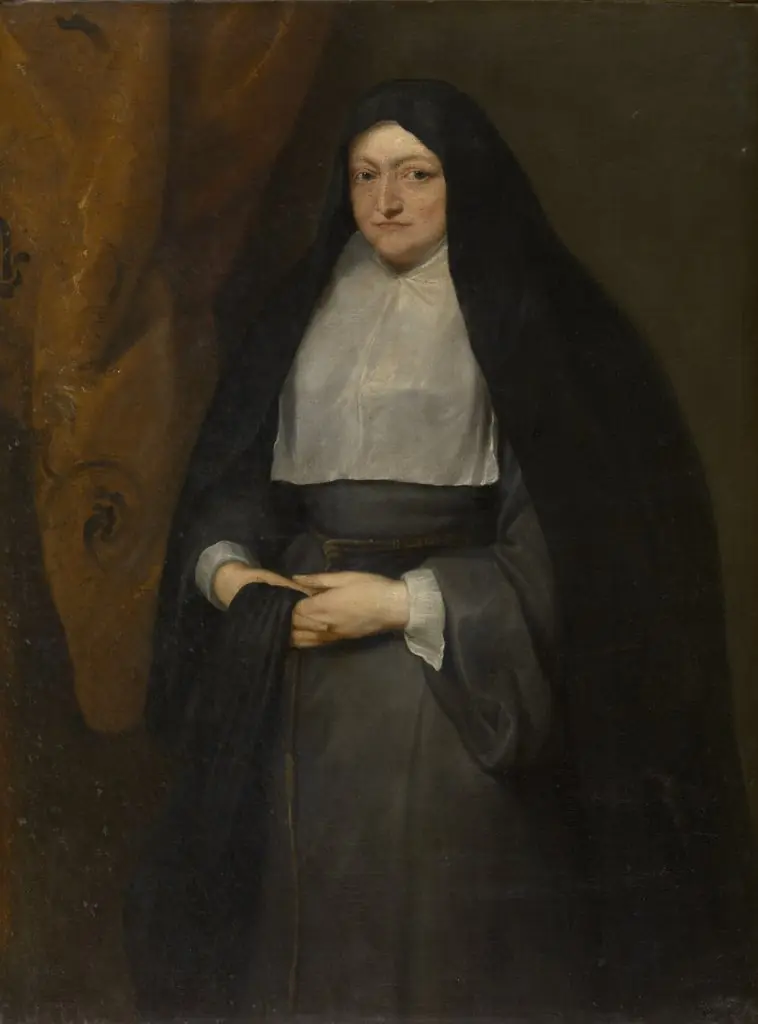 Infante Isabella Clara Eugenia
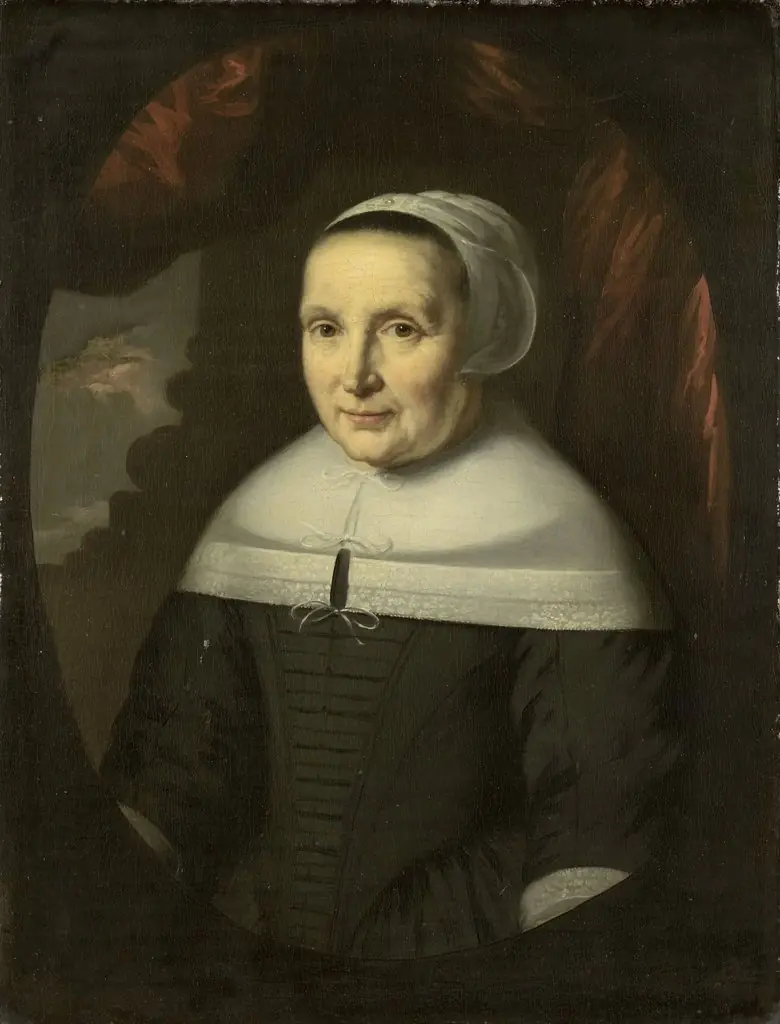 Portrait of Aeltje Denijs (b. 1598/99), wife of Hendrick Wijnands and mother of Dionijs Wijnands
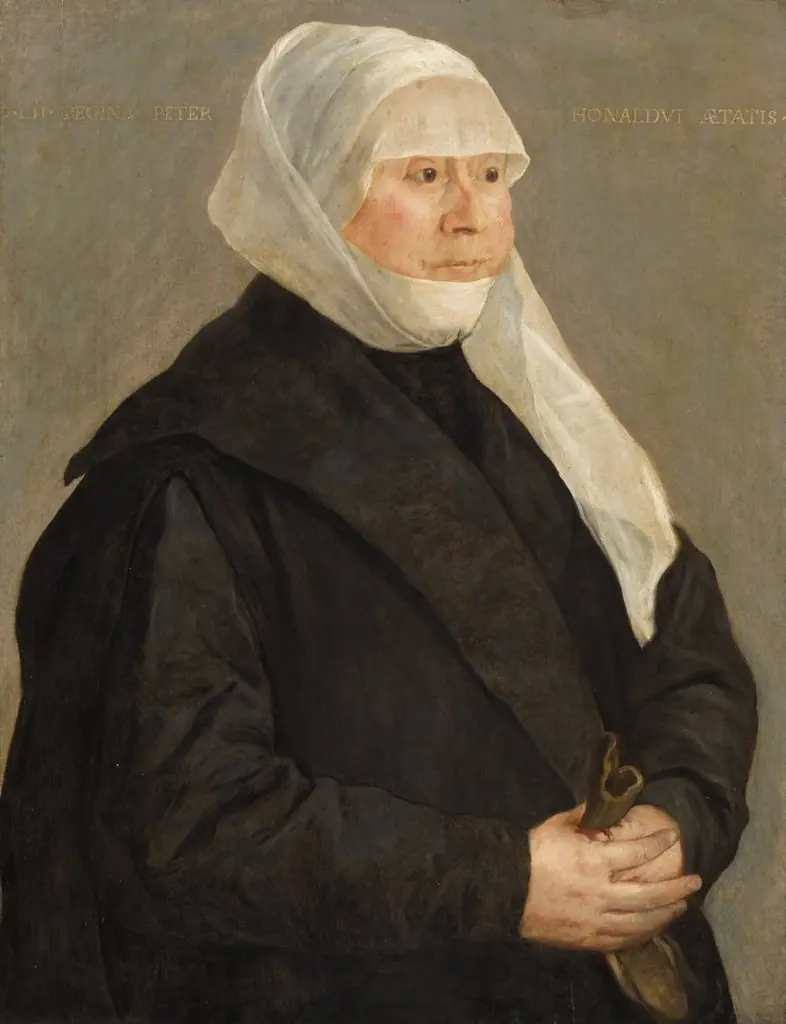 Regina von Stetten (1499-1562), Gemahlin des Peter Honold
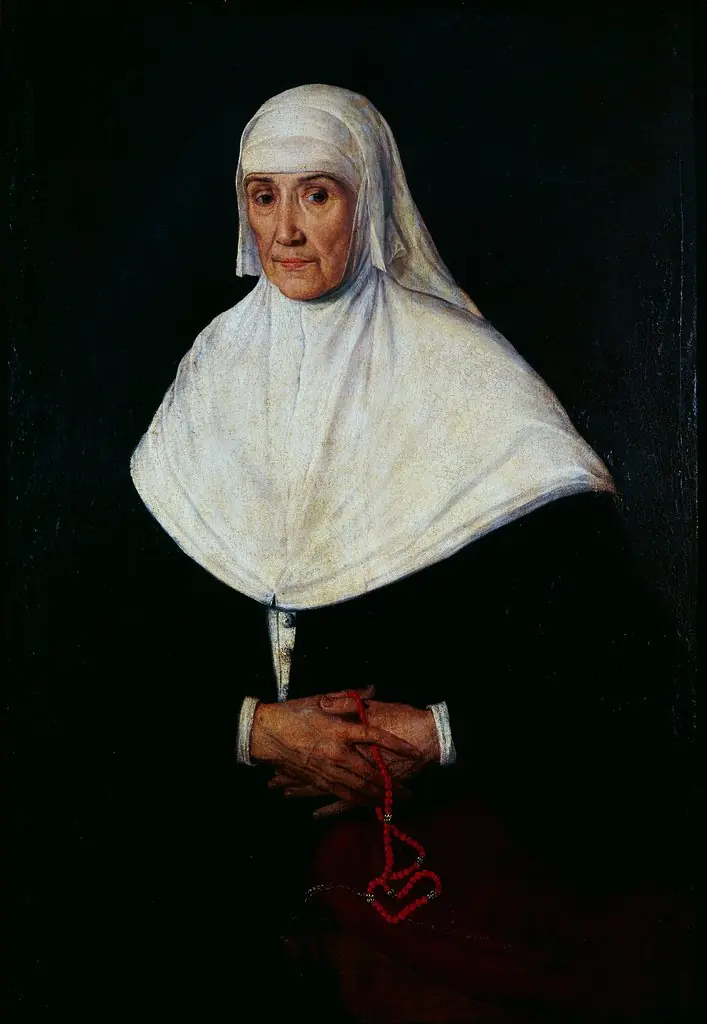 Senhora com Rosário
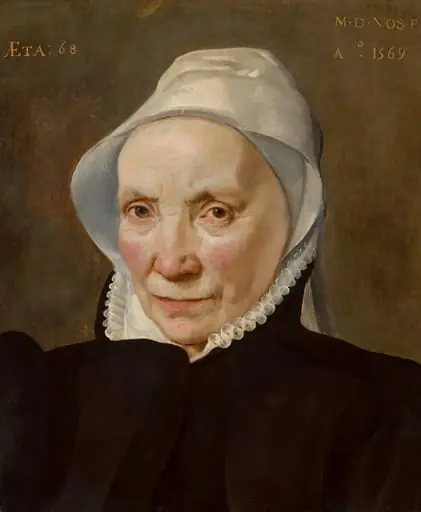 Portrait of a Woman Aged Sixty-Eight
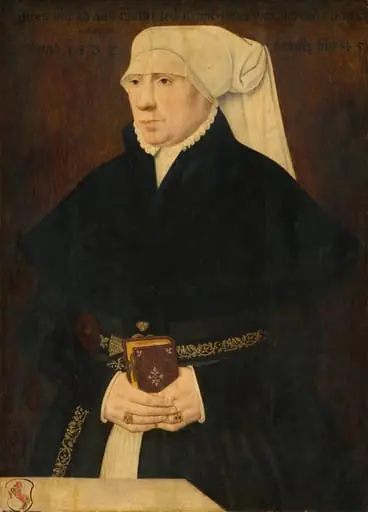 Portrait of a Lady
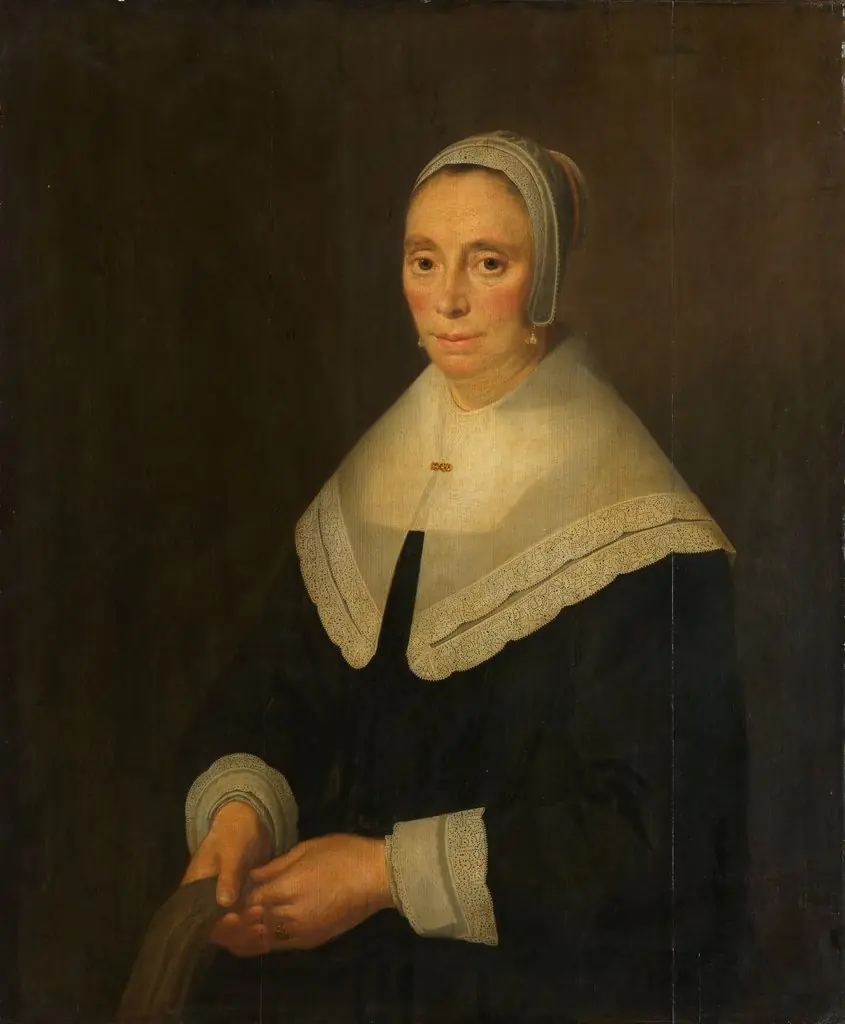 Portrait of a woman
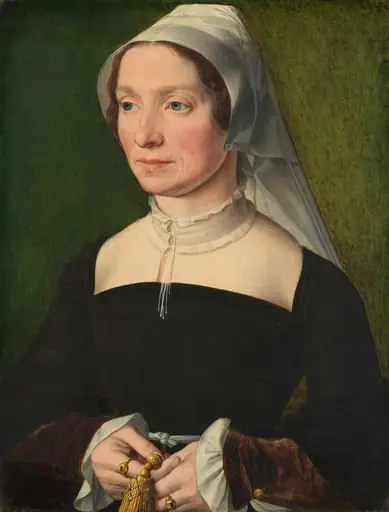 Wife of a Member of the de Hondecoeter Family
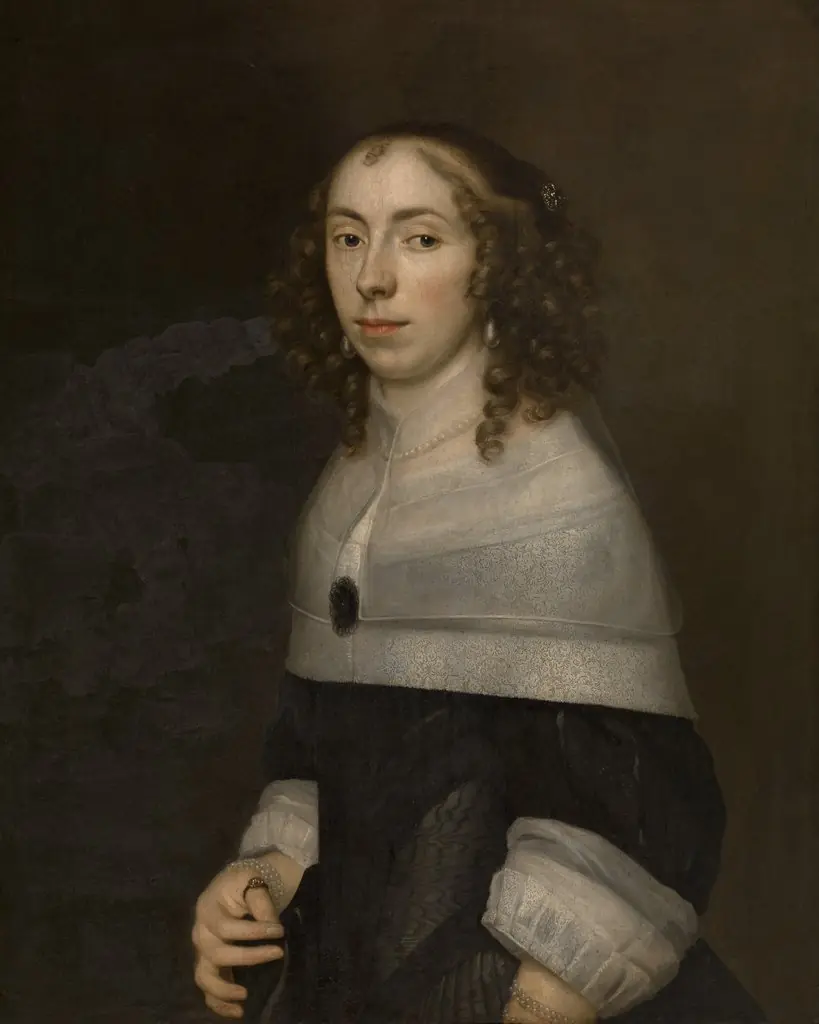 Portrait of Geertruijd Coenen (1635-1716)
 Portrait of Beatrix van Slingeland (1485-1555). Wife of Cornelis de Witt