Artwork
Mercury
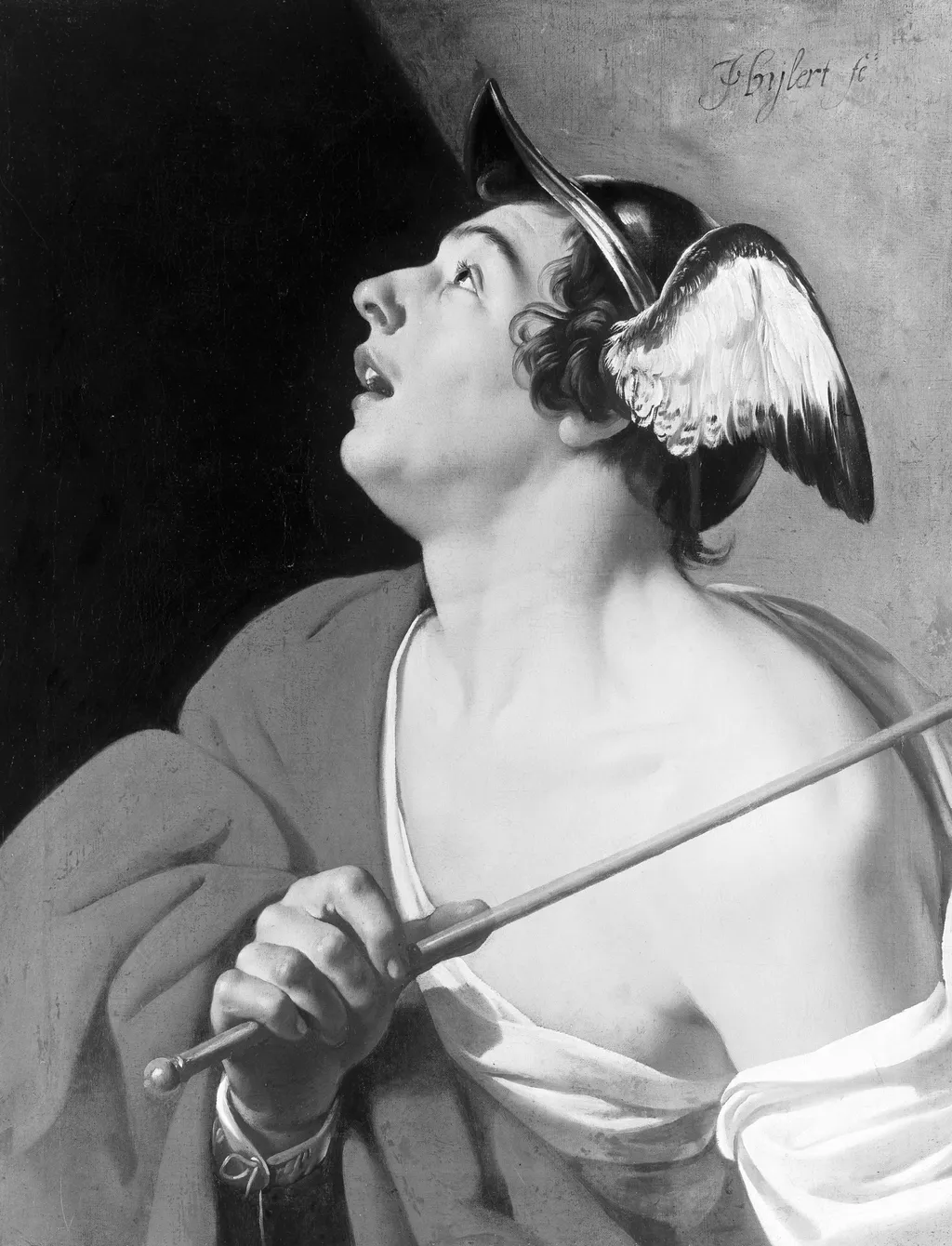
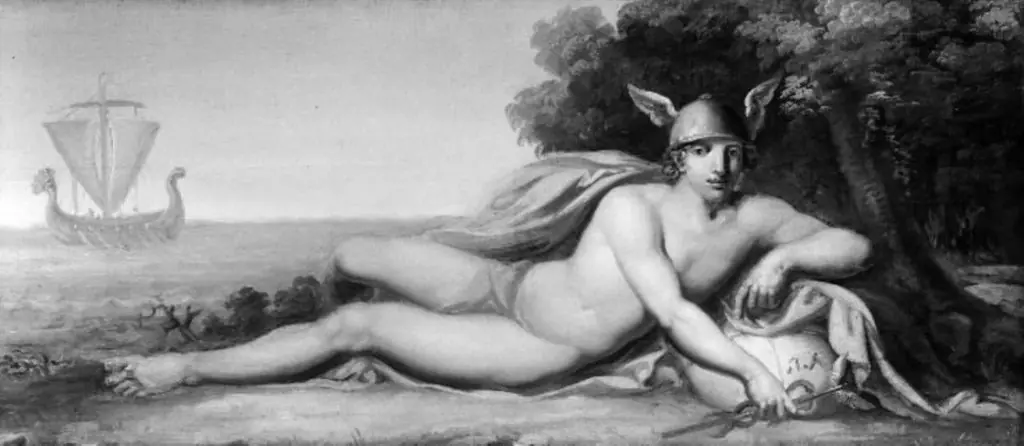
Mercury is a paint painting by the Early Baroque Italian artist Jan van Bijlert. It dates from 1627 and is held in the collection of the Gemäldegalerie Berlin.
About this work
Overview
Van Bijlert, trained in Utrecht, developed his style during a formative stay in Italy, where he encountered Caravaggio’s dramatic lighting and naturalism.
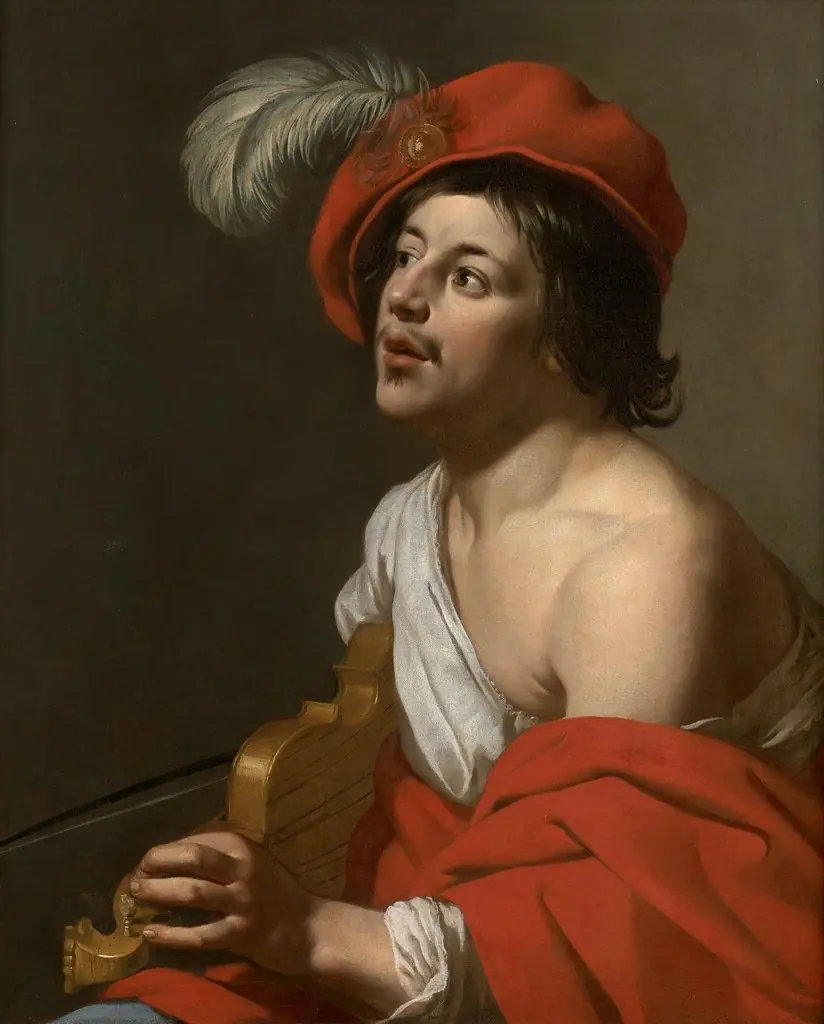
Painted in 1627 by Jan van Bijlert, *Mercury* is an oil-on-canvas work from the Dutch Golden Age. Van Bijlert, trained in Utrecht, developed his style during a formative stay in Italy, where he encountered Caravaggio’s dramatic lighting and naturalism. The painting portrays the Roman god Mercury, identified by his winged helmet and caduceus, rendered with close attention to physical presence and spatial depth against a darkened background.
Subject & Meaning
The figure represents Mercury, the messenger of the gods, depicted mid-speech with head tilted upward and mouth open, suggesting divine proclamation. His winged helmet and staff, the caduceus, are traditional attributes linking him to communication and travel. The gesture implies urgency or revelation, aligning with Mercury’s role as a divine herald. The lack of elaborate mythological context focuses attention on the figure’s presence and authority.
Technique & Style
Van Bijlert employs chiaroscuro to model the figure’s form, contrasting the lit torso and face against a deep, shadowed background. The folds of the white toga are rendered with precise brushwork, emphasizing texture and volume. The helmet’s metallic surface catches subtle highlights, enhancing its three-dimensionality. The composition is tightly cropped, isolating the figure to intensify psychological presence and tactile realism.
History & Provenance
Created during Van Bijlert’s mature period after returning from Italy, the painting entered the collection of the Gemäldegalerie in Berlin in the 19th century. It reflects the influence of Italian Baroque painting on Northern European artists, a trend fostered by Utrecht’s artistic community. Its attribution and date are well documented through archival records and stylistic analysis consistent with the artist’s known works from the 1620s.
Context
In early 17th-century Utrecht, artists like Van Bijlert absorbed Caravaggio’s innovations, adapting them to mythological and religious subjects. *Mercury* exemplifies this synthesis: Italian dramatic lighting meets Northern European attention to detail. Such works responded to a growing demand for secular and classical themes among Dutch collectors, bridging religious tradition and humanist interests in antiquity.
Legacy
Though less widely known than his contemporaries, Van Bijlert’s *Mercury* stands as a clear example of how Utrecht painters translated Caravaggism into personal, restrained compositions. The painting contributes to understanding the spread of Italian Baroque aesthetics in the Netherlands and the nuanced ways Northern artists adapted foreign styles without abandoning local sensibilities in portraiture and realism.
Own this work as a print
Artist & collection
Artist
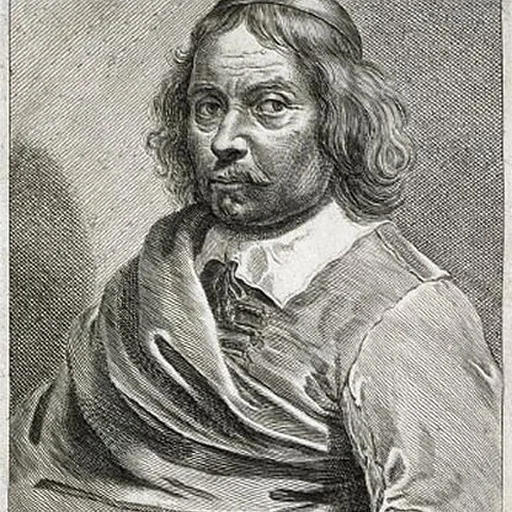
Jan Hermansz van Bijlert (1597 or 1598 – November 1671) was a Dutch Golden Age painter from Utrecht, one of the Utrecht Caravaggisti whose style was influenced by Caravaggio.