Artwork
Tag und Nacht
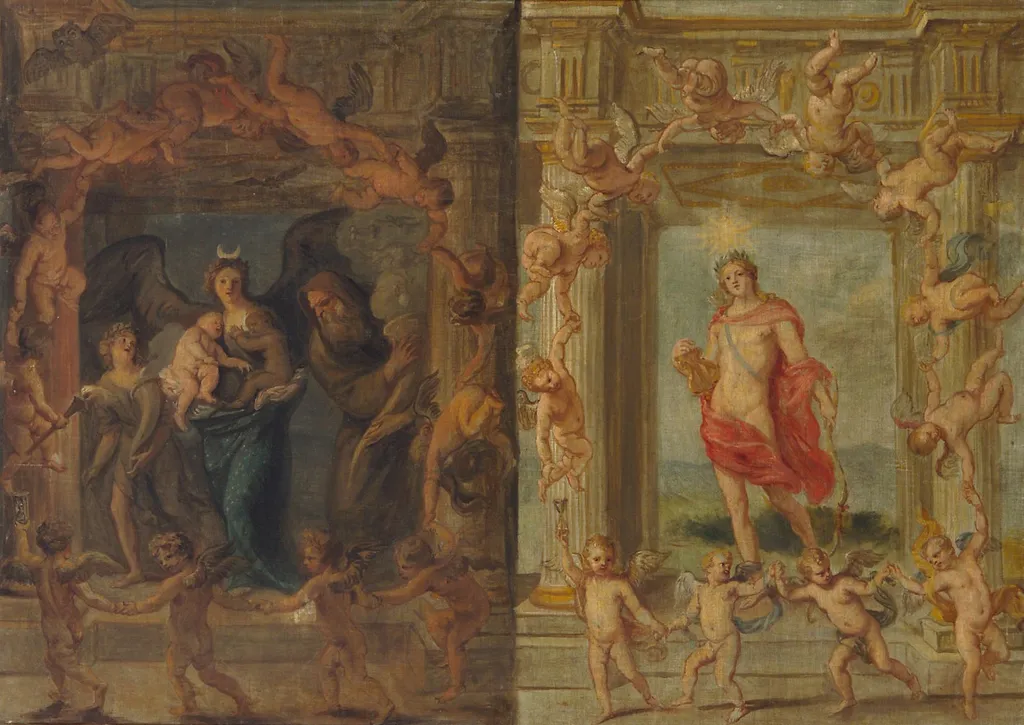
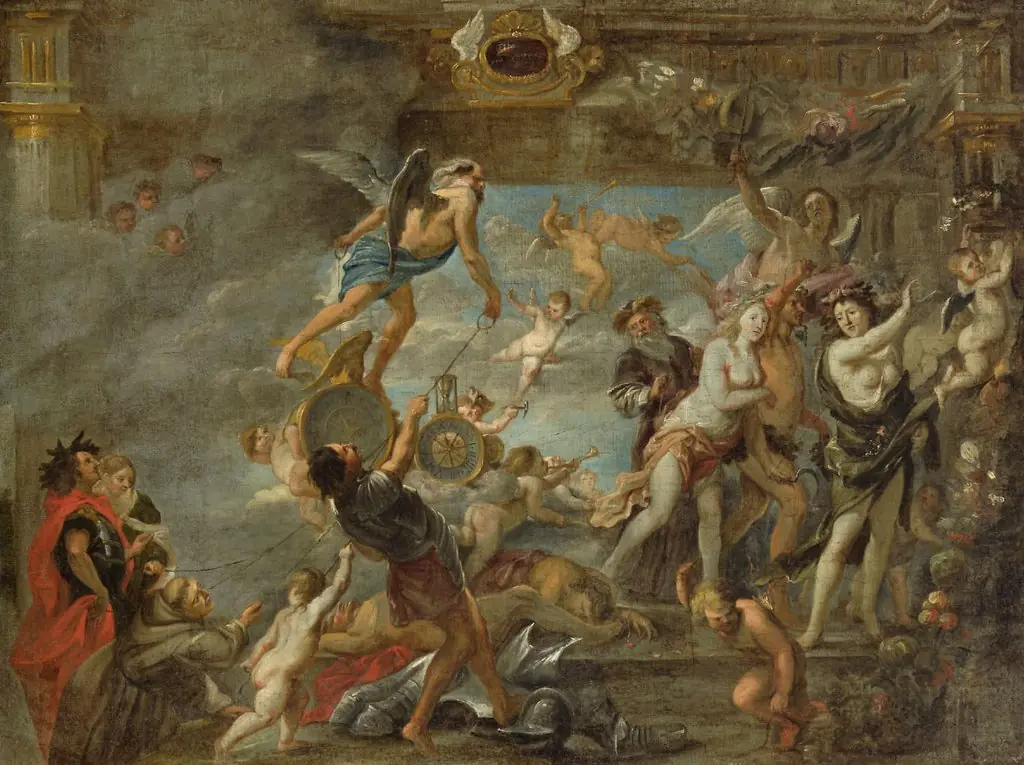
Tag und Nacht is a color painting by the Flemish Baroque painting artist Jan van den Hoecke. It dates from 1650 and is held in the collection of the Kunsthistorisches Museum.
About this work
Overview
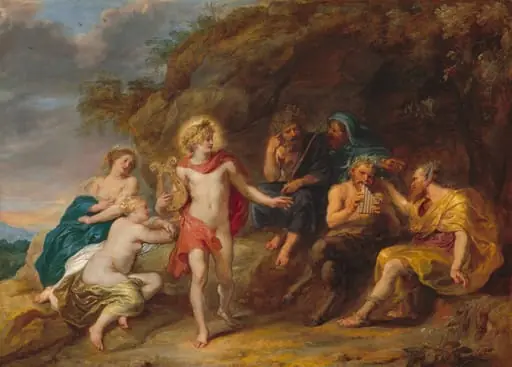
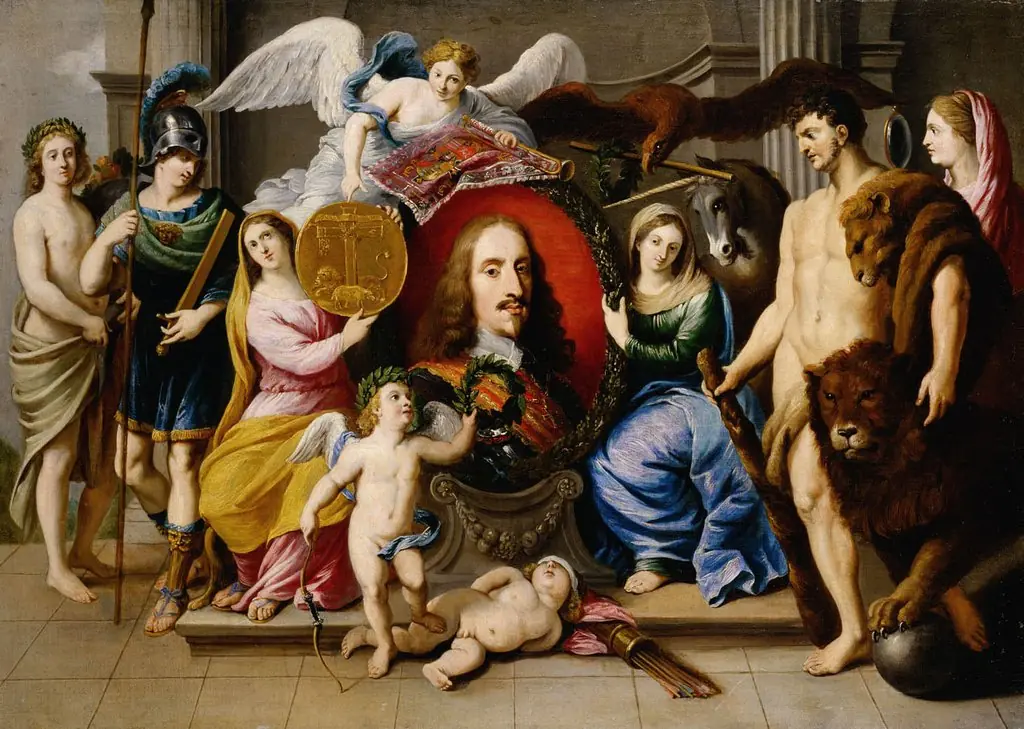
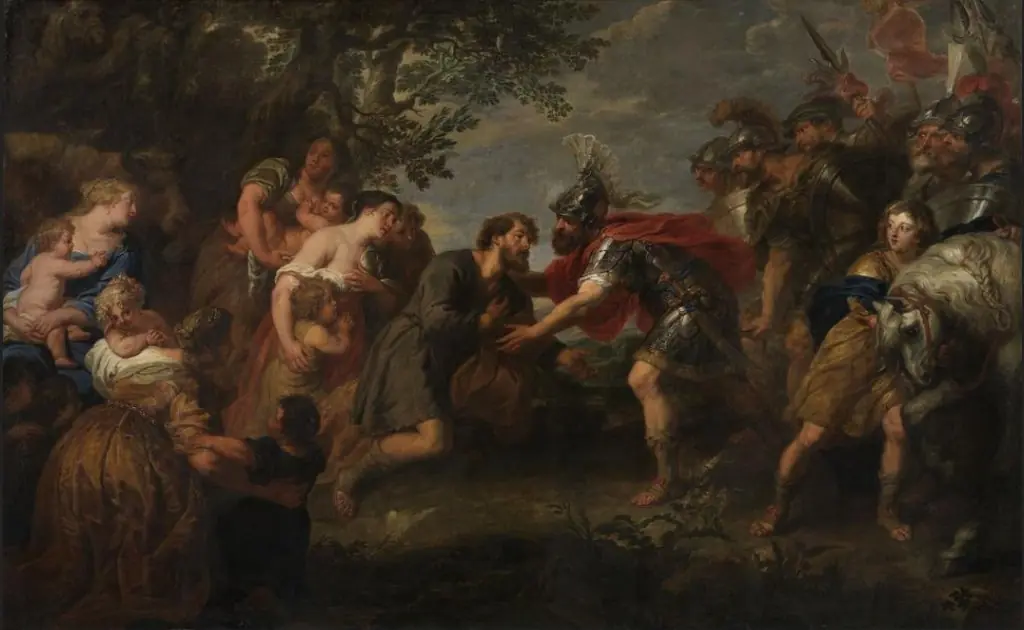
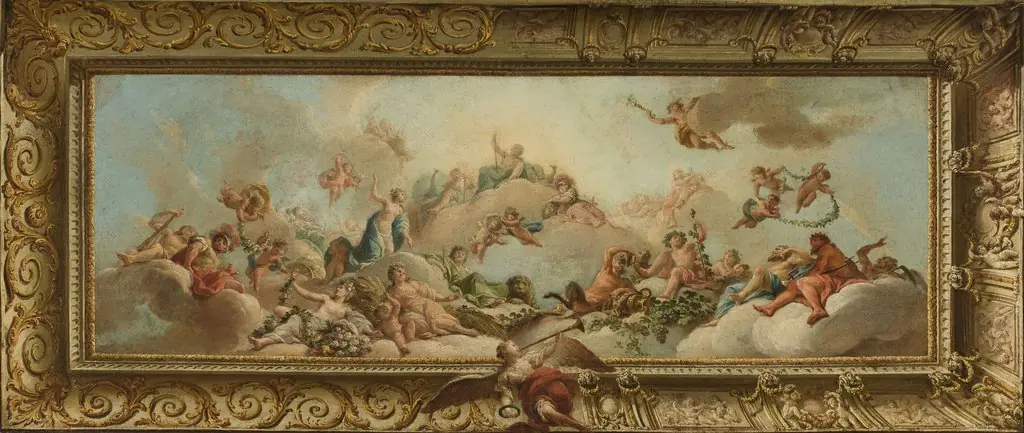
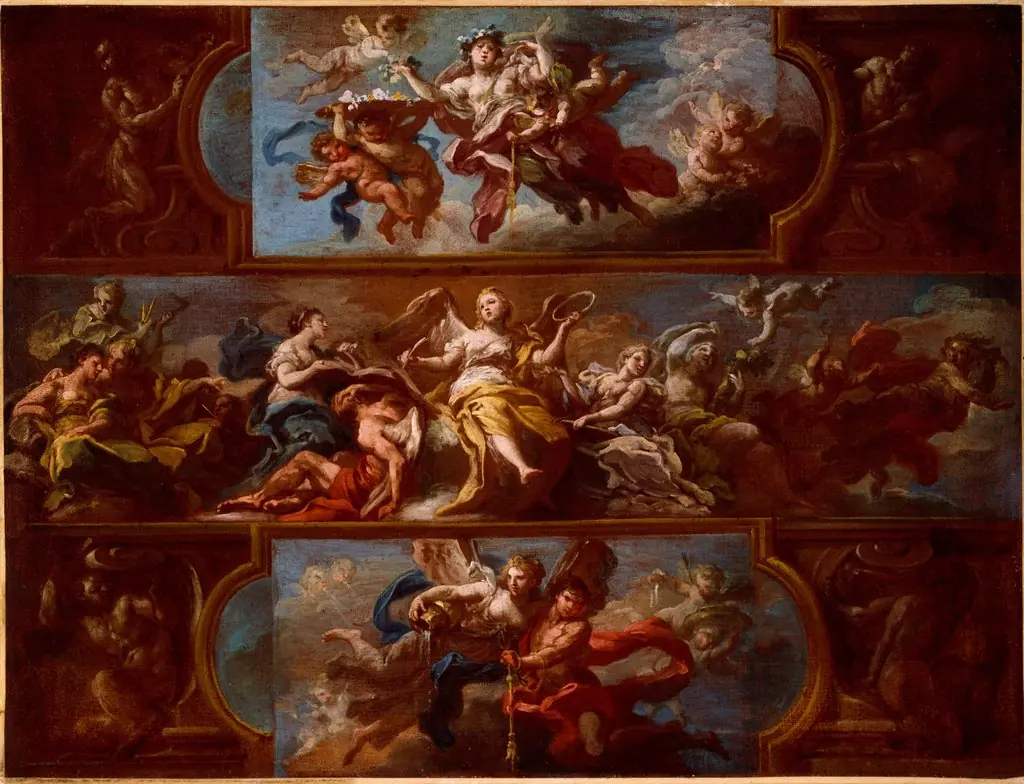
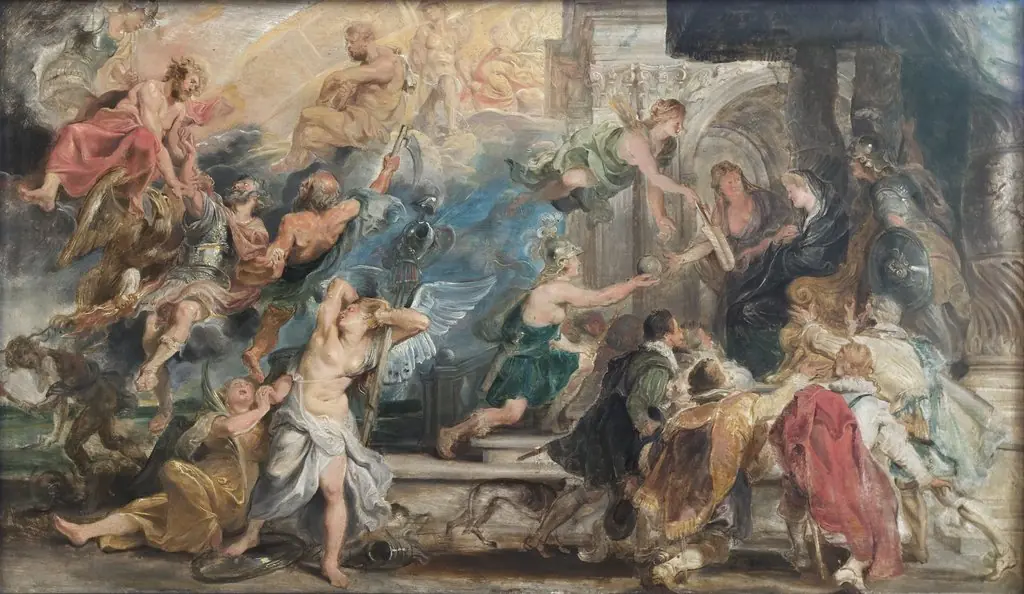
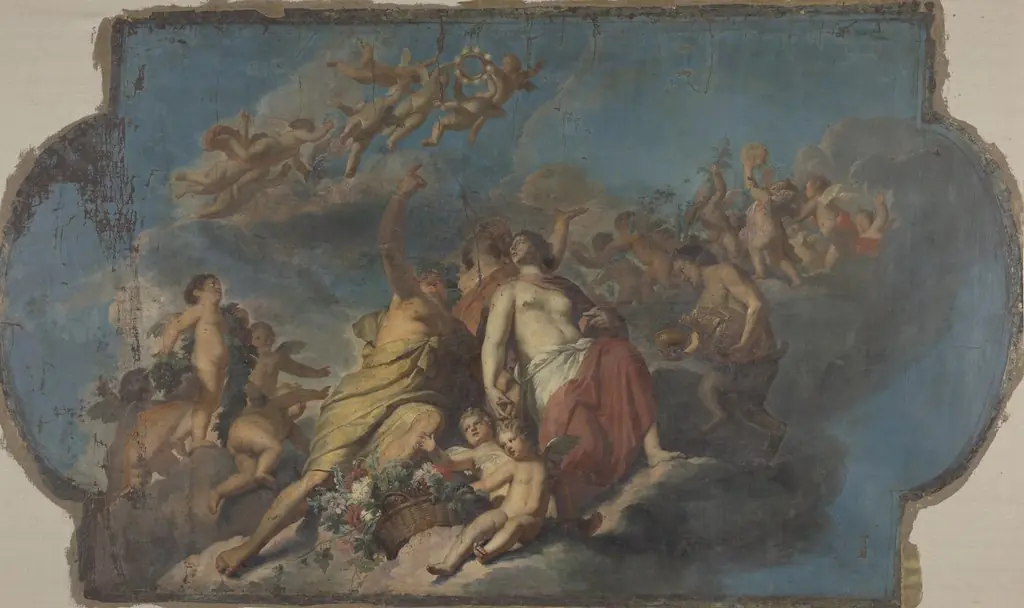
Created circa 1650, *Tag und Nacht* is an oil painting by the Flemish artist Jan van den Hoecke. Executed during the height of the Flemish Baroque, the work is held in the collection of Vienna’s Kunsthistorisches Museum. Its composition is divided into two contrasting halves, each populated by figures and cherubic attendants, and is noted for its vivid colour palette.
Subject & Meaning
The left side presents a woman clothed in a deep hue, cradling an infant amid a group of attendants and playful cherubs, suggesting a daytime or maternal theme.
The left side presents a woman clothed in a deep hue, cradling an infant amid a group of attendants and playful cherubs, suggesting a daytime or maternal theme. Opposite, a man in a striking red robe occupies the right, surrounded by similar celestial figures, evoking a nocturnal or perhaps allegorical counterpart. The juxtaposition of the two zones hints at the passage of time or dual aspects of human experience.
Technique & Style
Van den Hoecke employs a rich, saturated palette to model form and convey spatial depth. The stark contrast between the dark garment and the luminous background, alongside the vivid red of the male figure, creates a rhythmic visual tension. Brushwork is characteristic of the Baroque’s dynamic movement, while the inclusion of cherubs adds a decorative, theatrical quality common in courtly commissions of the period.
History & Provenance
After serving as a principal assistant to Peter Paul Rubens in the 1630s, van den Hoecke spent ten years in Rome before assuming the role of court painter for the Habsburg courts in Vienna and Brussels. *Tag und Nacht* entered the Kunsthistorisches Museum’s holdings as part of the imperial collection, reflecting the artist’s connection to the Viennese court and its patronage of Baroque art.
Context
The painting reflects the broader Flemish Baroque fascination with allegory, theatricality, and the interplay of light and colour. Van den Hoecke’s experience in Rubens’ workshop and his later exposure to Italian classicism in Rome informed his synthesis of vigorous composition and elegant detail, aligning the work with contemporary courtly tastes for grand, narrative-driven imagery.
Artist & collection
Artist
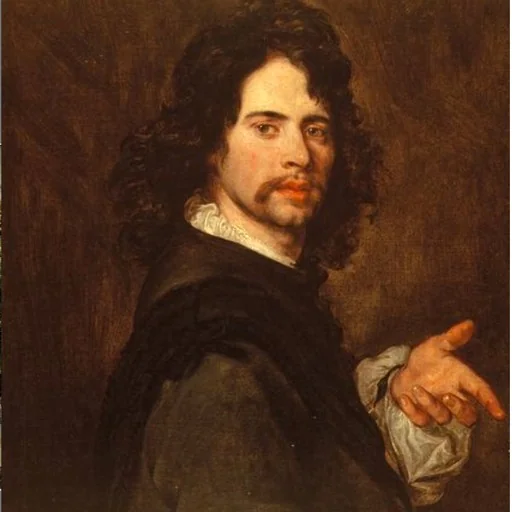
Jan van den Hoecke (baptised on 4 August 1611 – 1651) was a Flemish painter, draughtsman and designer of wall tapestries.