Artwork
Triumph of Time
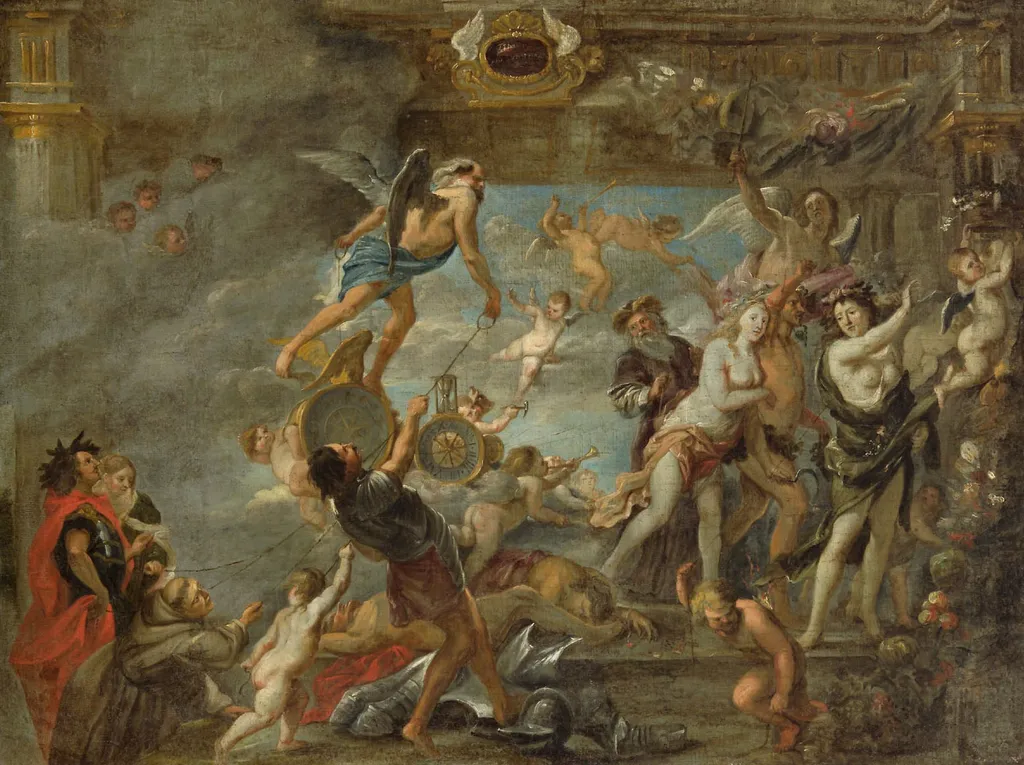
Triumph of Time is an oil painting by the Flemish Baroque painting artist Jan van den Hoecke. It dates from 1650 and is held in the collection of the Kunsthistorisches Museum.
About this work
Overview
Van den Hoecke, trained in Rubens’ workshop and active across Europe, crafted this work as part of a broader interest in moral and philosophical themes.
Painted around 1650 by Jan van den Hoecke, *Triumph of Time* is an allegorical composition rooted in the Flemish Baroque tradition. Van den Hoecke, trained in Rubens’ workshop and active across Europe, crafted this work as part of a broader interest in moral and philosophical themes. The painting’s complex arrangement of figures and its somber palette reflect a contemplative approach to time’s dominion over human endeavor, typical of mid-17th-century Northern European allegory.
Subject & Meaning
The painting presents time as an unstoppable force, personified through a wheel and winged figures dragging individuals toward an unseen fate. A nude man strains to turn a massive wheel in the foreground, while others are pulled or entangled by ethereal forms. The scene evokes the inevitability of decay and the futility of resistance, drawing on classical and Christian motifs of transience. The absence of clear narrative hierarchy invites viewers to consider the universal scope of time’s power.
Technique & Style
Van den Hoecke employs a restrained palette dominated by earthy browns, ochres, and muted grays, enhancing the painting’s somber tone. Figures are rendered with precise anatomical detail and dynamic poses, conveying motion through twisting limbs and overlapping forms. The composition is densely packed, with layered clouds and ambiguous space creating a sense of depth without clear perspective. Brushwork is controlled yet expressive, balancing Baroque energy with Flemish attention to texture and surface.
History & Provenance
Created during van den Hoecke’s mature period, the painting entered the Habsburg collections likely through his service at imperial courts in Vienna and Brussels. It has remained in the Kunsthistorisches Museum’s holdings since at least the 18th century, preserved as part of the imperial art collection. Its continuous institutional custody suggests early recognition of its thematic and technical significance within the Habsburg artistic program.
Context
In mid-17th-century Flanders, allegories of time and mortality were common amid religious and political instability. Van den Hoecke’s work responds to a broader cultural preoccupation with impermanence, influenced by Counter-Reformation thought and the visual language of Rubens. Unlike overtly dramatic religious scenes, this piece uses secular symbolism to convey existential themes, aligning with a trend toward introspective allegory among Northern artists of the period.
Legacy
Though less widely known than his contemporaries, van den Hoecke’s *Triumph of Time* exemplifies the intellectual depth of Flemish Baroque allegory. Its restrained color and complex symbolism distinguish it from the more theatrical works of the era. The painting remains a key reference for understanding how Northern artists adapted classical themes into personal, morally charged compositions, influencing later generations interested in the intersection of art and philosophy.
Artist & collection
Artist
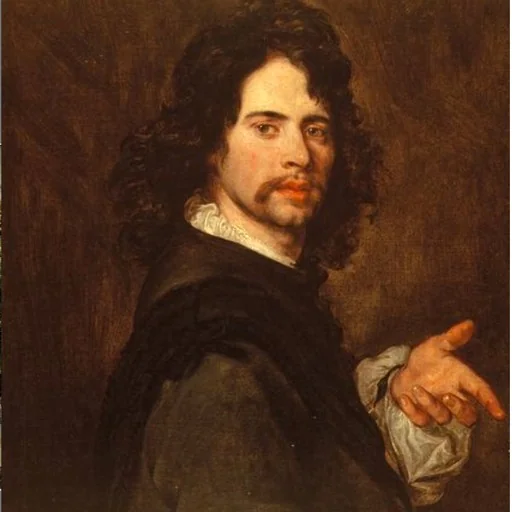
Jan van den Hoecke (baptised on 4 August 1611 – 1651) was a Flemish painter, draughtsman and designer of wall tapestries.

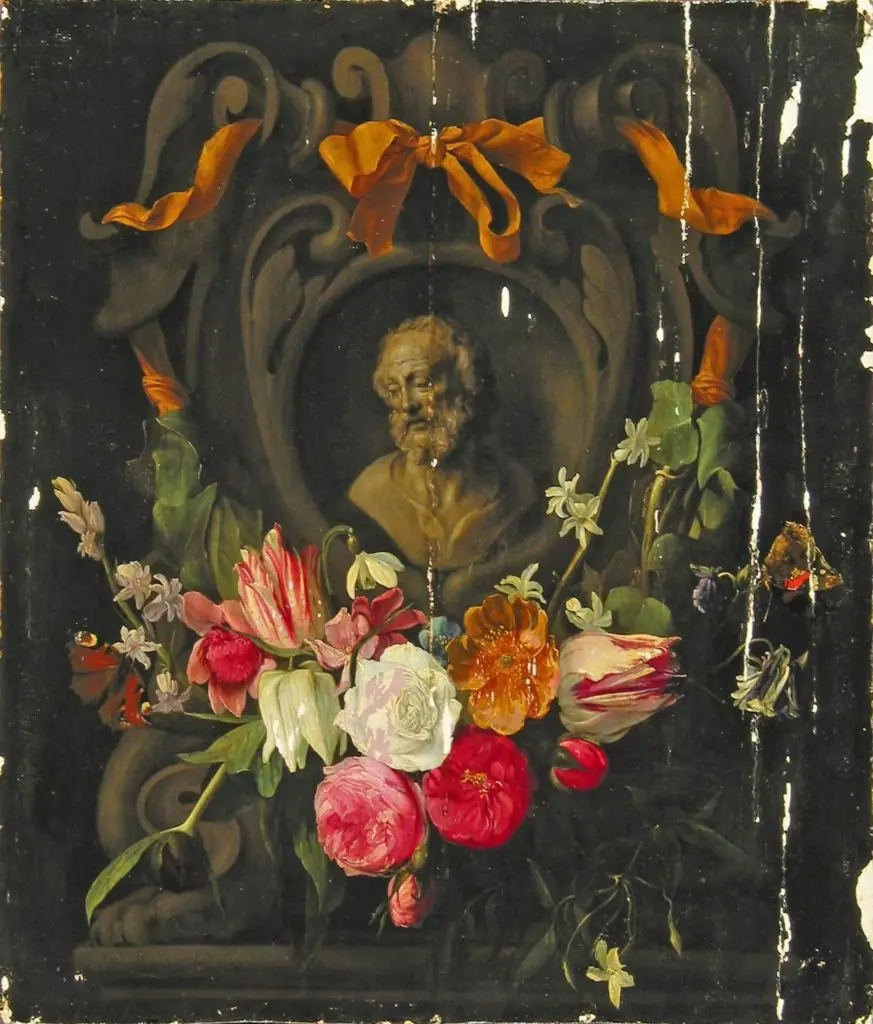
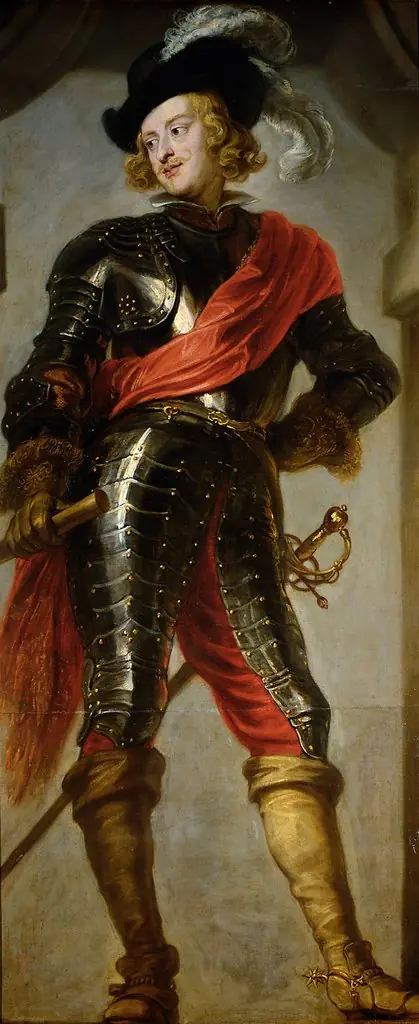
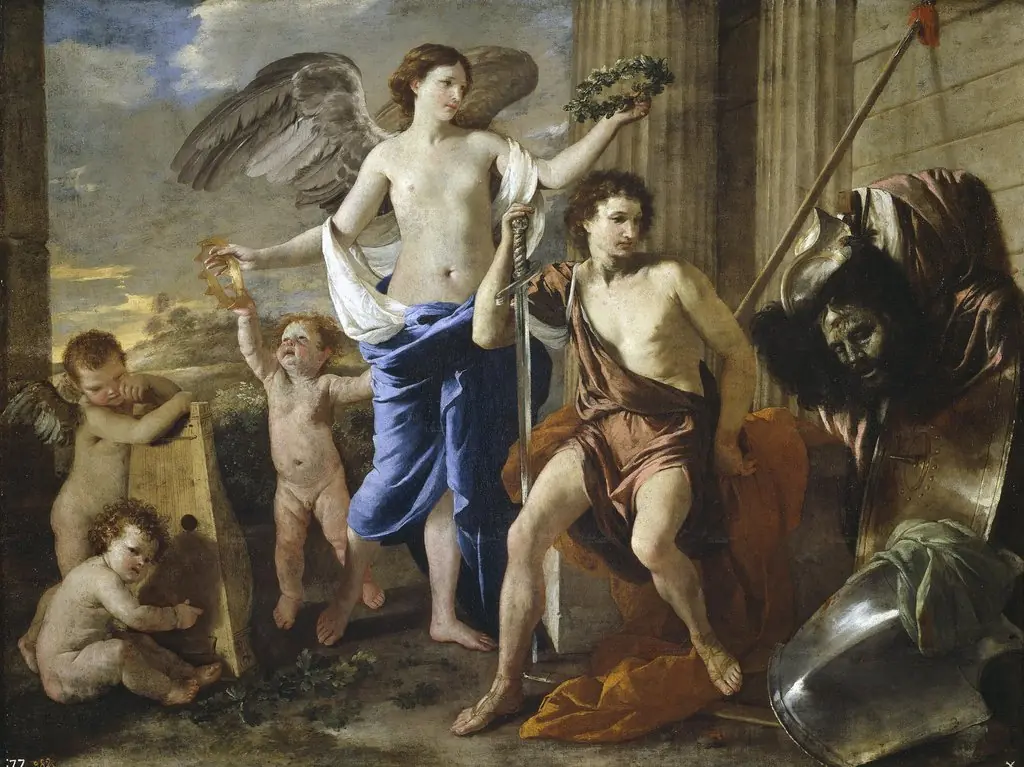 The Triumph of David
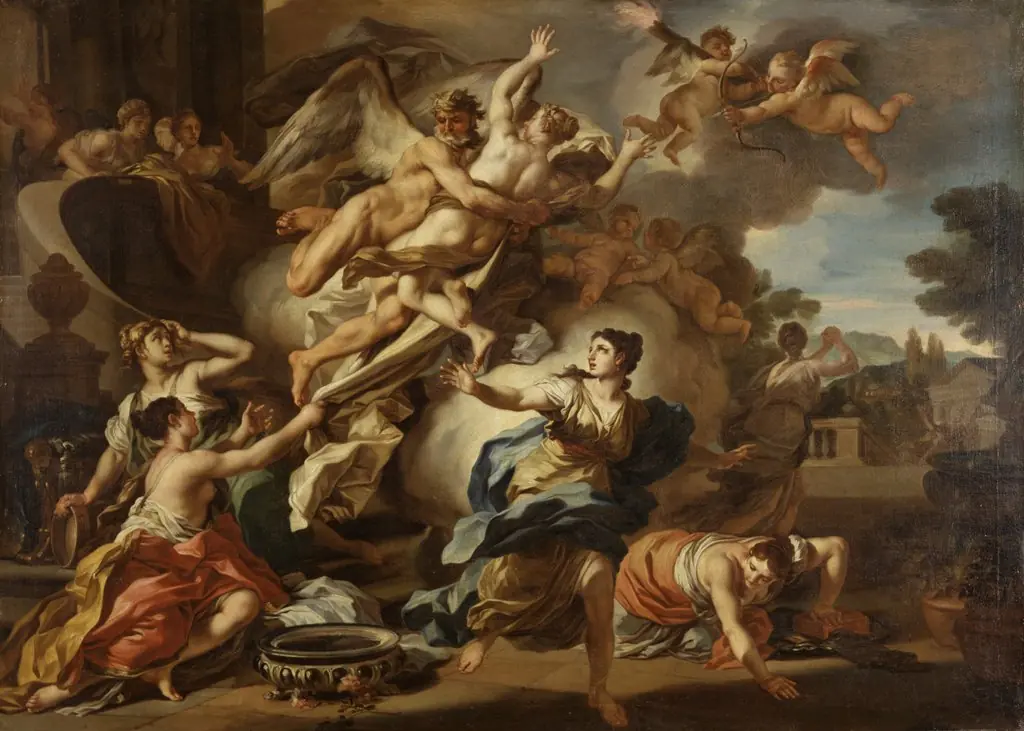 The Abduction of Orithyia
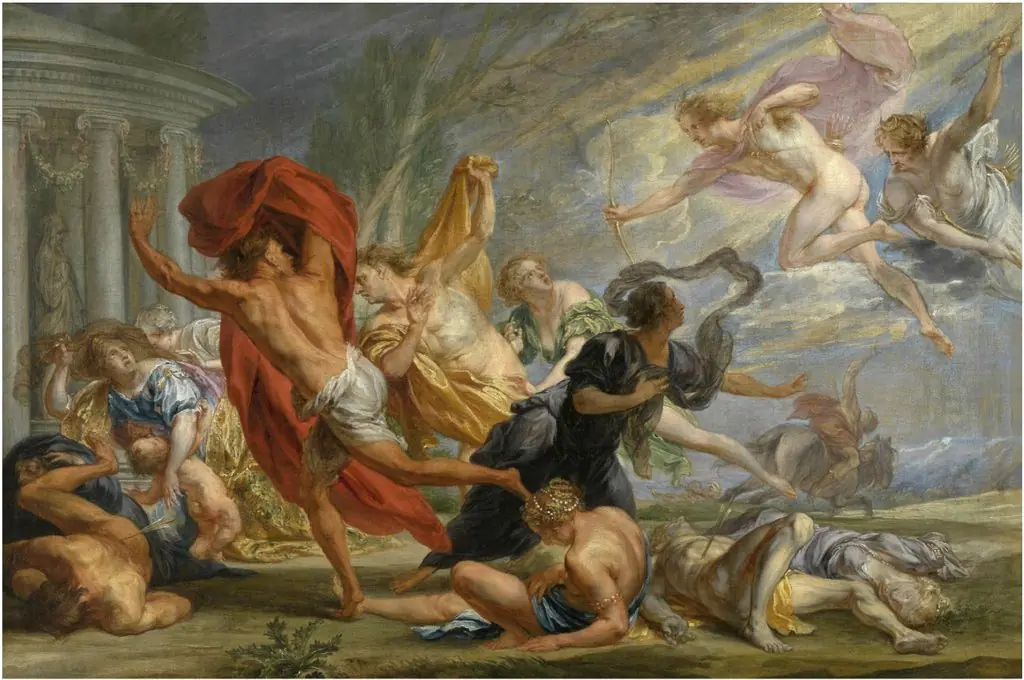 Apollo and Diana Kill Niobe's Children
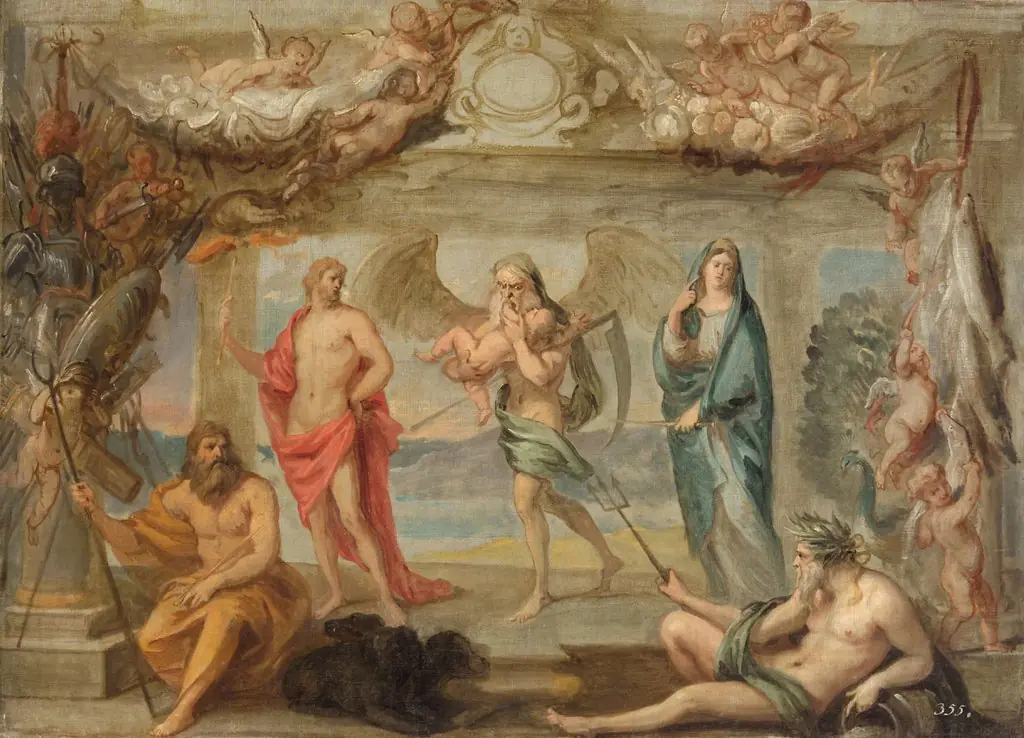 Die Elemente und die Zeit
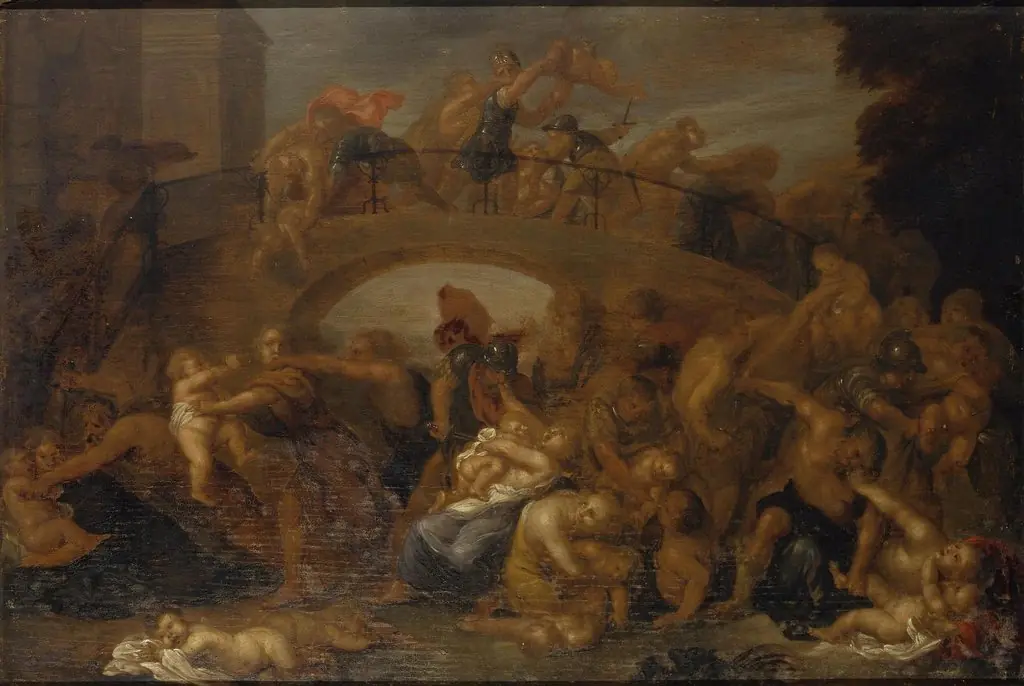 Massacre of the Innocents
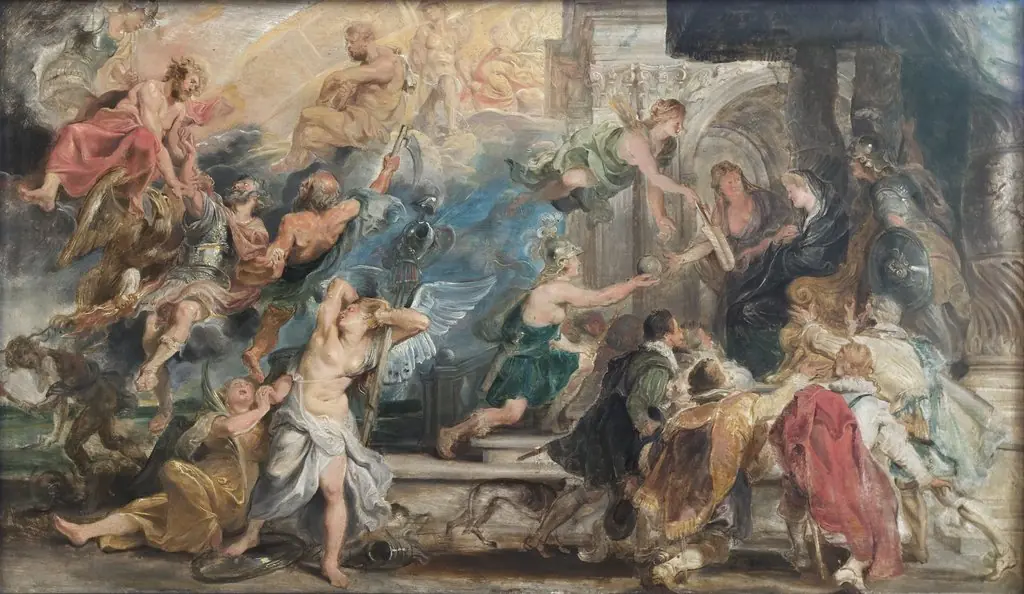 The Apotheosis of Henri IV
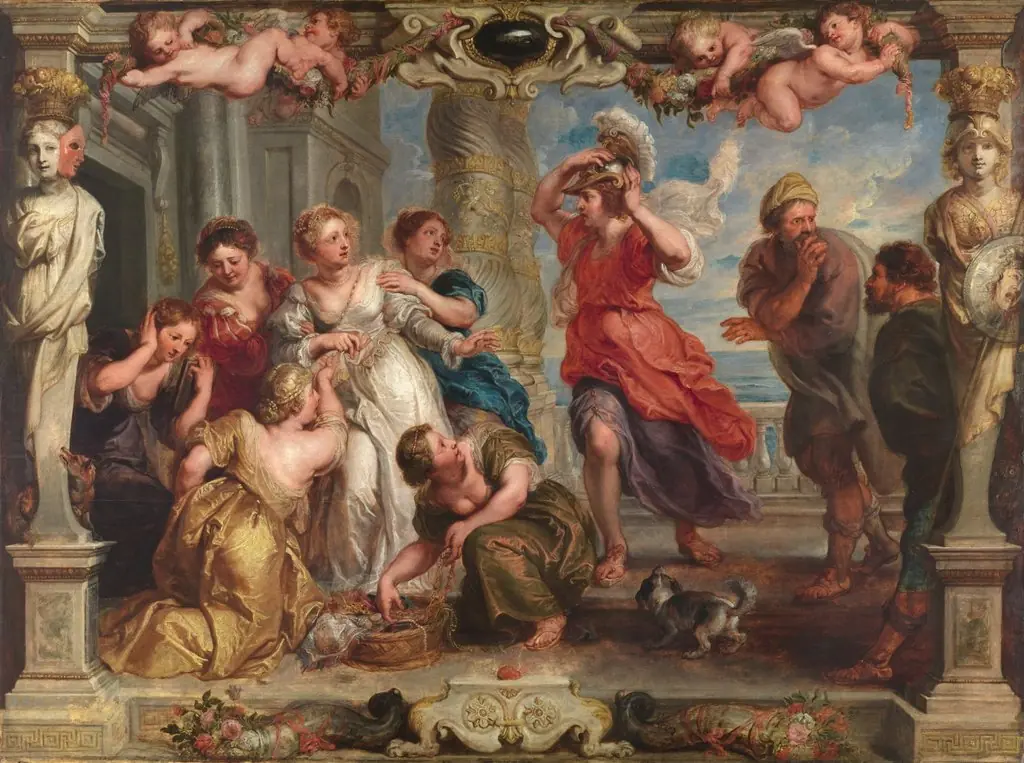 Achilles discovered Among the Daughters of Lycomedes
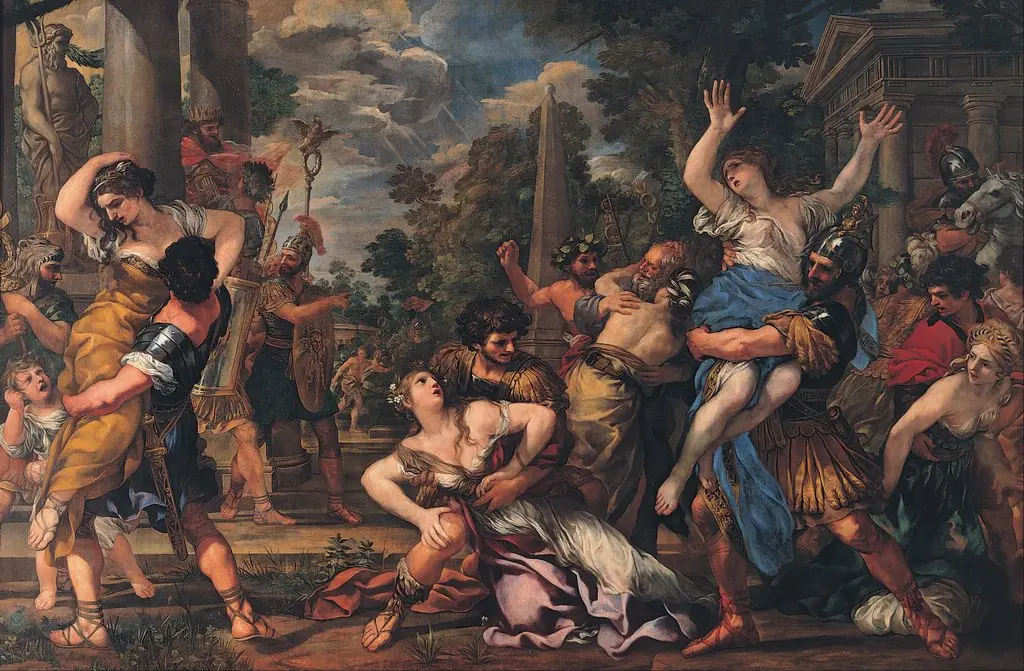 Rape of the Sabines
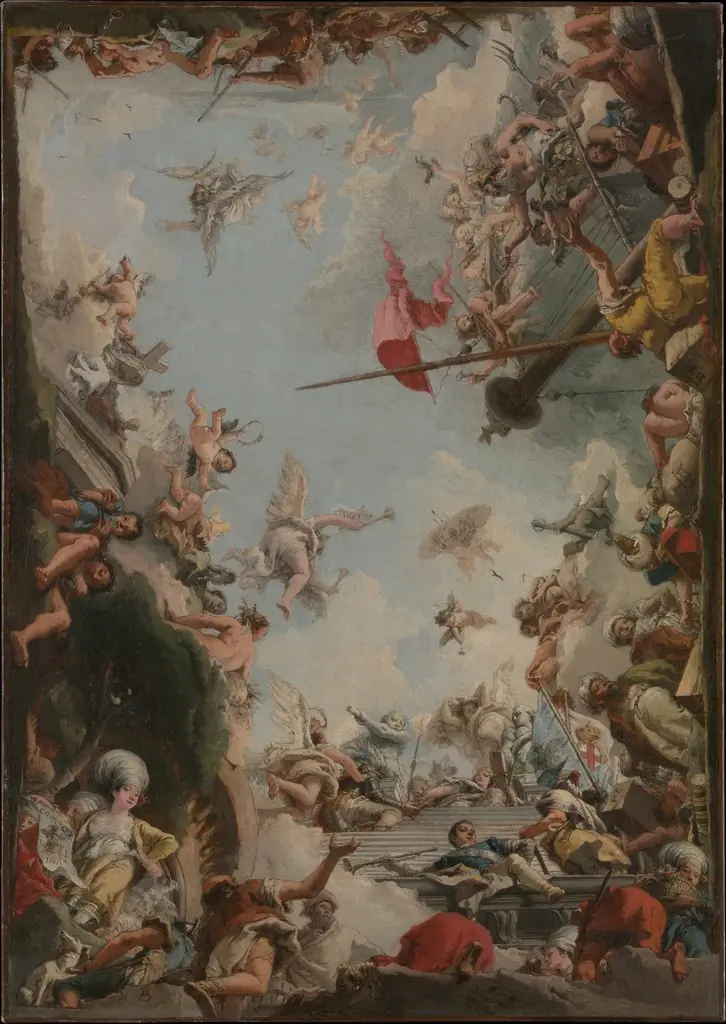 The Glorification of the Giustiniani Family
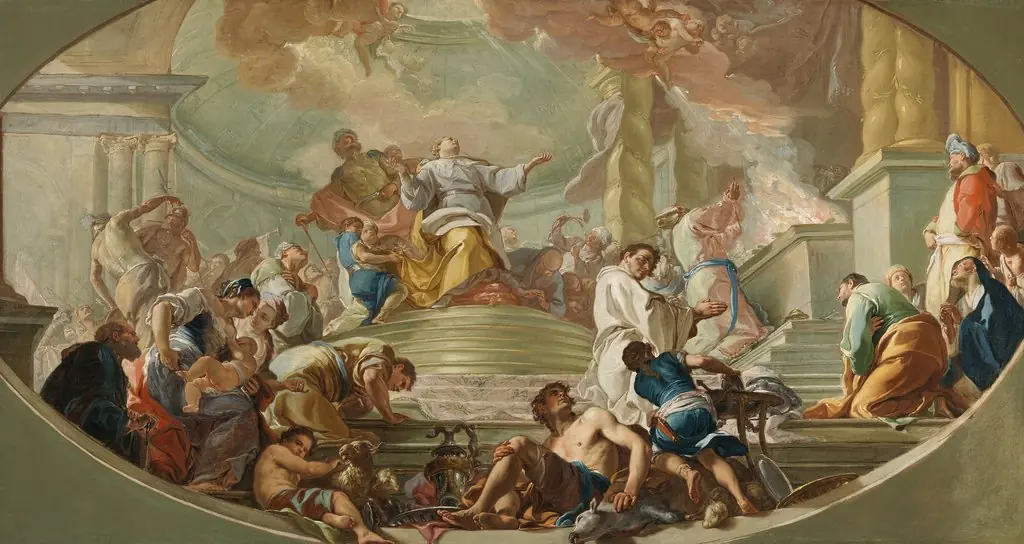 The Dedication of the Temple at Jerusalem
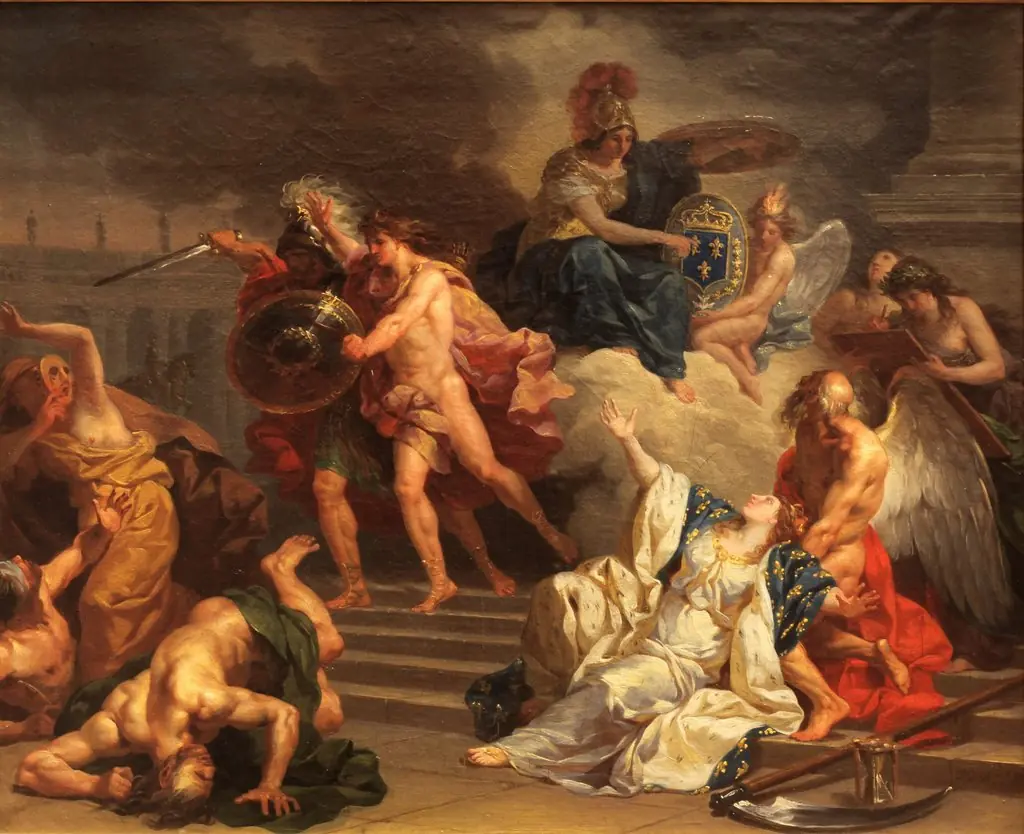 France comforted by Time
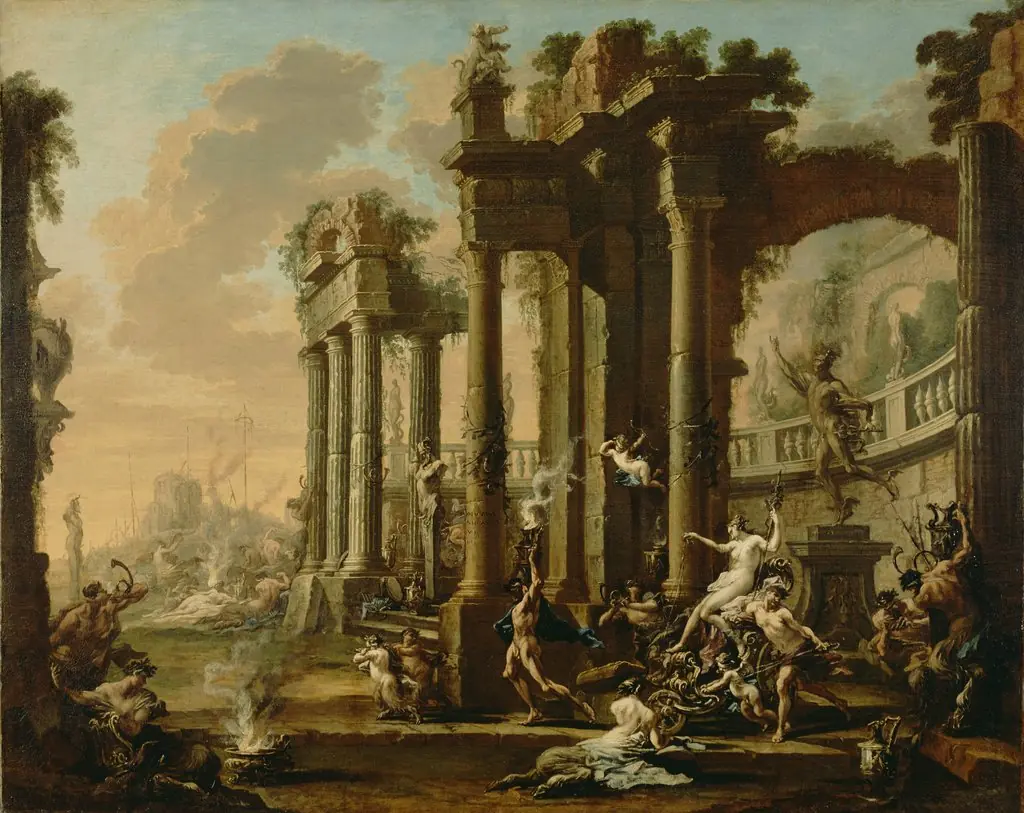 The Triumph of Venus