Artwork
September und Oktober
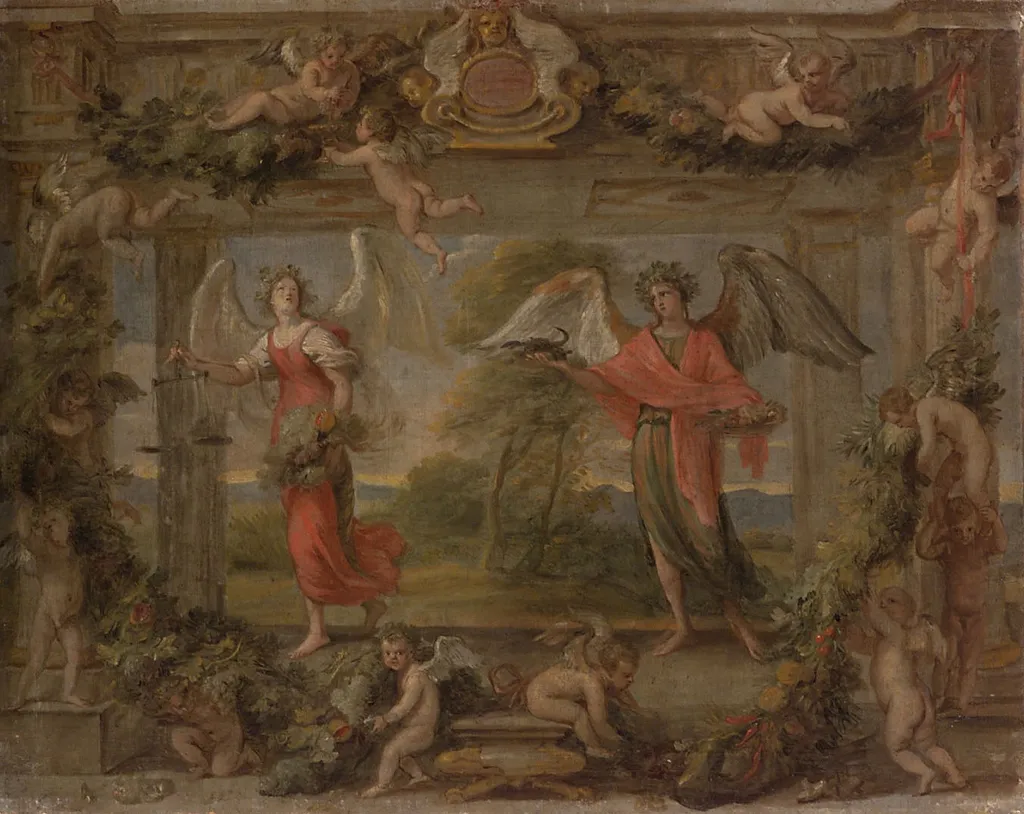
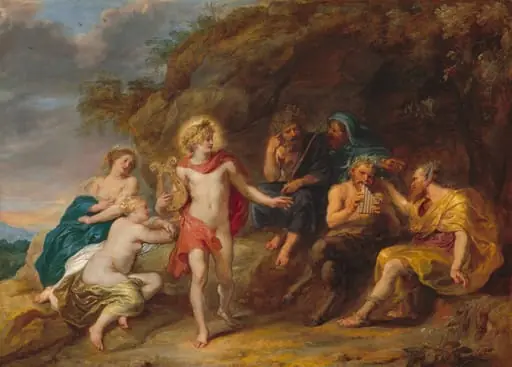
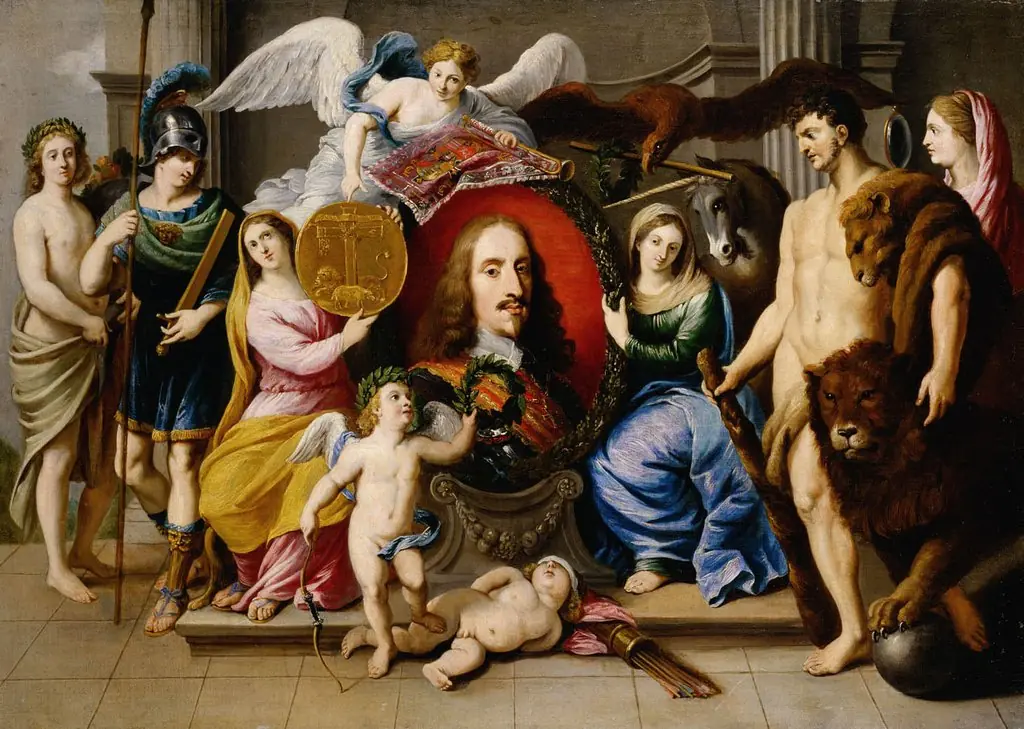
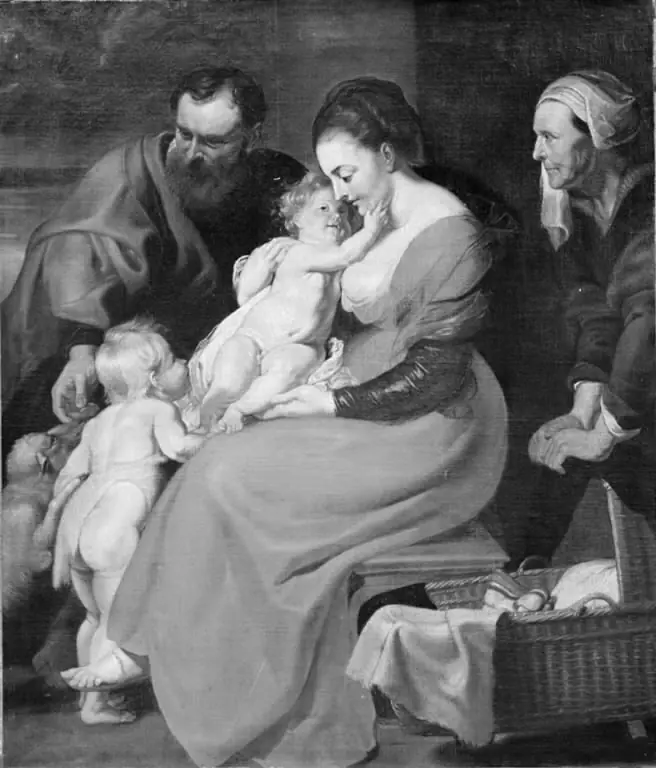
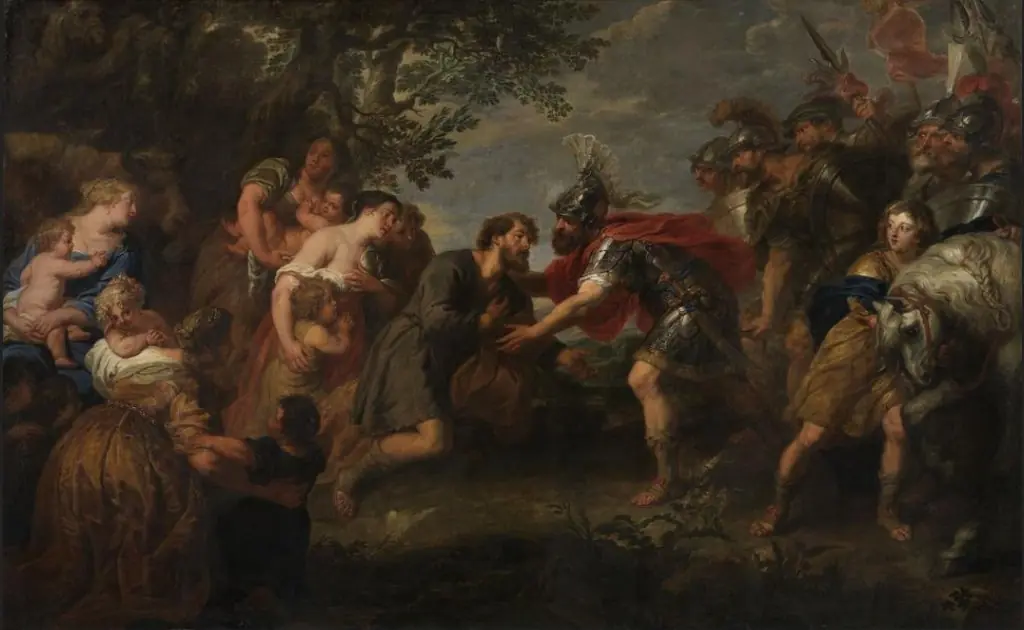
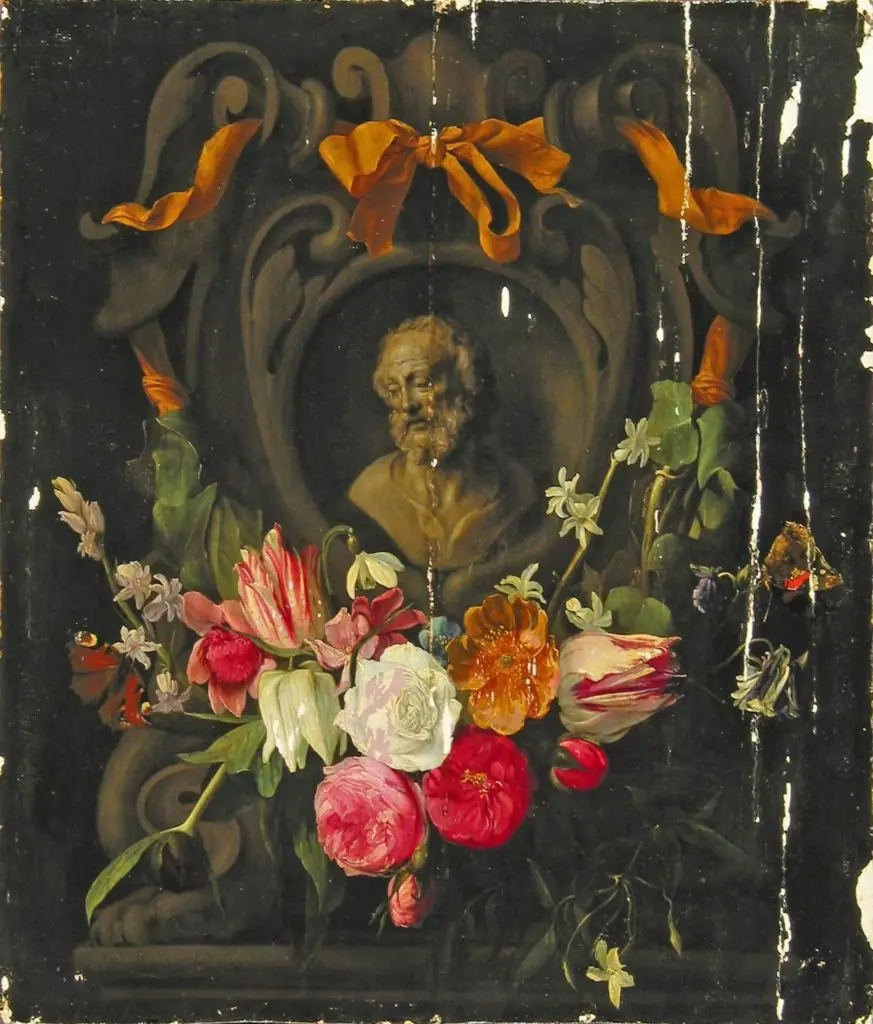
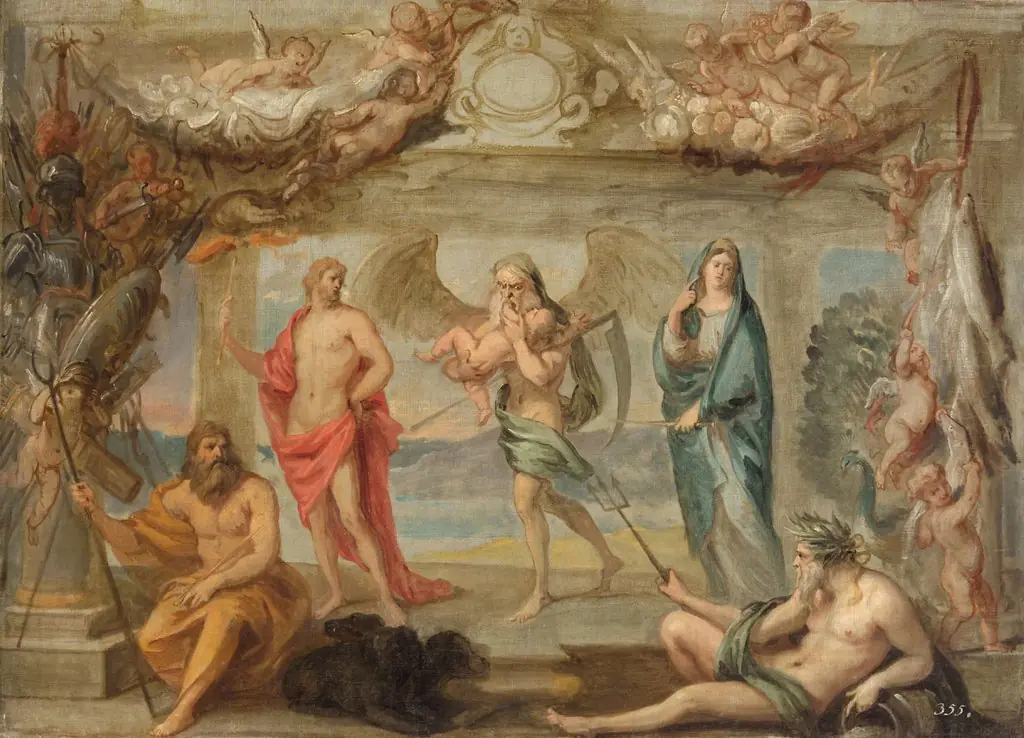
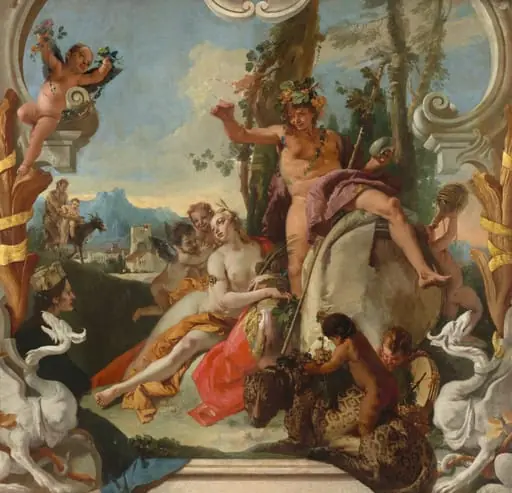
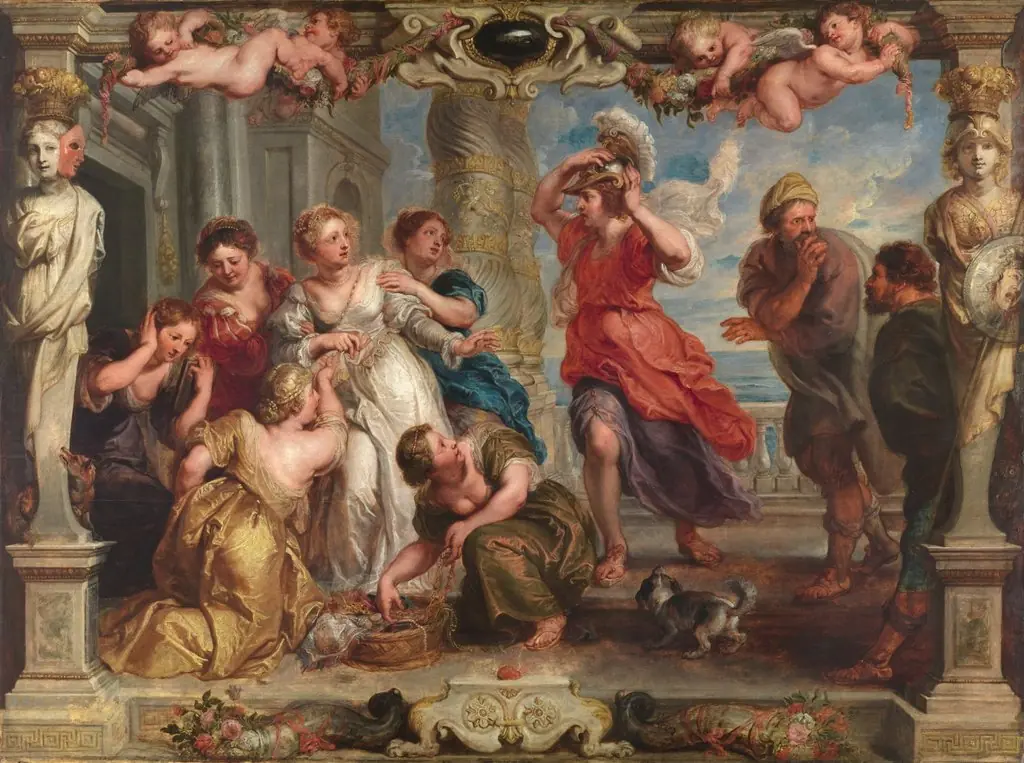
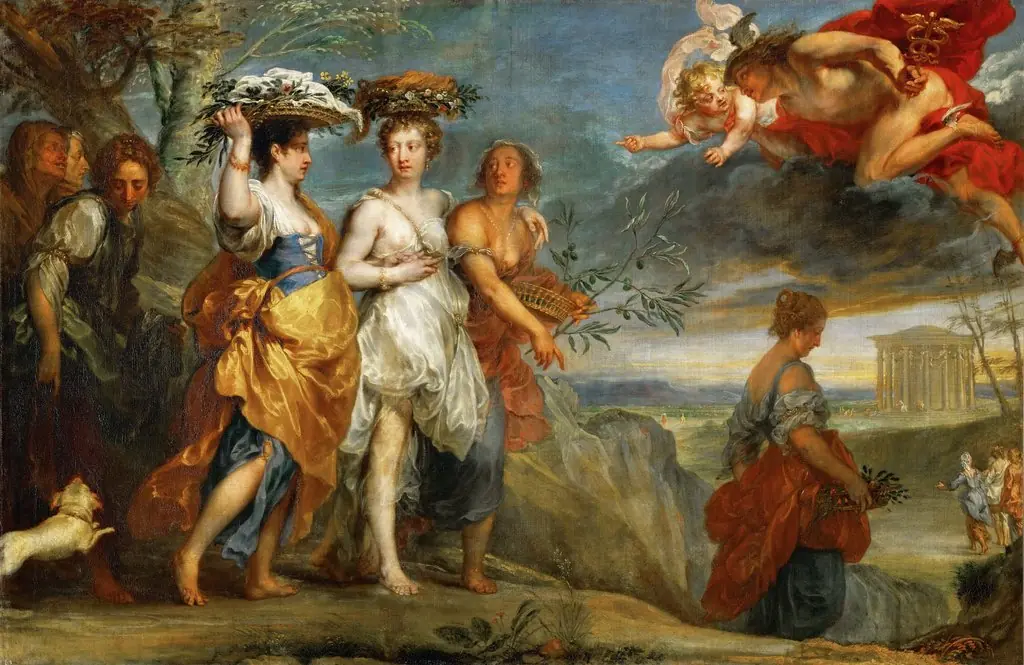
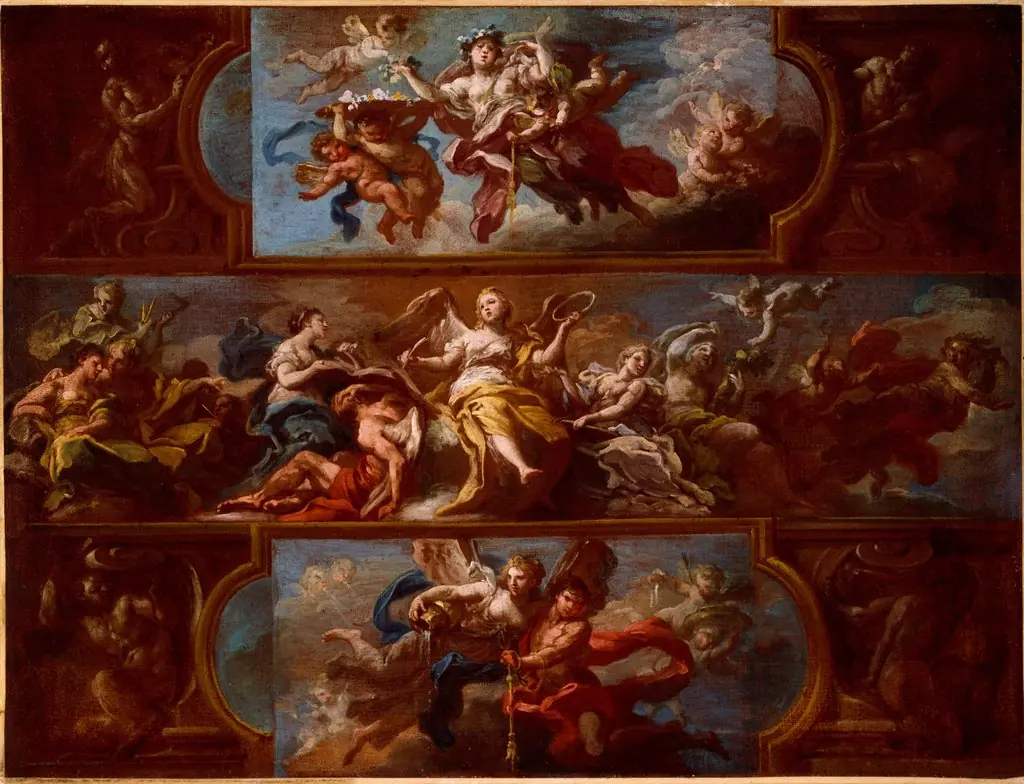
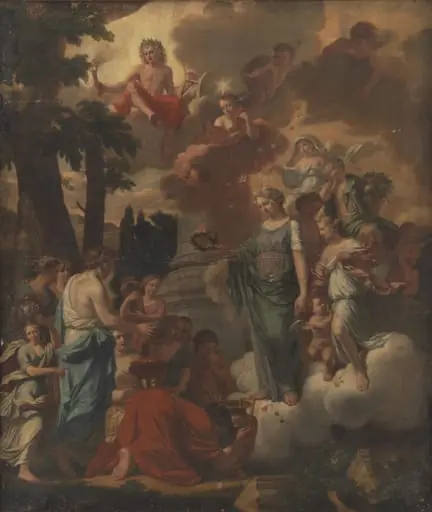
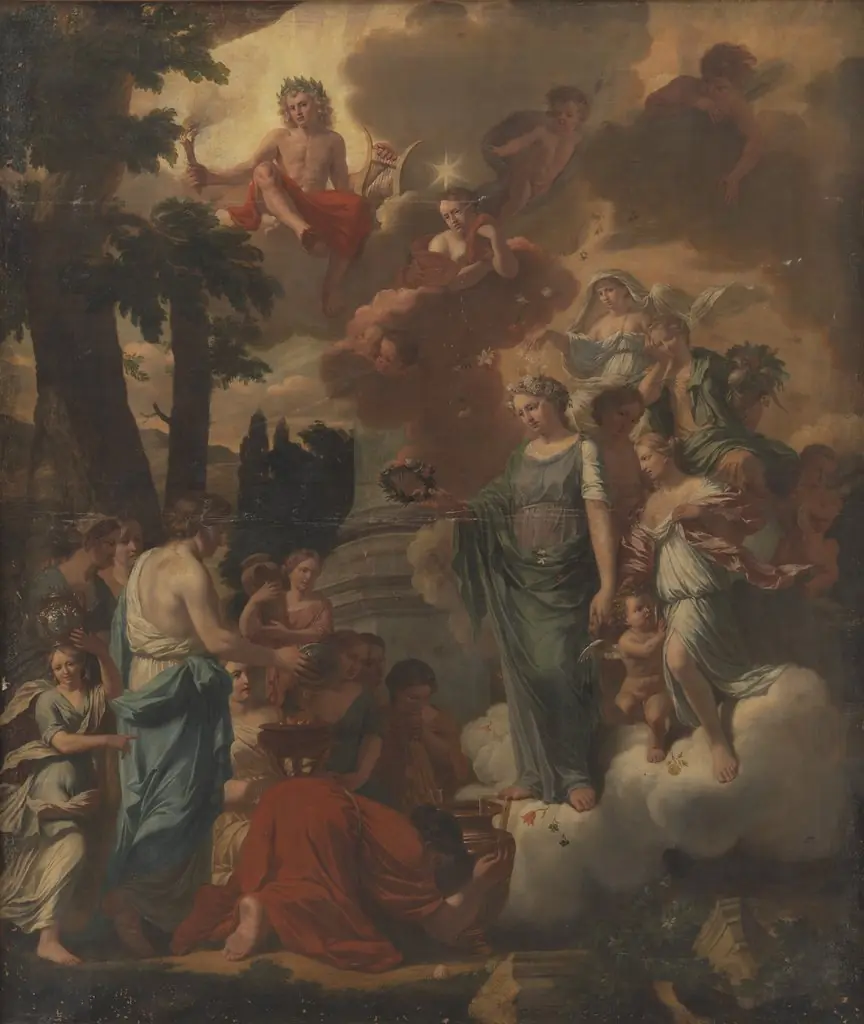
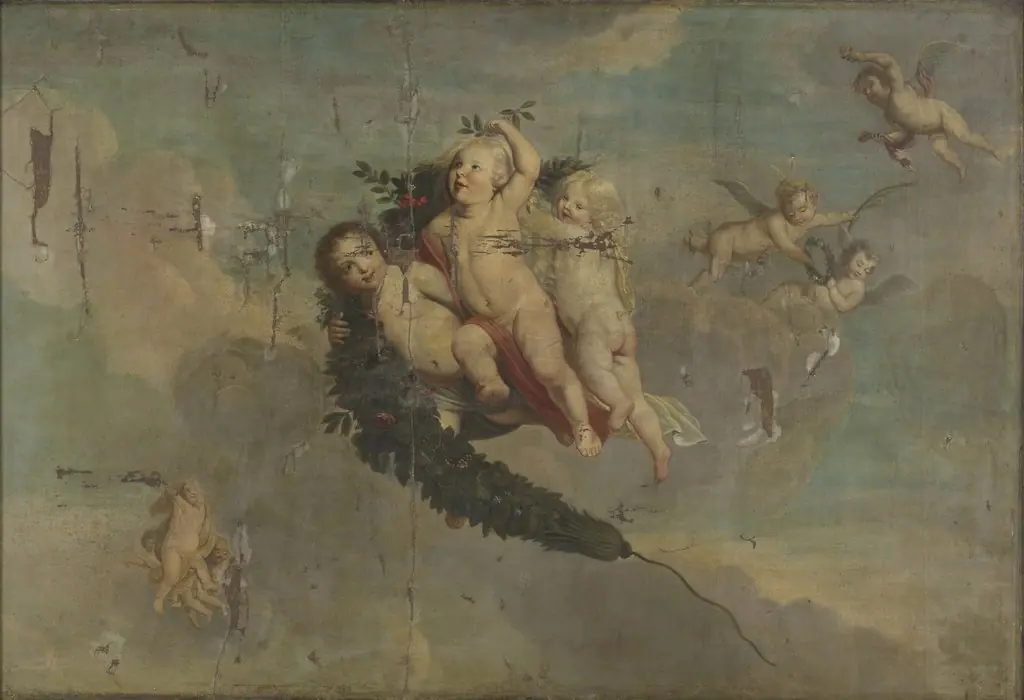
September und Oktober is an unspecified painting by the Flemish Baroque painting artist Jan van den Hoecke. It dates from 1651 and is held in the collection of the Kunsthistorisches Museum.
About this work
Overview
Painted in 1651 by Jan van den Hoecke, *September und Oktober* is an oil on canvas work that captures the transition between two autumn months.
Painted in 1651 by Jan van den Hoecke, *September und Oktober* is an oil on canvas work that captures the transition between two autumn months. Van den Hoecke, trained in the workshop of Peter Paul Rubens, brought Flemish Baroque sensibilities to this seasonal composition. The painting is part of a larger series reflecting the rhythms of rural life, now housed in the Kunsthistorisches Museum in Vienna.
Subject & Meaning
The painting portrays agricultural labor and natural cycles associated with late summer and early autumn. Figures are engaged in harvest-related tasks, suggesting themes of abundance and preparation for winter. Rather than idealized mythological scenes, van den Hoecke emphasizes the quiet dignity of seasonal work, aligning with broader Baroque interests in earthly realism and temporal change.
Technique & Style
Van den Hoecke employs rich, earth-toned pigments and careful modeling of light to convey texture and depth. His brushwork balances precision with a loose, atmospheric quality inherited from Rubens’ studio. Figures are arranged in a shallow, stage-like space, guiding the viewer’s eye across the narrative without dramatic focal points, reflecting a restrained Baroque approach.
History & Provenance
Created during van den Hoecke’s tenure as a court painter in Vienna and Brussels, the work likely originated as part of a commissioned series on the months or seasons. After his years in Rome and training in Antwerp, he brought continental influences to Habsburg court collections. The painting entered the Kunsthistorisches Museum’s holdings in the 19th century, preserved as part of the imperial art legacy.
Context
In mid-17th-century Europe, seasonal cycles were frequently depicted in art to reflect both natural order and social structure. Van den Hoecke’s work aligns with Flemish traditions of genre painting but also responds to Habsburg patronage’s interest in orderly, didactic imagery. His background in tapestry design may have influenced the composition’s clarity and narrative pacing.
Legacy
Though less widely known than his contemporaries, van den Hoecke’s seasonal panels contributed to the development of Flemish genre painting in imperial courts. *September und Oktober* remains a representative example of how regional artistic training merged with courtly tastes, offering insight into how time and labor were visually codified in Baroque visual culture.
Artist & collection
Artist
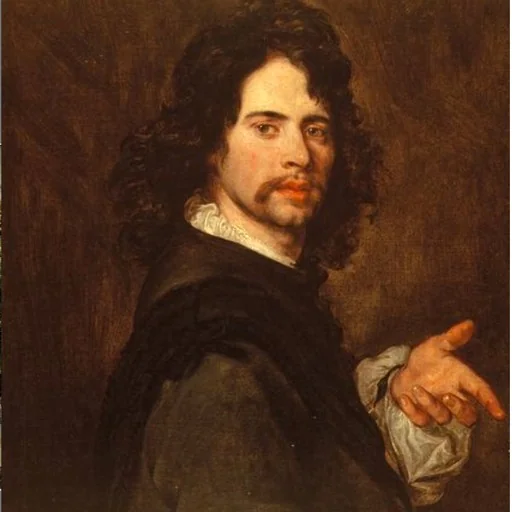
Jan van den Hoecke (baptised on 4 August 1611 – 1651) was a Flemish painter, draughtsman and designer of wall tapestries.