Artwork
Christ Preaching on the Sea of Galilee
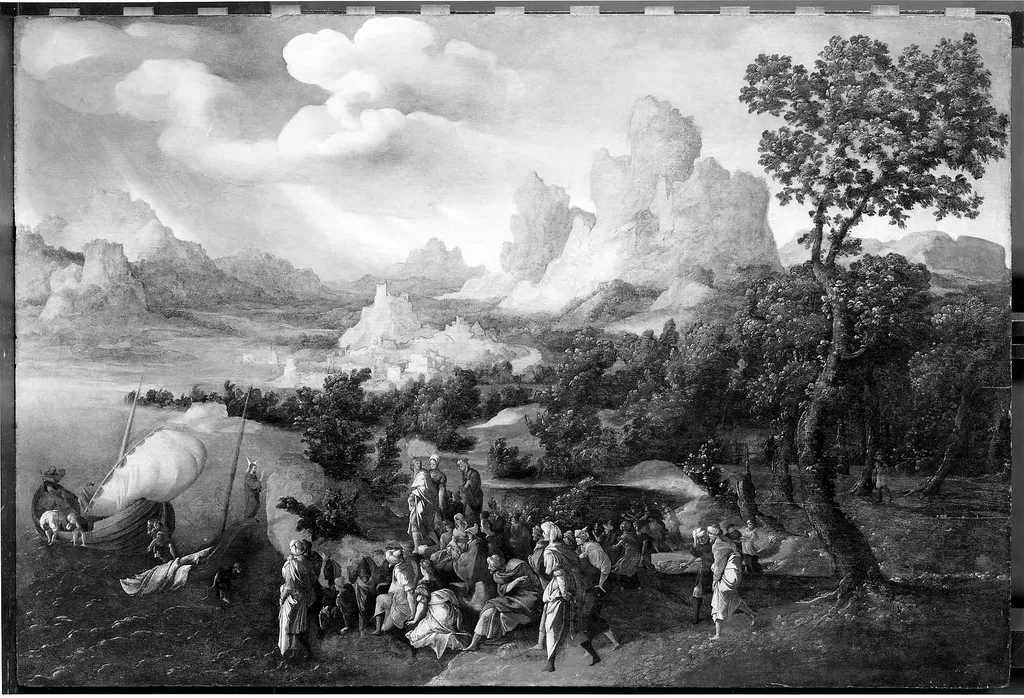
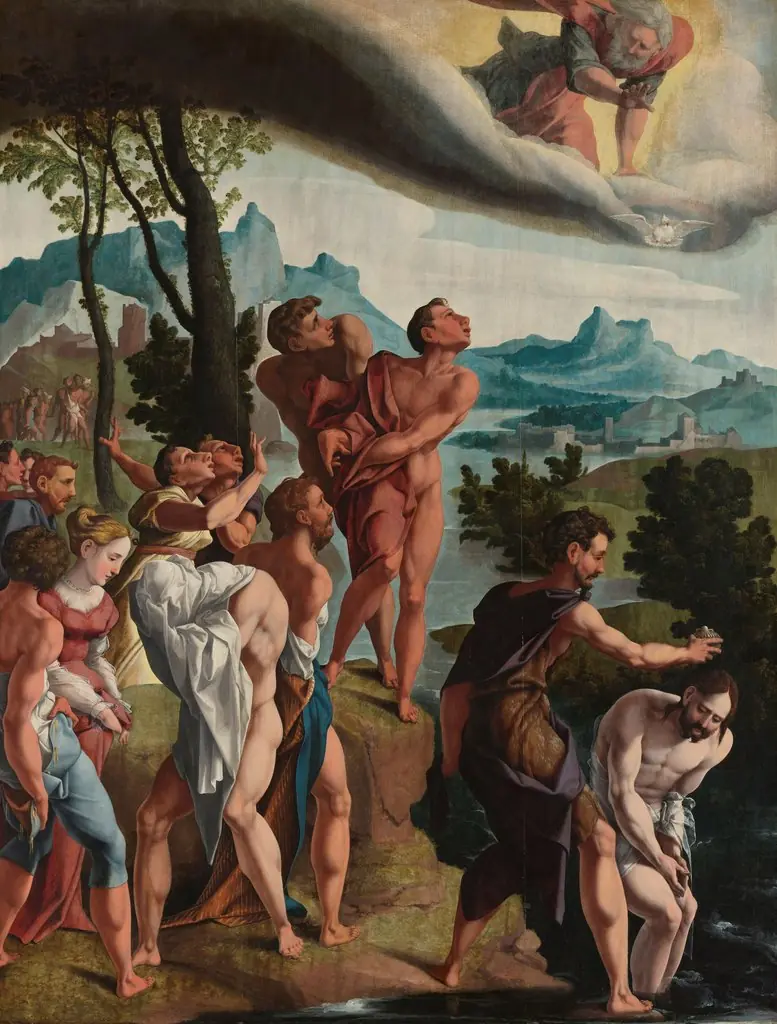
Christ Preaching on the Sea of Galilee is an oil painting by the Northern Renaissance artist Jan van Scorel. It dates from 1524 and is held in the collection of the Museum of Fine Arts Boston.
About this work
Overview
The composition centers on Christ as a calm, authoritative figure surrounded by attentive listeners, set against a quiet natural backdrop.
Painted in 1524 by Jan van Scorel, this oil on panel work depicts Christ delivering a sermon beside the Sea of Galilee. It resides in the Museum of Fine Arts, Boston, as part of its European collection. The composition centers on Christ as a calm, authoritative figure surrounded by attentive listeners, set against a quiet natural backdrop. Van Scorel’s approach blends Northern European detail with Italianate influences, reflecting his travels and scholarly interests.
Subject & Meaning
The scene illustrates Christ teaching his followers on the shore, a moment drawn from the Gospels where he addresses crowds from a boat. The gathering of diverse figures—men, women, and children—emphasizes the universality of his message. Their focused postures and restrained gestures convey quiet reverence rather than dramatic fervor, reinforcing themes of spiritual listening and inner reflection over spectacle.
Technique & Style
Van Scorel employs subtle chiaroscuro to model forms with soft transitions, avoiding harsh contrasts. The figures are rendered with careful attention to facial expression and drapery, showing influence from Italian Renaissance portraiture. The landscape, though idealized, is rendered with delicate brushwork and atmospheric perspective, enhancing the sense of depth. Light falls gently on Christ’s figure, distinguishing him without theatricality.
History & Provenance
Commissioned during van Scorel’s return from Italy, the painting reflects his exposure to Venetian and Roman art. It entered the Museum of Fine Arts, Boston, in the early 20th century through a private collection. Its documented history is limited prior to that, but its style aligns with other works from van Scorel’s mature period, when he integrated Italian compositional harmony with Northern precision.
Context
Created during the early Reformation, the painting avoids overt doctrinal messaging, instead focusing on a moment of quiet instruction. This reflects van Scorel’s humanist leanings and the broader cultural shift toward personal piety. While religious imagery remained dominant, artists increasingly emphasized emotional restraint and naturalism, moving away from medieval symbolism toward more human-centered narratives.
Legacy
Van Scorel’s work influenced later Dutch and Flemish painters through his synthesis of Italian and Northern traditions. Though less widely known today, this painting exemplifies a transitional phase in Northern European art, where devotional subjects were rendered with greater psychological nuance and landscape integration. It stands as a quiet testament to the evolving role of religious imagery in early 16th-century Europe.
Artist & collection

Artist
Jan van Scorel was a Dutch painter, who played a leading role in introducing aspects of Italian Renaissance painting into Dutch and Flemish Renaissance painting.

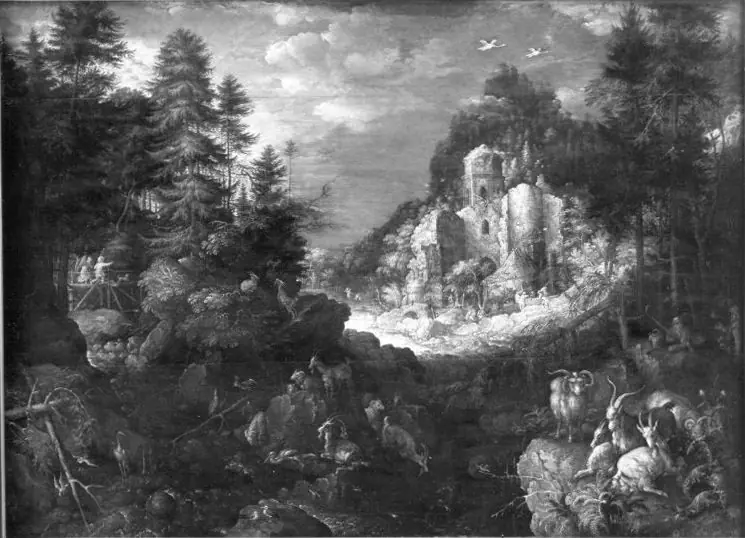 Gebirgslandschaft mit Tobias und dem Engel
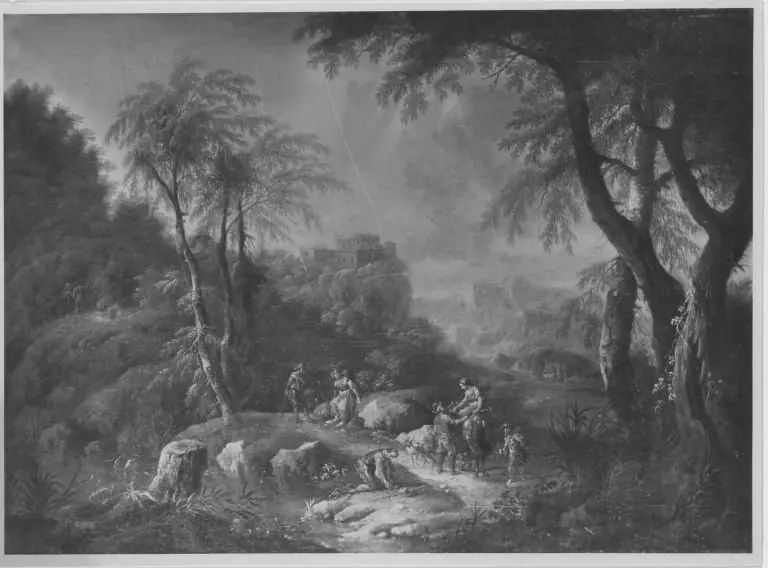 Ideallandschaft
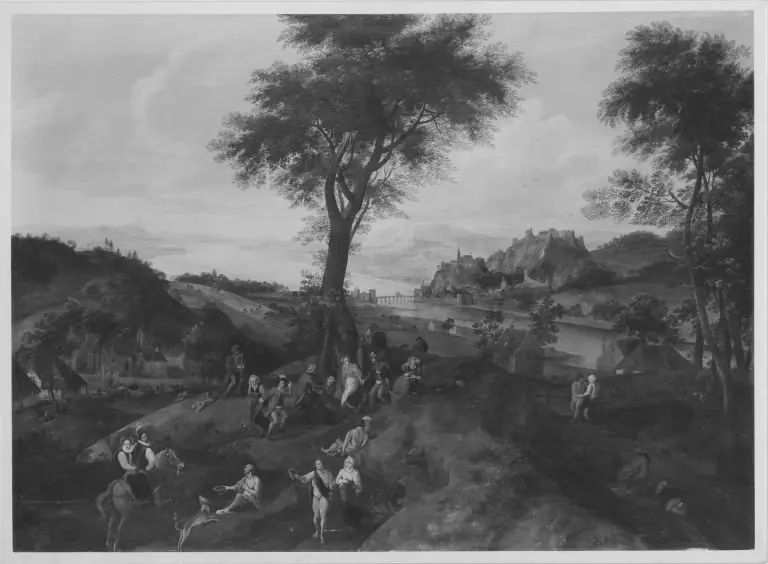 Landschaft mit Kirmes
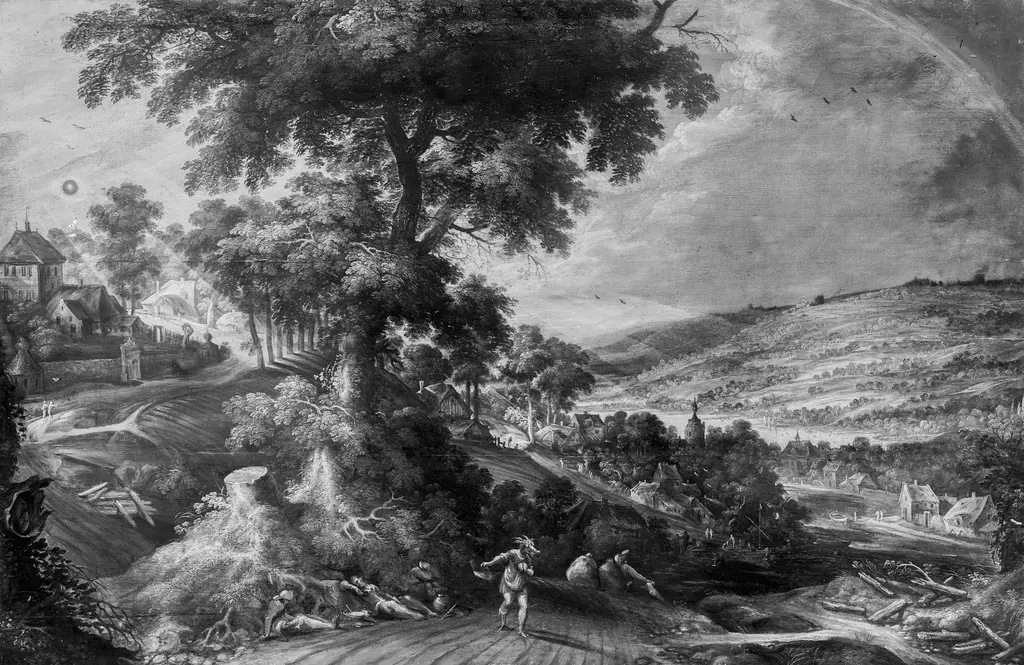 Landscape with the devil who sows weeds
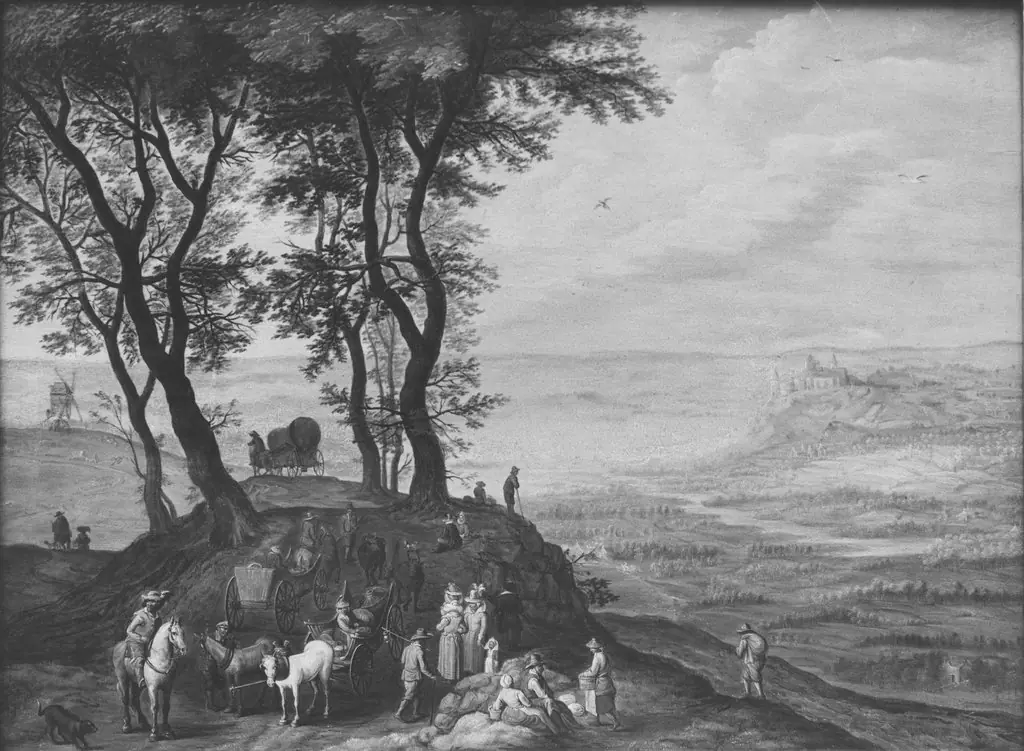 The Road to the Market
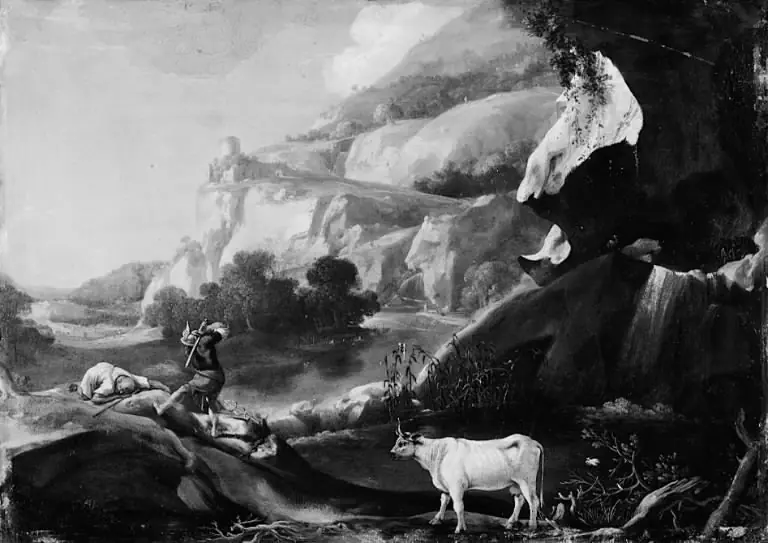 Landscape with Mercury and Argus
 Landscape with Mercury and Argus
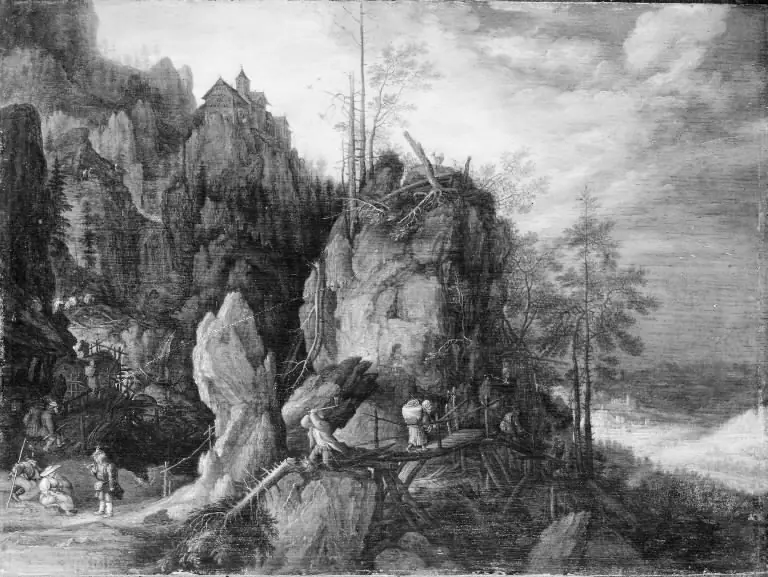 Mountain Landscape with Woodcutters
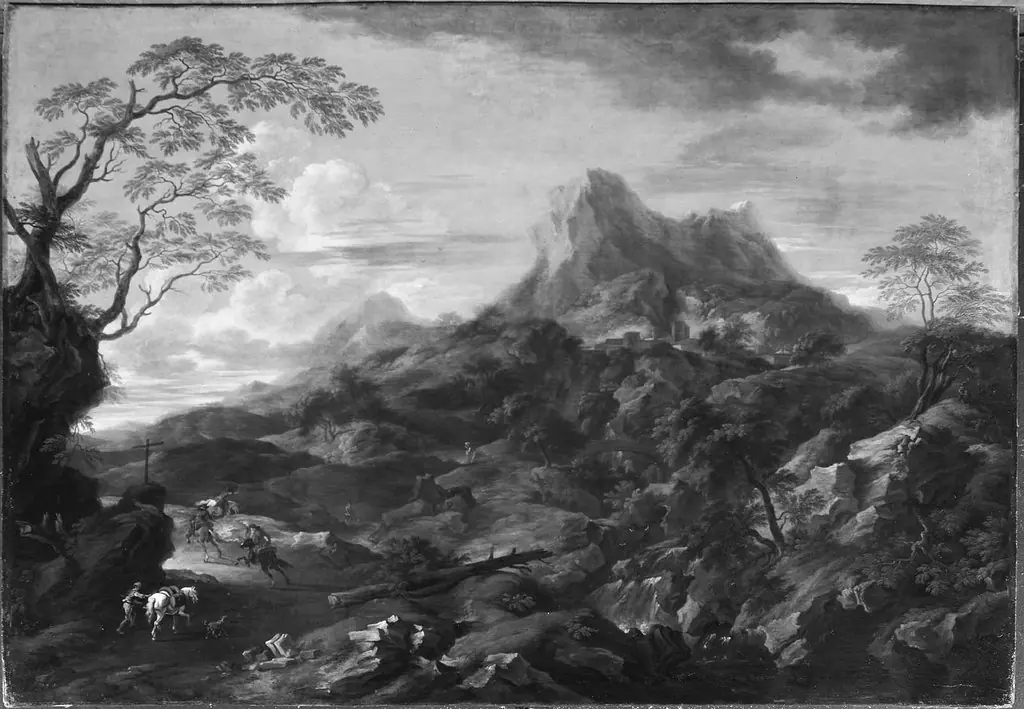 Landscape with Horsemen on a Road
 Mountain Landscape with Woodcutters
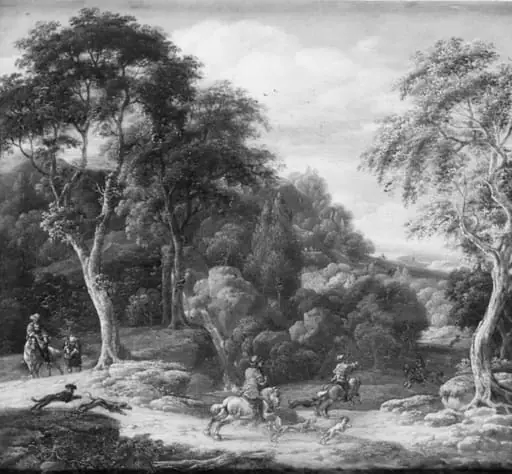 Landscape with Huntsmen
 Große Landschaft