Artwork
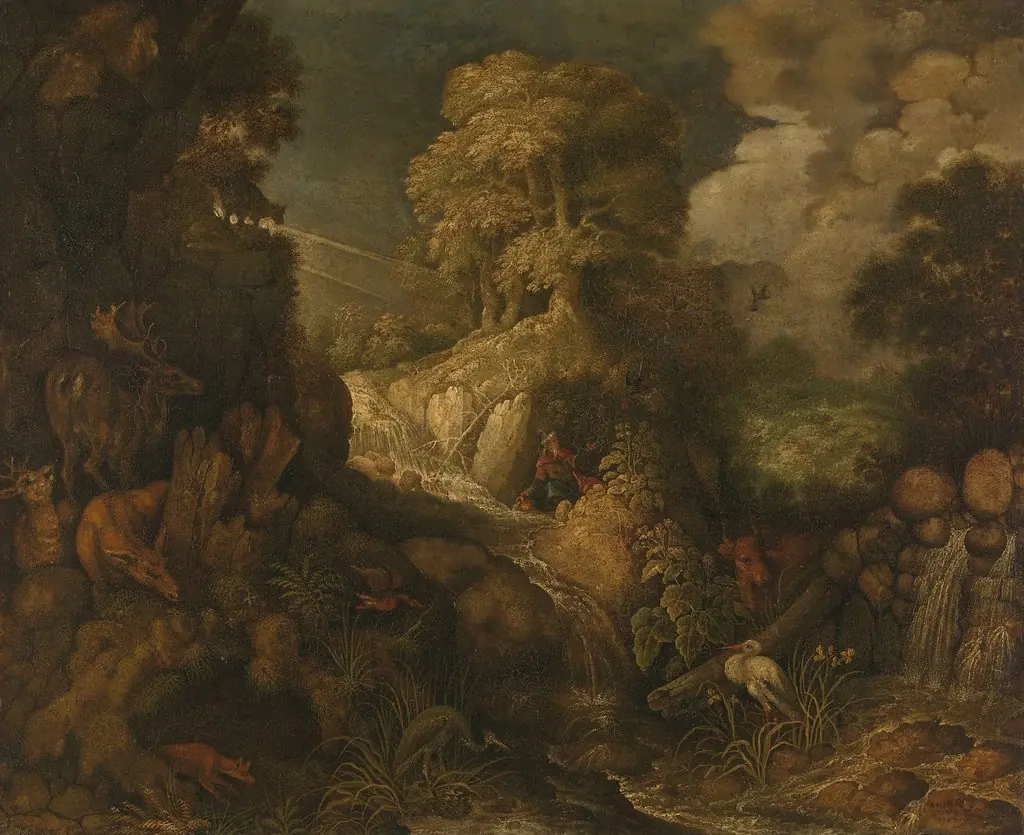
Gebirgslandschaft mit Tobias und dem Engel
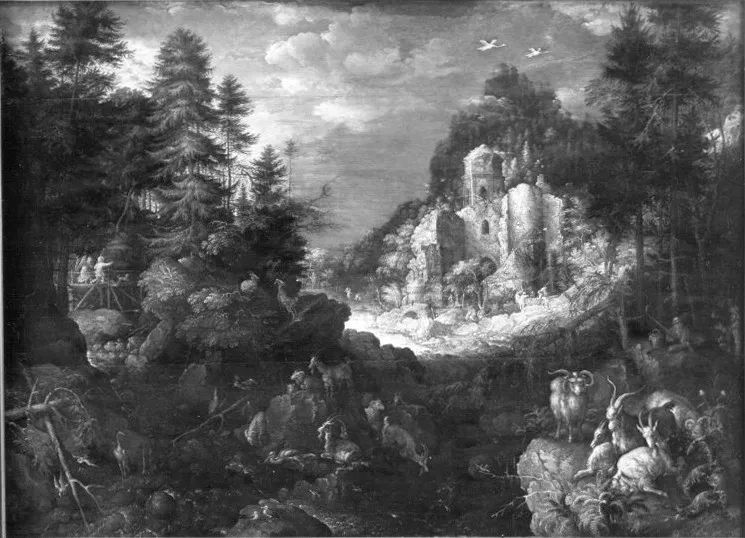
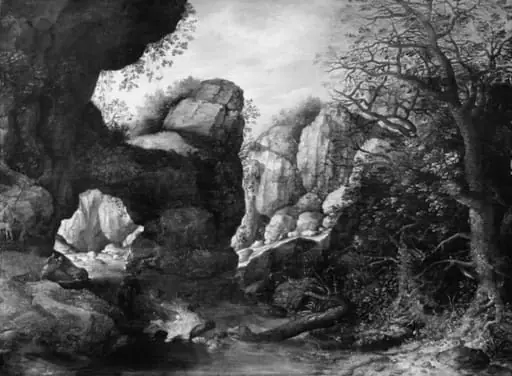
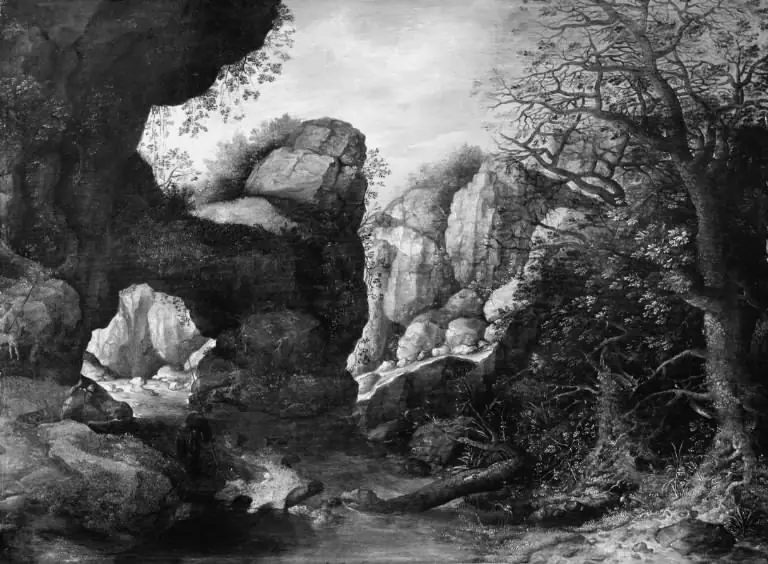
Gebirgslandschaft mit Tobias und dem Engel is an unspecified painting by the Dutch Golden Age artist Roelant Savery. It dates from 1630 and is held in the collection of the Bavarian State Painting Collections.
About this work
Overview
Painted in 1630 by Roelant Savery, this landscape integrates biblical narrative with meticulous natural observation. Savery, originally from Flanders, developed his style in the Netherlands during the Dutch Golden Age, blending topographical precision with mythological storytelling. The work resides in the Alte Pinakothek, Munich, as part of its collection of early modern European painting.
Subject & Meaning
Positioned in the foreground, the figures are dwarfed by the vast terrain, emphasizing divine presence within nature rather than human dominance.
The scene illustrates the biblical story of Tobias and the Archangel Raphael, who guides Tobias on a journey while carrying a fish whose organs will heal his father’s blindness. Positioned in the foreground, the figures are dwarfed by the vast terrain, emphasizing divine presence within nature rather than human dominance. The narrative unfolds subtly, avoiding theatricality in favor of quiet contemplation.
Technique & Style
Savery employed fine brushwork to render textures of rock, foliage, and animal fur with scientific attention. Layers of translucent glazes create atmospheric depth, while cool blues and muted greens establish spatial recession. The composition balances intricate detail across multiple planes, inviting prolonged viewing without focal overload, characteristic of Northern European landscape traditions.
History & Provenance
The painting entered the Bavarian royal collection in the 18th century and was later transferred to the Alte Pinakothek upon its founding in 1836. Its provenance reflects the taste of European courts for Flemish-Dutch landscapes that combined moral allegory with naturalistic study. No major alterations or restorations are documented in modern records.
Context
During the early 17th century, Dutch and Flemish artists increasingly favored landscapes infused with religious or mythological themes, moving away from pure topography. Savery’s work aligns with this trend, responding to intellectual currents that valued nature as a reflection of divine order. His time at the Prague court of Rudolf II also influenced his fascination with exotic fauna and geological forms.
Legacy
Savery’s integration of detailed naturalism with narrative content influenced later landscape painters in the Low Countries. While not widely celebrated in his lifetime, his works are now recognized for their contribution to the evolution of landscape painting as a vehicle for both observation and spiritual reflection, bridging Mannerist complexity and early Baroque realism.
Artist & collection
Artist
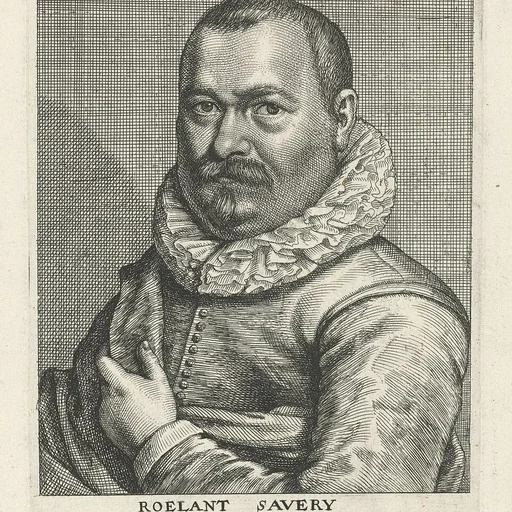
Roelant Savery (or Roeland(t) Maertensz Saverij, or de Savery, or many variants; 1576 – buried 25 February 1639) was a Flanders-born Dutch Golden Age painter.

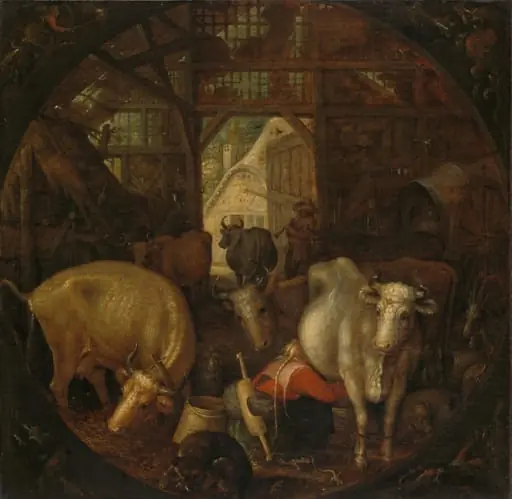
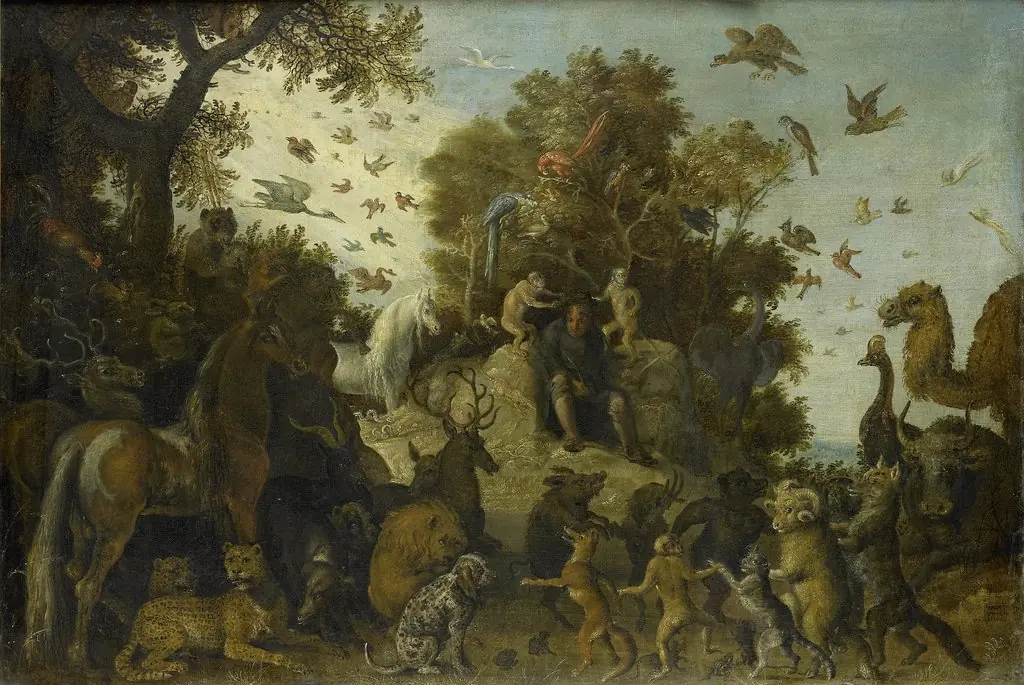
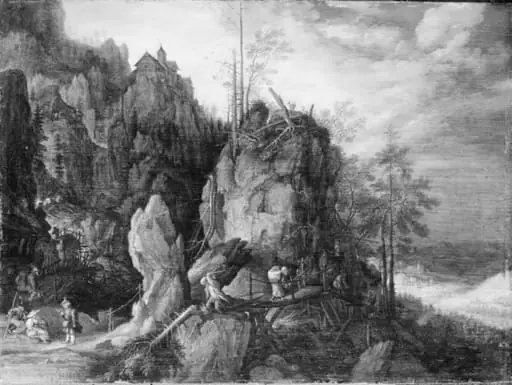 Mountain Landscape with Woodcutters
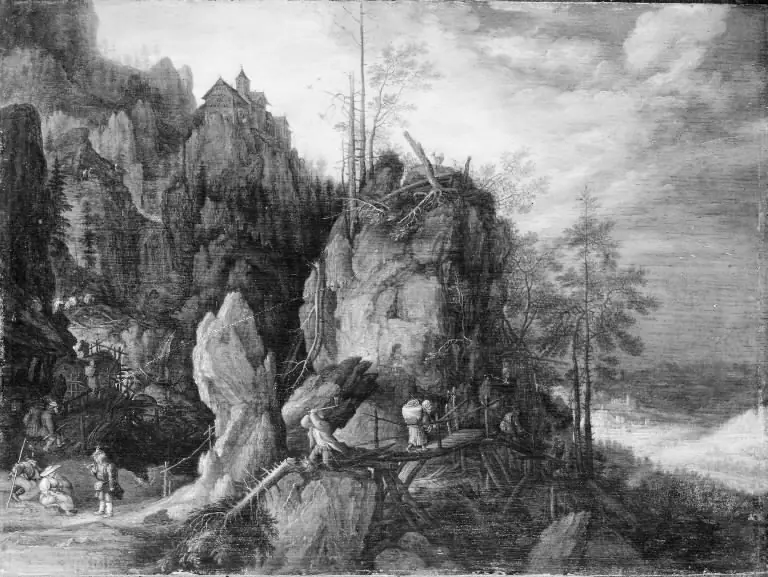 Mountain Landscape with Woodcutters
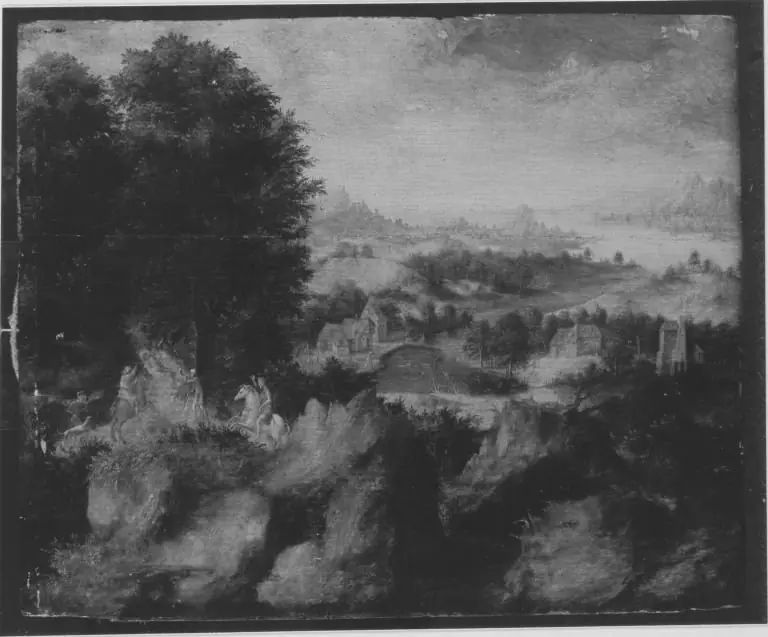 Landschaft mit Hirschjagd
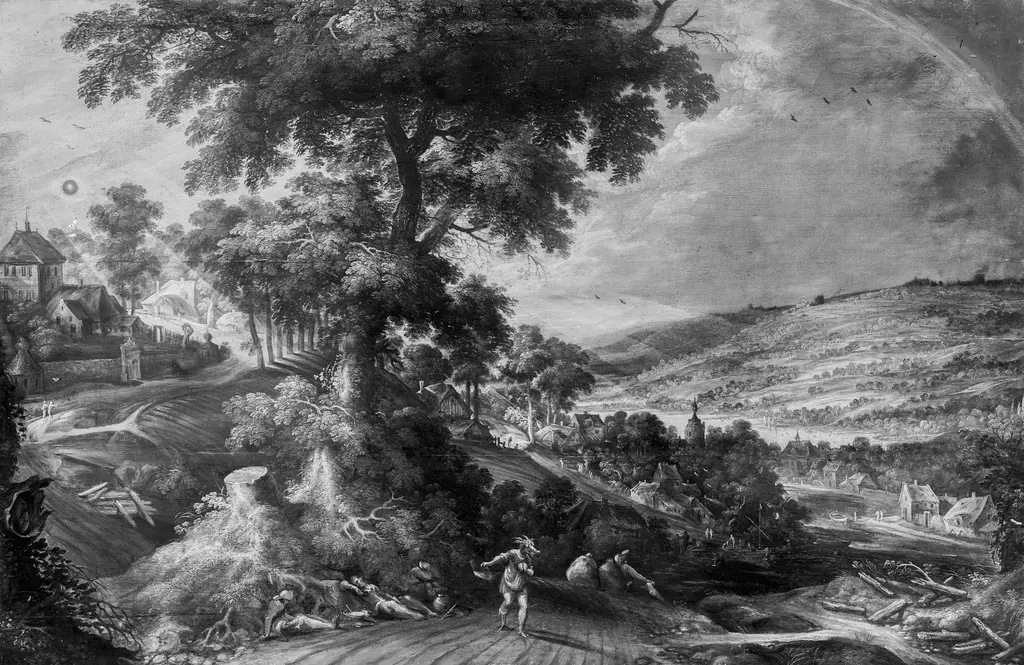 Landscape with the devil who sows weeds
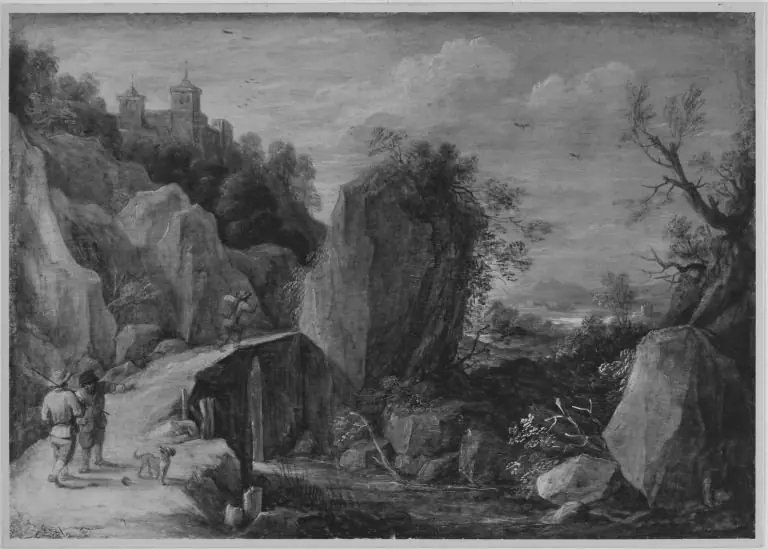 Felsenschlucht
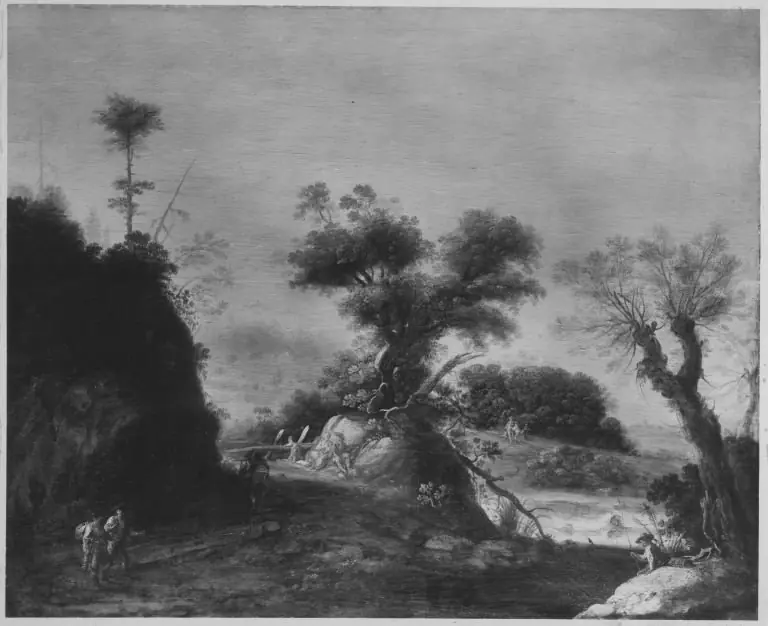 Baumlandschaft
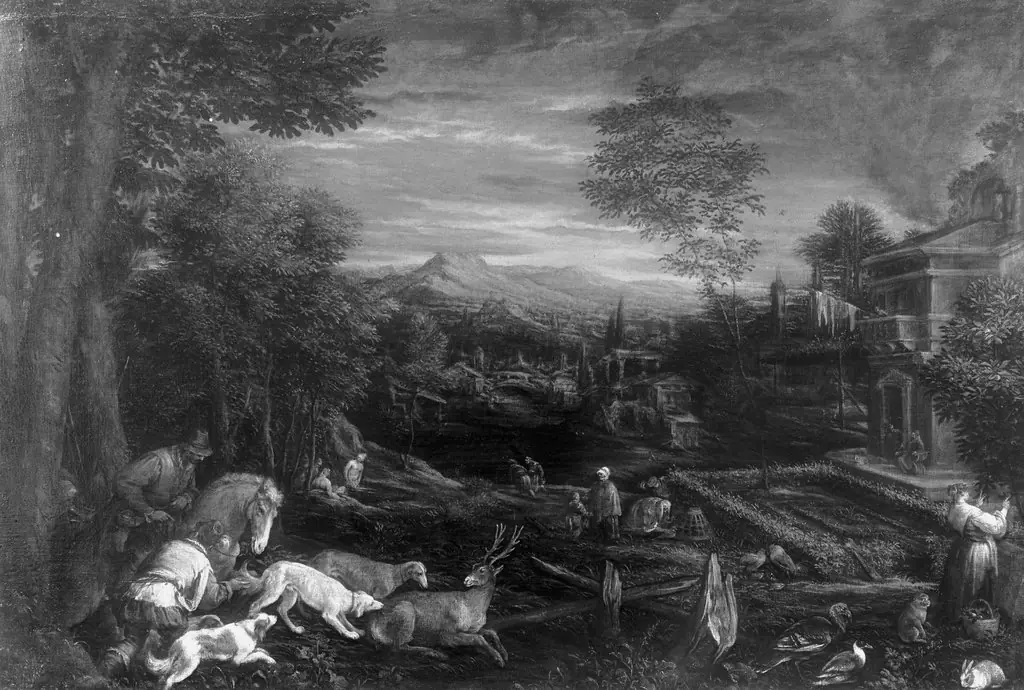 Allegory of autumn
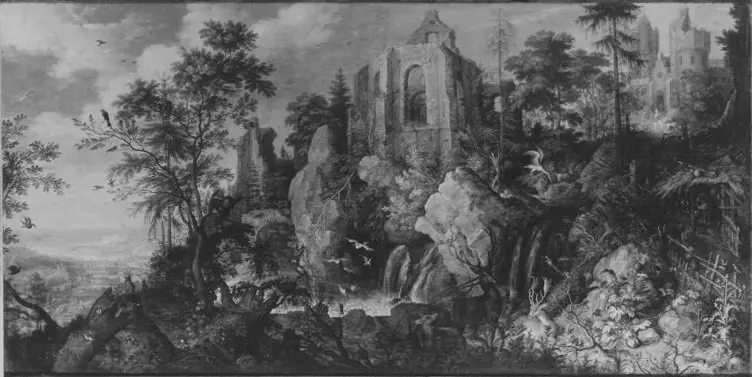 Landscape with a ruined church by a waterfall
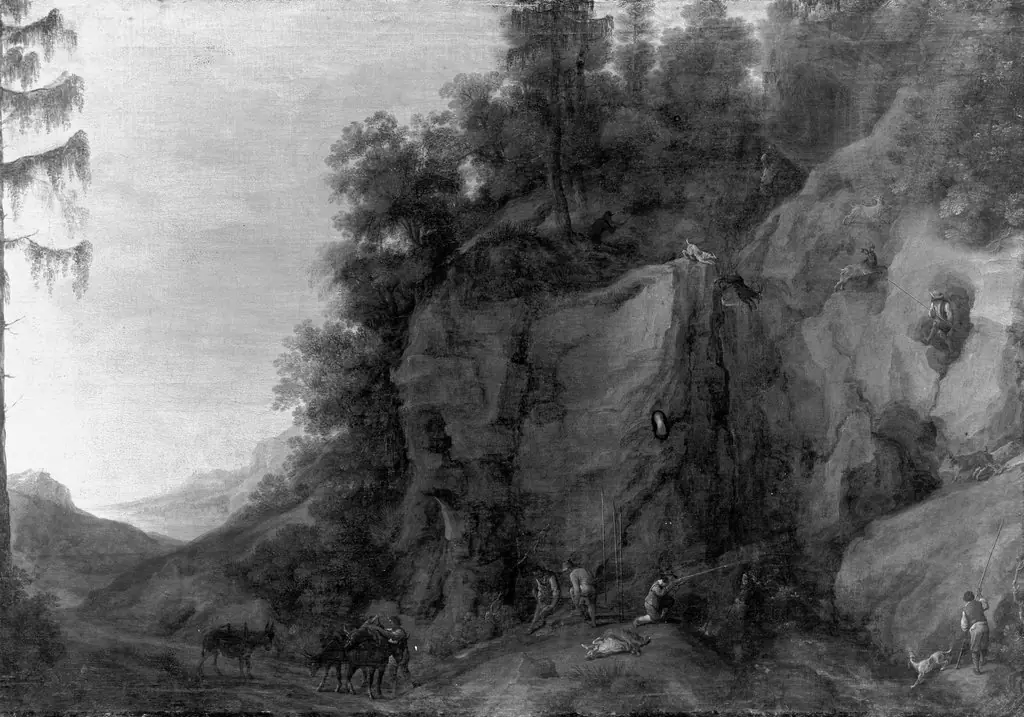 Hunting goats
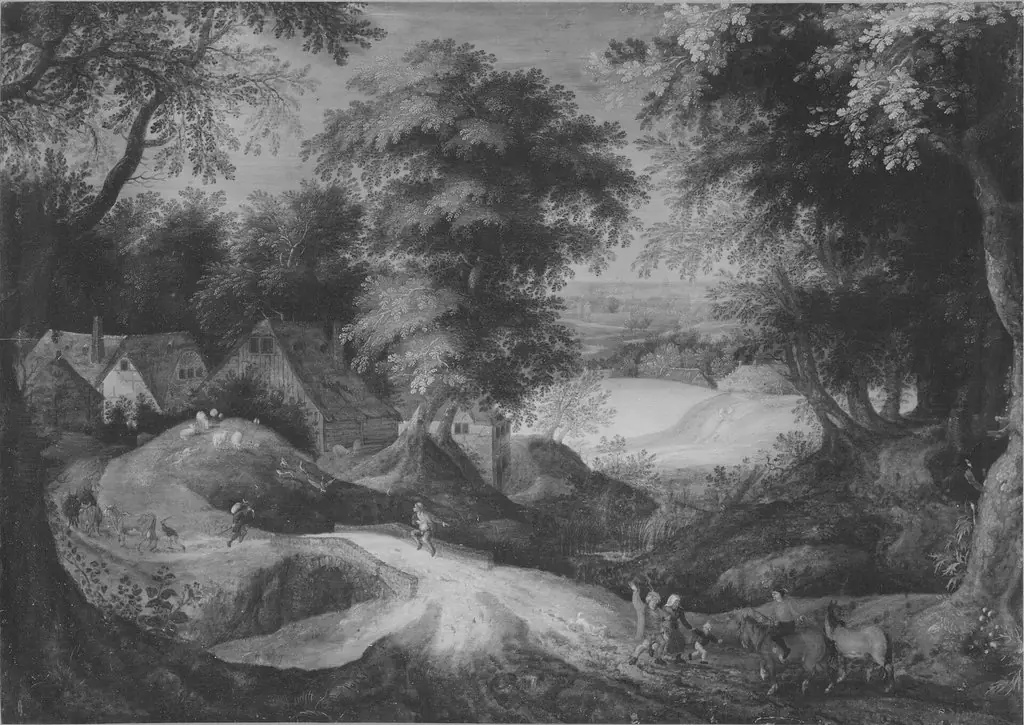 Landscape with a Farm
 Rocky Landscape with a Goat Hunt
 Rocky Landscape with a Goat Hunt