Artwork
Holy Family
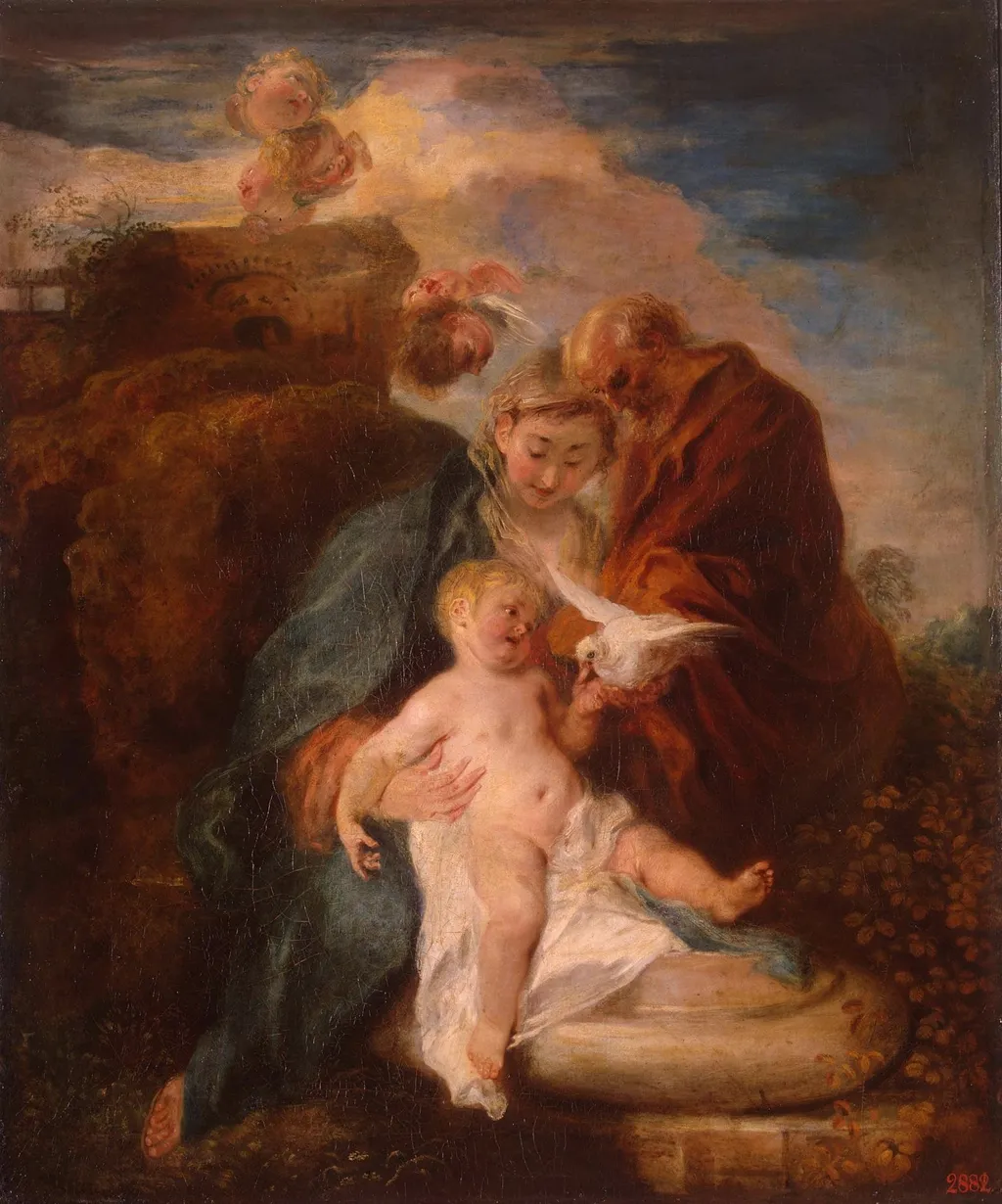
Holy Family is an oil painting by the Rococo painting artist Jean Antoine Watteau. It dates from 1719 and is held in the collection of the Hermitage Museum.
About this work
Overview
Holy Family, an oil on canvas painting by Jean-Antoine Watteau, is one of the few religious compositions in his oeuvre. Created between 1714 and 1721, it portrays the Virgin Mary, the Christ Child, and Saint Joseph in a quiet, naturalistic landscape. The work is held in the Hermitage Museum in Saint Petersburg and stands apart from Watteau’s more familiar scenes of leisure and theatricality.
Subject & Meaning
This intimate, tender scene reflects a devotional theme uncommon in Watteau’s work, suggesting a personal or commissioned spiritual intent.
The painting illustrates a moment from the Flight into Egypt, drawing from apocryphal texts like the Gospel of Pseudo-Matthew as much as the canonical Gospel of Matthew. It depicts the holy family resting during their journey, surrounded by putti who gently attend to them. This intimate, tender scene reflects a devotional theme uncommon in Watteau’s work, suggesting a personal or commissioned spiritual intent.
Technique & Style
Watteau employs soft, atmospheric brushwork typical of the Rococo, blending delicate color transitions and subtle light to create a dreamlike stillness. The figures are rendered with quiet grace, their forms integrated into the surrounding foliage rather than dominating it. The putti, rendered with playful delicacy, add a layer of symbolic tenderness without disrupting the scene’s solemn calm.
History & Provenance
The painting entered the Hermitage collection in the 18th century, likely acquired during Catherine the Great’s extensive art purchases. Its presence in Russia reflects the imperial interest in Western European works, particularly those by French artists. Despite its rarity in Watteau’s output, it was recognized early as a significant, if unusual, example of his skill beyond genre scenes.
Context
In early 18th-century France, religious painting was largely overshadowed by secular and mythological themes favored by the aristocracy. Watteau’s choice to depict the Holy Family may reflect a private devotion, a patron’s request, or a broader cultural moment when spiritual imagery was quietly reemerging in refined circles, distinct from grand ecclesiastical commissions.
Legacy
Holy Family remains a singular point of reference in studies of Watteau’s range, illustrating his capacity to adapt his lyrical style to sacred subject matter. While it did not spawn a school or direct imitation, its quiet dignity has influenced later interpretations of domestic spirituality in French art, offering a counterpoint to his more celebrated fêtes galantes.
Own this work as a print
Artist & collection
Artist
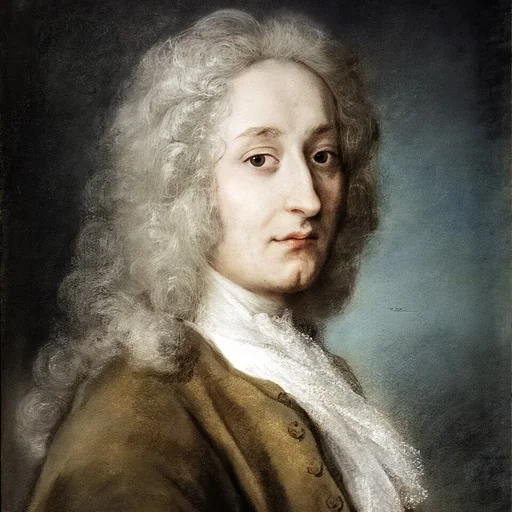
Jean-Antoine Watteau was a French painter and draughtsman whose brief career spurred the revival of interest in colour and movement, as seen in the tradition of Correggio and Rubens.

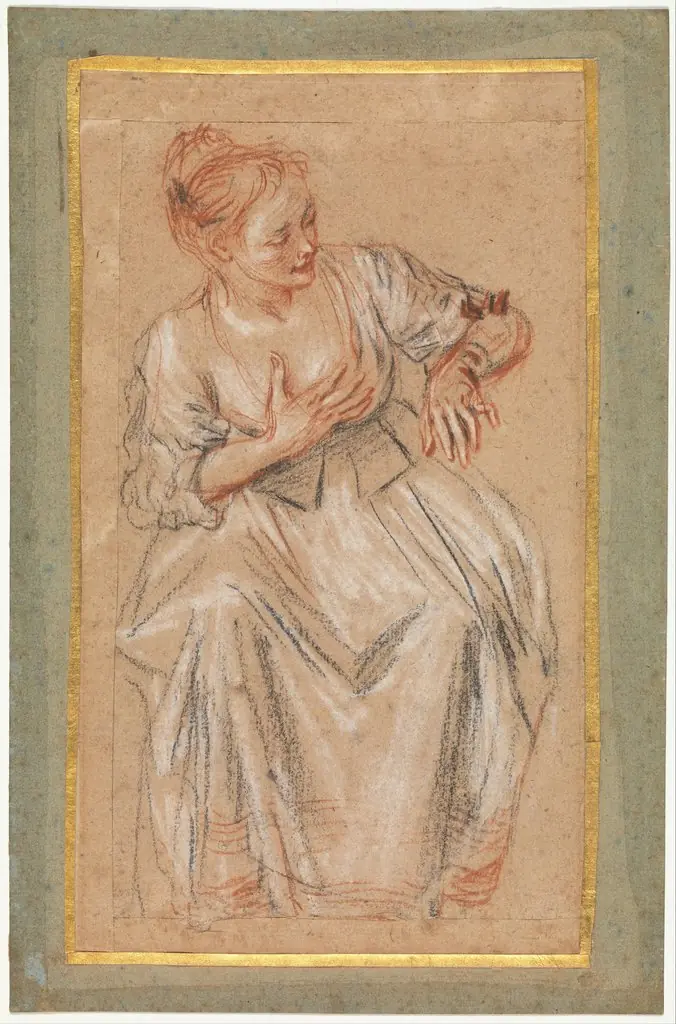
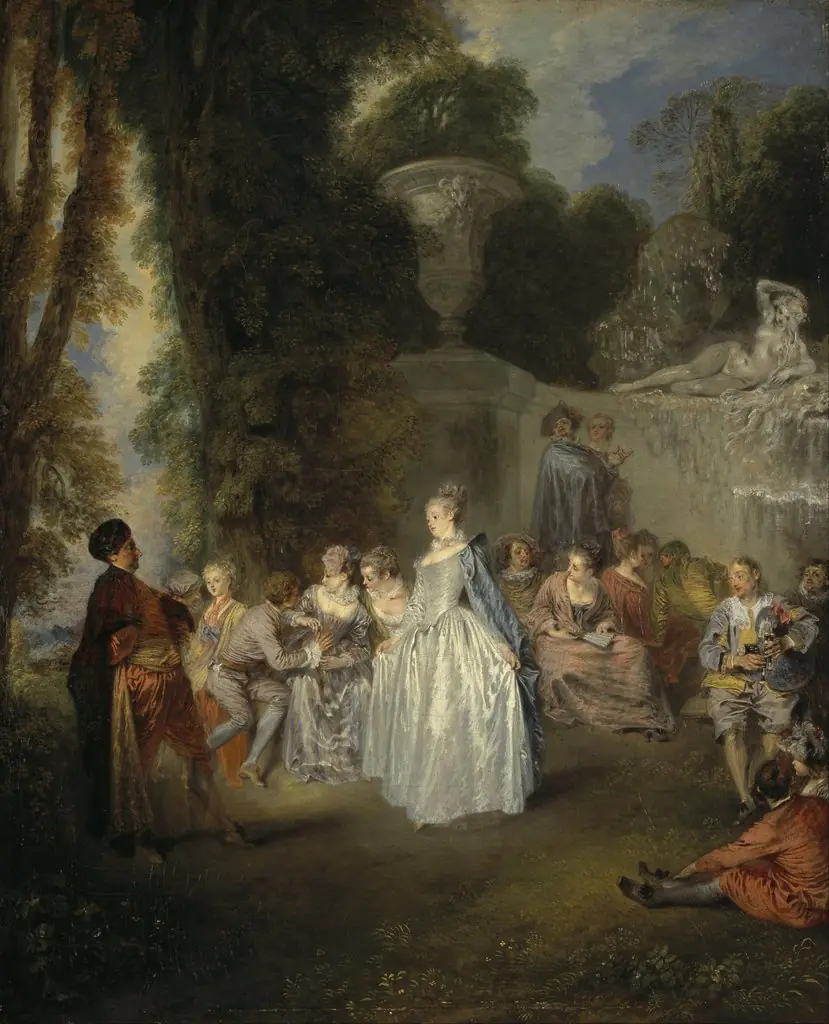
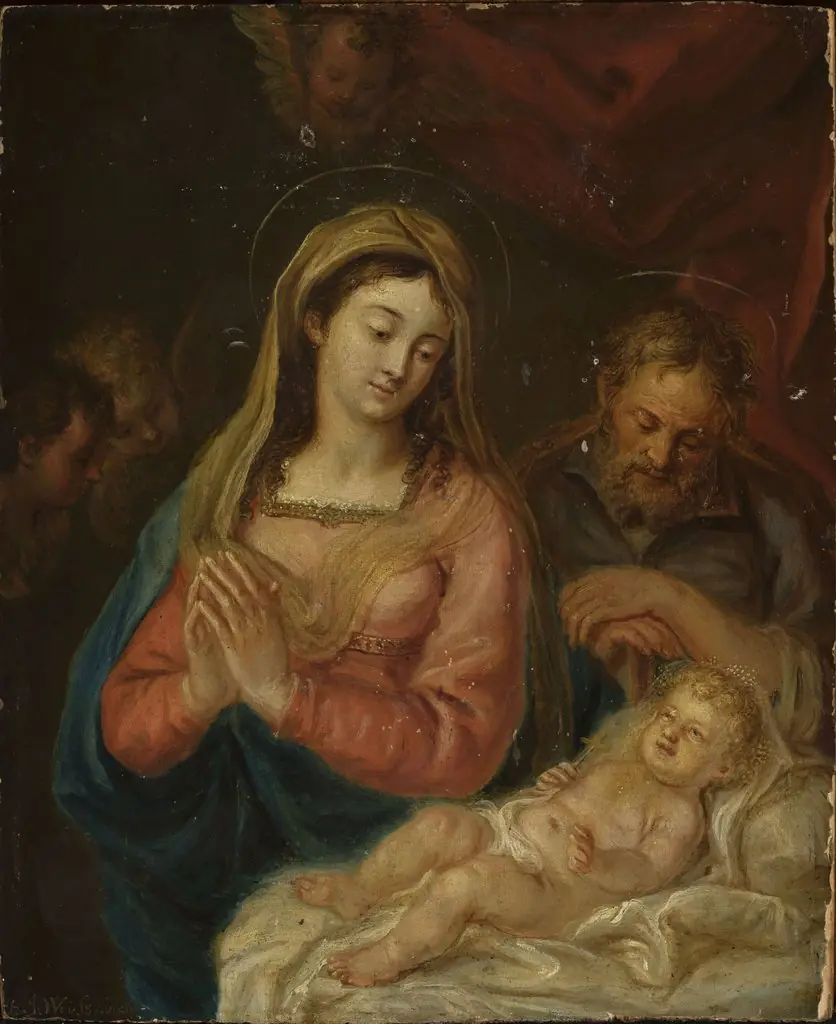 Holy Family
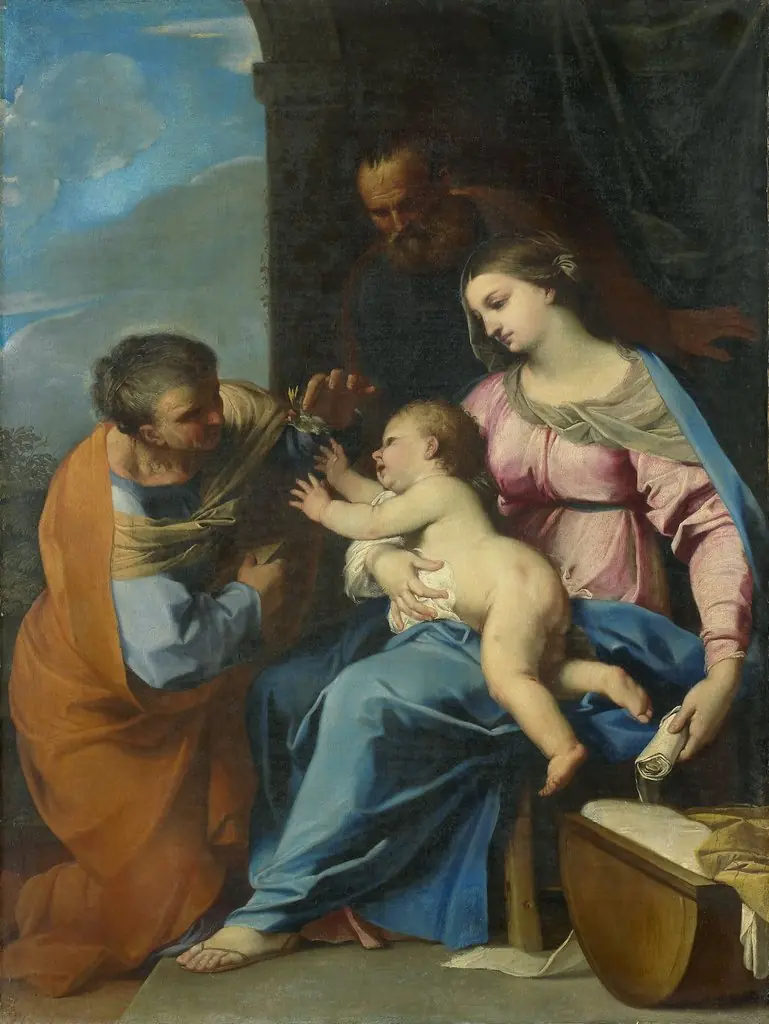 Holy Family
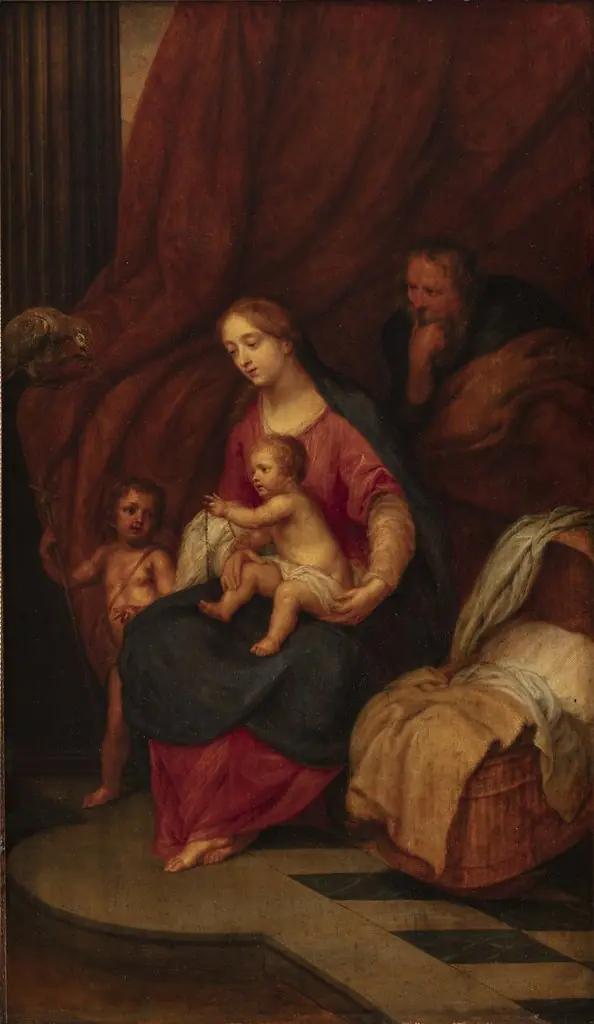 The Holy Family
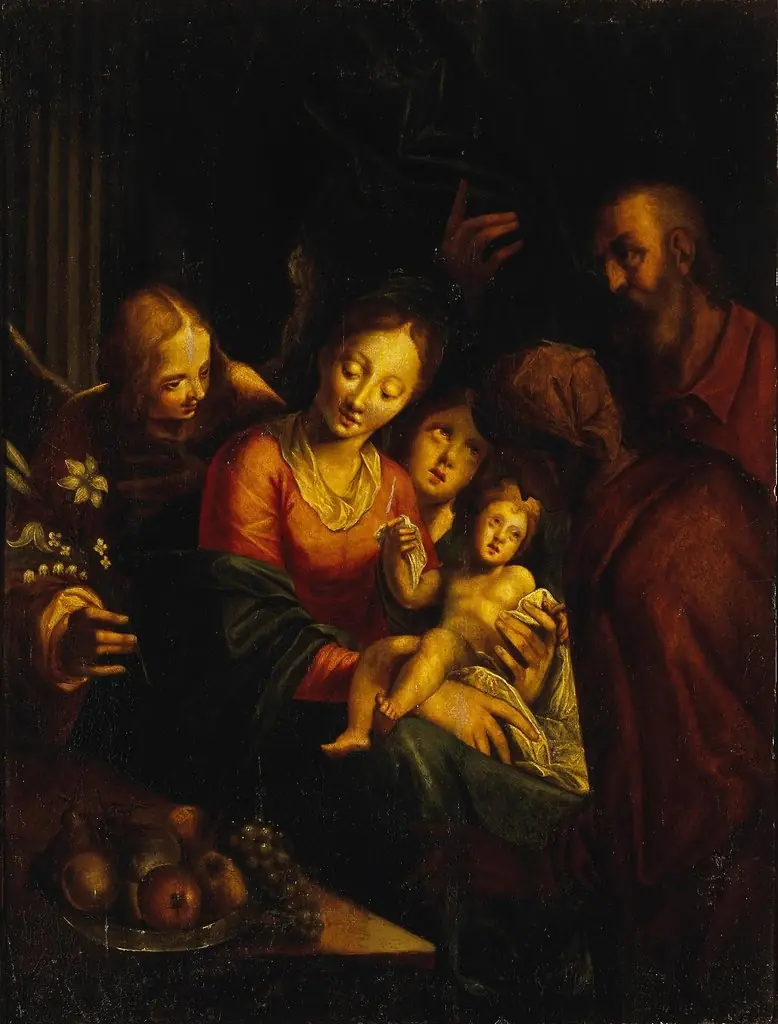 The Holy Family
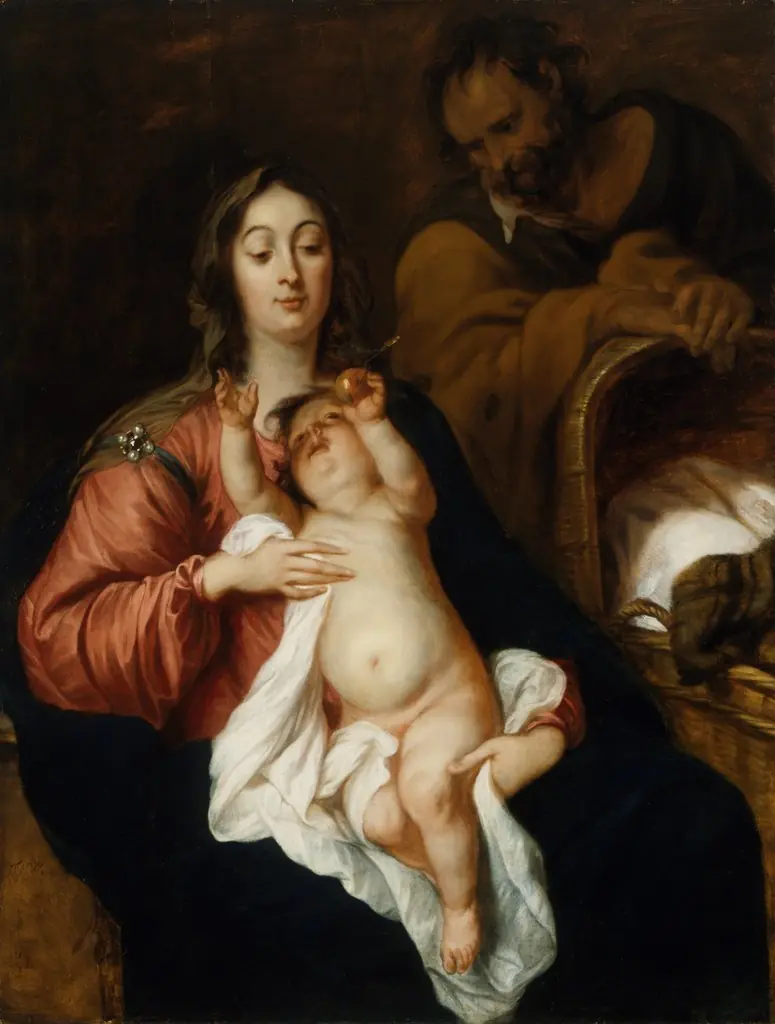 The Holy Family
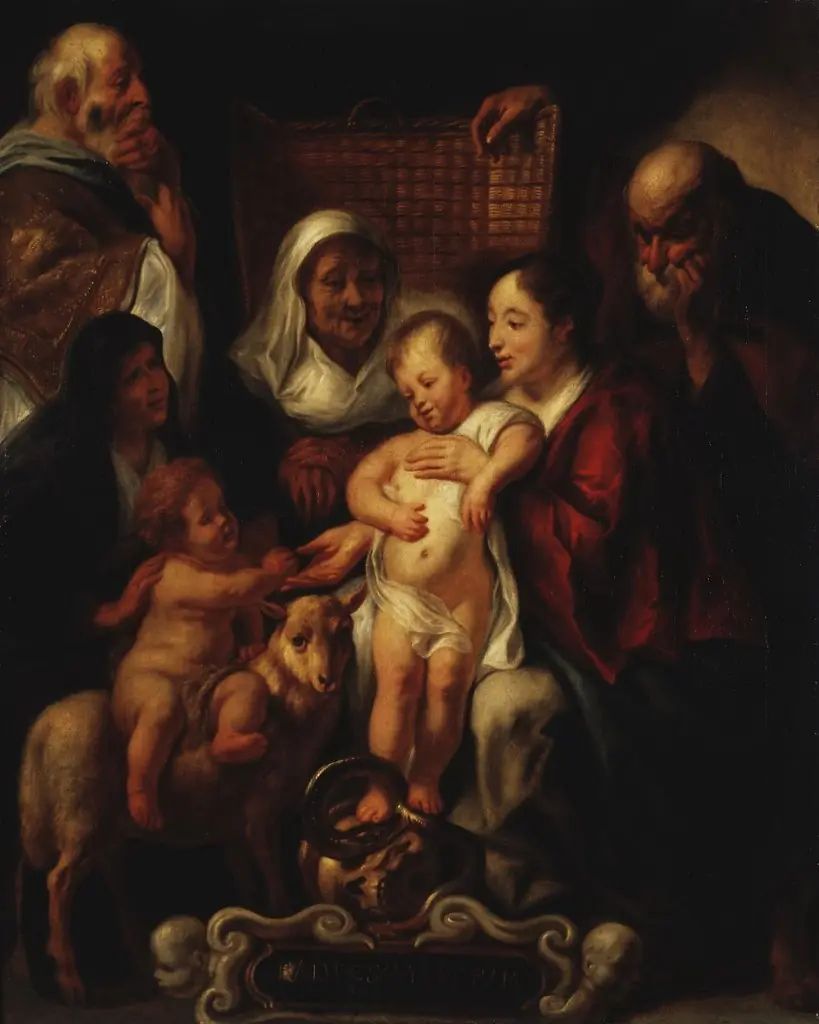 The Holy Family (Hermitage)
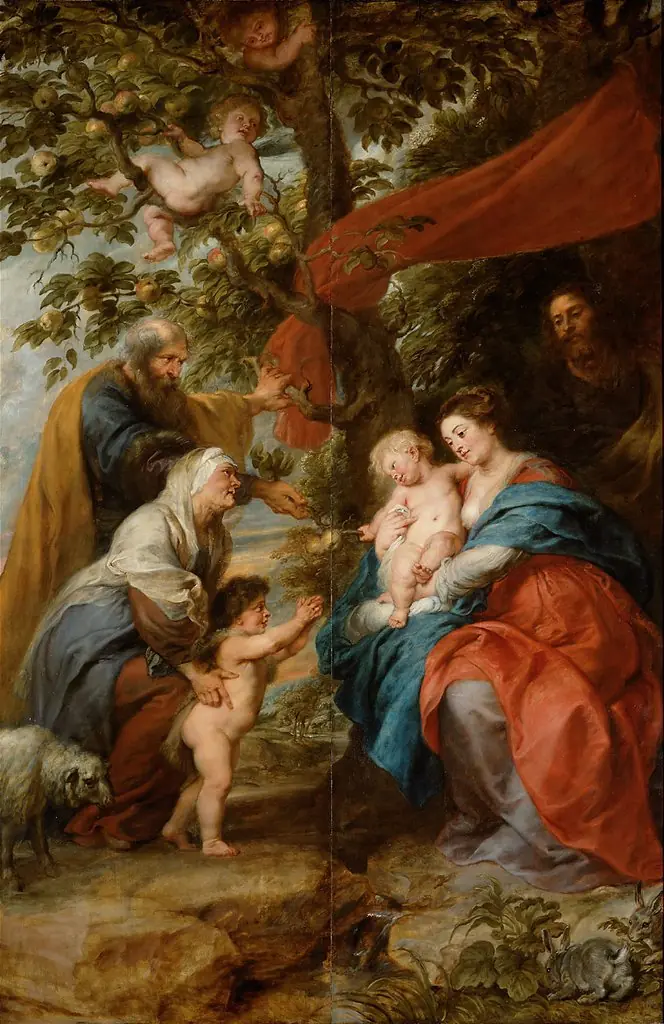 The Holy Family under the Apple Tree
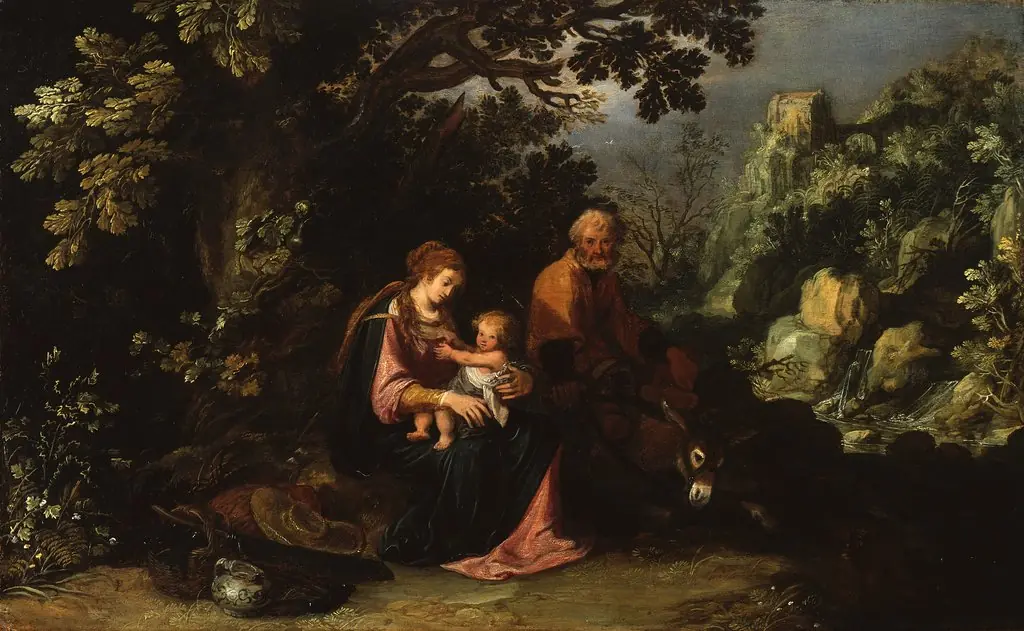 The Rest on the Flight to Egypt
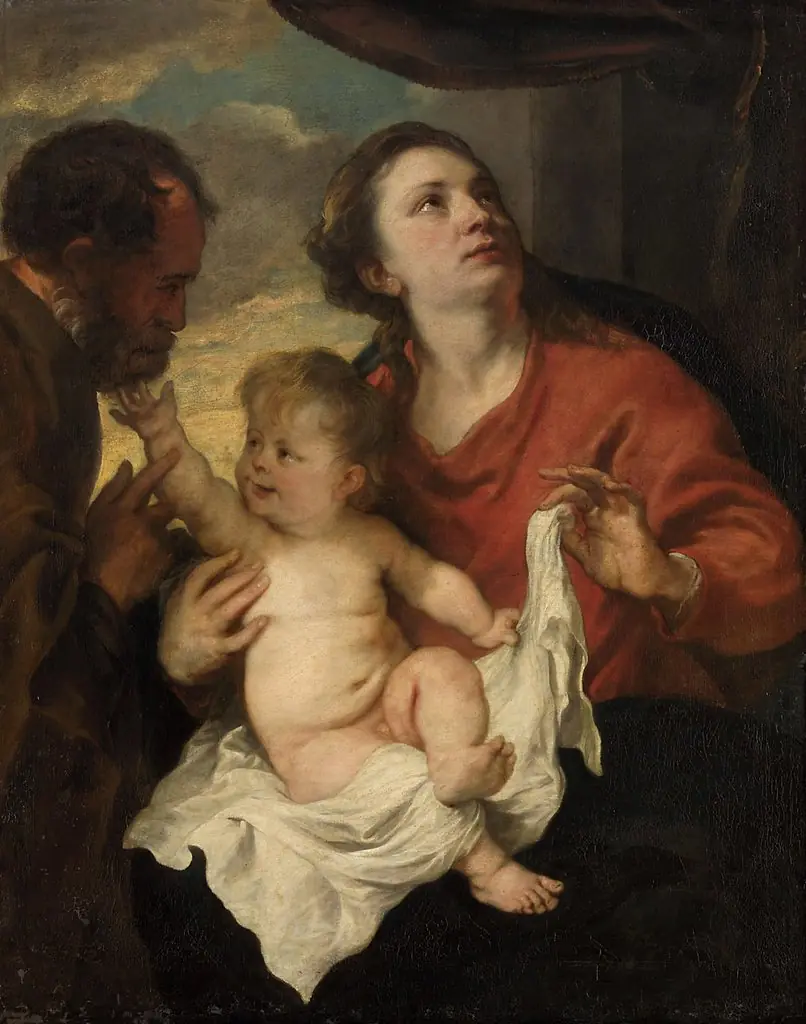 The Holy Family, 'Trinitas terrestris'
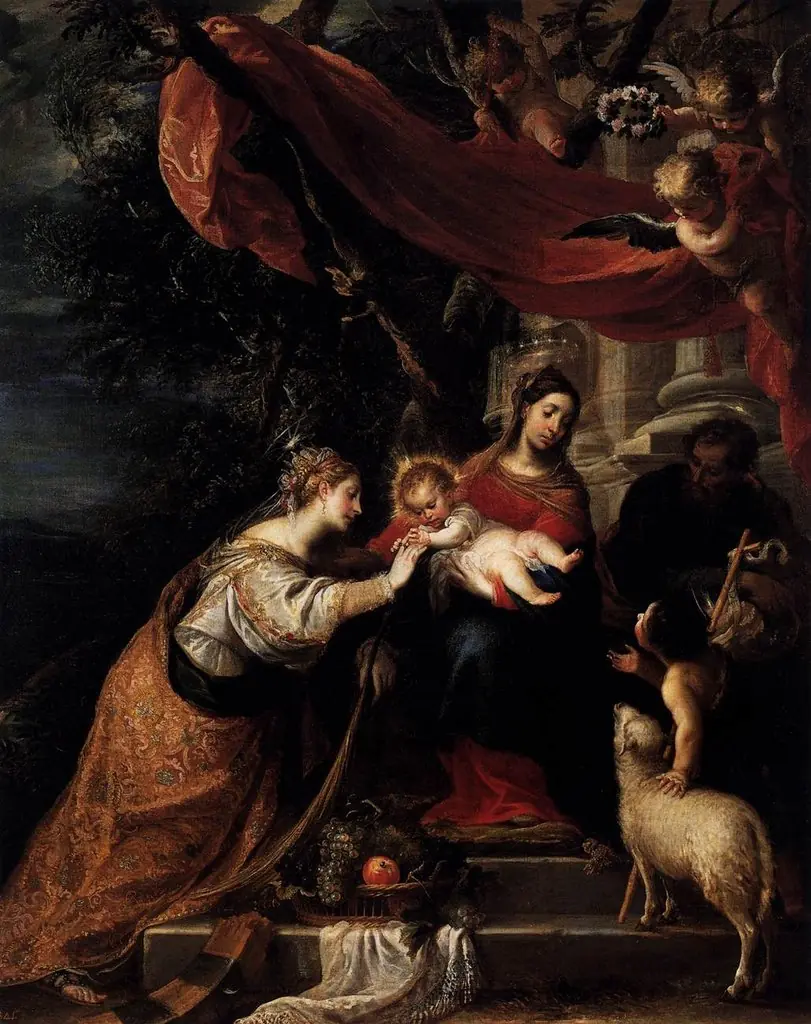 The Mystic Marriage of Saint Catherine
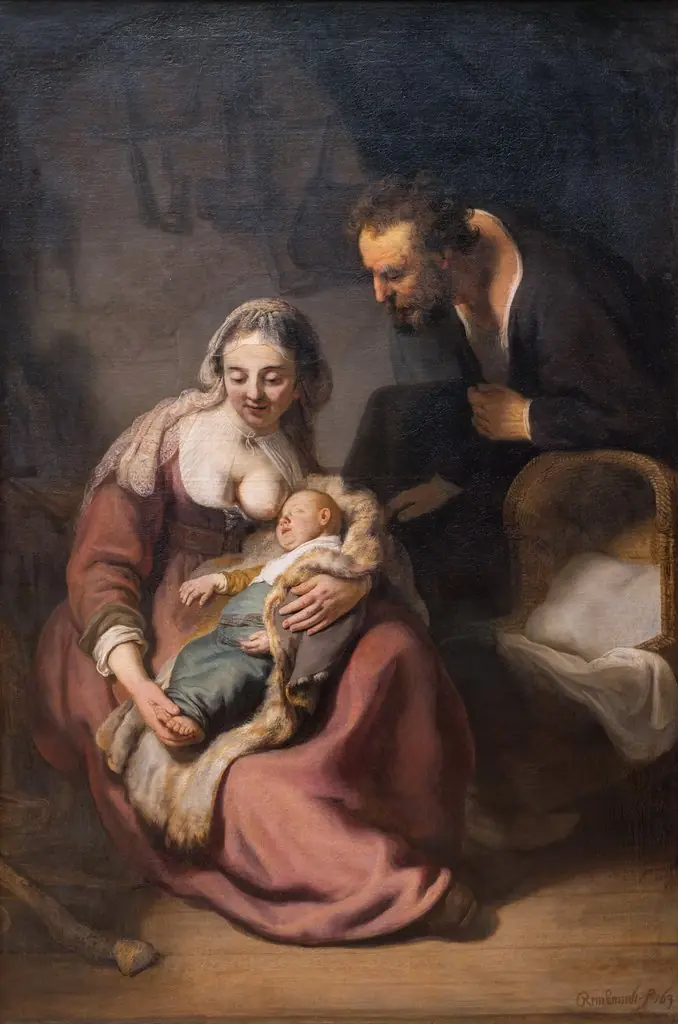 The Holy Family
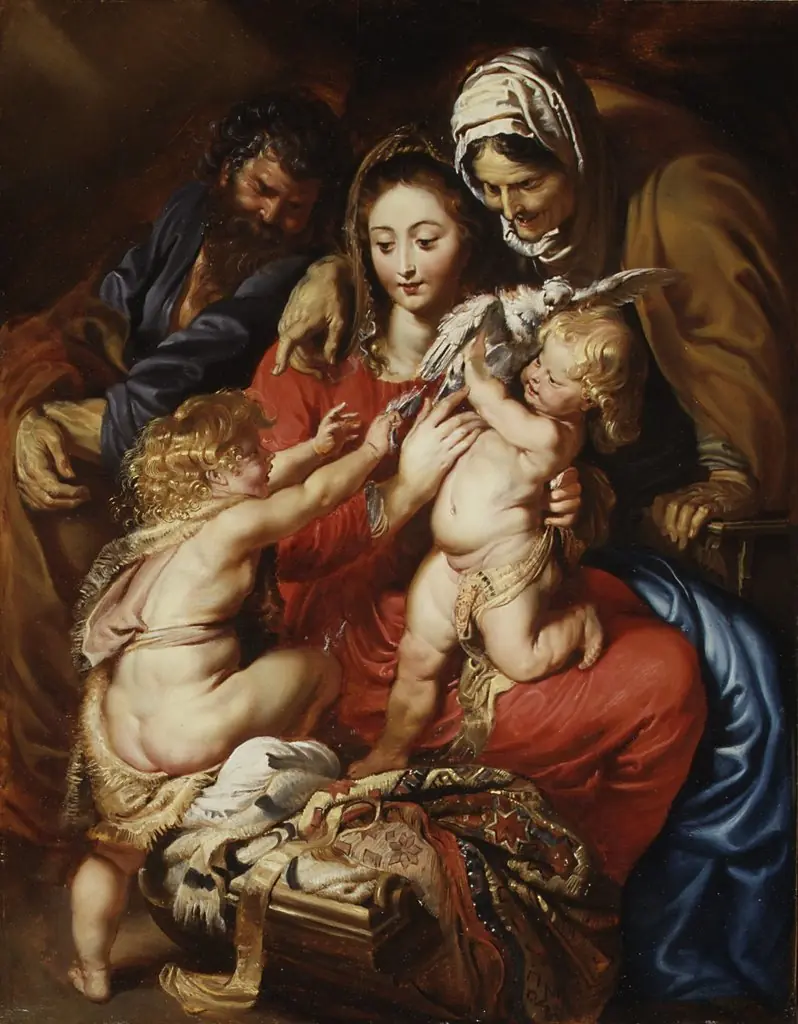 The Holy Family with Saint Elizabeth, Saint John, and a Dove