Artwork
Savoyard with a Marmot
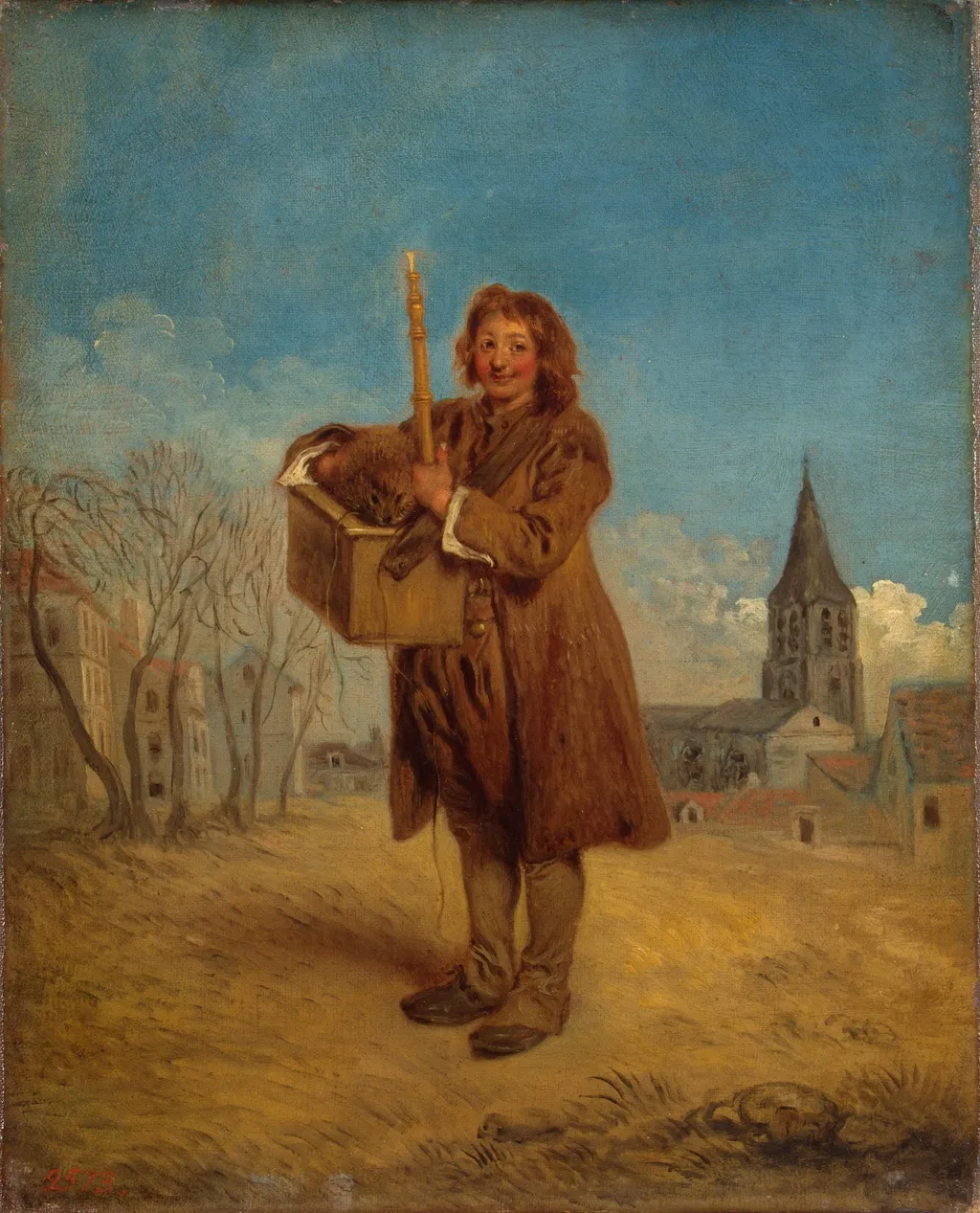
Savoyard with a Marmot is an oil painting by the Rococo painting artist Jean Antoine Watteau. It dates from 1716 and is held in the collection of the Hermitage Museum.
About this work
Overview
Painted in 1716, Savoyard with a Marmot is an oil-on-canvas work by Jean-Antoine Watteau, capturing a wandering performer from the Savoy region.
Painted in 1716, Savoyard with a Marmot is an oil-on-canvas work by Jean-Antoine Watteau, capturing a wandering performer from the Savoy region. The figure holds a wooden box containing a trained marmot, with an oboe resting nearby. Set against a quiet, wintry landscape, the scene balances intimacy with isolation, reflecting the marginal status of itinerant performers in early 18th-century Europe.
Subject & Meaning
The figure is likely a Savoyard street performer, a common sight in French cities, known for exhibiting trained marmots that 'predicted' fortunes by drawing cards. While some interpret the scene as a cheerful act of entertainment, others see it as a quiet portrayal of displacement. Savoyards were often viewed as outsiders, and Watteau’s depiction avoids sentimentality, emphasizing solitude over spectacle.
Technique & Style
Watteau employs soft, muted earth tones and delicate brushwork to create a subdued atmosphere. The figure’s brown coat and the marmot’s fur are rendered with subtle texture, drawing attention to their quiet interaction. The background fades into hazy trees and distant structures, reinforcing the figure’s isolation. His expression is neutral, neither smiling nor sorrowful, enhancing the painting’s restrained emotional tone.
History & Provenance
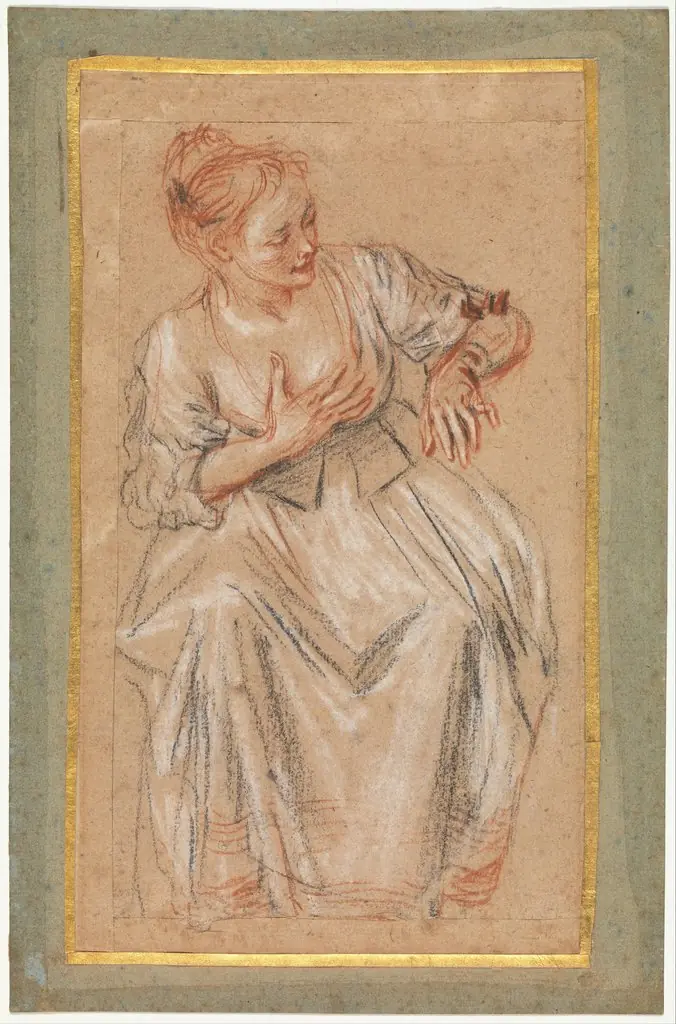
The painting entered the collection of Catherine the Great in the late 18th century and was later transferred to the Hermitage Museum in Saint Petersburg, where it remains. Watteau had previously sketched a similar subject in 1715—a standing Savoyard woman with her marmot box—suggesting a sustained interest in these figures. This 1716 work expands on that earlier study, deepening the psychological presence of the subject.
Context
Savoyards migrated to urban centers seeking work, often performing with trained animals as a means of survival. Their presence was familiar yet socially peripheral, a reality reflected in literature and visual art of the period. Watteau’s depiction aligns with broader cultural awareness of these itinerants, avoiding caricature in favor of a quiet, humanizing gaze that acknowledges their dignity amid hardship.
Legacy
Though not widely exhibited as a central work in Watteau’s oeuvre, Savoyard with a Marmot contributes to the understanding of his interest in transient lives and subtle emotional states. It stands as a quiet counterpoint to the more theatrical fêtes galantes for which he is better known, offering a grounded, unadorned portrait of marginal existence in early Rococo France.
Own this work as a print
Artist & collection

Artist
Jean-Antoine Watteau was a French painter and draughtsman whose brief career spurred the revival of interest in colour and movement, as seen in the tradition of Correggio and Rubens.