Artwork
Weduwe voor het portret van haar echtgenoot
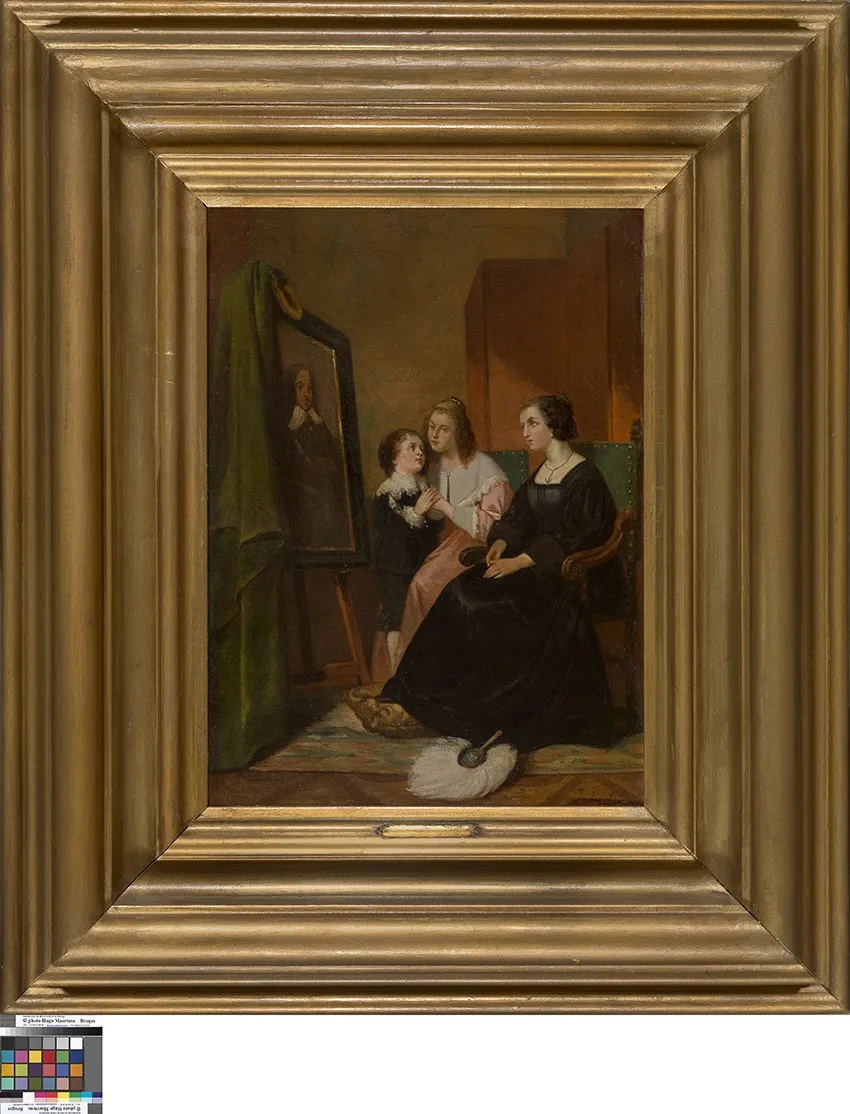
Weduwe voor het portret van haar echtgenoot is an oil painting by the Post-Impressionist artist Jean-Bapiste Mertz. It dates from 1900 and is held in the collection of the Groeningemuseum. Jean‑Baptiste Mertz’s oil painting, executed in 1900, is part of the Groeningemuseum collection.
About this work
Overview
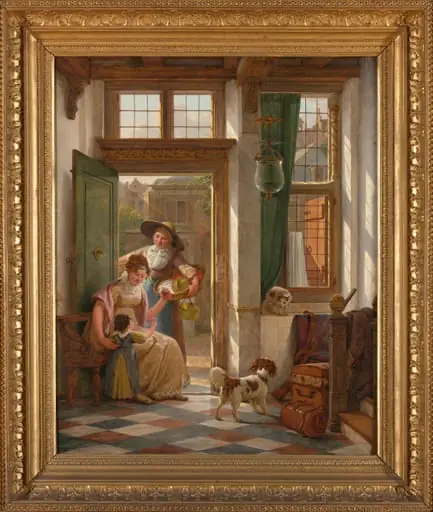
Jean‑Baptiste Mertz’s oil painting, executed in 1900, is part of the Groeningemuseum collection. The work presents an intimate interior scene illuminated by subdued lighting, where a widowed woman sits with a child on her lap while another child stands nearby. A portrait of a man in a dark coat hangs behind them, adding a layered narrative to the composition.
Subject & Meaning
The central figure is a grieving mother, identified by her black attire, who cradles a young child, suggesting themes of loss and continuity. The standing child and the distant male portrait hint at familial connections, perhaps representing the deceased husband and the next generation, thereby emphasizing the persistence of family bonds despite bereavement.
Technique & Style
Mertz employs a restrained palette and soft chiaroscuro, allowing the gentle light to model the figures against the darkened interior. The contrast between the woman’s somber dress and the child’s pale pink garment creates visual focus, while the delicate rendering of textures—such as the rug and the feather duster on the floor—adds realism to the scene.
History & Provenance
Created at the turn of the twentieth century, the painting entered the Groeningemuseum’s holdings through acquisition (specific details of purchase or donation are not recorded). Its presence in the museum situates it among other works that document Dutch portraiture and domestic genre scenes of the period.
Context
The work reflects early‑1900s Dutch artistic interest in private, interior moments, echoing the tradition of genre painting that captures everyday life with psychological depth. Mertz’s focus on a widowed mother aligns with contemporary concerns about family structure and the social role of women in post‑industrial society.
Artist & collection
Artist
Jean-Baptiste Mertz’s tiny, jewel-like still lifes look like they were painted in a single breath, the kind of work an artist does between errands in a rented room above a bakery.

 De eerste tand
 Reading a letter
 The Note
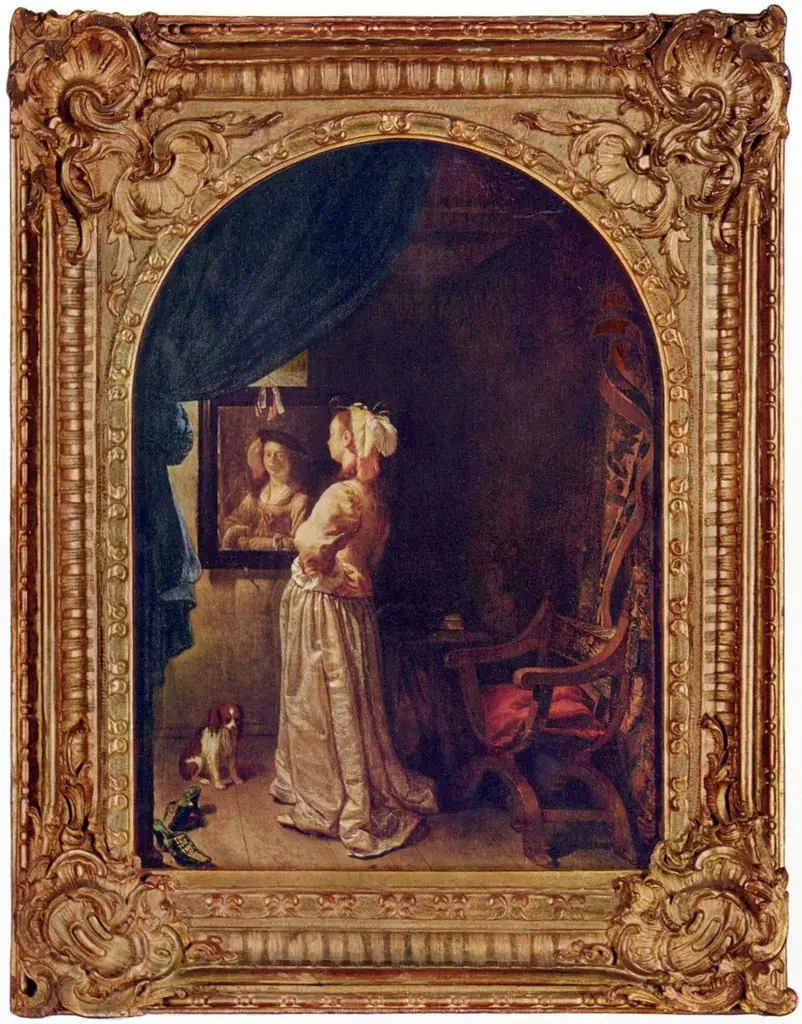 Woman before the Mirror
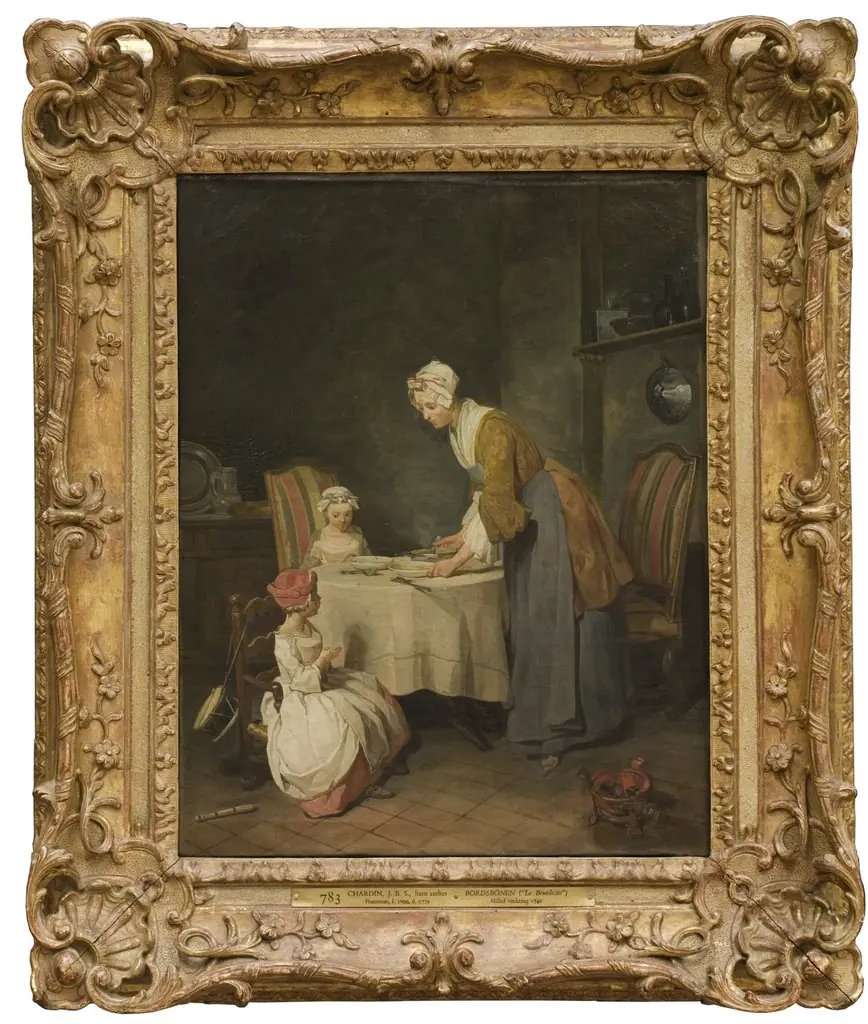 Saying Grace
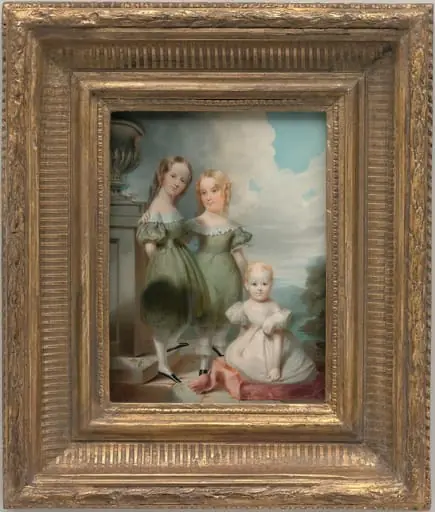 The Children of Homer Ramsdell, Esq.
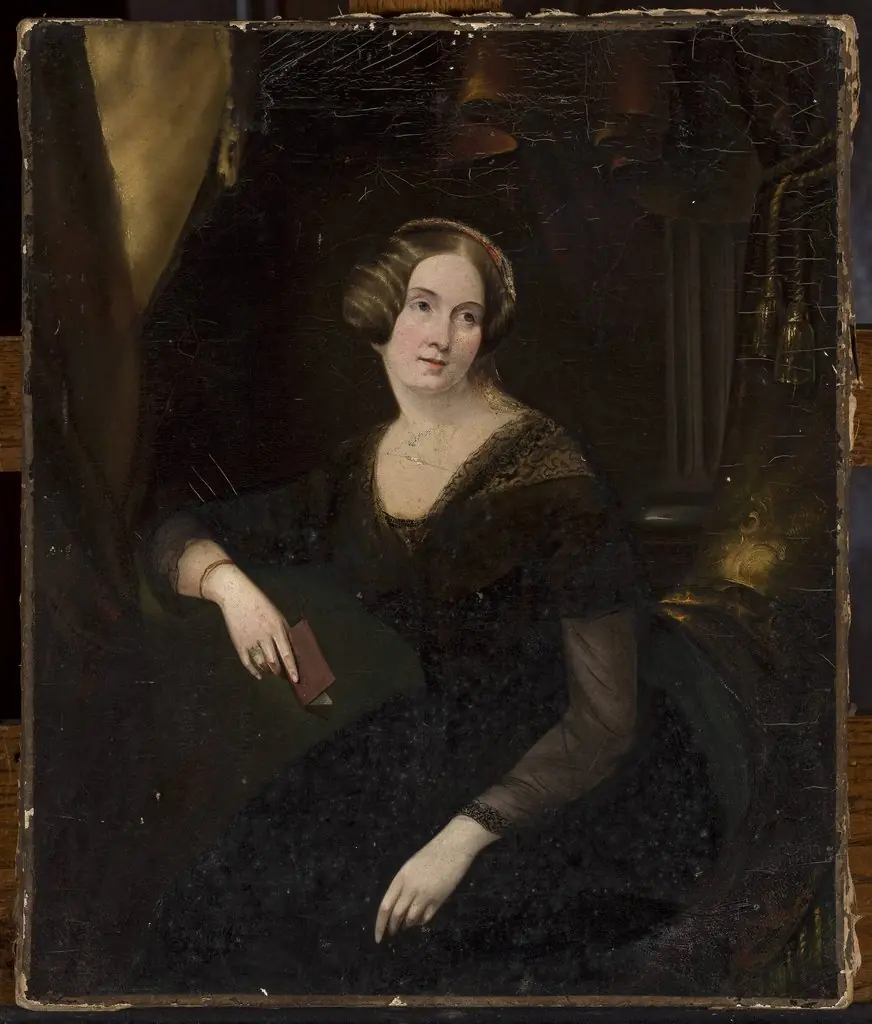 Portrait of a woman
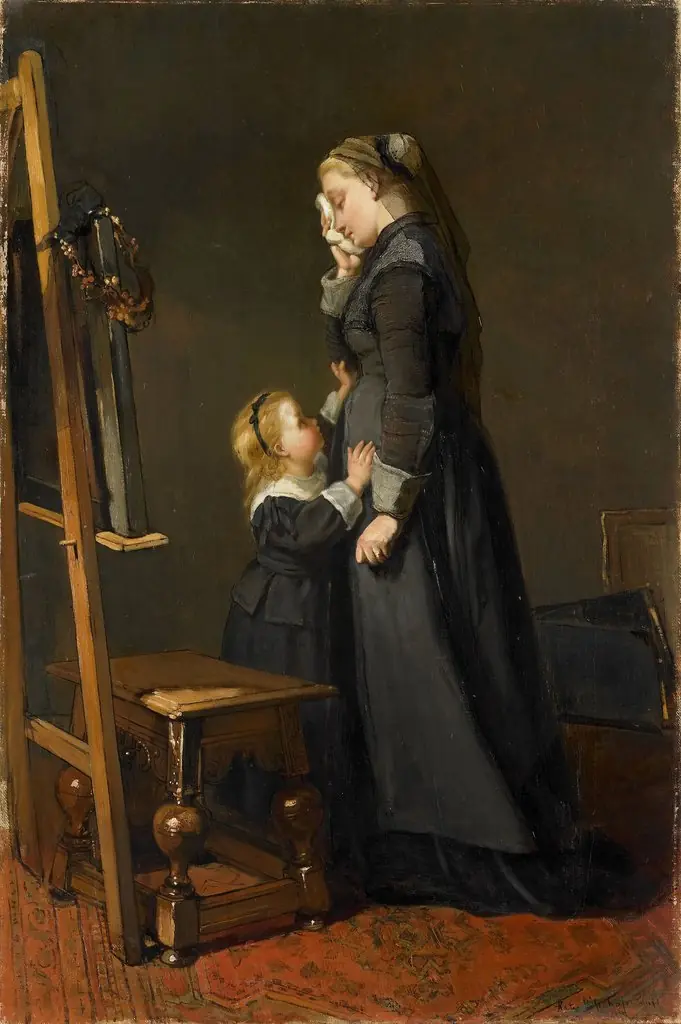 The Widow of a Painter
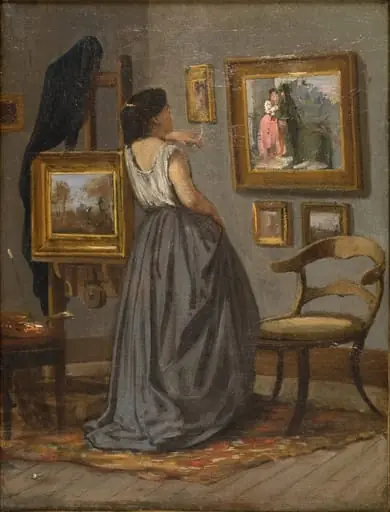 A Lady in the Studio
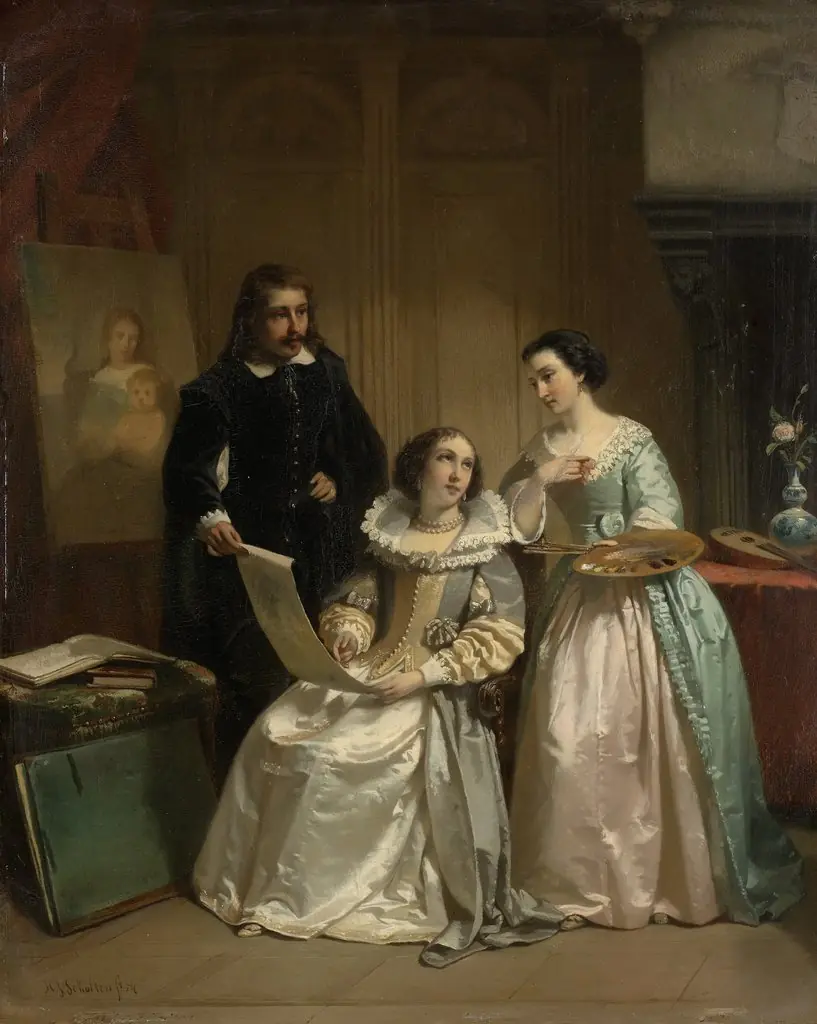 Gerard van Honthorst Shows Amalia van Solms the Drawings by his Pupil Louise of Bohemia
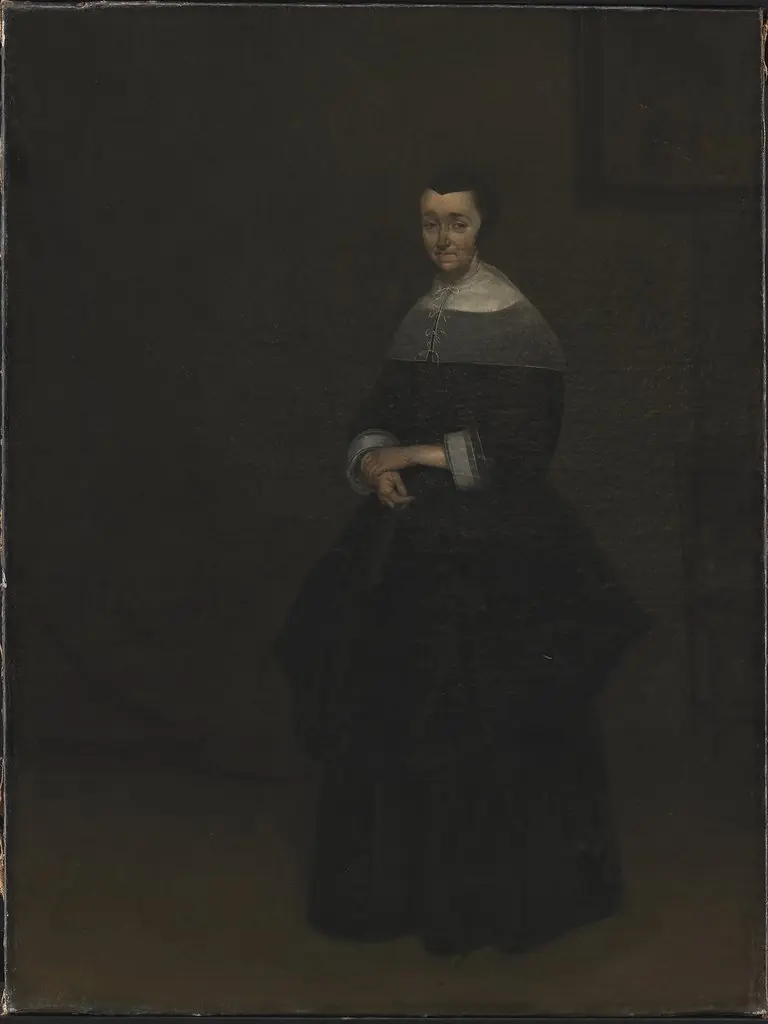 Portrait of a Lady
 A Cherry Seller at the Door