Artwork
Sketch at Scheveningen
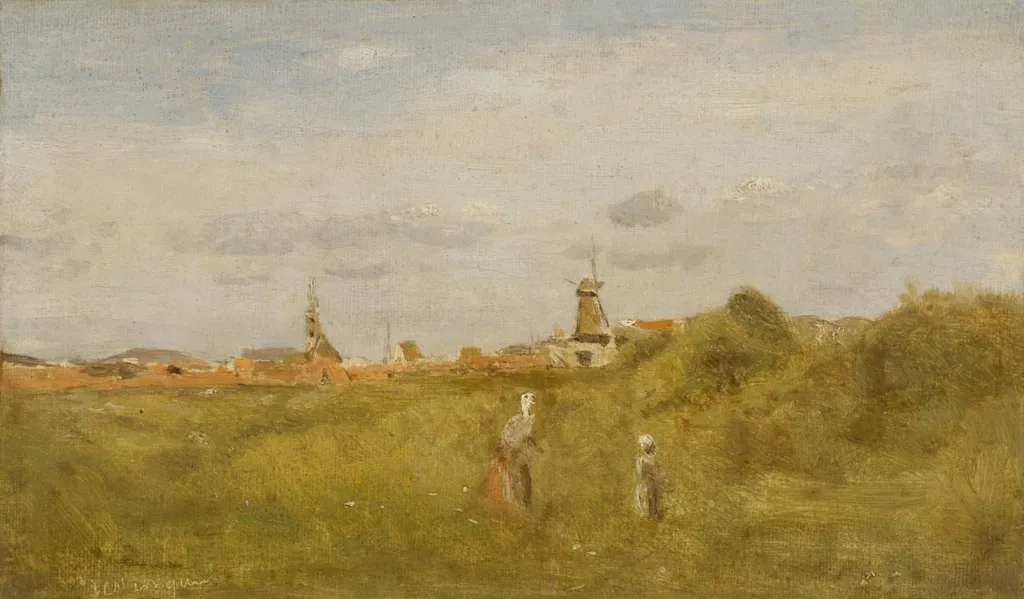
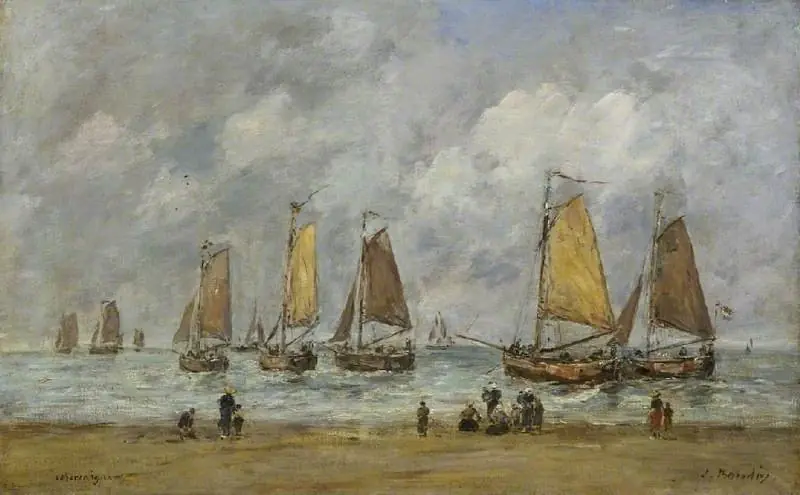
Sketch at Scheveningen is an oil painting by Jean Baptiste Camille Corot. It dates from 1854 and is held in the collection of the National Gallery of Victoria.
About this work
Overview
Created during a visit to the Dutch coastal village, it reflects his growing commitment to observing nature directly rather than relying on studio conventions.
Painted in 1854, *Sketch at Scheveningen* is an oil on canvas work by the French artist Jean-Baptiste-Camille Corot. Created during a visit to the Dutch coastal village, it reflects his growing commitment to observing nature directly rather than relying on studio conventions. The piece exemplifies his transition from formal composition to a more intuitive, atmospheric approach, aligning with early developments in landscape painting that prioritized light and mood over idealized forms.
Subject & Meaning
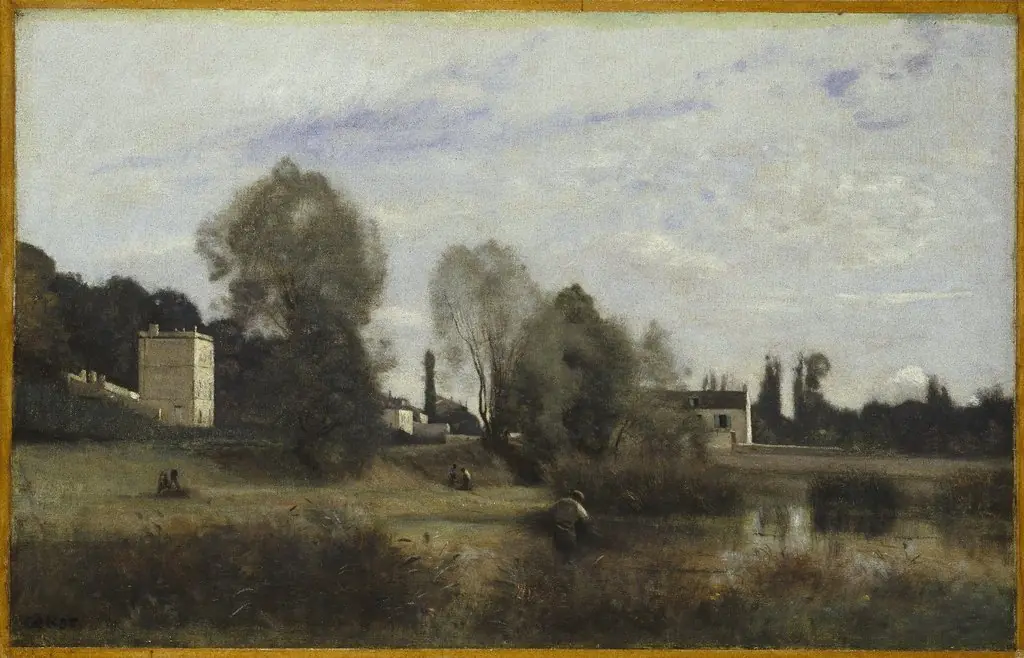
The scene depicts a quiet stretch of open land near Scheveningen, with a distant windmill anchoring the horizon. A few figures move subtly across the field, their presence minimal and unobtrusive. The composition avoids narrative drama, instead inviting contemplation of rural tranquility and the quiet rhythm of everyday life. The windmill, though not dominant, serves as a quiet symbol of human presence within the natural landscape.
Technique & Style
Corot employed soft, blended brushwork and a restrained palette of greys, muted greens, and earthy browns to evoke a hazy, atmospheric effect. Rather than sharp definition, he favored tonal transitions that dissolve edges, creating a sense of air and light permeating the scene. The technique suggests spontaneity, as if the painting were made quickly on-site, capturing fleeting conditions of weather and light without theatrical embellishment.
History & Provenance
Corot painted this work during his travels in the Netherlands, a period when he sought inspiration beyond the French countryside. The painting entered the collection of the National Gallery of Victoria in Melbourne, Australia, where it remains today. Its journey from a private sketch to a public collection reflects its recognition as a representative example of Corot’s mature landscape style, valued for its quiet sincerity rather than grandeur.
Context
In the mid-19th century, artists across Europe were increasingly turning to direct observation of nature, challenging academic traditions. Corot, though rooted in classical training, became a pivotal figure in this shift. His Dutch sketches, including this one, reveal his engagement with the luminous, open landscapes of the Netherlands, which resonated with his own pursuit of poetic realism over idealized composition.
Legacy
Though not among Corot’s most widely exhibited works, *Sketch at Scheveningen* exemplifies the quiet influence he exerted on later generations of landscape painters, including the Impressionists. Its emphasis on atmosphere, subtle color, and transient light prefigured key concerns of 19th-century modernism. The painting endures as a testament to the power of understated observation in landscape art.
Artist & collection
Artist
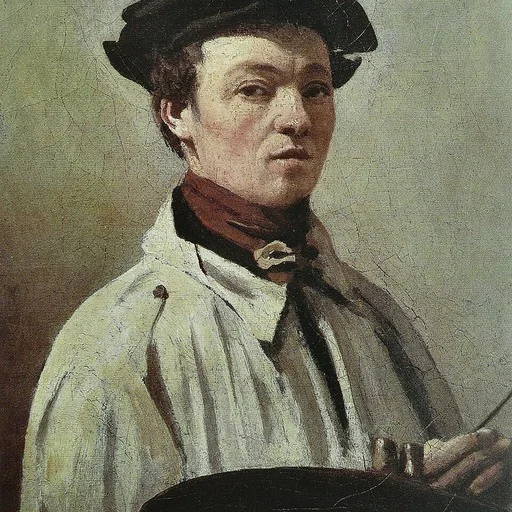
Jean-Baptiste-Camille Corot (UK: KORR-oh, US: kə-ROH, kor-OH; French: ; 16 July 1796 – 22 February 1875), or simply Camille Corot, was a French landscape and portrait painter as well as a printmaker in etching.

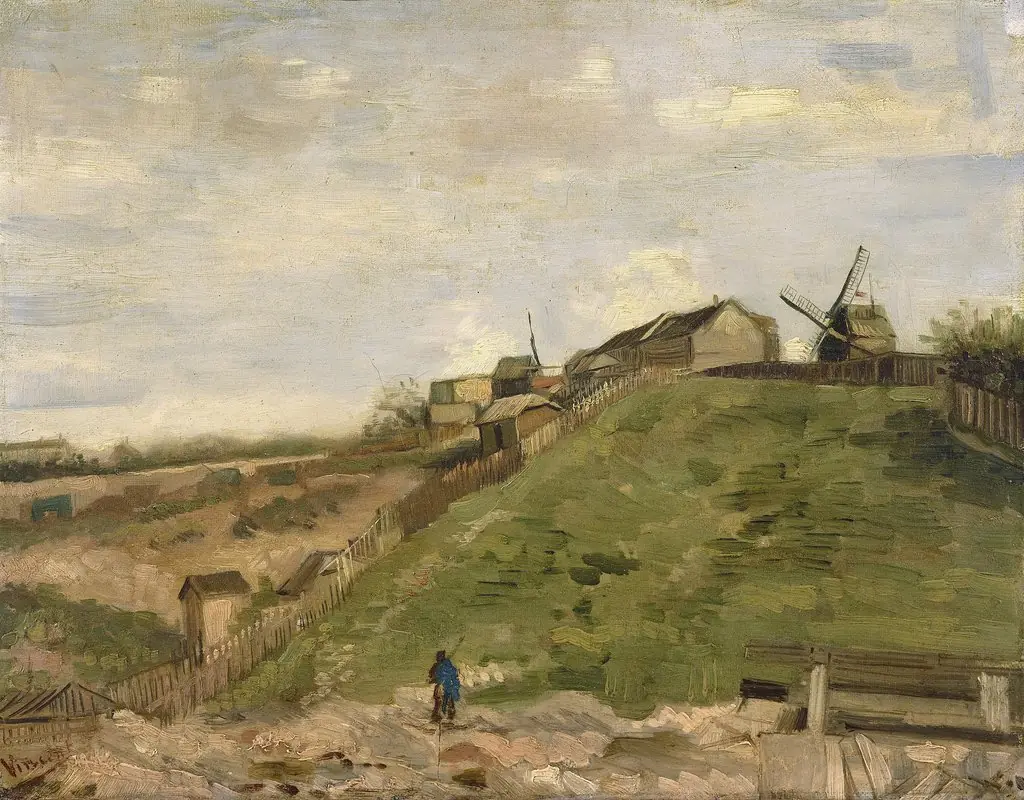 The Hill of Montmartre with Stone Quarry
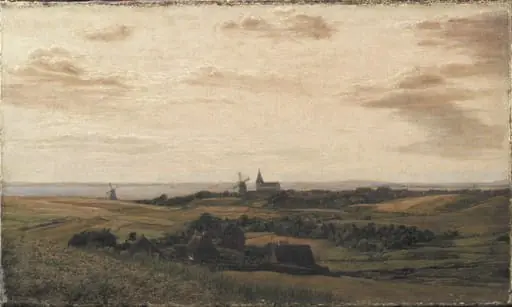 A View towards Assens in Funen. In the Distance the Coast of Schleswig
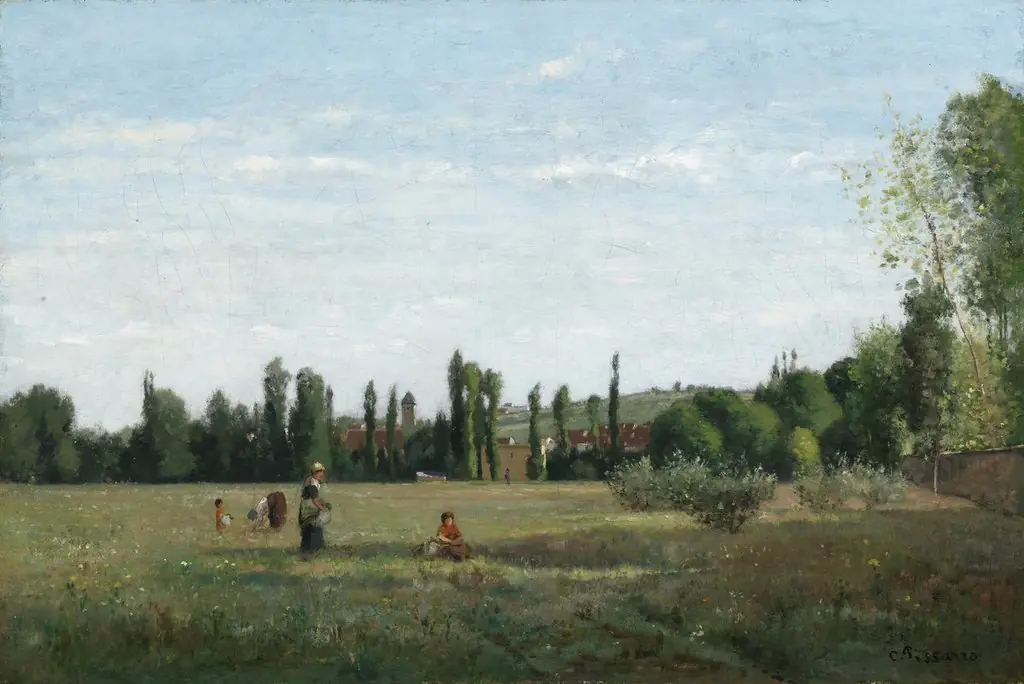 La Varenne Saint Hilaire
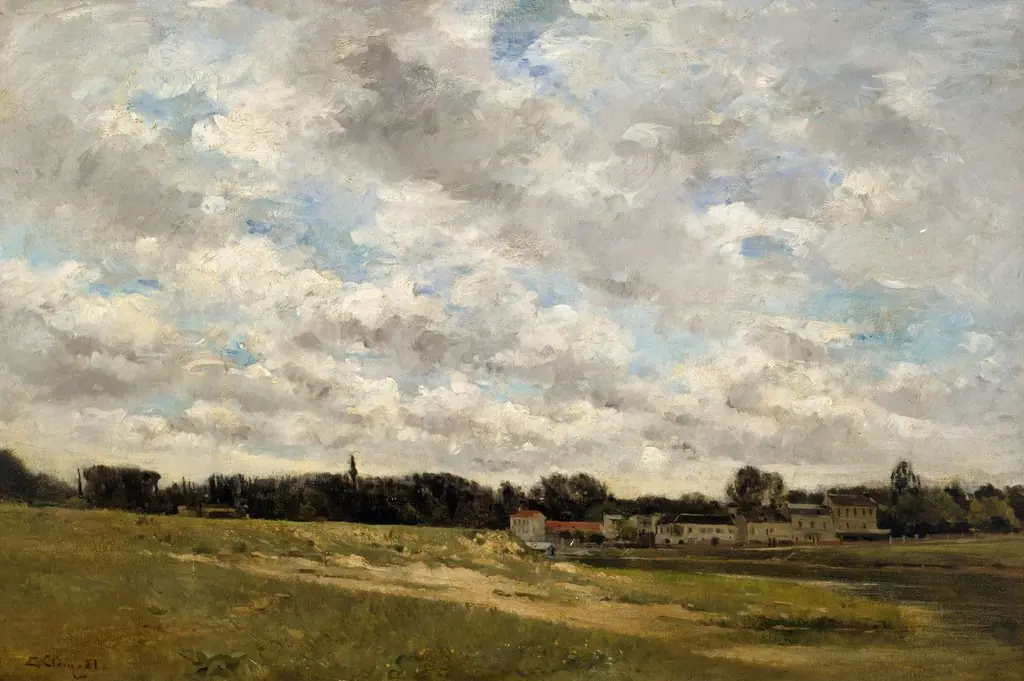 Landscape
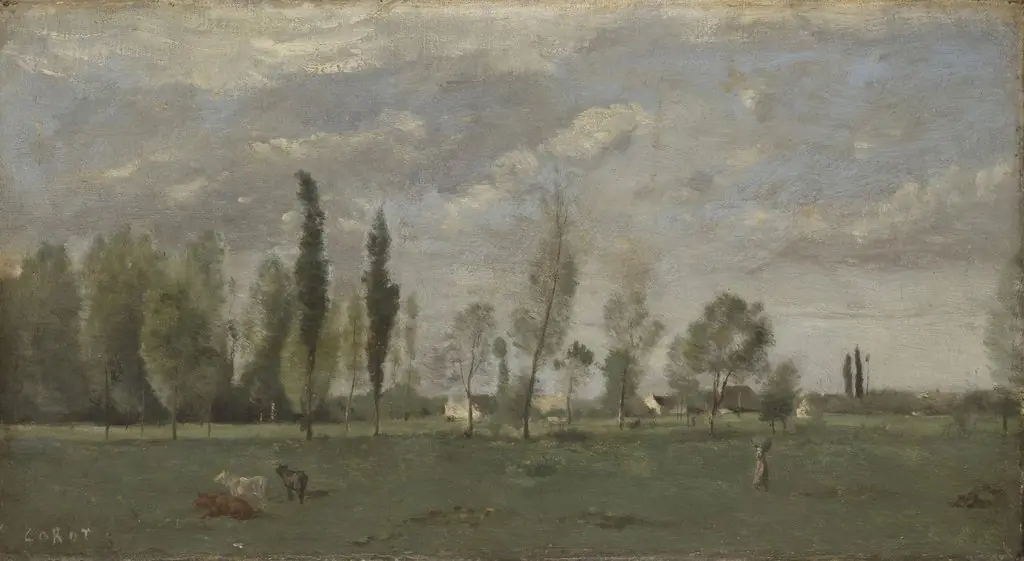 Fields of Saint-Ouen
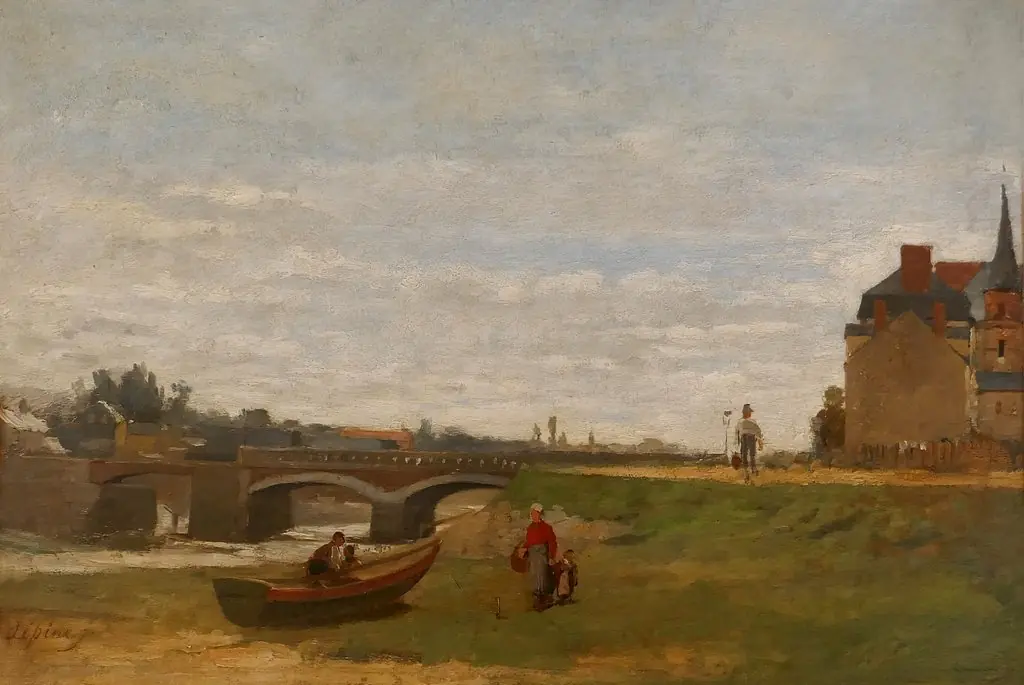 Landscape with a Bridge
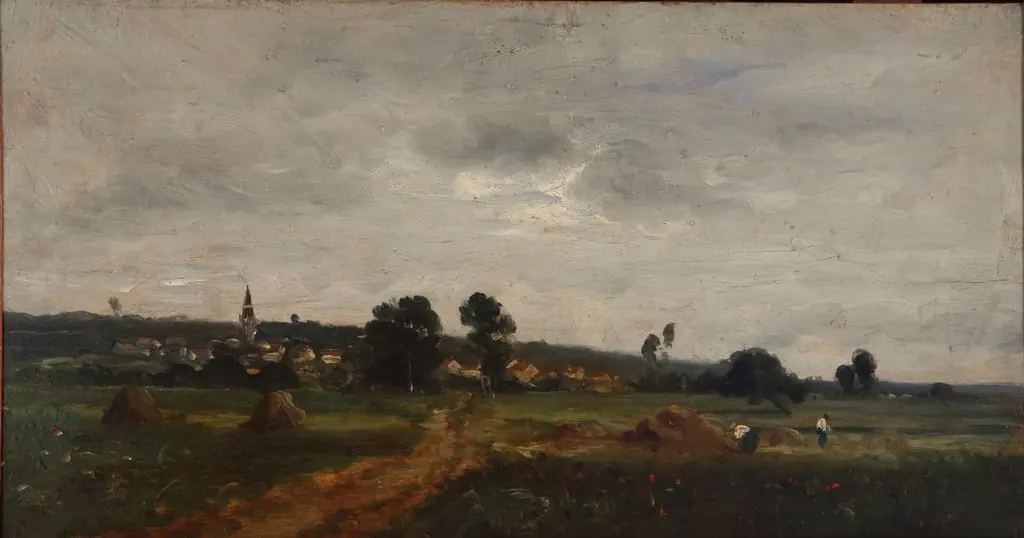 Landscape 2
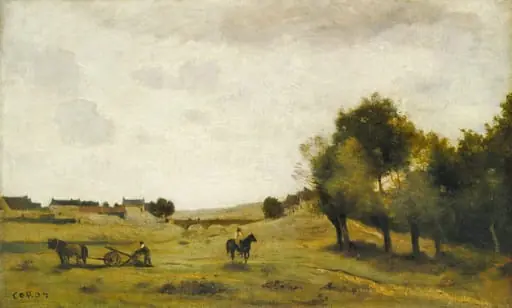 View near Epernon
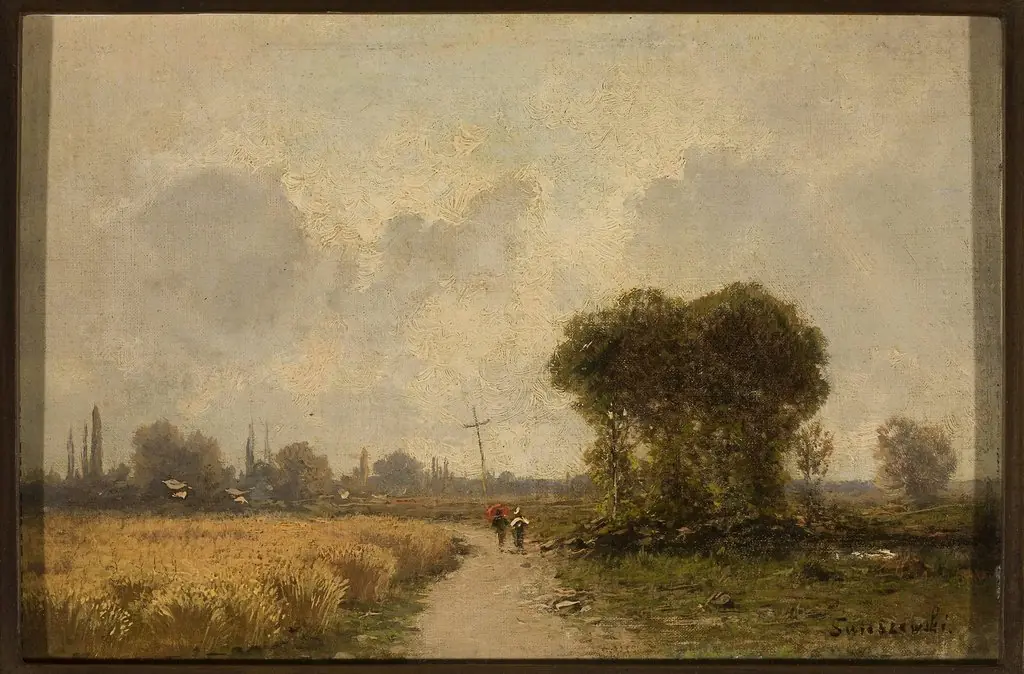 Landscape with a road
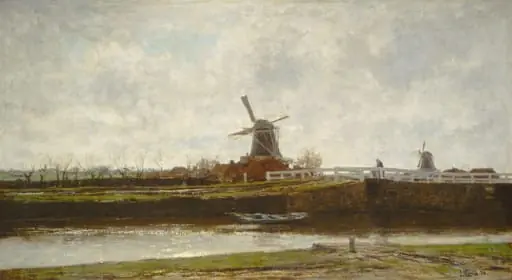 View of the Mill and Bridge on the Noordwest Buitensingel in The Hague
 Ville d'Avray
 Scheveningen