Artwork
Porträt der Marie-Antoinette
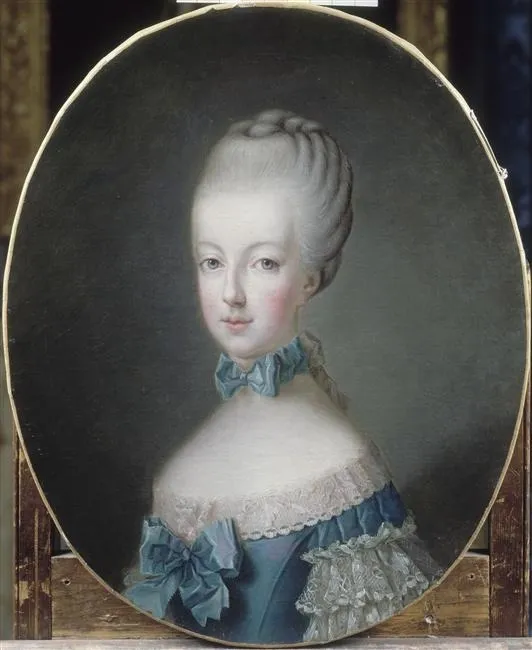
Porträt der Marie-Antoinette is an oil painting by the Rococo painting artist Jean-Baptiste Charpentier the Elder. It dates from 1770 and is held in the collection of the Palace of Versailles.
About this work
Overview
Executed in the Rococo tradition, the work belongs to the Palace of Versailles collection and exemplifies the court’s emphasis on refined, intimate portraiture.
Painted in 1770 by Jean-Baptiste Charpentier the Elder, this oil portrait captures Marie Antoinette shortly after her arrival in France as the Dauphine. Executed in the Rococo tradition, the work belongs to the Palace of Versailles collection and exemplifies the court’s emphasis on refined, intimate portraiture. Charpentier, a favored artist of the royal family, rendered her with subtle grace, aligning with the aesthetic values of the French monarchy at the time.
Subject & Meaning
The portrait presents Marie Antoinette as a young noblewoman in transition—newly married to the future Louis XVI, yet already a symbol of dynastic alliance. Her direct gaze and composed demeanor convey poise and dignity, qualities expected of a royal bride. The elaborate blue gown, adorned with lace and a prominent bow, signals her status and the fashion of the Viennese court, subtly bridging her Austrian origins with her new French role.
Technique & Style
Charpentier employed soft, delicate brushwork to emphasize texture and luminosity, particularly in the fabric of her dress and the fine strands of her hair. The dark, unmodeled background isolates the figure, heightening focus on her form and expression. The oval format, common in aristocratic portraiture, enhances the sense of intimacy. Subtle tonal transitions and restrained highlights reflect Rococo ideals of elegance without theatricality.
History & Provenance
Commissioned soon after Marie Antoinette’s marriage in 1770, the portrait was likely intended for display within royal residences to affirm her presence in the French court. It entered the Palace of Versailles collection early in its history and remained there through the Revolution, surviving the upheaval that destroyed many royal images. Its preservation reflects its status as an official likeness rather than a personal keepsake.
Context
Created during the height of Rococo influence in French court art, the portrait aligns with a broader trend of idealized royal imagery that prioritized grace over political statement. Charpentier’s style, influenced by earlier portraitists like Quentin de La Tour, catered to aristocratic tastes favoring softness and refinement. The painting reflects the cultural diplomacy of the Habsburg-Bourbon alliance, using visual language to soften political union with aesthetic harmony.
Legacy
Though less celebrated than later depictions of Marie Antoinette, this portrait remains a key early representation of her public image. It documents the visual conventions used to construct royal identity before the Revolution reshaped perceptions of monarchy. As one of the few surviving portraits from her early years in France, it offers insight into how the court sought to present its newest member with dignity and decorum.
Artist & collection
Artist
Jean-Baptiste Charpentier the Elder
Jean-Baptiste Charpentier the Elder (1728, Paris - 3 December 1806, Paris) was a French Rococo portrait painter, associated with the Royal Court.

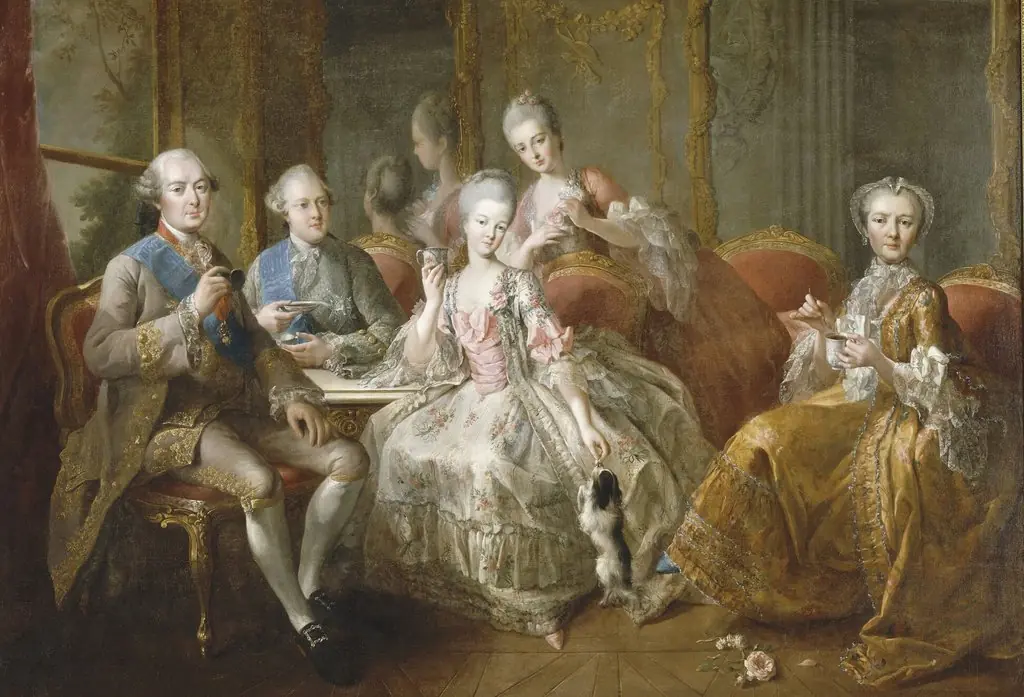
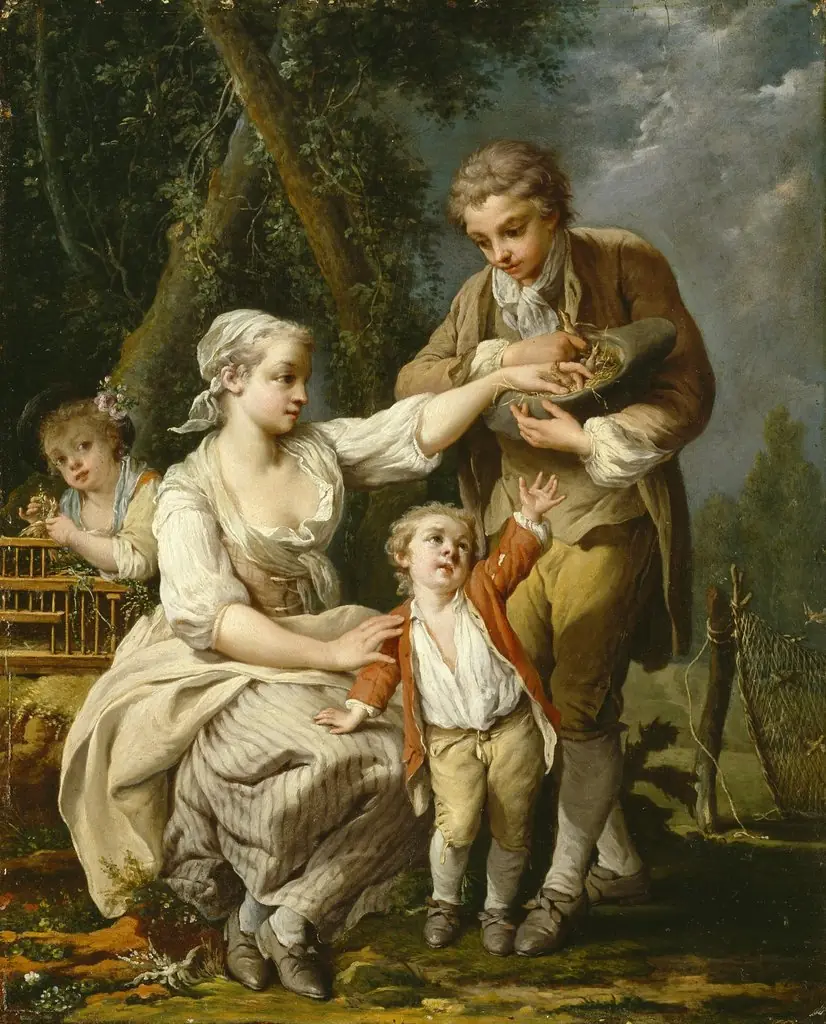
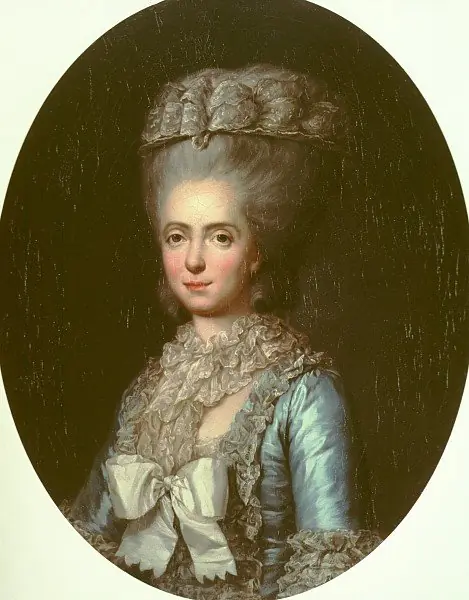 Sophie-Philippine-Elisabeth-Justine de France, dite Madame Sophie
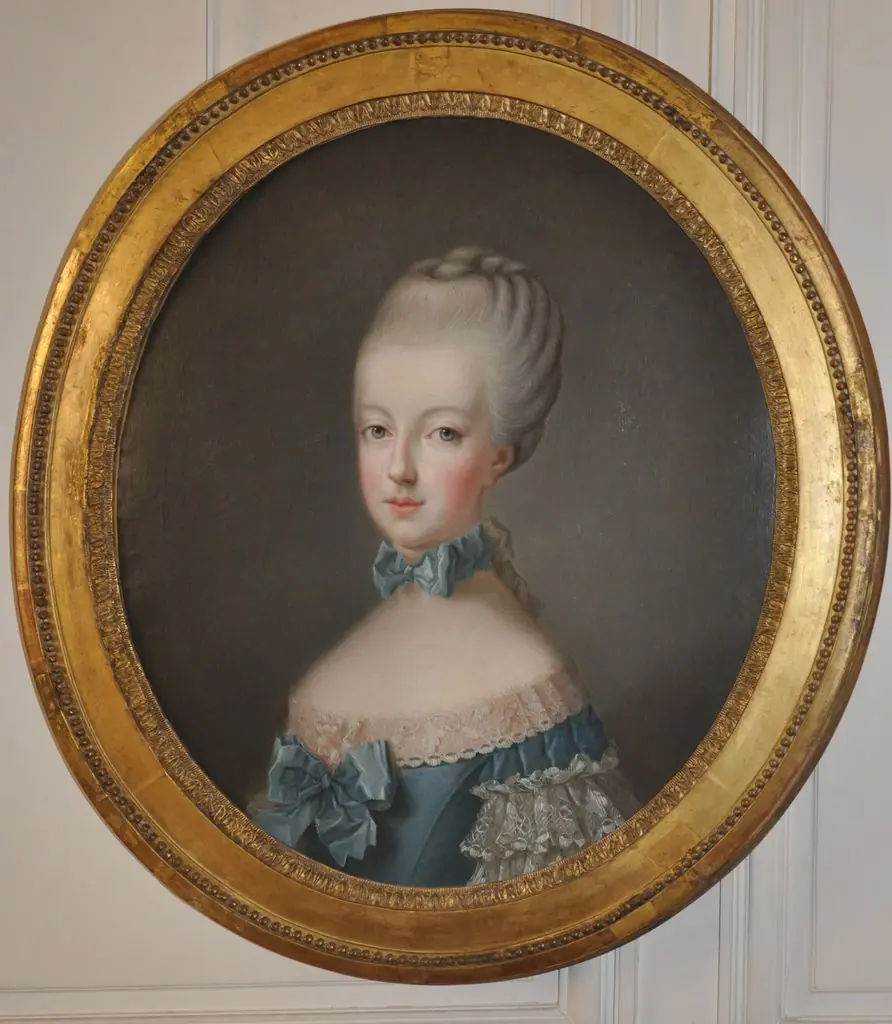
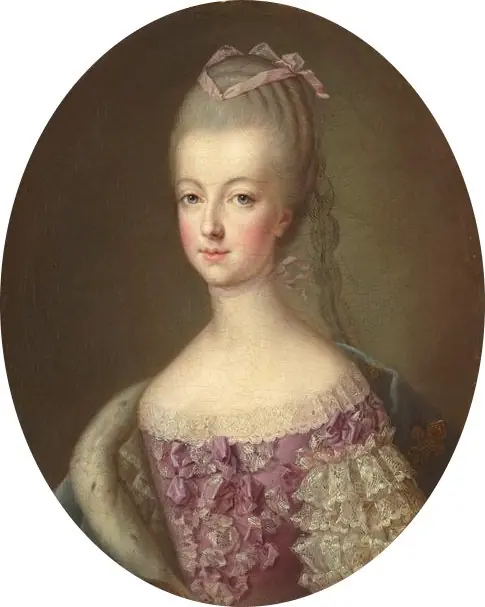 Marie Antoinette of Austria, Dauphine of France, ca. 1770
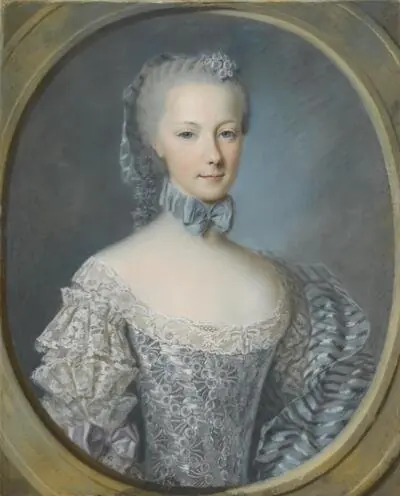 Archduchess Maria Elisabeth of Austria (1743–1808), daughter of Maria Theresa.
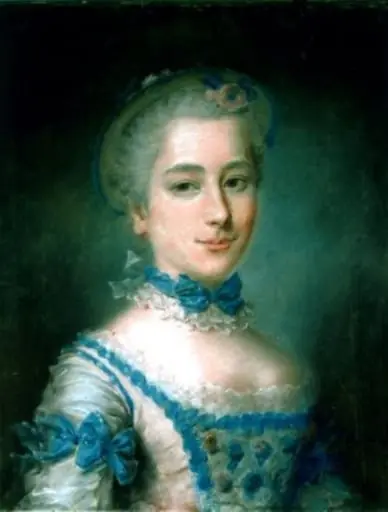 Portert de femeie
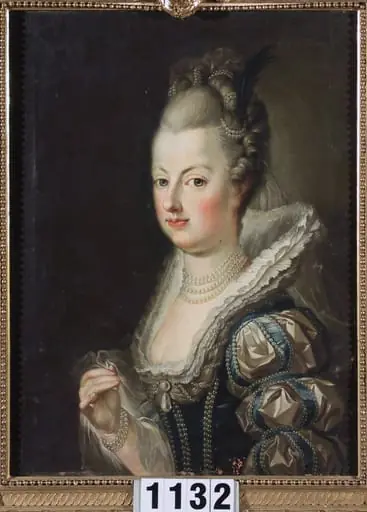 Maria Antoaneta, regina Franței
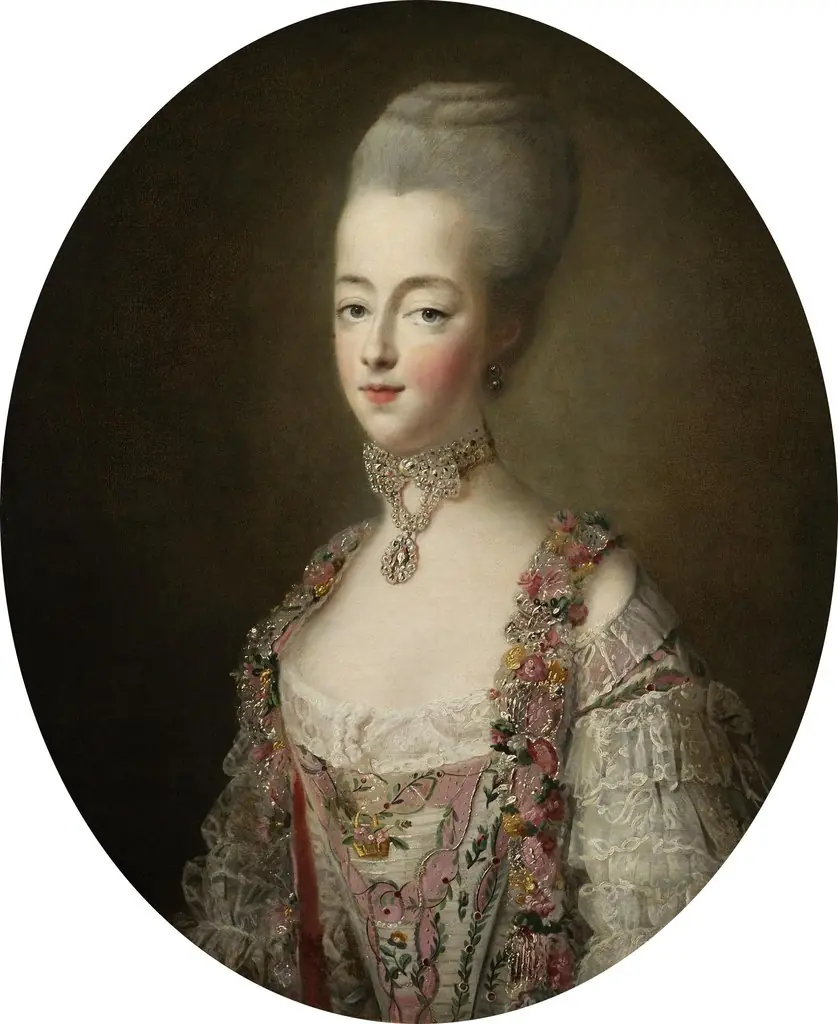 Marie Antoinette, Queen of France, in a court dress
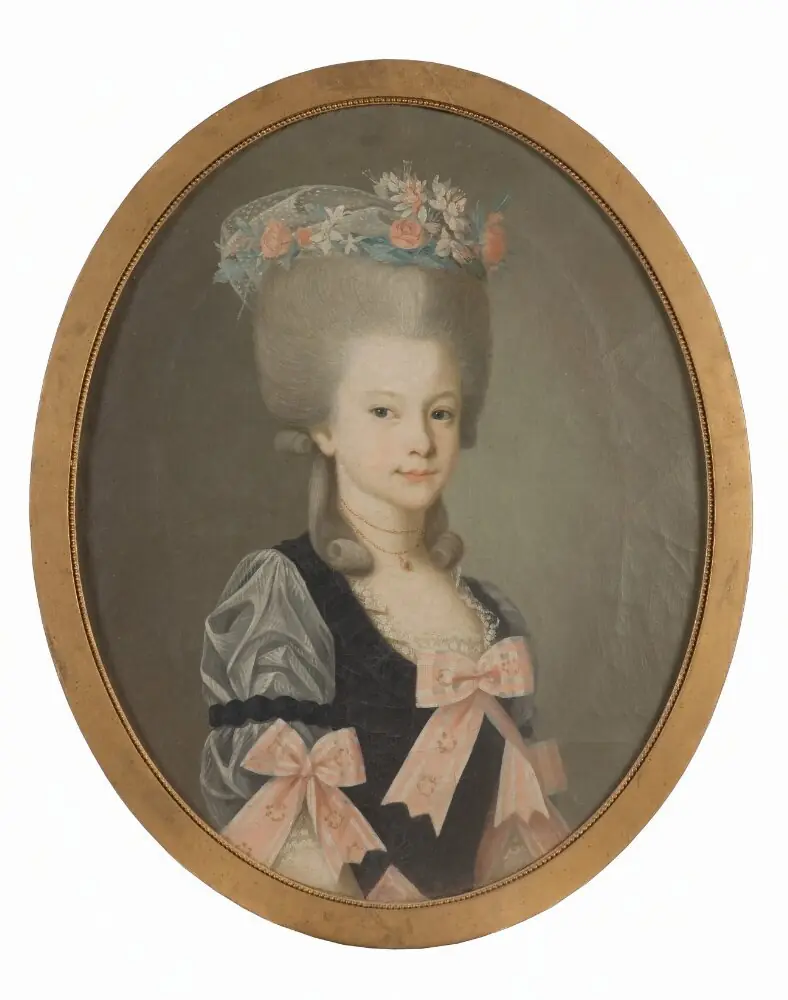 Brita Charlotta Wattrang (1775-1850), gift med friherre Otto Ludvig Benedikt Wrangel af Lindeberg
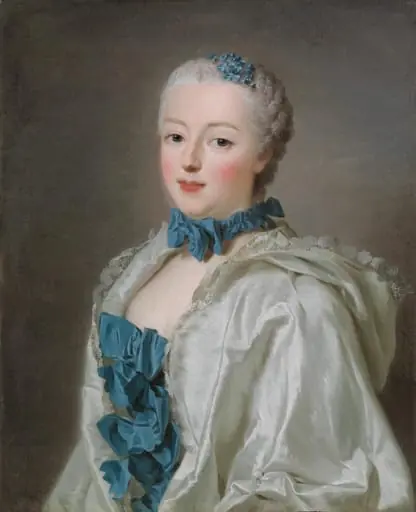 Françoise Marguerite de Sévigné, Grignanin kreivitär
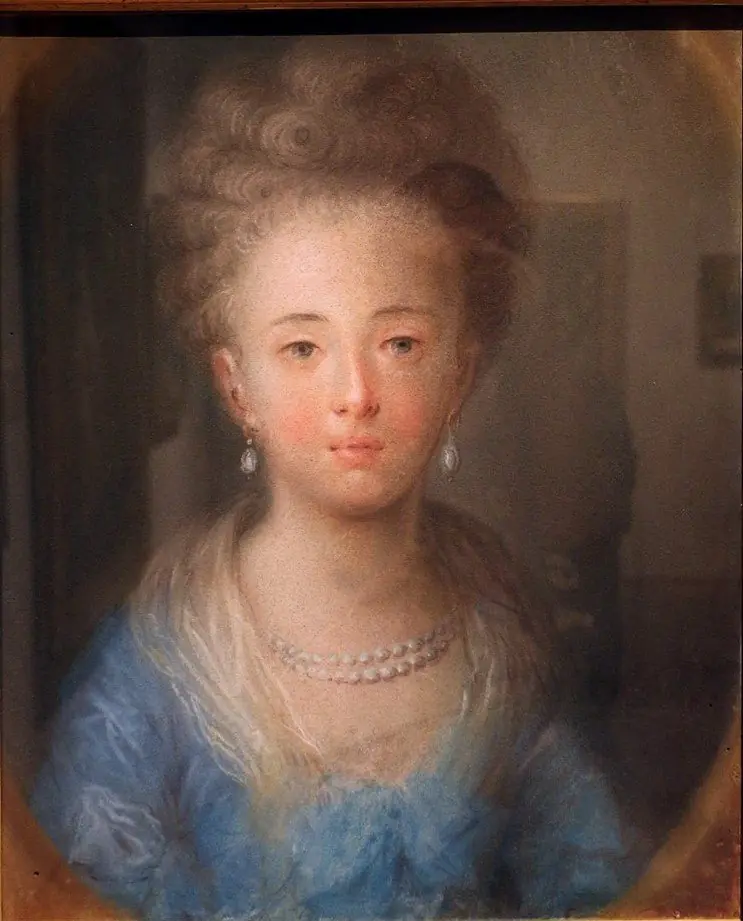 Portrait of a woman