Artwork
Maria Antoaneta, regina Franței
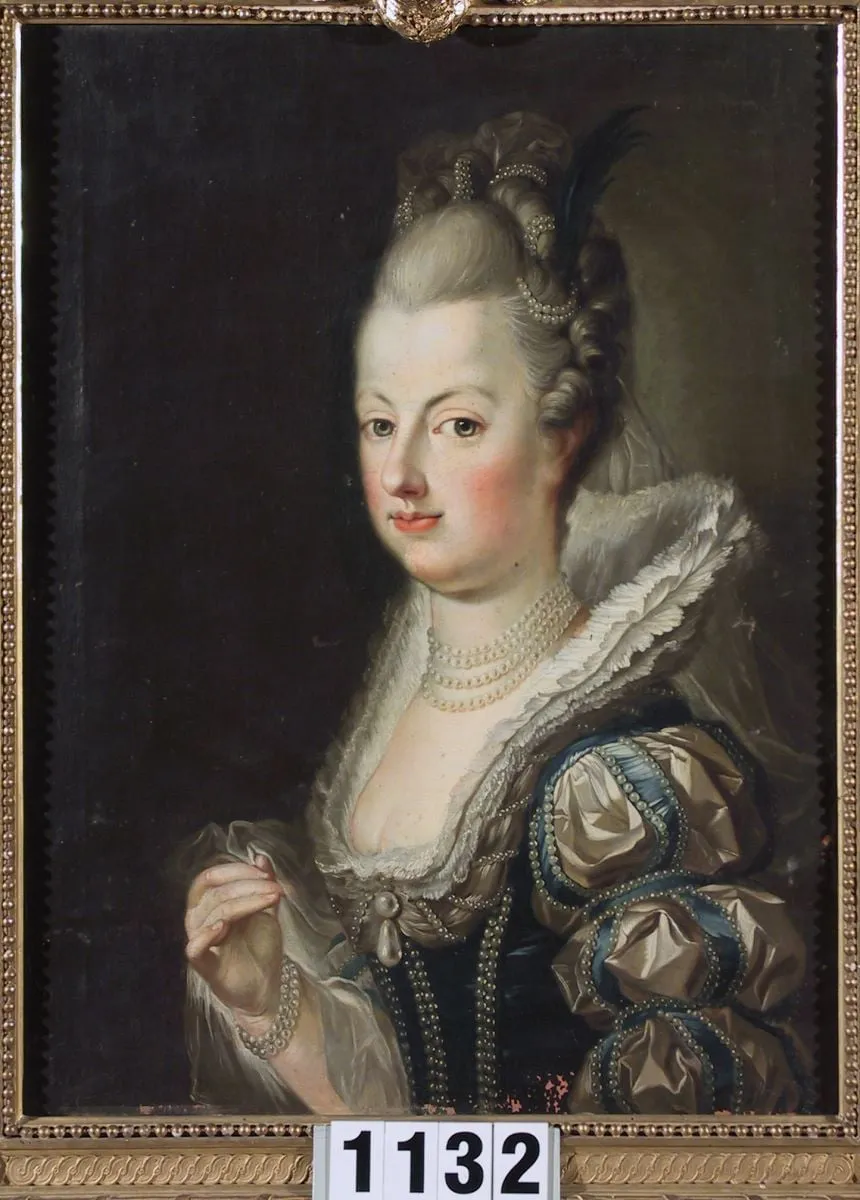
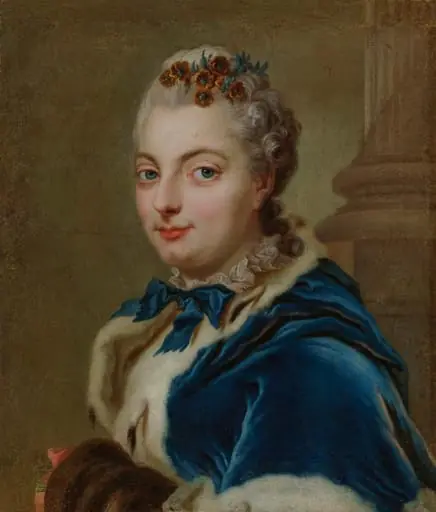
Maria Antoaneta, regina Franței is a print by the Baroque artist Johann Martin Stock. It is held in the collection of the Brukenthal National Museum. This portrait presents Maria Antoinette, Queen of France, in a formal setting characterized by quiet grandeur.
About this work
Overview
Rendered with meticulous attention to texture and light, the image emphasizes her status through luxurious fabrics and jewelry.
This portrait presents Maria Antoinette, Queen of France, in a formal setting characterized by quiet grandeur. Rendered with meticulous attention to texture and light, the image emphasizes her status through luxurious fabrics and jewelry. The dark background isolates her figure, while a soft, directional light enhances the three-dimensionality of her features and attire, reinforcing a sense of dignified presence.
Subject & Meaning
The portrait captures Maria Antoinette in a moment of composed serenity, her slight smile suggesting poise rather than emotion. Her elaborate pearl adornments and feathered headdress signify royal status, while the fabric she holds may allude to her role as a patron of fashion or the transient nature of courtly elegance. The restrained expression avoids overt sentiment, aligning with the expected decorum of monarchy.
Technique & Style
The artist employs chiaroscuro to model the queen’s form with subtle gradations of light and shadow, lending volume and realism to her skin, lace, and pearls. Fine brushwork renders the intricate details of her attire, from the weave of fabric to the individual pearls. The composition is tightly focused, eliminating distraction and directing attention to the face and upper torso, a hallmark of formal portraiture of the period.
History & Provenance
The portrait was likely commissioned during Maria Antoinette’s tenure as queen, possibly to reinforce her public image amid growing political tensions. Its survival through the Revolution suggests it was preserved by loyalists or acquired privately. Exact origins remain undocumented, but its style aligns with French court painters active in the 1770s and 1780s.
Context
Created during the final decades of the French monarchy, the portrait reflects the opulence of Versailles culture, where appearance was deeply tied to political authority. While the queen was often criticized for extravagance, such images were intended to project stability and refinement. The work exists within a tradition of royal portraiture designed to convey legitimacy and grace under pressure.
Legacy
Though not widely exhibited today, the portrait contributes to the visual record of Marie Antoinette’s public persona. It stands as a quiet counterpoint to the more sensationalized depictions of her later life, offering a glimpse into the carefully constructed image of royalty before the upheavals of revolution reshaped her legacy.
Artist & collection
Artist
A late-18th-century Austrian painter, Johann Martin Stock made bold, folksy portraits and still lifes in oils, plus a few prints.

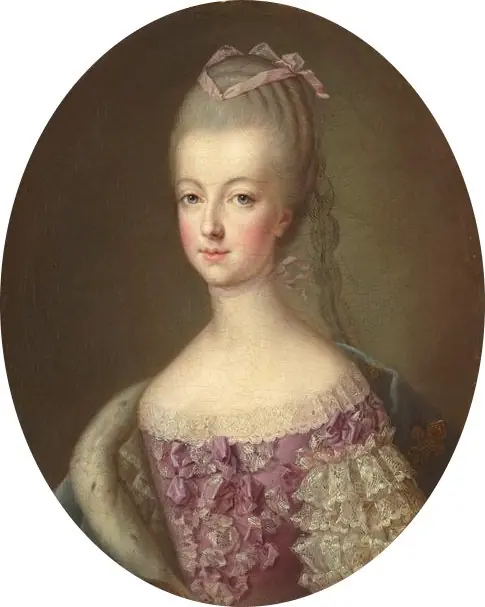 Marie Antoinette of Austria, Dauphine of France, ca. 1770
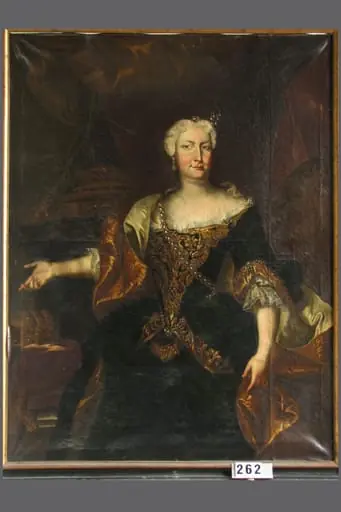 Împărăteasa Elisabetha Christina ; în registrul inventar: Prințesă necunoscută
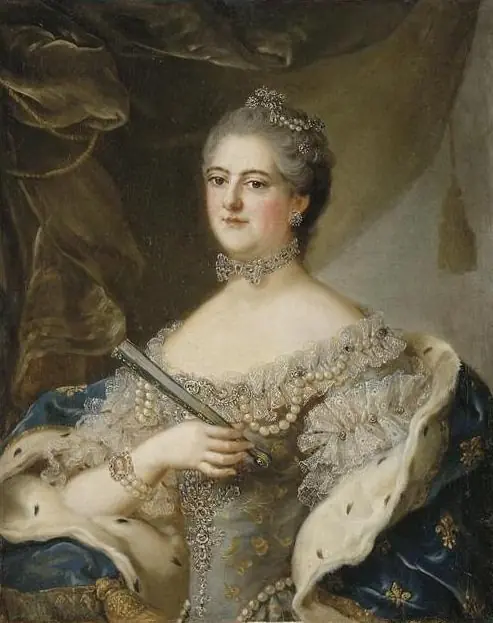 Élisabeth-Alexandrine de Bourbon, Mademoiselle de Sens (1705–1765)
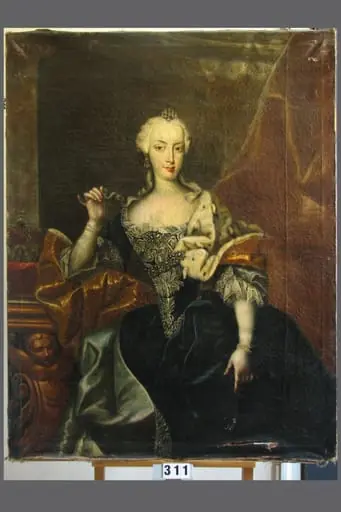 Maria Theresia, arhiducesă de Austria ; în registrul inventar: Prințesă în haină albastră
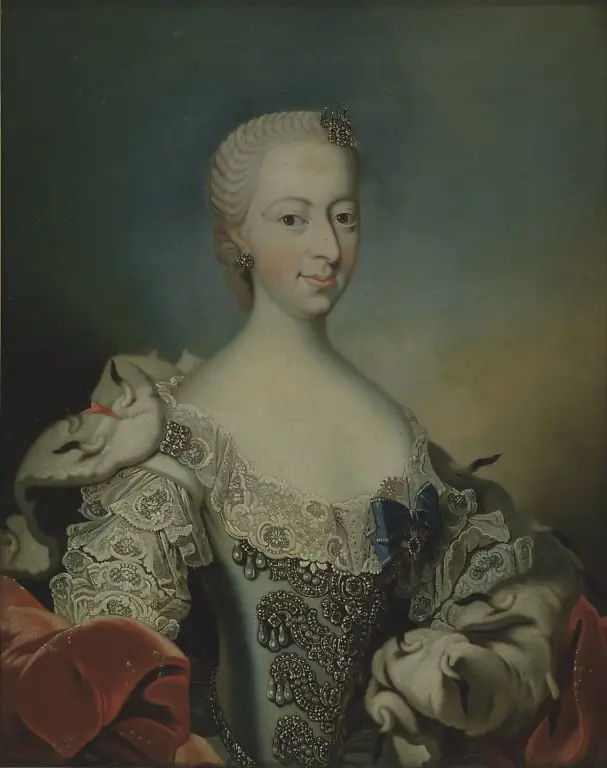 Juliane Marie, Frederik V's anden dronning
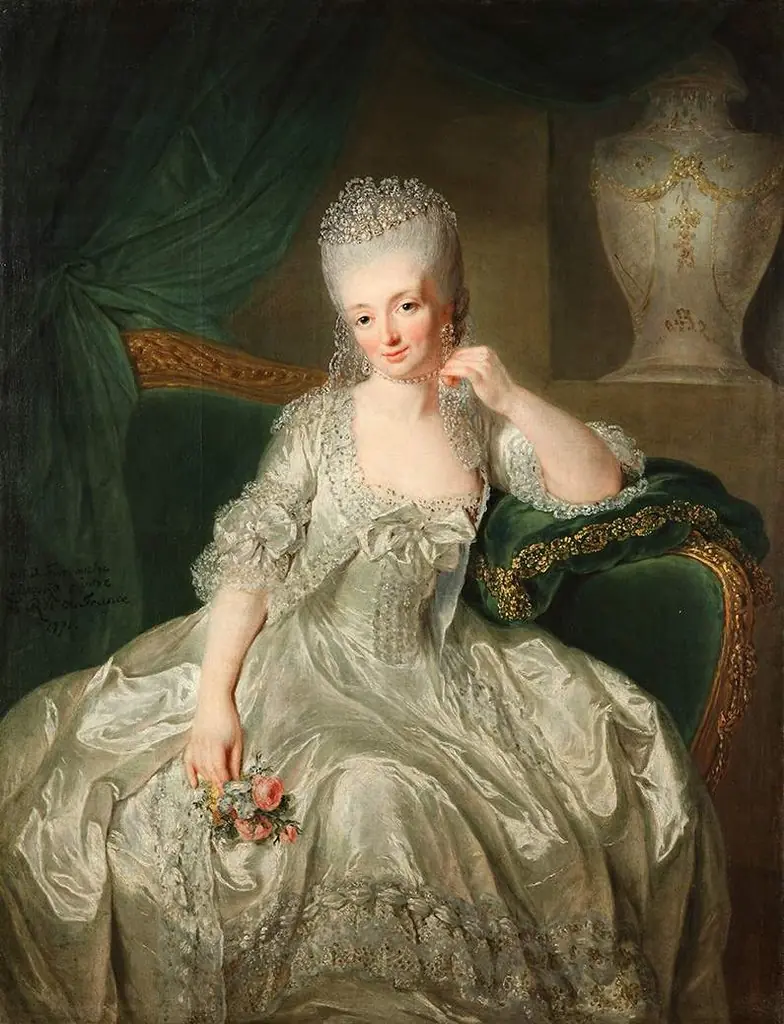 Bildnis Amalie Prinzessin von Preußen (1723-1787)
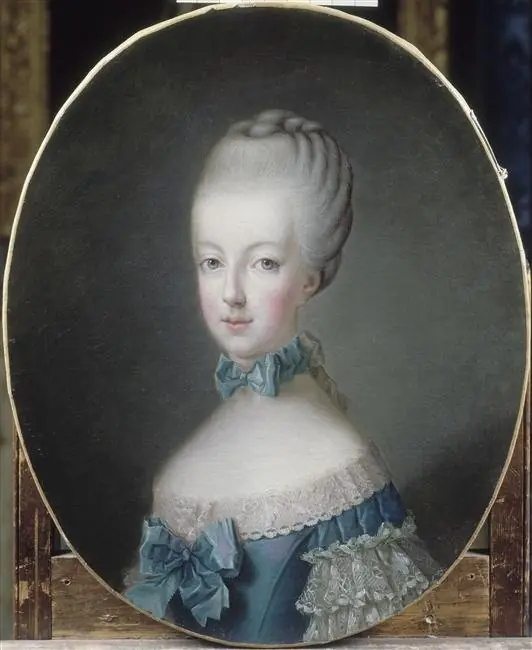 Porträt der Marie-Antoinette
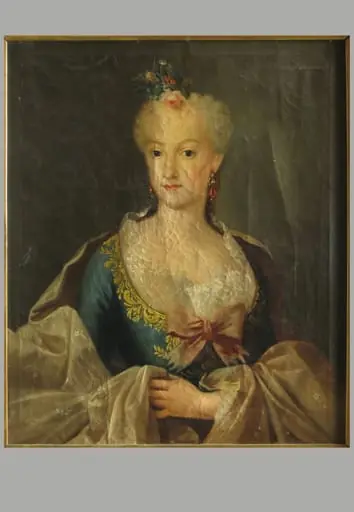 Doamnă în haină rococo
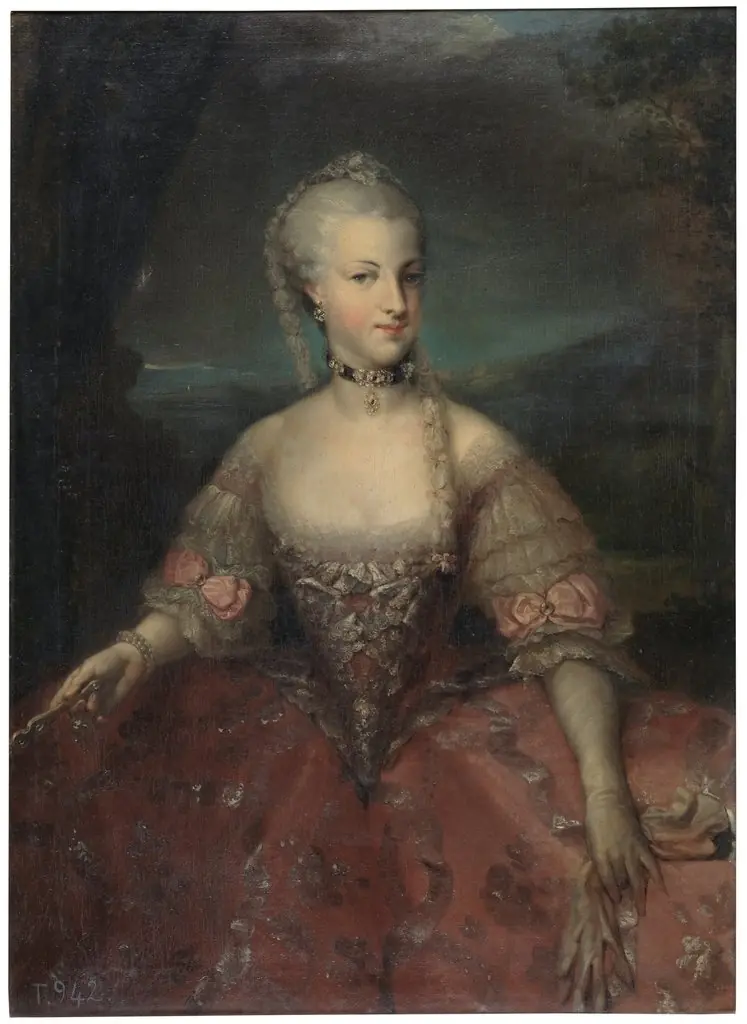 Maria Carolina of Habsburg-Lorraine, Queen of Naples
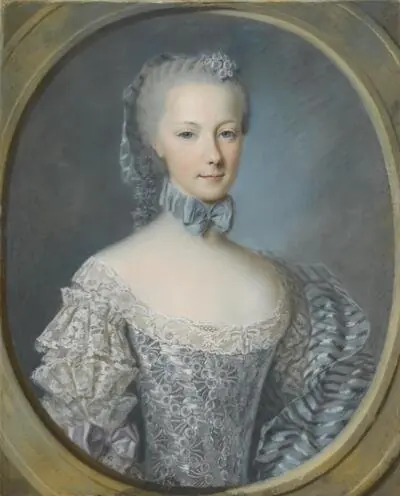 Archduchess Maria Elisabeth of Austria (1743–1808), daughter of Maria Theresa.
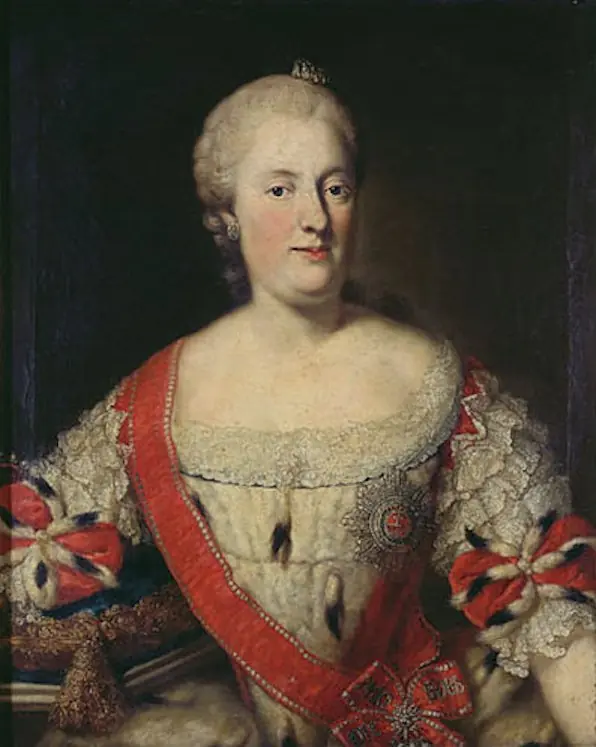 Bildnis der Maria Anna, Gemahlin des Kurfürsten Max III. Joseph von Bayern (Werkstatt)
 Maria Charlotta Wrangel