Artwork
A Pastoral
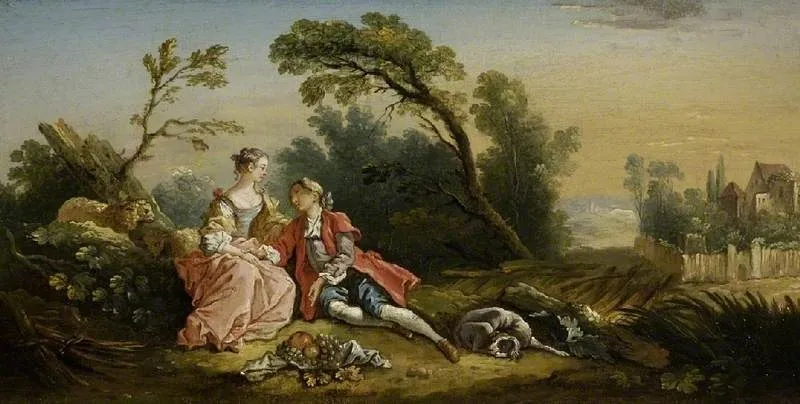
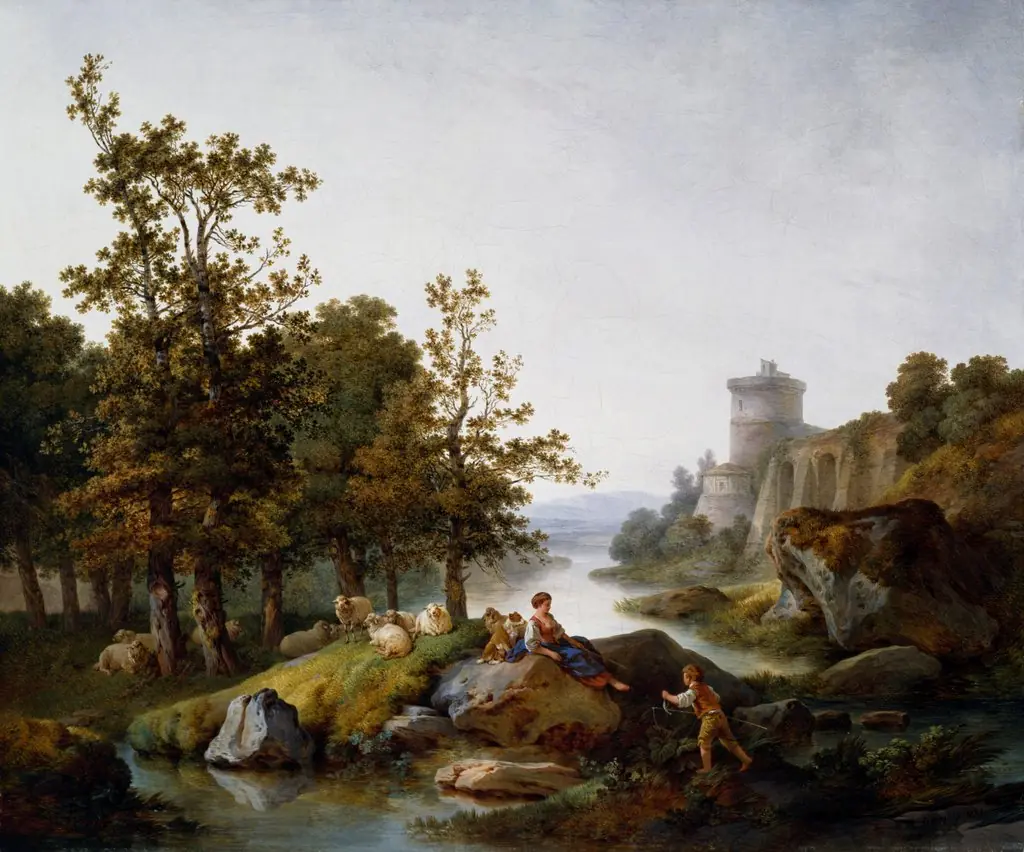
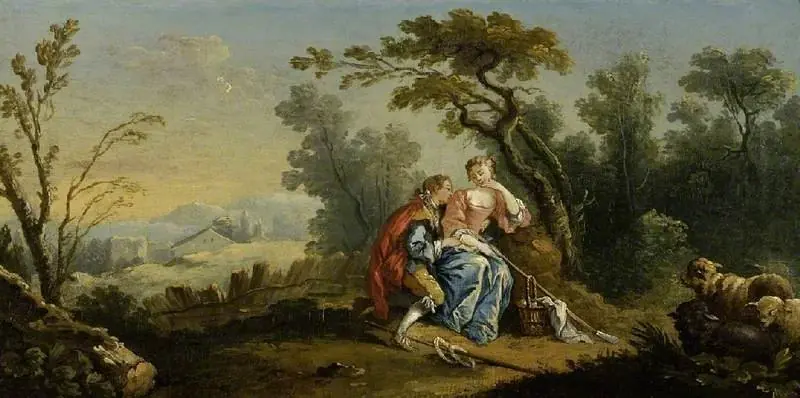
A Pastoral is an oil painting by Jean-Baptiste Huet. It dates from 1788 and is held in the collection of the Fitzwilliam Museum.
About this work
Overview
Jean-Baptiste Huet created *A Pastoral* circa 1788 using oil paint, reflecting his lifelong focus on rural life and animal subjects.
Jean-Baptiste Huet created *A Pastoral* circa 1788 using oil paint, reflecting his lifelong focus on rural life and animal subjects. Born in Paris in 1745, he trained under Charles Dagomer and developed a practice that blended painting, engraving, and design. His work, rooted in the Rococo tradition, often depicted tranquil domestic moments in natural settings. This piece resides in the Fitzwilliam Museum’s collection, part of a broader body of work that captured the quiet rhythms of 18th-century French countryside life.
Subject & Meaning
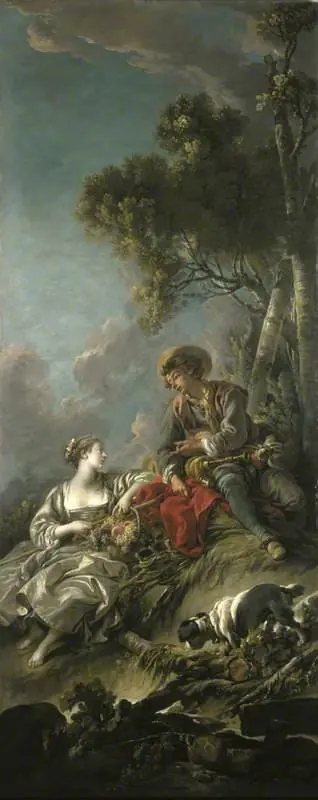
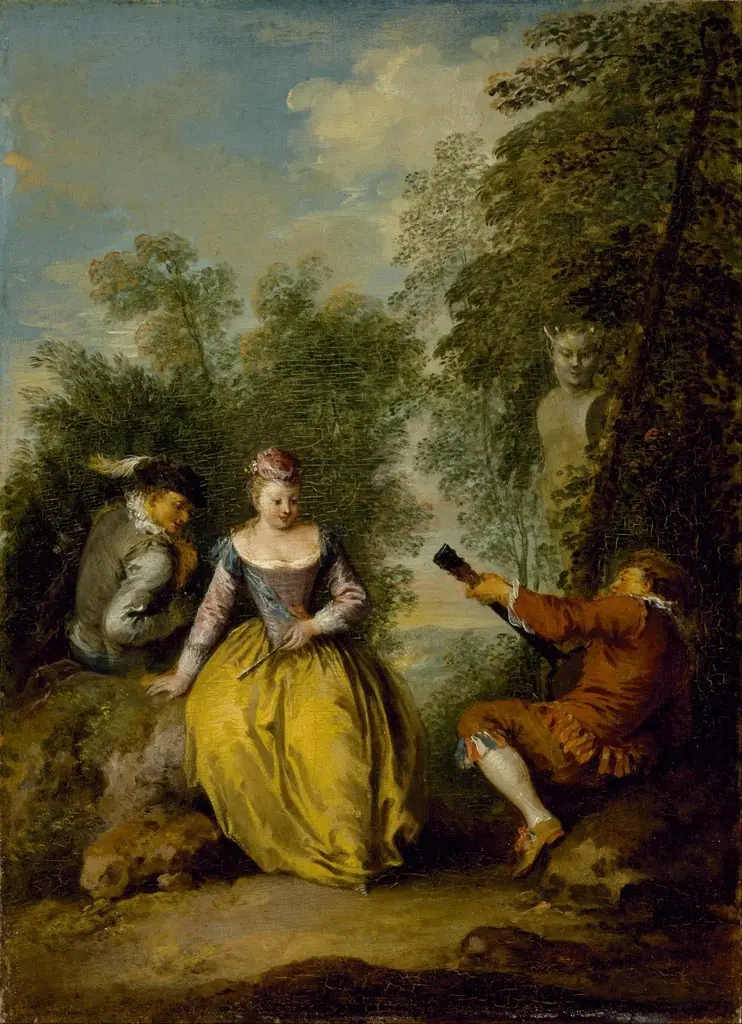
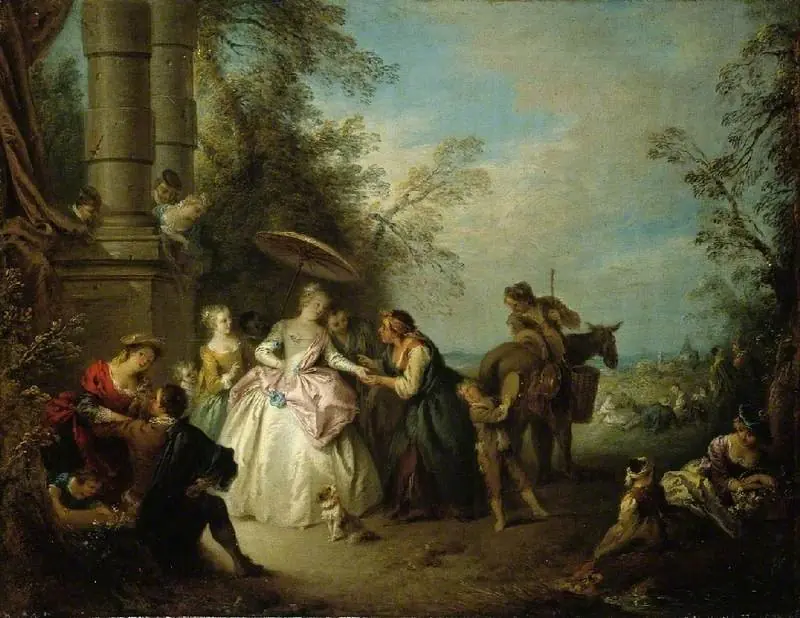
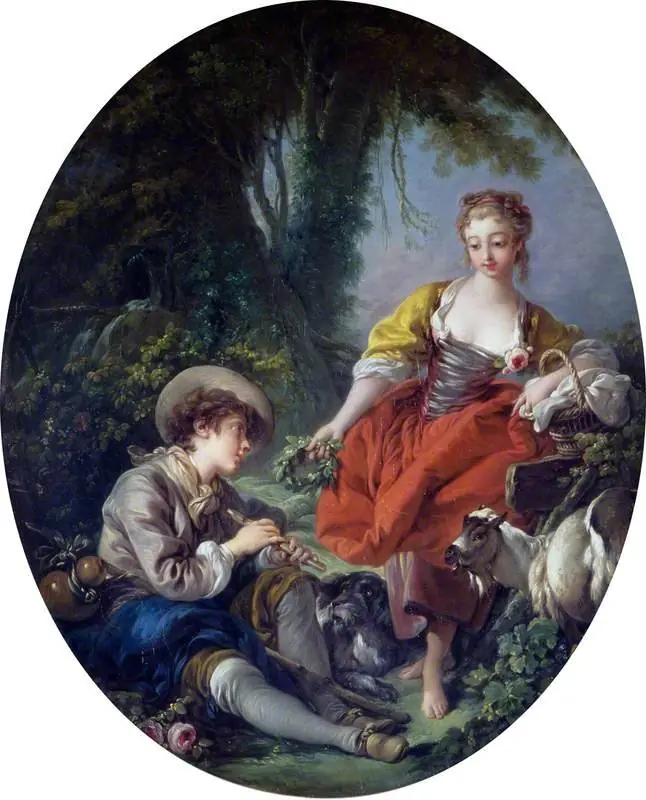
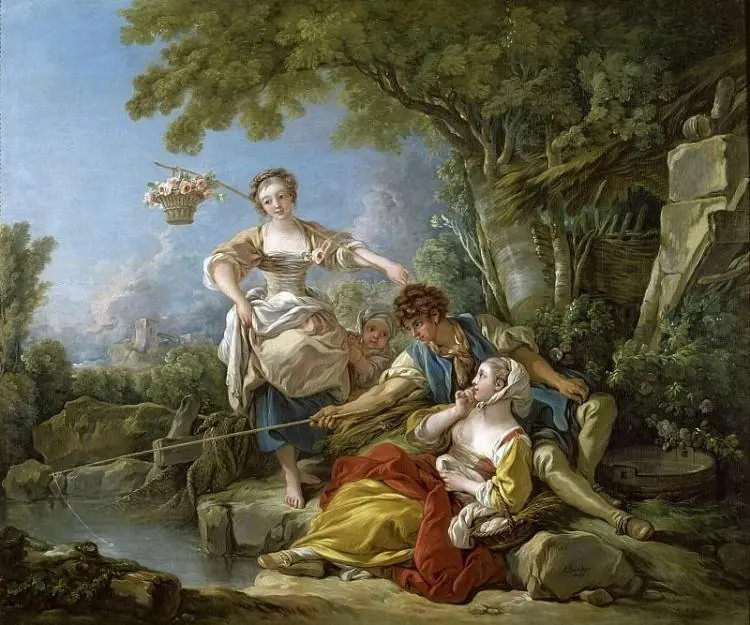
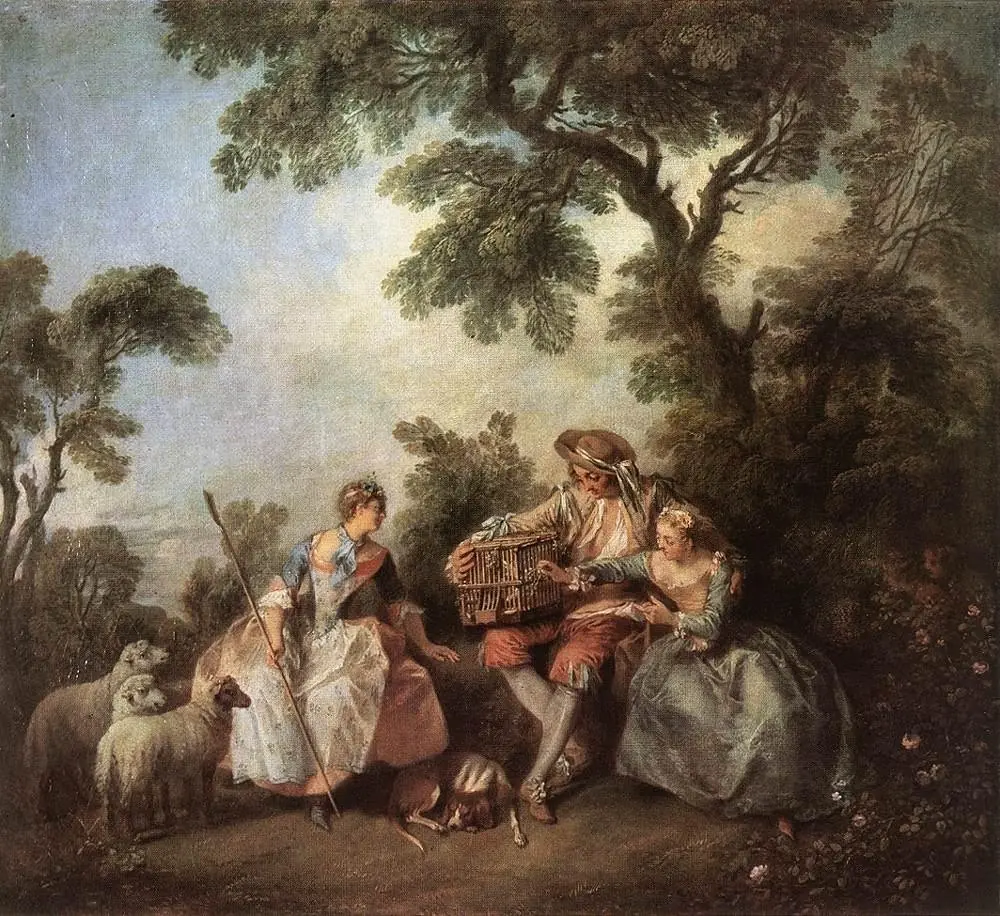
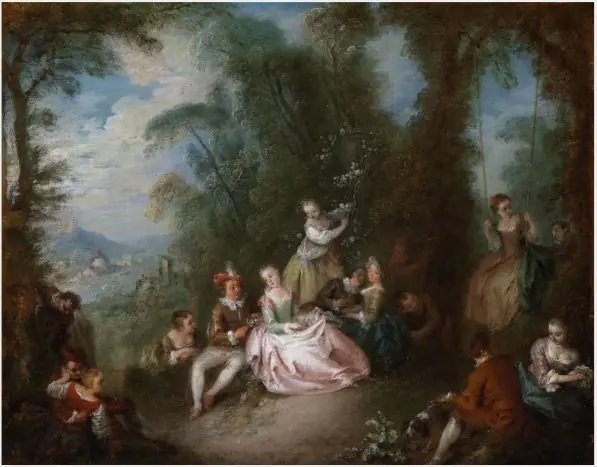
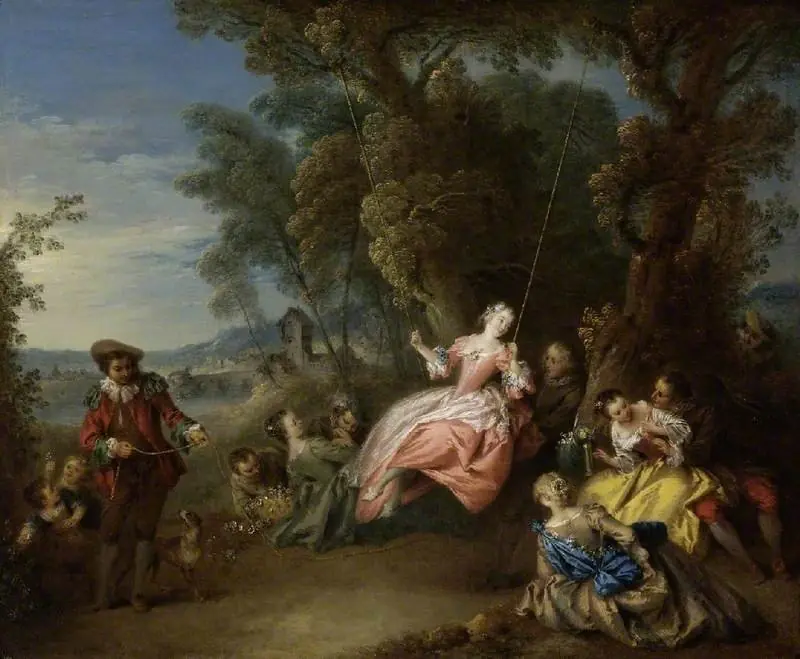
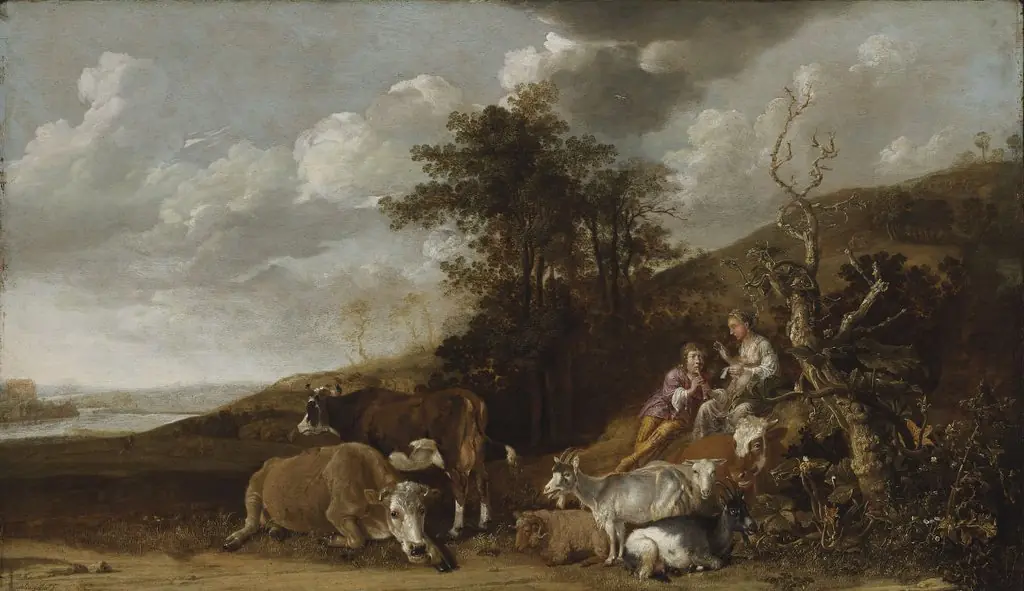
The painting portrays a seated couple in a gently wooded landscape, their relaxed posture suggesting intimacy and repose. The woman, in a soft pink gown, and the man, in a red coat and blue trousers, are framed by dense foliage and distant architecture, evoking a harmonious retreat from urban life. Objects scattered nearby—perhaps tools or household items—hint at domestic routine without disrupting the calm. The scene avoids narrative drama, instead emphasizing stillness and the quiet dignity of rural existence.
Technique & Style
Huet employed oil paint with subtle glazing to achieve soft transitions of light and texture, particularly in the foliage and fabric. The brushwork is delicate yet precise, capturing the sheen of silk and the dappled shadows beneath trees. His style, influenced by François Boucher, favors gentle curves and muted tones over bold contrasts. The composition is balanced but informal, with figures placed naturally within the landscape rather than staged, reinforcing the scene’s unforced serenity.
History & Provenance
Huet, from a family of artists, established himself in Parisian artistic circles through his skill in depicting animals and rural scenes. *A Pastoral* was likely painted during the later phase of his career, after he had gained recognition for his decorative designs and genre works. The painting entered the Fitzwilliam Museum’s collection through documented acquisitions in the 19th or early 20th century, preserving its provenance within institutional records.
Context
Created near the end of the Ancien Régime, the painting reflects a lingering Rococo sensibility even as Neoclassicism gained prominence. While contemporaries turned to political or heroic themes, Huet continued to celebrate pastoral ideals, offering viewers an escape into idealized nature. His work resonated with collectors who valued domestic tranquility and refined aesthetics, aligning with broader aristocratic tastes before the Revolution reshaped artistic patronage.
Legacy
Huet’s contributions extended beyond painting into textile and decorative arts, influencing design across media. Though less celebrated today than his peers, his careful observations of rural life and animal behavior remain notable for their quiet authenticity. *A Pastoral* exemplifies his ability to elevate everyday moments into enduring visual poetry, preserving a gentle vision of 18th-century French life.
Artist & collection
Artist
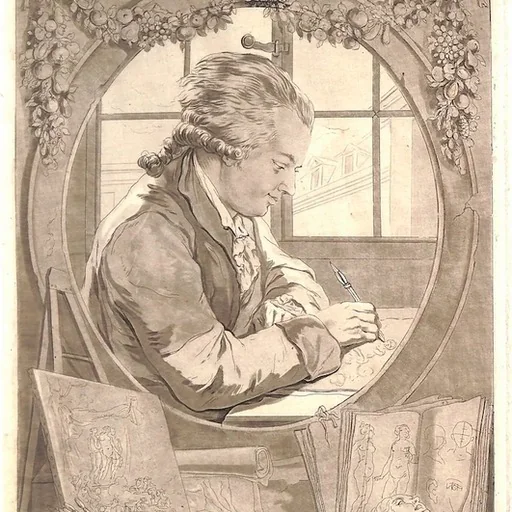
Jean-Baptiste Marie Huet (French pronunciation: ; Paris, 15 October 1745 – Paris, 27 January 1811) was a French painter, engraver and designer associated with pastoral and genre scenes of animals in the Rococo manner, influenced by…