Artwork
A Pastoral
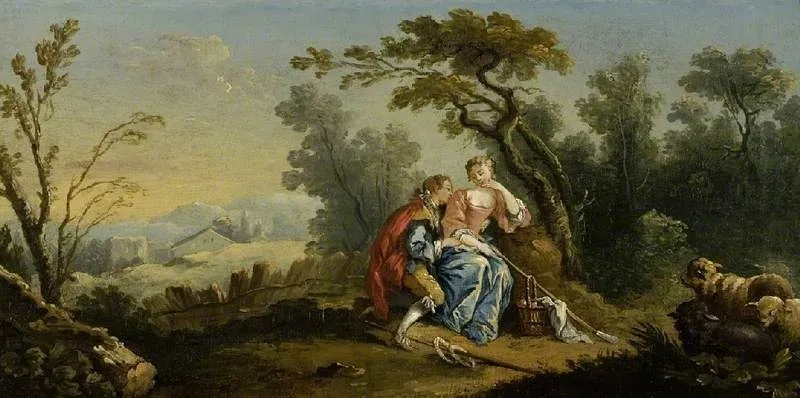
A Pastoral is an oil painting by Jean-Baptiste Huet. It dates from 1788 and is held in the collection of the Fitzwilliam Museum. Created circa 1788, this oil painting presents a calm countryside tableau.
About this work
Overview
Created circa 1788, this oil painting presents a calm countryside tableau. A woman in a pink blouse and blue skirt rests upon a stone, while a man in a red cape and matching blue garments stands nearby, grasping a staff. A sheep and a dog occupy the foreground, and the distant scenery includes trees, a house and low mountains, all contributing to a tranquil, harmonious atmosphere.
Subject & Meaning
The composition juxtaposes human figures with domesticated animals, emphasizing an idealized relationship between people and nature. The gentle interaction of the seated woman, the standing gentleman, and the attentive dog and sheep suggests a peaceful, bucolic lifestyle, reflecting the 18th‑century fascination with pastoral simplicity and the moral virtue associated with rural life.
Technique & Style
Executed in oil on canvas, the work employs a soft, luminous palette characteristic of late Rococo sensibilities. Delicate modeling of light and shade creates a subtle chiaroscuro that gives volume to the figures and animals, while the fine brushwork renders foliage and distant landscape with decorative elegance, echoing the influence of François Boucher’s graceful aesthetic.
History & Provenance
The painting is attributed to Jean‑Baptiste Huet, an artist known for genre and animal scenes who trained under Charles Dagomer. Coming from a family of painters, Huet’s output reflects the decorative trends of his era. The canvas entered the collection of the Fitzwilliam Museum, where it remains on display as part of the institution’s 18th‑century European holdings.
Artist & collection
Artist
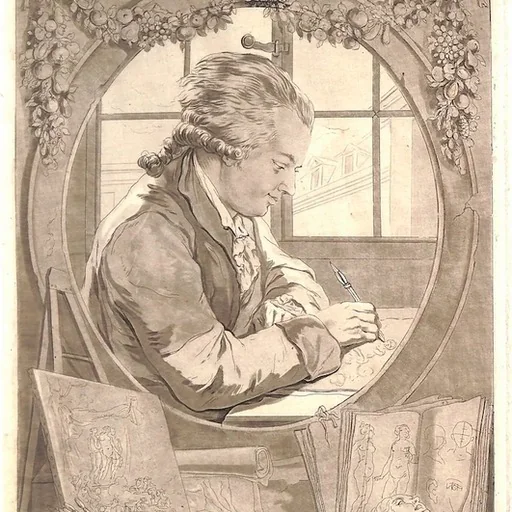
Jean-Baptiste Marie Huet (French pronunciation: ; Paris, 15 October 1745 – Paris, 27 January 1811) was a French painter, engraver and designer associated with pastoral and genre scenes of animals in the Rococo manner, influenced by…

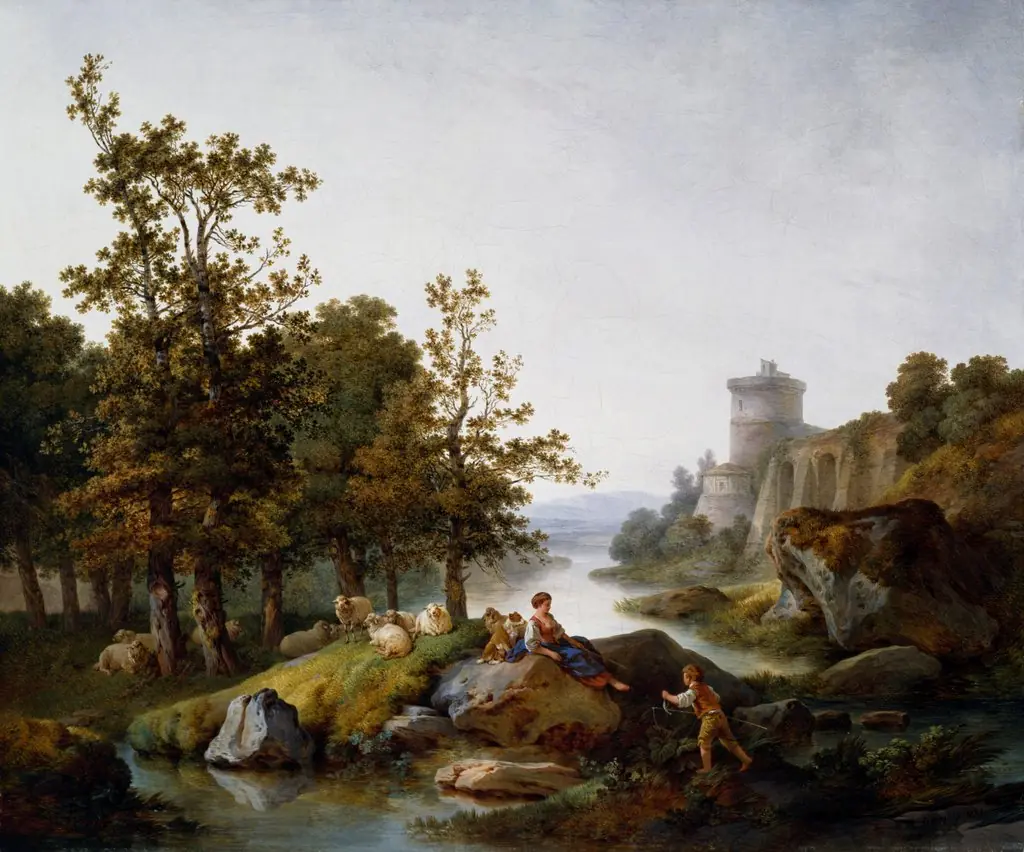
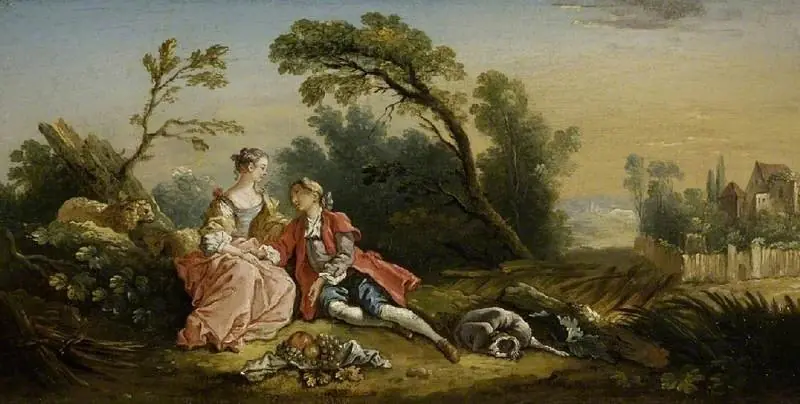
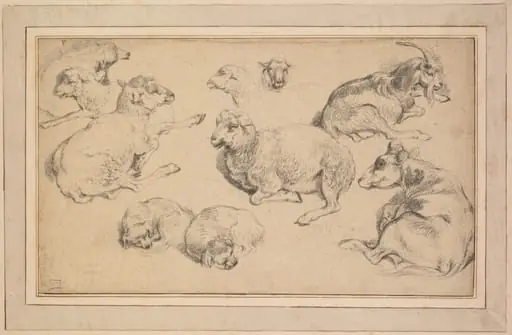
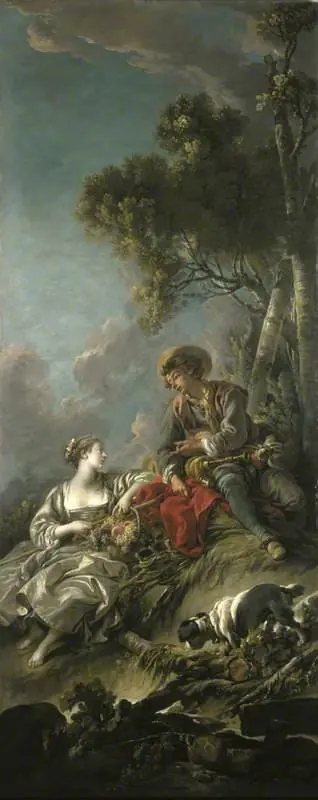 A Pastoral Scene ('L'Aimable Pastorale')
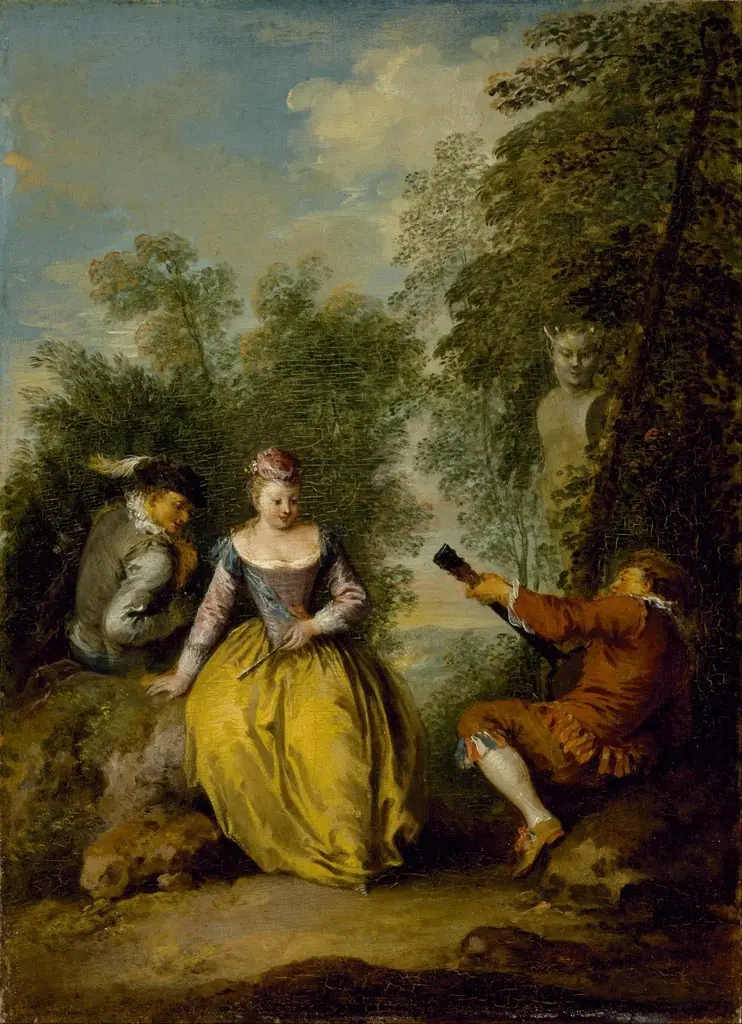 A Pastoral Concert
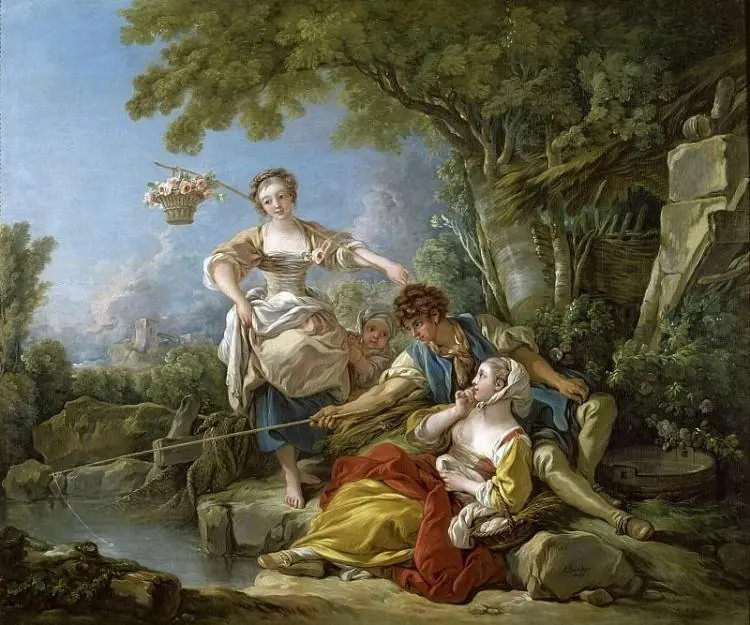 Fishing
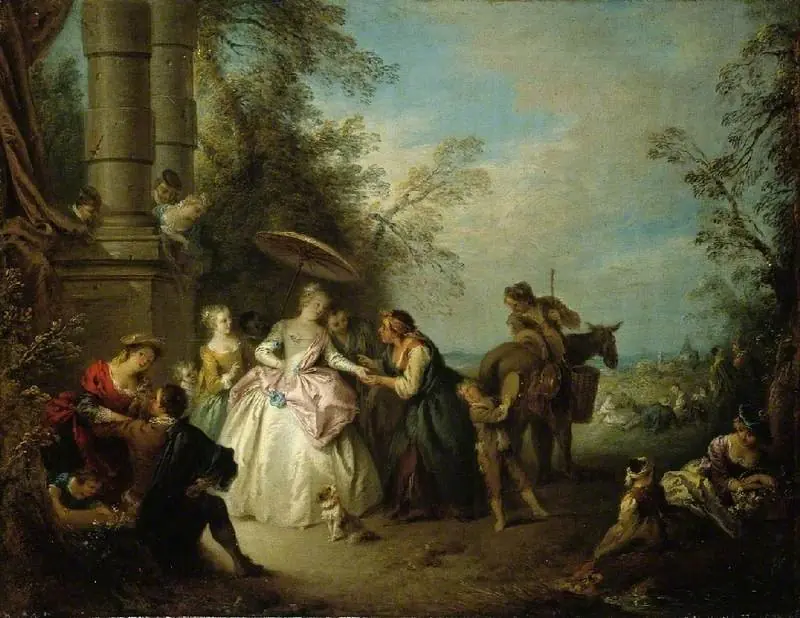 La Bonne Aventure
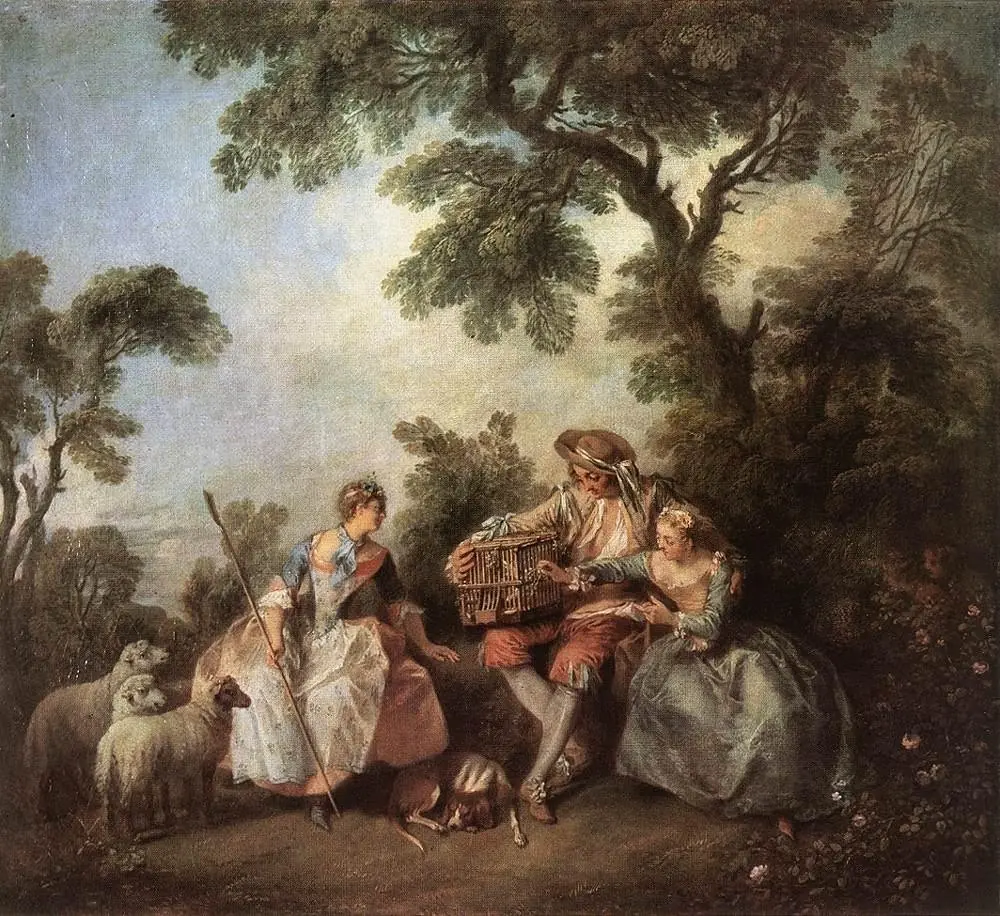 The Bird Cage
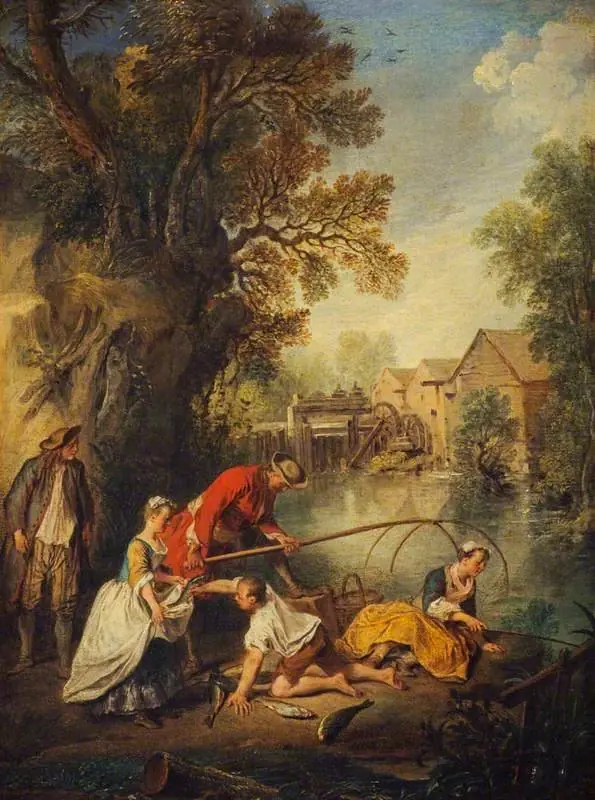 The Watering Party (L'eau)
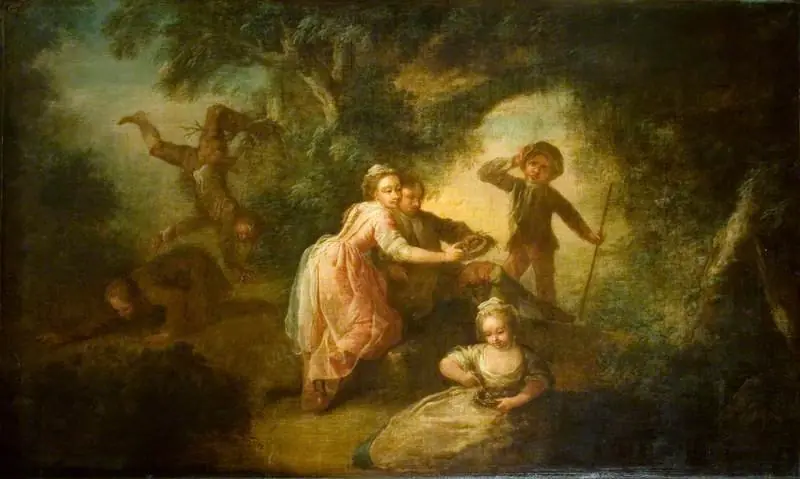 Bird-Nesting (decorative painting for a supper-box at Vauxhall Gardens, London)
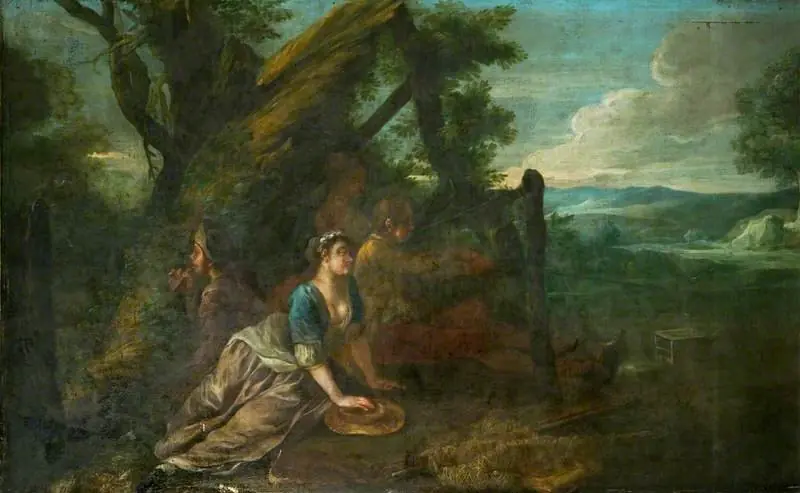 Bird-Catching by a Decoy with a Whistle and a Net (decorative painting for a supper-box at Vauxhall Gardens, London)
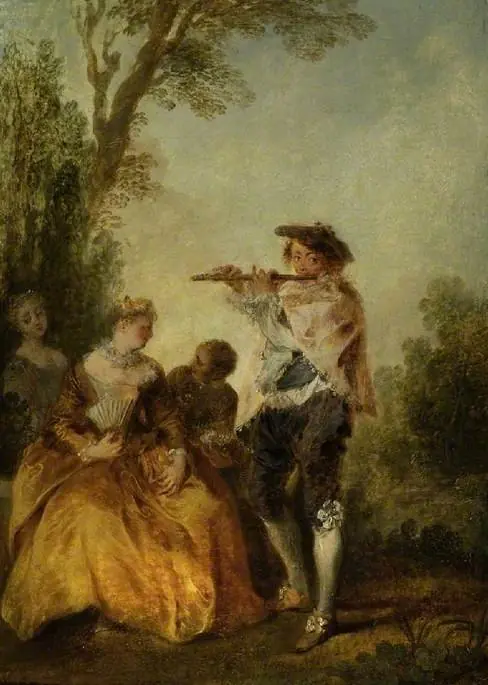 Par une tendre chansonette...
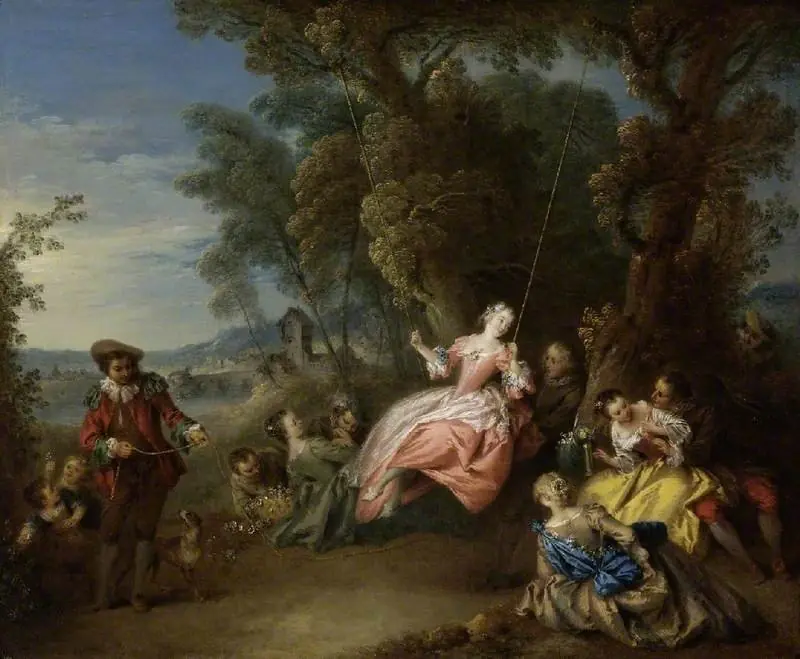 La Balançoire