Artwork
The Rape of Europa
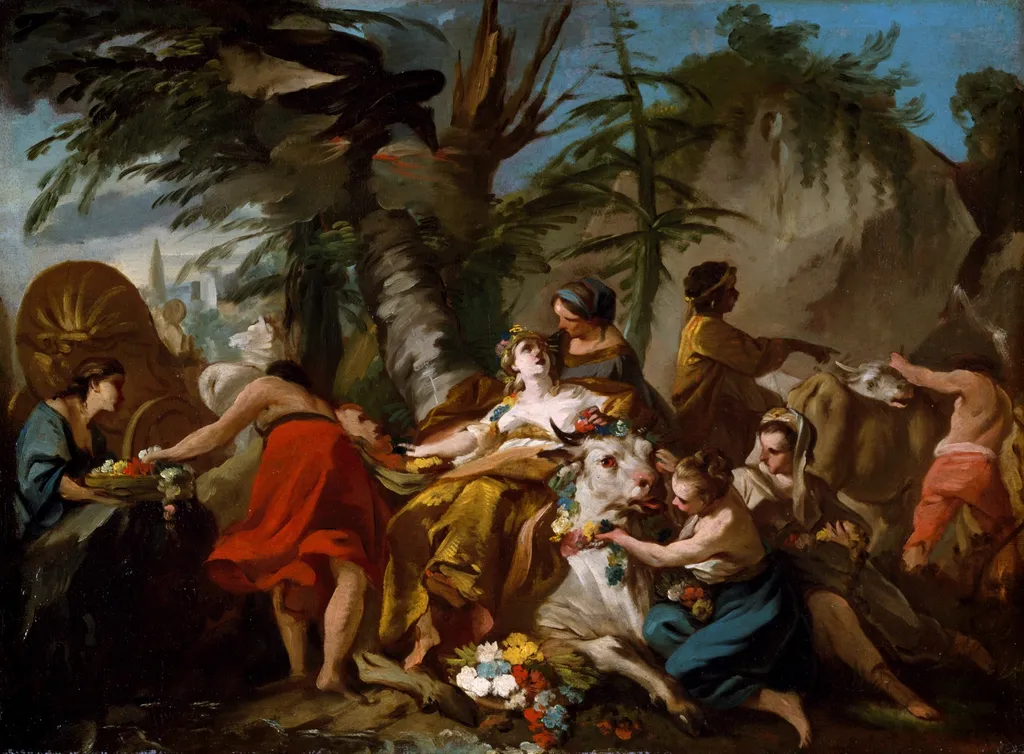
The Rape of Europa is an oil painting by Jean-Baptiste Marie Pierre. It dates from 1761 and is held in the collection of the Museum of Fine Arts, Houston.
About this work
Overview
The scene unfolds against a naturalistic backdrop of trees, rocks, and sky, emphasizing the drama of the moment through careful lighting and figure placement.
Painted around 1761 by Jean-Baptiste Marie Pierre, this oil-on-canvas work illustrates a moment from classical mythology. It is part of the collection at the Museum of Fine Arts, Houston. The composition centers on the abduction of Europa by a bull, rendered with attention to movement and emotional tension. The scene unfolds against a naturalistic backdrop of trees, rocks, and sky, emphasizing the drama of the moment through careful lighting and figure placement.
Subject & Meaning
The painting depicts the myth in which Zeus, disguised as a white bull, carries off Europa, a Phoenician princess, to Crete. Her outstretched arms and fearful expression convey resistance, while the bull’s calm strength suggests divine inevitability. Figures in the background, some reaching out or retreating, reflect the chaos of the event. The scene is not merely a narrative of violence but also an allegory of fate and transformation, common in 18th-century mythological painting.
Technique & Style
Pierre employs chiaroscuro to heighten emotional contrast, illuminating Europa’s pale garments against the darker foliage and shadowed ground. Brushwork is refined, with delicate rendering of fabric and skin tones. The bull’s muscular form is modeled with subtle gradations, enhancing its lifelike presence. The landscape is neither idealized nor chaotic, serving as a balanced stage that directs focus to the central figures without overwhelming them.
History & Provenance
Created during Pierre’s tenure as a leading French painter and director of the Académie de Saint-Luc, the work reflects the academic taste of mid-18th-century France. It entered the Museum of Fine Arts, Houston’s collection in the 20th century, likely through a private acquisition or donation. Its journey from Parisian studios to a Texan museum underscores its endurance as a representative example of French Neoclassical mythological painting.
Context
Pierre painted this during a period when French artists revived classical themes to align with Enlightenment ideals of order and moral narrative. Mythological subjects like Europa’s abduction were popular among patrons seeking refined, intellectual art. While less overtly political than contemporaries’ works, this painting engages with contemporary aesthetics that valued emotional restraint, anatomical precision, and narrative clarity.
Legacy
Though not among the most widely reproduced works of its era, the painting remains a studied example of French academic technique and mythological interpretation. It contributes to understanding how 18th-century artists balanced classical sources with evolving sensibilities toward emotion and naturalism. Its presence in Houston ensures continued access for scholars and viewers interested in the transition from Rococo to Neoclassical traditions.
Own this work as a print
Artist & collection
Artist
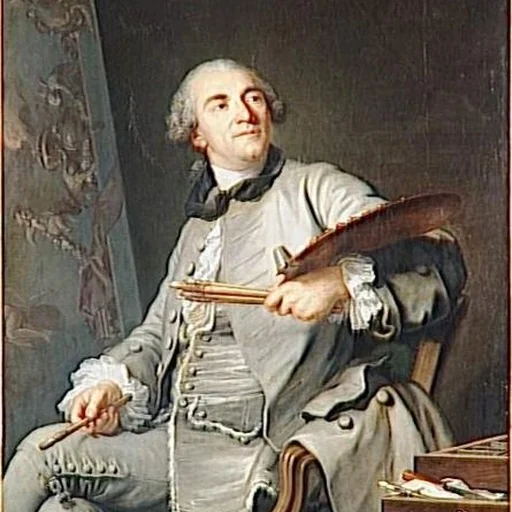
Jean-Baptiste Marie Pierre (1714–1789) was a French artist, born in Paris.

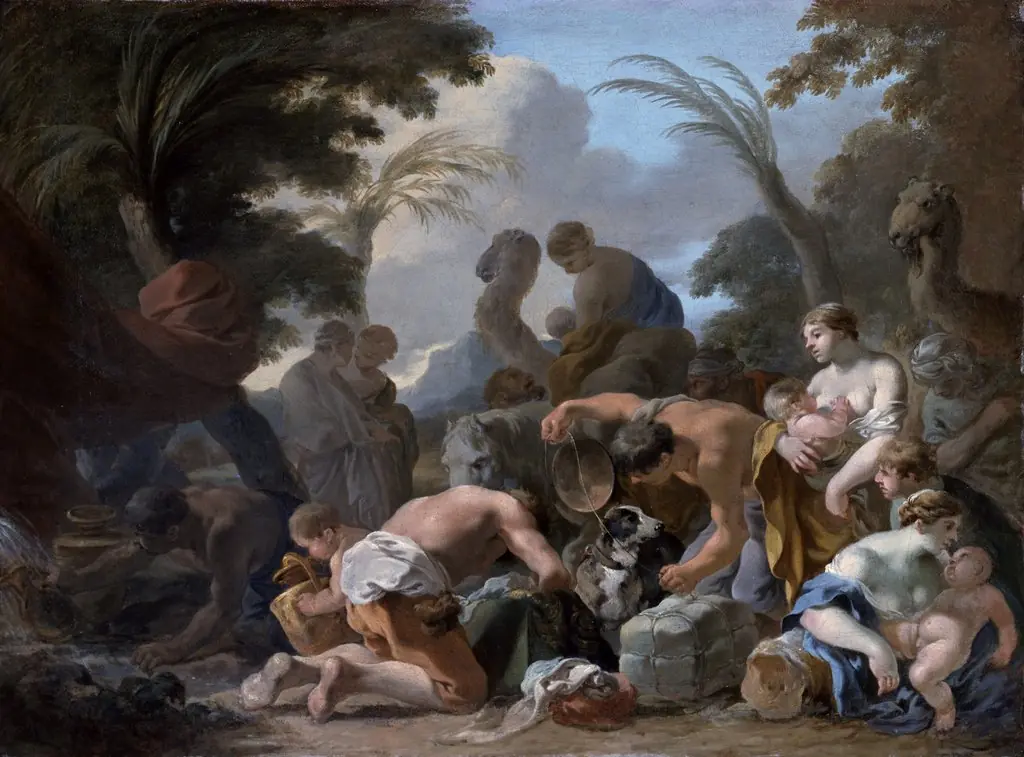 Laban Searching the Belongings of Jacob
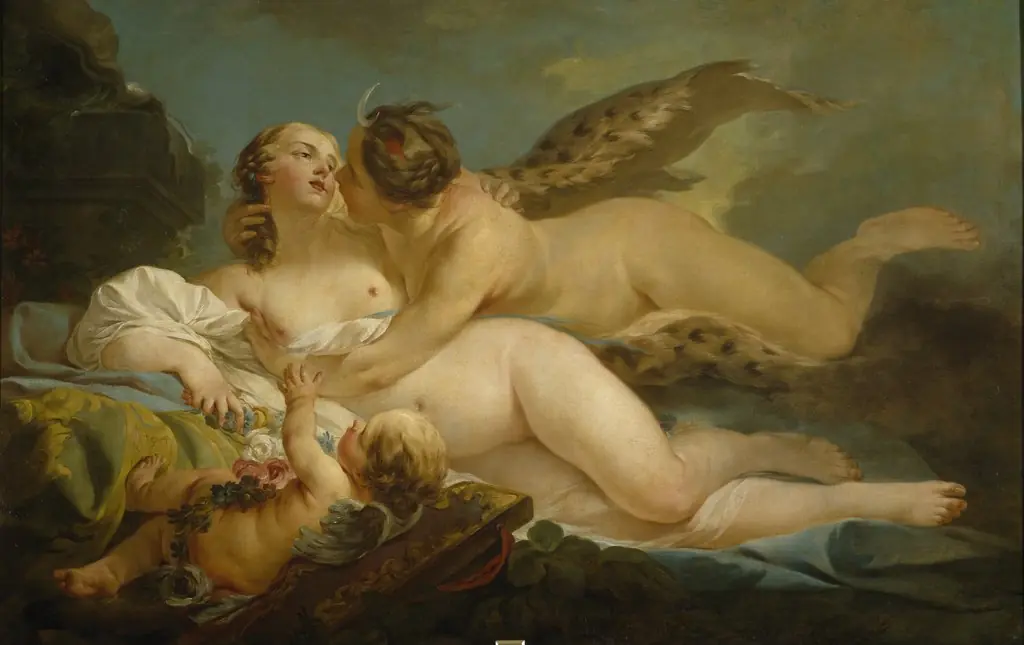
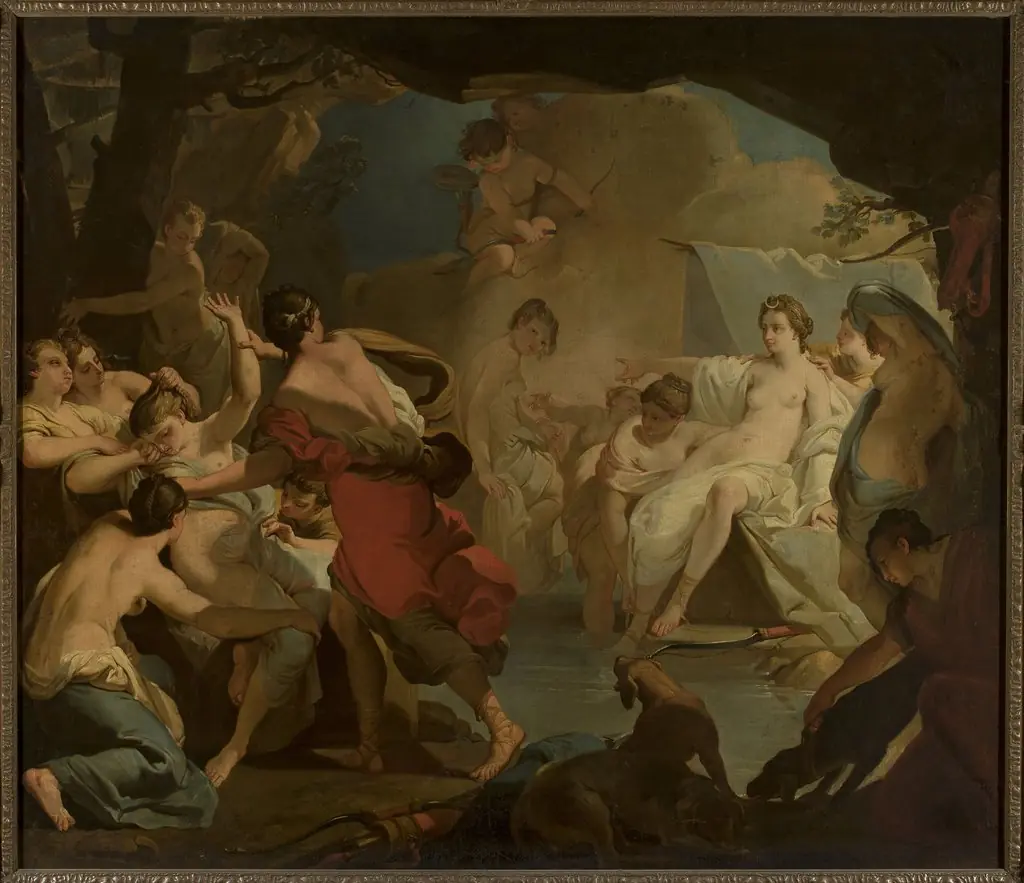 Diana's judgement of the nymph Callisto
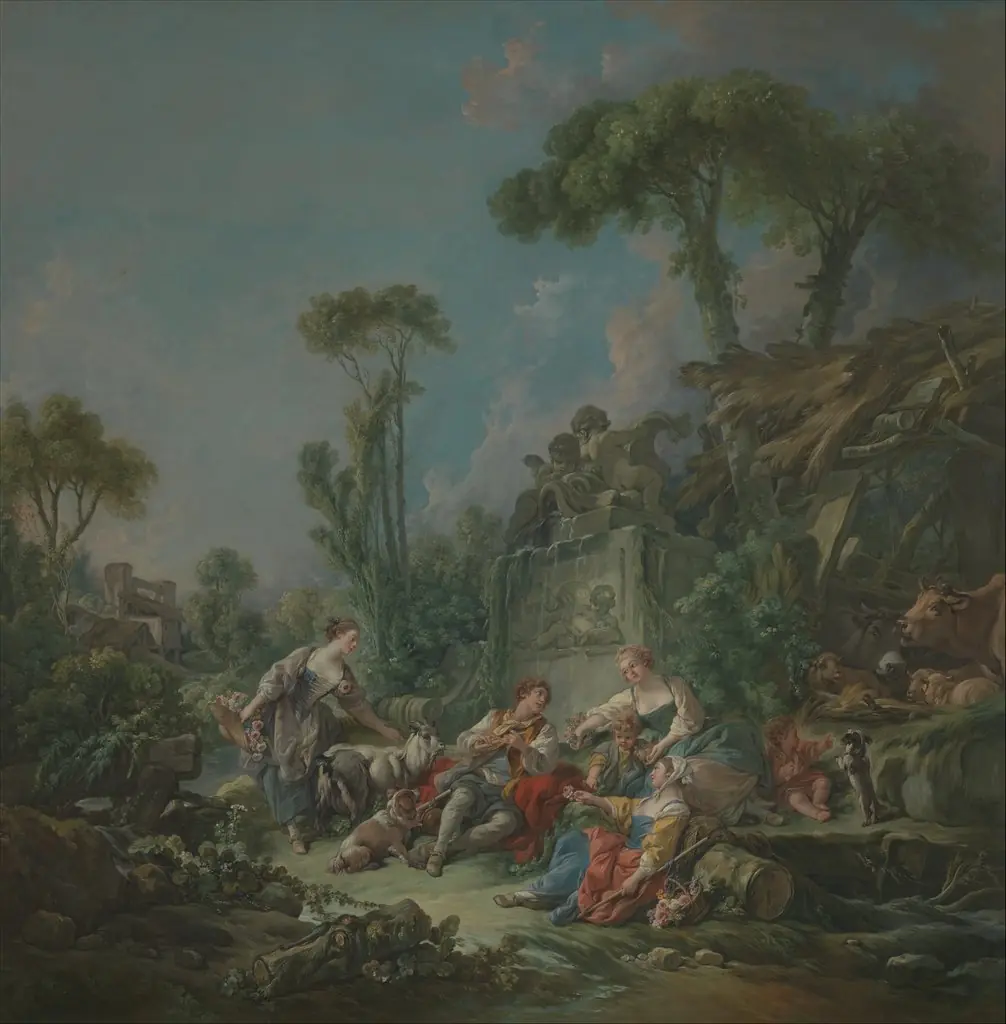 Shepherd's Idyll
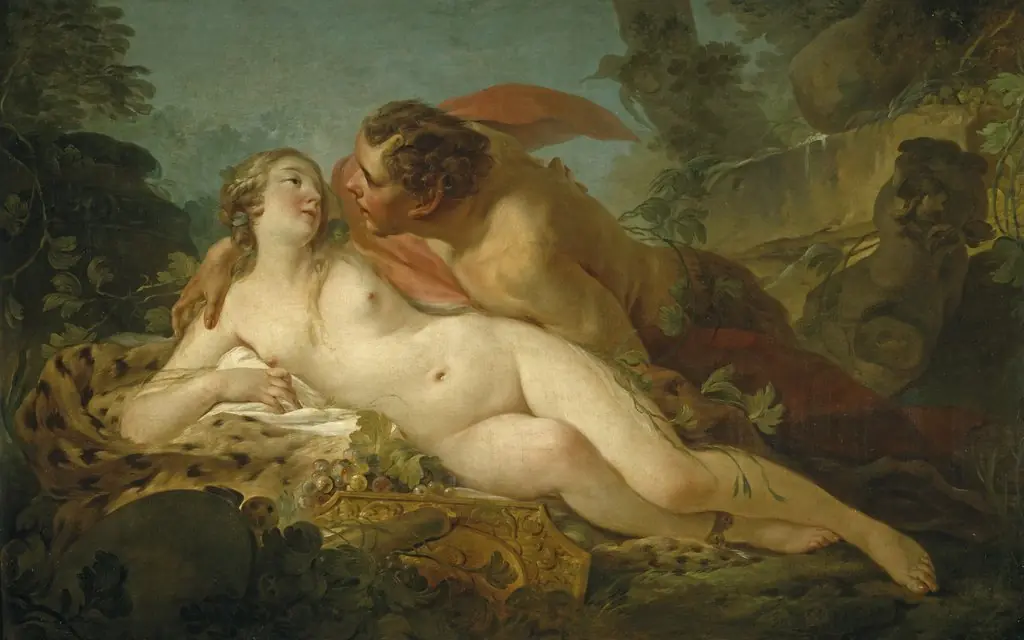
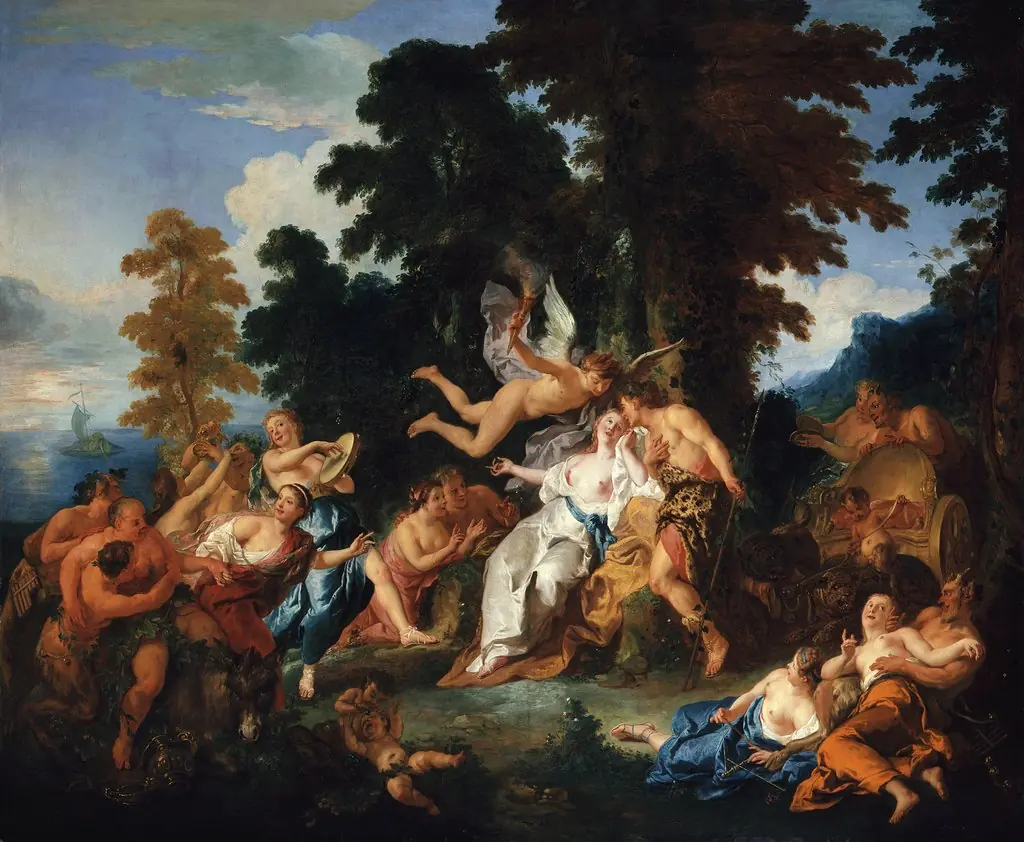 Bacchus and Ariadne
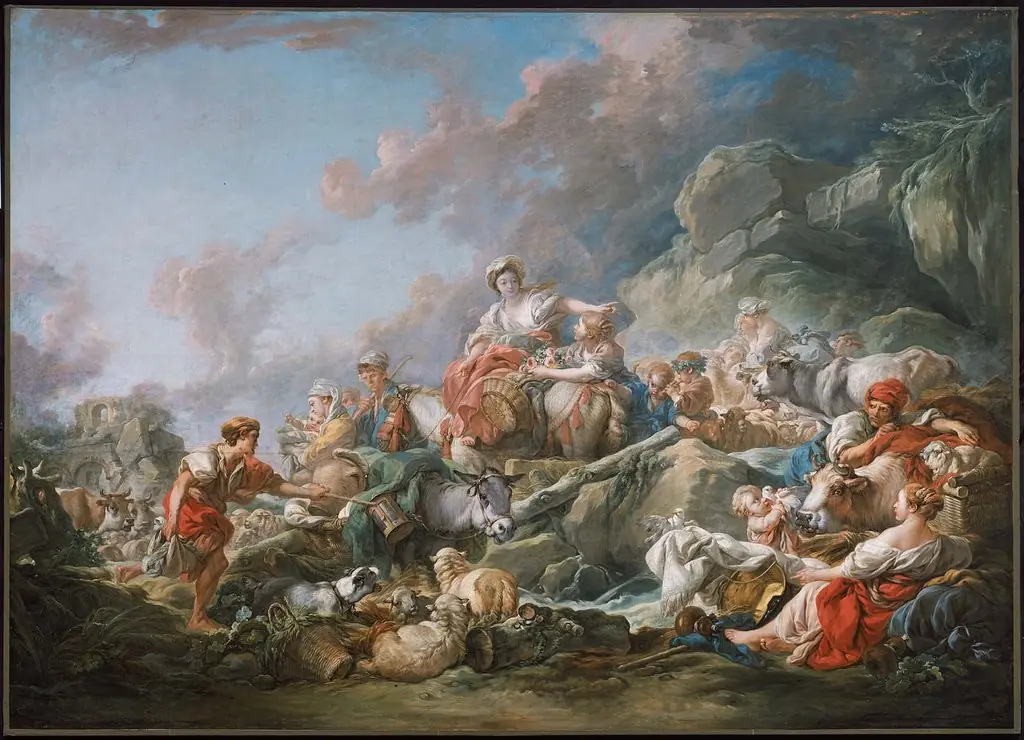 Return from Market
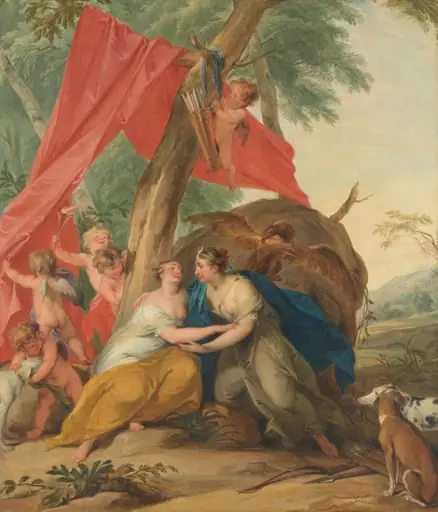 Jupiter, Disguised as Diana, Seducing the Nymph Callisto
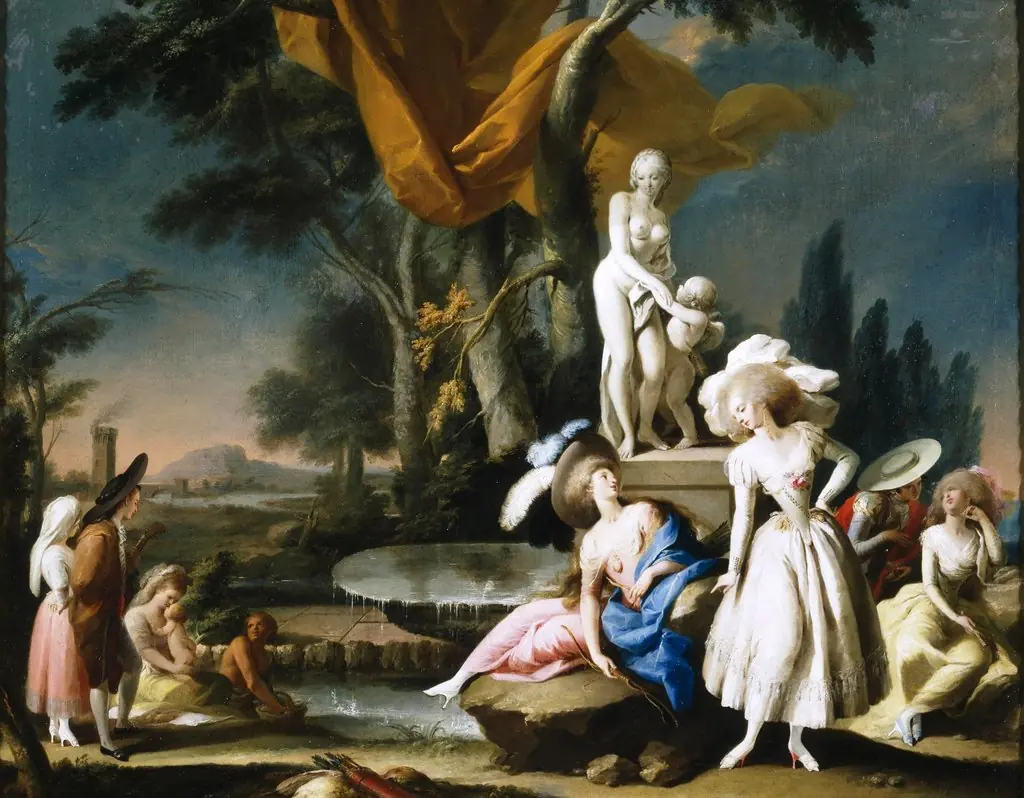 Couples in a Park
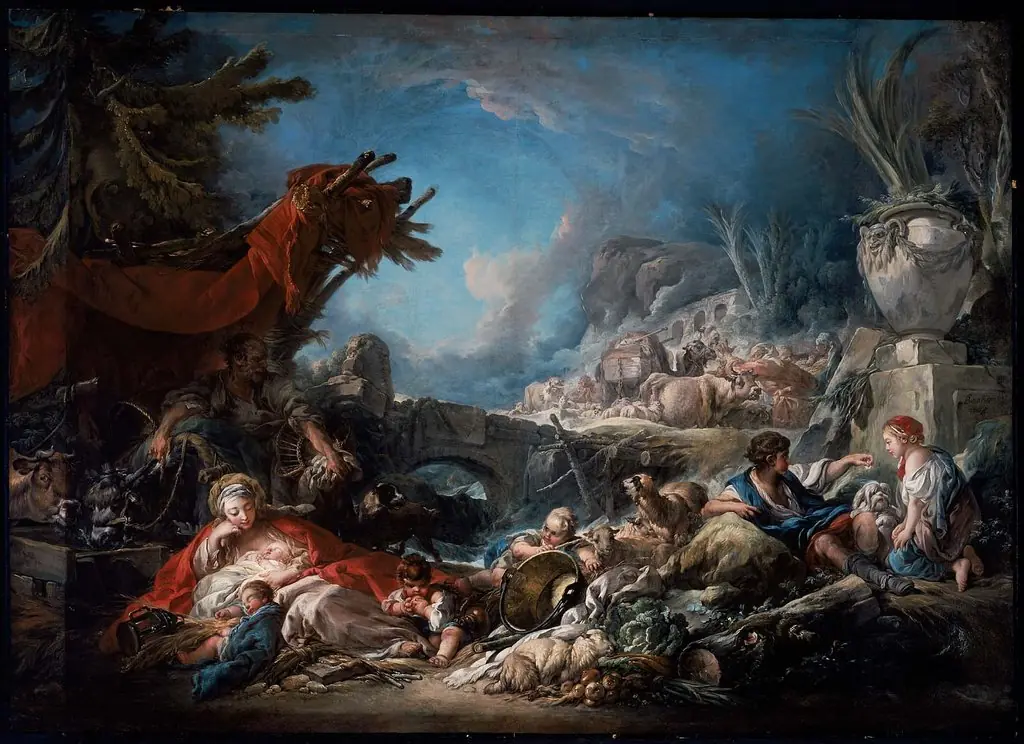 Halt at the Spring
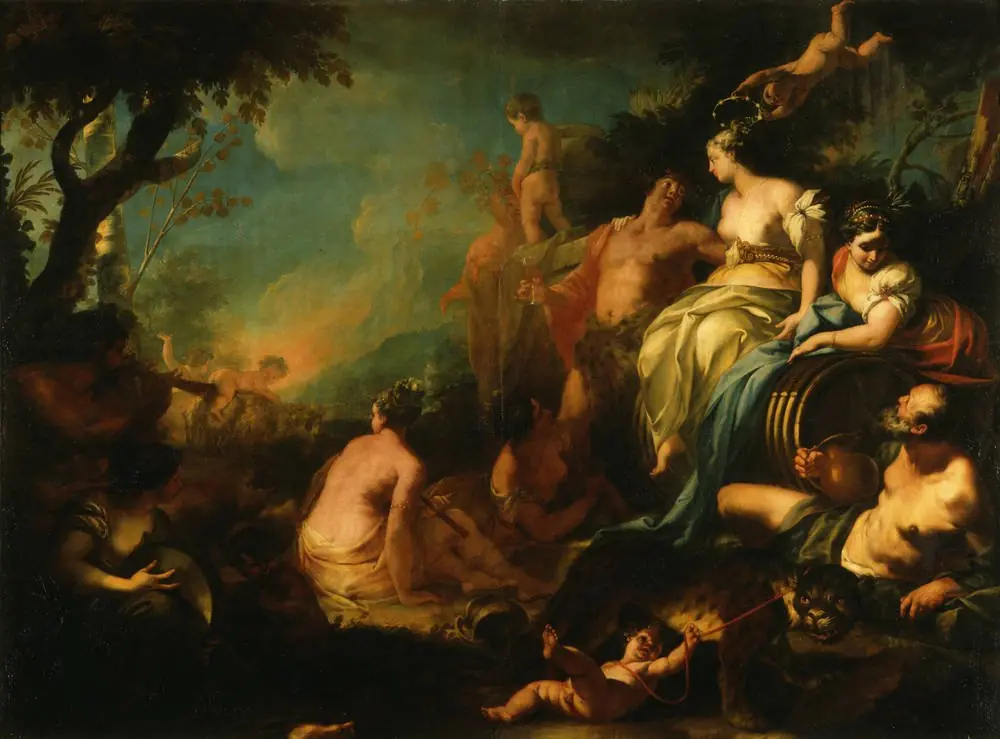 Bacchus and Ariadne
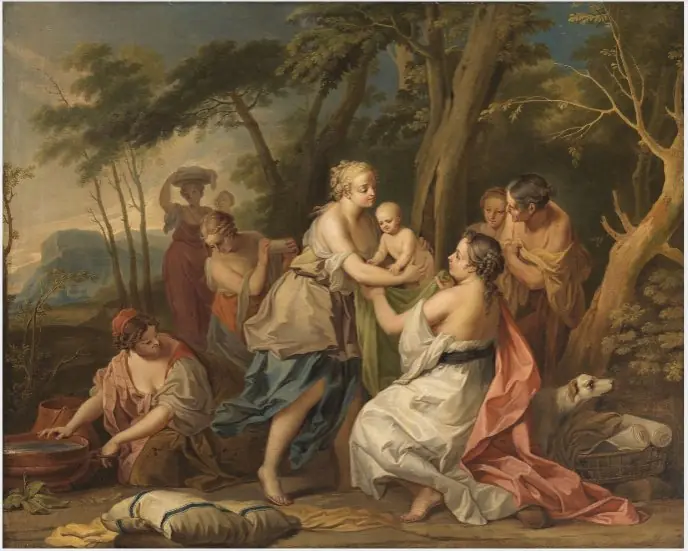 The Birth of Adonis
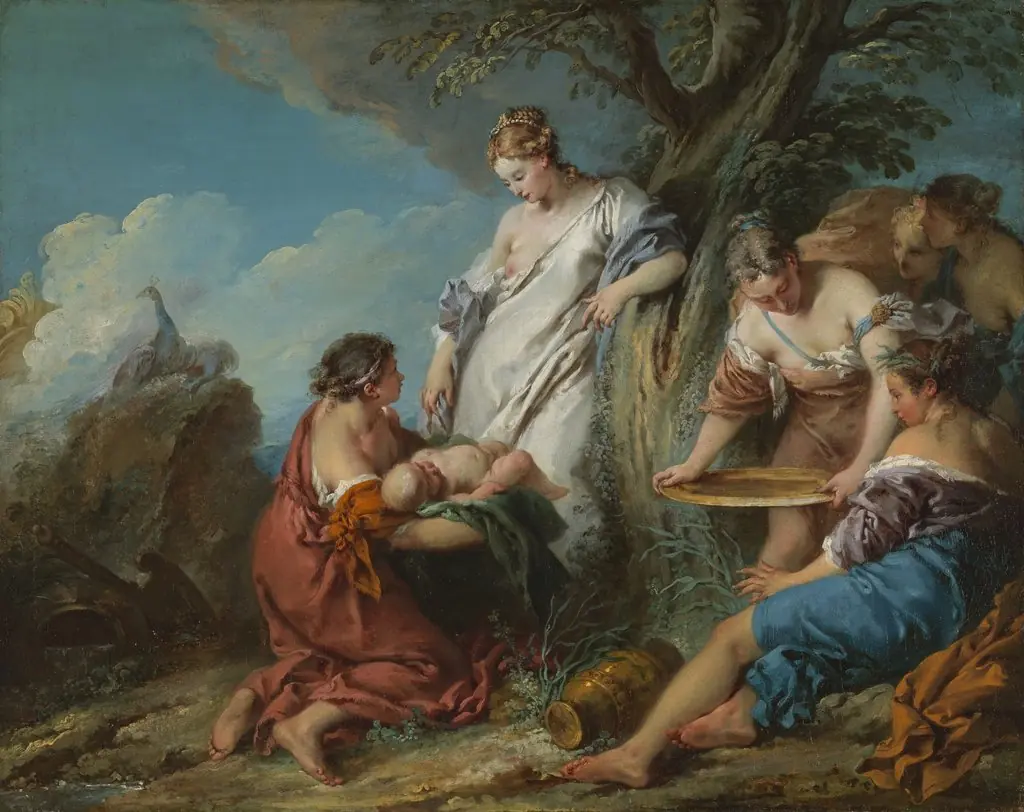 La naissance d'Adonis
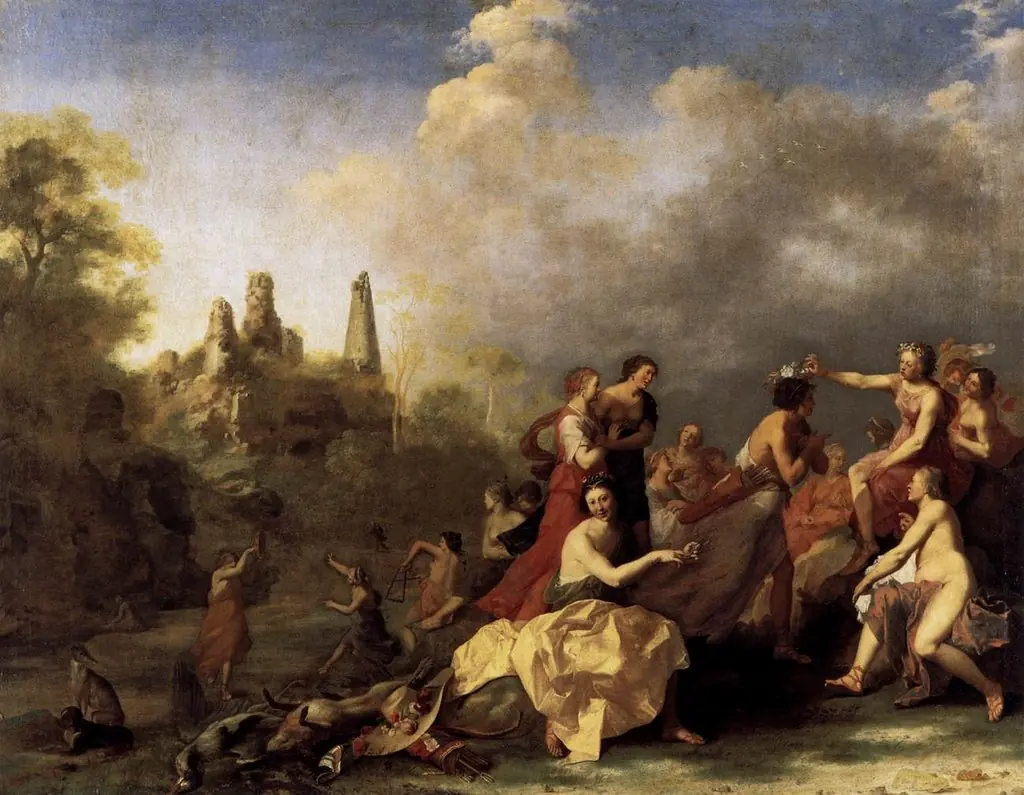 The coronation of Mirtillo after the kissing contest (Guarini, Il Pastor Fido)