Artwork
Fête Champêtre
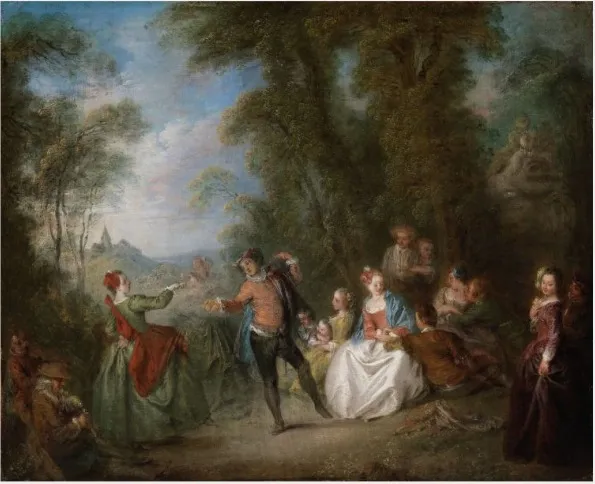
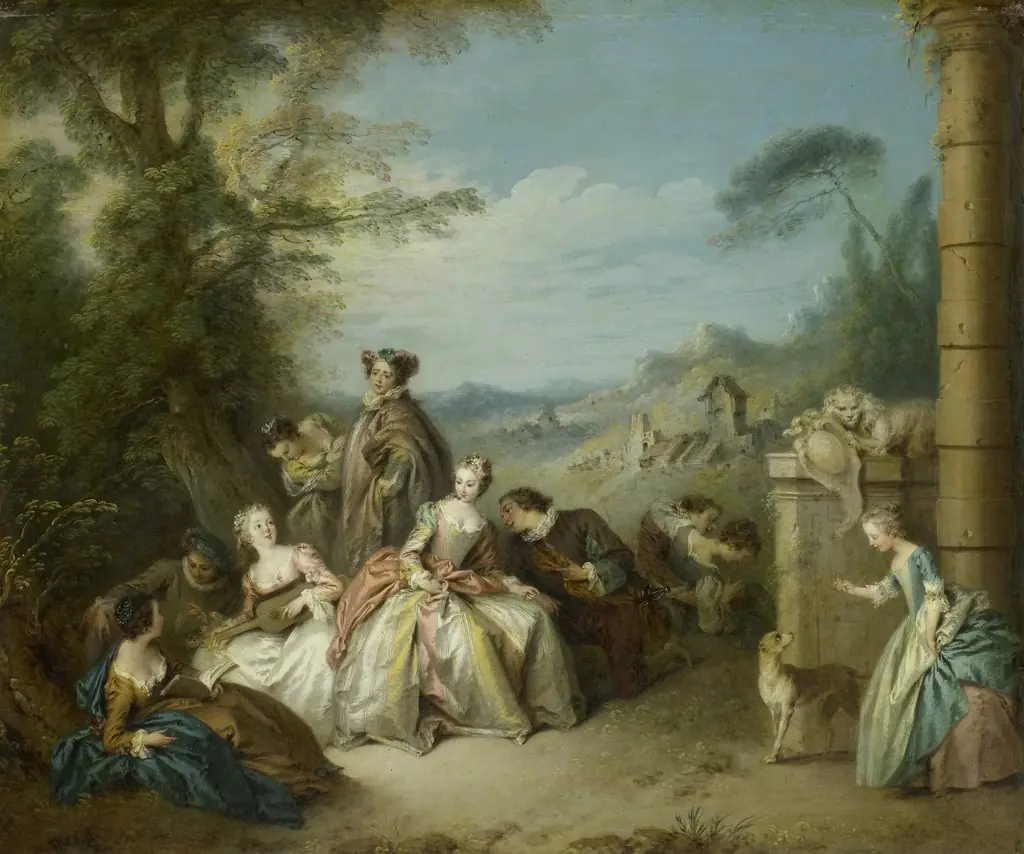
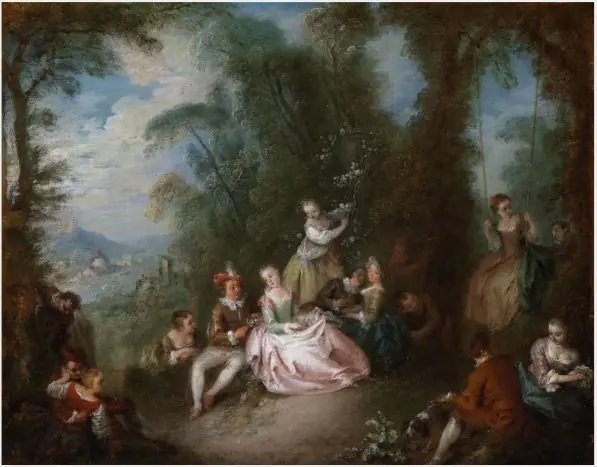
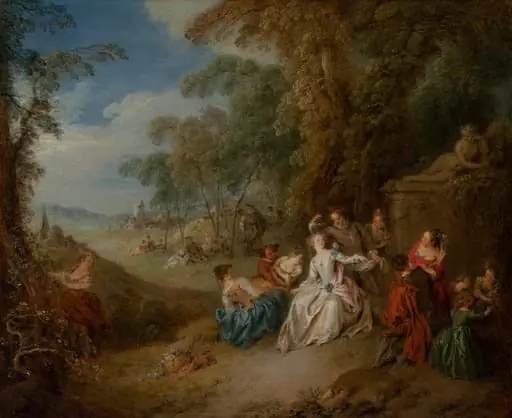
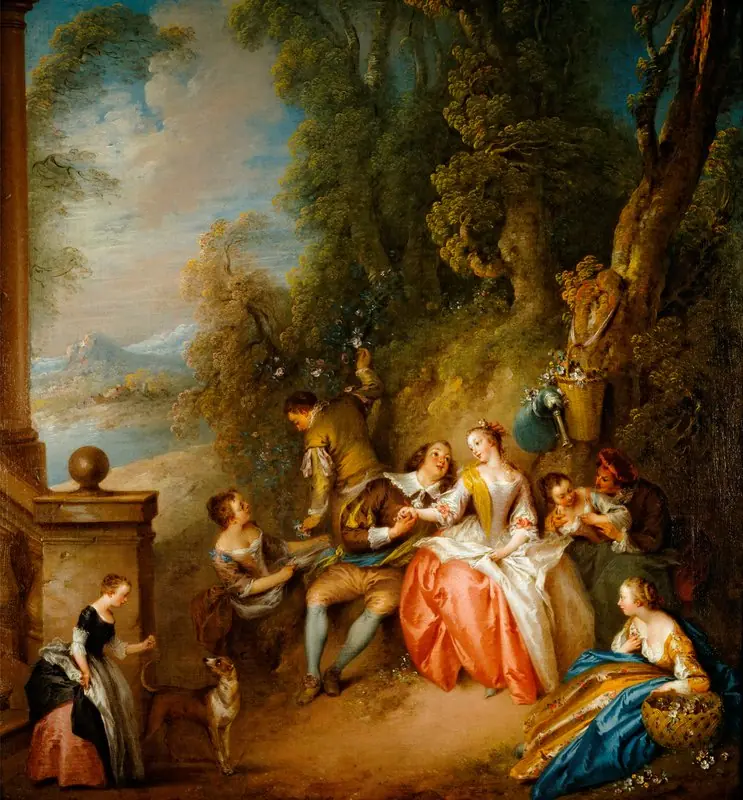
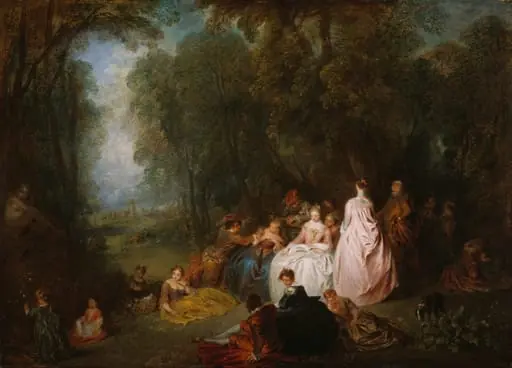
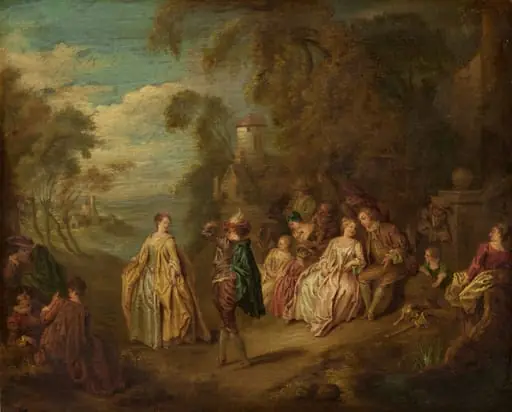
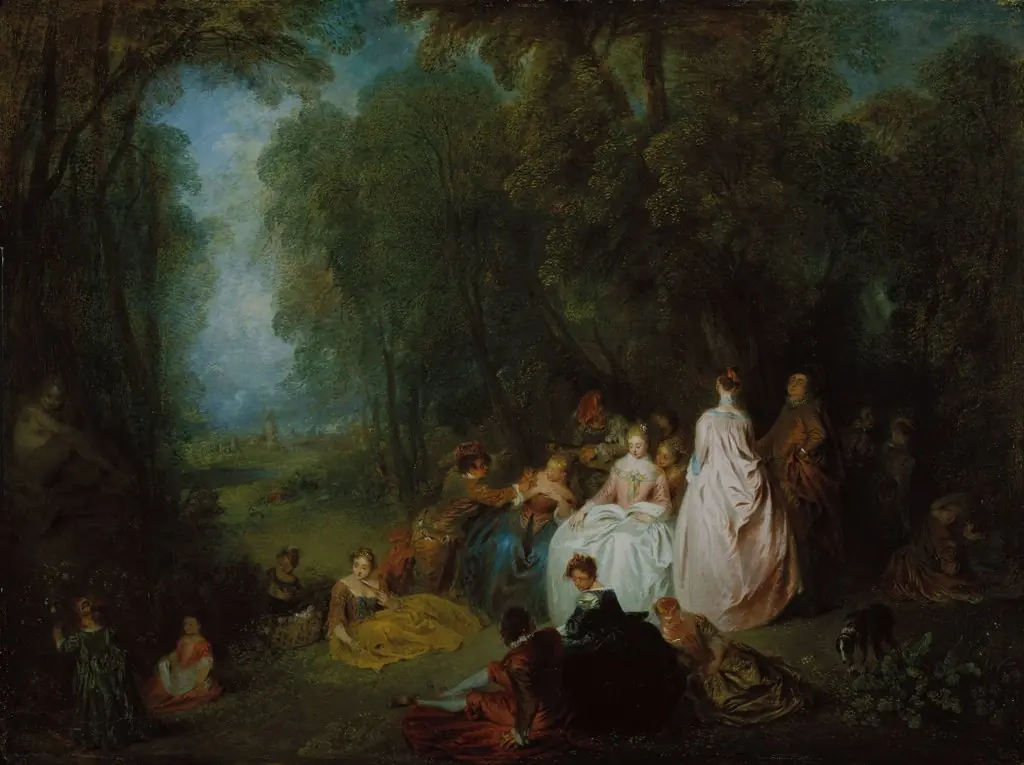
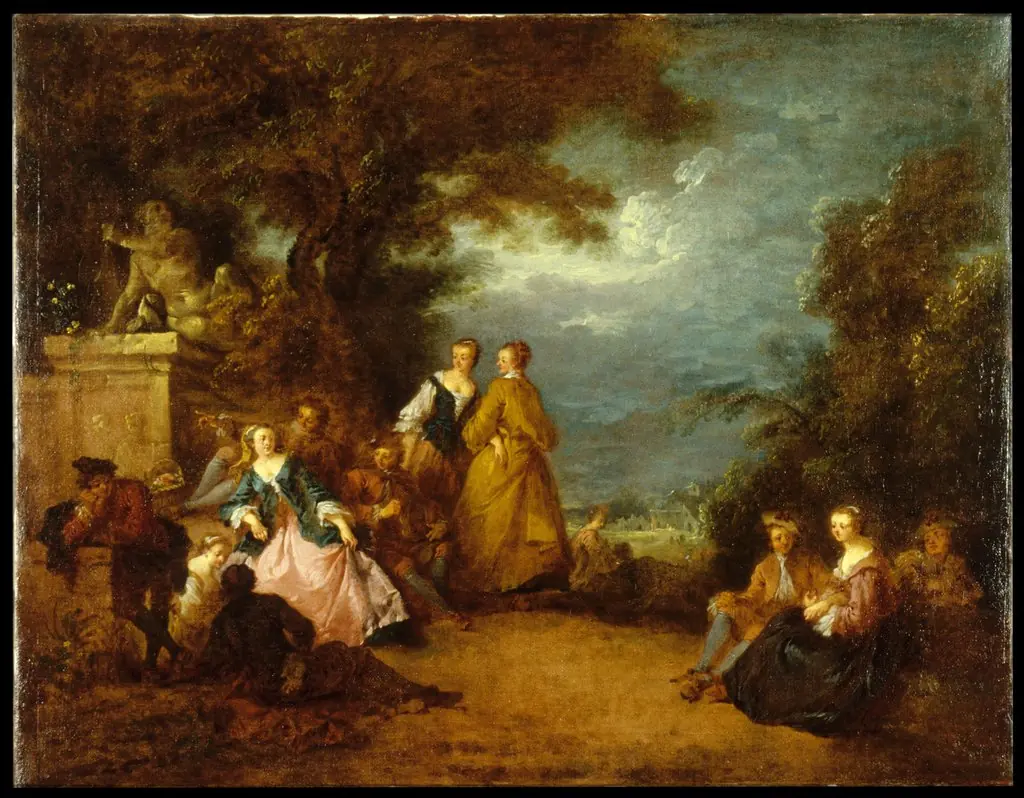
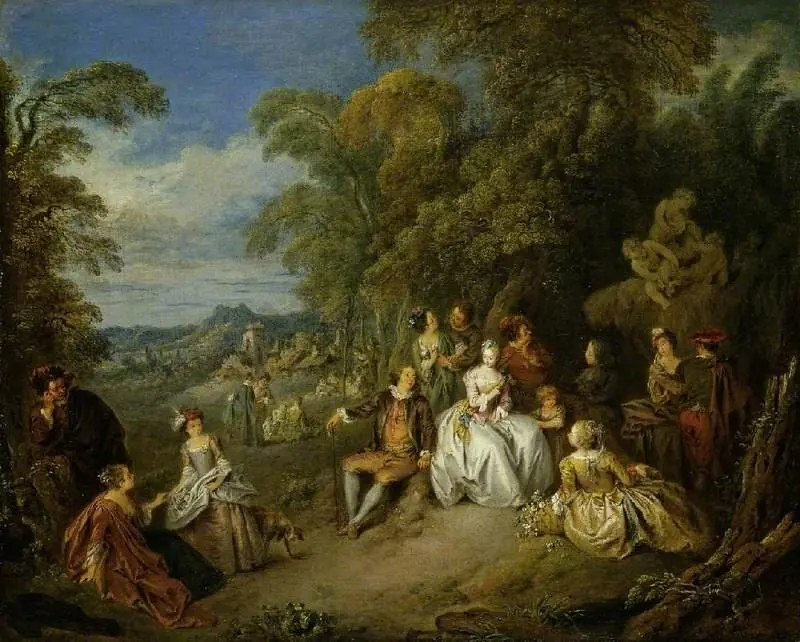
Fête Champêtre is an oil painting by the Rococo painting artist Jean-Baptiste Pater. It dates from 1725 and is held in the collection of the National Gallery of Ireland.
About this work
Overview
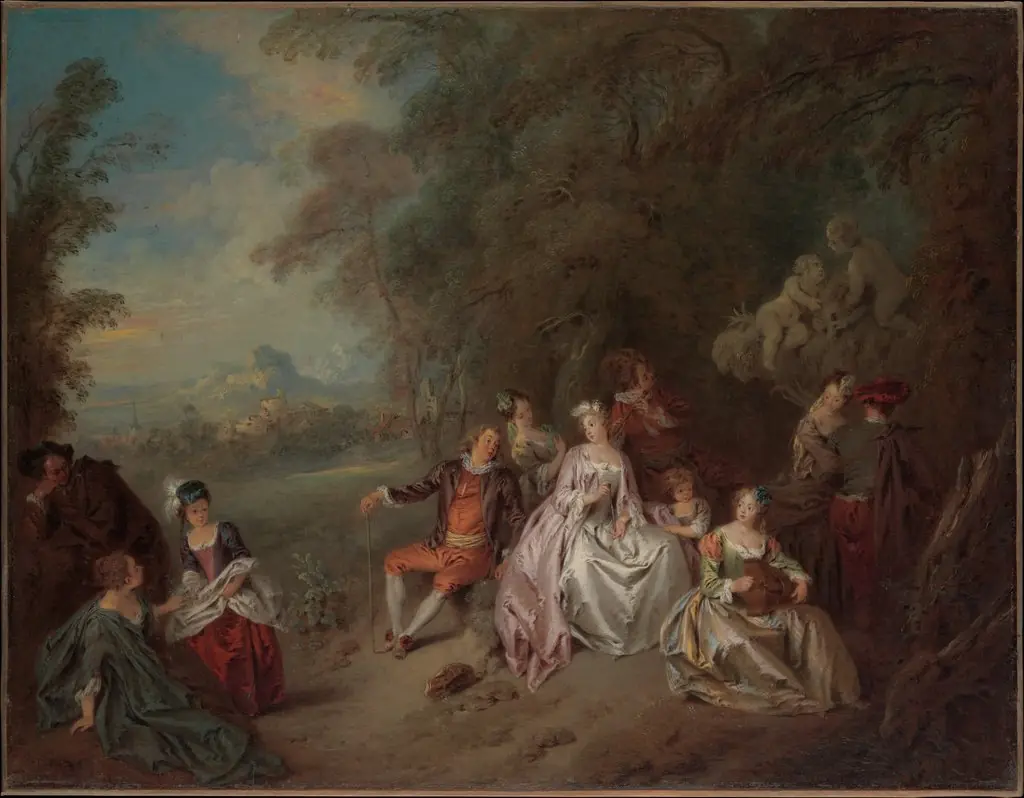
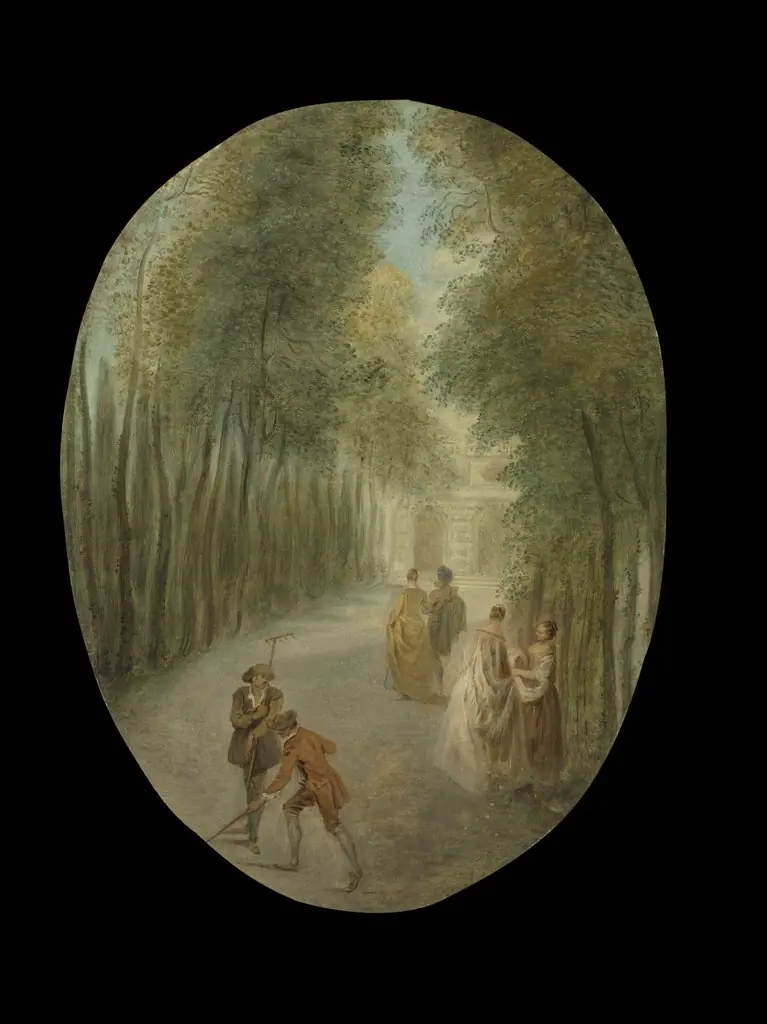
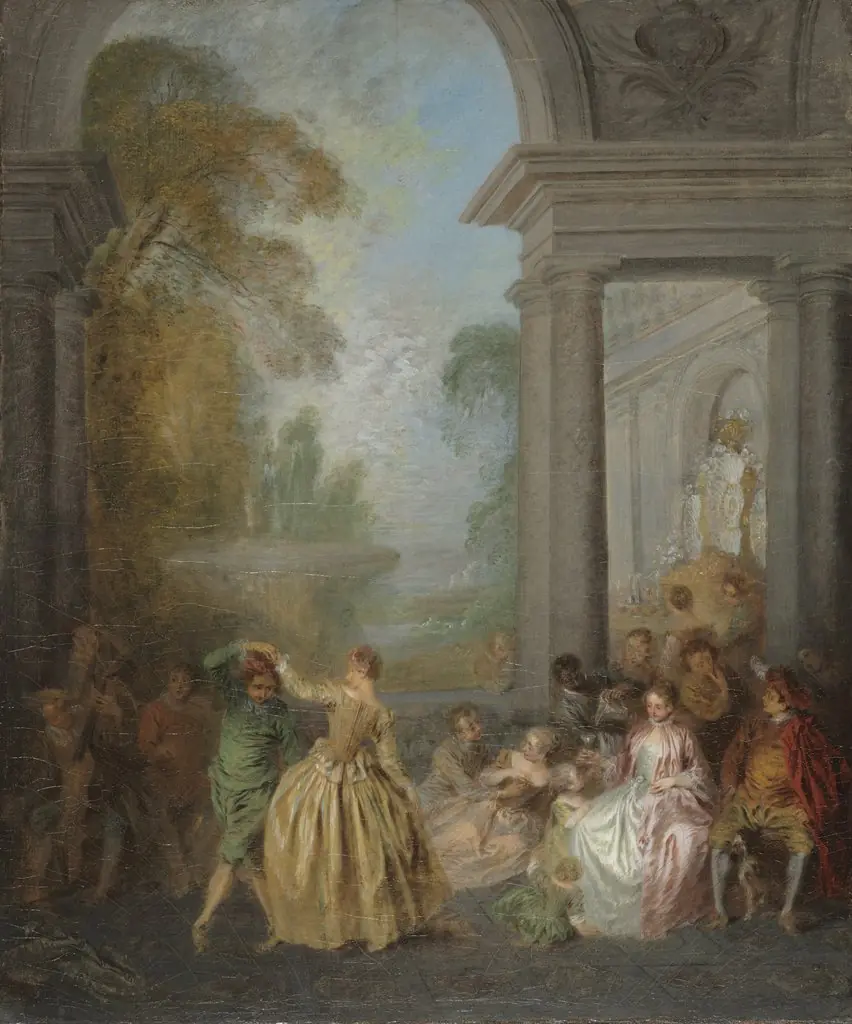
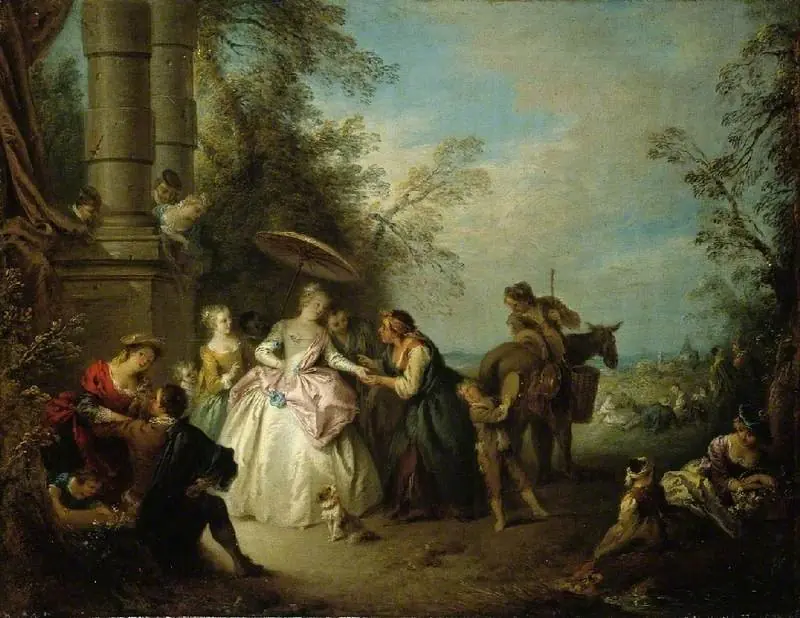
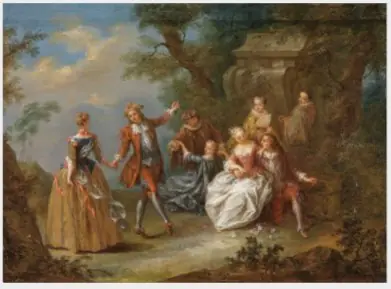
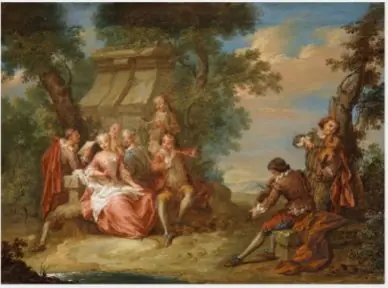
Fête Champêtre, an oil painting created by Jean-Baptiste Pater around 1725, exemplifies the French rococo style with its light, playful, and ornamental composition. The work depicts a lively outdoor gathering in a wooded setting.
Subject & Meaning
The painting captures a joyful outdoor social event, a common theme in Pater's oeuvre, conveying a sense of carefree revelry. Figures in period attire engage in dancing, music, and spectatorship, set against a serene natural backdrop.
Technique & Style
Pater's training under Jean-Baptiste Watteau is evident in the painting's delicate, light-filled approach, characteristic of the rococo movement. The use of color, particularly in the attire of the figures and the blue sky, enhances the overall sense of vibrancy and gaiety.
History & Provenance
Created in the early 18th century, Fête Champêtre reflects Pater's dual influence: initial training with his sculptor father and later with Watteau, influencing his painterly style.
Context
As a rococo piece, Fête Champêtre aligns with the era's emphasis on leisure, nature, and social intimacy, catering to the tastes of the French aristocracy and emerging bourgeoisie.
Legacy
While specific lasting impacts of Fête Champêtre on the broader art historical canon are not prominently documented, it remains a characteristic example of Pater's contribution to the rococo genre, reflecting the period's aesthetic preferences.
Artist & collection
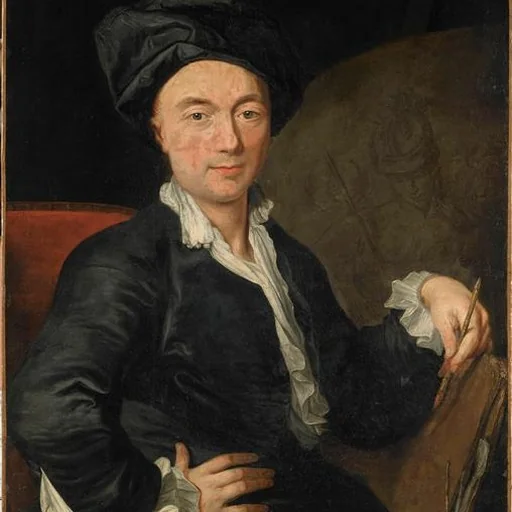
Artist
Jean-Baptiste Pater (December 29, 1695 – July 25, 1736) was a French rococo painter.