Artwork
Fête champetre
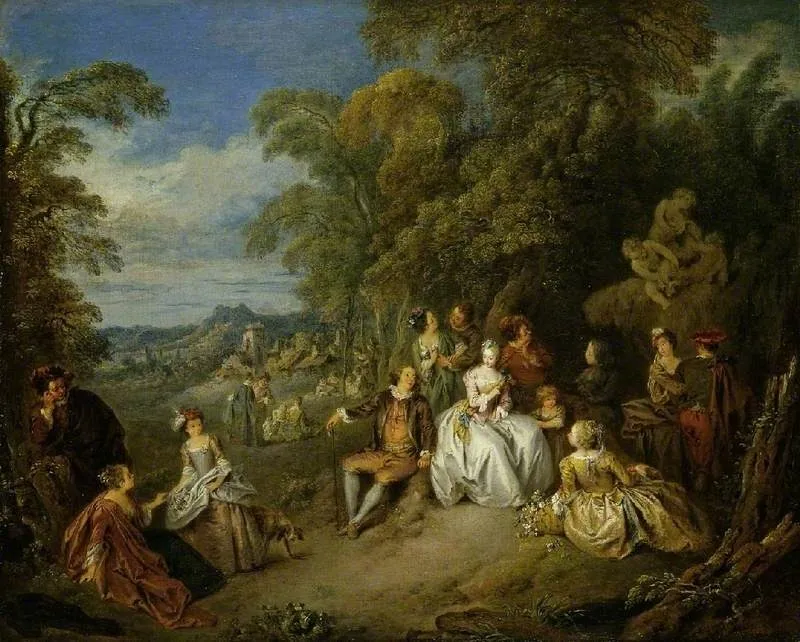
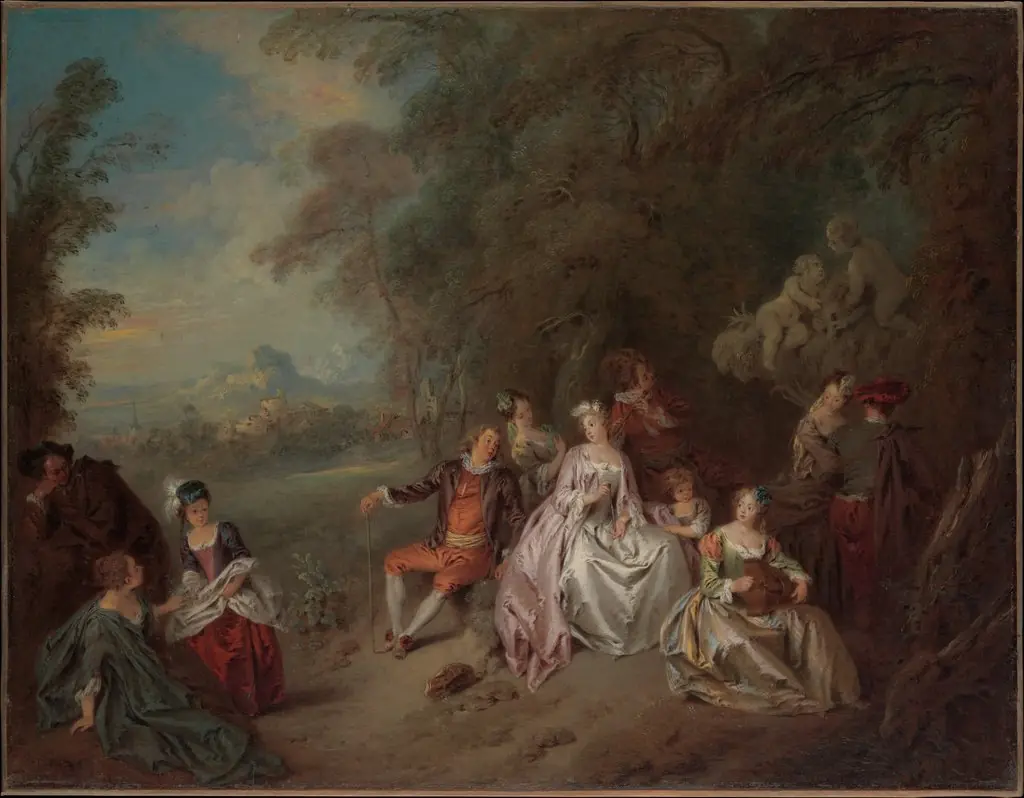
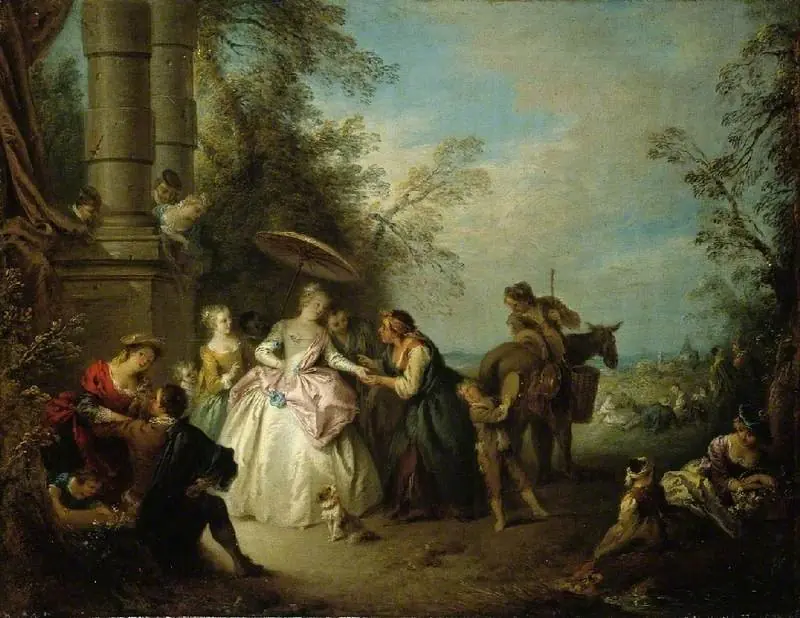
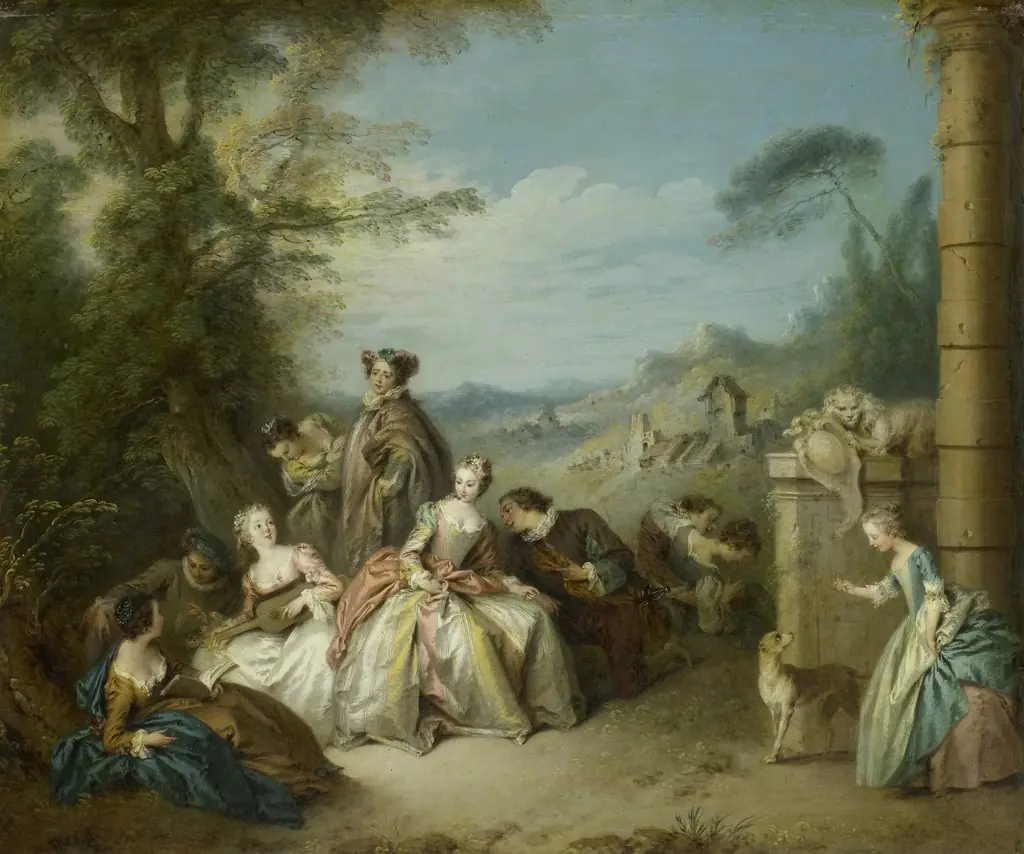
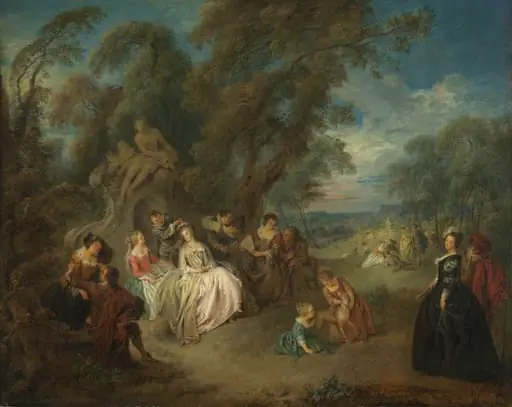
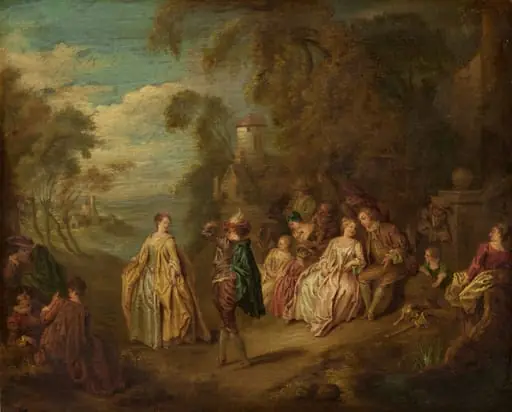
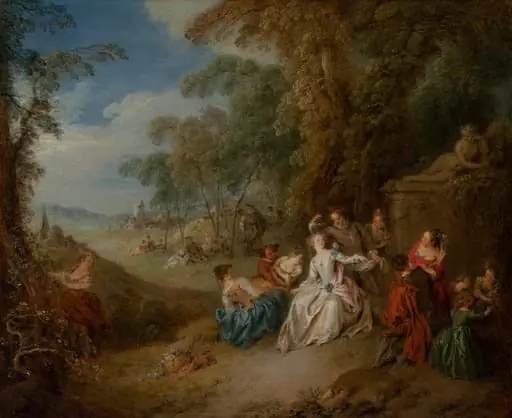
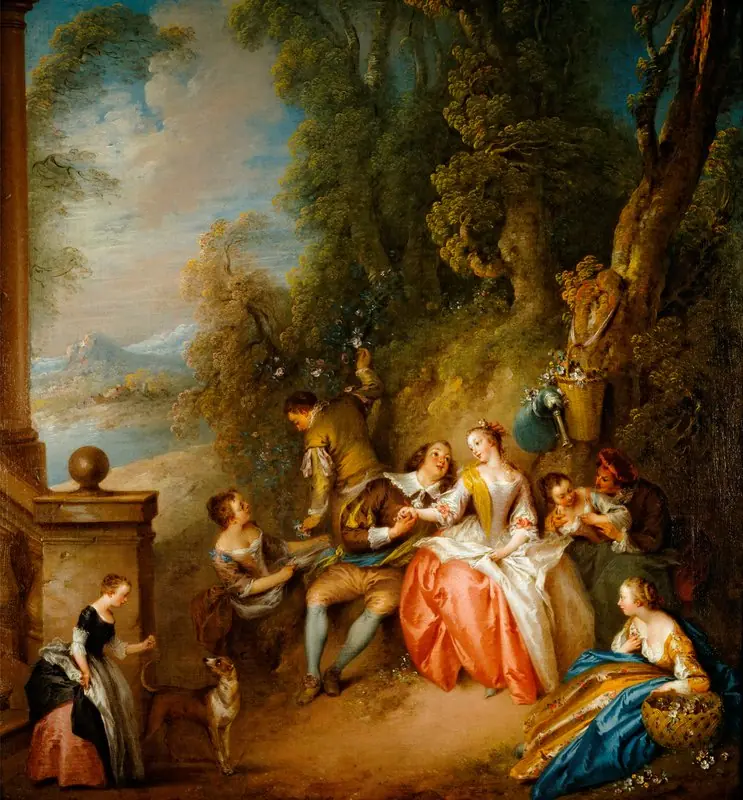
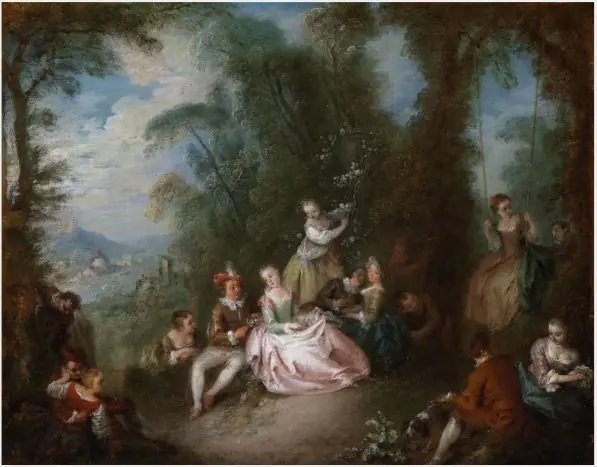
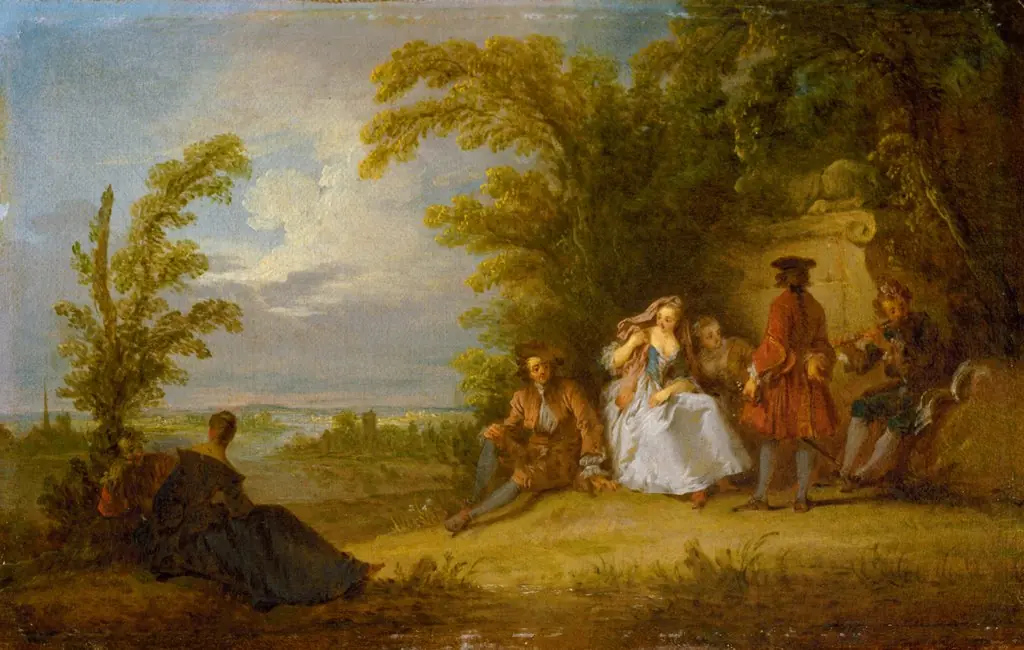
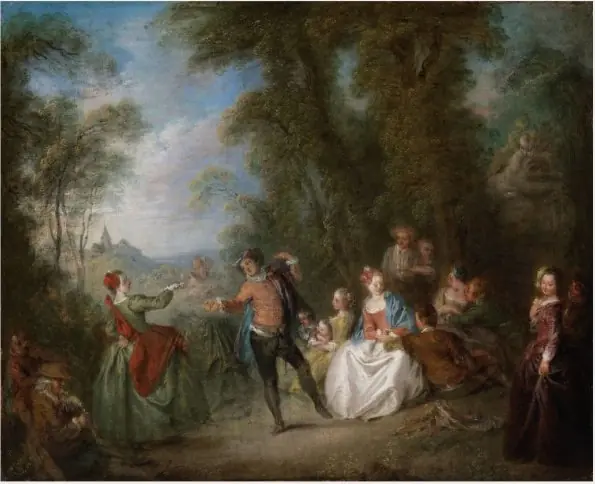
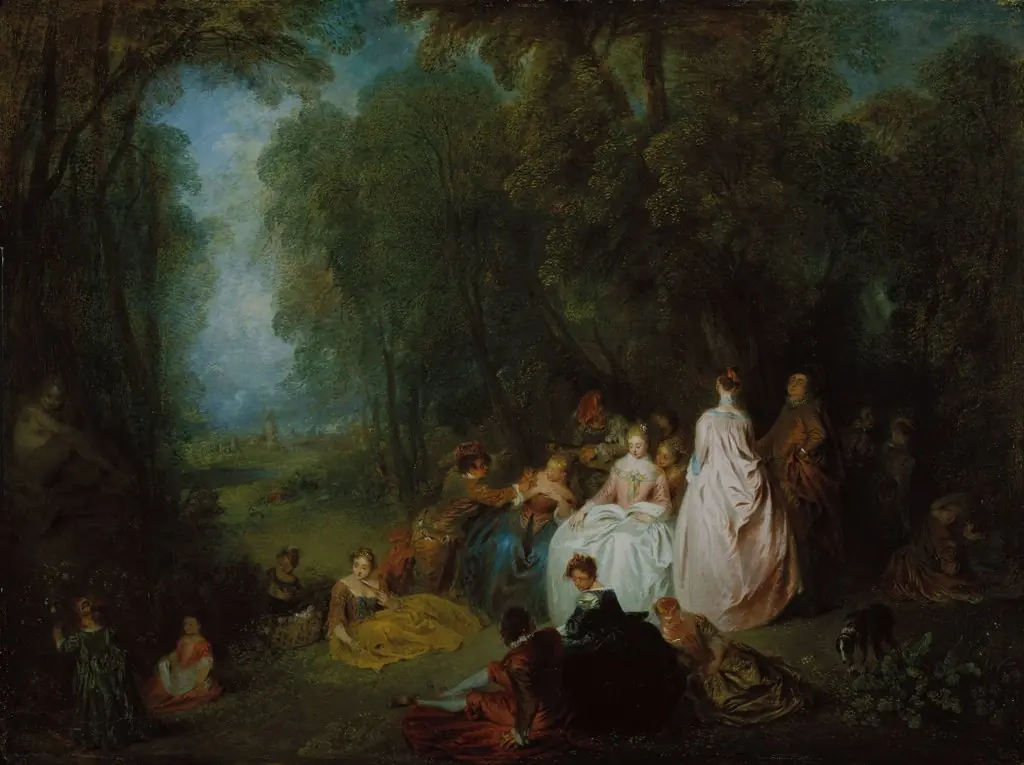
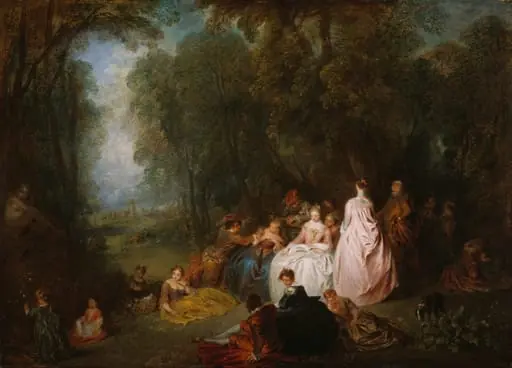
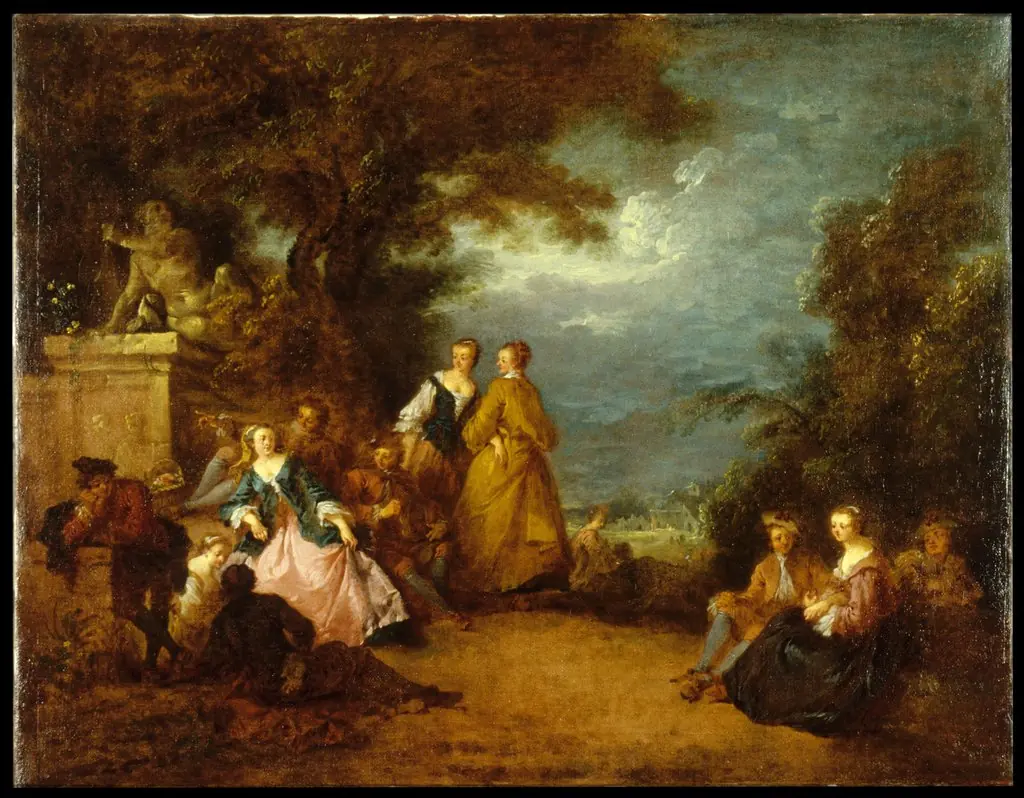
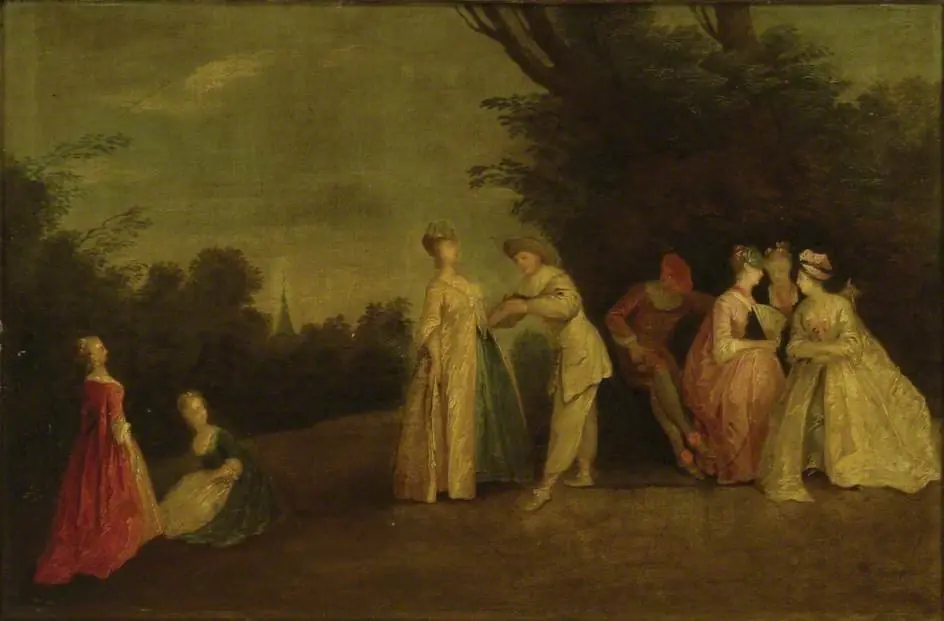
Fête champetre is an oil painting by the Rococo painting artist Jean-Baptiste Pater. It dates from 1725 and is held in the collection of the Fitzwilliam Museum.
About this work
Overview
The work exemplifies the lighthearted, decorative sensibility of the early eighteenth‑century Rococo, emphasizing leisure and pastoral charm.
Created circa 1725 by the French painter Jean-Baptiste Pater, this oil on canvas presents a bucolic gathering in a forest clearing. The work exemplifies the lighthearted, decorative sensibility of the early eighteenth‑century Rococo, emphasizing leisure and pastoral charm. It is currently part of the Fitzwilliam Museum’s collection, where it is displayed as a representative example of the period’s genre scenes.
Subject & Meaning
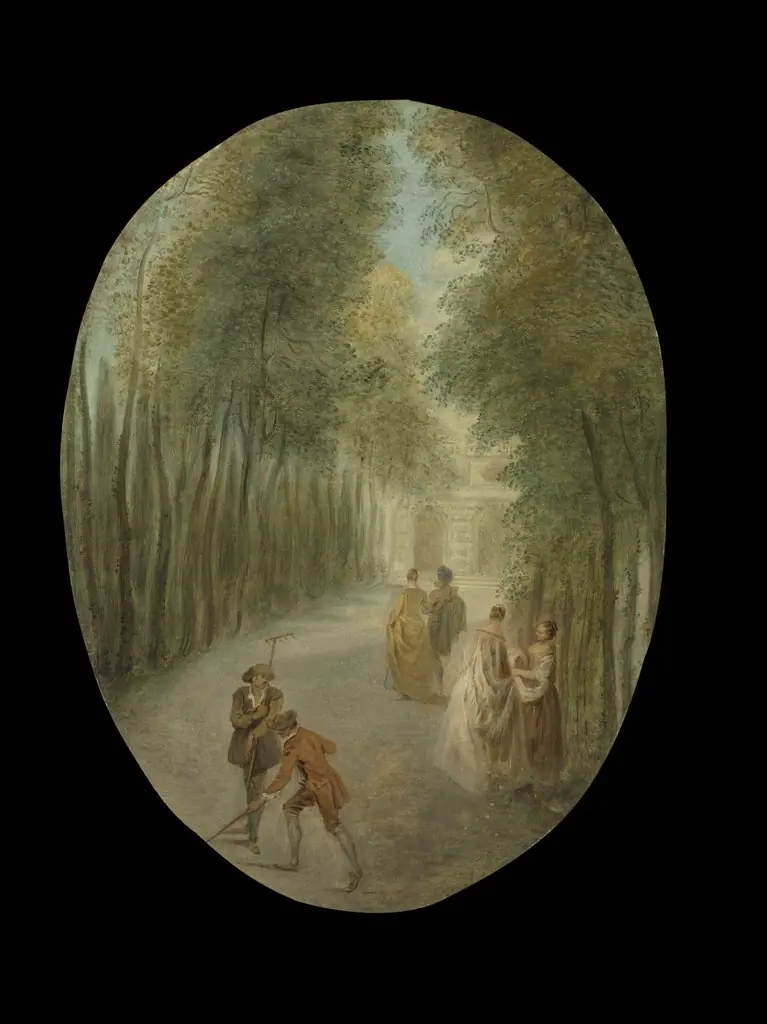
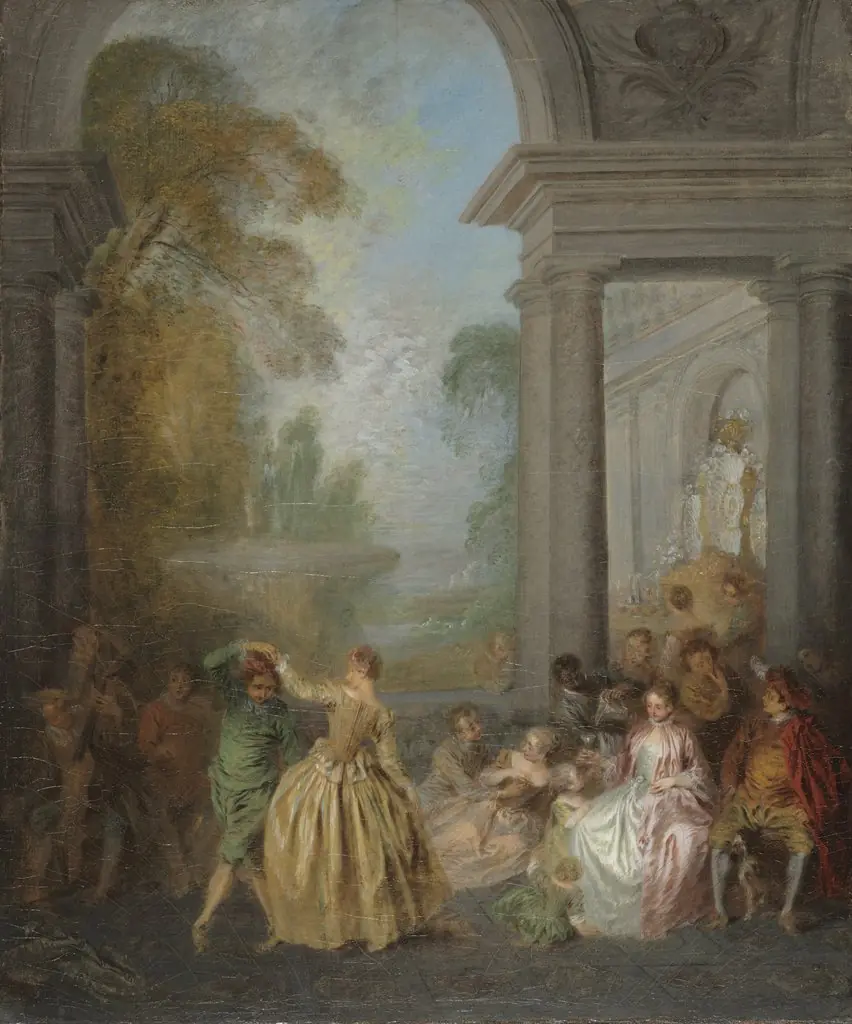
The composition depicts a mixed group of men and women in contemporary eighteenth‑century attire, positioned amid trees under a clear blue sky. Some figures are seated while others stand, engaged in conversation, music-making, and gentle amusement. The relaxed atmosphere conveys an idealized vision of countryside festivity, reflecting contemporary tastes for idyllic, socially harmonious gatherings.
Technique & Style
Pater employs a delicate palette of pastel tones and fluid brushwork characteristic of Rococo painting. The rendering of foliage and sky uses soft, diffused lighting to create a sense of atmospheric depth. Figures are outlined with graceful lines, and the overall arrangement balances ornamental elegance with a naturalistic setting, echoing the influence of his mentor Antoine Watteau.
History & Provenance
Born in Valenciennes in 1695, Pater trained first with his sculptor father before studying under Jean‑Baptiste Guide and later the celebrated Watteau. Though their relationship was reportedly strained, Watteau’s aesthetic left a lasting imprint on Pater’s output. The painting entered the Fitzwilliam Museum’s holdings through acquisition in the twentieth century, where it remains in the European paintings department.
Context
During the early 1700s, French aristocratic culture favored scenes of refined leisure set in pastoral locales, a trend that Rococo artists cultivated. *Fête champetre* aligns with this cultural moment, offering a visual narrative of genteel recreation away from courtly formality. Its subject matter and decorative approach illustrate the broader shift toward intimacy and pleasure in visual arts of the era.
Artist & collection
Artist
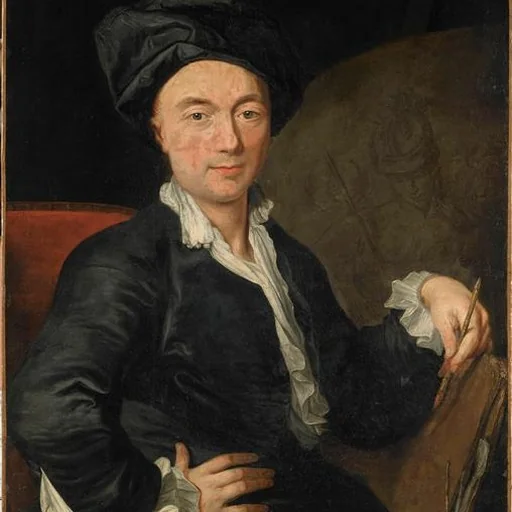
Jean-Baptiste Pater (December 29, 1695 – July 25, 1736) was a French rococo painter.