Artwork
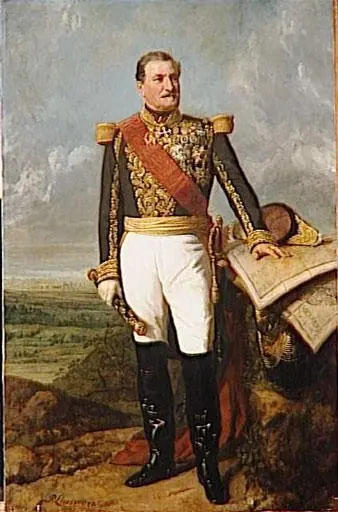
Jean-Pierre Bachasson, comte de Montalivet (1766-1823), ministre de l'Intérieur
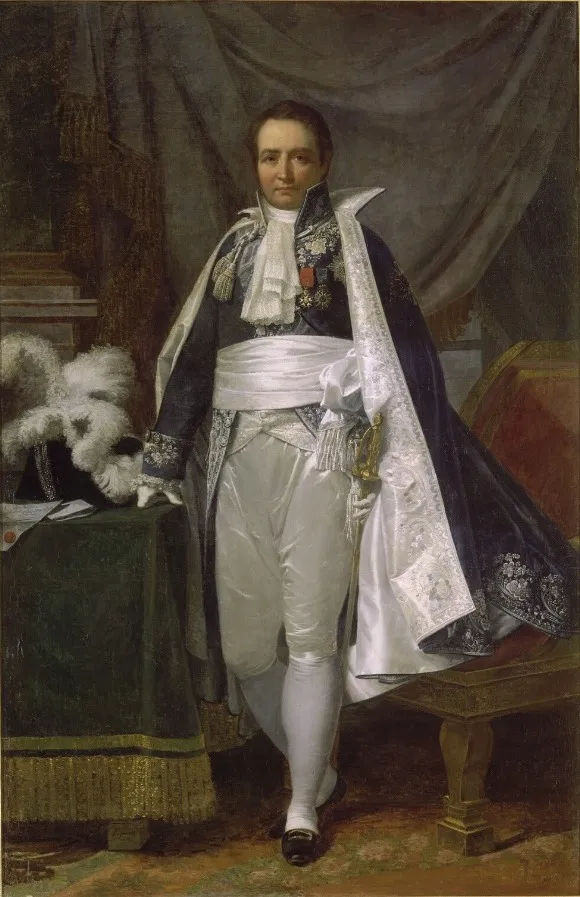
Jean-Pierre Bachasson, comte de Montalivet (1766-1823), ministre de l'Intérieur is an oil painting by Jean Baptiste Regnault. It dates from 1810 and is held in the collection of the Palace of Versailles.
About this work
Overview
The work is part of the collection at the Palace of Versailles, where it reflects the visual language of state authority during the First French Empire.
Painted in 1810 by Jean-Baptiste Regnault, this oil portrait captures Jean-Pierre Bachasson, comte de Montalivet, who served as France’s Minister of the Interior under Napoleon. The work is part of the collection at the Palace of Versailles, where it reflects the visual language of state authority during the First French Empire. Its formal composition and restrained palette align with official portraiture of the period.
Subject & Meaning
Montalivet is depicted in full ceremonial dress, wearing a dark blue coat with white trim, white trousers, and a white sash, signifying his high office. The sword in his right hand and the draped cape suggest both civil authority and military association. His direct gaze and composed expression convey gravitas, reinforcing his role as an administrator of the imperial state rather than a figure of personal charisma.
Technique & Style
Regnault employs precise brushwork to render the textures of silk, wool, and metal, emphasizing the material richness of the uniform. The background is muted and dark, with subtle hints of gold and red that draw attention to the figure without distraction. Lighting is even and controlled, avoiding dramatic contrasts, which supports the portrait’s emphasis on dignity and institutional presence over emotional expression.
History & Provenance
Commissioned during Montalivet’s tenure as minister, the painting was likely intended for display in a government or imperial setting. It entered the collection of the Palace of Versailles in the 19th century, where it remains as part of the museum’s holdings documenting the Napoleonic administration. Its preservation reflects its role as a record of state functionaries rather than a personal commemoration.
Context
Created during the height of the First French Empire, the portrait aligns with Napoleon’s broader effort to institutionalize authority through visual culture. Official portraits like this one were used to project stability and continuity, blending Enlightenment ideals of civic virtue with imperial symbolism. Montalivet’s attire and posture reflect the fusion of revolutionary administrative reform with monarchical tradition.
Legacy
The portrait endures as a representative example of Napoleonic-era official portraiture, illustrating how state power was visually codified. While not widely exhibited outside Versailles, it contributes to scholarly understanding of how bureaucratic elites were portrayed during a period of political transformation. Its restrained aesthetic contrasts with more flamboyant imperial images, highlighting the value placed on sober competence.
Artist & collection


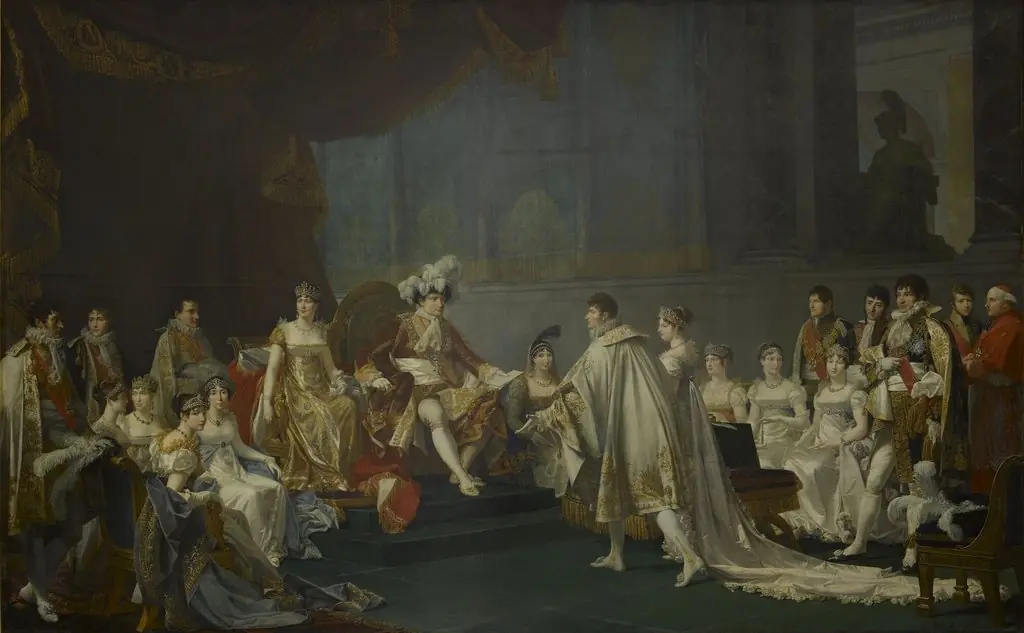 Wedding of Prince Jérôme Bonaparte and Princess Frédérique-Catherine of Wurtemberg, August 22, 1807
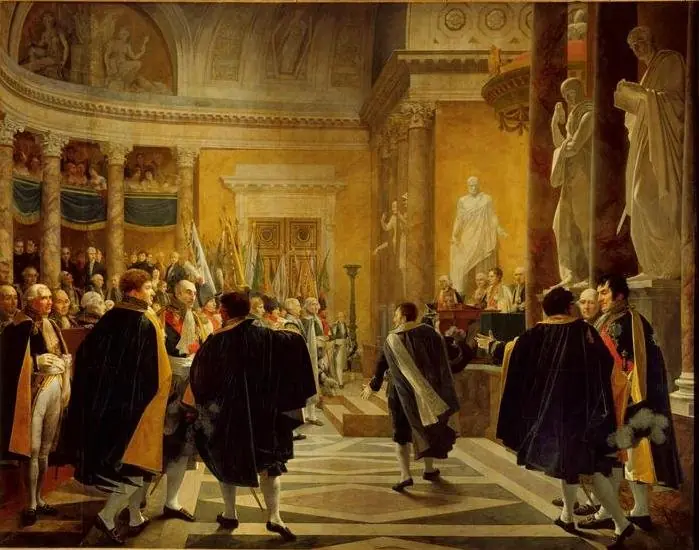 The Senate-Conservative receives the flags taken during the Austrian campaign, January 1, 1806
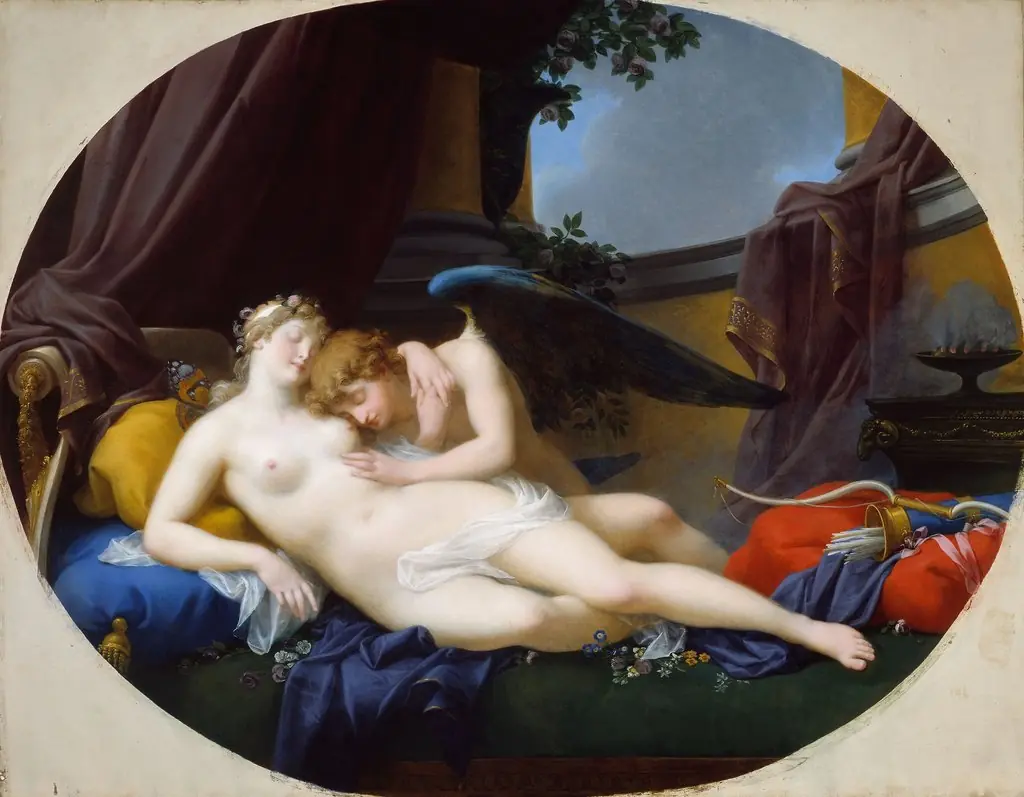 Cupid and Psyche
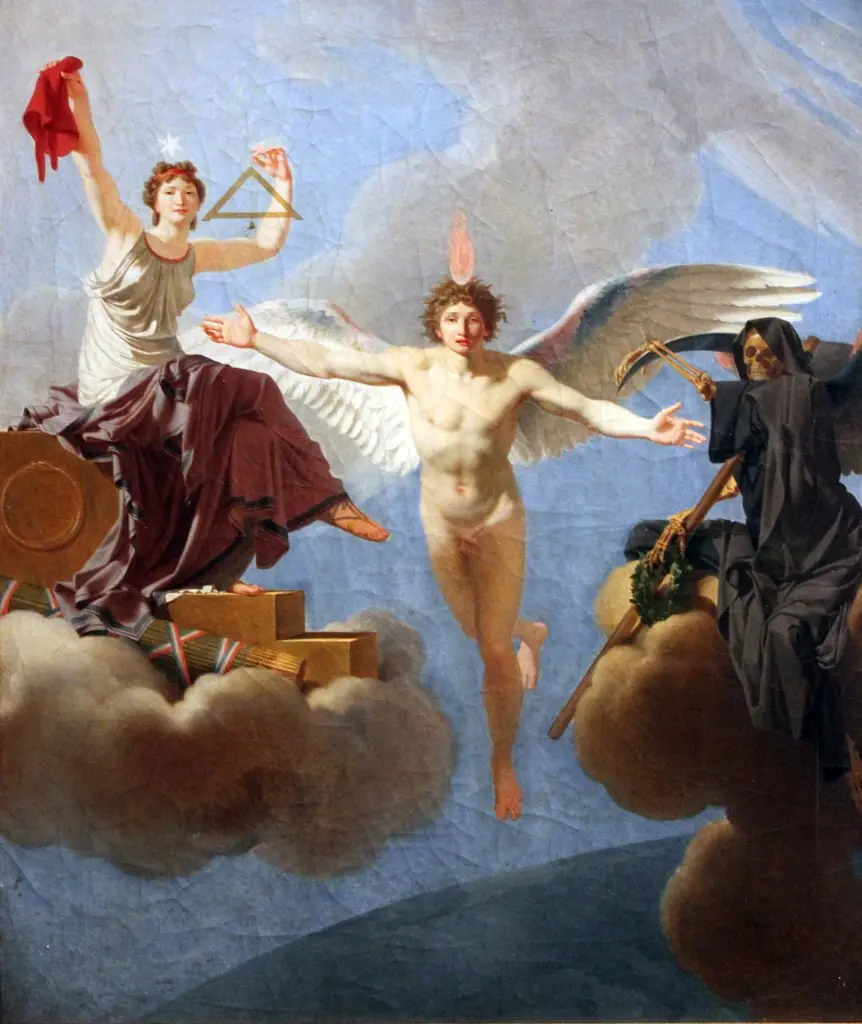 The Genius of France between Freedom and Death
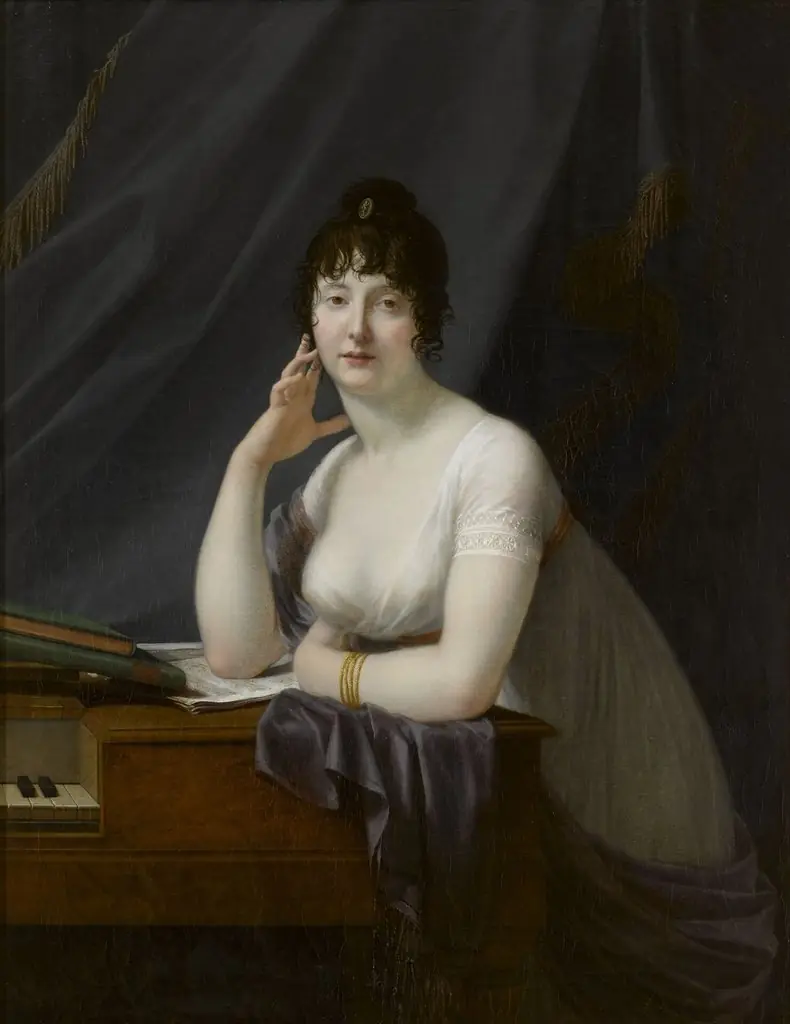 Madame Antoine Arnault
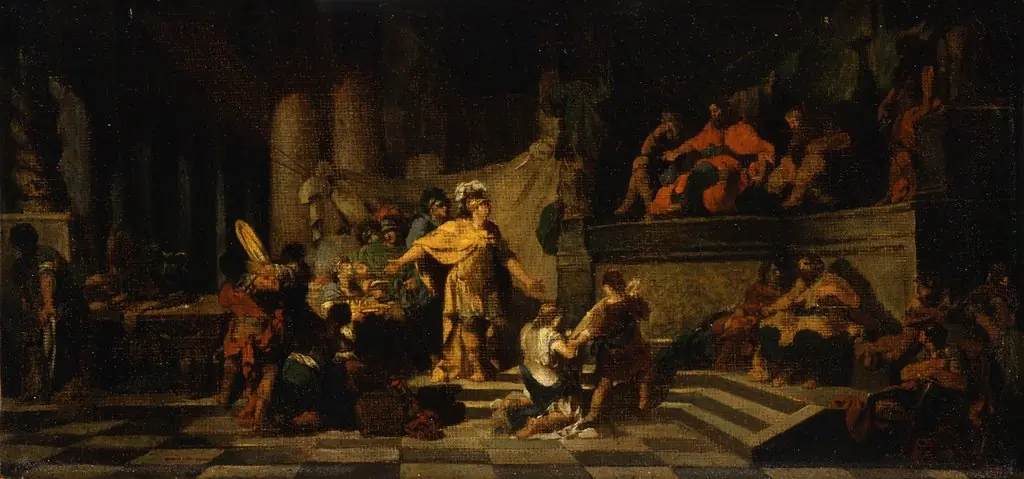 Aeneas Offering Presents to King Latinus and Asking Him for the Hand of His Daughter
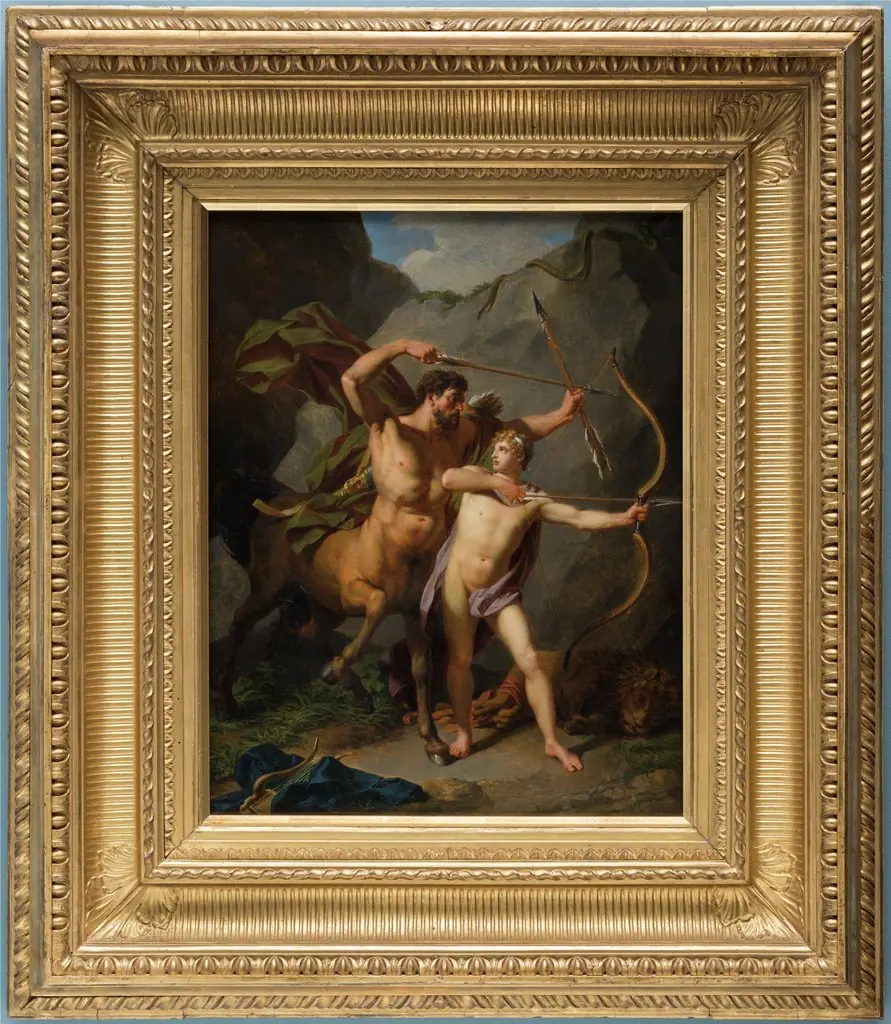 Education of Achilles
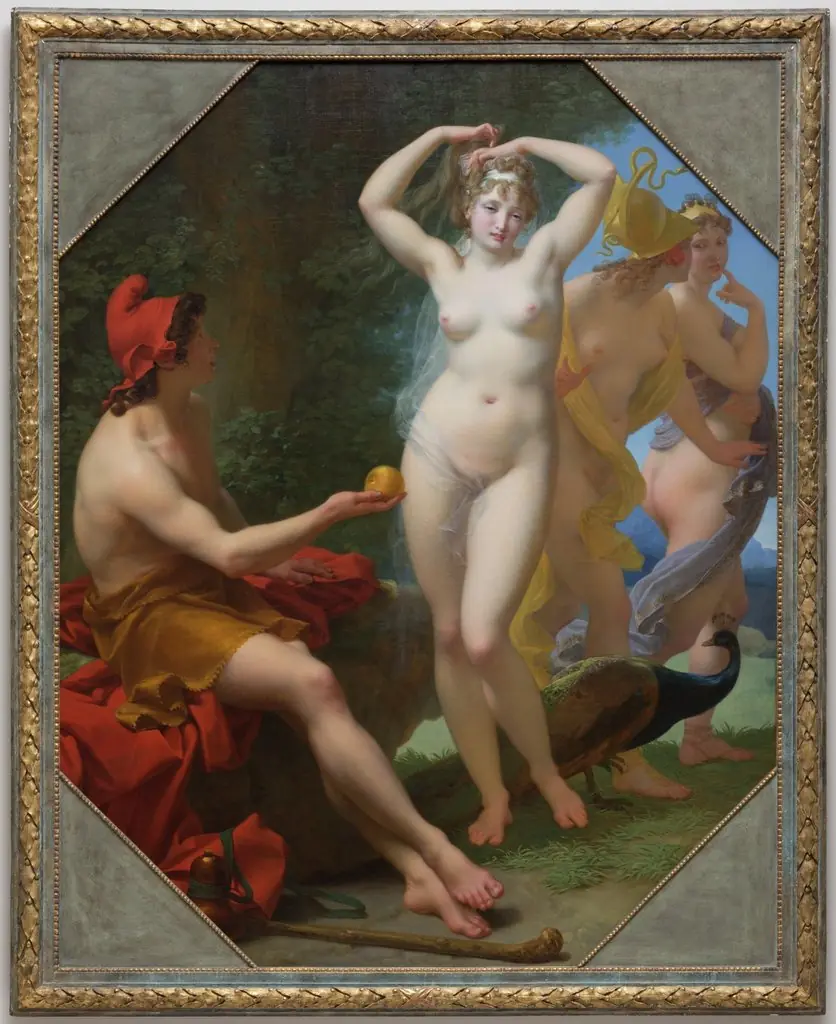 The Judgment of Paris
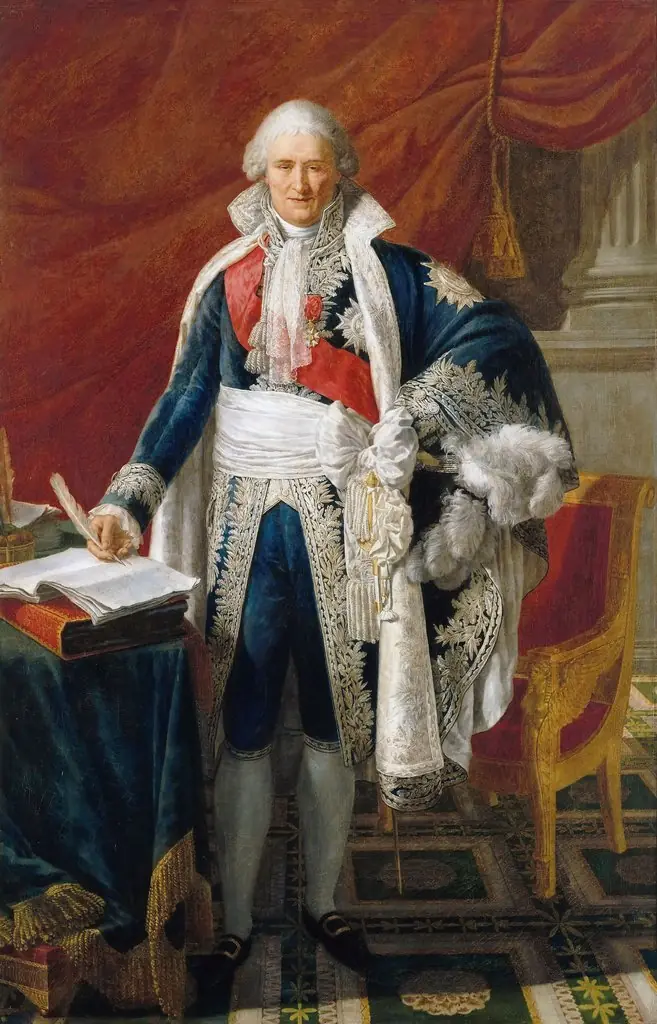 Jean-Etienne-Marie, Count Portalis, Minister of Worship (1749-1807)
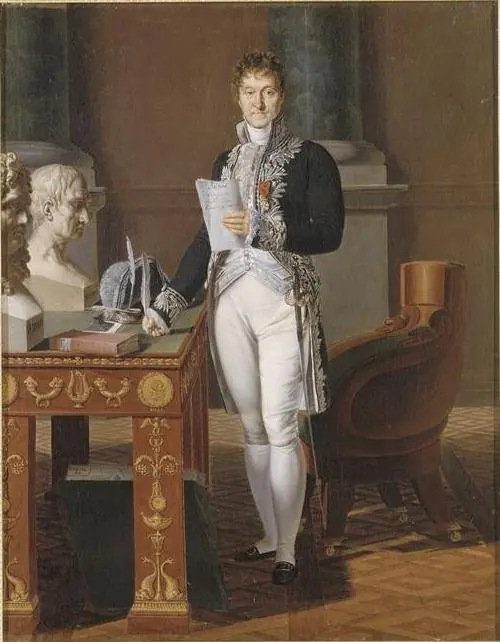 Lazare Nicolas Marguerite, comte Carnot, général (1753-1823)
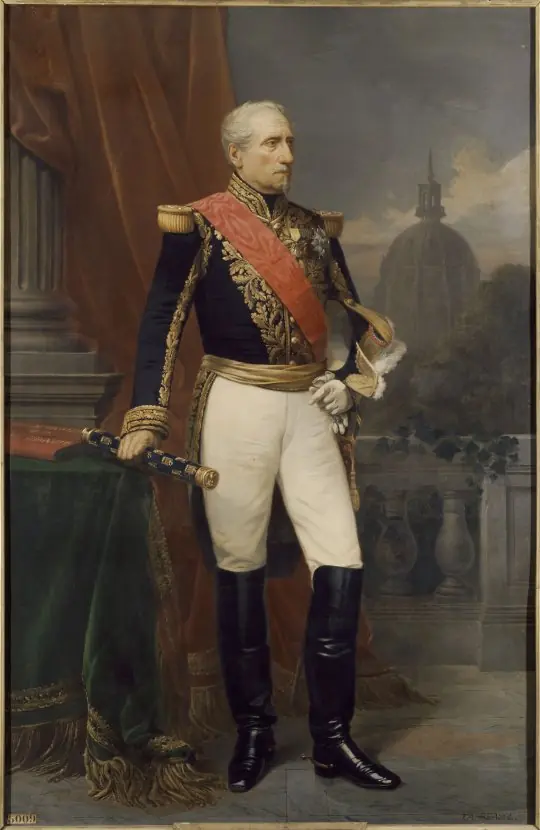 Philippe Antoine, comte d'Ornano, maréchal de France (1784-1863)
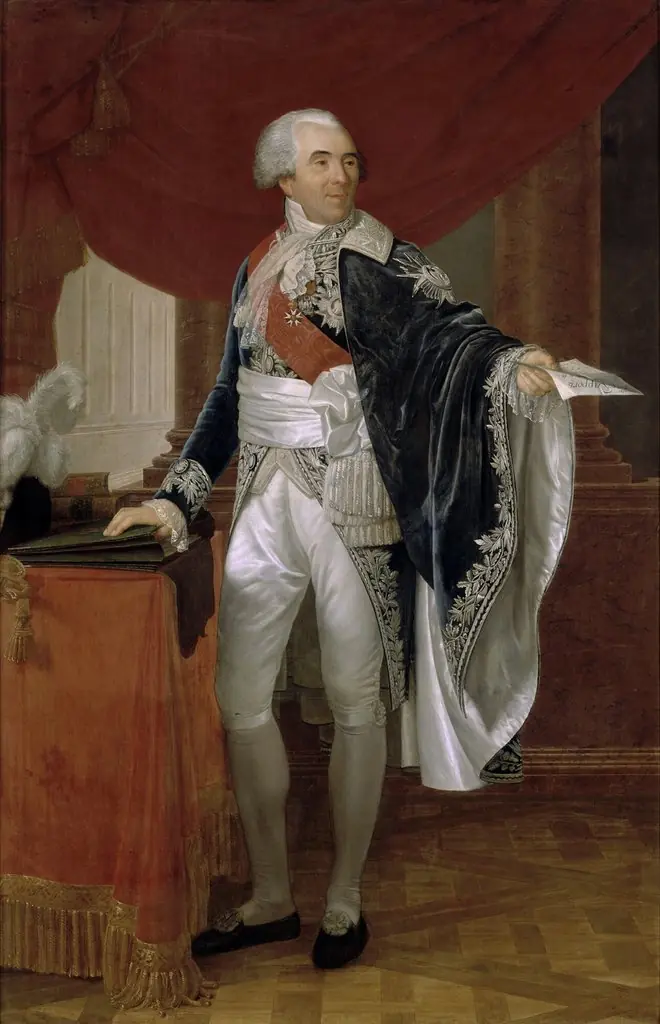 Jean-Gérard Lacués, count of Cessac (1752-1841)
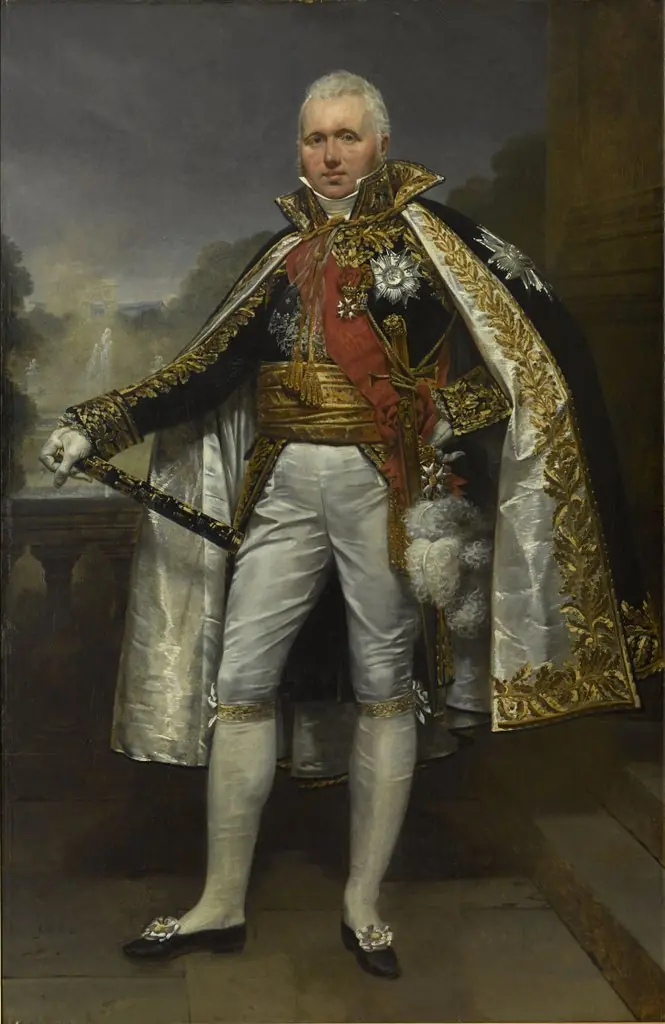 Claude-Victor Perrin, Duke of Bellune, Marshal of France
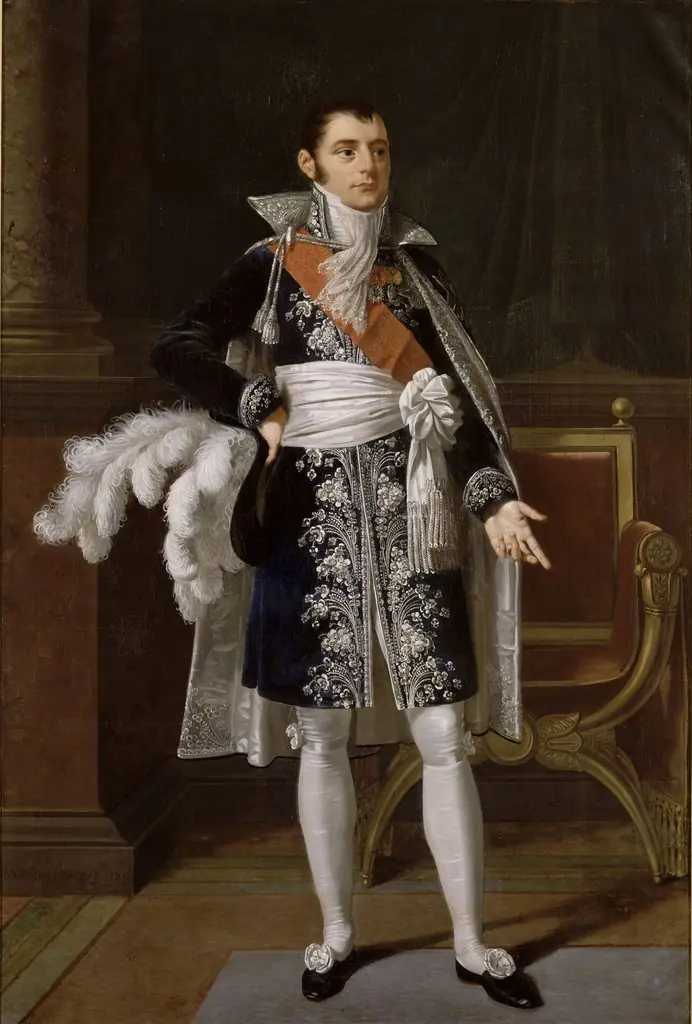 Portrait of Anne-Jean-Marie-René Savary, Duke of Rovigo (1774-1833)
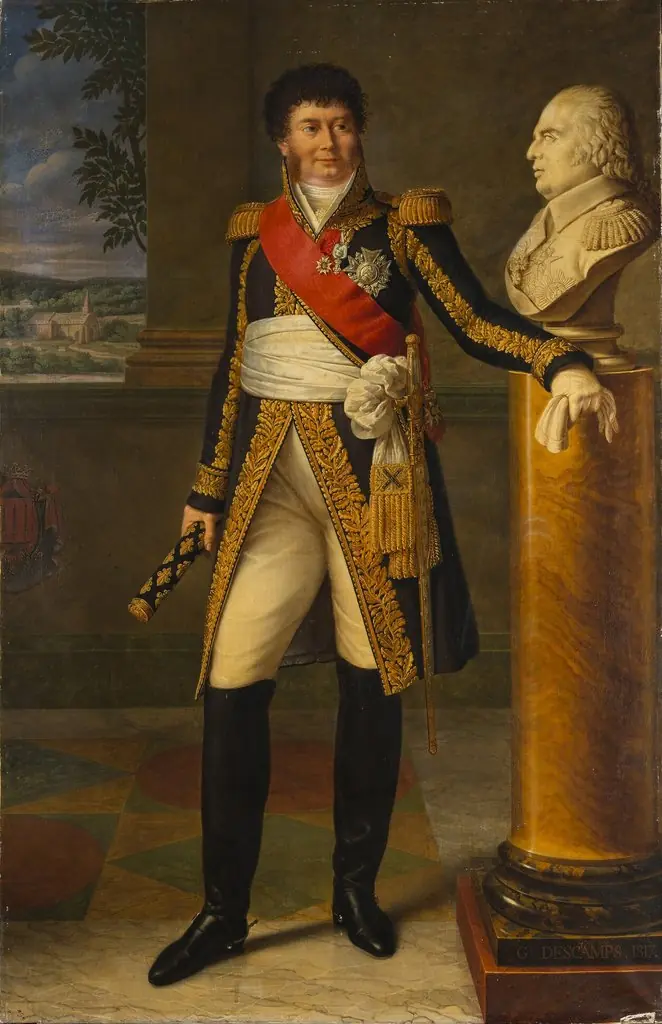 Henri-Jacques-Guillaume Clarke, Count of Hunebourg, Duke of Feltre, Marshal of France (1765-1818)
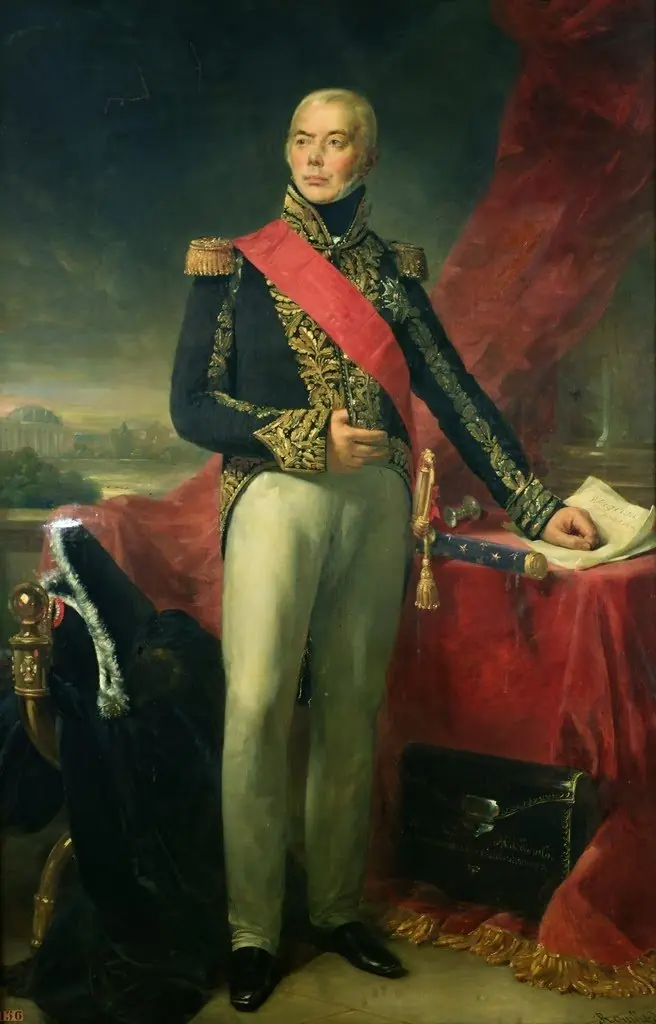 Etienne-Joseph-Jacques-Alexandre MacDonald, Duke of Taranto, Marshal of France (1765-1840)
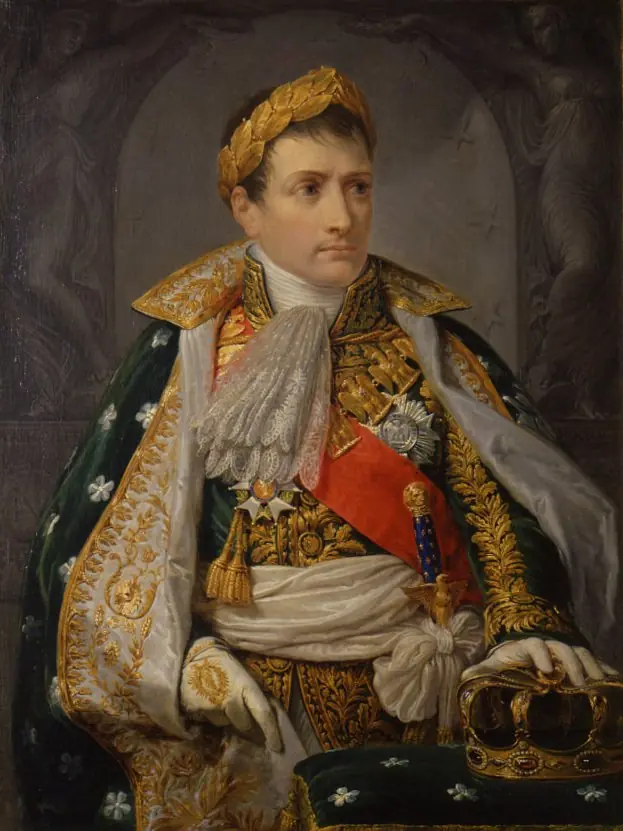 Napoleon I Bonaparte
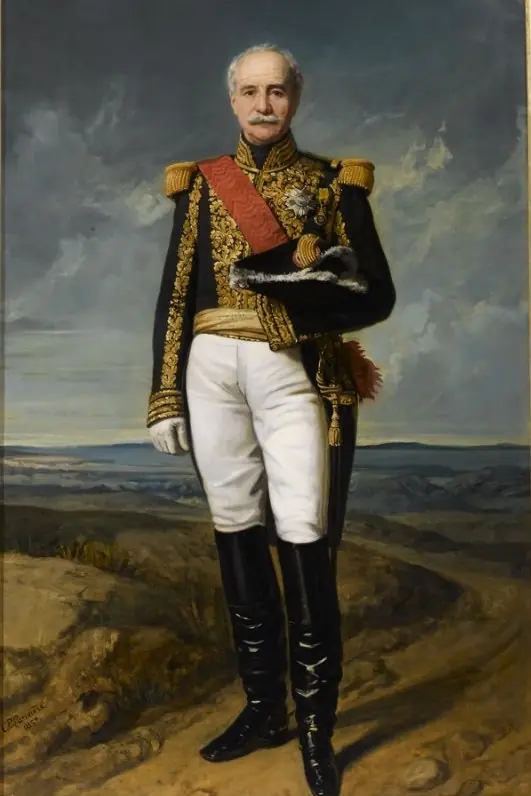 Achille, Marshal-Count Baraguey d'Hilliers
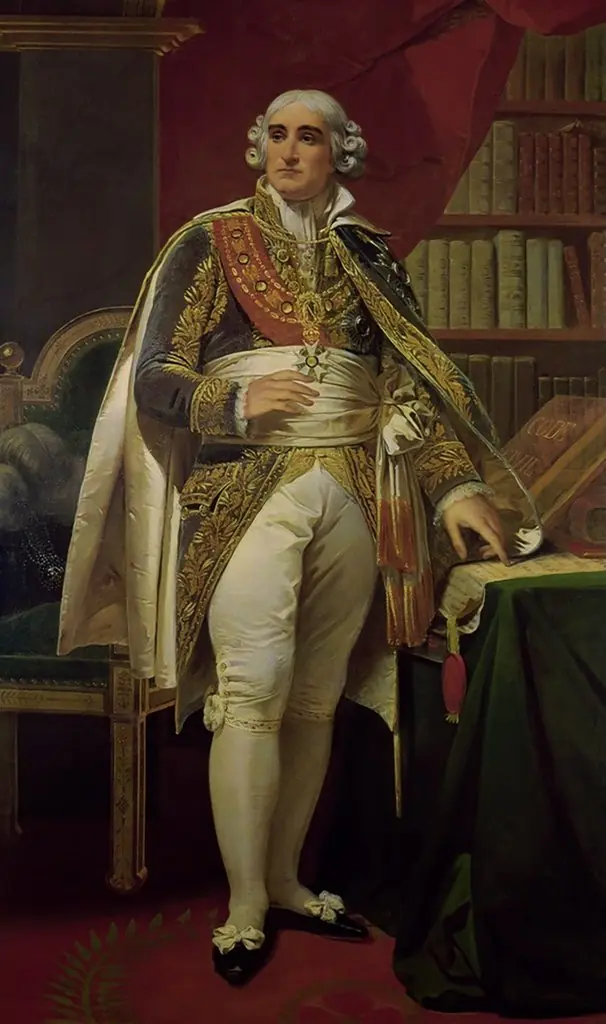 Portrait de Parme, duc de Cambacérès, Archichancelier de l'Empire
 Elie-Frédéric Forey, Marshal