Artwork
Still Life with a Hare
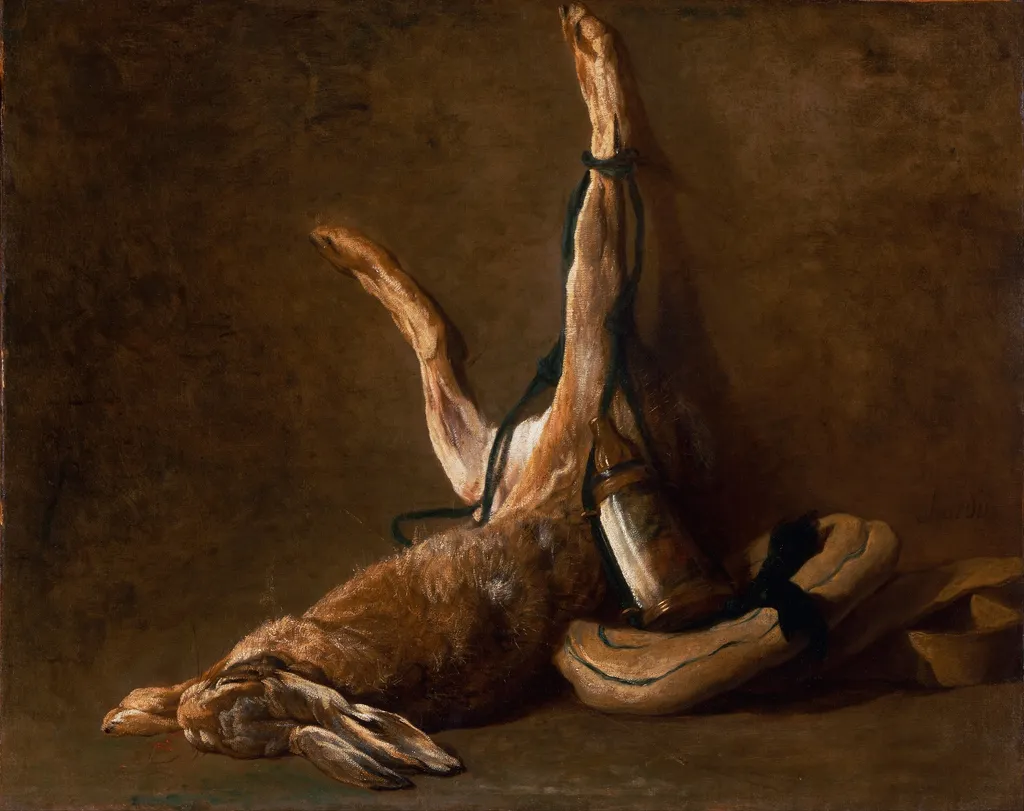
Still Life with a Hare is an oil painting by the Rococo painting artist Jean-Baptiste-Siméon Chardin. It dates from 1730 and is held in the collection of the Philadelphia Museum of Art. Created in 1730, this oil painting presents a solitary hare lying on its back, its limbs spread outward.
About this work
Overview
Created in 1730, this oil painting presents a solitary hare lying on its back, its limbs spread outward. The animal’s fur is rendered in muted browns and whites, and a dark cord binds its hind legs while a light fabric rests beneath its body. The composition is set against a subdued brown backdrop that isolates the subject, emphasizing a calm, unadorned stillness.
Subject & Meaning
The central figure is a deceased hare, depicted with closed eyes and a naturalistic posture that suggests a moment of quiet repose. By focusing solely on the animal and its immediate props, the work invites contemplation of mortality and the everyday objects that surround it, reflecting a modest, contemplative approach to still‑life subject matter.
Technique & Style
The artist employs a restrained Rococo palette, using soft, diffused lighting to model the hare’s texture. A granular impasto builds subtle volume in the fur, while delicate brushwork defines the folds of the cloth and the sheen of the cord. The overall balance of forms and the muted tonal range convey a sense of measured compositional harmony.
History & Provenance
Painted by the French artist Jean‑Baptiste‑Siméon Chardin, a noted exponent of 18th‑century domestic scenes, the work entered the collection of the Philadelphia Museum of Art, where it remains on display. Its acquisition reflects the museum’s interest in representing French Rococo still lifes within a broader narrative of European art.
Context
Chardin’s oeuvre is characterized by modest domestic subjects rendered with meticulous observation. This painting aligns with his broader practice of portraying everyday objects—food, kitchenware, game—using a restrained visual language that contrasts with the more decorative tendencies of contemporary Rococo art, thereby underscoring his unique position within the period’s artistic spectrum.
Own this work as a print
Artist & collection
Artist
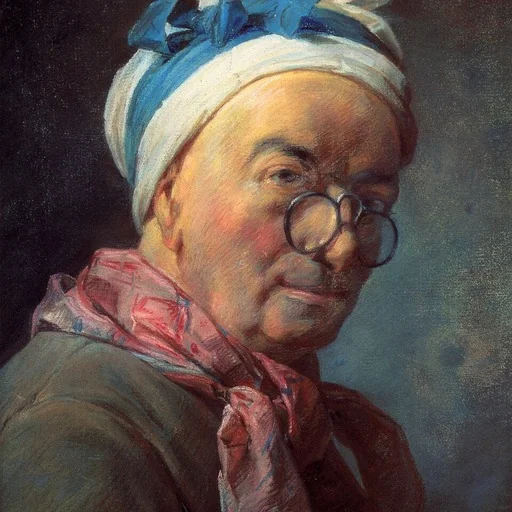
Jean Siméon Chardin (French: ; November 2, 1699 – December 6, 1779) was an 18th-century French painter.

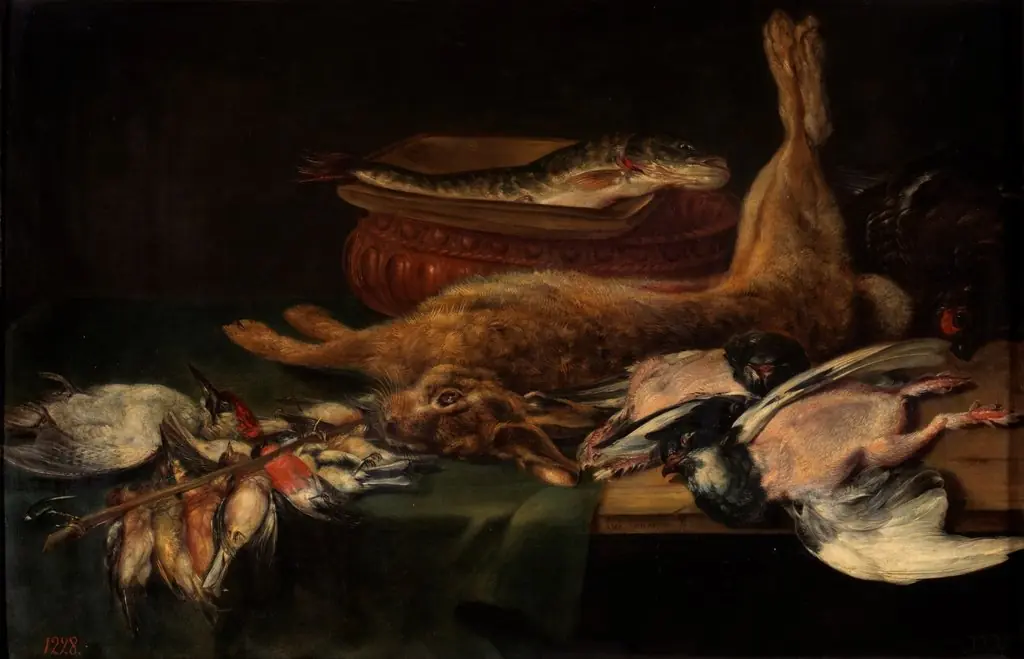 Still life with a hare, dead birds and fish
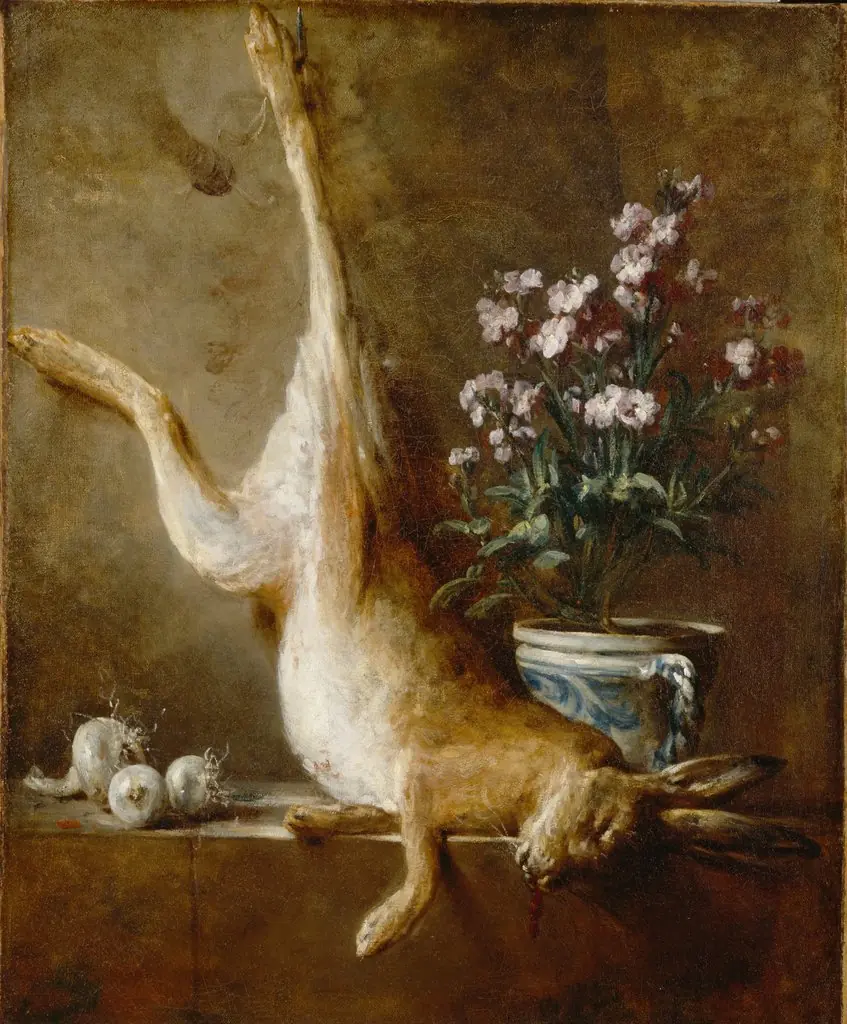 Still Life with Dead Hare
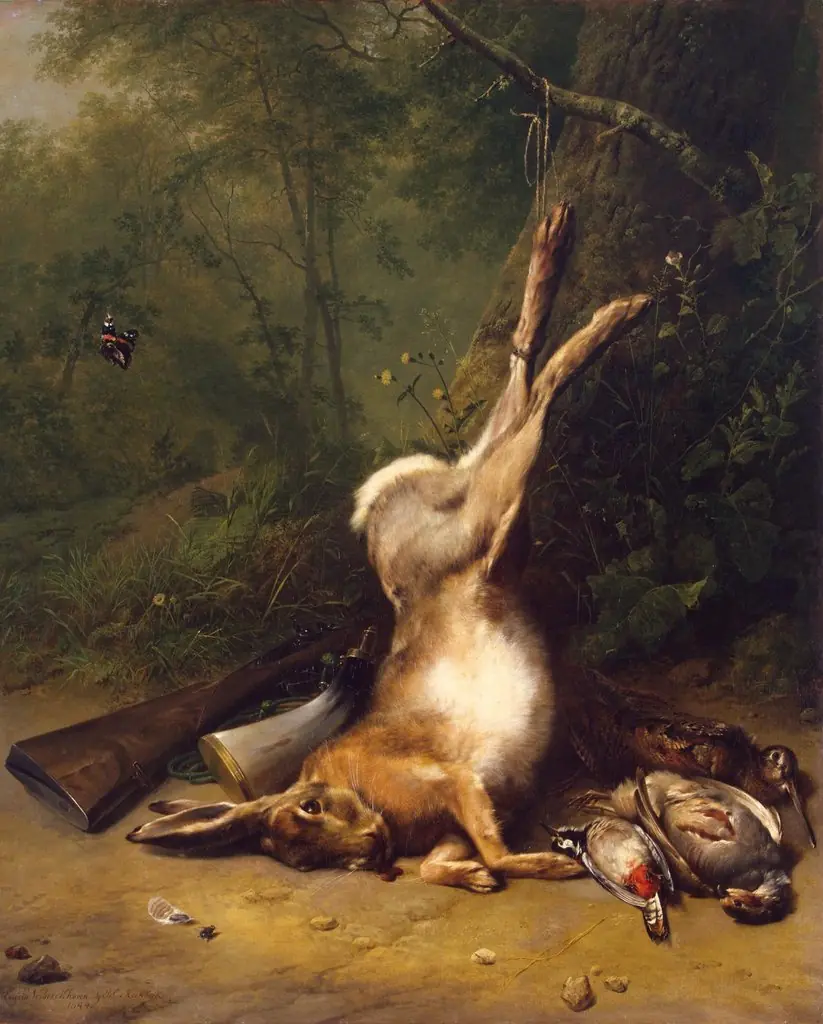 Still Life with a Hare
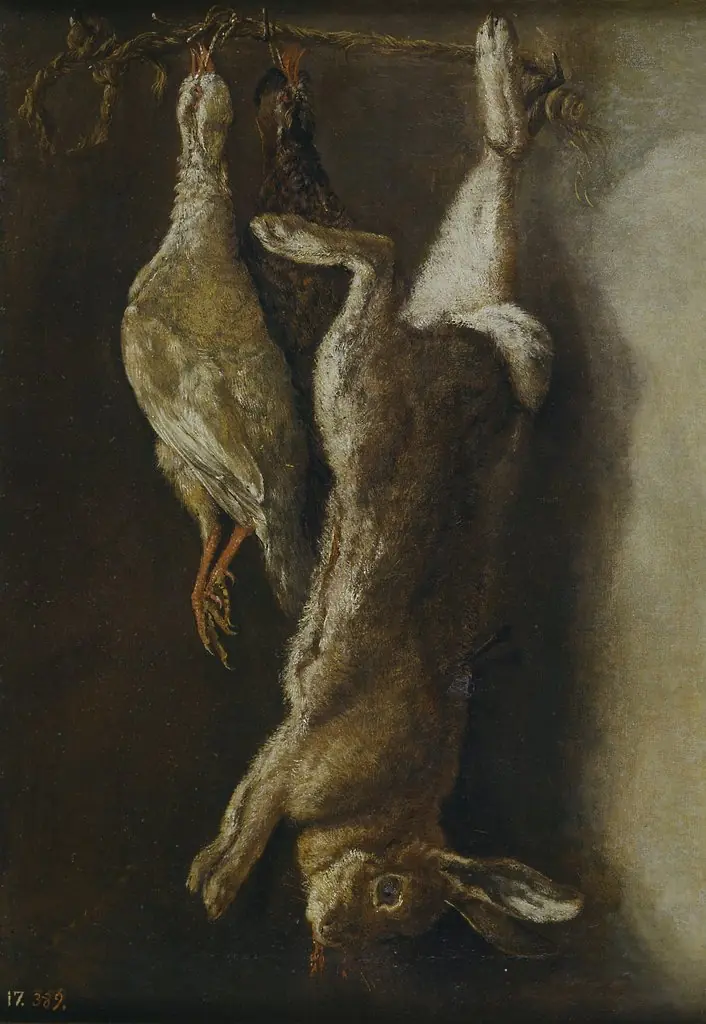 Kitchen still life with a hare and two partridges
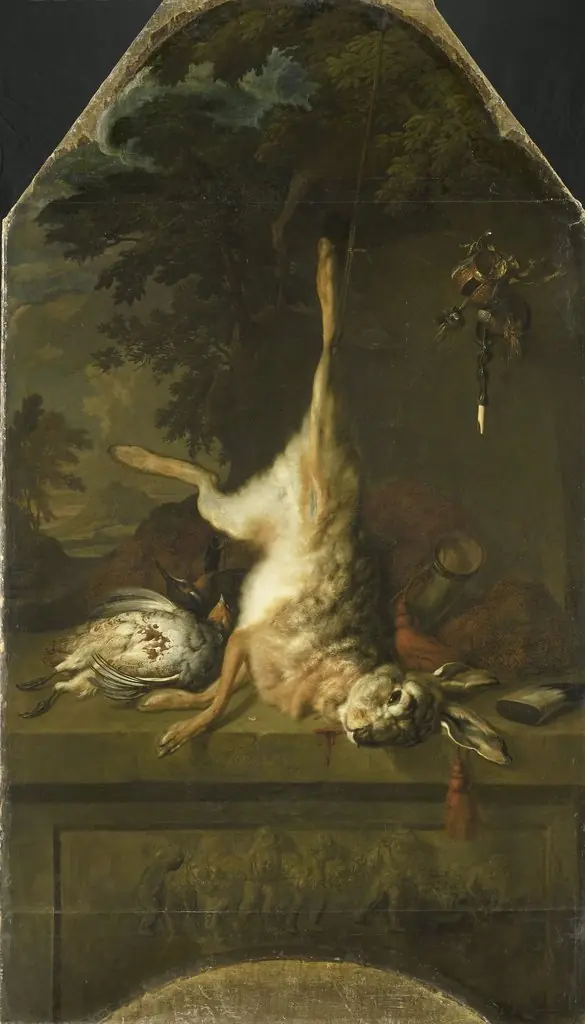 Still Life with Dead Hare and Partridges
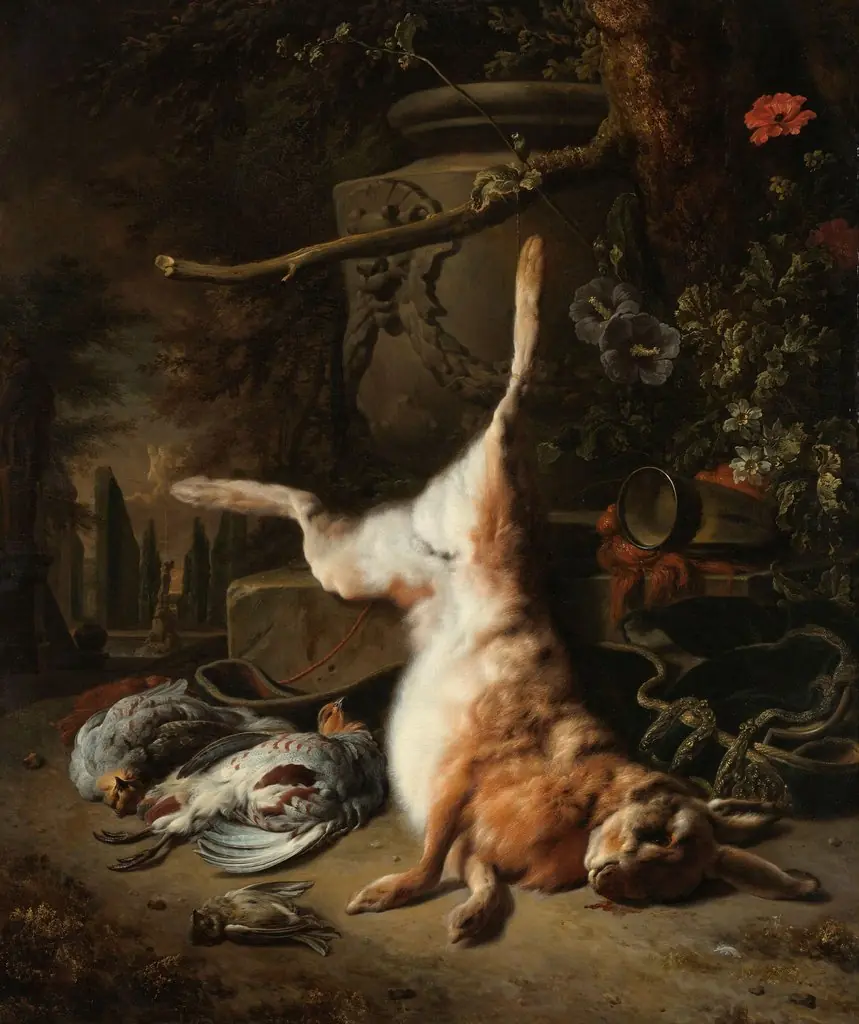 Still life with a Hare and Other Game
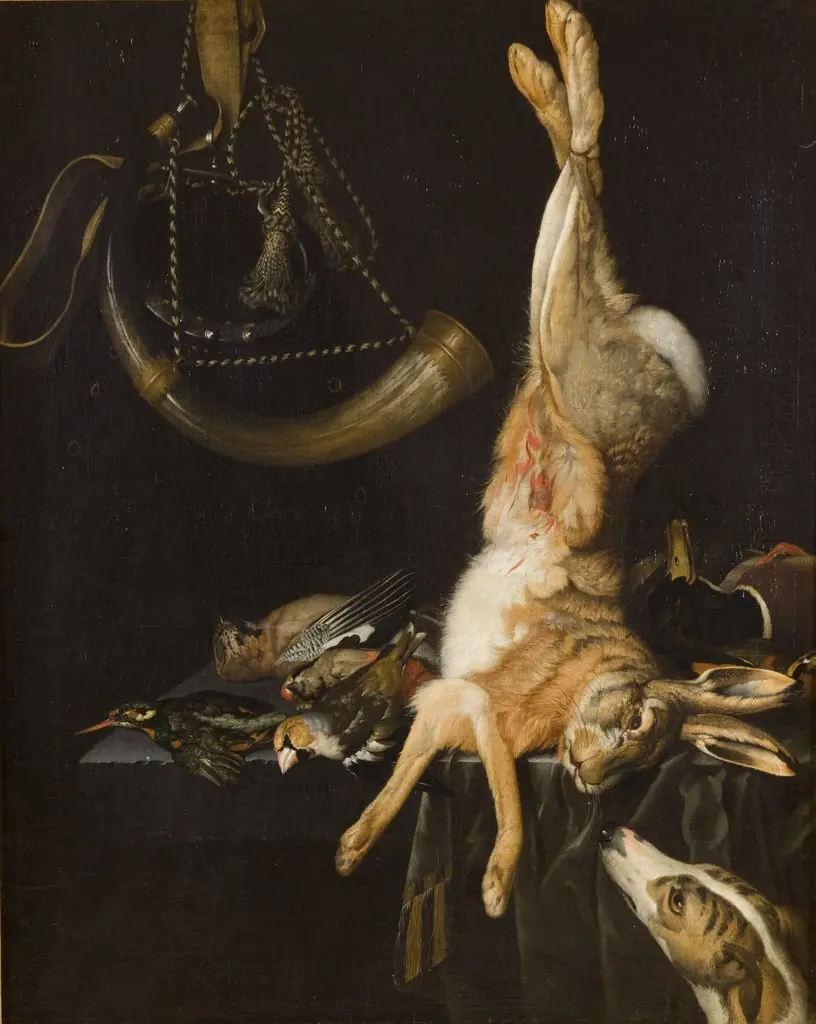 Still Life with a Hare
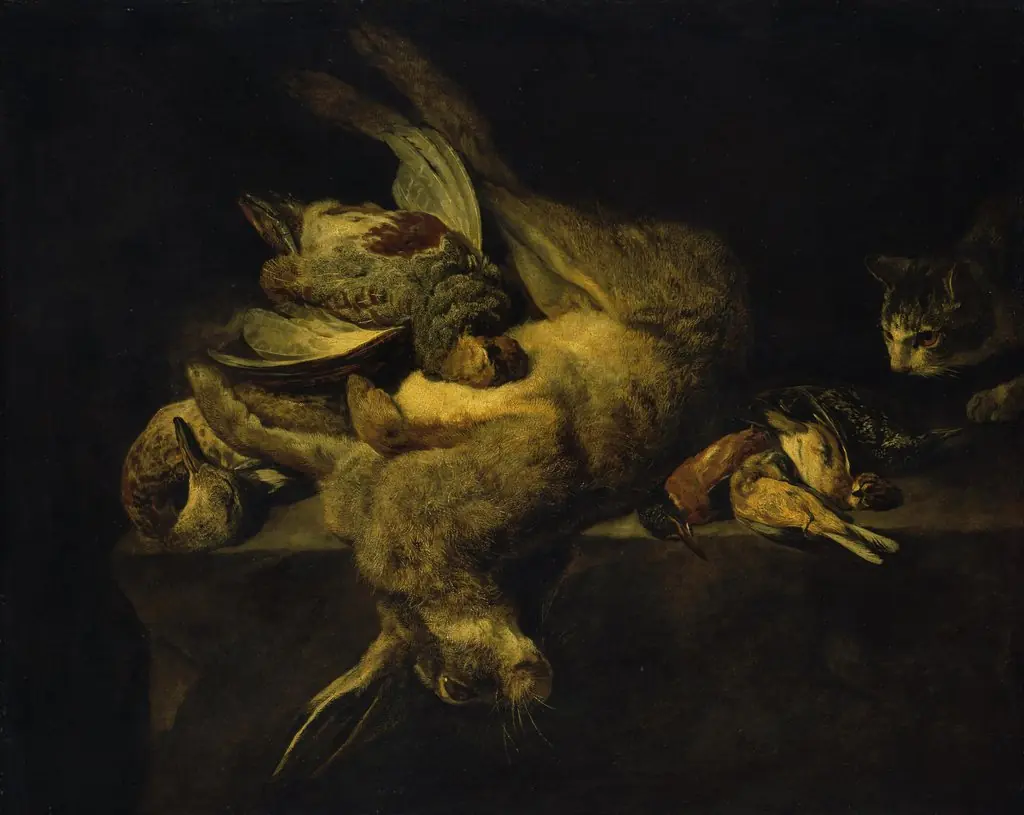 Still Life with Dead Rabbit
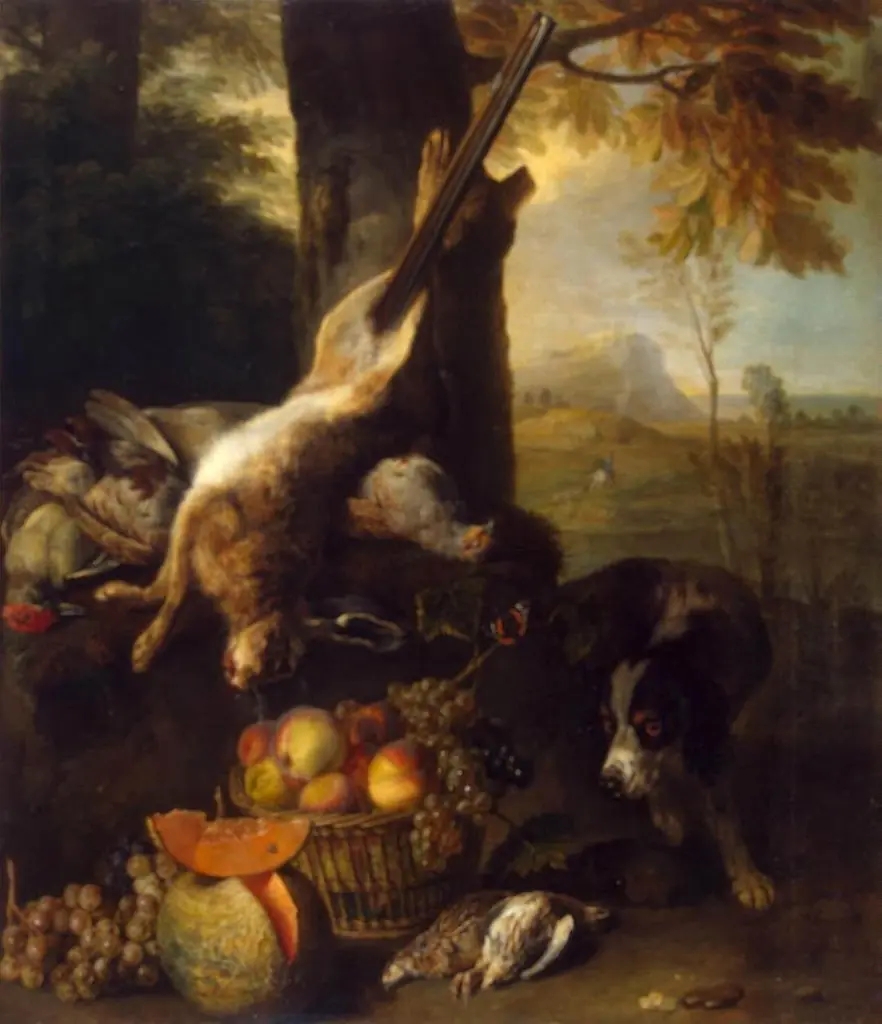 Still Life with a Dead Hare and Fruit
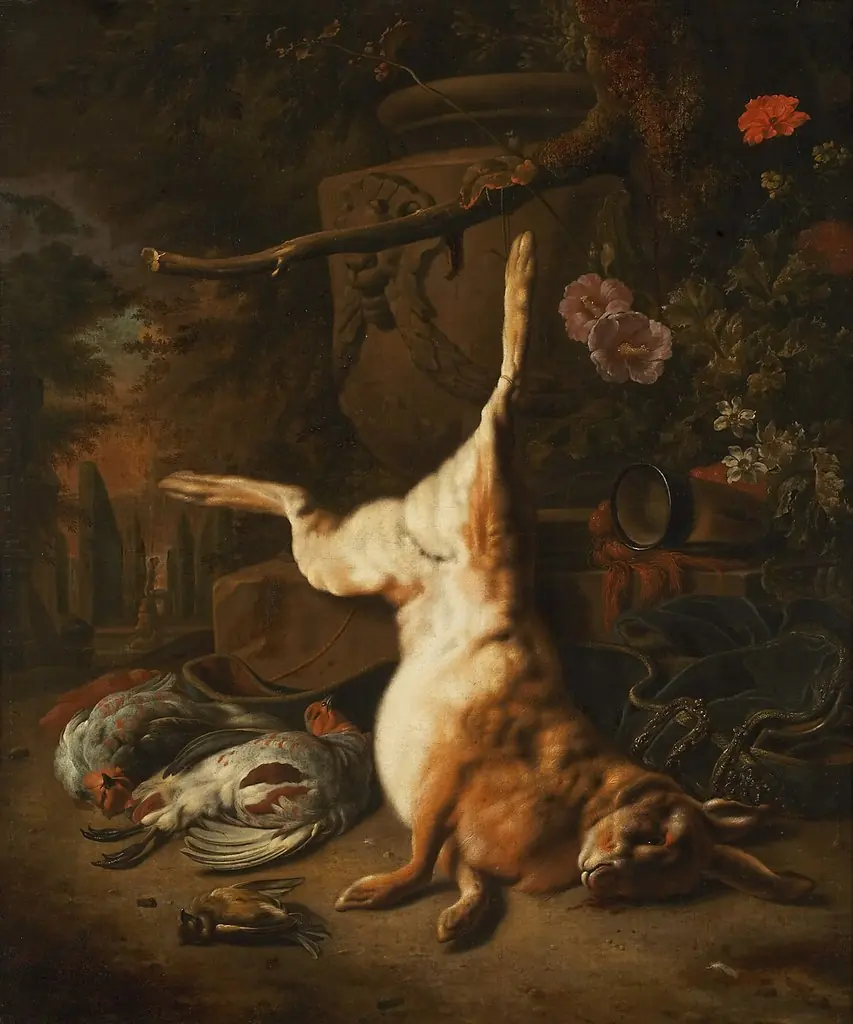 Still-life with dead hare in a park