Artwork
Still Life with Dead Hare
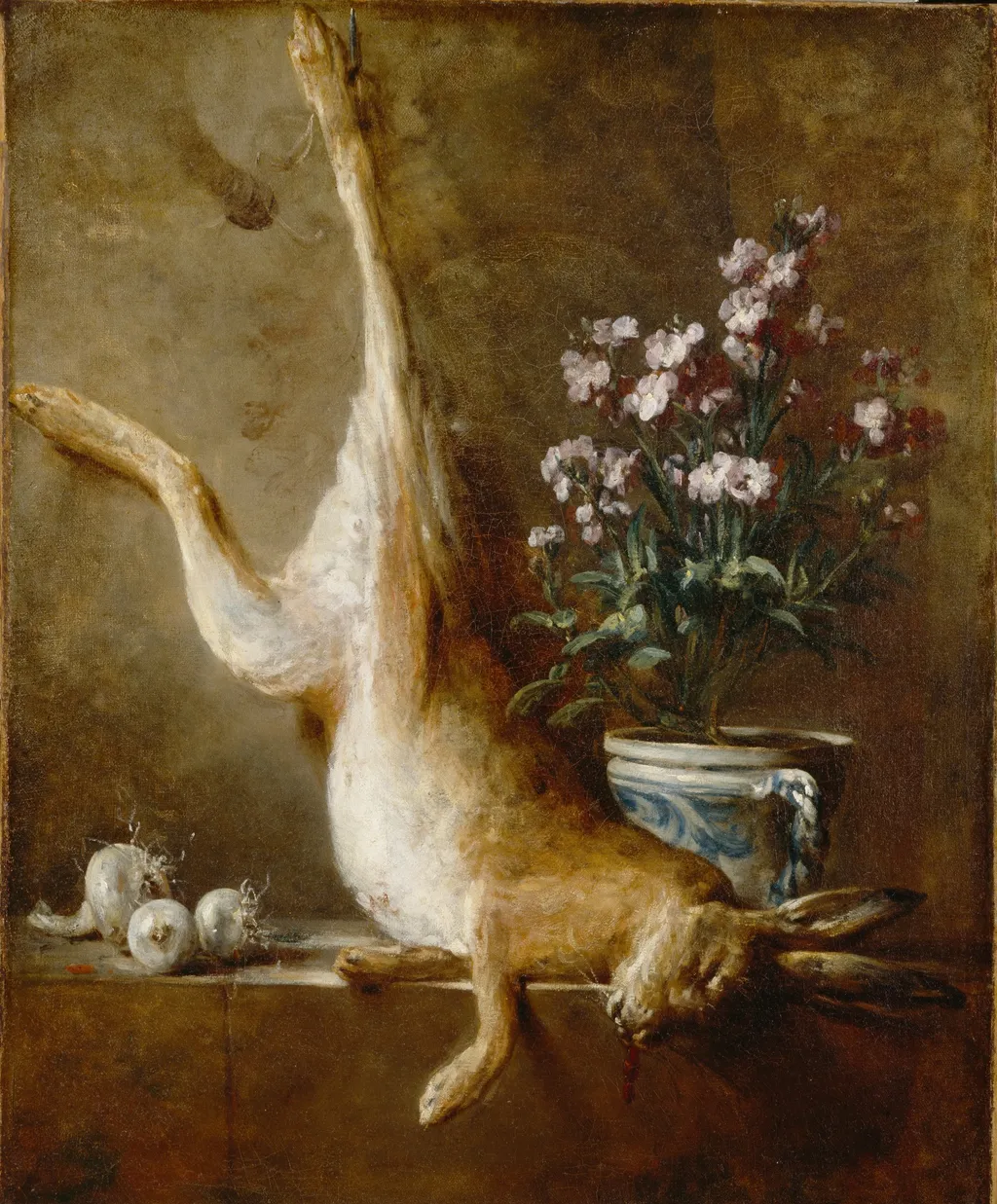
Still Life with Dead Hare is an oil painting by the Rococo painting artist Jean-Baptiste-Siméon Chardin. It dates from 1760 and is held in the collection of the Detroit Institute of Arts.
About this work
Overview
Created in 1760, *Still Life with Dead Hare* is an oil painting by French artist Jean Siméon Chardin. The composition presents a single dead hare suspended from a hook, positioned above a modest tabletop that holds a few vegetables and a small vase of flowers. The background consists of a plain, muted brown wall, emphasizing the quiet, domestic atmosphere of the scene.
Subject & Meaning
The central figure of the work is the lifeless hare, rendered with meticulous attention to its fur texture and anatomical form. By placing the animal in a domestic interior alongside everyday produce, Chardin invites contemplation of mortality and the ordinary cycles of nourishment, while the subdued setting discourages dramatic narrative in favor of quiet observation.
Technique & Style
His brushwork combines smooth passages with a subtle impasto that gives the hare’s coat a tactile quality.
Chardin employs a restrained palette and soft, diffused lighting that gently models the forms. His brushwork combines smooth passages with a subtle impasto that gives the hare’s coat a tactile quality. The overall balance of elements reflects the artist’s characteristic compositional harmony, typical of his late Rococo still lifes, where realism is achieved through careful modulation of tone and surface.
History & Provenance
The painting has been part of the Detroit Institute of Arts collection since its acquisition in the early 20th century, where it remains on display as a representative example of Chardin’s mature still‑life oeuvre. Its provenance traces back to private French collections before crossing the Atlantic, reflecting the growing appreciation of Chardin’s work among American collectors.
Context
Executed during the latter phase of the Rococo period, the work diverges from the era’s ornamental exuberance, favoring instead a sober, contemplative approach to everyday subjects. Chardin’s focus on humble objects and domestic scenes positioned him as a counterpoint to the grand historical and mythological paintings popular among his contemporaries, highlighting a shift toward realism in French art.
Own this work as a print
Artist & collection
Artist
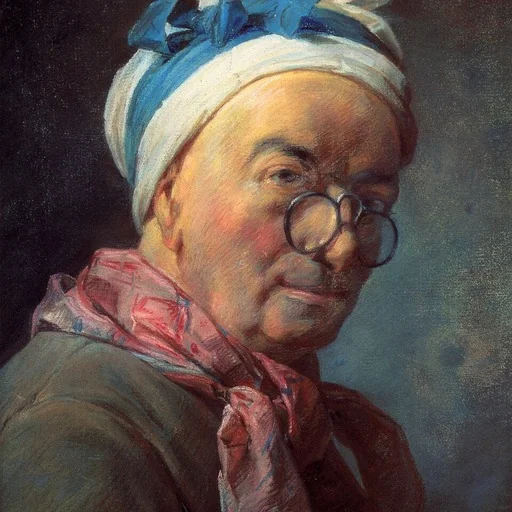
Jean Siméon Chardin (French: ; November 2, 1699 – December 6, 1779) was an 18th-century French painter.

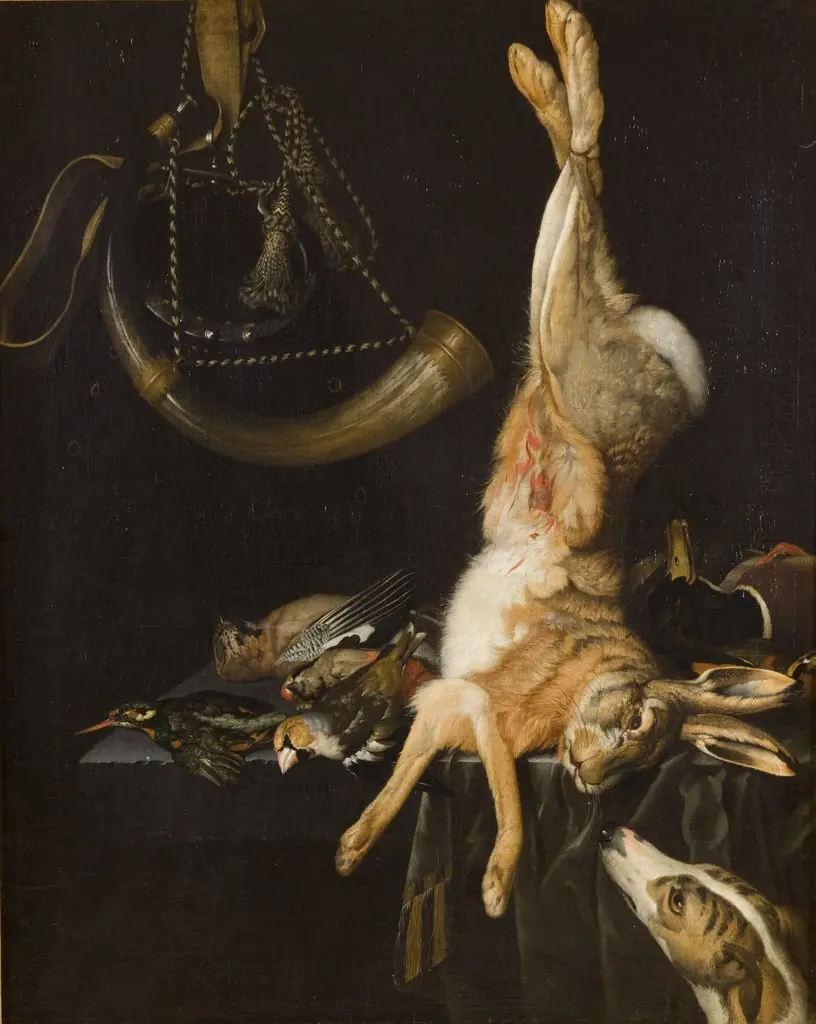 Still Life with a Hare
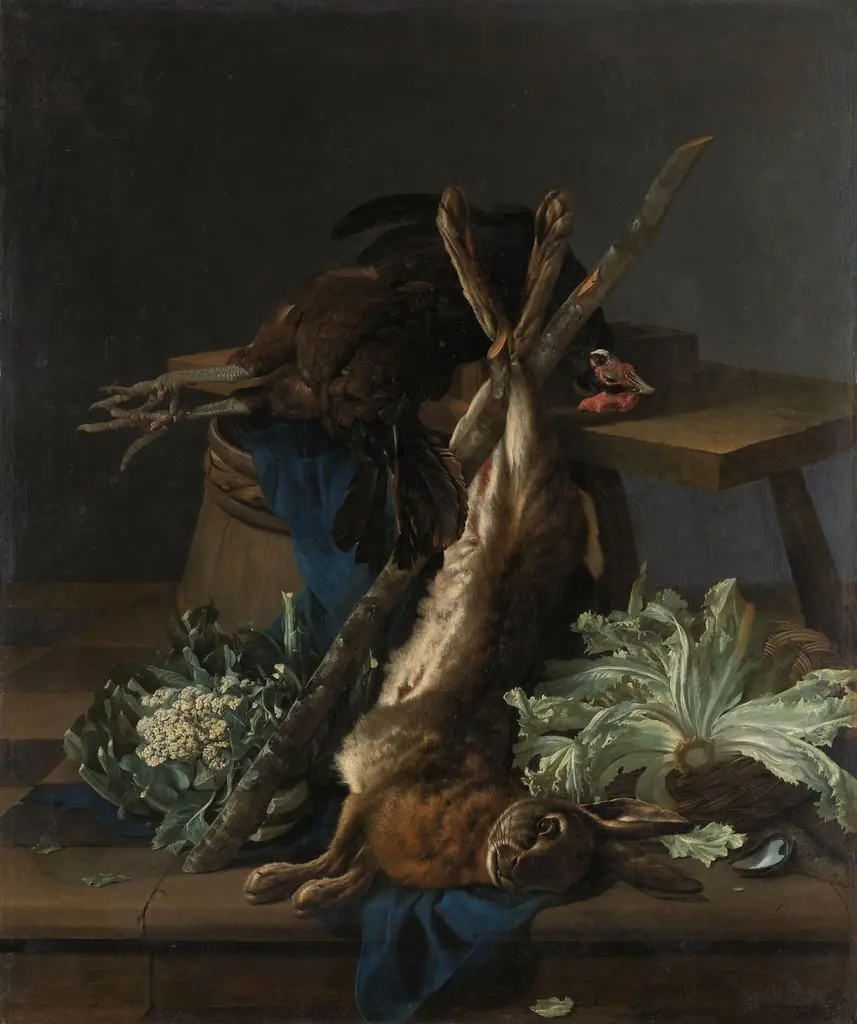 Still life with hare and black rooster
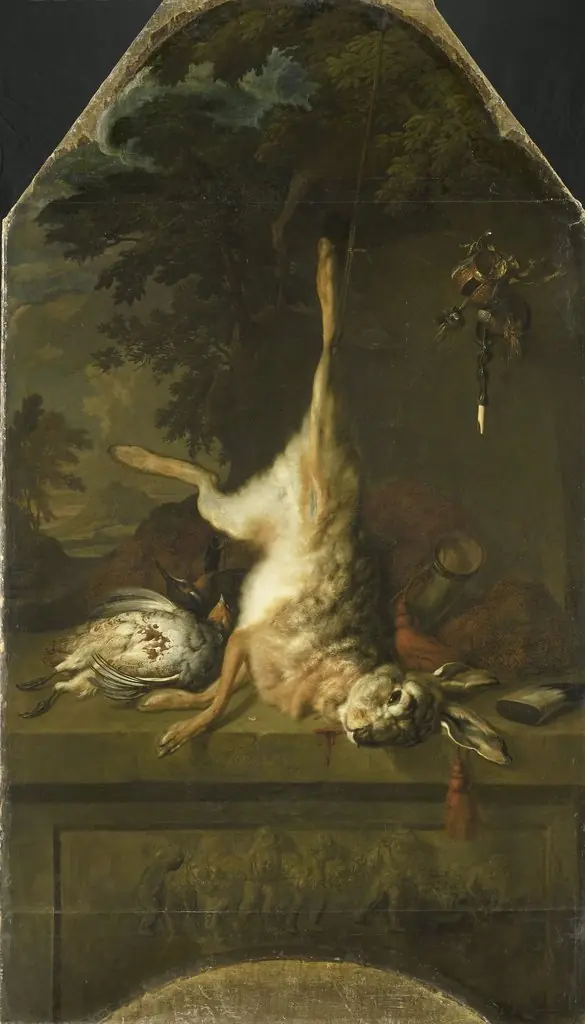 Still Life with Dead Hare and Partridges
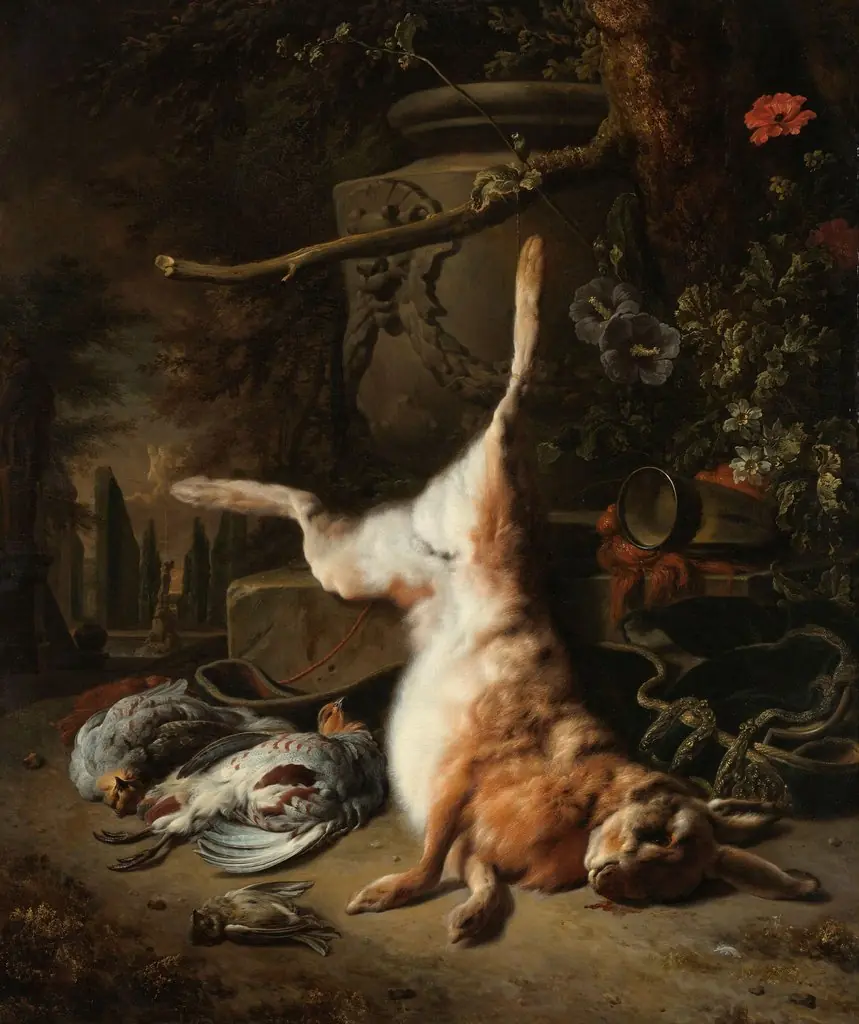 Still life with a Hare and Other Game
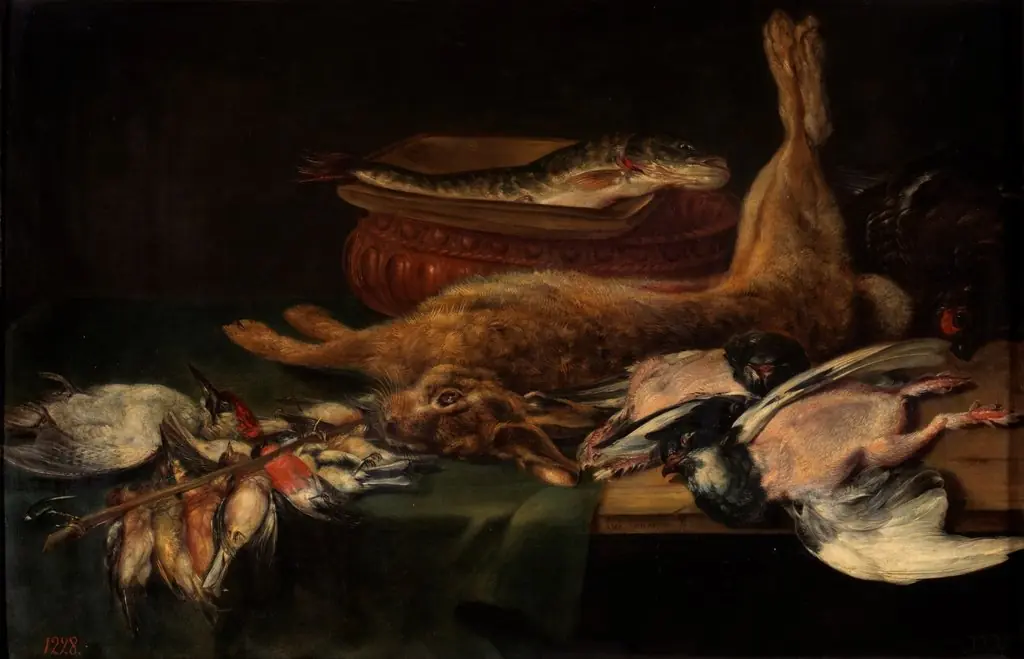 Still life with a hare, dead birds and fish
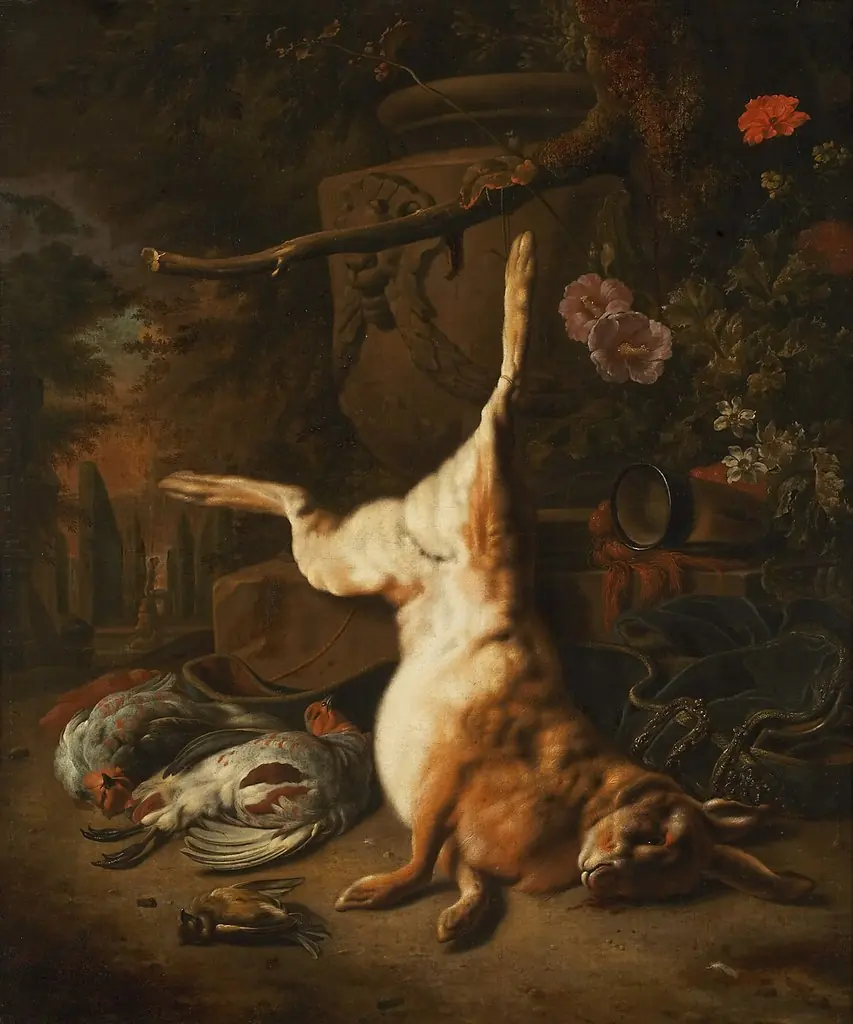 Still-life with dead hare in a park
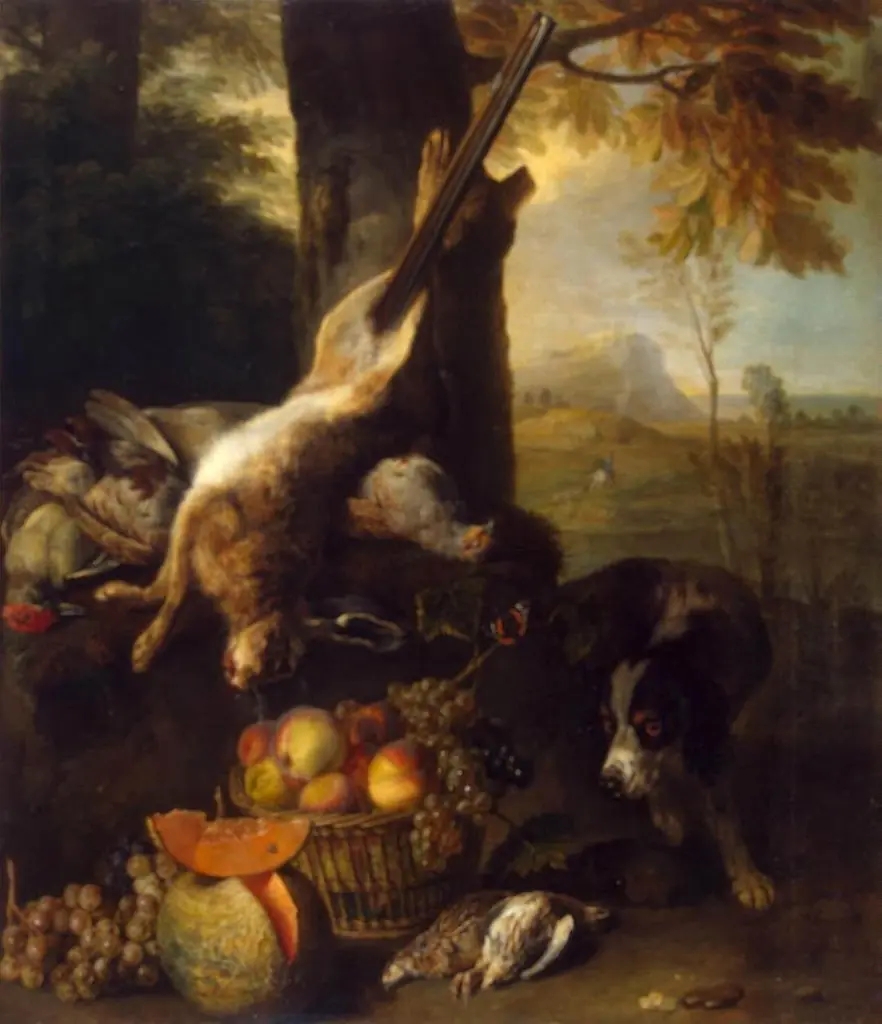 Still Life with a Dead Hare and Fruit
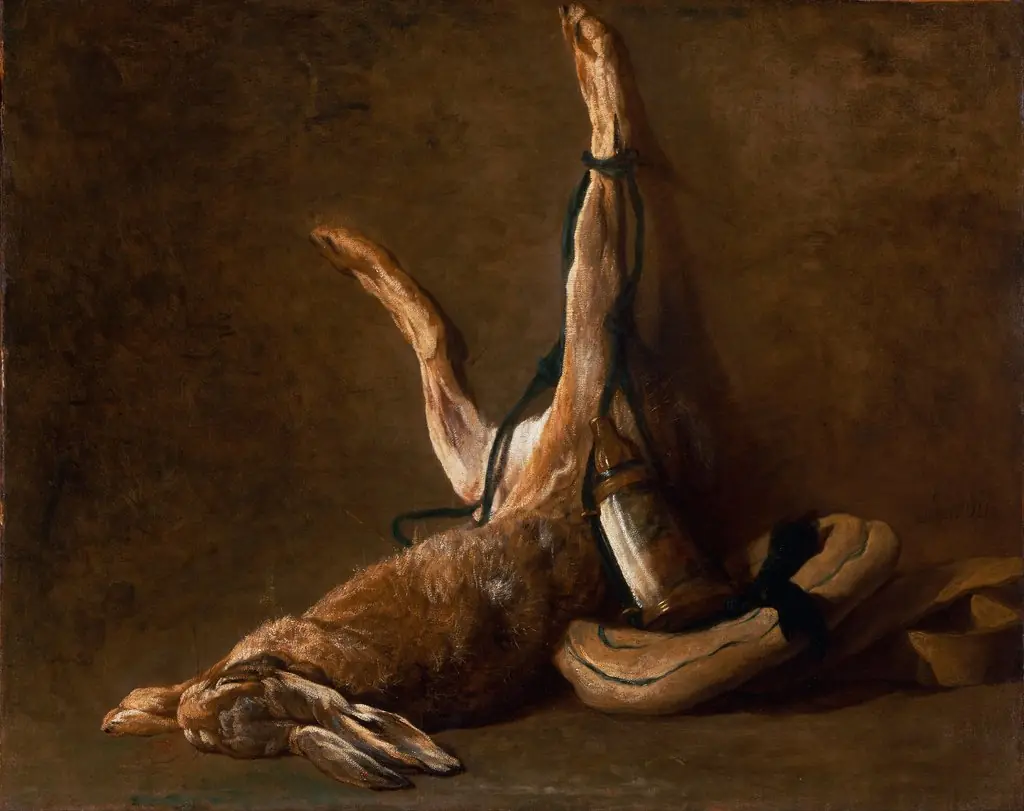 Still Life with a Hare
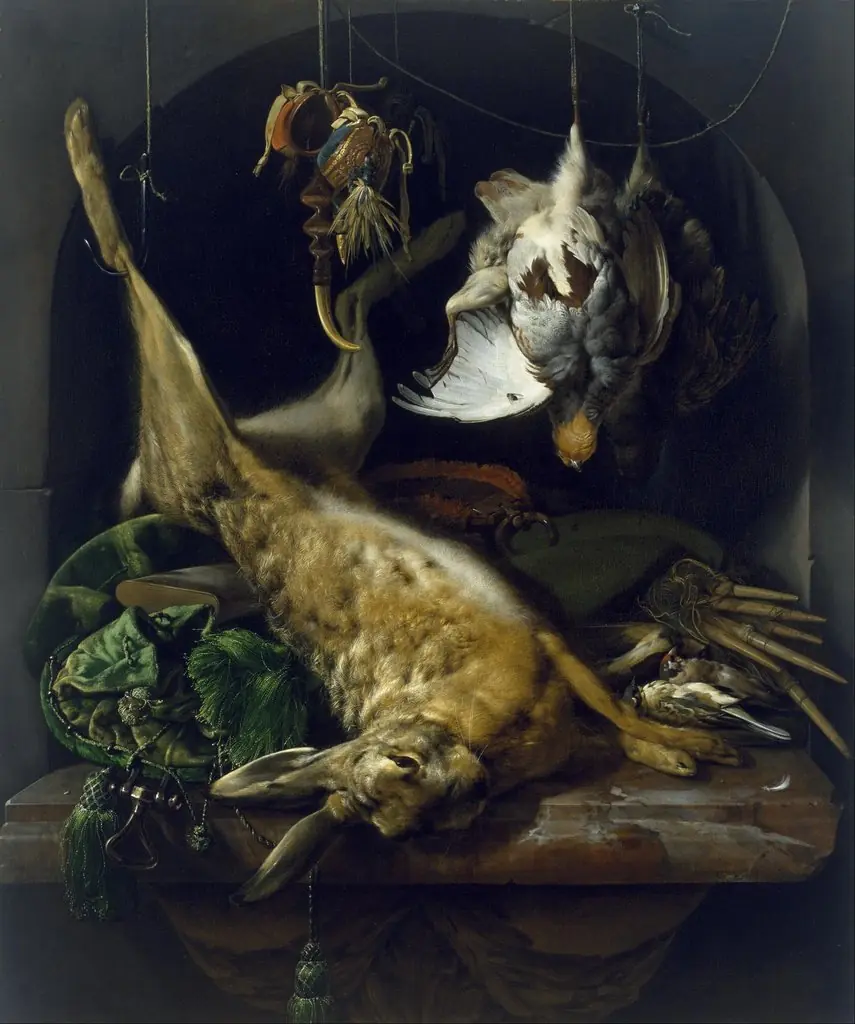 Still Life of a Dead Hare, Partridges, and Other Birds in a Niche
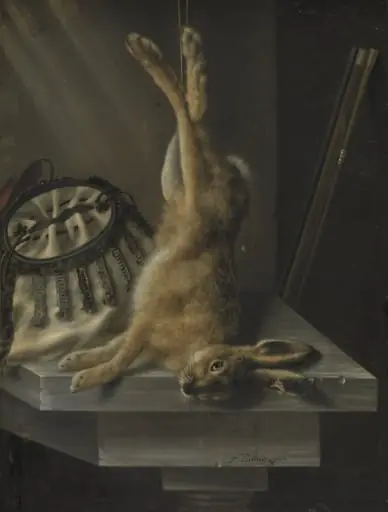 A Dead Hare
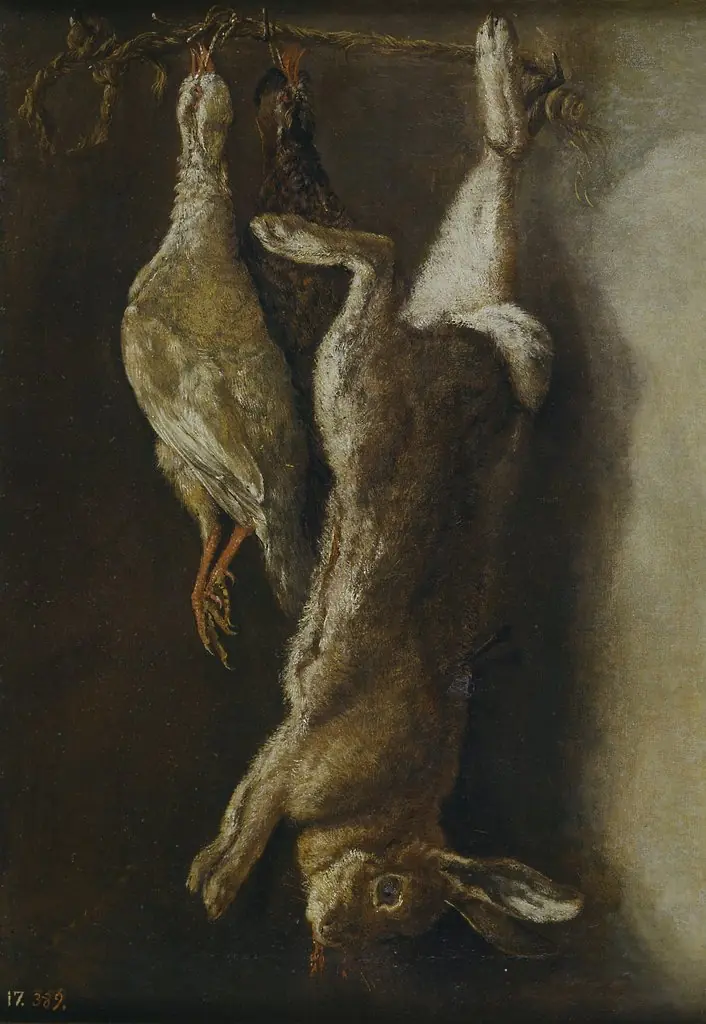 Kitchen still life with a hare and two partridges
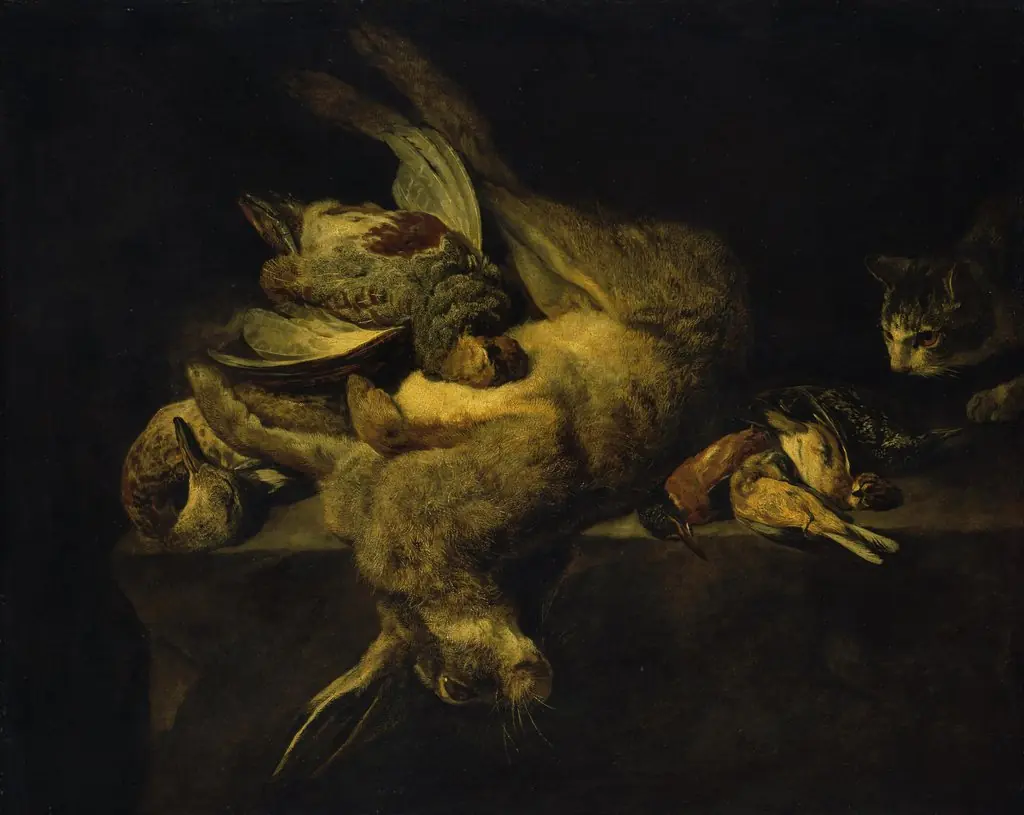 Still Life with Dead Rabbit