Artwork
Greek Men and Women Dancing the Khorra
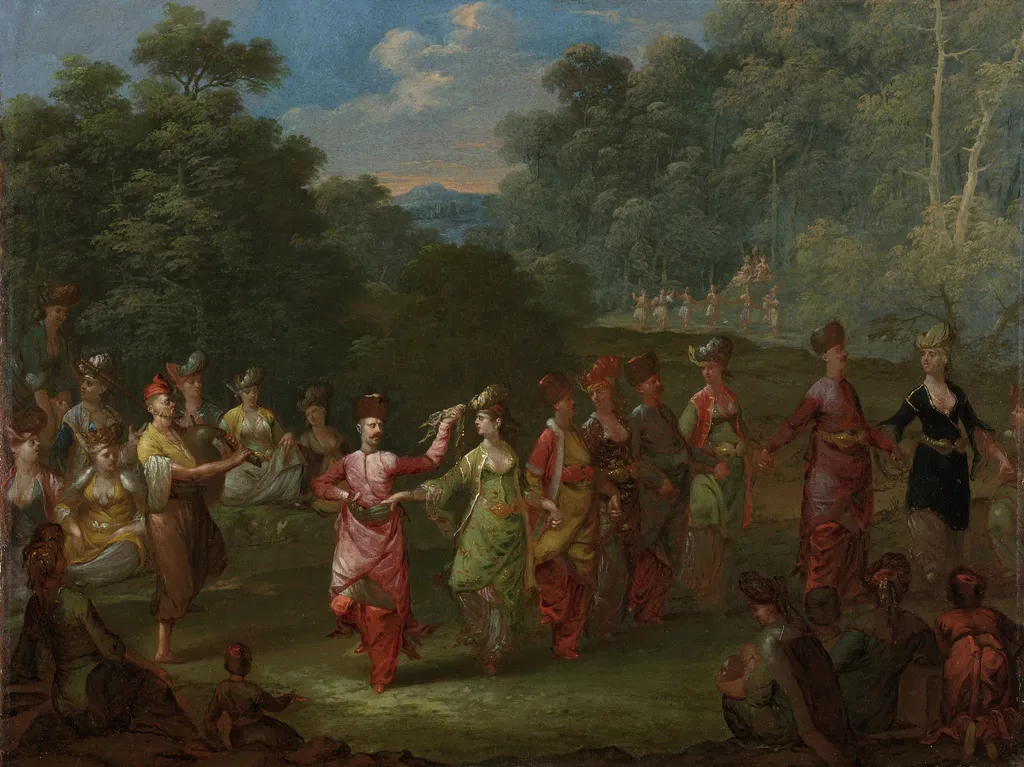
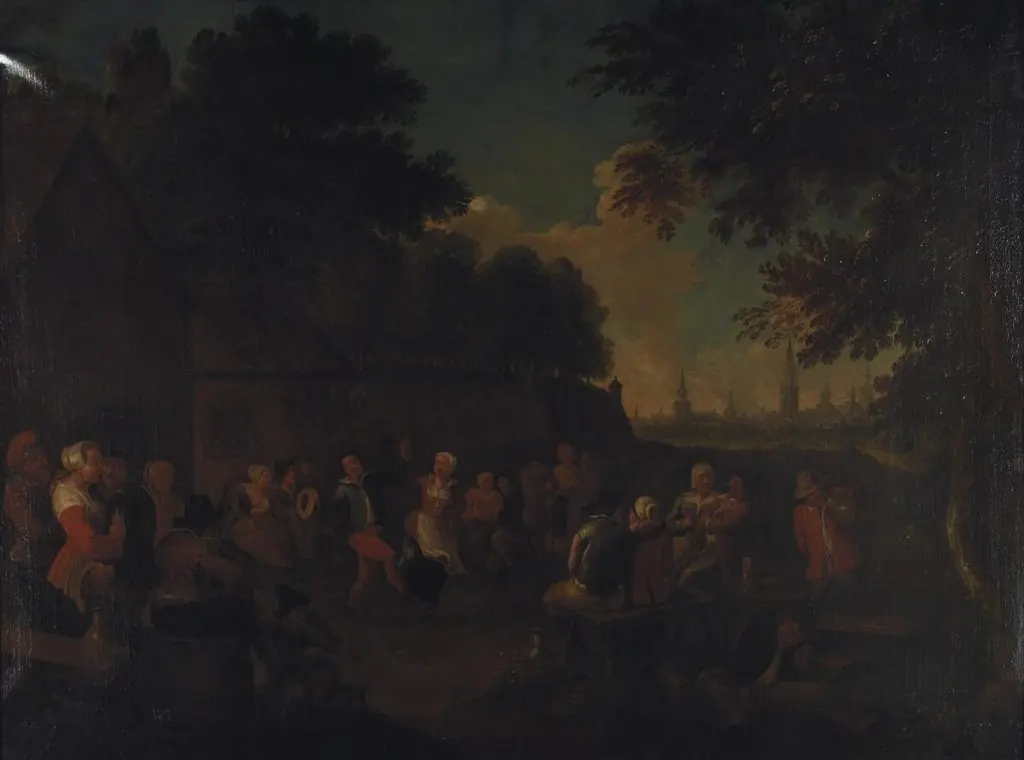
Greek Men and Women Dancing the Khorra is an oil painting by the Rococo painting artist Jean Baptiste Vanmour. It dates from 1728 and is held in the collection of the Rijksmuseum. Created in 1728, this oil painting depicts a communal Greek dance known as the khorra.
About this work
Overview
Created in 1728, this oil painting depicts a communal Greek dance known as the khorra. A circle of men and women, dressed in traditional attire—men with red caps and women with headscarves—hold hands and move in synchronized steps. The background features a tranquil landscape of trees beneath a clear blue sky, conveying a festive, celebratory mood.
Subject & Meaning
The work captures a moment of shared cultural expression, illustrating how music and dance functioned as social glue within Greek communities. By showing both genders participating equally, the scene emphasizes communal harmony and the joyous spirit of folk traditions that were integral to everyday life in the early eighteenth century.
Technique & Style
Executed in oil on canvas, the painting employs the light, decorative qualities associated with the Rococo movement. Vanmour’s precise brushwork renders the textures of clothing and foliage, while a soft palette of blues, greens, and warm earth tones creates a luminous atmosphere. The composition balances detailed figuration with an airy, almost theatrical setting.
History & Provenance
The piece was painted by Jean‑Baptiste Vanmour, a Flemish‑French artist noted for his vivid portrayals of Ottoman society during the Tulip Era. After remaining in private hands, it entered the Rijksmuseum’s collection, where it is displayed as part of the museum’s holdings of early eighteenth‑century European genre painting.
Own this work as a print
Artist & collection
Artist
Jean Baptiste Vanmour or Van Mour (9 January 1671 – 22 January 1737) was a Flemish-French painter, remembered for his detailed portrayal of life in the Ottoman Empire during the Tulip Era and the rule of Sultan Ahmed III.

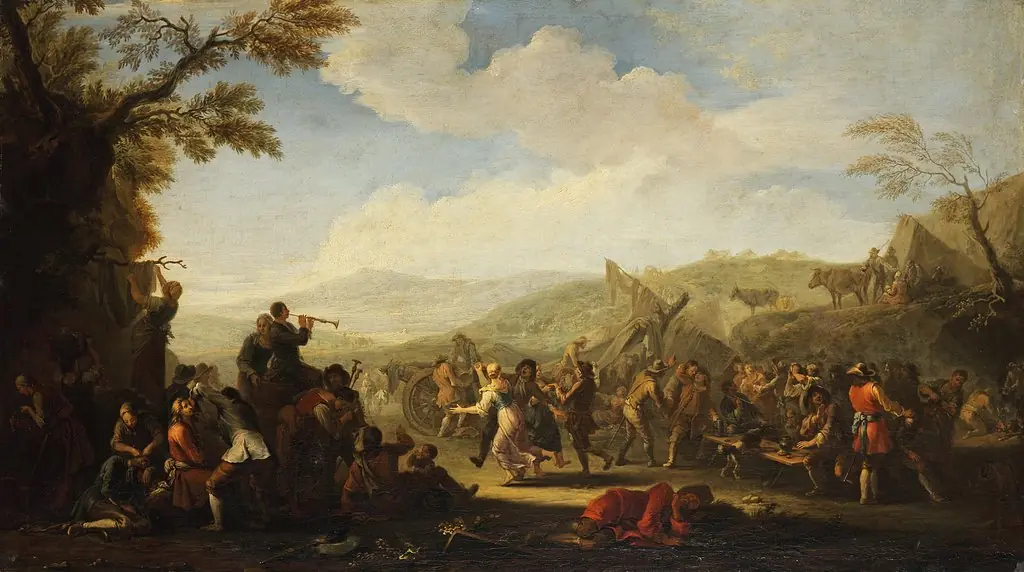 Amusement in the Field Camp
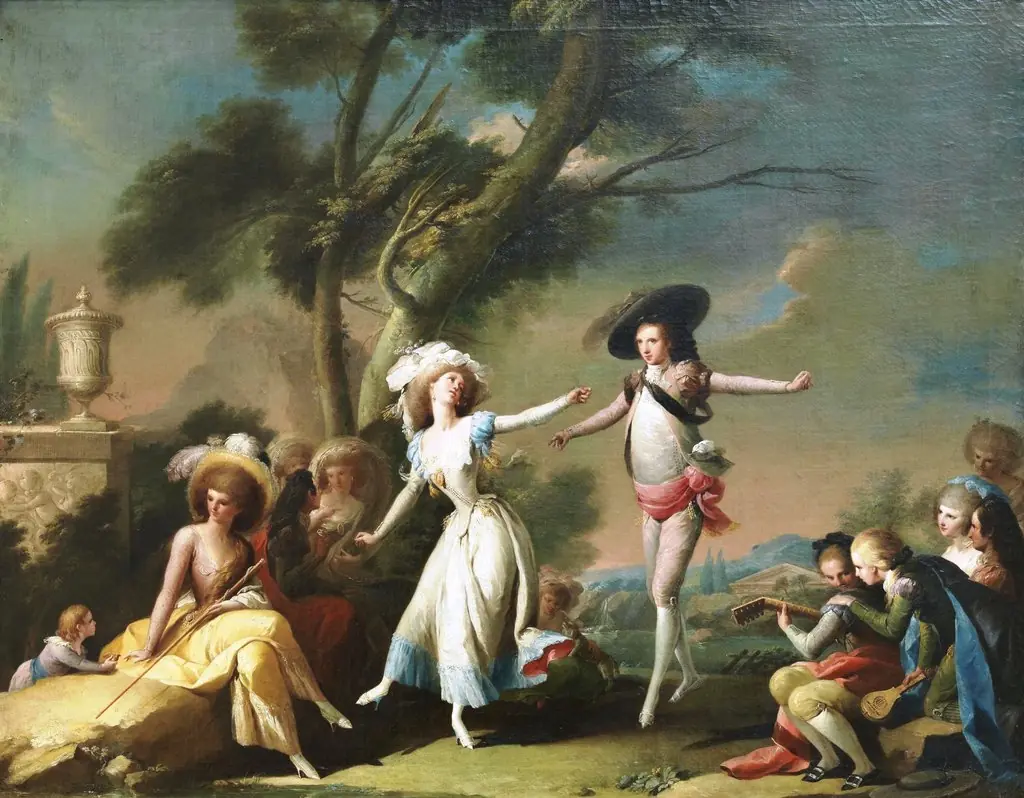 A Festival
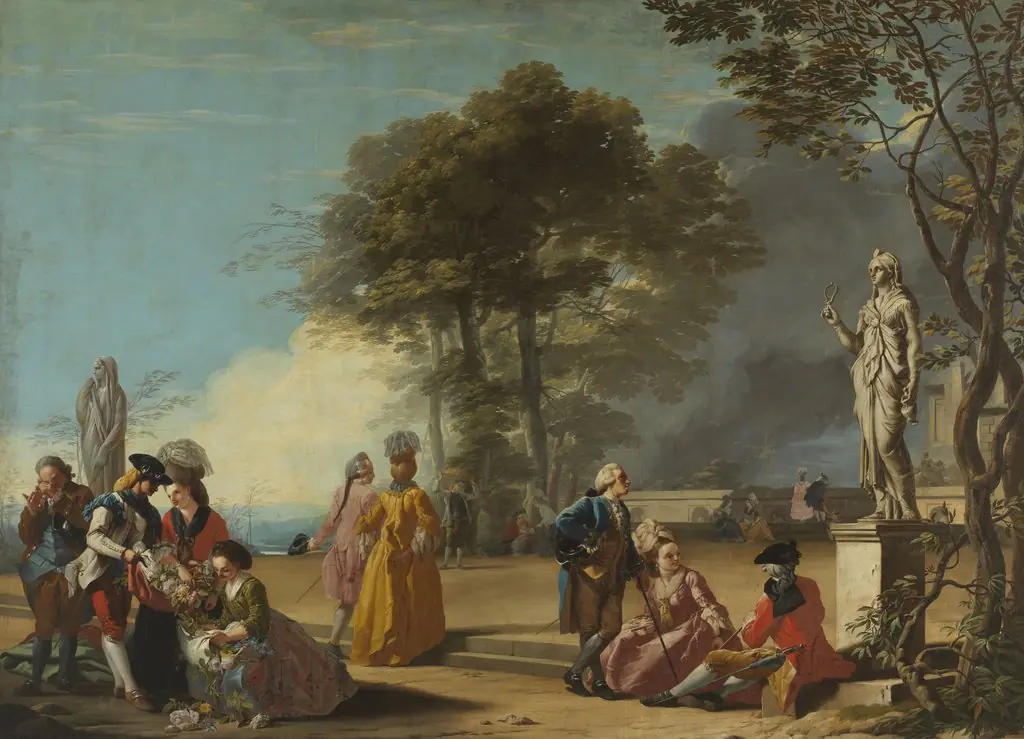 El parque del Retiro con paseantes
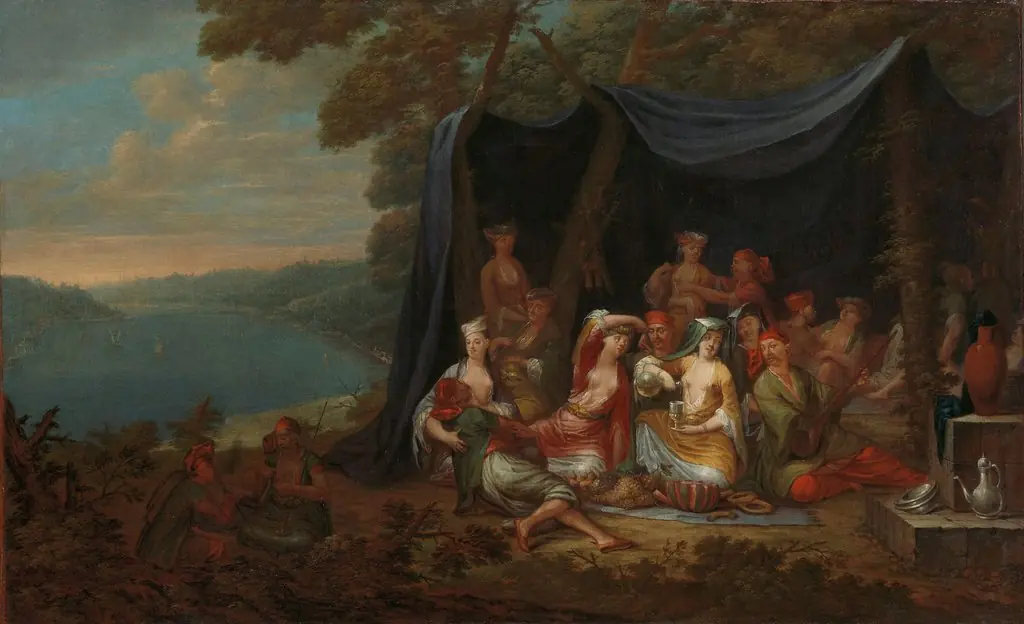 Fête champêtre with Turkish Courtiers under a Tent
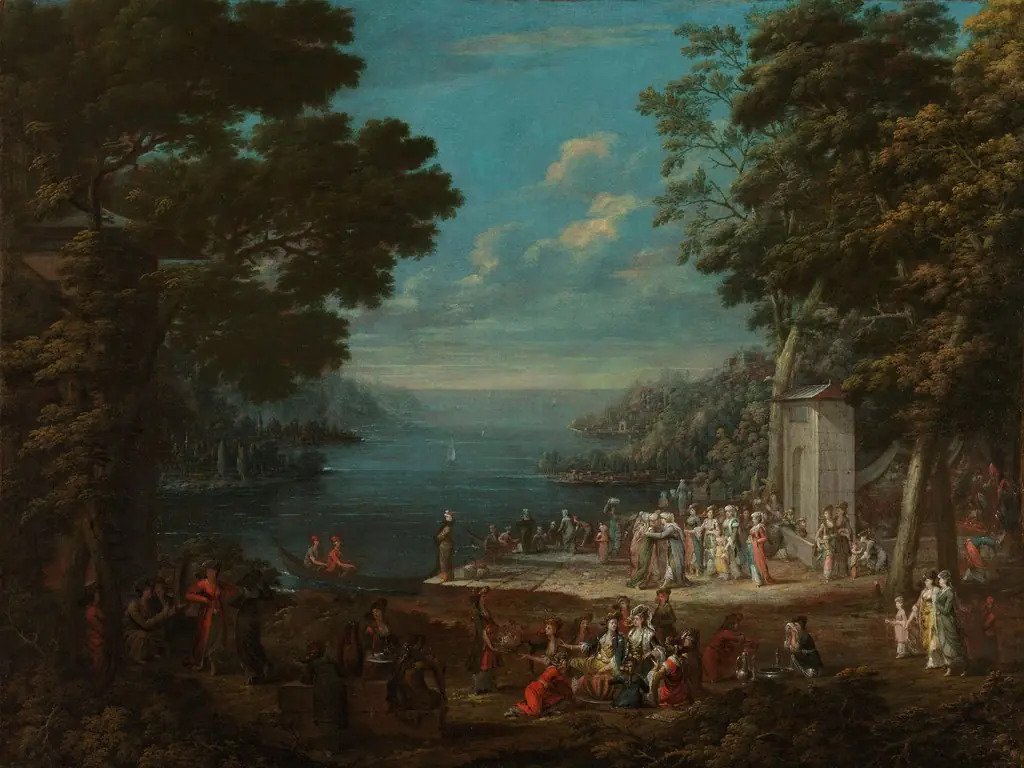 Ladies’ Outing at Hünkâr İskelesi along the Bosporus
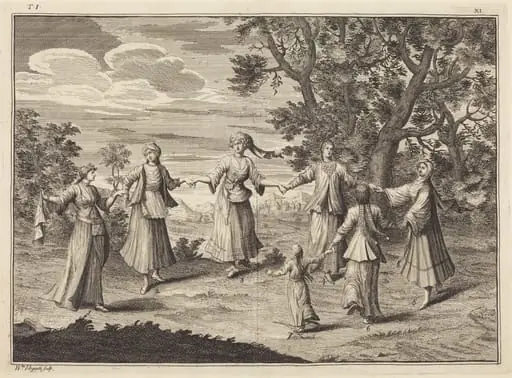 A Native Dance
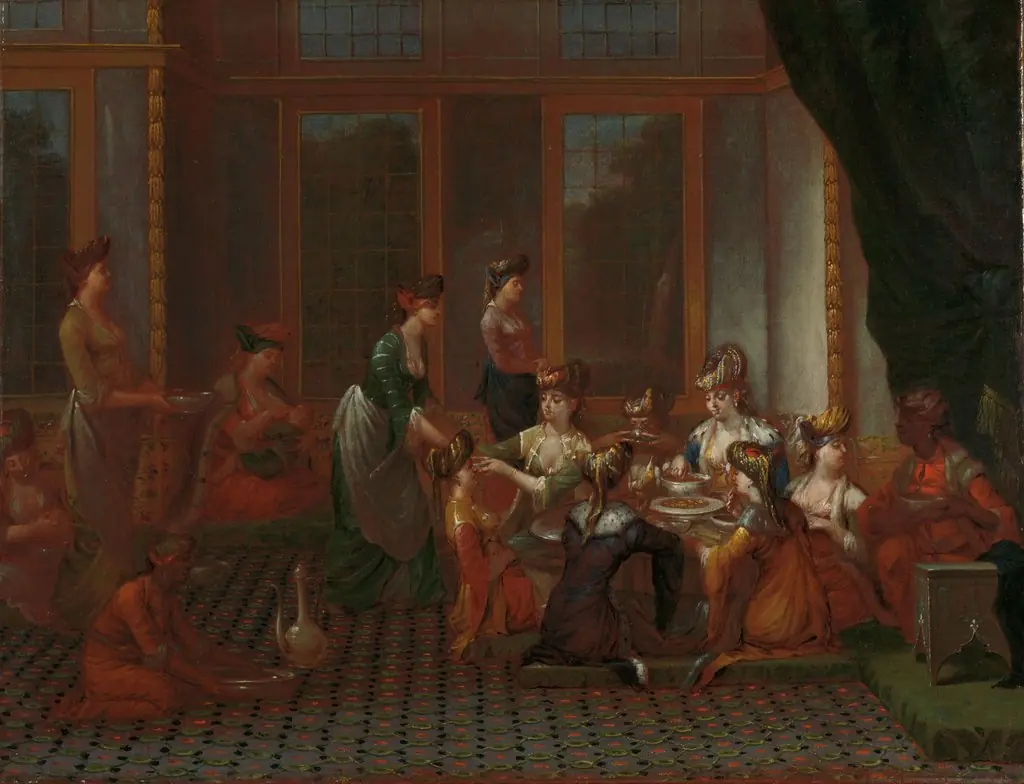 Banquet of Distinguished Turkish Women
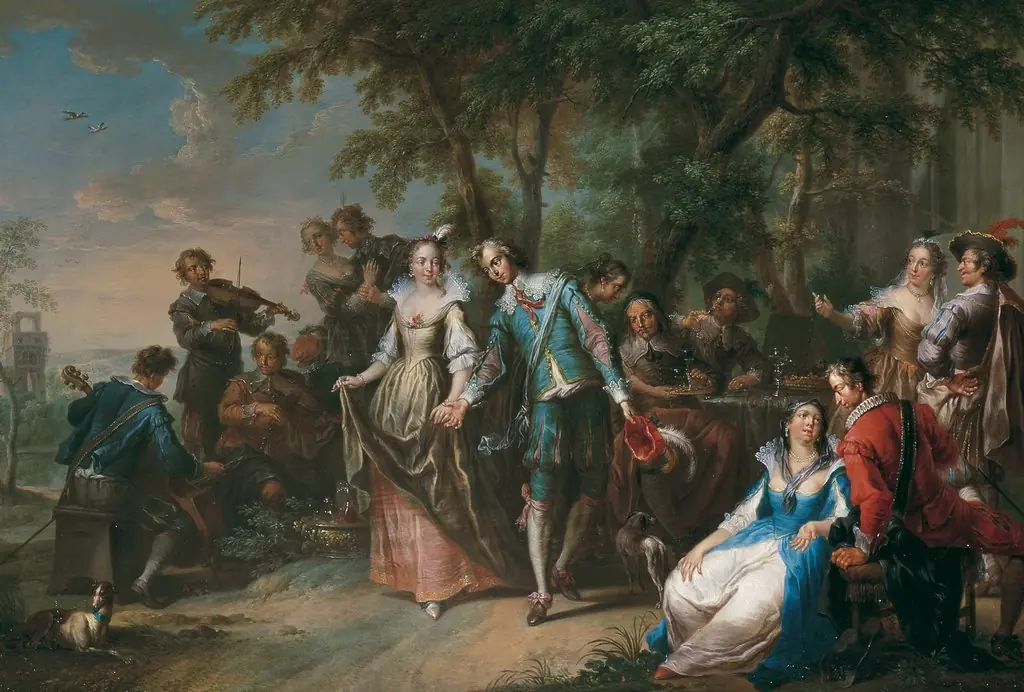 Elegant company dancing and drinking at the edge of a forest
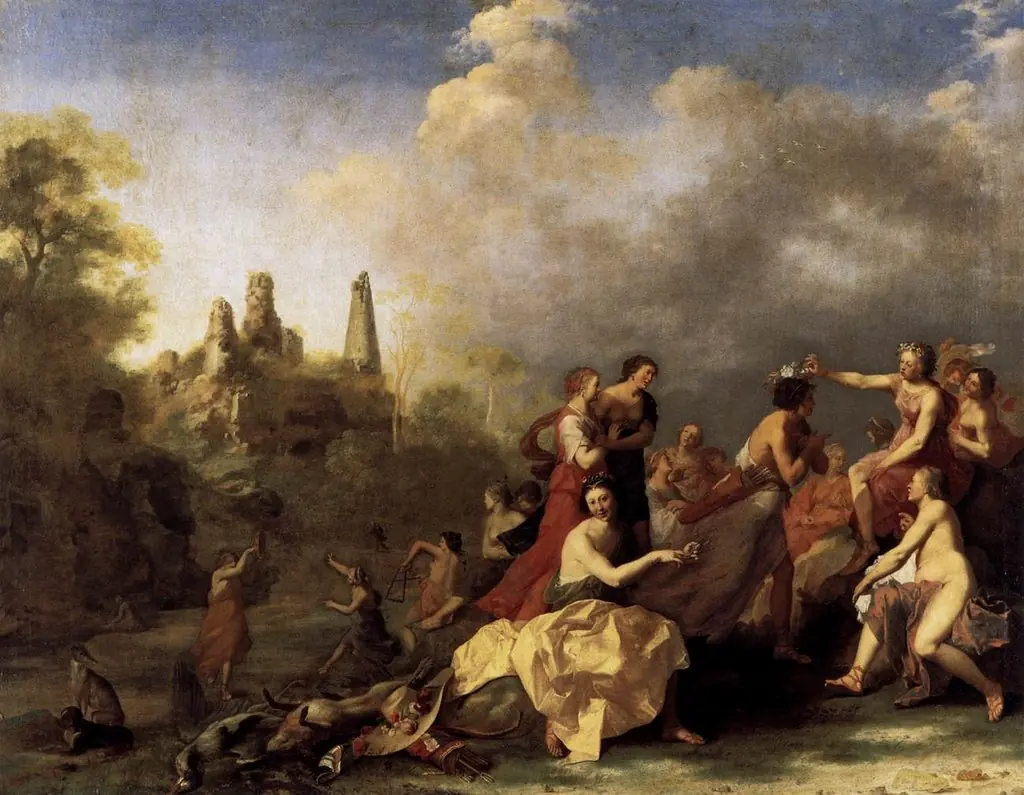 The coronation of Mirtillo after the kissing contest (Guarini, Il Pastor Fido)
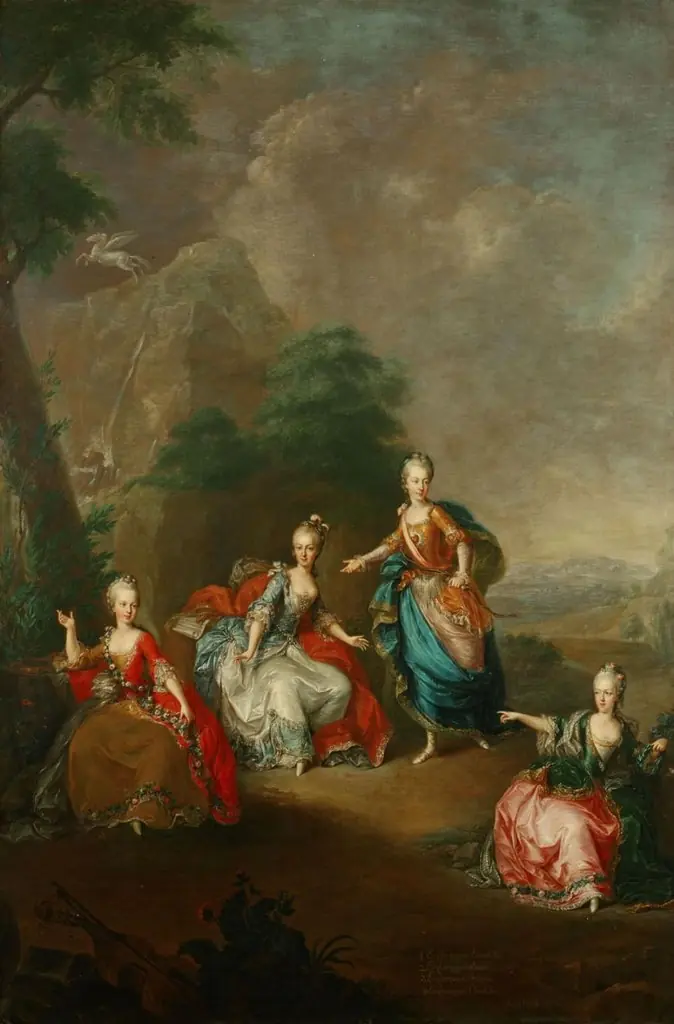 Performance of the opera by Gluck, Il Parnaso Confuso at Schoenbrunn Palace on 24th January 1765
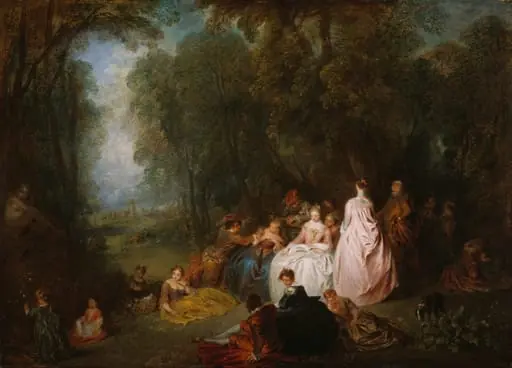 Fête champêtre (Pastoral Gathering)
 Peasants making merry