Artwork
A Native Dance
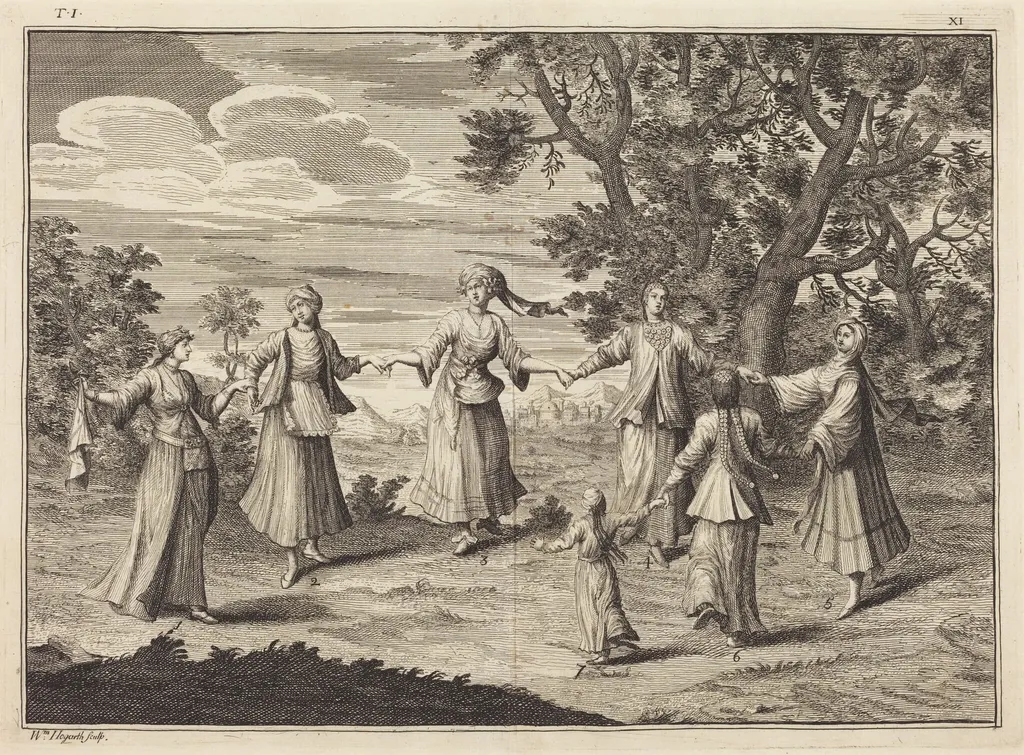
A Native Dance is an ink print by the Baroque artist William Hogarth. It dates from 1723 and is held in the collection of the National Gallery of Art.
About this work
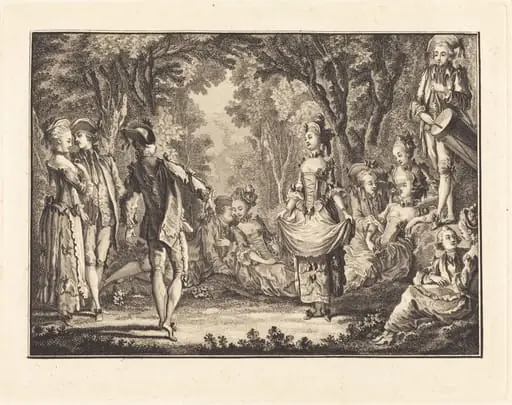
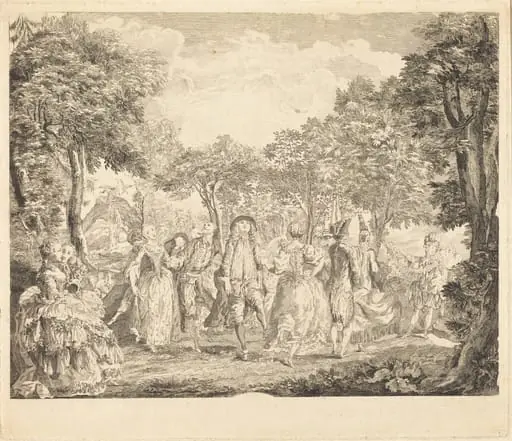
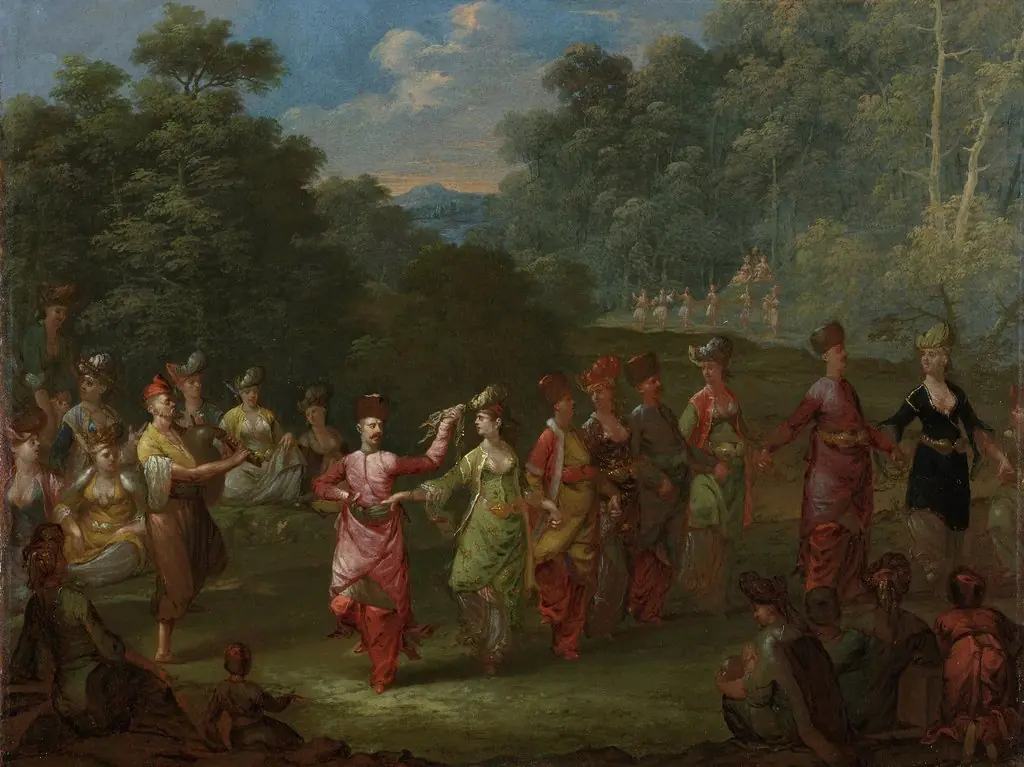
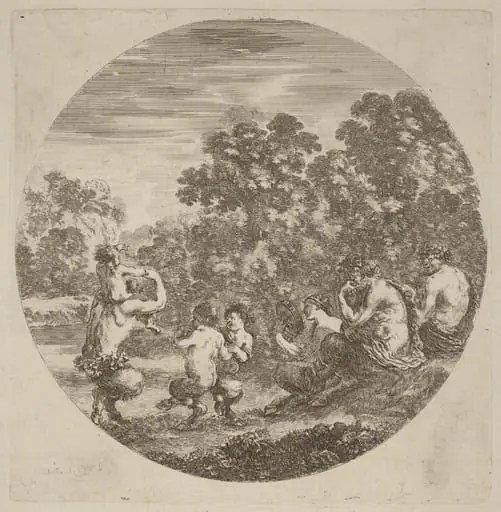
You see a Native American dancer mid-motion, arms raised, feathers flying.
You see a Native American dancer mid-motion, arms raised, feathers flying. The engraving uses sharp lines to show movement and texture. William Hogarth made this in 1723. He often poked fun at British society, but here he shows respect.
This isn’t just a costume study. It’s one of early Europe’s rare images of Native life. Hogarth borrowed from his own sketchbook.
Look up Hogarth, William to see more of his sharp, funny prints.
Overview
A Native Dance is an engraving created by William Hogarth in 1723, showcasing a Native American performer in traditional attire. The print captures a moment of dynamic movement, characterized by the dancer's raised arms and flying feathers.
Subject & Meaning
The engraving reflects the early 18th-century European fascination with non-Western cultures, presenting a rare and relatively respectful depiction of Native American life. It diverges from Hogarth's later satirical works, instead engaging with ethnographic curiosity.
Technique & Style
Hogarth employed sharp lines to convey the movement and texture of the dancer's costume and surroundings. The image is based on a sketch from his own sketchbook, indicating a level of personal observation or study.
History & Provenance
Created in 1723, A Native Dance is an early work by Hogarth, who was born into a lower-middle-class London family and apprenticed as an engraver before becoming a prominent figure in British visual satire.
Context
The print is part of a broader trend in European art, where Indigenous subjects were frequently depicted, often through a lens of exoticism or spectacle.
Artist & collection
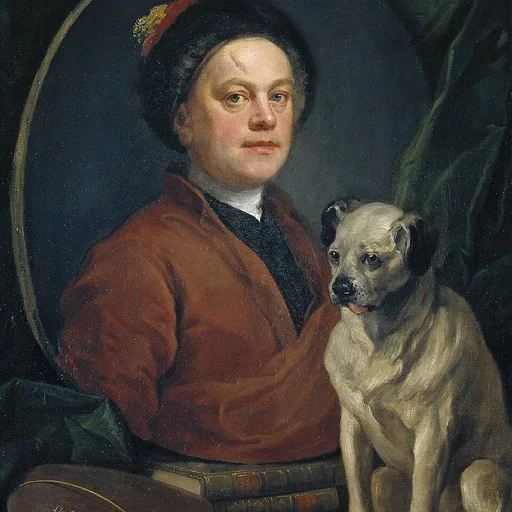
Artist
William Hogarth (; 10 November 1697 – 26 October 1764) was an English painter, engraver, satirist, cartoonist and writer.