Artwork
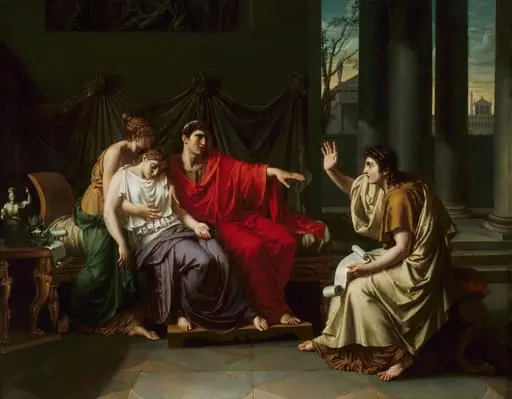
Virgil Reading the "Aeneid" to Augustus, Octavia, and Livia
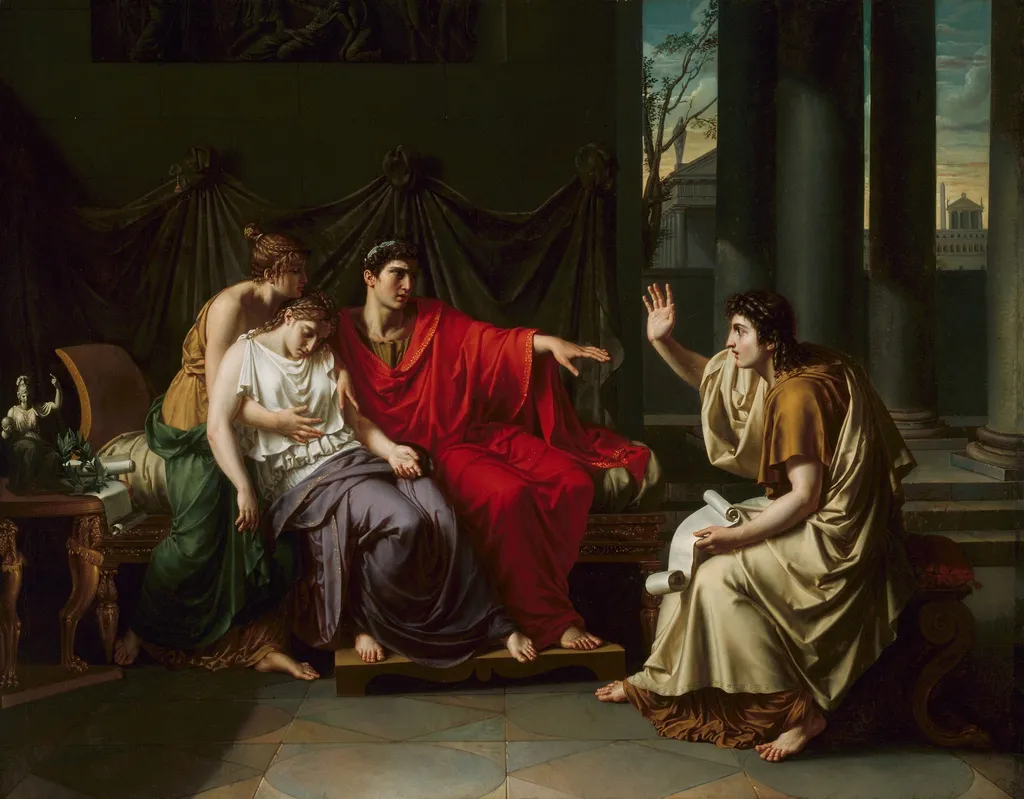
Virgil Reading the "Aeneid" to Augustus, Octavia, and Livia is an oil painting by the Neoclassicist artist Jean-Baptiste Wicar. It dates from 1796 and is held in the collection of the Art Institute of Chicago.
About this work
Overview
Painted in 1796 by Jean-Baptiste Wicar, this oil on canvas depicts a moment from Roman literary history.
Painted in 1796 by Jean-Baptiste Wicar, this oil on canvas depicts a moment from Roman literary history. The scene captures the poet Virgil reciting passages from his epic, the Aeneid, to an audience of imperial figures: Emperor Augustus, his sister Octavia, and his wife Livia. The composition centers on Virgil’s gesture as he reads aloud, surrounded by attentive listeners in a classical interior with architectural details and a distant landscape visible through a window.
Subject & Meaning
The painting illustrates a legendary episode in which Virgil reads the Aeneid to Augustus and his family. According to tradition, Octavia fainted upon hearing the passage about her deceased son Marcellus. Wicar emphasizes emotional restraint and intellectual reverence, portraying the moment not as melodramatic but as a quiet, dignified encounter between poetry and power, underscoring the cultural authority of literature in Roman imperial identity.
Technique & Style
Wicar employs a restrained Neoclassical style, with clear contours, balanced composition, and muted tones to evoke historical gravitas. The figures are arranged in a stable, triangular formation around Virgil, whose red robe draws the eye. Lighting is even and soft, enhancing the calm atmosphere. The architectural setting, with its columns and distant vista, reflects archaeological accuracy and a commitment to classical ideals, typical of late 18th-century French academic painting.
History & Provenance
Wicar completed the work during his time in Rome, where he immersed himself in classical antiquity and collected ancient artifacts. The painting was later acquired by the Art Institute of Chicago, where it remains in the collection. Its journey from Rome to Chicago reflects the 19th-century transatlantic interest in Neoclassical subjects and the institutionalization of European academic art in American museums.
Context
Created during the aftermath of the French Revolution, the painting reflects a broader European fascination with Roman republicanism and imperial order. Wicar, influenced by Enlightenment ideals and archaeological discoveries, sought to revive classical narratives as moral and cultural anchors. The choice of Virgil—a poet associated with Augustan peace—resonated with audiences seeking stability through historical precedent.
Legacy
Though not widely known today, the painting exemplifies the academic tradition of historical illustration in late 18th-century France. It contributed to the visual canon of Roman literary culture and influenced later depictions of classical scenes in museum collections. Its preservation in Chicago ensures continued access to a moment when art sought to bridge ancient texts and contemporary ideals of civic virtue.
Own this work as a print
Artist & collection

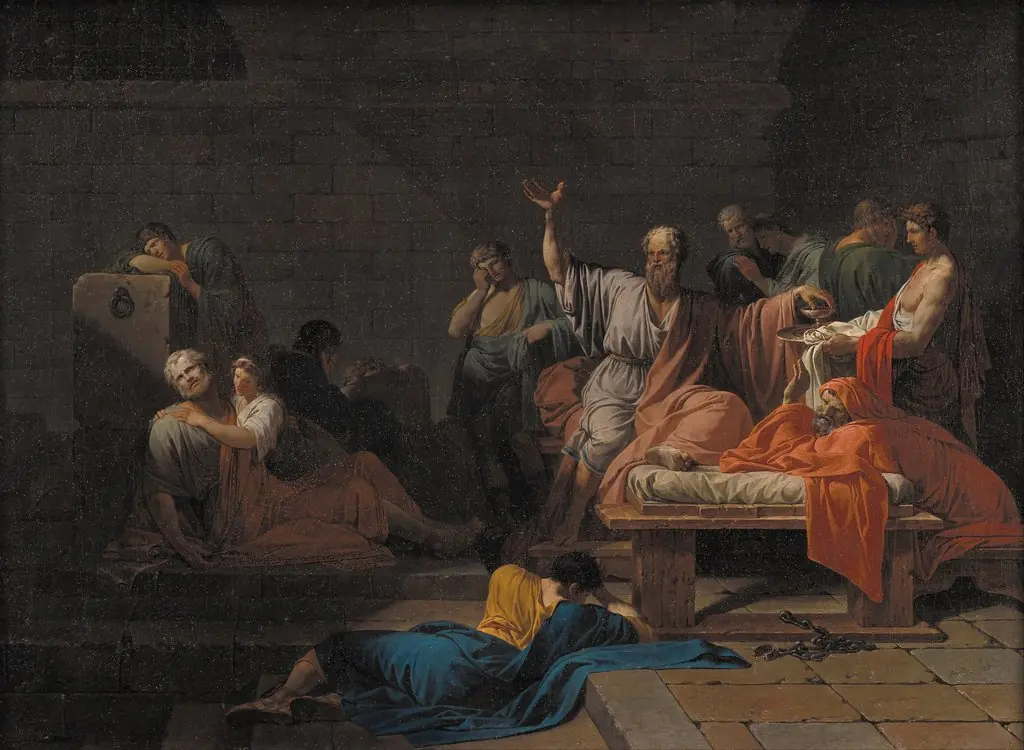 The Death of Socrates
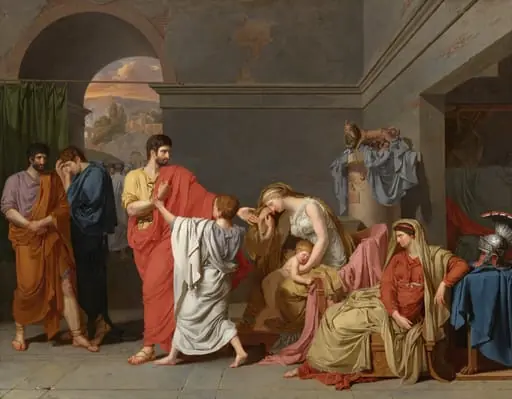 Coriolanus Taking Leave of his Family
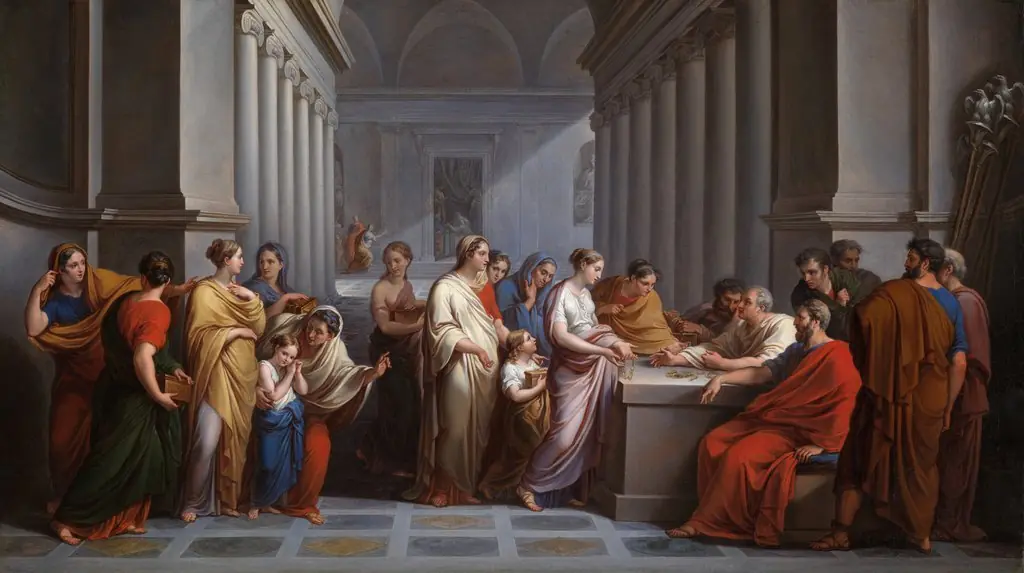 Roman Women Offering Their Jewellery in Defence of the State
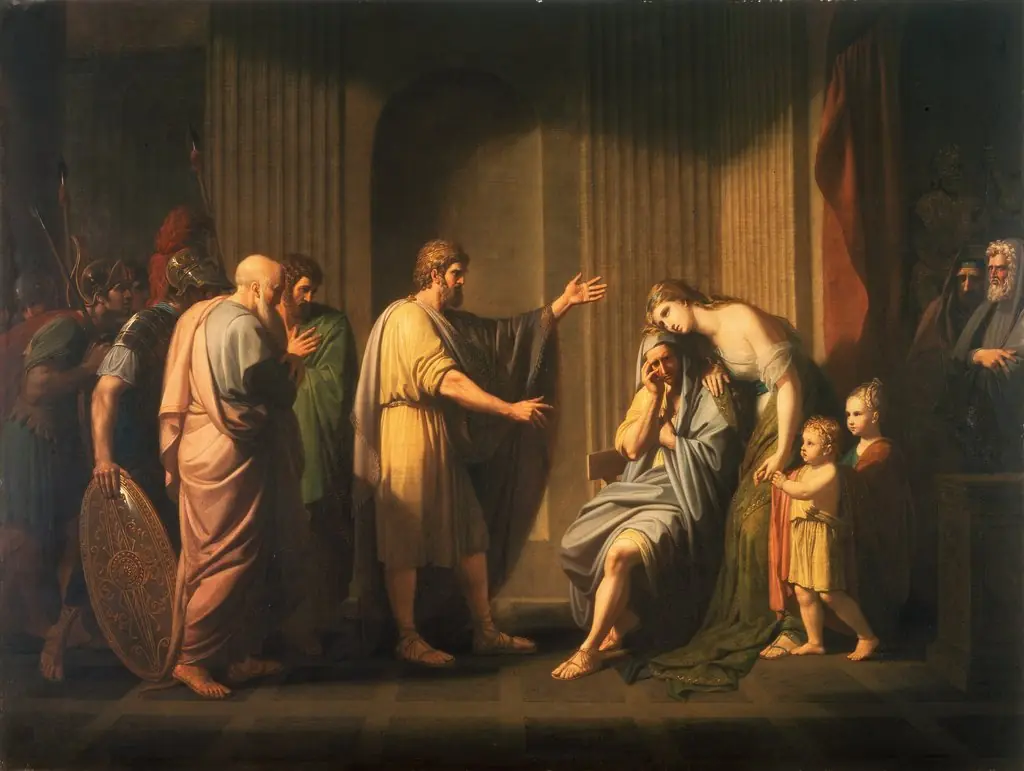 Cleombrotus Ordered into Banishment by Leonidas II, King of Sparta
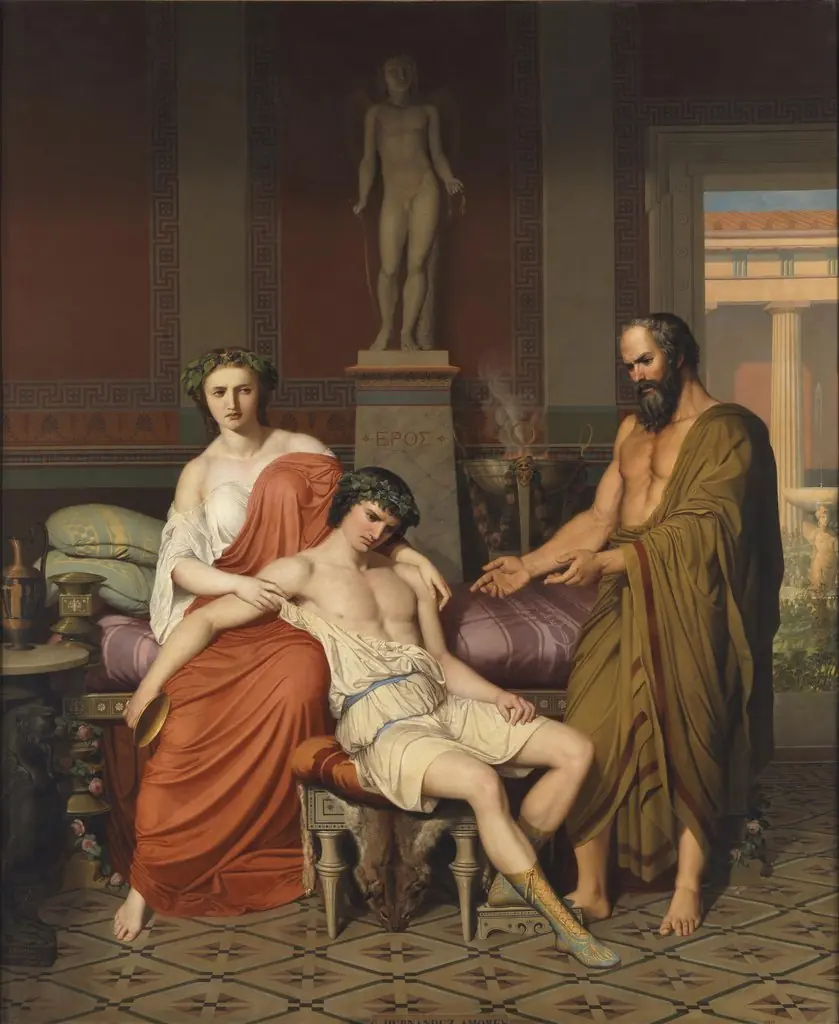 Sócrates reprendiendo a Alcibíades en casa de una cortesana
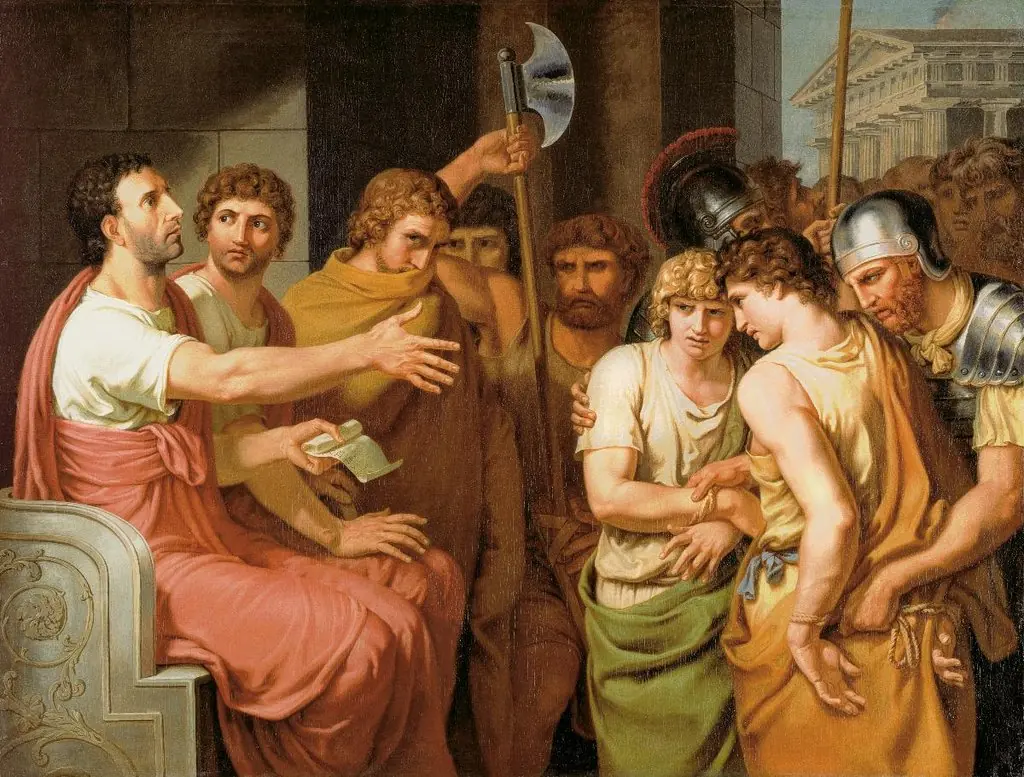 Brutus entdeckt die Namen seiner Söhne auf der Liste der Verschwörer und verurteilt sie zum Tode
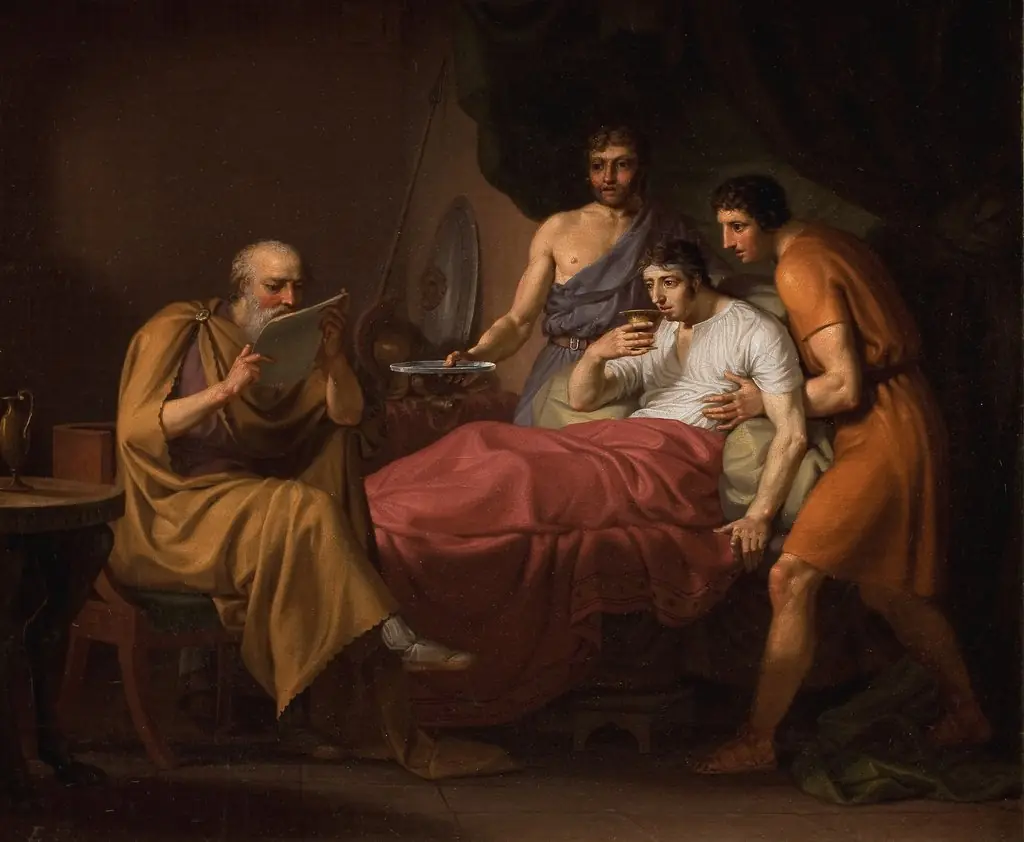 Alexander den Store på sygelejet
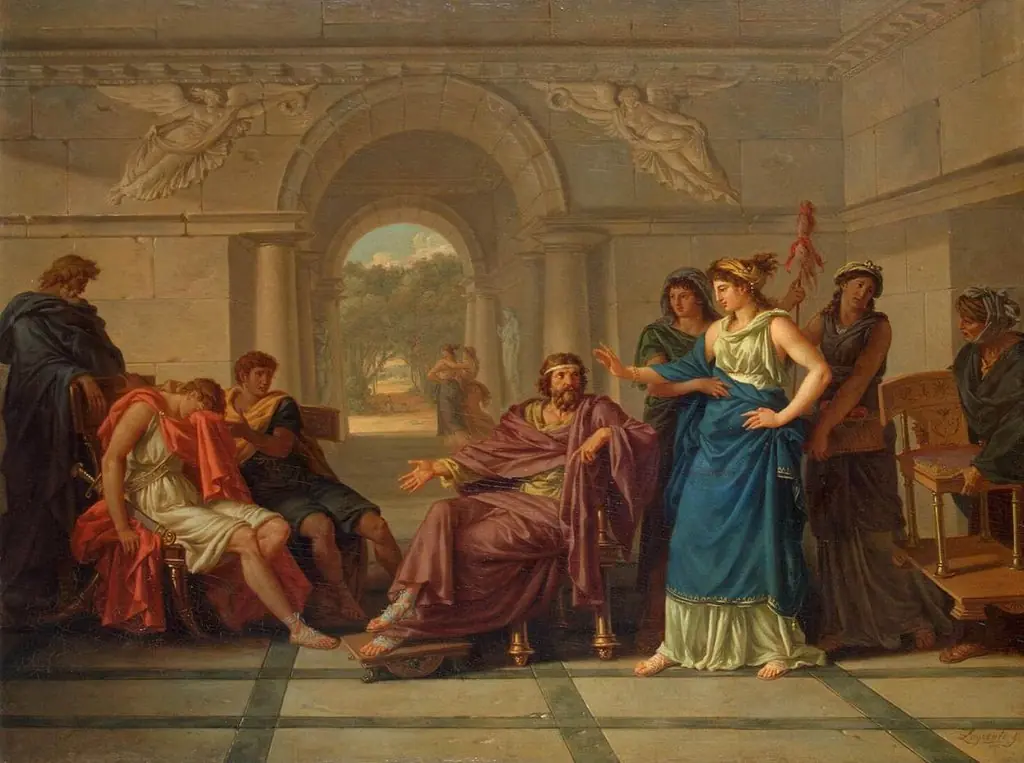 Helen Recognising Telemachus, Son of Odysseus
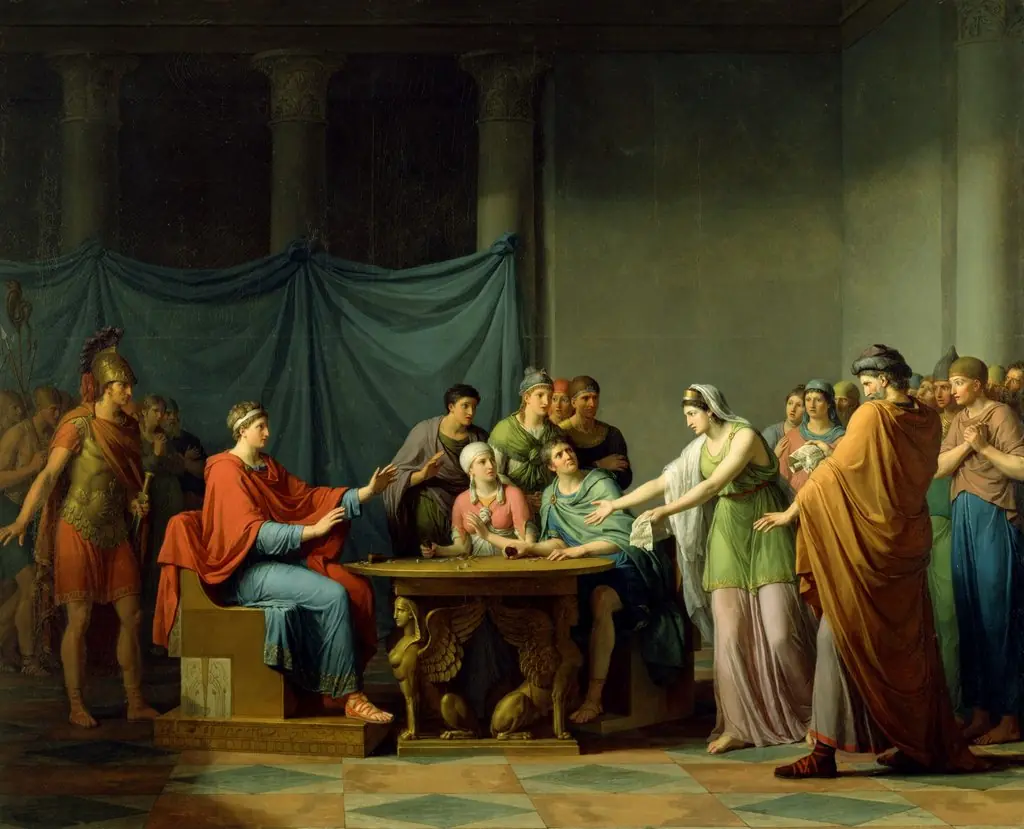 Berenice Reproaching Ptolemy
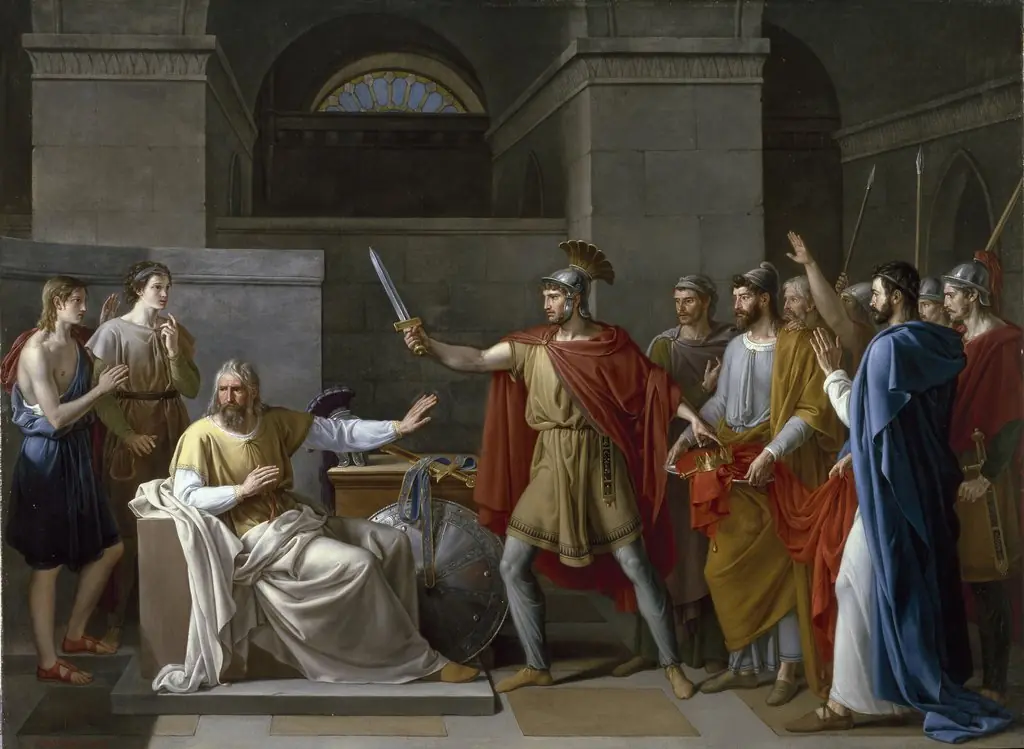 Wamba renouncing the Crown