Artwork
Venus and Cupid
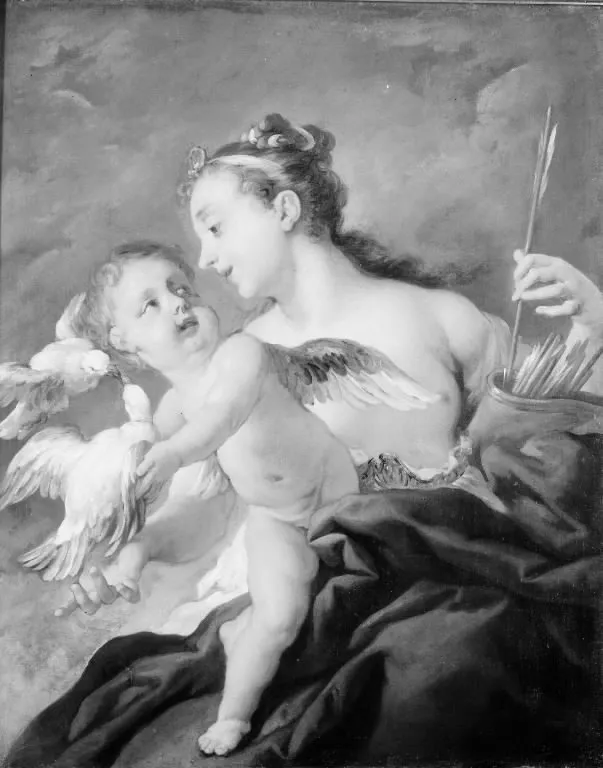
Venus and Cupid is an oil painting by the Rococo painting artist Jean-François de Troy. It dates from 1723 and is held in the collection of the Statens Museum for Kunst.
About this work
Overview
Jean-François de Troy’s oil painting *Venus and Cupid* dates from 1723 and is held by the Statens Museum for Kunst. Executed in the Rococo style, the work presents a mythological scene that also functions as a genre picture, focusing on an intimate interaction between the goddess and her son.
Subject & Meaning
The composition shows Venus seated, her hair pulled back, her torso partially exposed, cradling the infant Cupid. The child clutches a white bird while Venus supports his arm and holds a pot of arrows, symbols traditionally linked to love and desire. The tender gesture underscores themes of affection and the playful aspects of myth.
Technique & Style
De Troy employs chiaroscuro to model the figures, allowing light to illuminate the flesh and the bird against a darker background. A soft, cloud‑filled sky recedes behind the pair, creating depth. The handling of oil paint renders delicate textures in the drapery and the sheen of the bird’s feathers.
History & Provenance
Created during de Troy’s mature period, the painting reflects his interest in tableau de mode, merging contemporary fashion with classical subjects. It entered the collection of Denmark’s national gallery, Statens Museum for Kunst, where it remains on display as part of their 18th‑century holdings.
Context
While de Troy is chiefly remembered for history paintings and decorative commissions, *Venus and Cupid* illustrates his ability to blend mythological narrative with the lighthearted intimacy favored by Rococo patrons. The work aligns with the era’s fascination with sensuality tempered by elegance.
Artist & collection
Artist
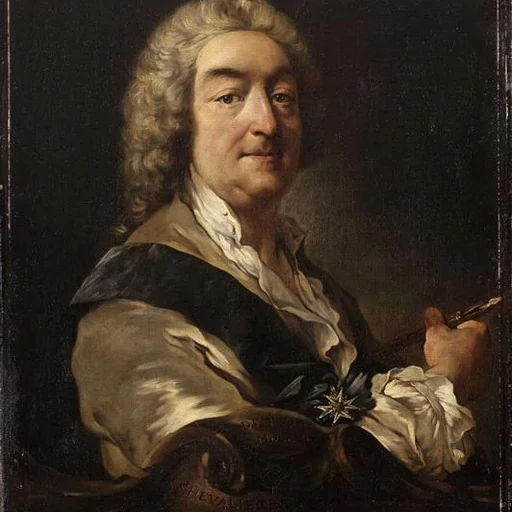
Jean-François de Troy (27 January 1679, Paris – 26 January 1752, Rome) was a French Rococo easel and fresco painter, draughtsman and tapestry designer.

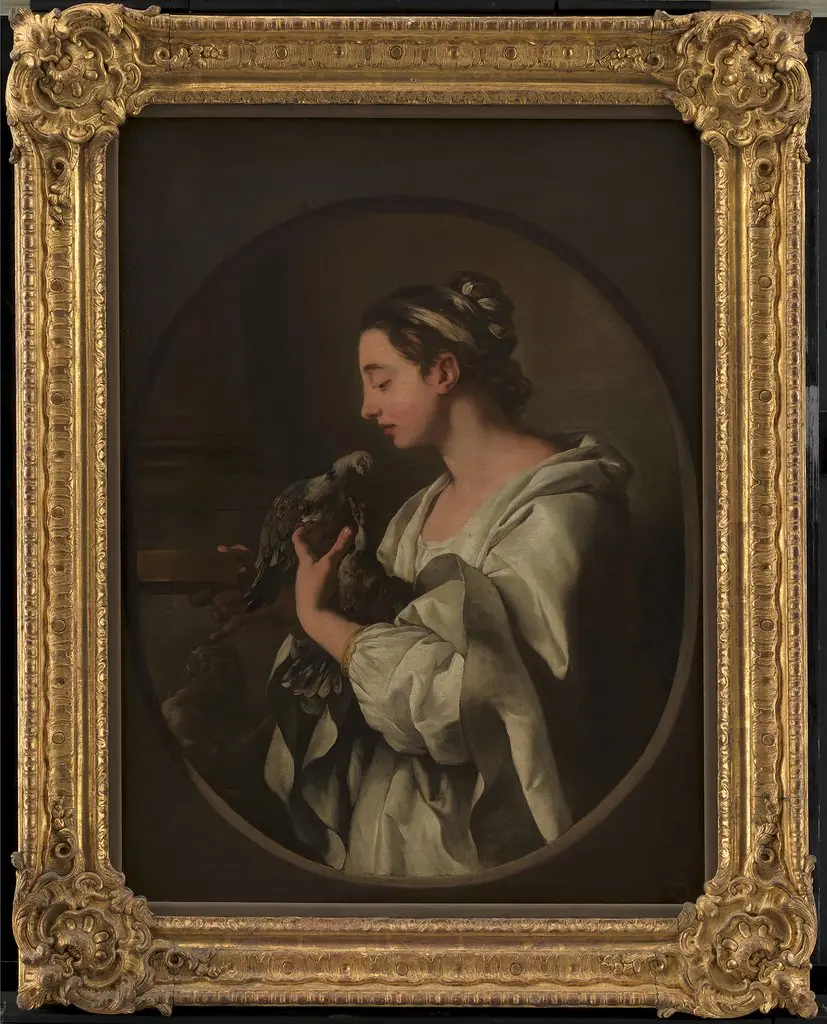
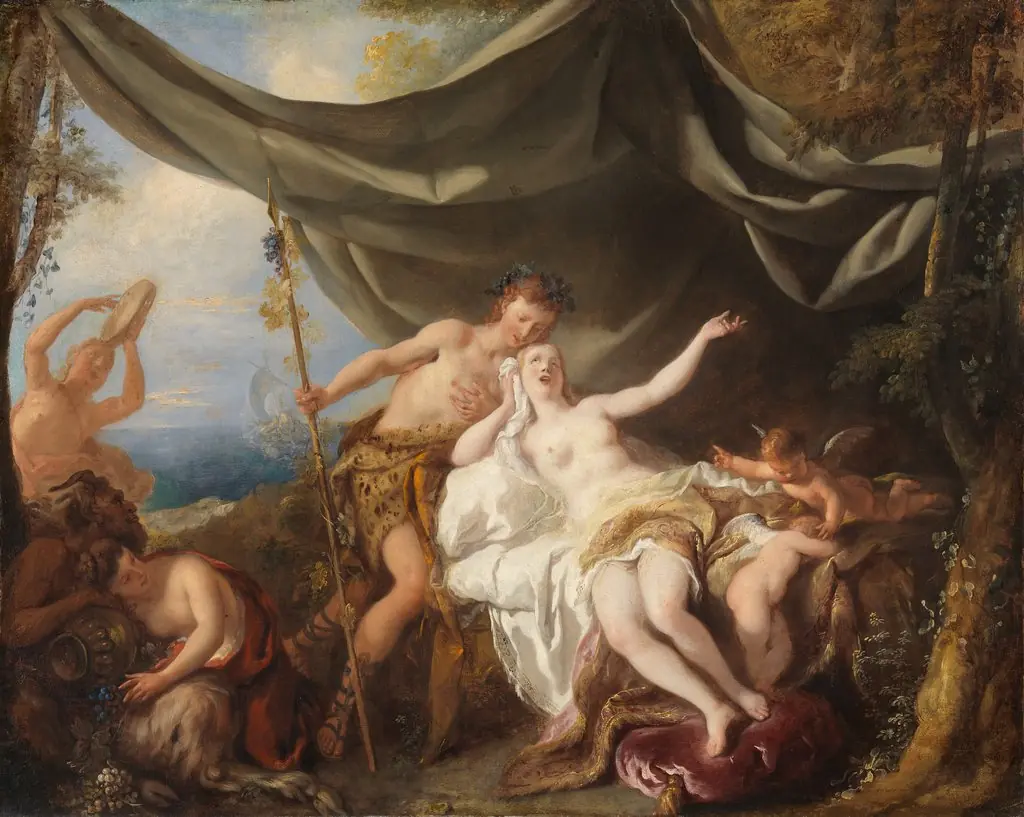
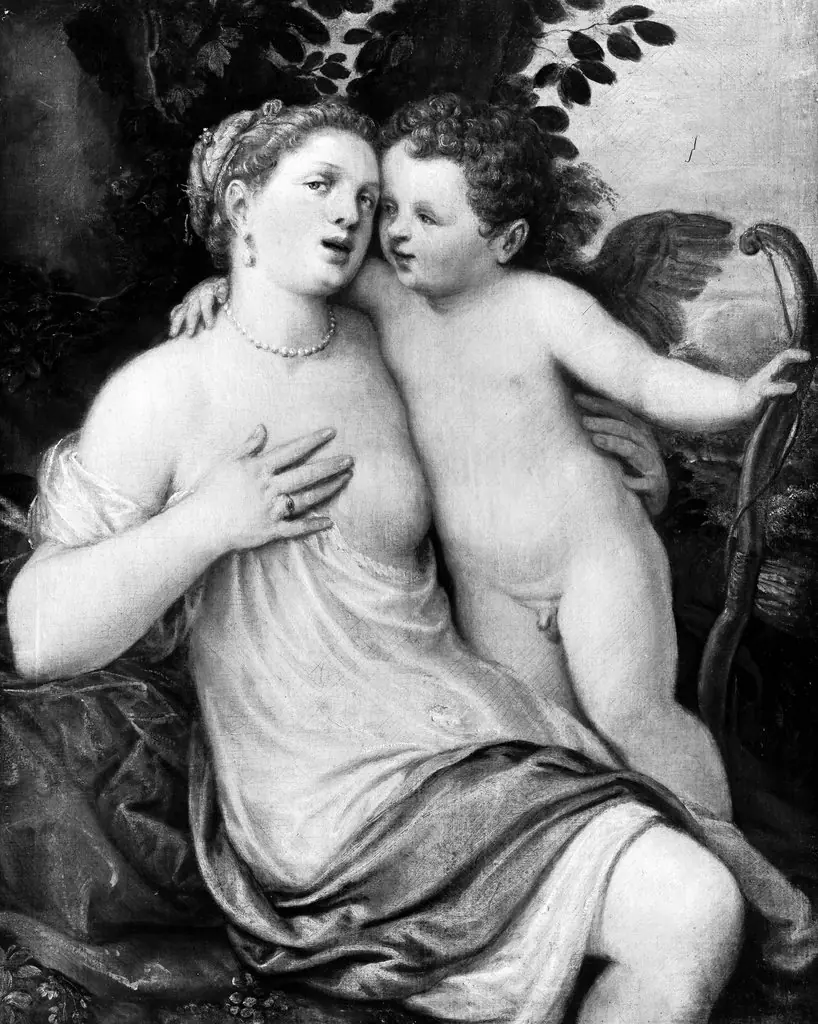 Venus and Cupid
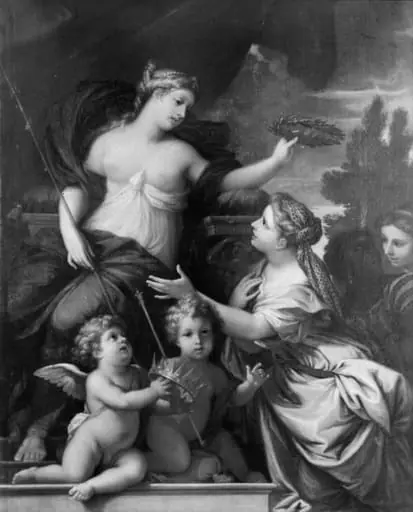 Queen Christina Crowned with Laurels by Wisdom
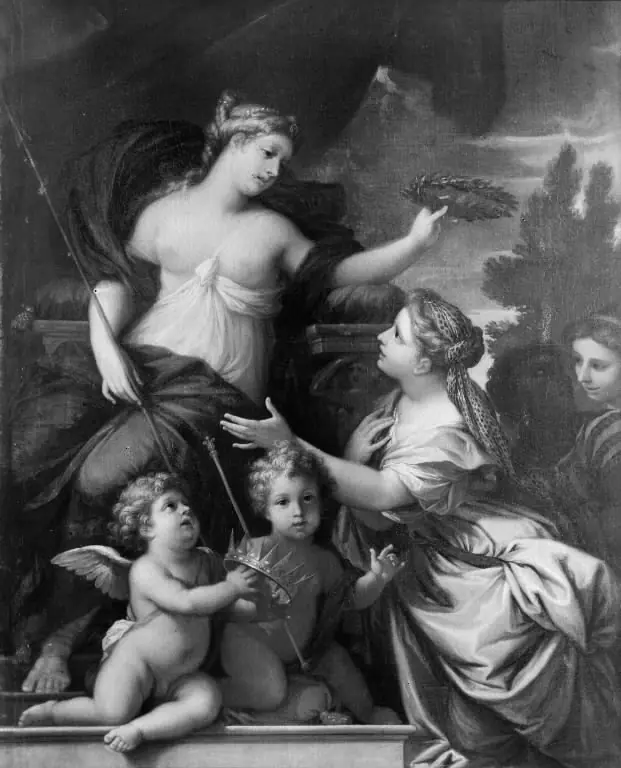 Queen Christina Crowned with Laurels by Wisdom
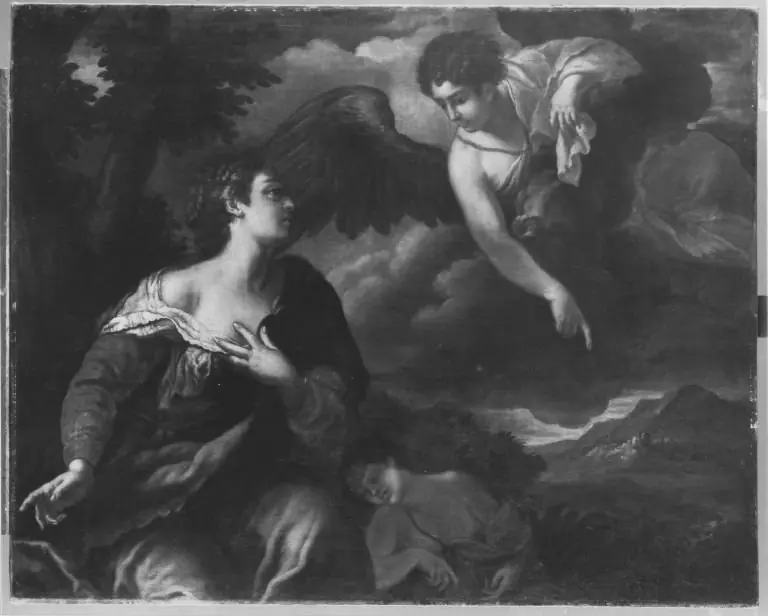 Hagar und Ismael
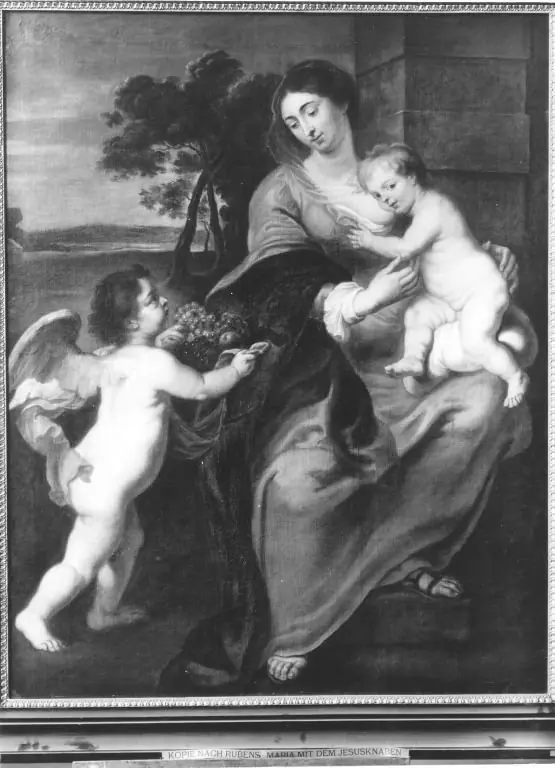 Maria mit Christuskind und einem Engel (Nachfolger)
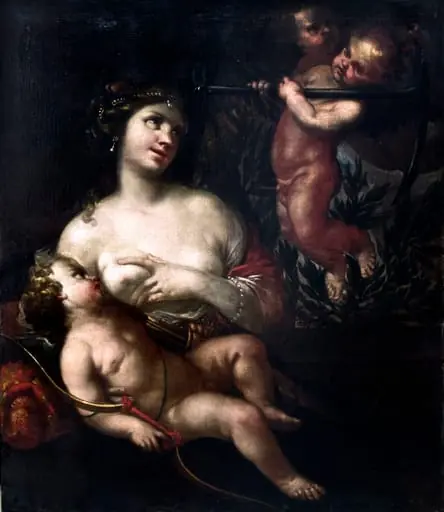 Venus Lactans
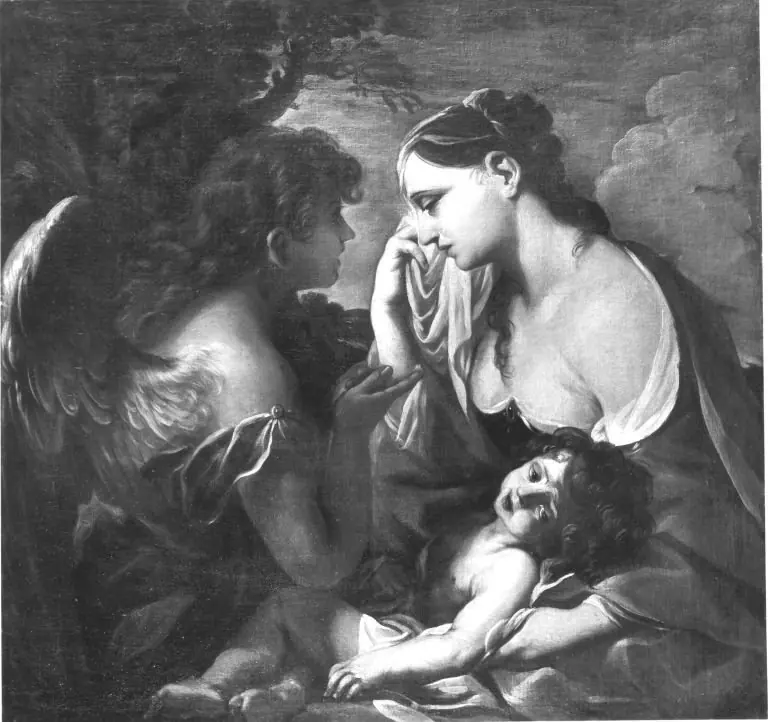 Hagar und Ismael (?)
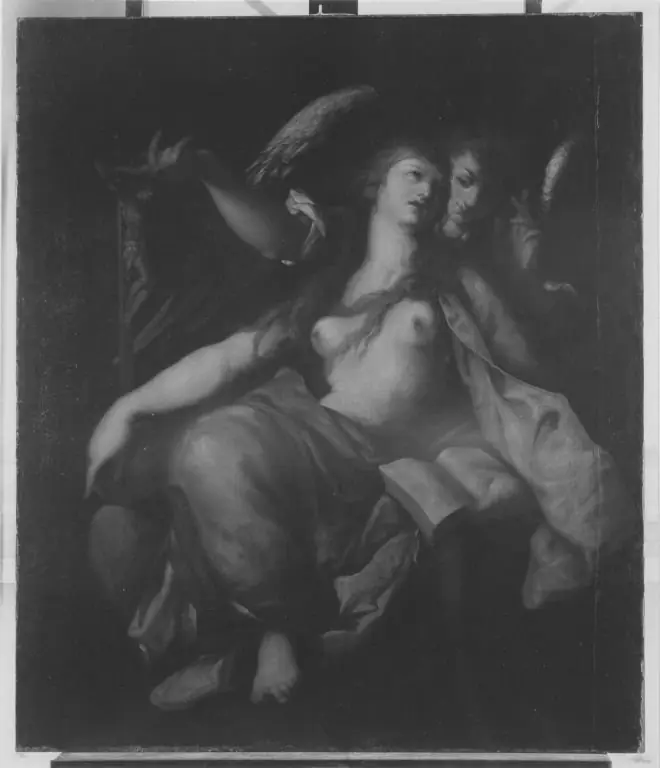 Die hl. Maria Magdalena (?)
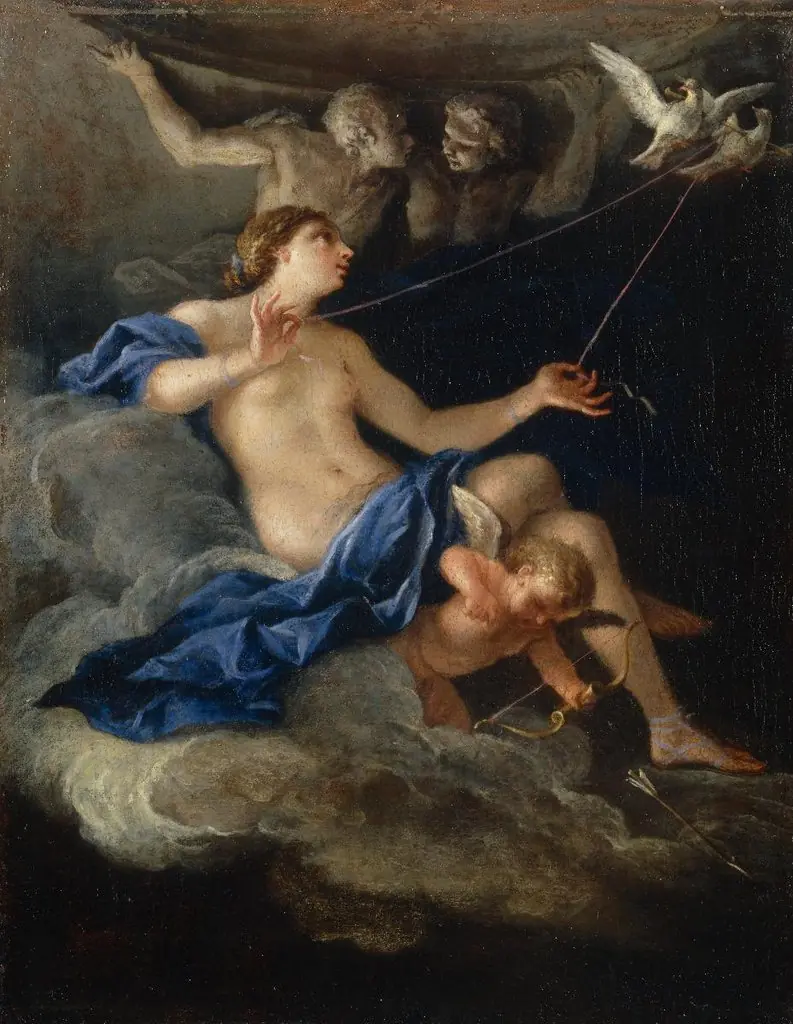 Venere e Amore nel segno dei Gemelli
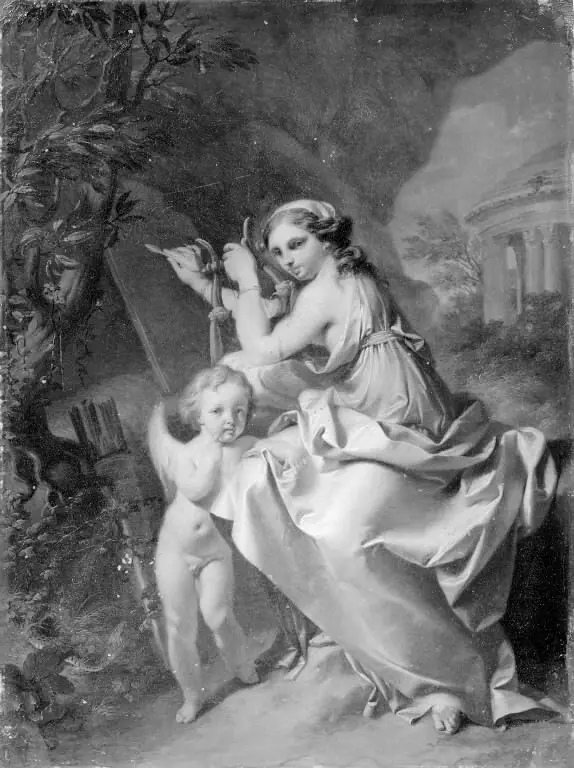 Sappho and Cupid
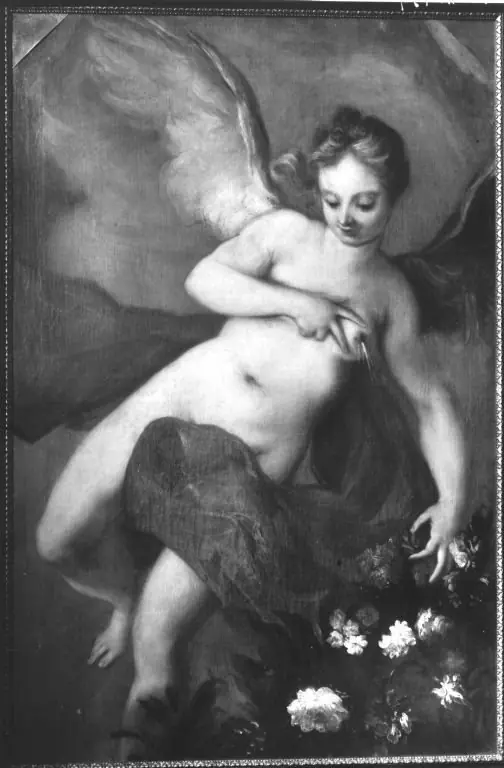 allegory on the dew
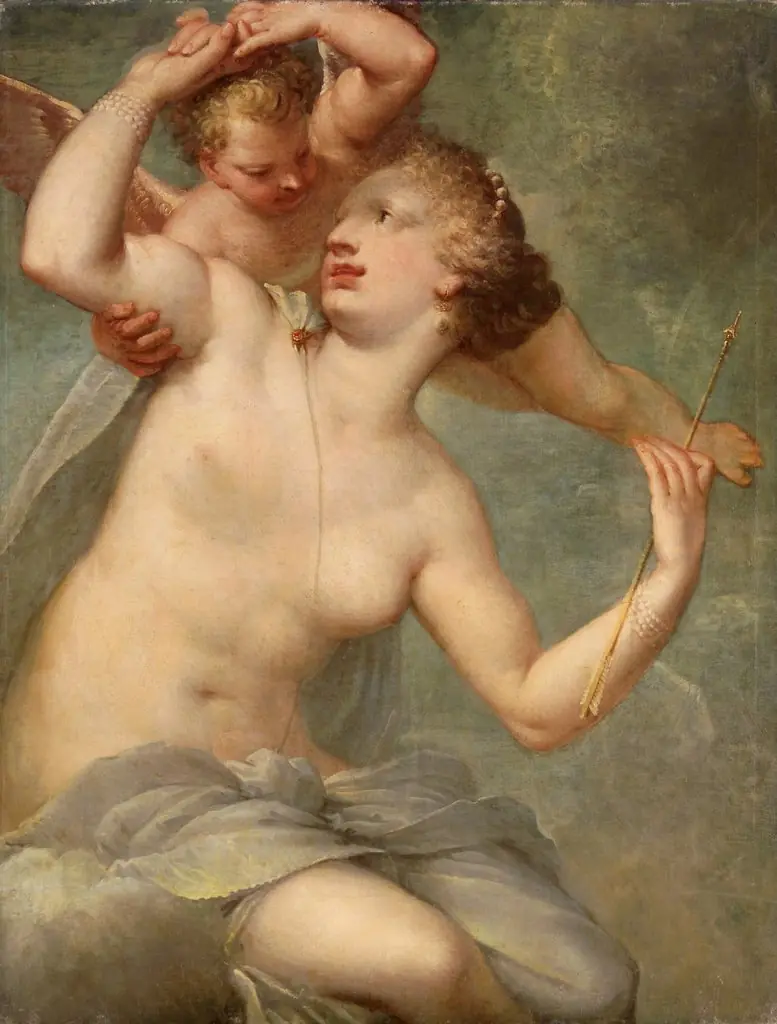 Venus and Amor