Artwork
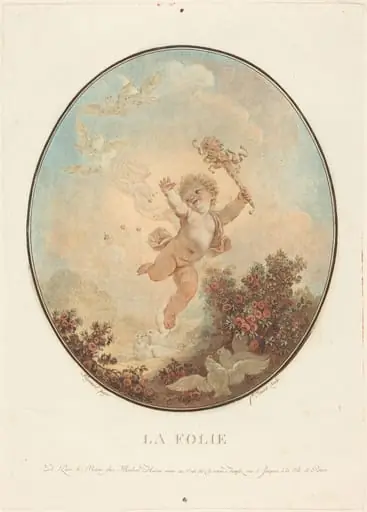
Folly
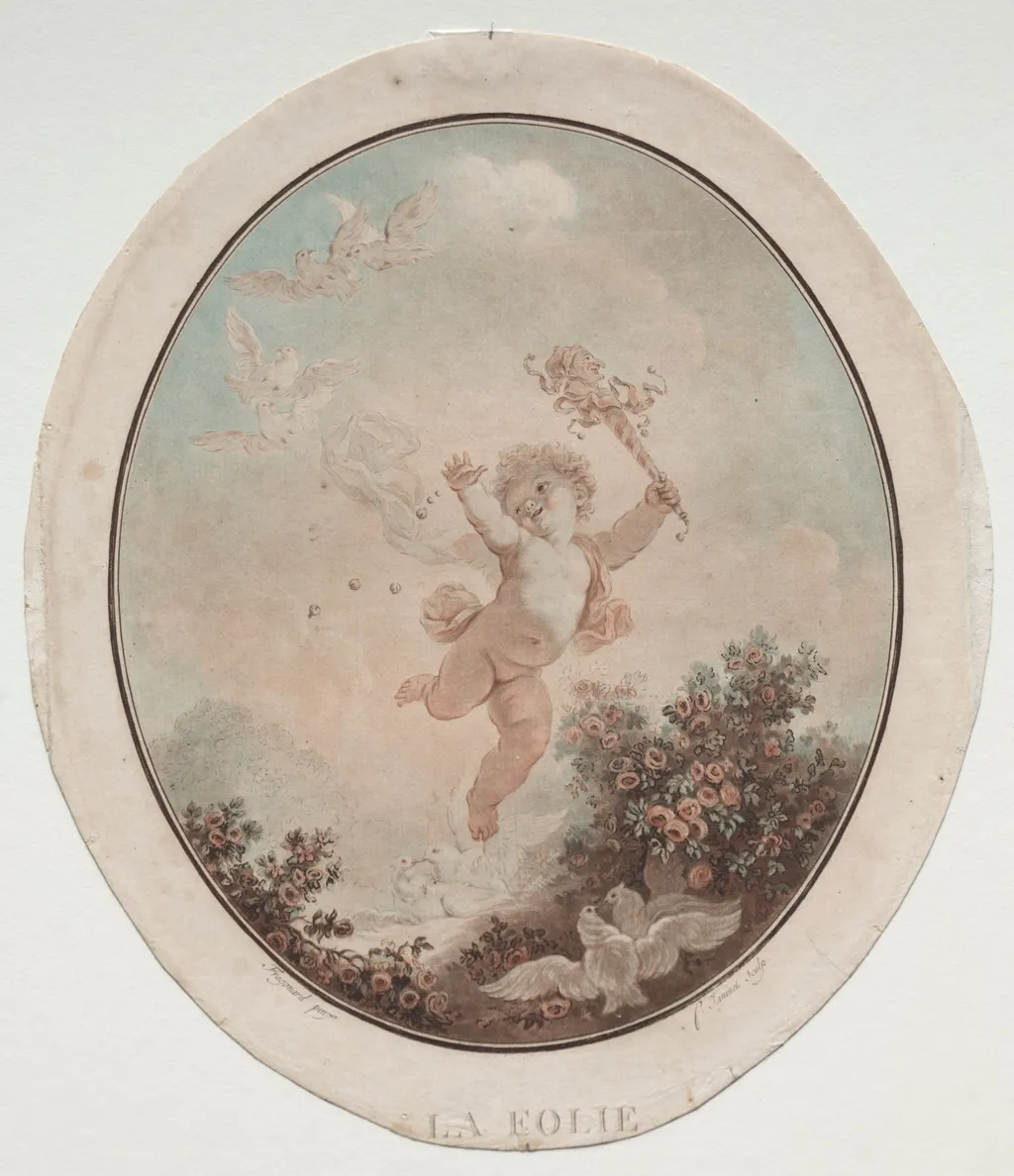
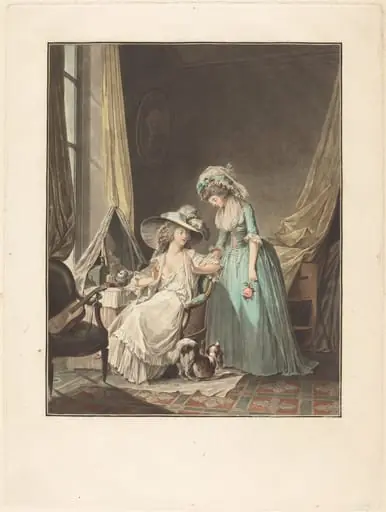
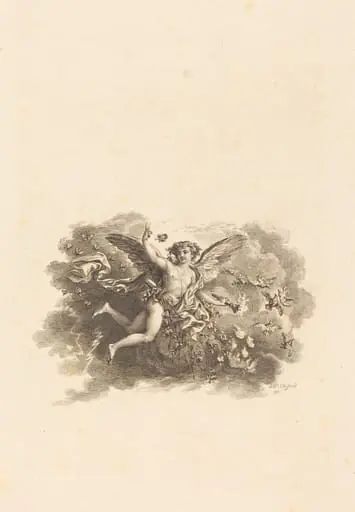
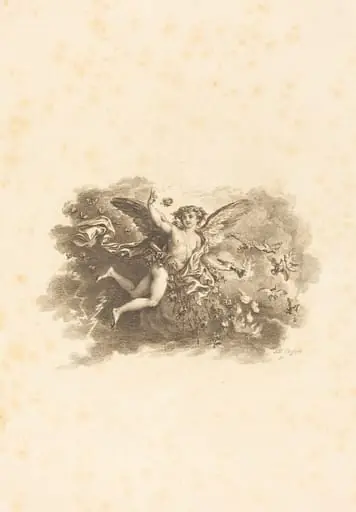
Folly is a print by the Romanticist artist Jean-François Janinet. It dates from 1777 and is held in the collection of the Cleveland Museum of Art.
About this work
This painting shows a scene from 18th century France.
It looks old and detailed.
The artist put a lot of work into it.
You can see the care in the painting.
The Cleveland Museum of Art has this painting.
It's similar to work by other artists of the time, like Jean François Janinet, but to learn more about a similar technique, look up sfumato.
Overview
Though often mistaken for a painting, it is a copperplate engraving, reflecting the period’s demand for accessible, finely rendered imagery.
Folly is an engraved print produced in 1777 by Jean-François Janinet, a French artist known for his detailed reproductive engravings. The work is part of the collection at The Cleveland Museum of Art, where it is preserved as an example of late 18th-century printmaking. Though often mistaken for a painting, it is a copperplate engraving, reflecting the period’s demand for accessible, finely rendered imagery.
Subject & Meaning
The print depicts a lighthearted scene of aristocratic leisure in pre-revolutionary France, capturing a moment of social pretense or absurdity. Figures are arranged in a theatrical composition, suggesting satire of fashionable behavior. The title, Folly, implies a critique of vanity or irrational conduct among the upper classes, a common theme in Enlightenment-era visual culture.
Technique & Style
Janinet employed fine-line engraving to achieve intricate detail, using cross-hatching and delicate line work to model form and texture. The composition is tightly controlled, with attention to costume, architecture, and gesture. Unlike painting techniques such as sfumato, this work relies on precise linear definition, characteristic of reproductive printmaking rather than painterly blending.
History & Provenance
Created during a period of growing public interest in printed imagery, Folly was likely produced for a broad audience, not just elite collectors. It entered the Cleveland Museum of Art’s collection through documented acquisition, though its earlier provenance remains unrecorded in public archives. Its survival reflects its status as a representative example of Janinet’s prolific output.
Context
Janinet worked alongside other engravers who translated popular paintings into prints for wider dissemination. Folly aligns with contemporary French genre scenes that documented social customs, often with subtle moral undertones. The print industry of the time allowed such works to circulate beyond royal or aristocratic circles, contributing to public discourse on manners and class.
Legacy
Though Janinet is not widely known today, his prints like Folly remain important for understanding the visual culture of late 18th-century France. They document how art was reproduced and consumed, bridging fine art and popular media. The work continues to be studied for its technical precision and its reflection of societal norms before the French Revolution.
Artist & collection