Artwork
Buckwheat Harvest, Summer
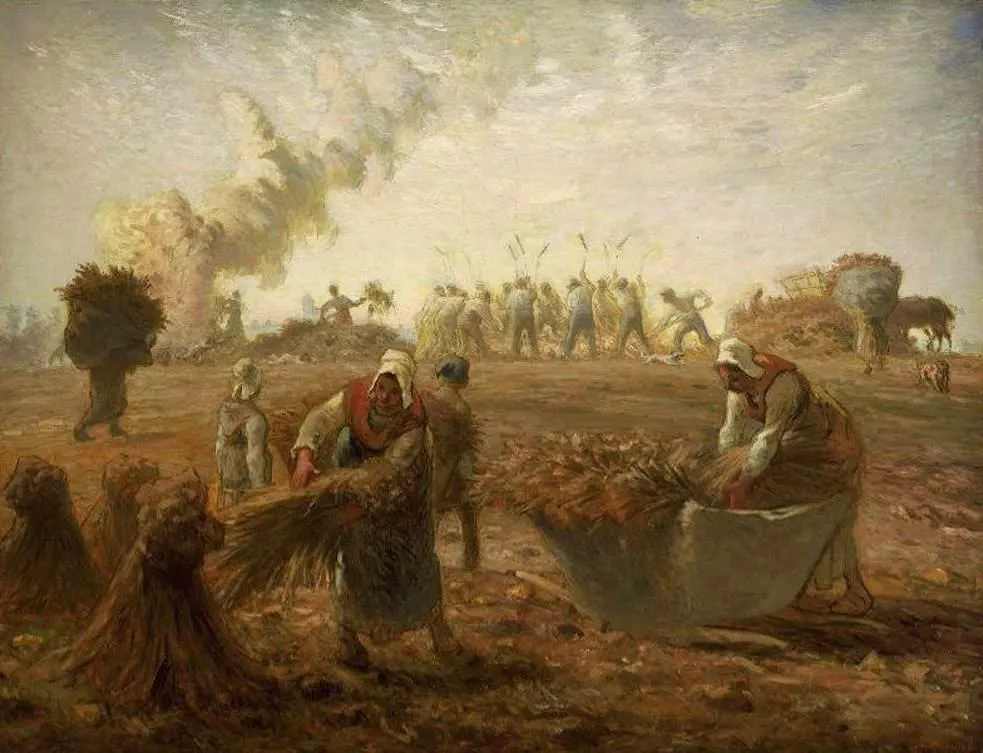
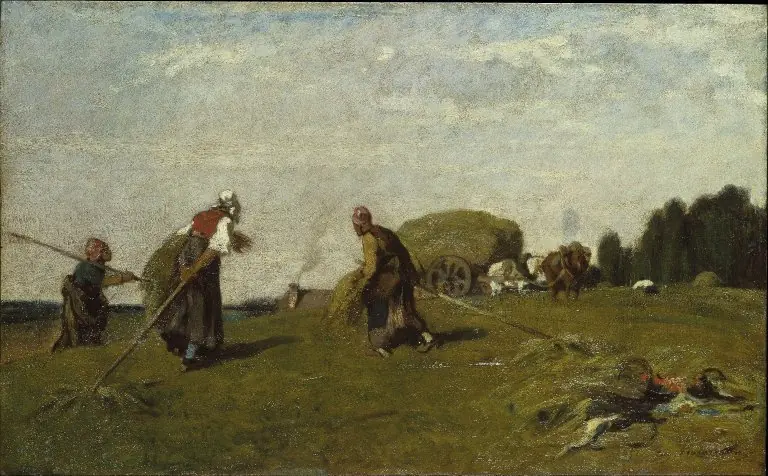
Buckwheat Harvest, Summer is an oil painting by the Realist artist Jean François Millet. It dates from 1871 and is held in the collection of the Museum of Fine Arts Boston.
About this work
Overview
It depicts a quiet moment of agricultural labor in the French countryside, reflecting Millet’s sustained focus on rural existence.
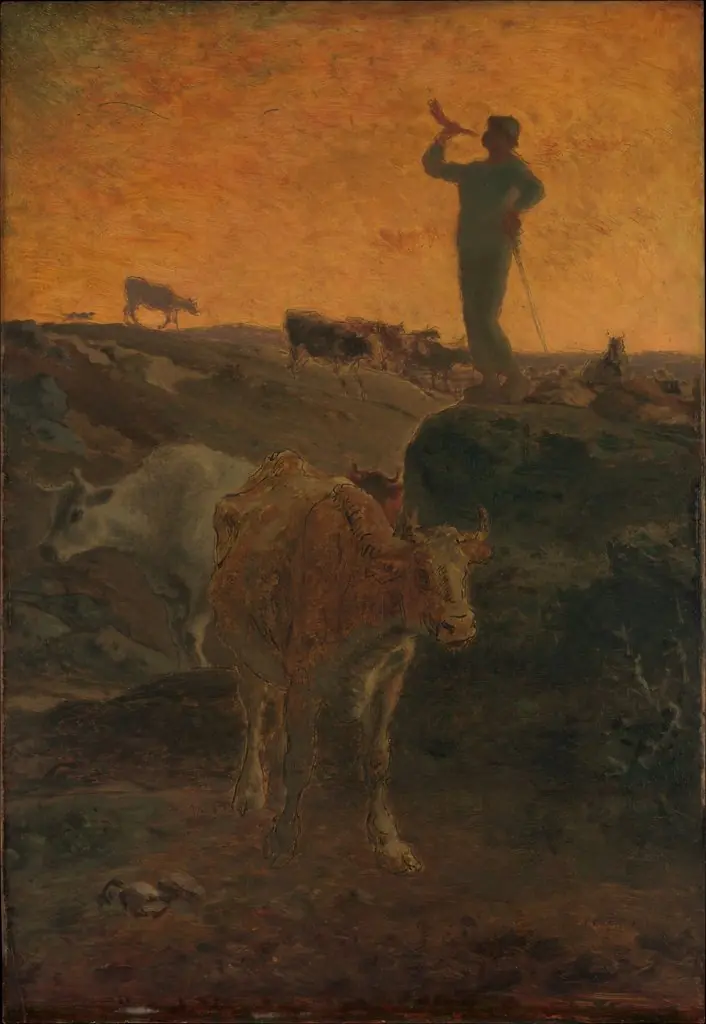
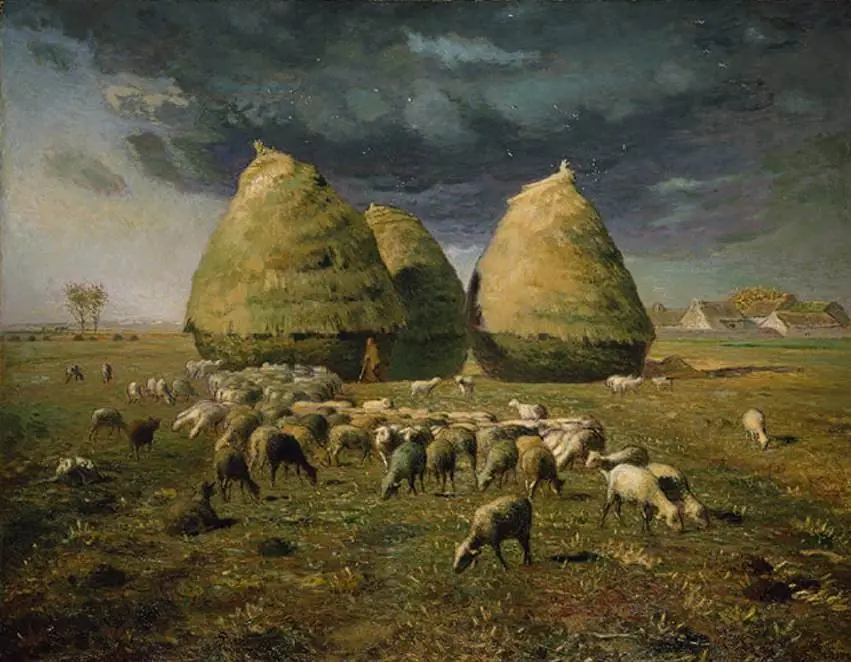
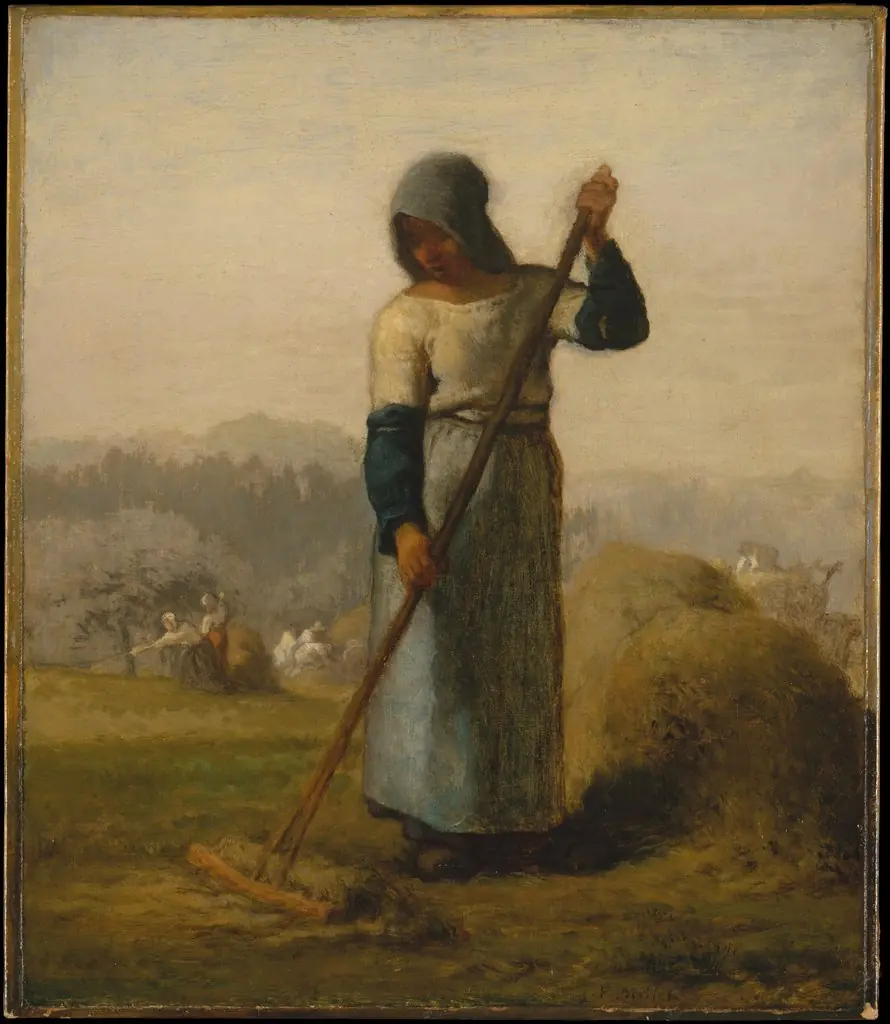
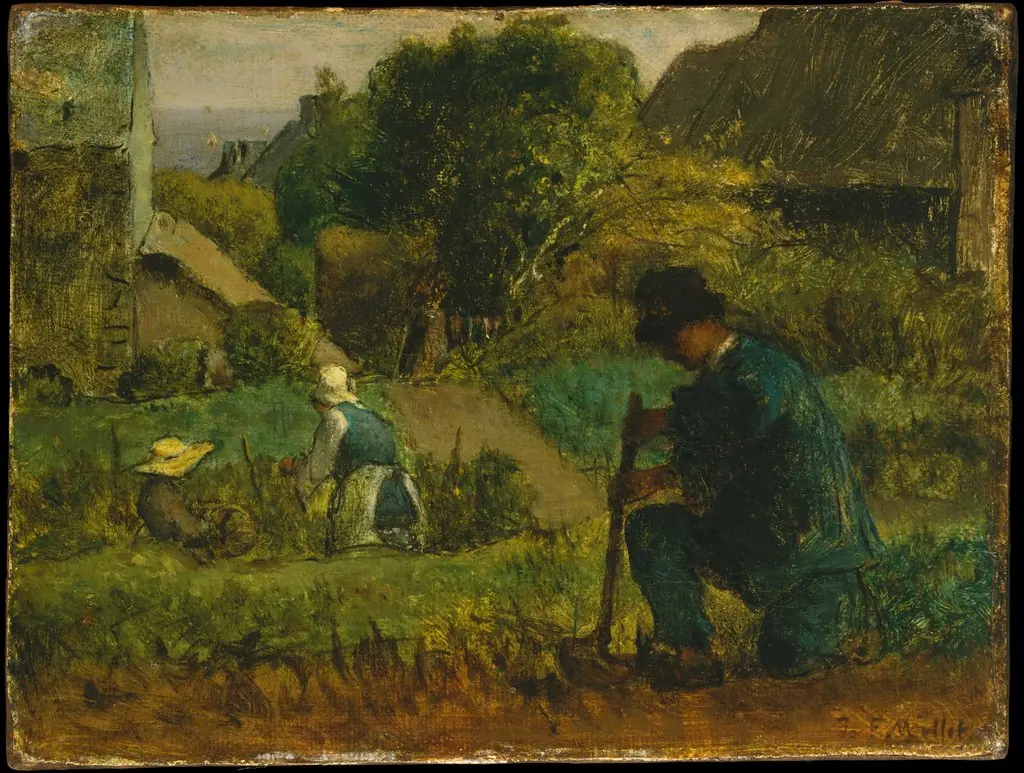
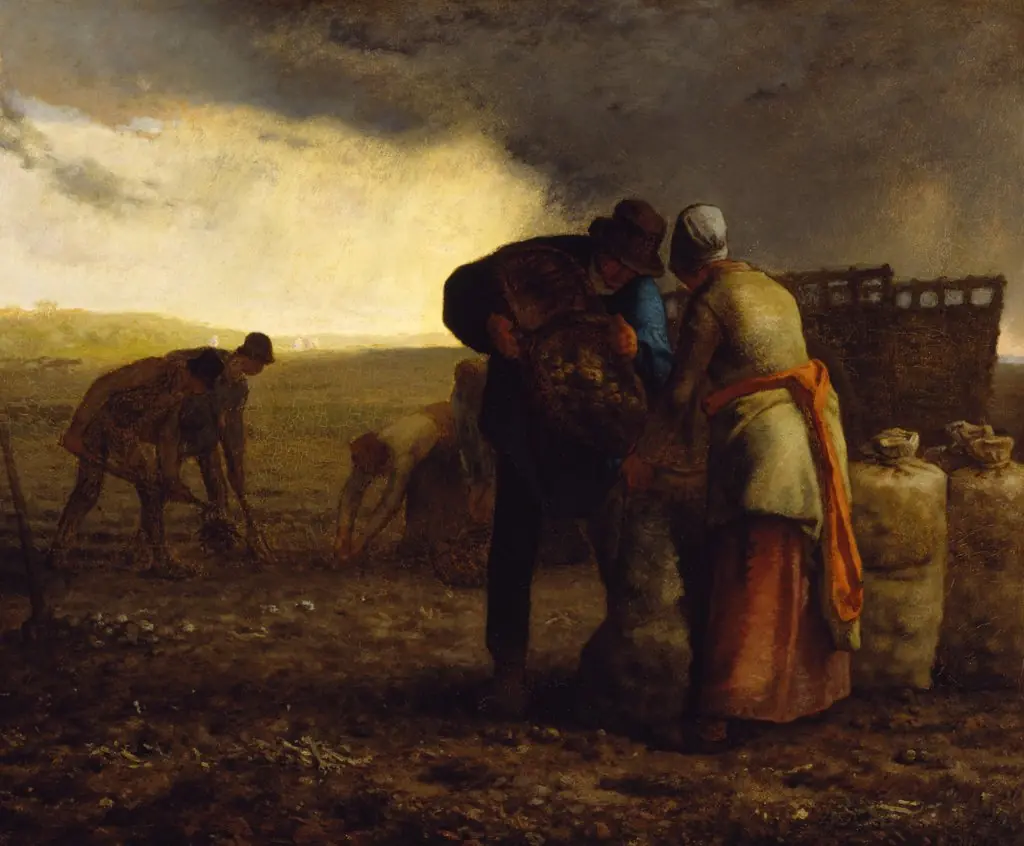
Painted in 1871, *Buckwheat Harvest, Summer* is an oil work by Jean-François Millet, a central figure in the Barbizon school. It depicts a quiet moment of agricultural labor in the French countryside, reflecting Millet’s sustained focus on rural existence. The painting belongs to a broader body of work that elevates everyday farming tasks into subjects of visual contemplation, grounded in observation rather than idealization.
Subject & Meaning
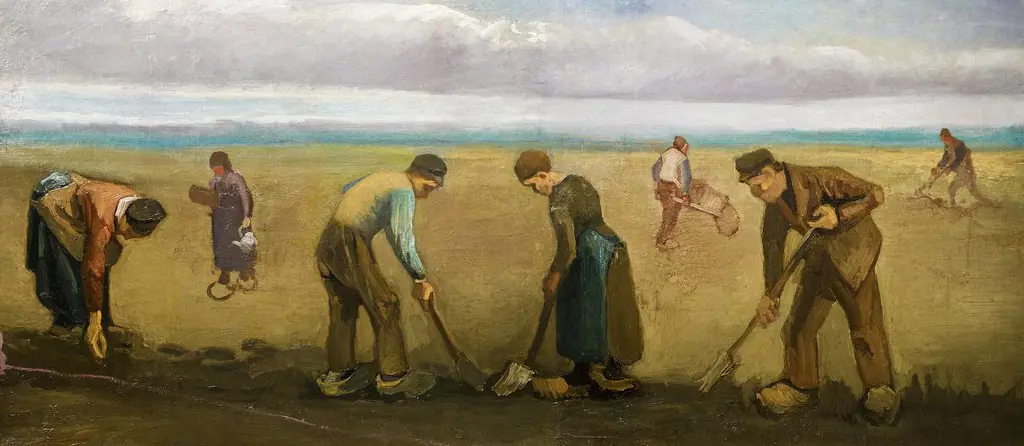
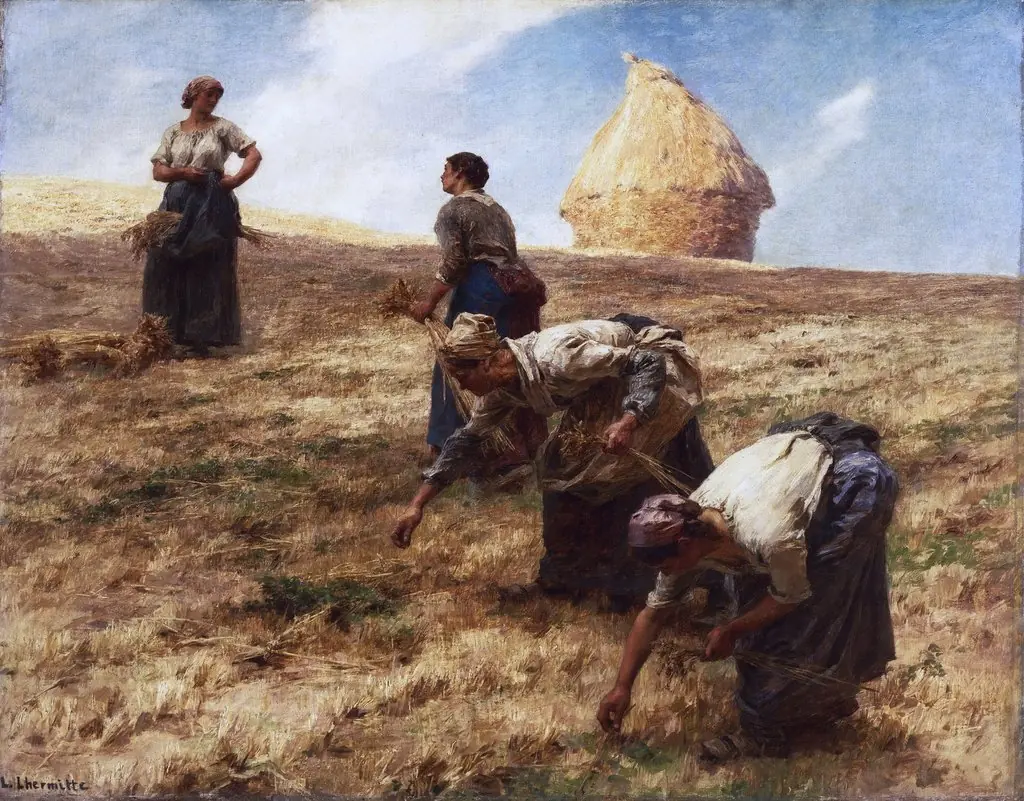
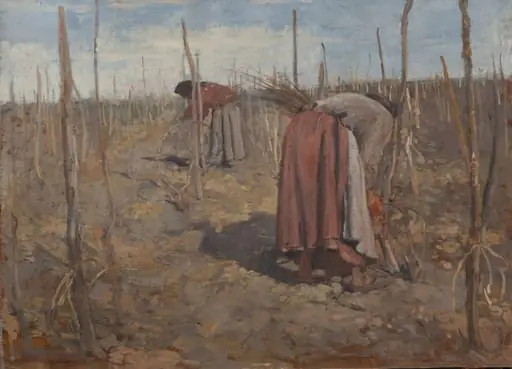
The scene shows a group of peasants bent over in the field, gathering buckwheat into bundles. Their postures convey physical exertion, yet the composition avoids drama or sentimentality. The quiet rhythm of their labor, set against a subdued landscape, suggests dignity in routine work. Millet presents farming not as hardship alone, but as an integral part of the land’s natural cycles, emphasizing continuity over spectacle.
Technique & Style
Millet employed a restrained palette of earth tones—ochres, olives, and grays—to mirror the muted hues of the harvest field. Brushwork is deliberate but unobtrusive, favoring form and mass over detail. Figures are rendered with solidity, their shapes blending into the terrain, reinforcing the connection between laborers and the land. Light is diffused, suggesting late afternoon, enhancing the painting’s calm, meditative tone.
History & Provenance
Created in the aftermath of the Franco-Prussian War, the painting emerged during a period of social upheaval in France. Millet, who had long lived in rural Barbizon, continued to depict peasant life despite shifting artistic trends. The work remained in private hands until entering a public collection, where it now serves as a testament to his commitment to portraying the working rural class with unembellished clarity.
Context
Millet’s work arose in opposition to academic history painting, aligning with the Realist movement’s emphasis on ordinary life. The Barbizon painters, including him, sought to capture nature and labor directly from observation, often working outdoors. *Buckwheat Harvest* reflects this ethos, situating rural toil within the rhythms of the seasons and the physical reality of the French countryside, far from urban or aristocratic themes.
Legacy
Though less celebrated than some of Millet’s other works, this painting exemplifies his consistent dedication to portraying agricultural labor with quiet reverence. It influenced later generations of artists who turned to rural subjects as worthy of serious artistic attention. Its understated power lies in its refusal to dramatize, instead offering a sustained, respectful gaze at the quiet endurance of peasant life.
Artist & collection
Artist
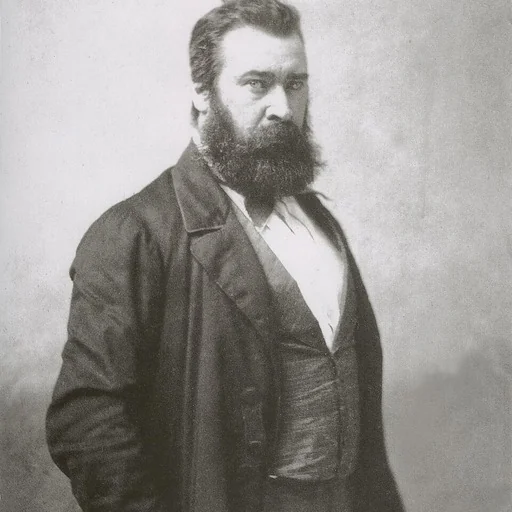
Jean-François Millet (French pronunciation: ; 4 October 1814 – 20 January 1875) was a French painter and one of the founders of the Barbizon school in rural France.