Artwork
Untitled
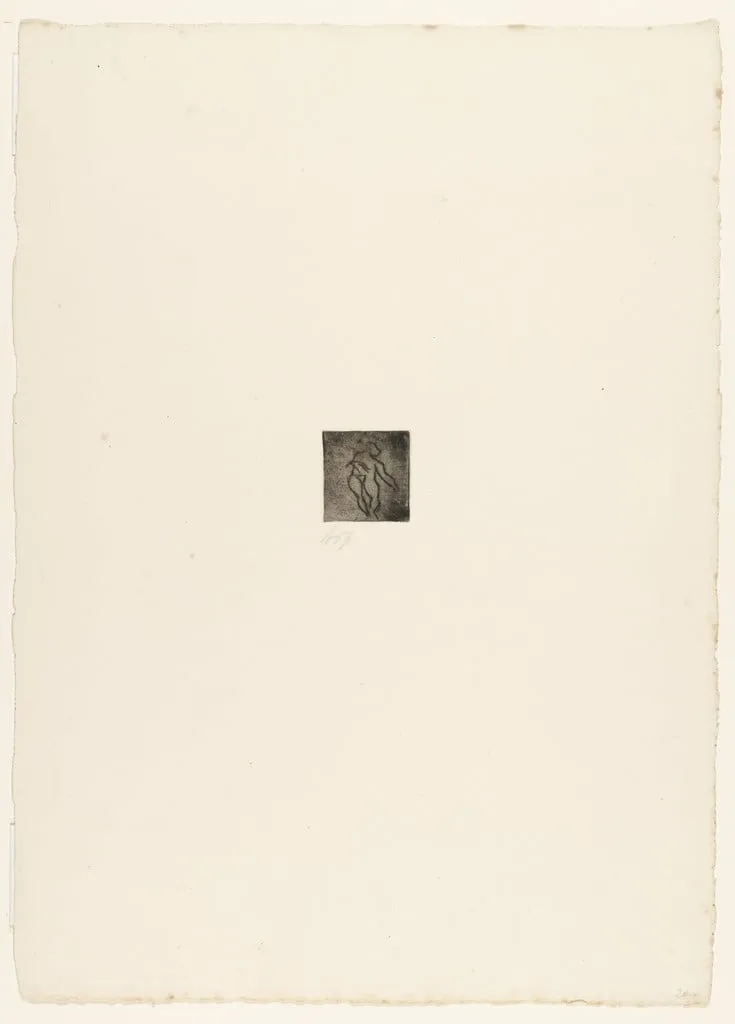
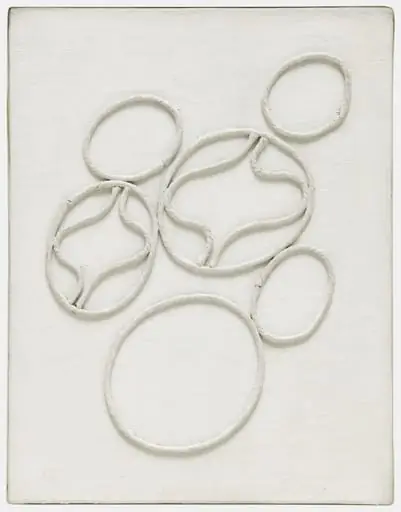
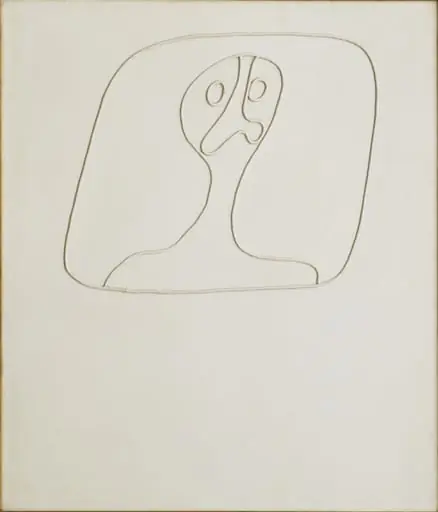
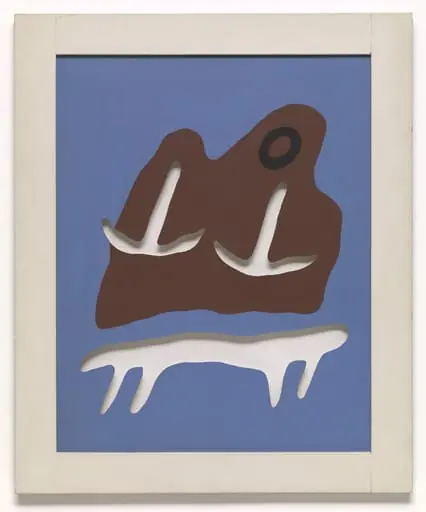
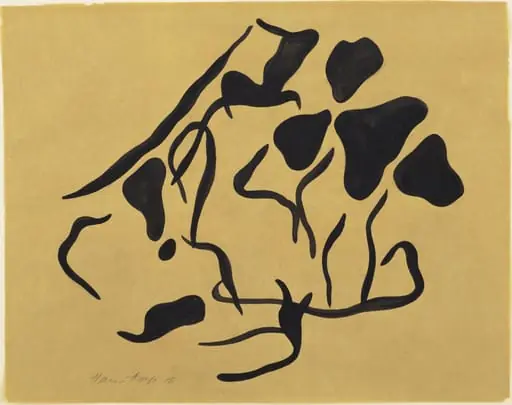
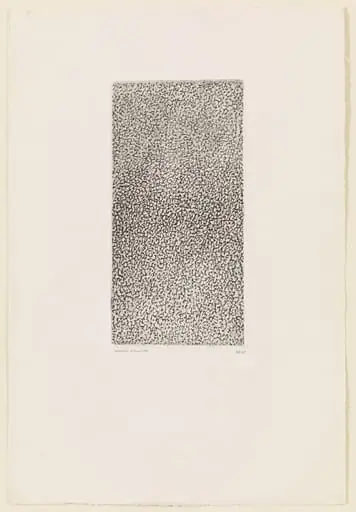
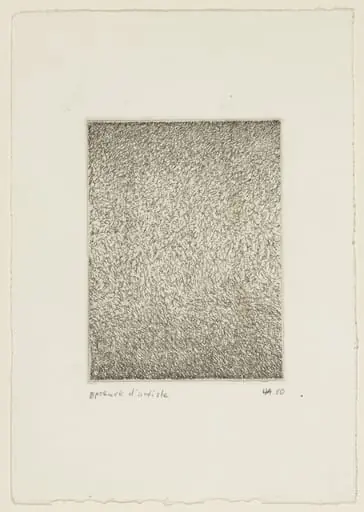
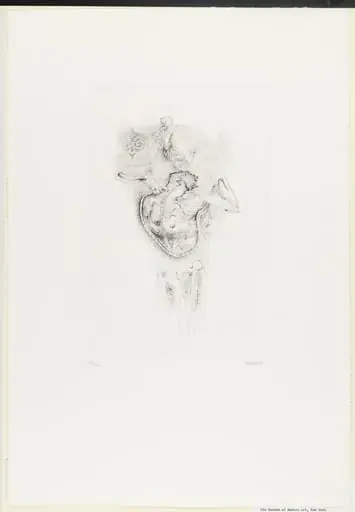
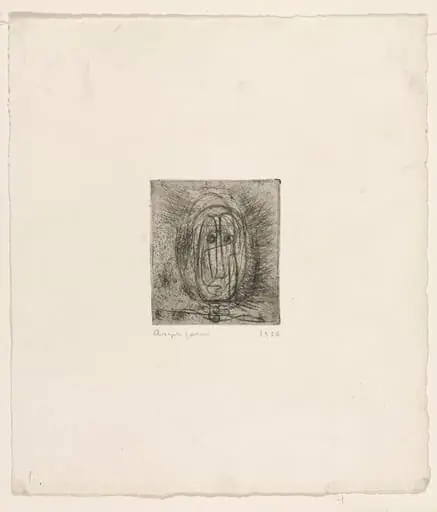
Untitled is an ink print by Jean (Hans) Arp. It dates from 1914 and is held in the collection of the Museum of Modern Art. Jean Arp created this small square etching in 1914, using the intaglio printmaking technique to produce a delicate, linear image.
About this work
Overview
Jean Arp created this small square etching in 1914, using the intaglio printmaking technique to produce a delicate, linear image.
Jean Arp created this small square etching in 1914, using the intaglio printmaking technique to produce a delicate, linear image. The work is part of The Museum of Modern Art’s collection and reflects Arp’s early engagement with abstraction. Its minimal composition and hand-drawn quality suggest a spontaneous, experimental approach to form, characteristic of his transition from figurative to non-representational art.
Subject & Meaning
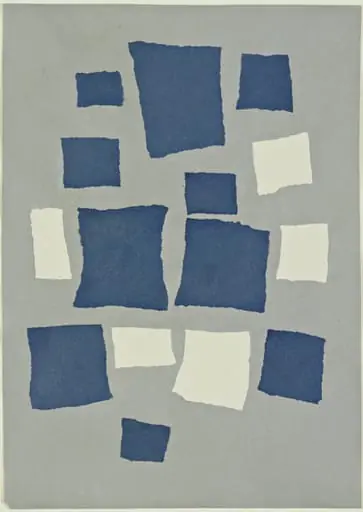
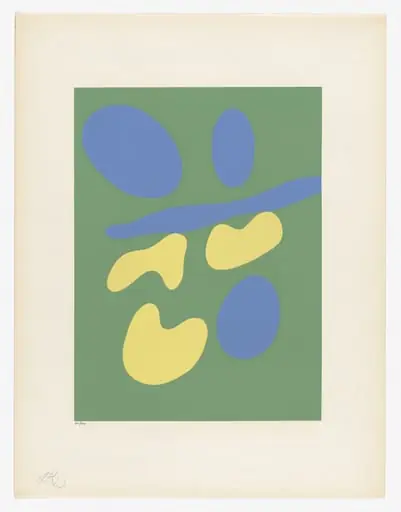
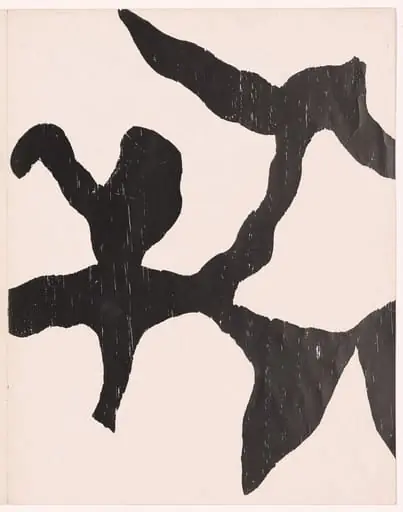
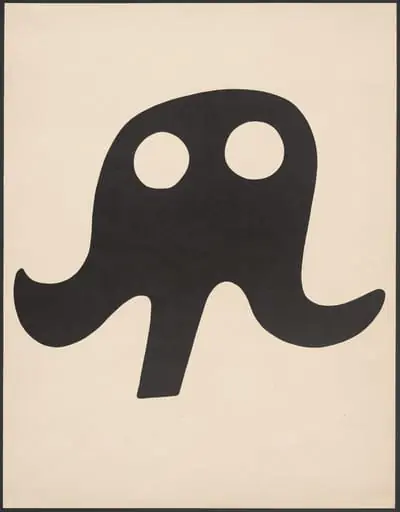
Two irregular, biomorphic forms dominate the composition, vaguely suggesting a head and upper torso but resisting clear identification. Arp avoids narrative or symbolic intent, instead prioritizing the autonomy of shape. The ambiguity invites viewers to perceive the forms as abstract entities rather than representations, aligning with emerging avant-garde interests in non-objective expression during the pre-war period.
Technique & Style
The image was made through etching, a process involving acid-bitten lines on a metal plate transferred to paper. Arp’s lines are intentionally uneven and gestural, resembling a drawn sketch rather than a polished engraving. The rough texture and unrefined contours emphasize process over precision, reflecting a deliberate departure from traditional printmaking conventions of the time.
History & Provenance
Created in 1914, the work predates Arp’s formal association with Dada and Surrealism but anticipates their interest in organic abstraction. It entered The Museum of Modern Art’s collection through established acquisition channels, likely as part of early 20th-century modernist print holdings. Its preservation reflects institutional recognition of Arp’s role in shaping modern printmaking.
Context
In 1914, European artists were redefining visual language amid rising tensions and shifting cultural paradigms. Arp, working in Switzerland and Germany, was exploring abstraction alongside contemporaries like Kandinsky and Klee. This etching exemplifies a quiet but radical shift away from representation, contributing to a broader movement that valued intuition and form over depiction.
Legacy
This early etching foreshadows Arp’s later development of biomorphic abstraction, influencing generations of sculptors and printmakers who embraced organic form. Its simplicity and openness to interpretation helped legitimize non-representational imagery in print media, expanding the boundaries of what printmaking could express beyond illustration or reproduction.
Artist & collection

Artist
Hans Peter Wilhelm Arp, better known as Jean Arp in English, was a German-French sculptor, painter and poet. He was known as a Dadaist and an abstract artist.