Artwork
Untitled
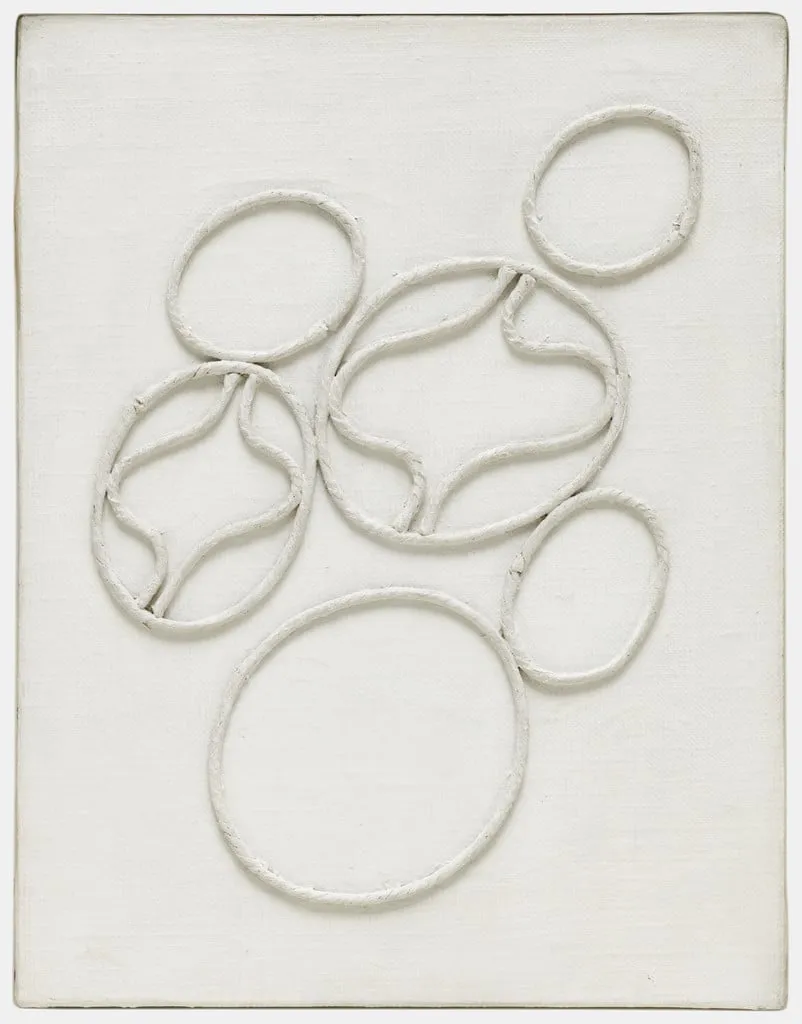
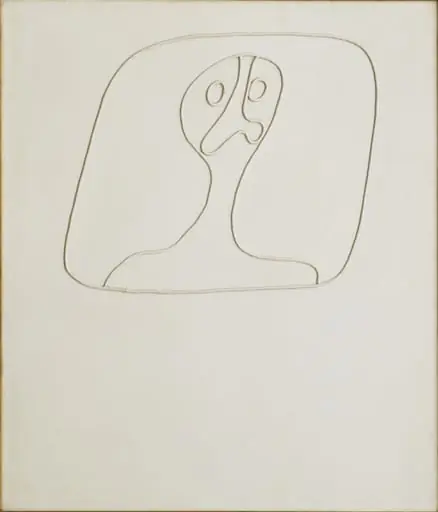
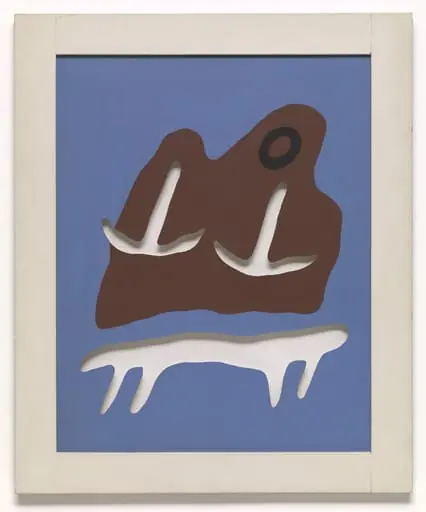
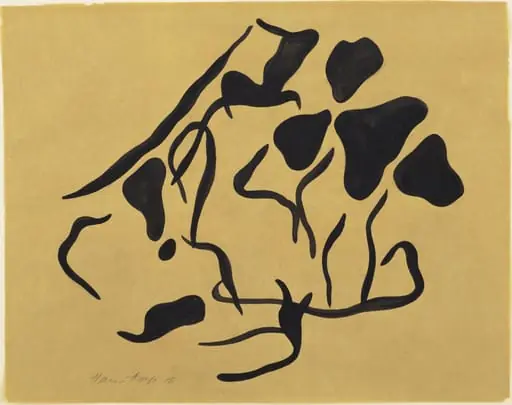
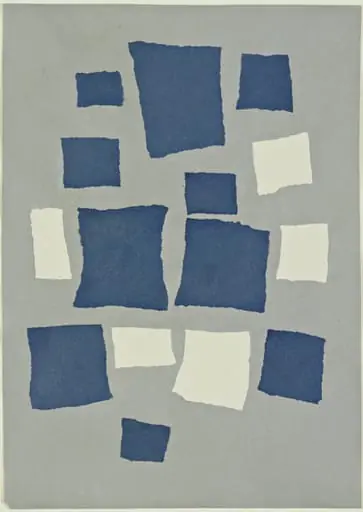
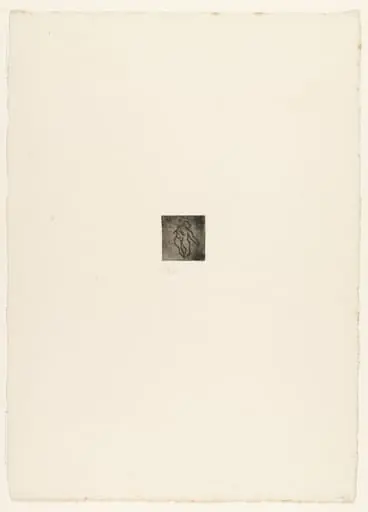
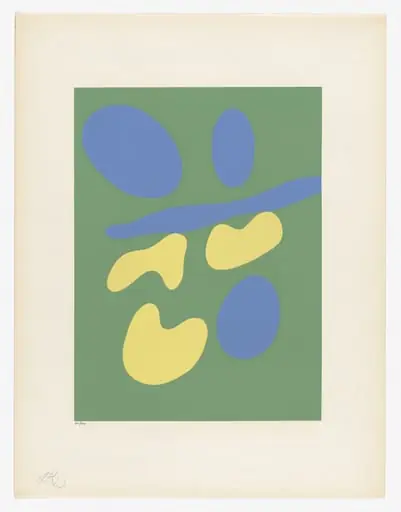
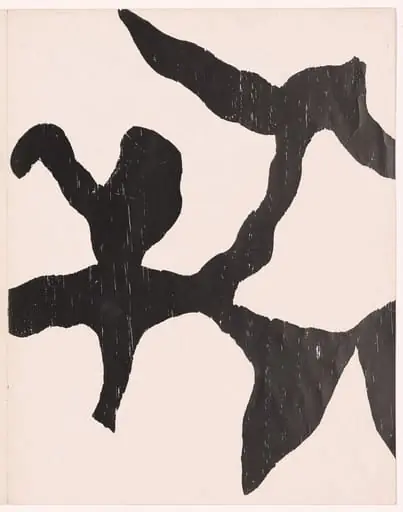
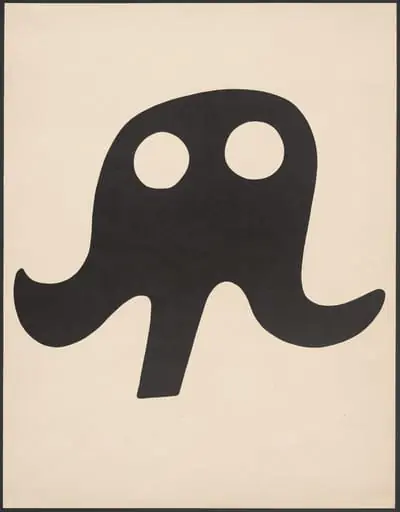
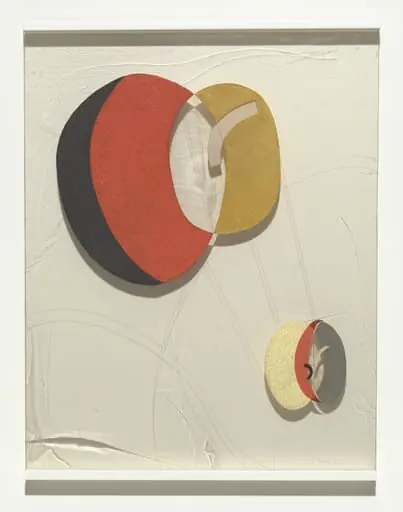
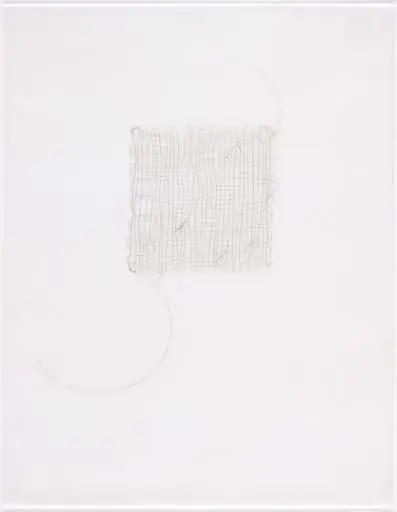
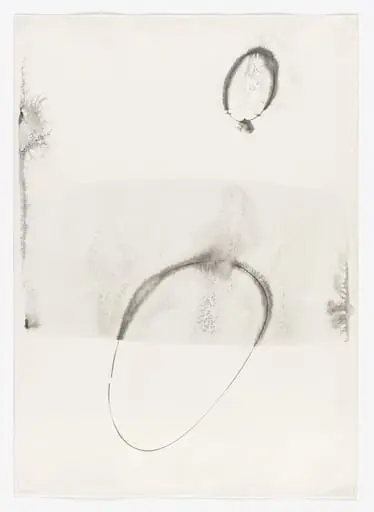
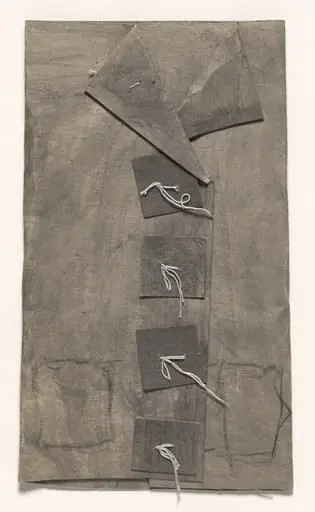
Untitled is an oil painting by Jean (Hans) Arp. It dates from 1929 and is held in the collection of the Museum of Modern Art.
About this work
Overview
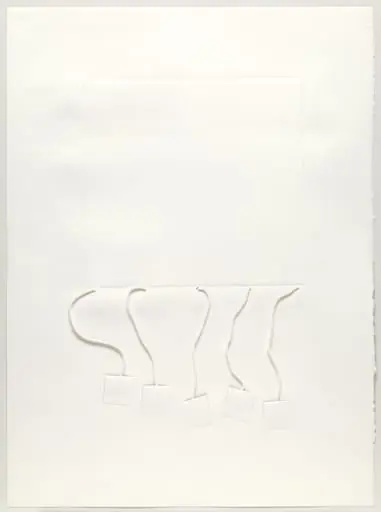
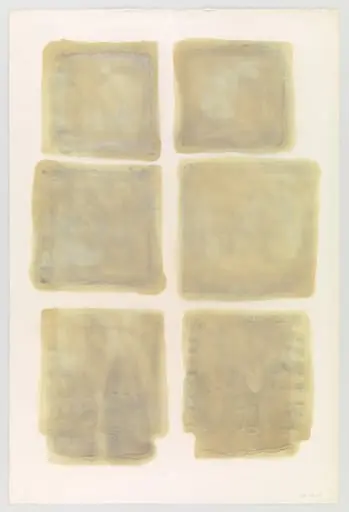
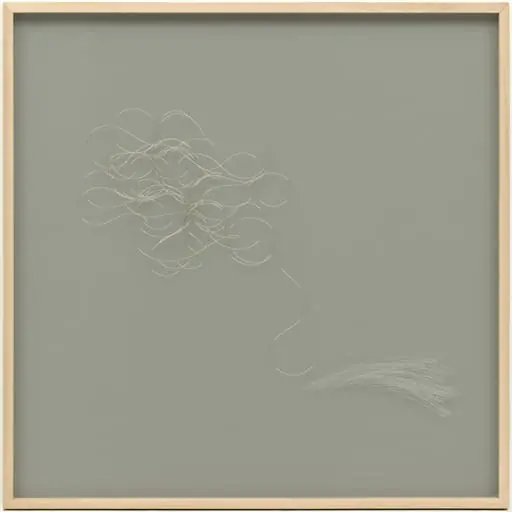
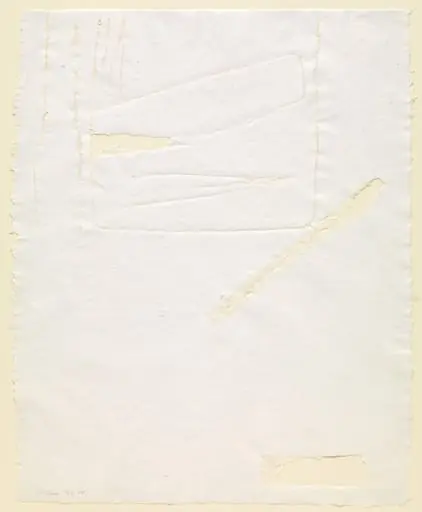
Created in 1929, this abstract oil painting by Jean Arp combines pigment with physical material, incorporating actual cord glued to the canvas. The work is part of The Museum of Modern Art’s collection and exemplifies Arp’s interest in organic abstraction. Its tactile surface and irregular forms distinguish it from purely painted compositions, merging sculpture and painting in a single support.
Subject & Meaning
The absence of narrative invites contemplation of form as a self-sufficient entity, aligned with surrealist and Dadaist principles of chance and spontaneity.
The painting presents no representational imagery; instead, it offers a composition of white, rope-like loops and circles that suggest natural forms—perhaps seeds, cells, or drifting masses. Arp sought to evoke organic growth without direct reference, allowing shapes to emerge intuitively. The absence of narrative invites contemplation of form as a self-sufficient entity, aligned with surrealist and Dadaist principles of chance and spontaneity.
Technique & Style
Arp applied thick oil paint over glued cord, creating raised, uneven lines that project from the canvas. The brushwork is deliberate yet irregular, preserving the texture of the embedded material. This method produces a three-dimensional surface, blending impasto with assemblage. The light background contrasts with the white cord, enhancing the sense of volume and movement without relying on traditional perspective or shading.
History & Provenance
Painted in 1929, the work entered The Museum of Modern Art’s collection in the mid-20th century, following Arp’s growing recognition in European and American avant-garde circles. It was likely acquired during a period when MoMA was actively expanding its holdings of abstract and surrealist works. The painting’s material innovation contributed to its inclusion in key exhibitions of modernist experimentation.
Context
Arp created this piece during a time when artists were redefining abstraction beyond geometry, turning toward biomorphic forms inspired by nature and subconscious imagery. His approach aligned with contemporaries like Miró and Kandinsky, yet his use of physical materials set him apart. The integration of cord reflects broader interwar interests in breaking boundaries between painting, sculpture, and craft.
Legacy
This work contributed to the legitimization of mixed-media abstraction in modern art, influencing later artists who incorporated found materials into painted surfaces. Its emphasis on tactile texture and organic shape helped bridge Dada’s anti-art gestures with postwar developments in assemblage and process-based art. Arp’s method remains a reference point for those exploring the physicality of paint and the autonomy of form.
Artist & collection

Artist
Hans Peter Wilhelm Arp, better known as Jean Arp in English, was a German-French sculptor, painter and poet. He was known as a Dadaist and an abstract artist.