Artwork
Untitled
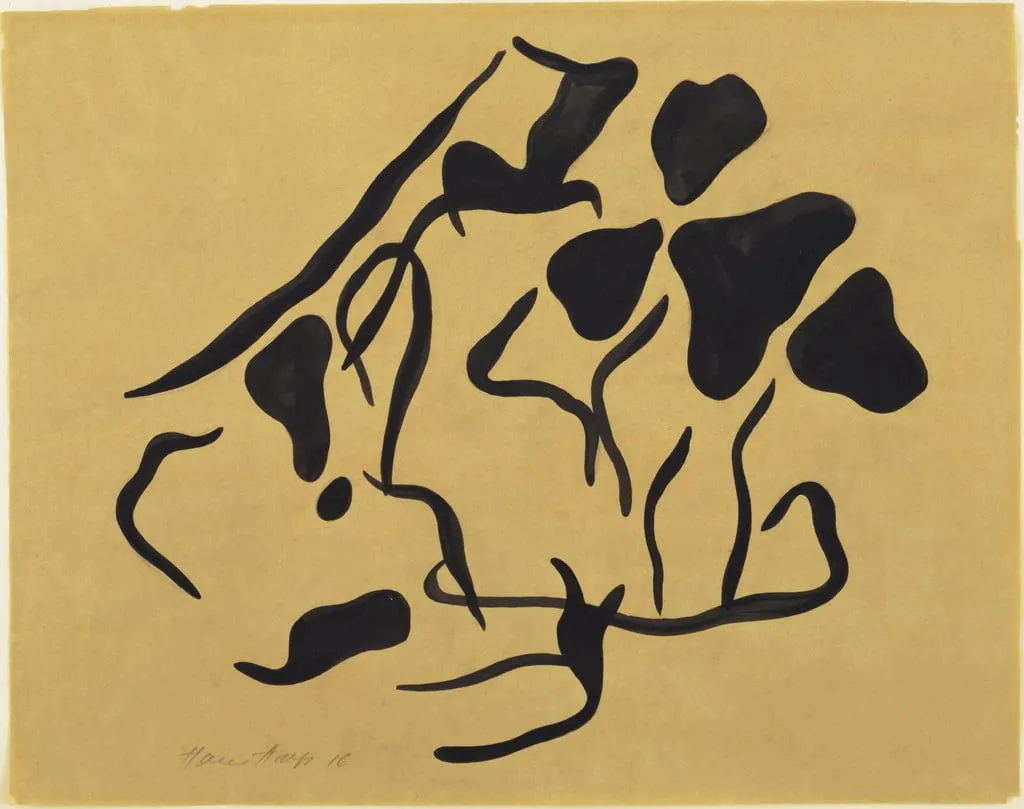
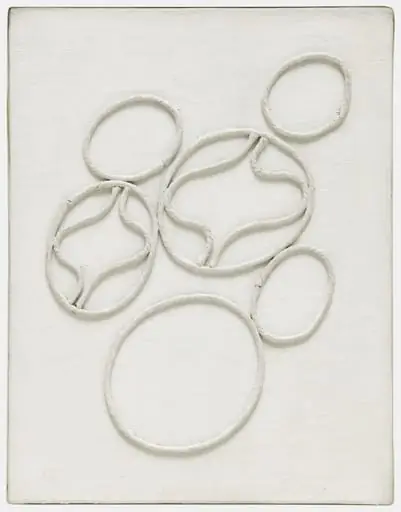
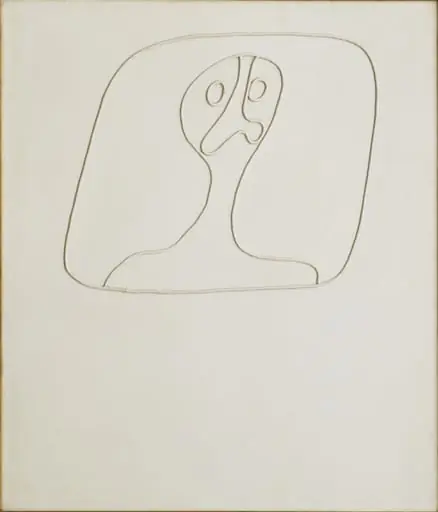
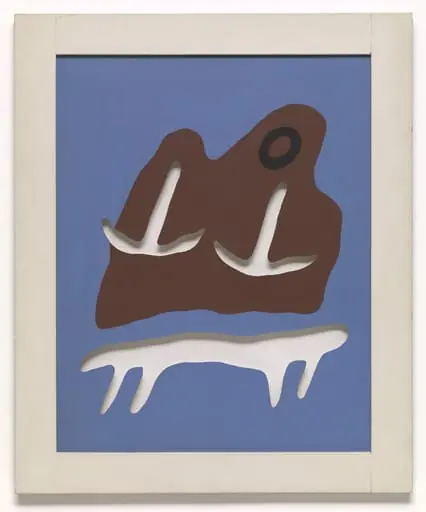
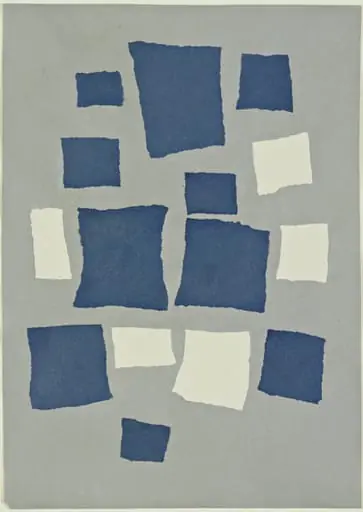
Untitled is a graphite drawing by Jean (Hans) Arp. It dates from 1918 and is held in the collection of the Museum of Modern Art.
About this work
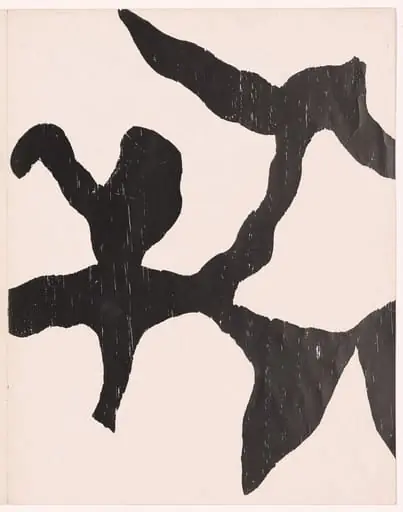
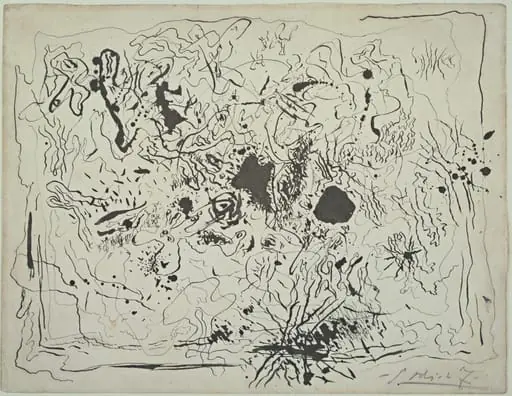
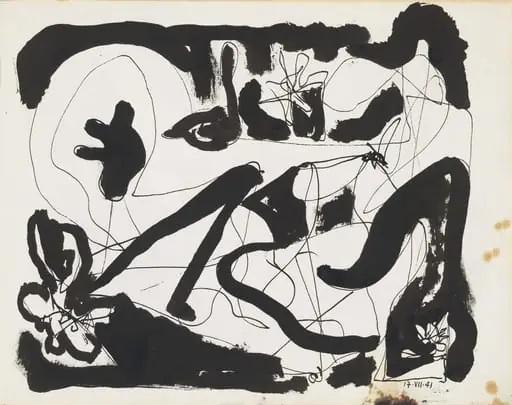
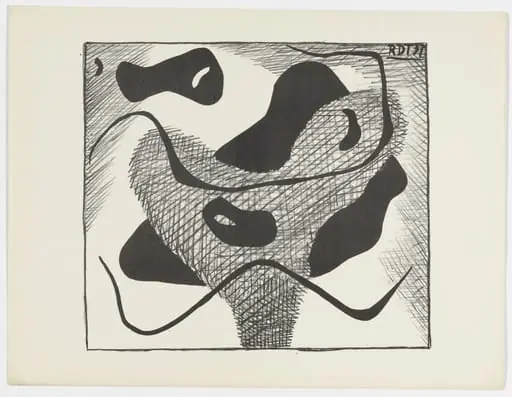
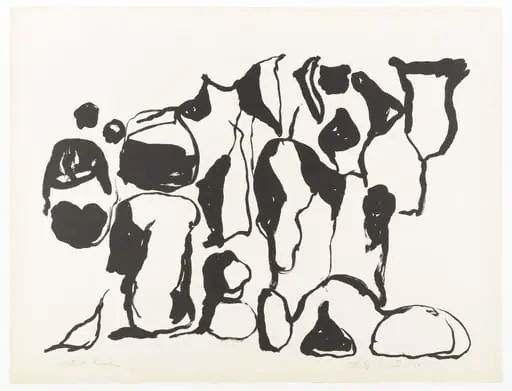
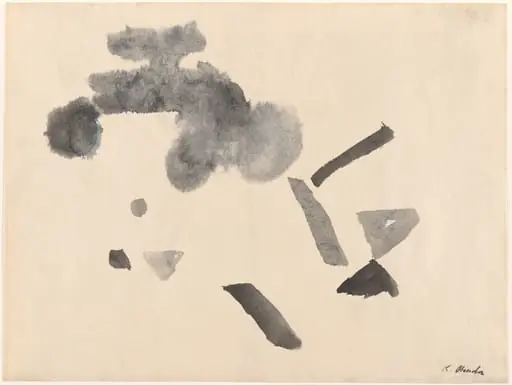
The shapes look like floating leaves or maybe melted blobs—some are round, others stretch into thin branches.
This painting shows black ink blobs and lines on a light tan background. The shapes look like floating leaves or maybe melted blobs—some are round, others stretch into thin branches. The whole thing feels like a sketch that got squished or blown by wind.
The artist signed it in the corner with a small mark. It’s dated 1916, but made later, which might mean something about how time worked for them.
If you like this loose, playful style, check out Jean (Hans) Arp.
Overview
Jean Arp created this ink and pencil drawing in 1918, though it bears the date 1916, suggesting a deliberate blurring of temporal boundaries. Executed on light tan paper, the work features abstract forms rendered in fluid black ink and delicate pencil lines. It resides in the collection of The Museum of Modern Art, representing Arp’s early exploration of non-representational form during a period of radical artistic experimentation.
Subject & Meaning
The composition avoids recognizable imagery, instead presenting organic, amorphous shapes that suggest natural elements—leaves, seeds, or cellular forms—without depicting them literally. These forms appear weightless, as if drifting or suspended, evoking a sense of spontaneity and chance. Arp’s intent was not to illustrate nature but to channel its underlying rhythms through intuitive mark-making, aligning with Dadaist principles of anti-rational expression.
Technique & Style
Arp employed loose, gestural ink strokes and soft pencil lines to create forms that seem both accidental and deliberate. The ink pools into irregular blobs, while thin, branching lines extend unpredictably across the surface. The paper’s texture subtly interacts with the medium, enhancing the impression of impermanence. The signature, a minimal mark in the corner, reinforces the work’s understated, anti-heroic aesthetic.
History & Provenance
The drawing was produced during Arp’s time in Zurich, amid the ferment of the Dada movement. Though dated 1916, it was completed in 1918, reflecting Arp’s practice of revisiting or recontextualizing earlier ideas. It entered The Museum of Modern Art’s collection in the mid-20th century, recognized as a key example of early abstract drawing that challenged traditional notions of composition and intentionality.
Context
Created during World War I, the work emerged alongside Dada’s rejection of logic and bourgeois aesthetics. Arp, alongside contemporaries like Sophie Taeuber and Tristan Tzara, sought to disrupt conventional art through chance and organic form. This drawing reflects a broader shift toward abstraction in European avant-garde circles, where emotion and intuition replaced narrative and representation.
Legacy
This drawing exemplifies Arp’s enduring influence on postwar abstraction, particularly in the development of biomorphic forms in modern sculpture and painting. Its emphasis on spontaneity and organic geometry anticipated later movements such as Surrealism and Abstract Expressionism. The work remains a quiet but pivotal reference in the history of 20th-century non-objective art.
Artist & collection

Artist
Hans Peter Wilhelm Arp, better known as Jean Arp in English, was a German-French sculptor, painter and poet. He was known as a Dadaist and an abstract artist.