Artwork
The Age of Augustus, the Birth of Christ
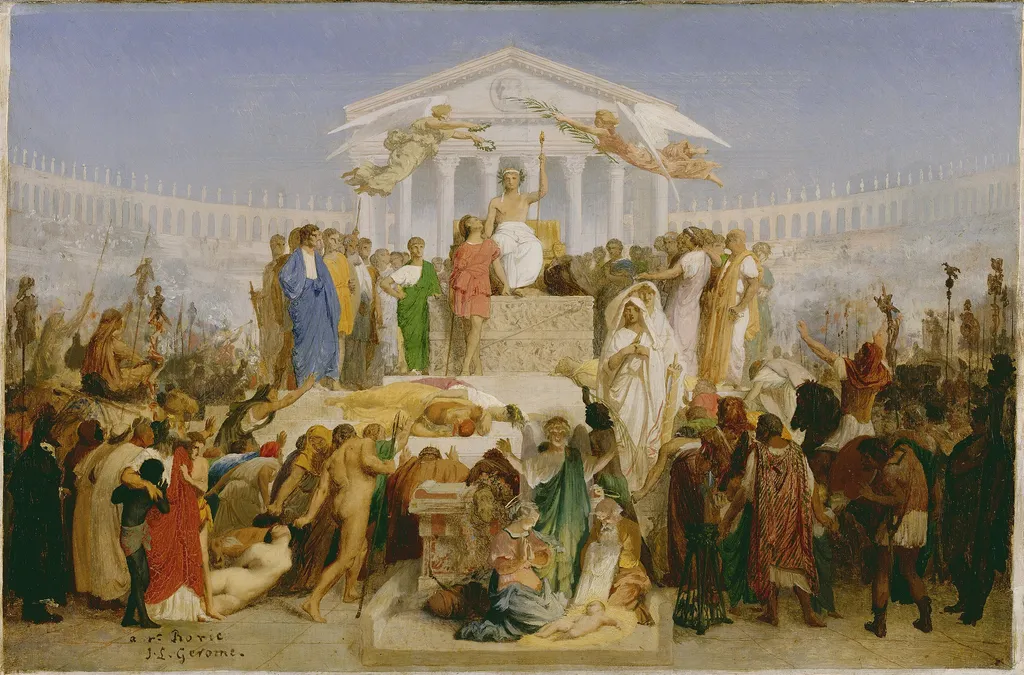
The Age of Augustus, the Birth of Christ is an oil painting by the Orientalist artist Jean Léon Gérôme. It dates from 1852 and is held in the collection of the J. Paul Getty Museum. Painted in 1852 by Jean-Léon Gérôme, this oil on canvas work merges historical and religious themes in a single monumental composition.
About this work
Overview
Painted in 1852 by Jean-Léon Gérôme, this oil on canvas work merges historical and religious themes in a single monumental composition.
Painted in 1852 by Jean-Léon Gérôme, this oil on canvas work merges historical and religious themes in a single monumental composition. It depicts a moment associated with the birth of Christ, framed within the political context of Emperor Augustus’s reign. The painting resides in the collection of the J. Paul Getty Museum, where its scale and detail invite close examination of its layered narrative.
Subject & Meaning
The scene centers on a seated figure, likely intended as the infant Jesus, surrounded by attendants on a raised platform. A diverse assembly of onlookers—men, women, and children in varied garments—suggests the convergence of cultures under Roman rule. The presence of Augustan architecture implies a symbolic alignment between imperial authority and divine emergence, reflecting 19th-century attempts to reconcile classical antiquity with Christian iconography.
Technique & Style
Gérôme employs precise brushwork and meticulous attention to texture, rendering fabrics, stone, and skin with academic realism. Chiaroscuro defines forms through sharp contrasts between light and shadow, guiding the viewer’s eye toward the central group. The background’s architectural elements and clear sky establish spatial depth, while the crowd’s varied poses add rhythmic complexity to the composition.
History & Provenance
Commissioned during a period of renewed interest in historical and biblical subjects, the painting was completed in Paris and later entered the Getty Museum’s collection. Its journey from studio to public display reflects 19th-century European collecting trends that valued scholarly precision and narrative clarity in art. No significant alterations or restorations are documented in its modern provenance.
Context
Created amid Europe’s fascination with antiquity and religious revivalism, the work responds to academic traditions that sought to elevate history painting. Gérôme, trained in the École des Beaux-Arts, aligned with contemporaries who blended archaeological accuracy with dramatic staging. The painting’s fusion of Roman imperial imagery with Christian symbolism mirrors broader cultural efforts to connect classical and Christian heritage.
Legacy
Though not widely exhibited outside institutional settings, the painting remains a representative example of 19th-century French academic painting. It illustrates how artists navigated the intersection of politics, religion, and classical antiquity. Its detailed realism continues to inform discussions on the role of historical reconstruction in visual storytelling.
Own this work as a print
Artist & collection

Artist
Jean-Léon Gérôme was a French painter and sculptor in the style now known as academicism.

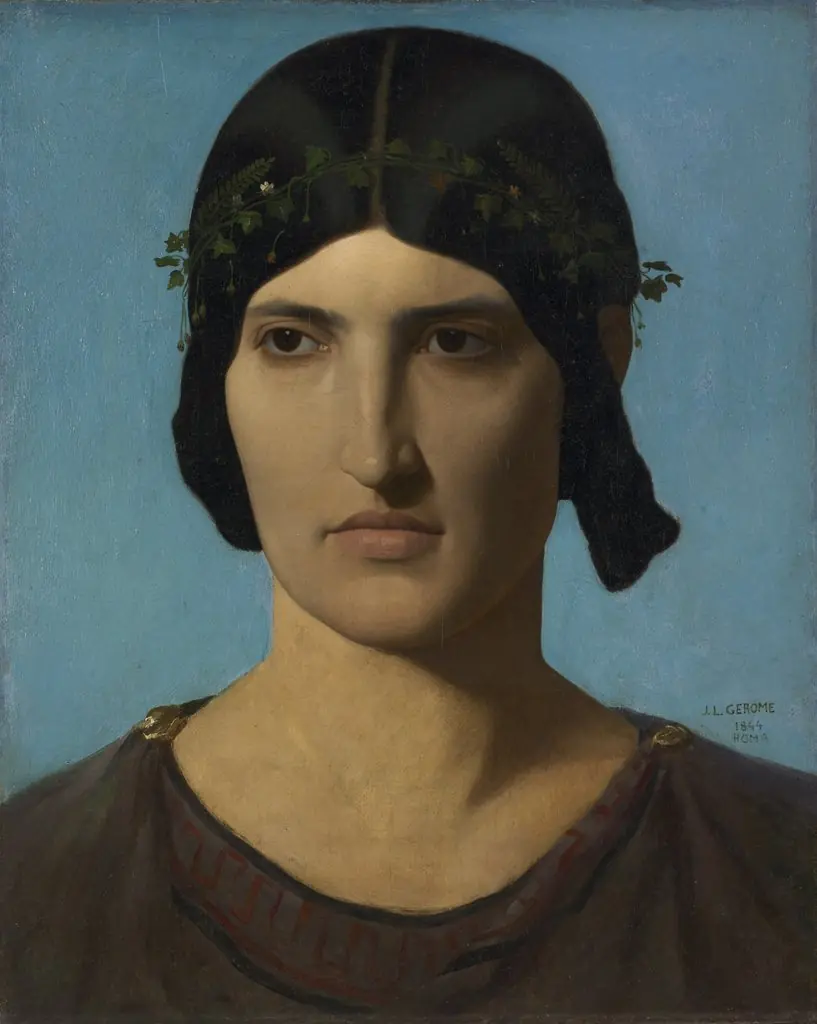
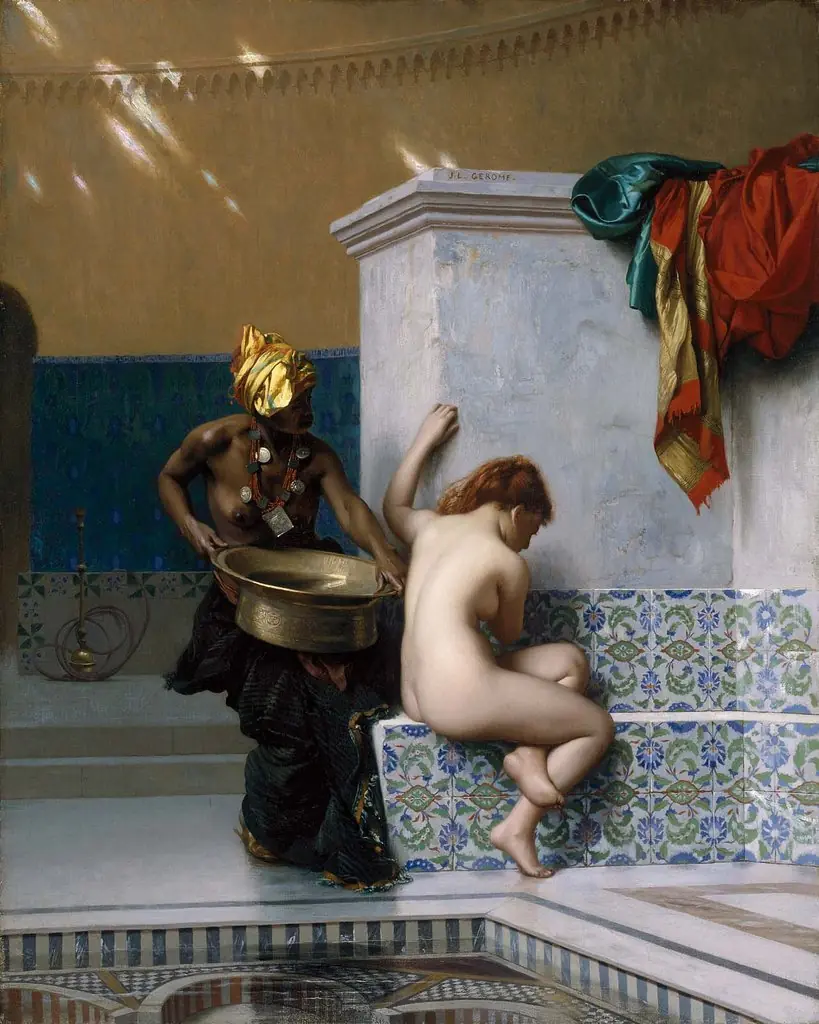
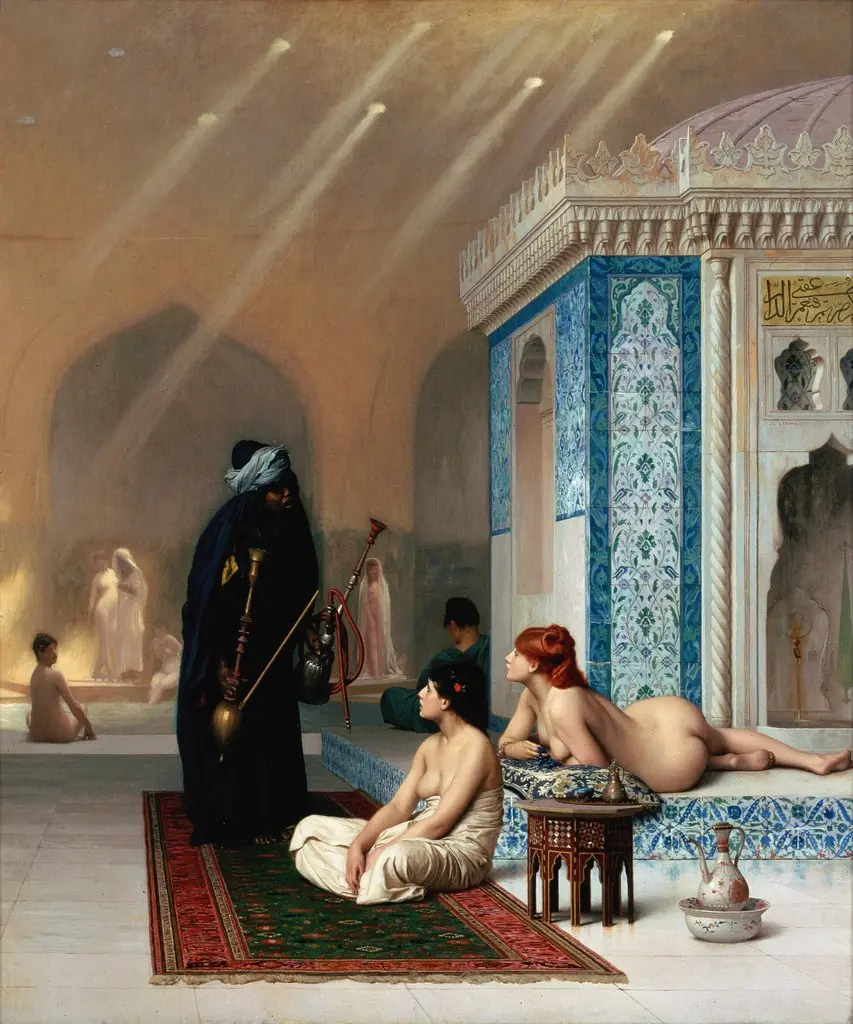
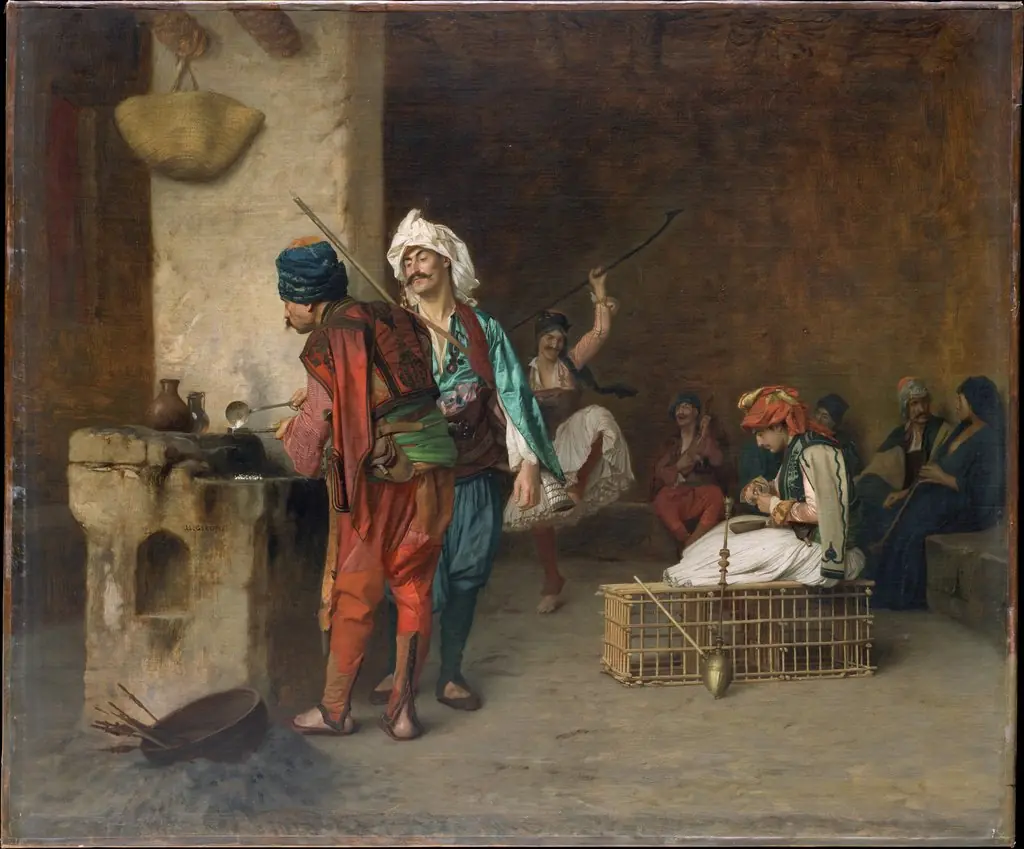
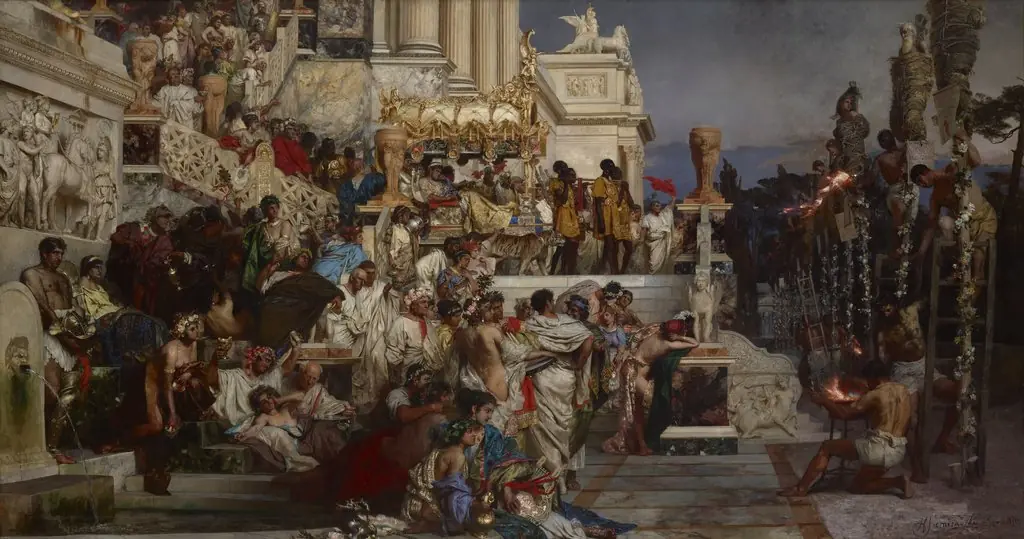 Nero's Torches
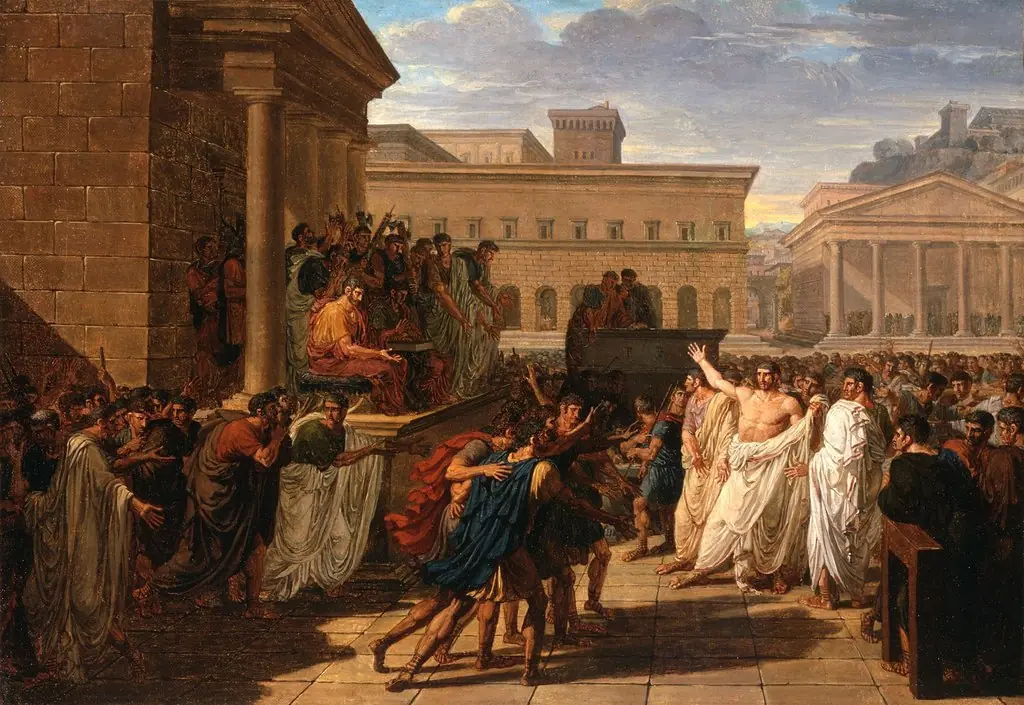 Brutus Listening to the Ambassadors from the Tarquins
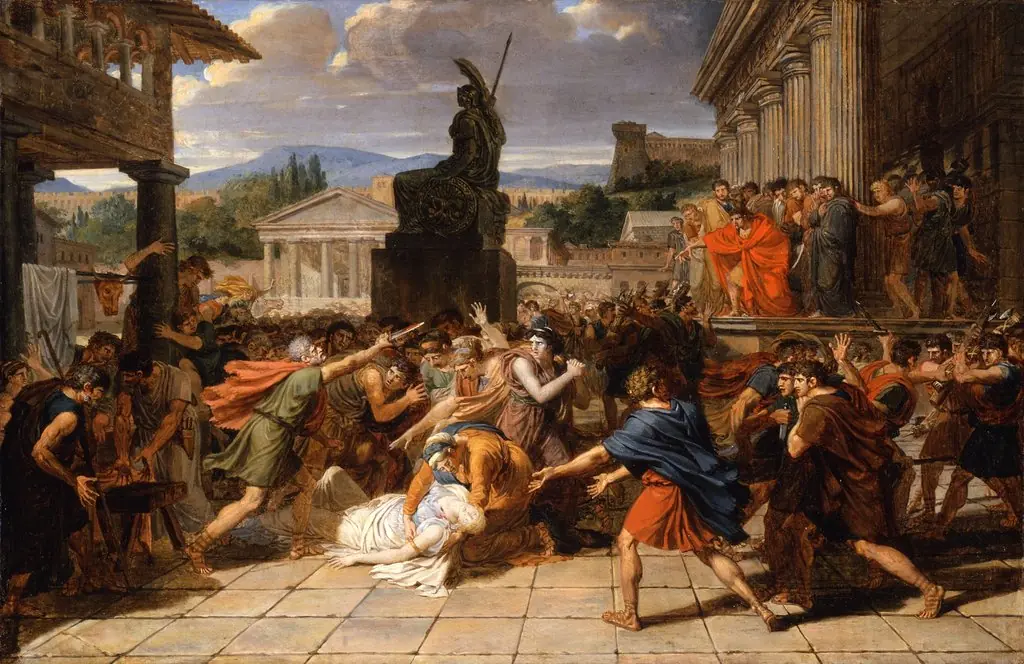 The Death of Virginia
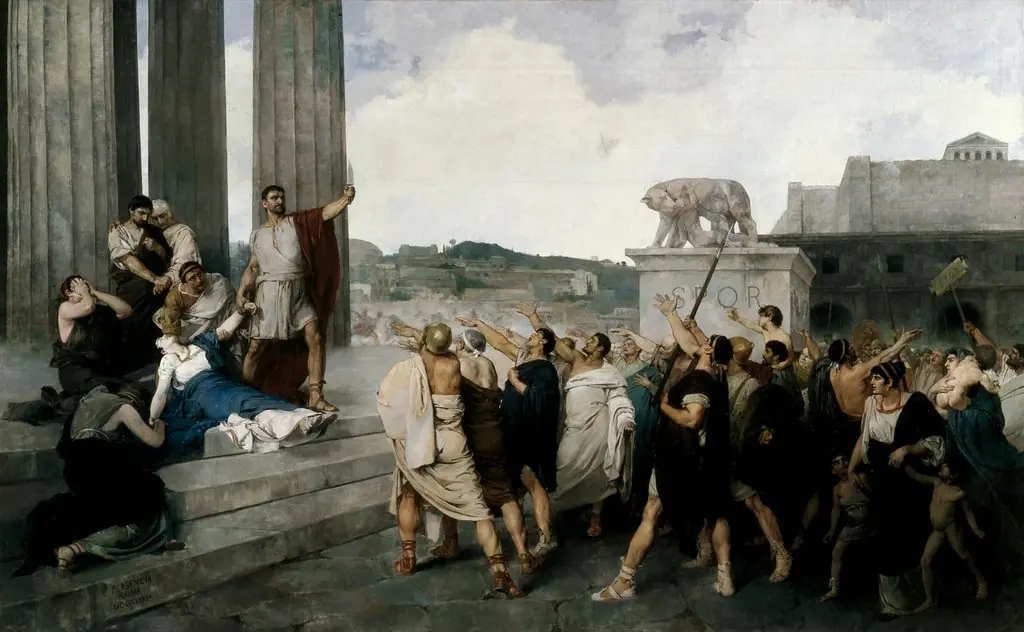 Origen de la República Romana (año 598 antes de la era cristiana)
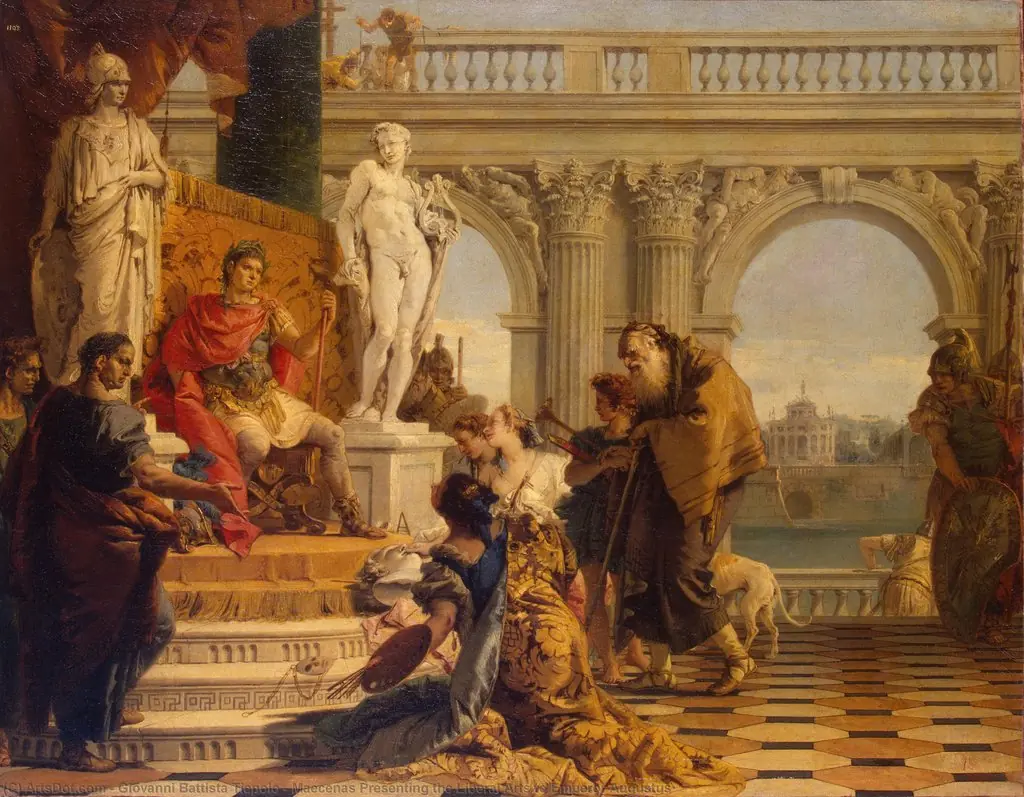 Maecenas Presenting the Liberal Arts to Emperor Augustus
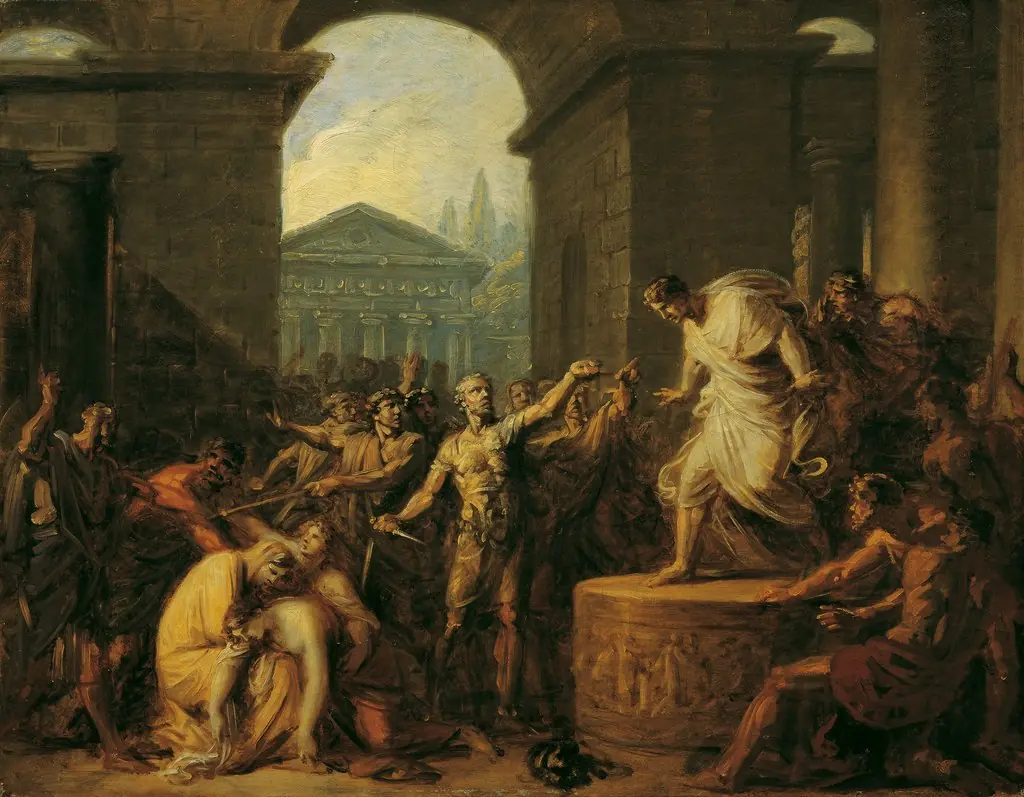 The Death of Virginia
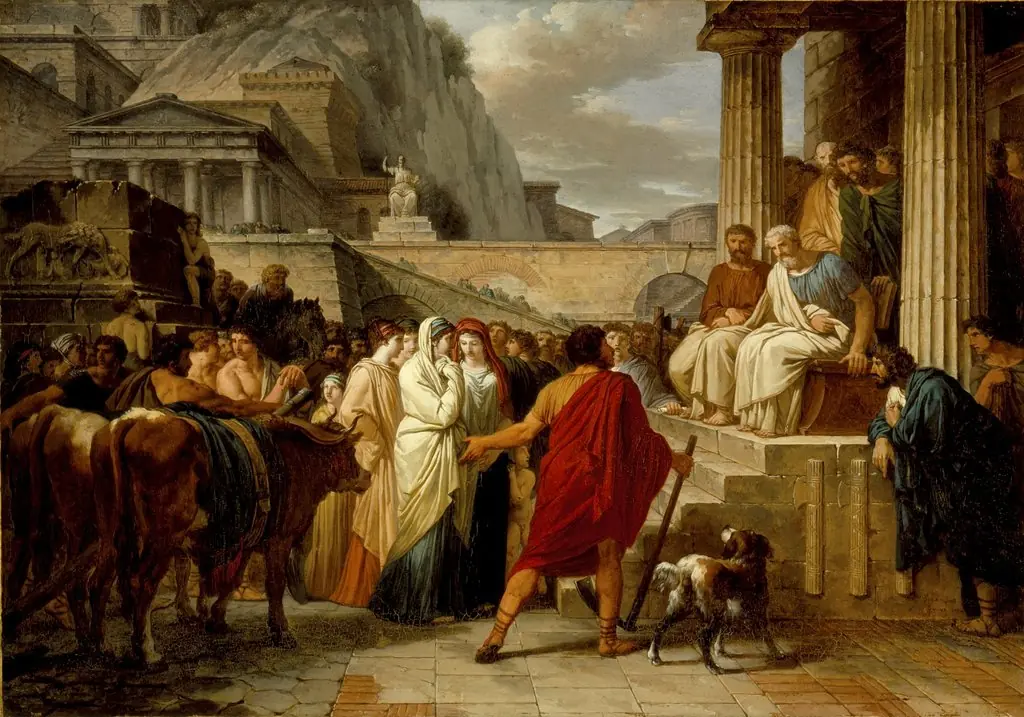 Caius Furius Cressinus Accused of Sorcery
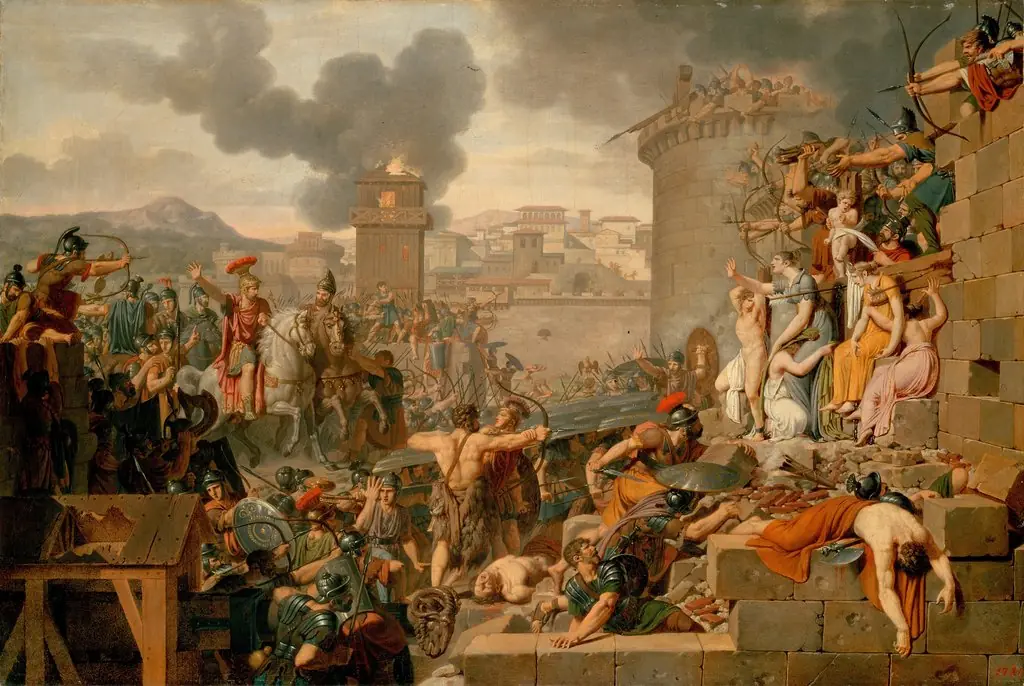 Metellus Raising the Siege
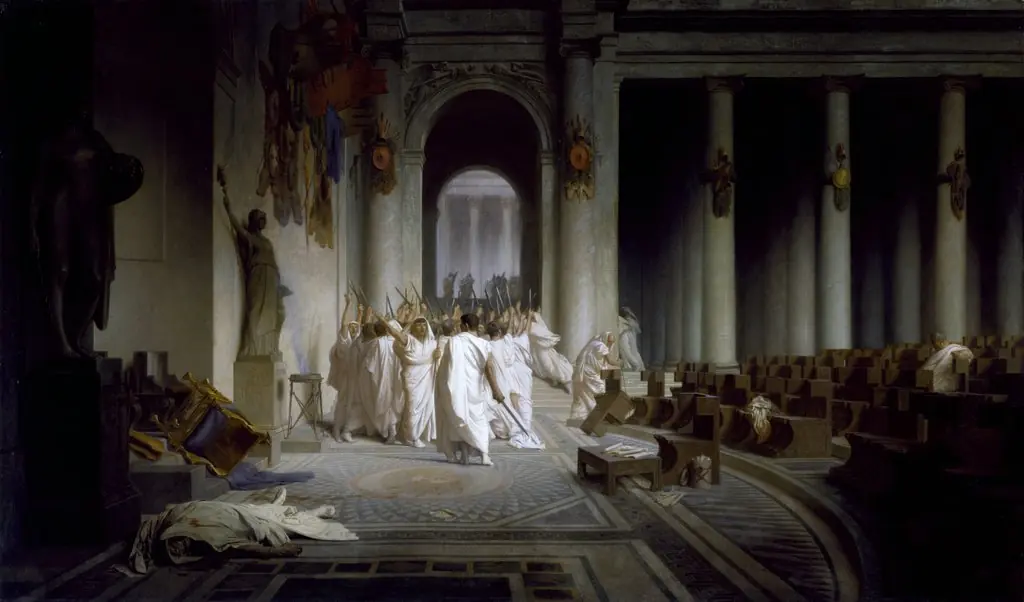 The Death of Caesar
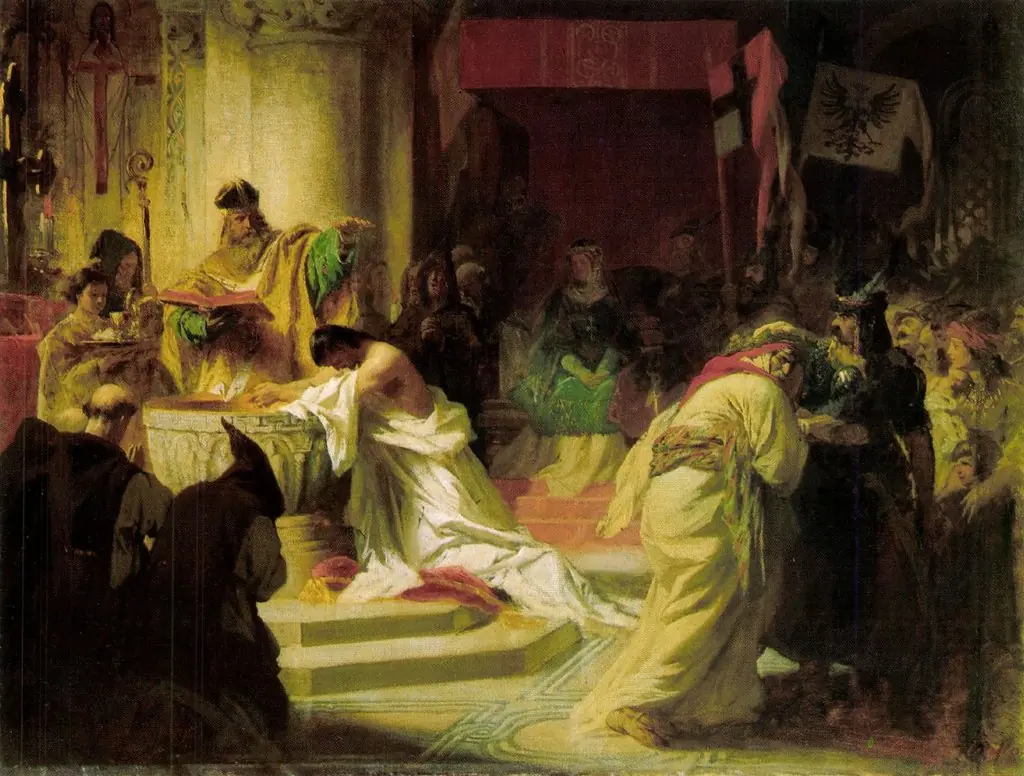 The Baptism of Vajk
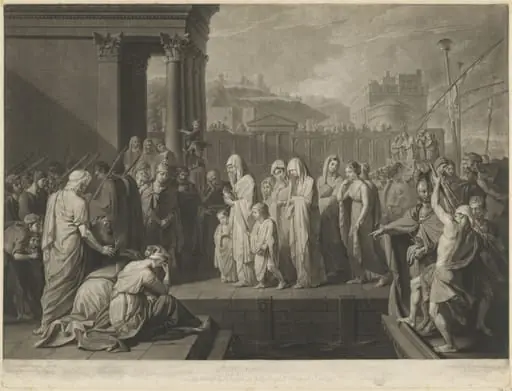 Agrippina Landing at Brindisi with the Ashes of Germanicus
 Scipio Africanus Freeing Massiva