Artwork
Origen de la República Romana (año 598 antes de la era cristiana)
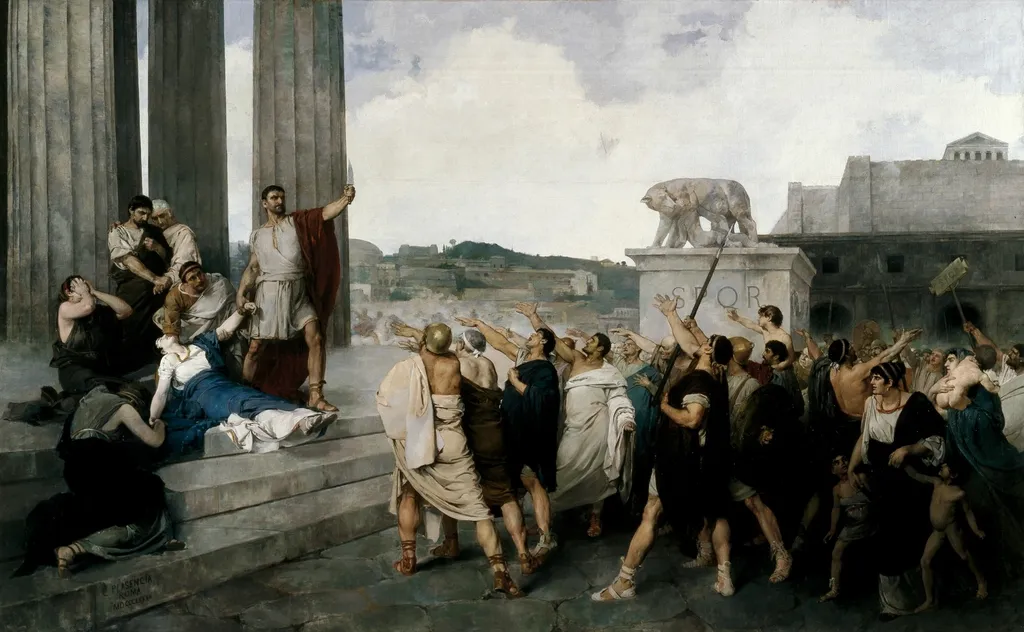
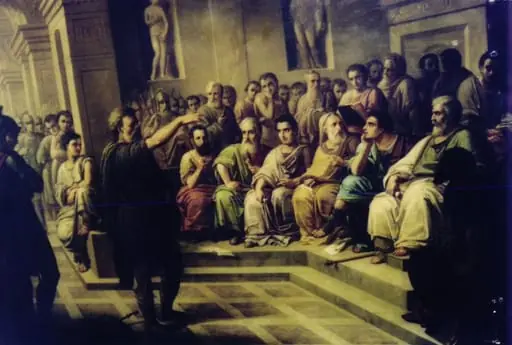
Origen de la República Romana (año 598 antes de la era cristiana) is an oil painting by the Post-Impressionist artist Casto Plasencia. It dates from 1889 and is held in the collection of the Museo del Prado.
About this work
Overview
Casto Plasencia’s 1889 oil on canvas, titled Origen de la República Romana, depicts a pivotal moment set in 598 BC. The work belongs to the Prado Museum’s collection and presents a densely populated Roman courtyard where a dramatic public address unfolds.
Subject & Meaning
At the centre stands a figure in a red mantle, elevated on a platform and gesturing upward, suggesting a proclamation or exhortation. Surrounding him, citizens in traditional Roman attire kneel, shout, or raise their arms, conveying a mixture of reverence, alarm and dissent that hints at the founding tensions of the Roman Republic.
Technique & Style
Plasencia employs a vigorous impasto in the foreground, allowing the bodies to project from the surface, while the background remains more loosely rendered. The contrast of thick, tactile brushwork with softer atmospheric tones heightens the scene’s emotional intensity and directs focus toward the central speaker.
Context
The painting reflects 19th‑century Romantic historicism, a period when Spanish artists often revisited classical antiquity to explore themes of civic virtue and political transformation. By choosing the legendary year of the Republic’s origin, Plasencia aligns his work with contemporary debates about governance and national identity.
Legacy
Since its acquisition by the Museo del Prado, the canvas has served as a reference point for studies of historicist painting in Spain, illustrating how 19th‑century visual culture engaged with ancient Roman narratives to comment on modern societal concerns.
Artist & collection

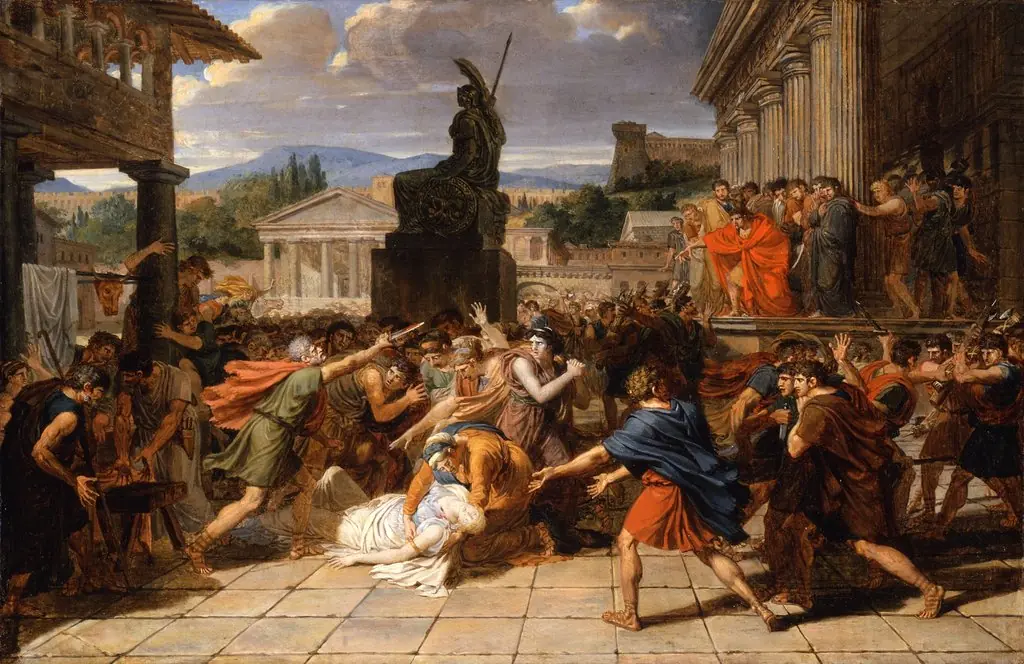 The Death of Virginia
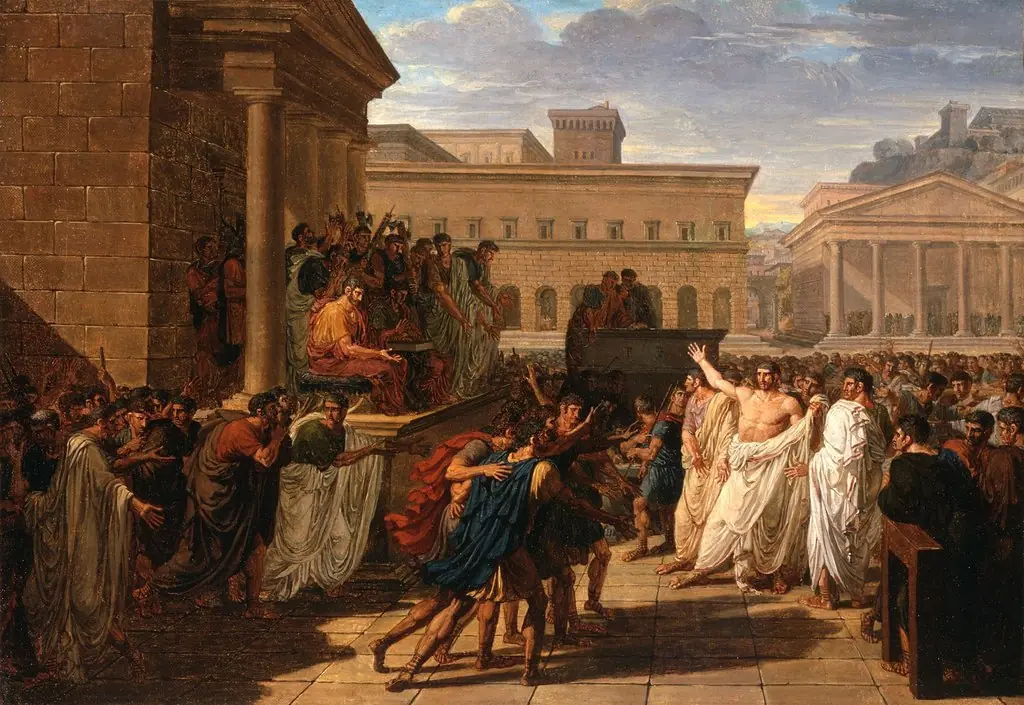 Brutus Listening to the Ambassadors from the Tarquins
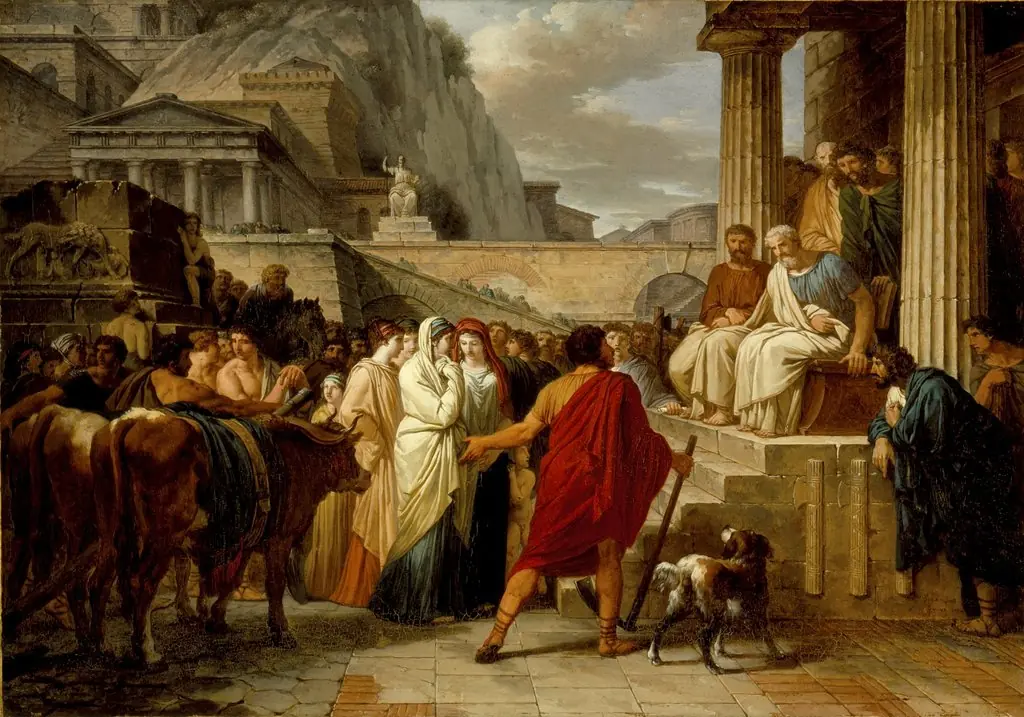 Caius Furius Cressinus Accused of Sorcery
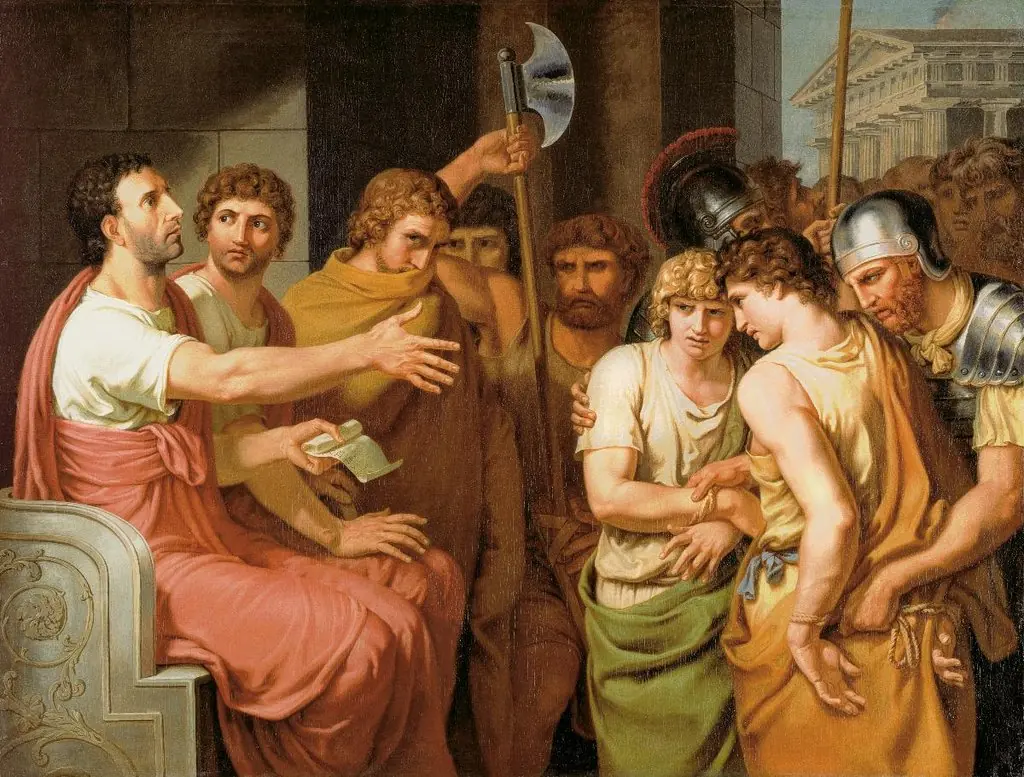 Brutus entdeckt die Namen seiner Söhne auf der Liste der Verschwörer und verurteilt sie zum Tode
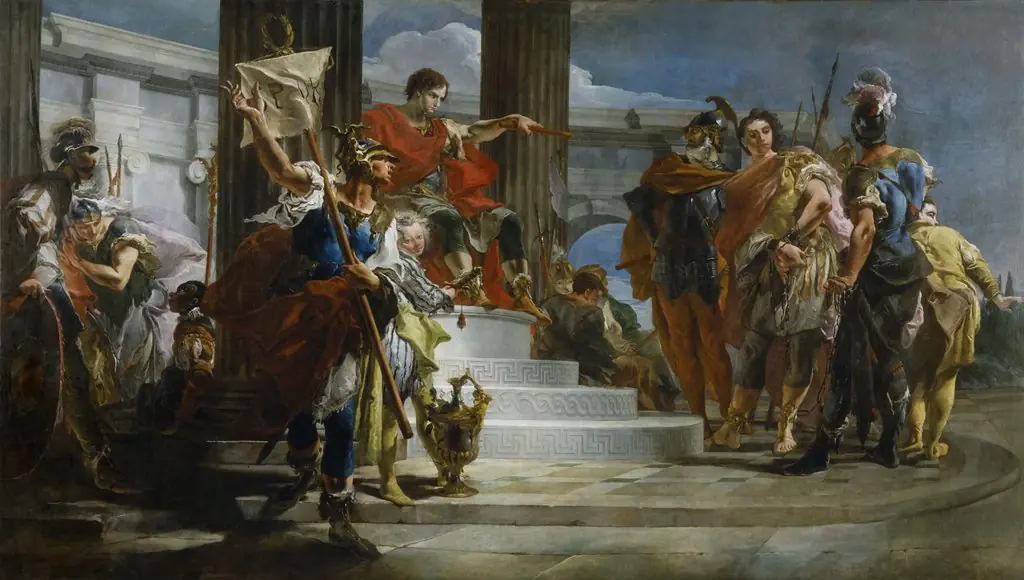 Scipio Africanus Freeing Massiva
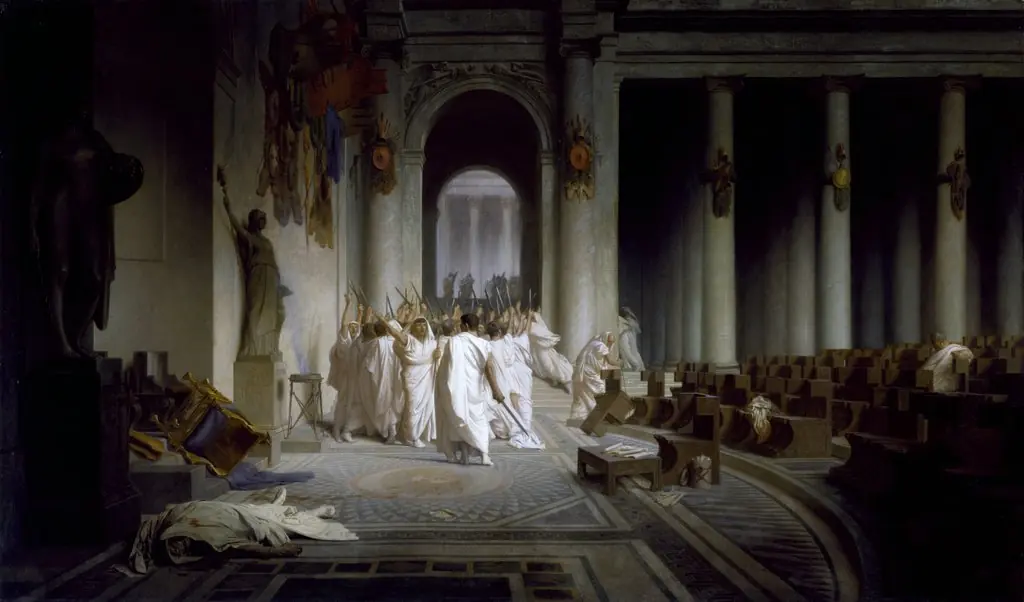 The Death of Caesar
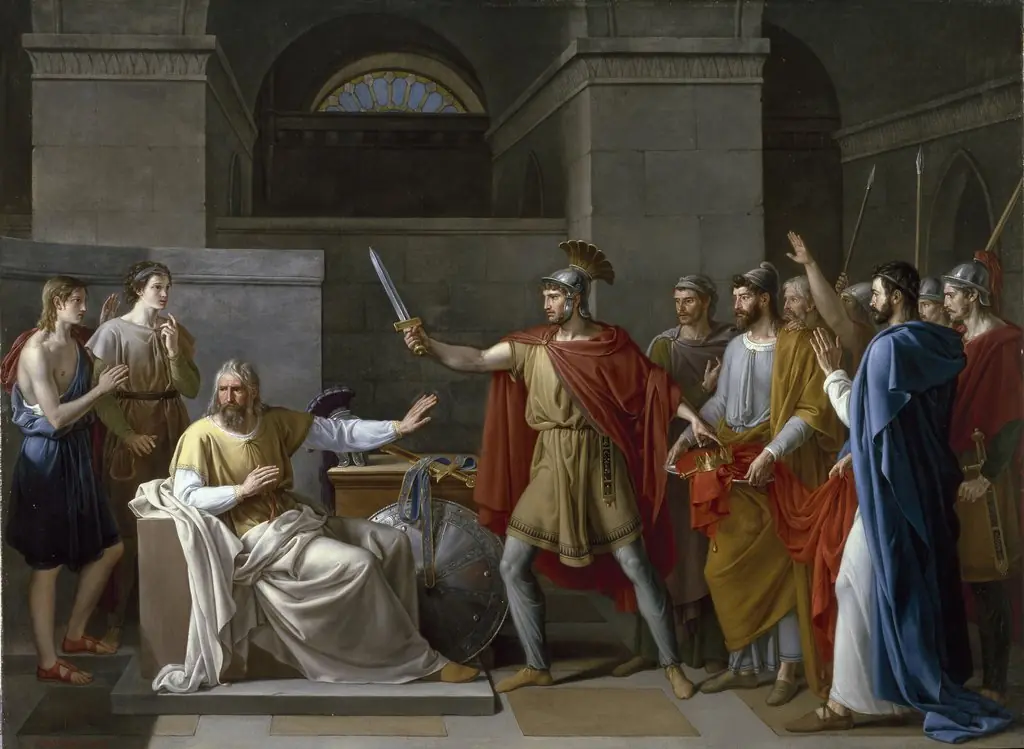 Wamba renouncing the Crown
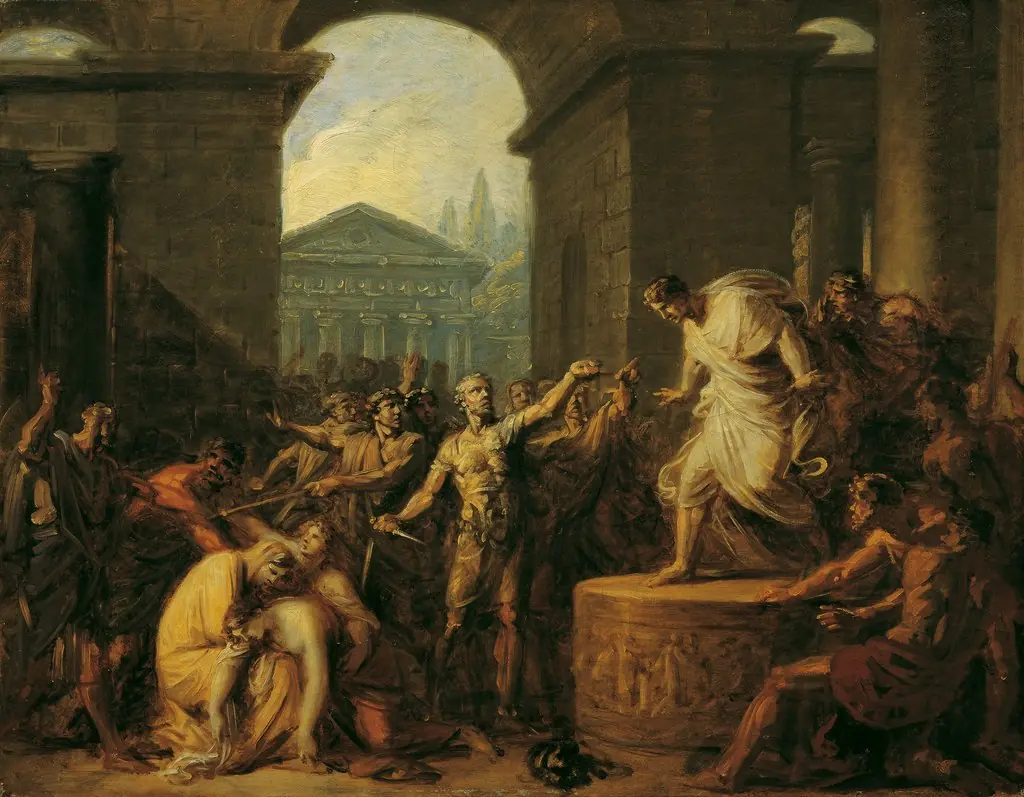 The Death of Virginia
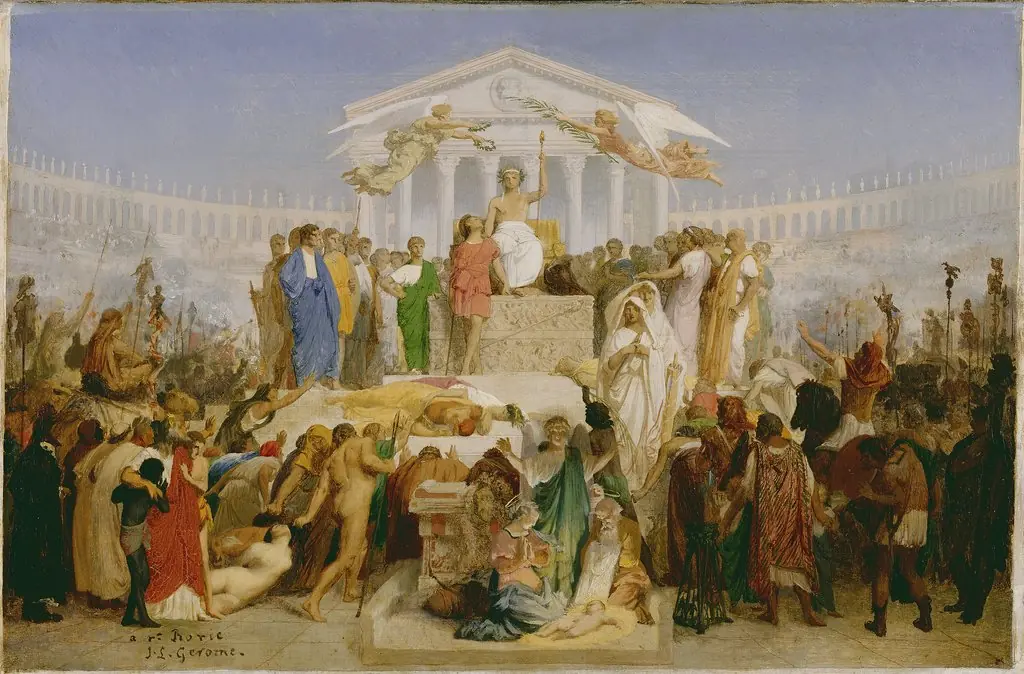 The Age of Augustus, the Birth of Christ
 Țăranul de la Dunăre
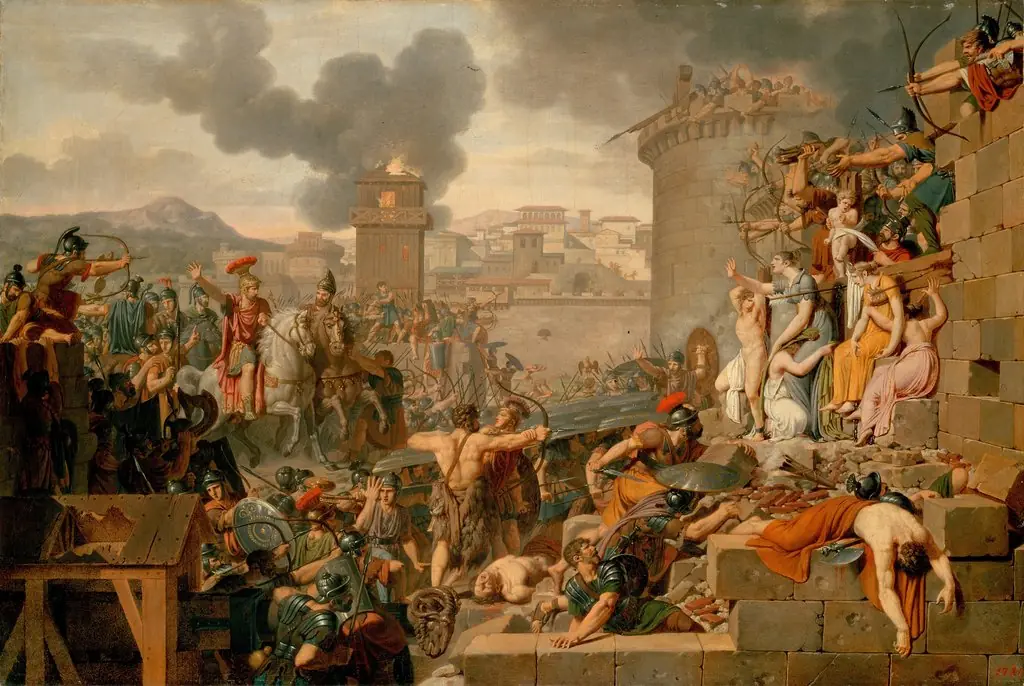 Metellus Raising the Siege
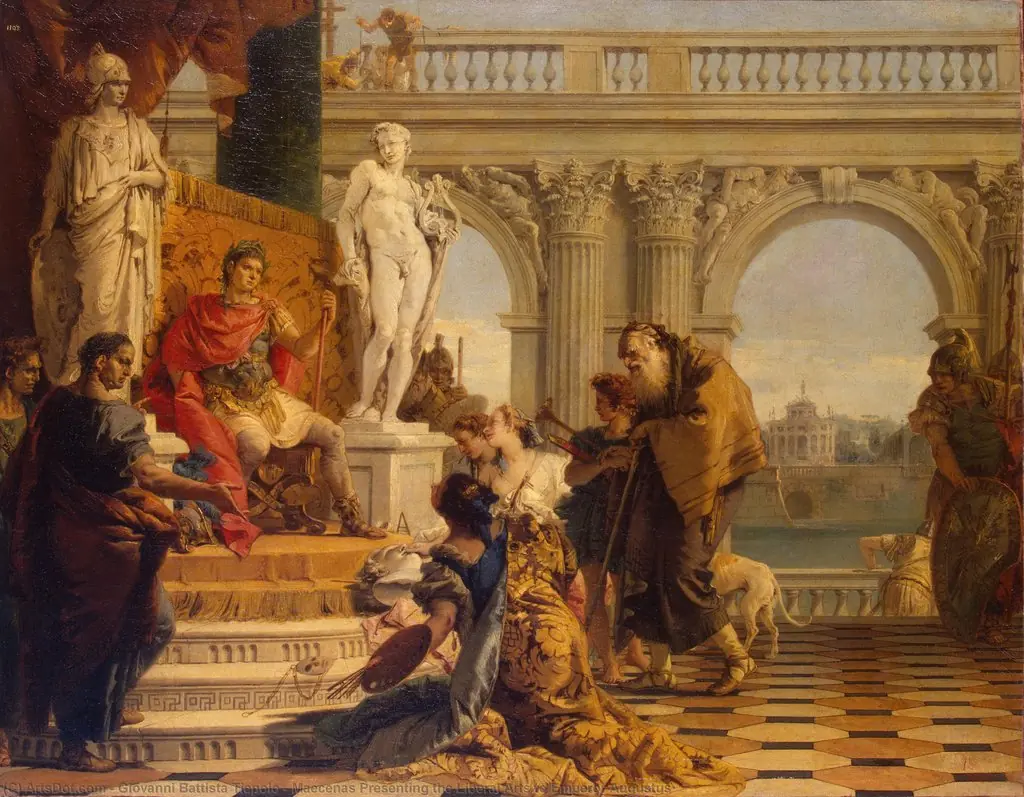 Maecenas Presenting the Liberal Arts to Emperor Augustus