Artwork
The Death of Virginia
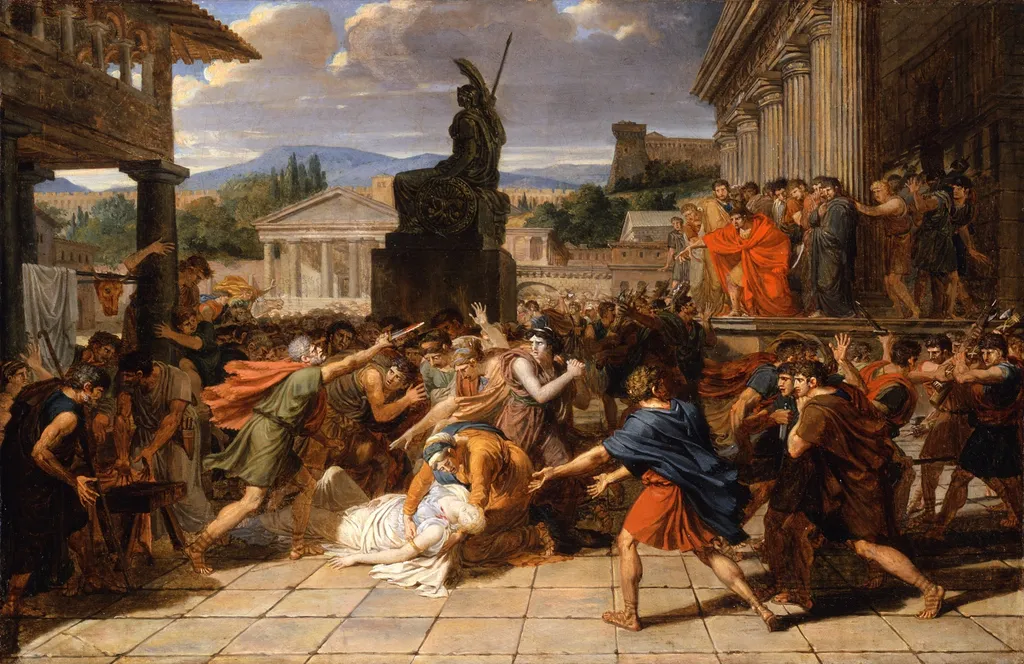
The Death of Virginia is an unspecified painting by Guillaume Guillon-Lethière. It dates from 1800 and is held in the collection of the Los Angeles County Museum of Art.
About this work
Overview
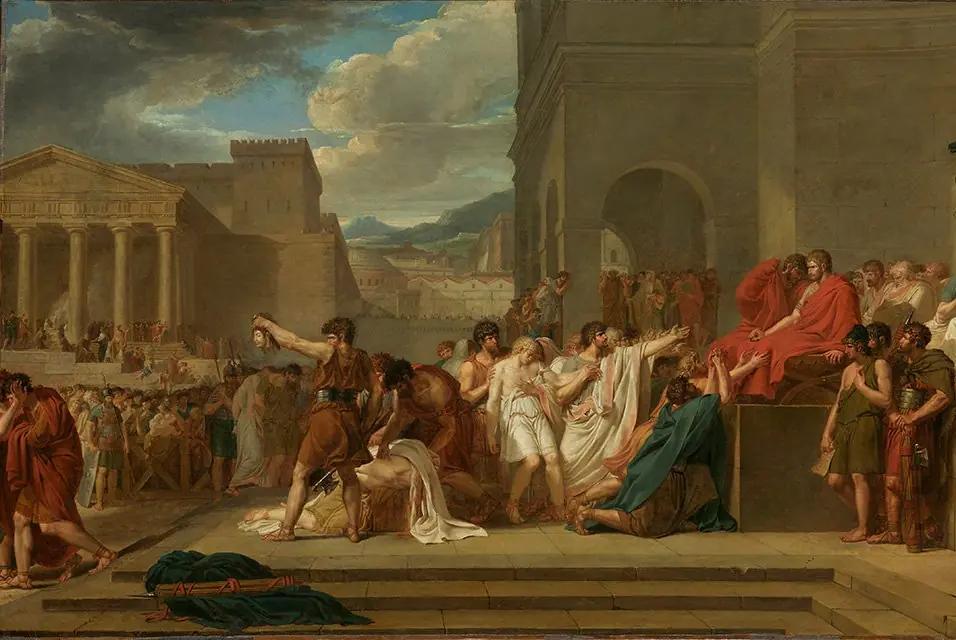
A looming stone edifice with columns and a statuary figure dominate the background, while a storm‑filled sky and distant mountains frame the scene.
Guillaume Guillon‑Lethière’s 1800 oil painting The Death of Virginia is part of the Los Angeles County Museum of Art’s collection. The canvas presents a tumultuous tableau in which a woman lies prostrate, her white garment contrasting with the surrounding figures dressed in classical Greek garb. A looming stone edifice with columns and a statuary figure dominate the background, while a storm‑filled sky and distant mountains frame the scene.
Subject & Meaning
The work portrays a violent episode in which a female figure, identified as Virginia, is assaulted by a group of men. One attacker, distinguished by a blue mantle, appears to intervene on her behalf, suggesting a moment of conflicted allegiance. The composition evokes themes of vulnerability, oppression, and the fragile possibility of rescue within a chaotic environment.
Technique & Style
Lethière employs a dramatic chiaroscuro, allowing the white robe of the central figure to stand out against the darker tones of the surrounding men and architecture. The figures are rendered in a neoclassical manner, with attention to drapery and anatomical detail, while the turbulent sky and rugged landscape add a Romantic sense of emotional intensity.
History & Provenance
Completed at the turn of the nineteenth century, The Death of Virginia entered the Los Angeles County Museum of Art’s holdings in the twentieth century, though the precise acquisition details remain limited in public records. Its presence in a major American institution reflects the broader appreciation of Lethière’s oeuvre beyond his French origins.
Context
Created during a period when neoclassical subjects were often infused with contemporary moral concerns, the painting reflects Lethière’s engagement with classical motifs to comment on human suffering. The architectural elements echo ancient Greek settings, aligning the narrative with historical allegory while simultaneously resonating with early‑nineteenth‑century debates about liberty and injustice.
Own this work as a print
Artist & collection
Artist
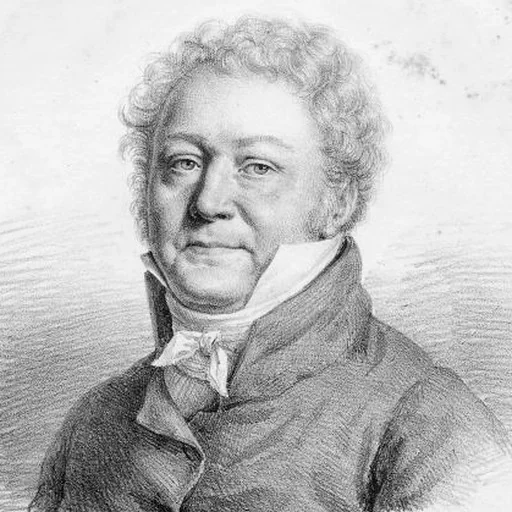
Guillaume Guillon-Lethière (1760–1832) was an artist, born in Sainte-Anne.

 Brutus Listening to the Ambassadors from the Tarquins
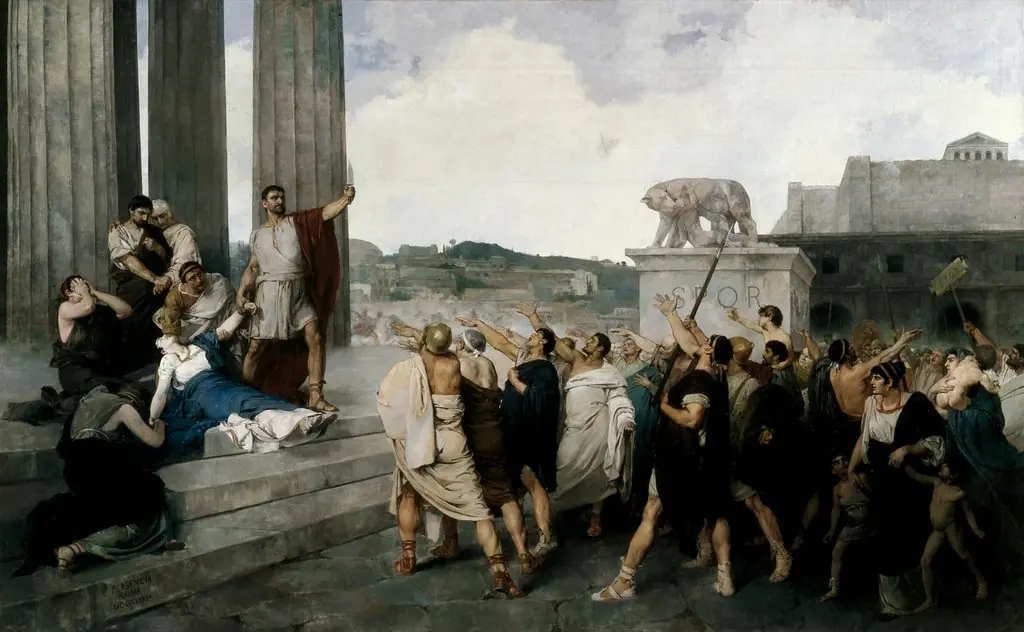 Origen de la República Romana (año 598 antes de la era cristiana)
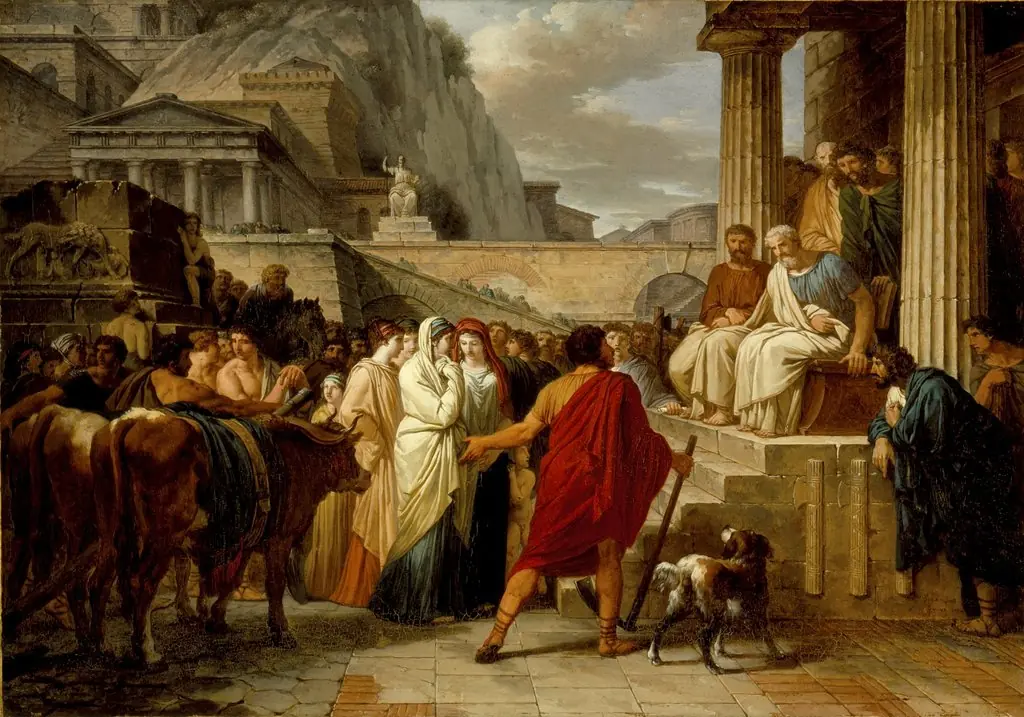 Caius Furius Cressinus Accused of Sorcery
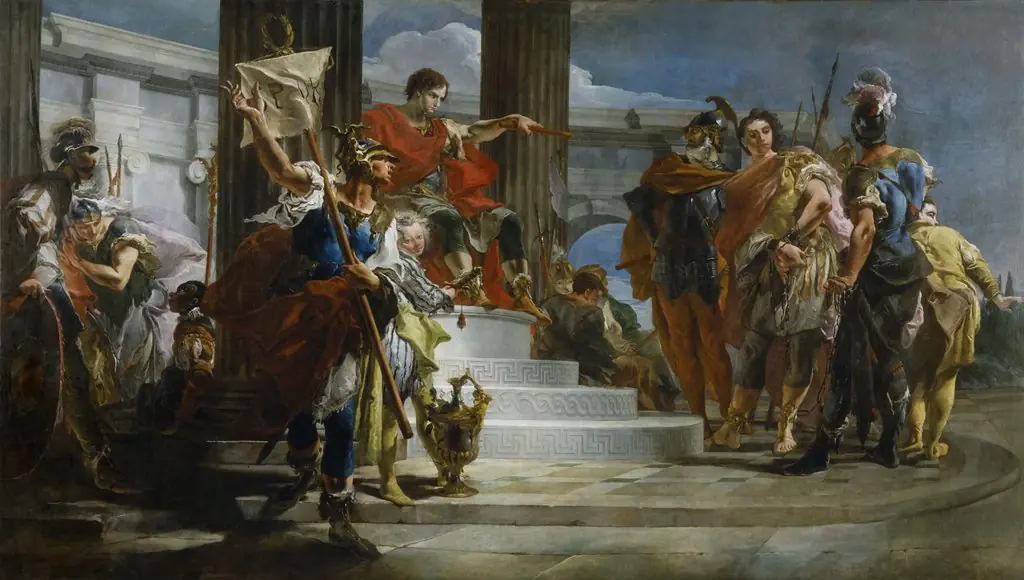 Scipio Africanus Freeing Massiva
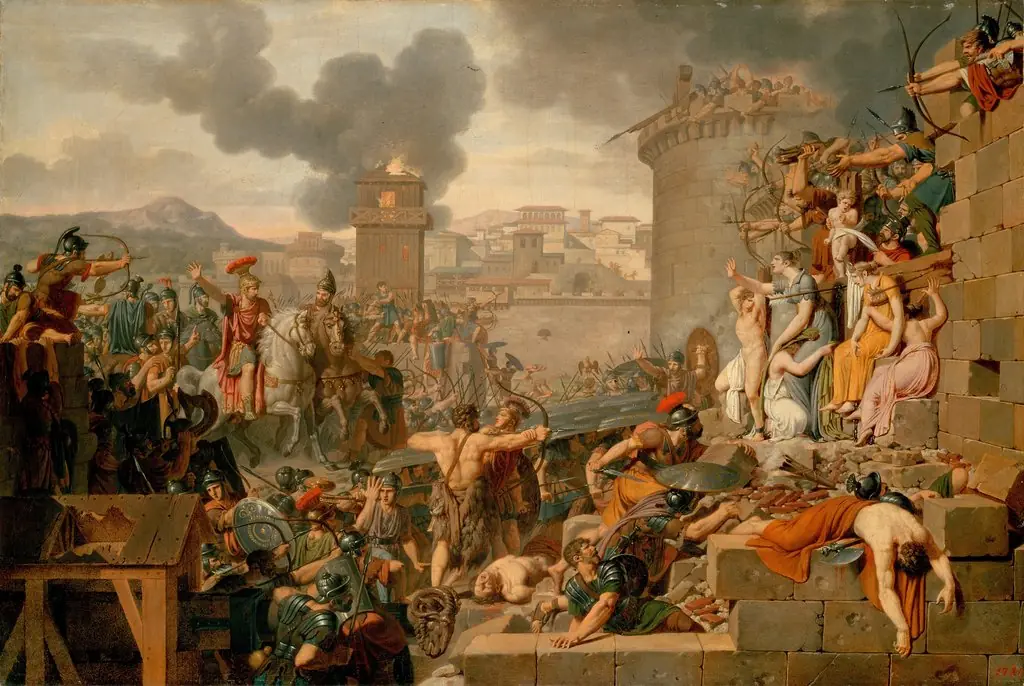 Metellus Raising the Siege
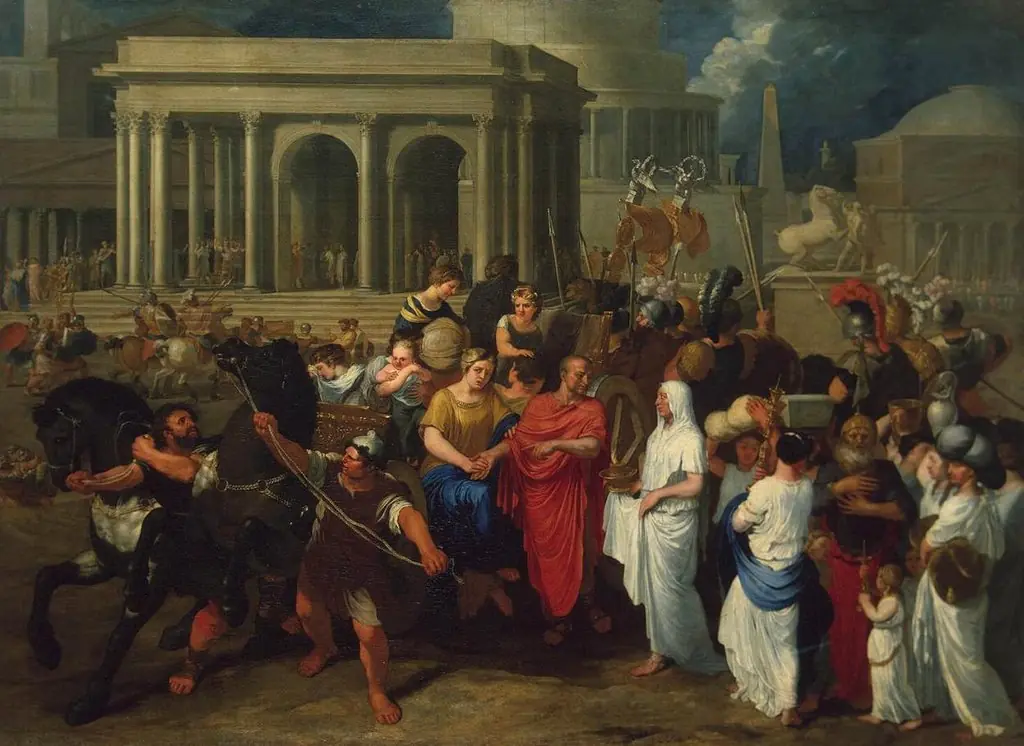 Lucius Albinus Giving his Carriage to Vestals
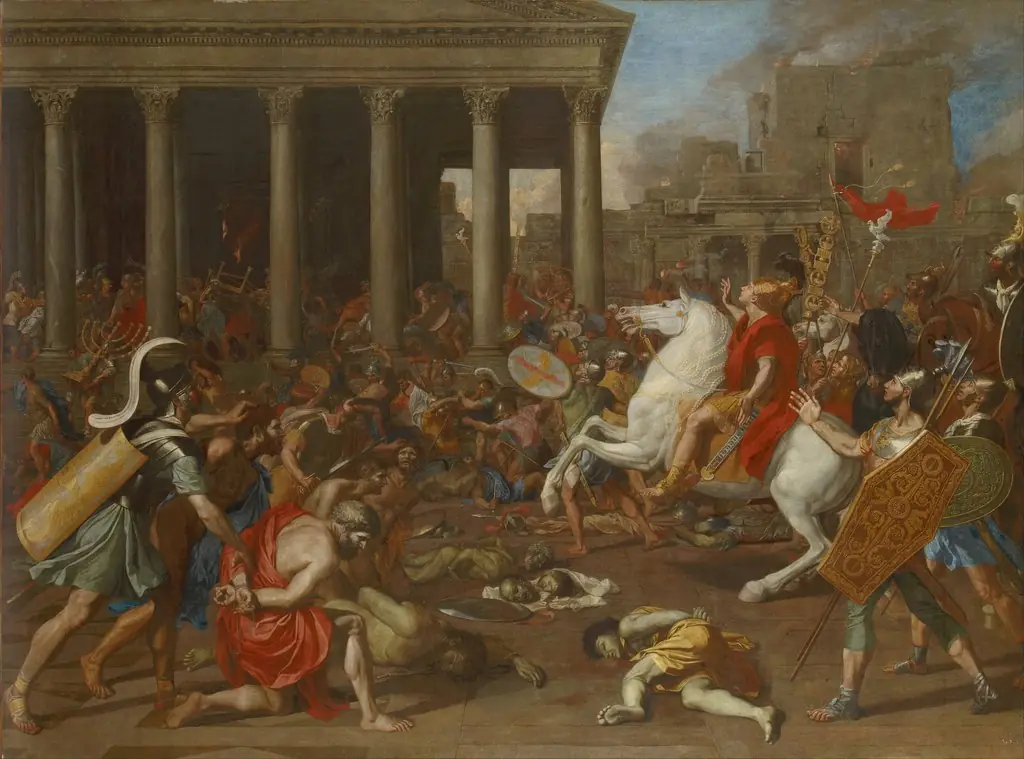 The Conquest of Jerusalem by Emperor Titus
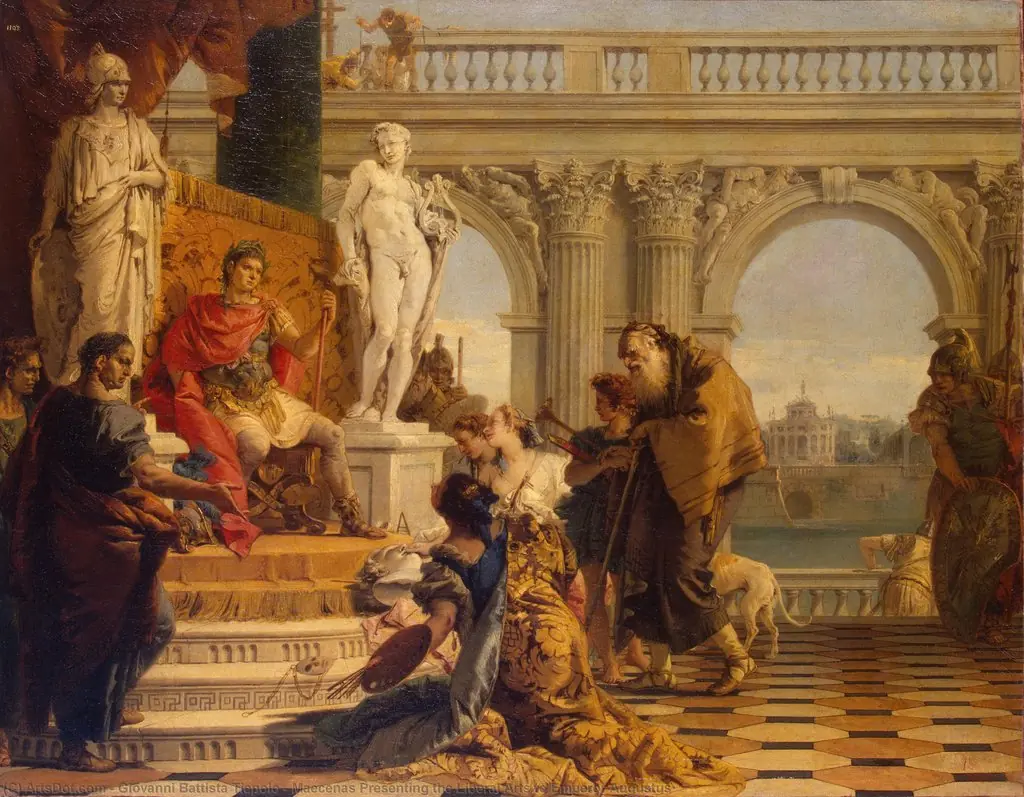 Maecenas Presenting the Liberal Arts to Emperor Augustus
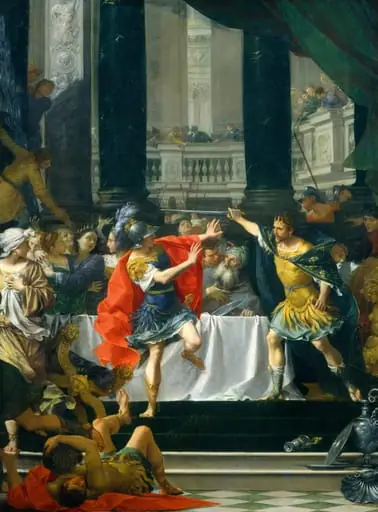 Alexander the Great Threatened by His Father