Artwork
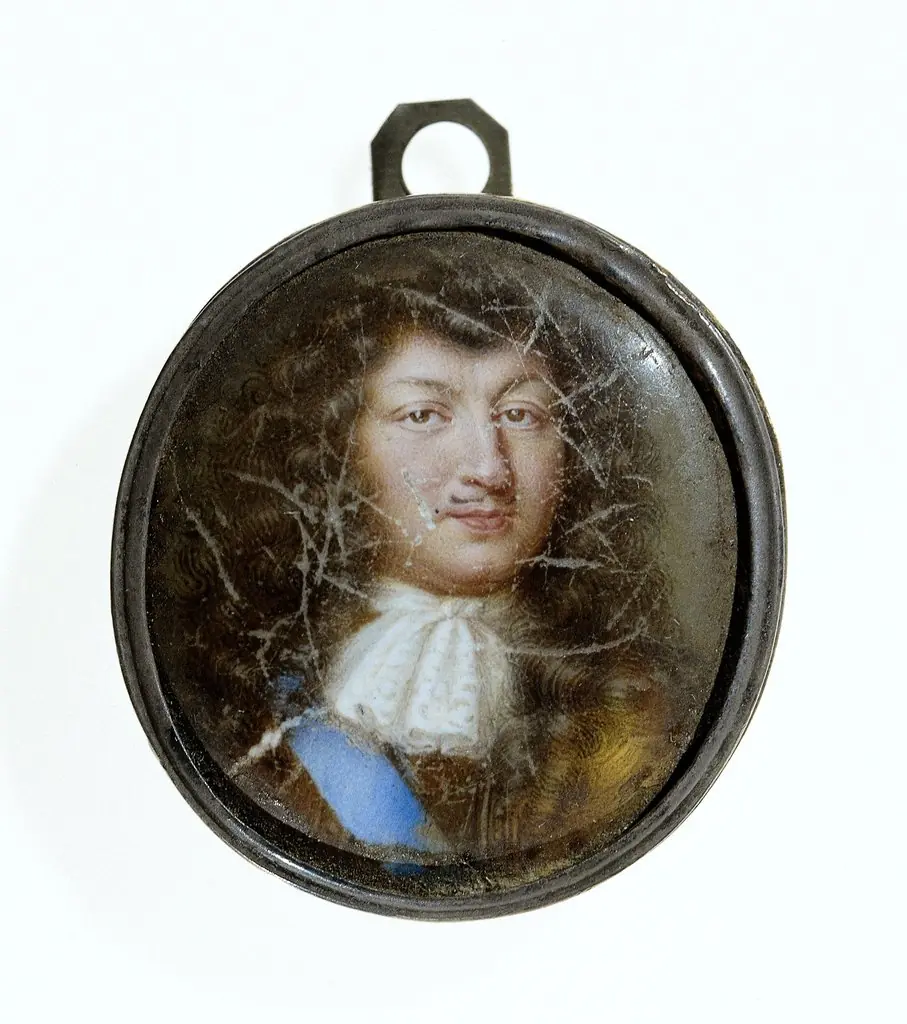
Portrait of King Louis XIV
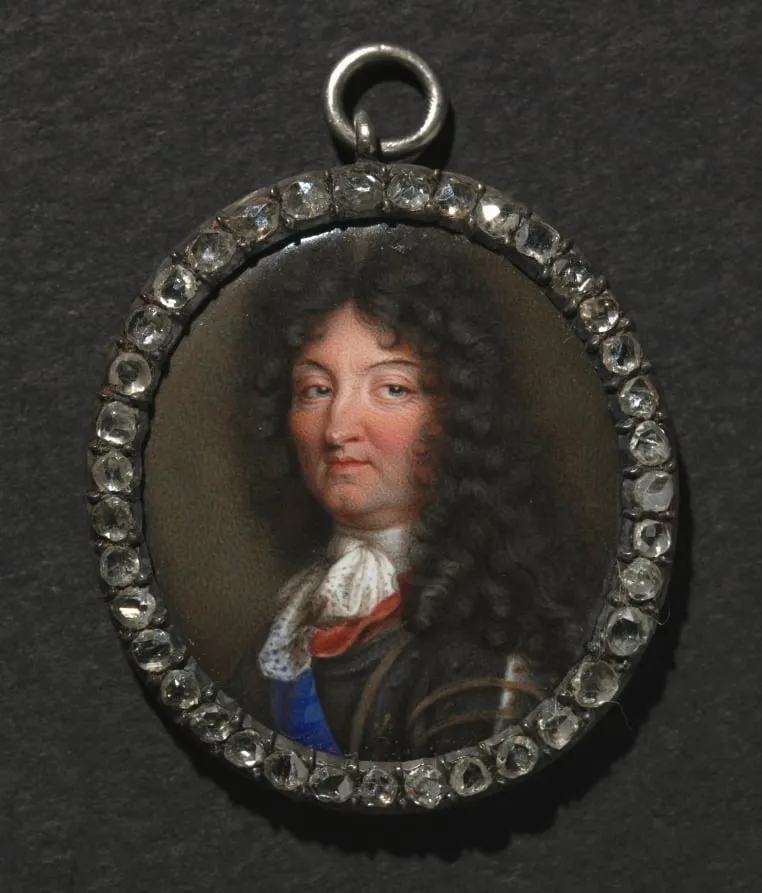
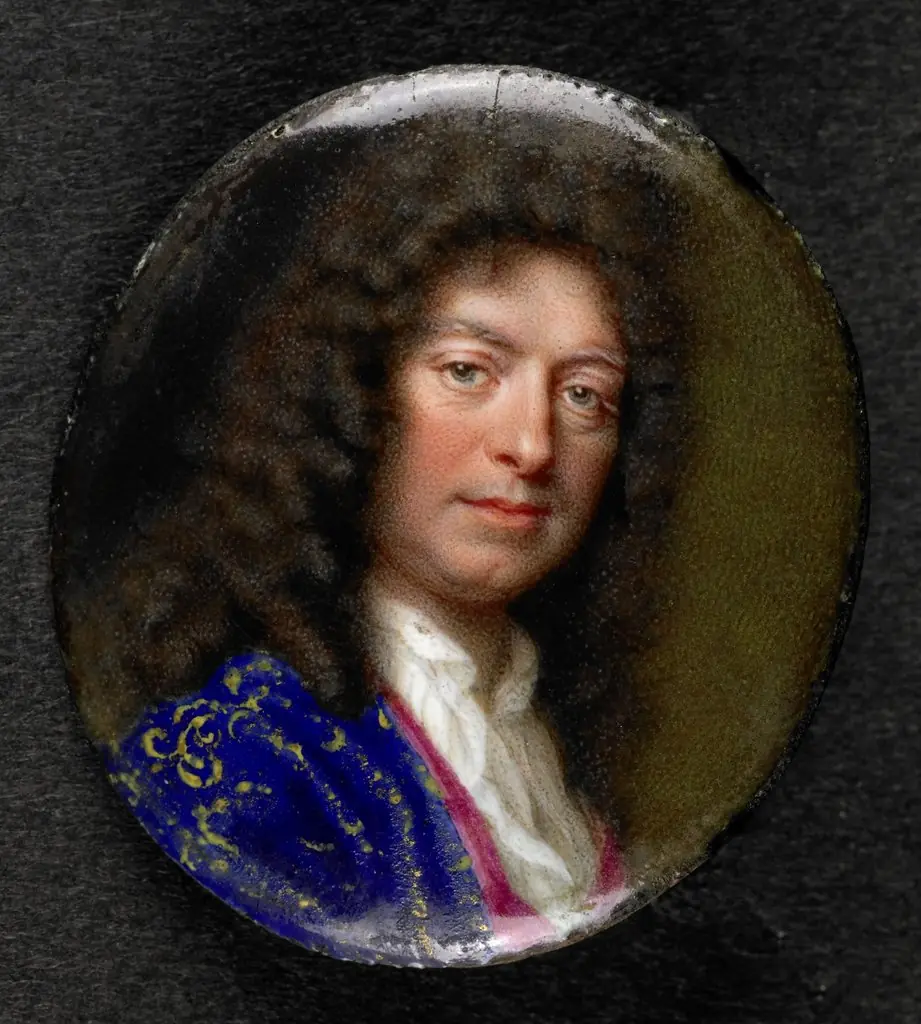
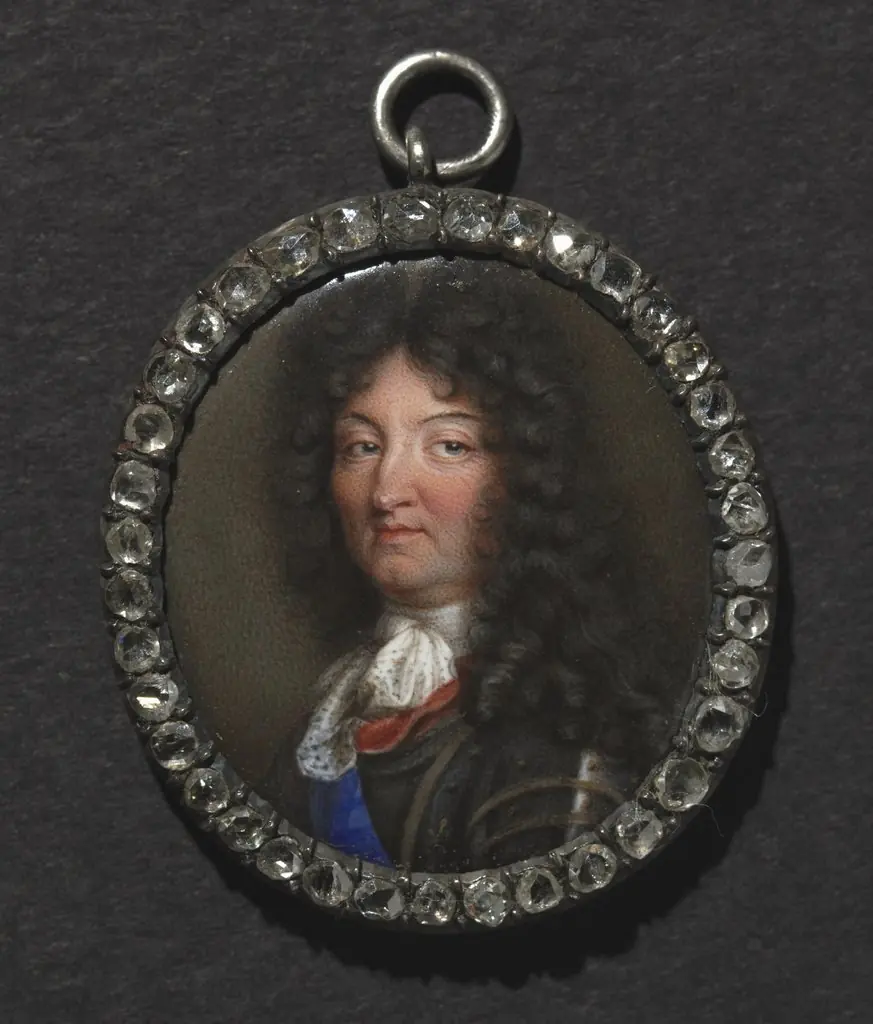
Portrait of King Louis XIV is an unspecified portrait miniature by the Barbizon school artist Jean Petitot. It dates from 1650 and is held in the collection of the Cleveland Museum of Art.
About this work
The artist used powdered glass fused onto metal through repeated firings, a tricky process that gives the colors a bright, glass-like shine.
You see a detailed portrait of King Louis XIV of France, dressed in royal red and gold, with a confident gaze and long wavy hair. He looks calm, in control, and full of authority.
This painting is made of enamel, not oil on canvas. The artist used powdered glass fused onto metal through repeated firings, a tricky process that gives the colors a bright, glass-like shine. It’s small—meant to be held or worn—but every detail, from lace to crown, is sharp and clear.
The technique takes patience and skill, and few artists mastered it like Jean Petitot (Swiss, 1607–1691).
(Word count: 103)
Overview
This miniature portrait depicts the French monarch Louis XIV, rendered in vivid red and gold attire with a composed expression and flowing hair. Executed in enamel on a metal base, the work measures only a few inches, allowing it to be handled or worn as a personal object while preserving a high level of detail across clothing, jewelry, and facial features.
Technique & Style
The image was created by applying successive layers of powdered glass, known as enamel, onto a metal surface and firing each layer at specific temperatures. This labor‑intensive process produces a glass‑like surface that resists fading and retains its brilliance. Mastery of the medium, as demonstrated here, enables subtle modeling of flesh tones and intricate rendering of textiles despite the miniature scale.
Subject & Meaning
The portrait presents Louis XIV in regal dress, emphasizing his authority through a steady gaze and sumptuous ornamentation. The calm demeanor and precise rendering convey the king’s self‑presentation as an unassailable sovereign, a visual assertion of power intended for close associates or diplomatic recipients.
History & Provenance
The piece originates from the workshop of Jean Petitot, a Swiss enamelist active in the 17th century who served patrons such as Charles I of England, Louis XIV, and John III Sobieski. Petitot’s studio produced multiple copies of this likeness, which were commonly dispatched as gifts to courtiers and foreign allies, reflecting the diplomatic role of miniature portraits.
Context
Enamel portraiture reached its peak in the late 1600s and early 1700s, when the durability and luminous quality of the medium made it a preferred choice for reproducing celebrated images in a portable format. The technique’s resistance to light and wear distinguished it from contemporary watercolor miniatures on vellum or ivory, aligning with the era’s demand for lasting, prestigious memorabilia.
Artist & collection
Artist
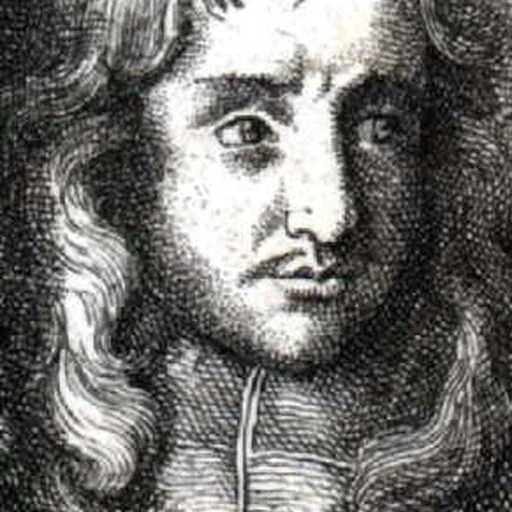
Jean Petitot (July 12, 1607 – April 3, 1691) was an enamel painter from the Republic of Geneva, who spent most of his career working for the courts of France and England.