Artwork
Charles III as a Child
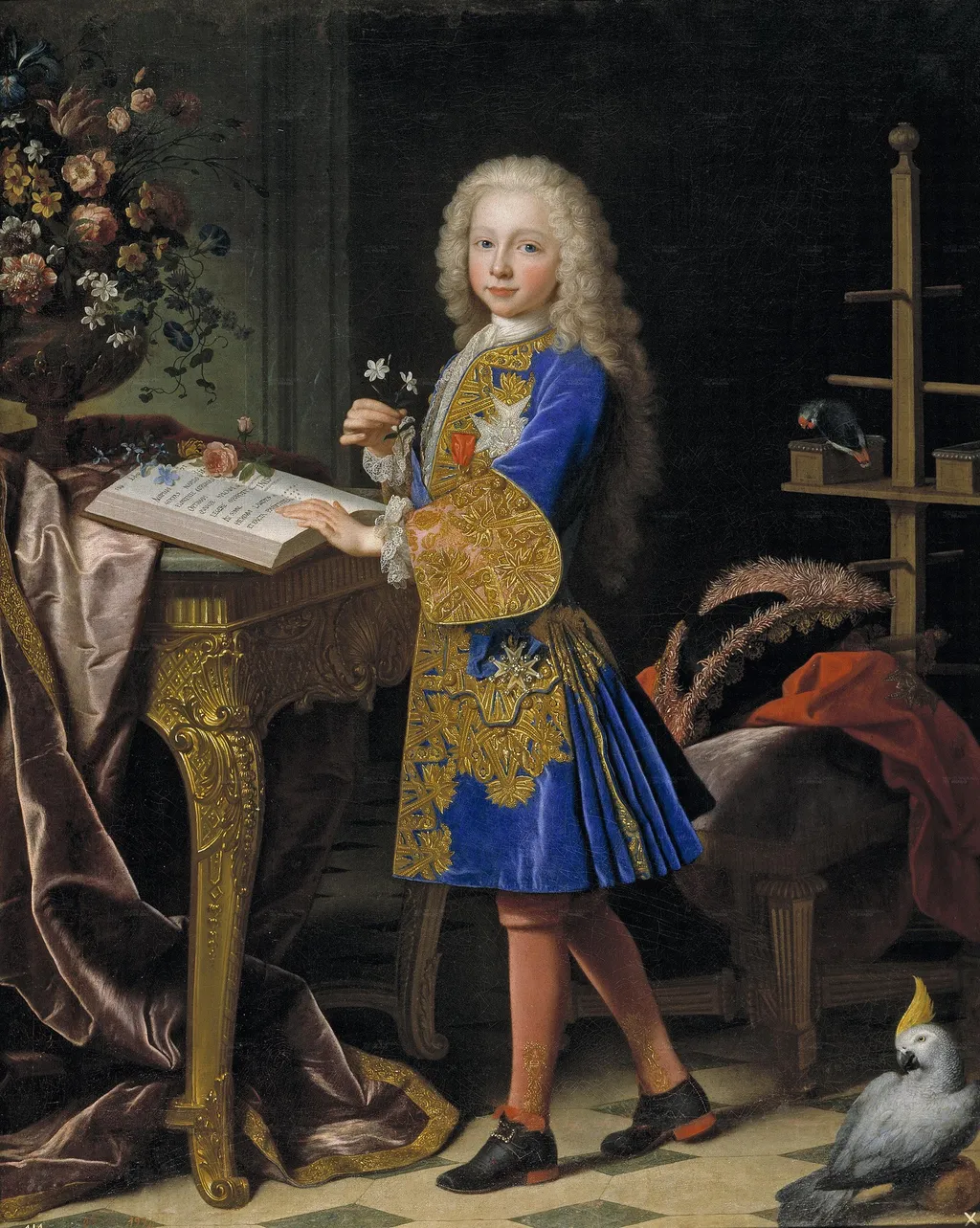
Charles III as a Child is an oil painting by the Rococo painting artist Jean Ranc. It dates from 1724 and is held in the collection of the Museo del Prado.
About this work
Overview
Jean Ranc’s 1724 oil portrait presents the future Spanish monarch Charles III as a child. The young figure stands beside a table, clutching a book and a flower, while a parrot rests on the floor. His elaborate costume—blue velvet with gold embroidery, a white lace collar, and a prominent golden insignia—dominates the composition, set against a softly illuminated background.
Subject & Meaning
The portrait emphasizes Charles’s royal lineage and education. The Golden Fleece emblem on his chest signals his future status within the prestigious order, while the book suggests scholarly preparation. The inclusion of a parrot, a symbol of exotic wealth, reinforces the courtly environment and the boy’s privileged upbringing within the Spanish monarchy.
Technique & Style
Ranc employs chiaroscuro to model the boy’s features and richly textured garments, creating depth through contrasts of light and shadow. The delicate rendering of hair, lace, and gold embroidery reflects Rococo’s attention to ornamental detail, while the smooth brushwork conveys the softness of the child’s skin and the luminous quality of the surrounding space.
History & Provenance
Trained under his father and Hyacinthe Rigaud, Ranc served the courts of France, Spain, and Portugal, producing portraits that catered to aristocratic patronage. This particular work entered the collection of the Museo del Prado, where it remains part of the museum’s holdings of 18th‑century Spanish royal portraiture.
Own this work as a print
Artist & collection
Artist
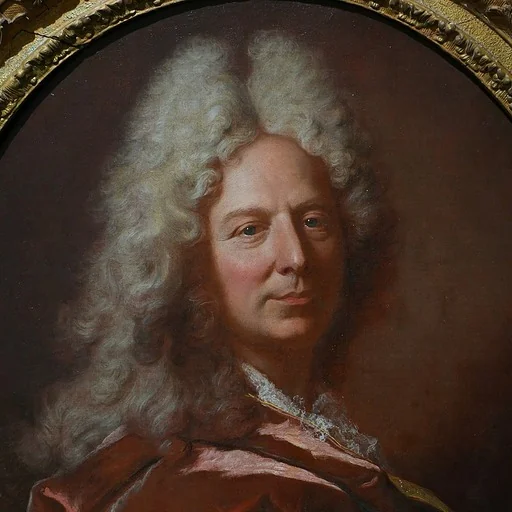
Jean Ranc (28 January 1674 – 1 July 1735) was a French painter, mainly active in portraiture.

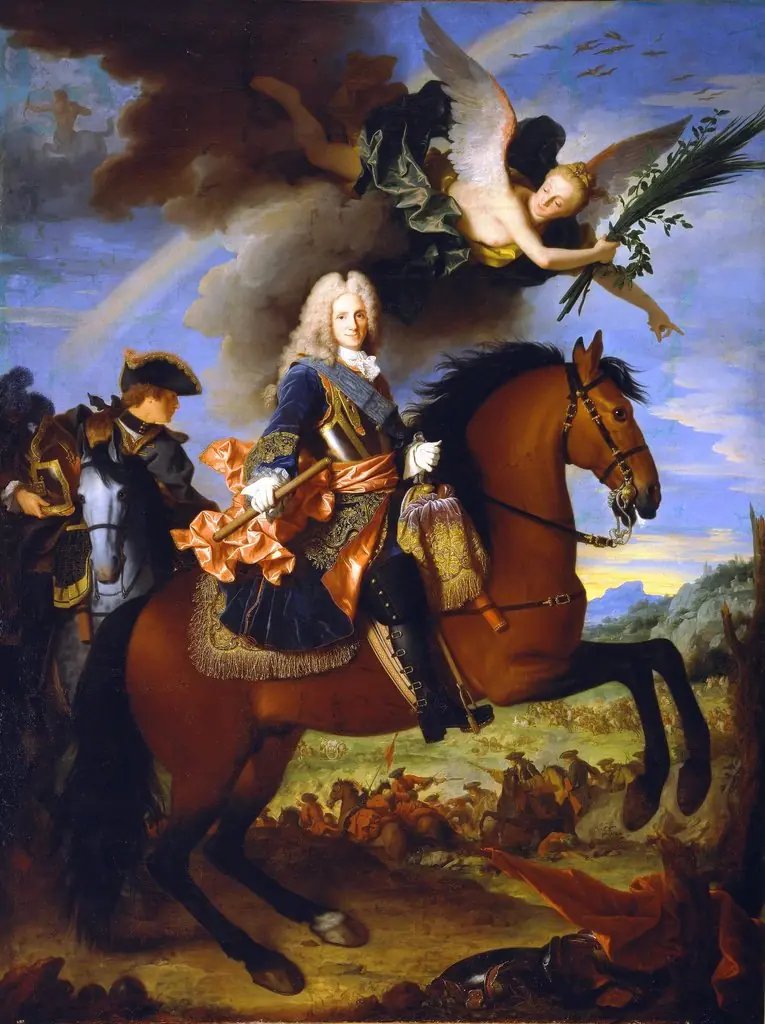 Philip V on Horseback
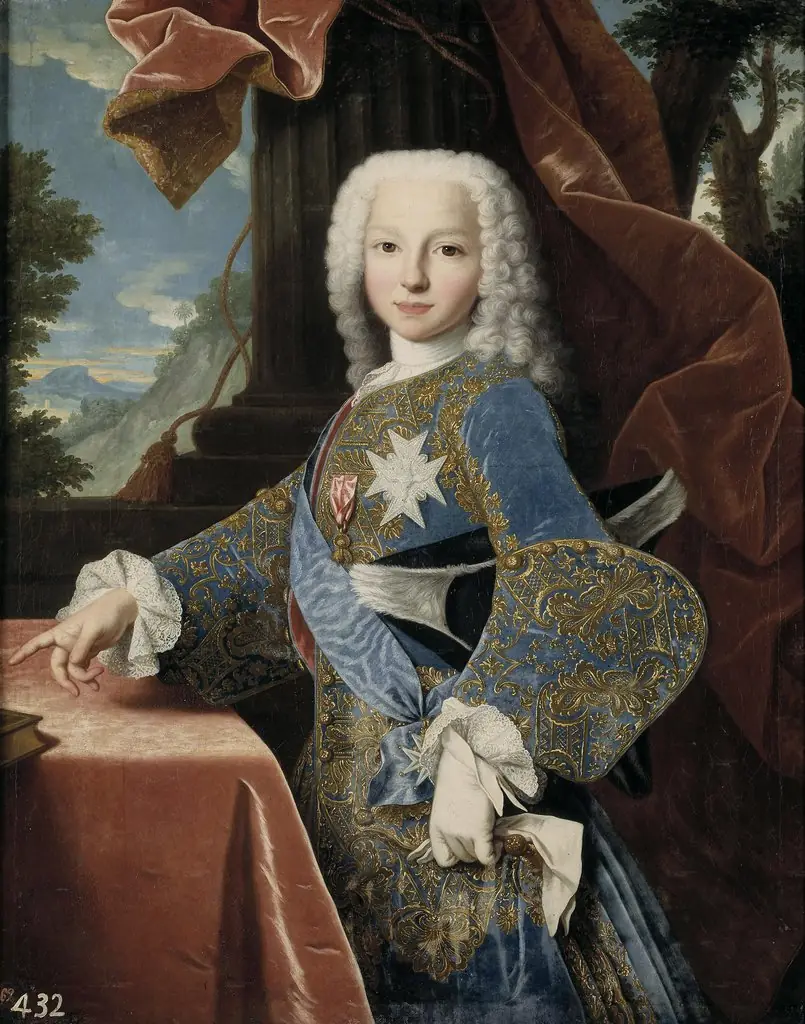 Felipe de Borbón y Farnesio, future Duke of Parma
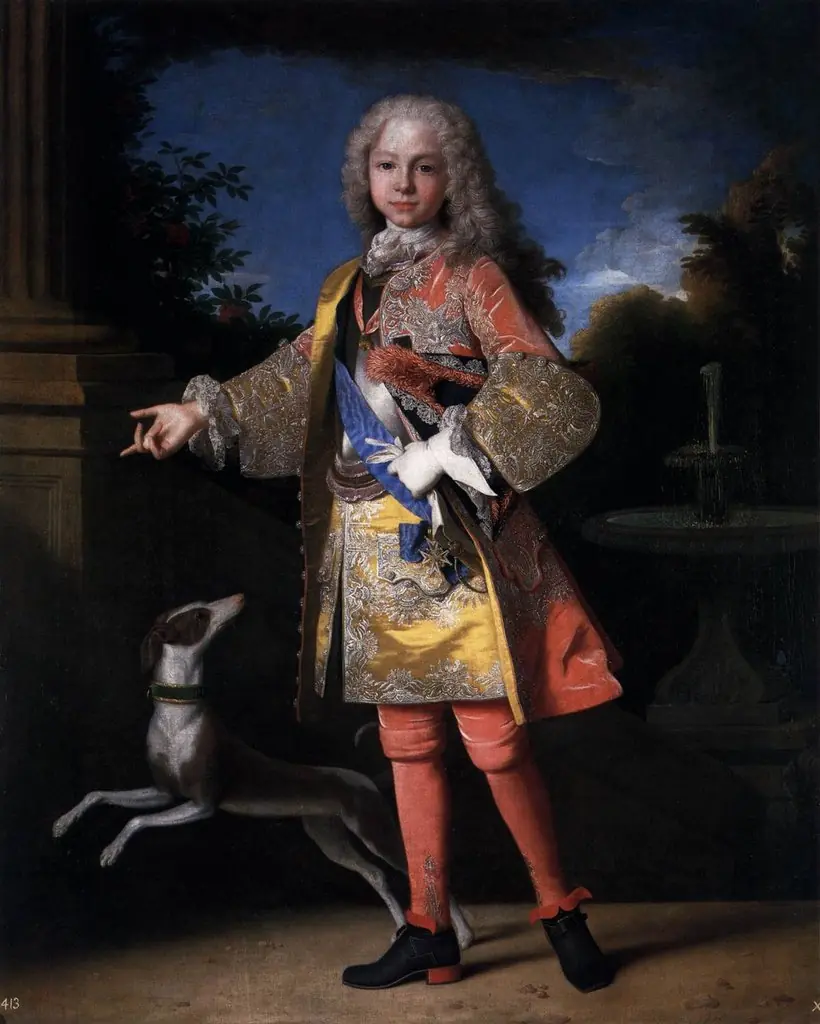 Portrait of Ferdinand VI as a Boy
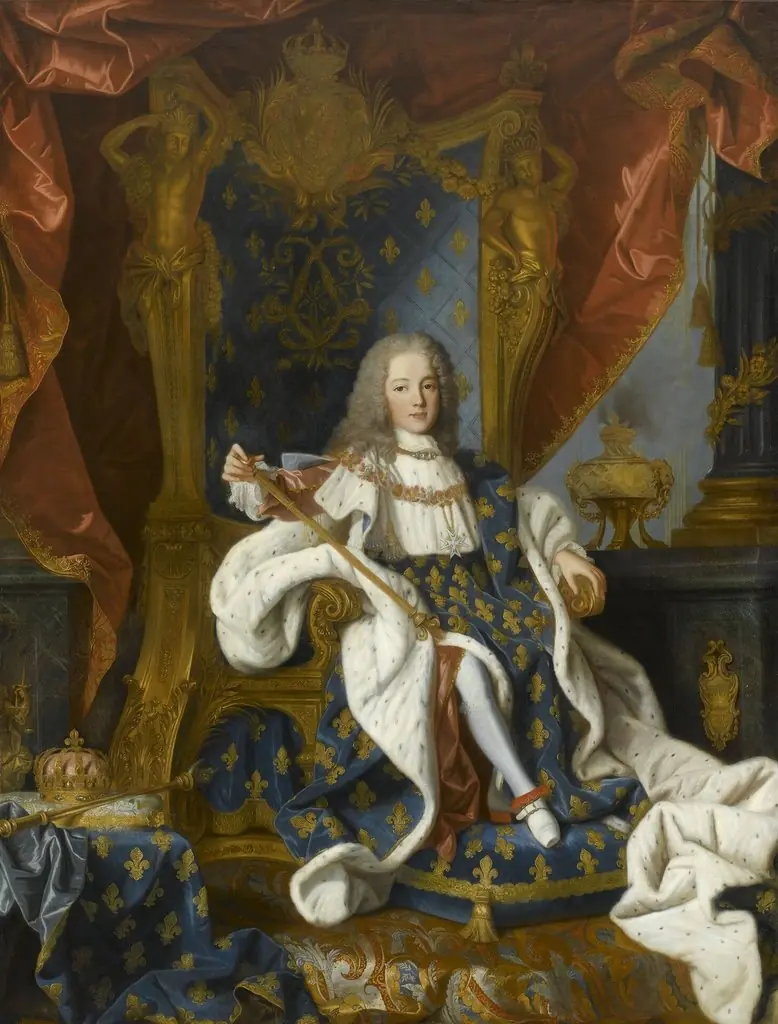 Louis XV, King of France (1710-1774)
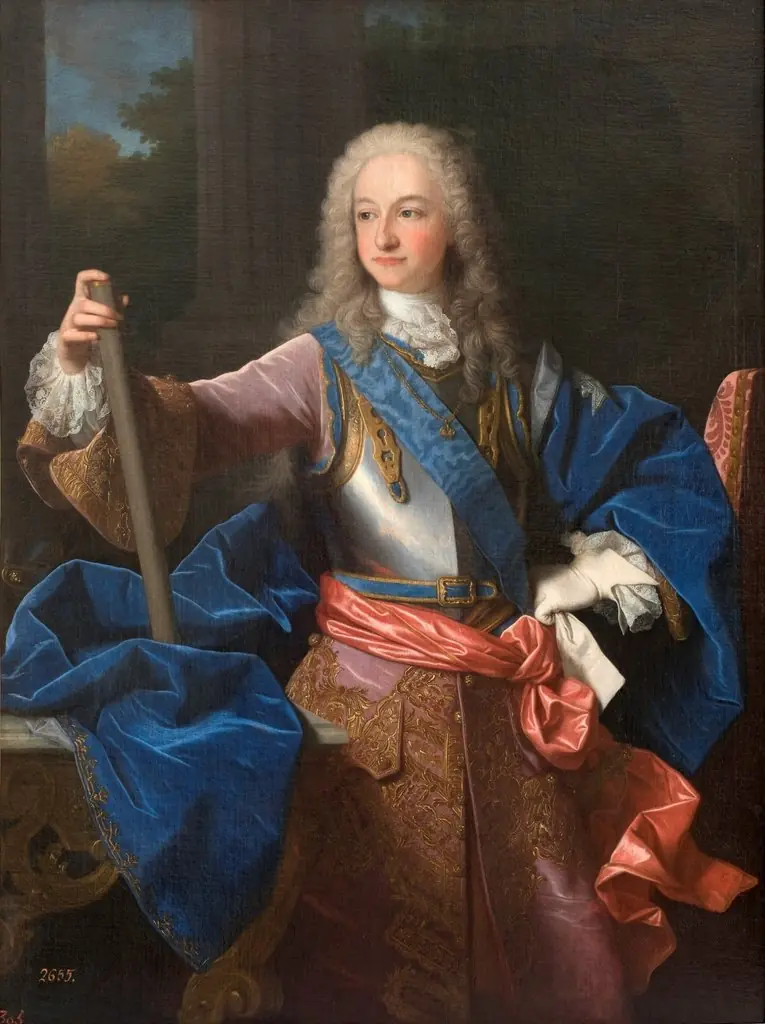 Portrait of Prince Louis of Spain
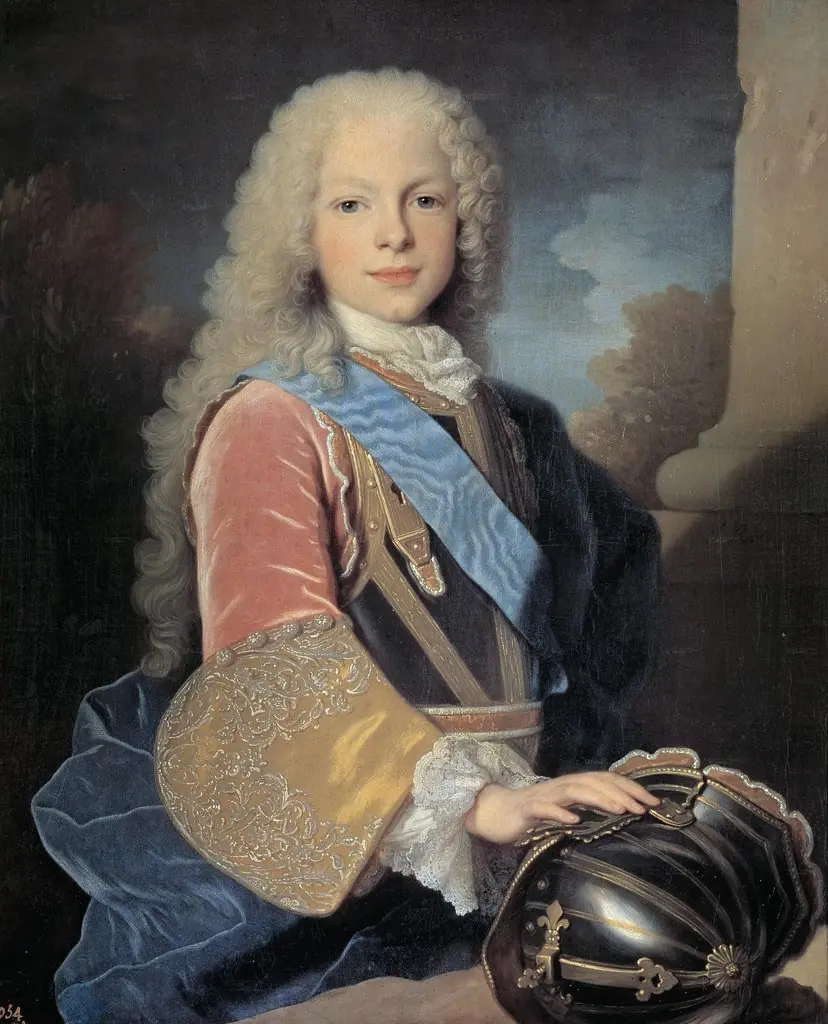 Fernando de Borbón y Saboya príncipe de Asturias (futuro Fernando VI de España)
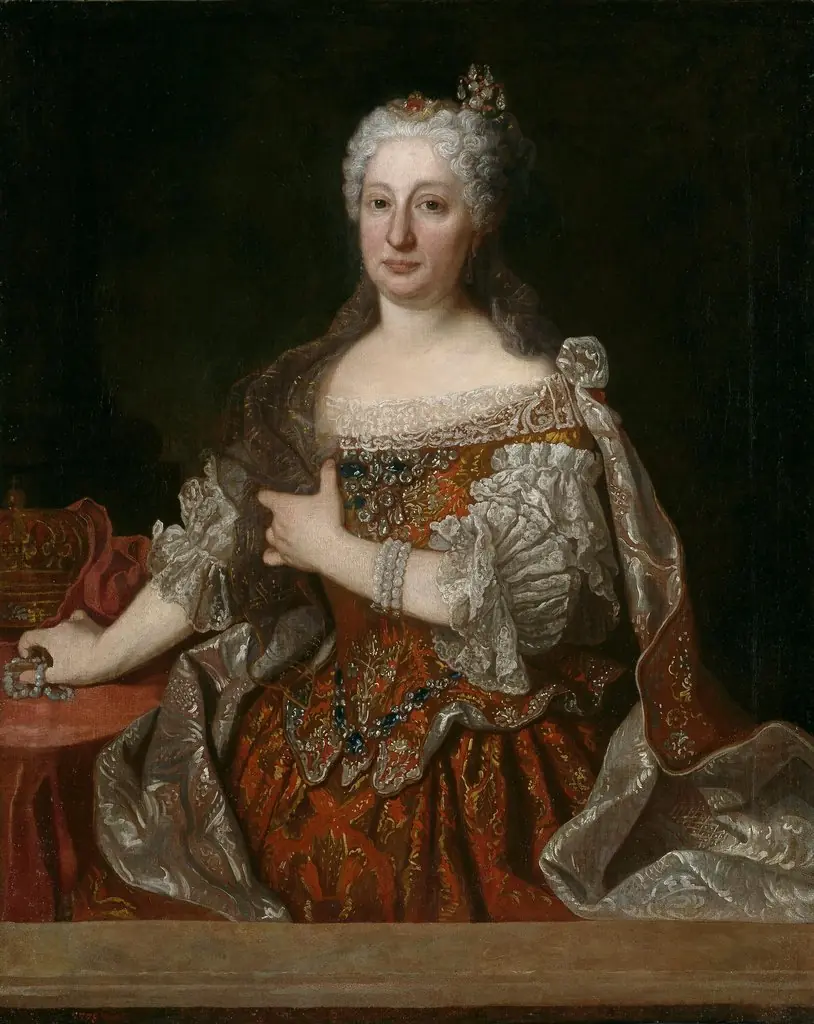 Maria Anna of Austria, Queen of Portugal
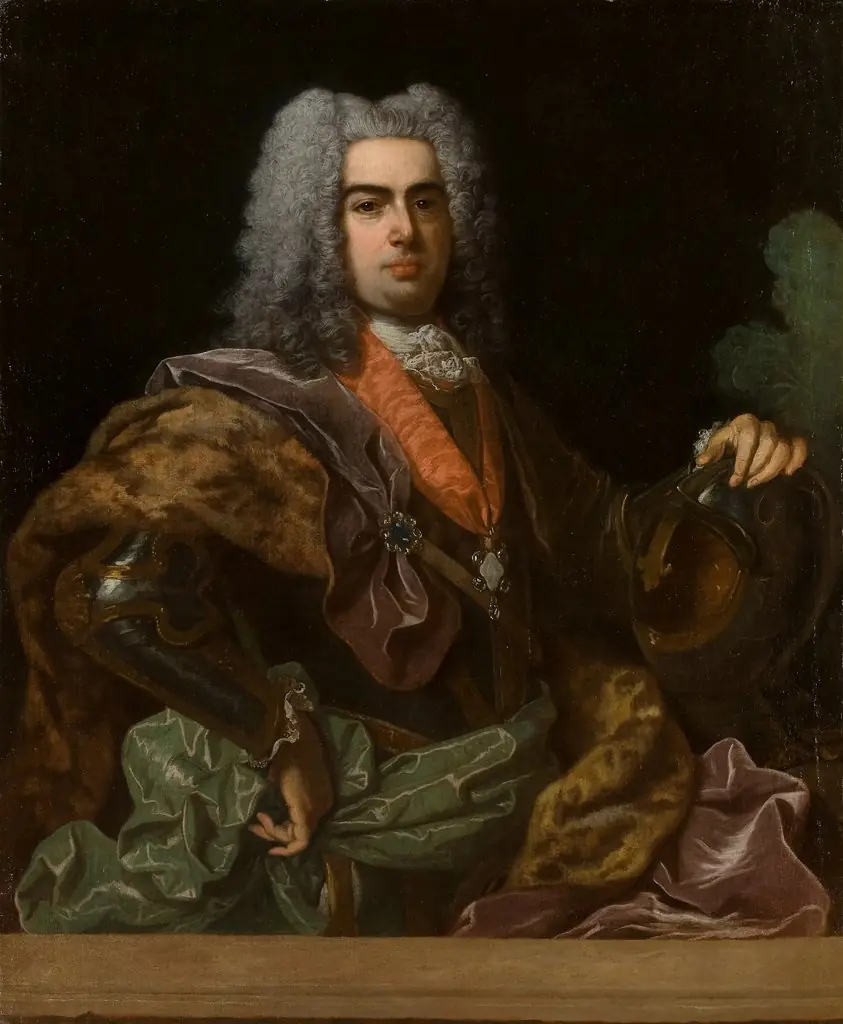 John V, King of Portugal
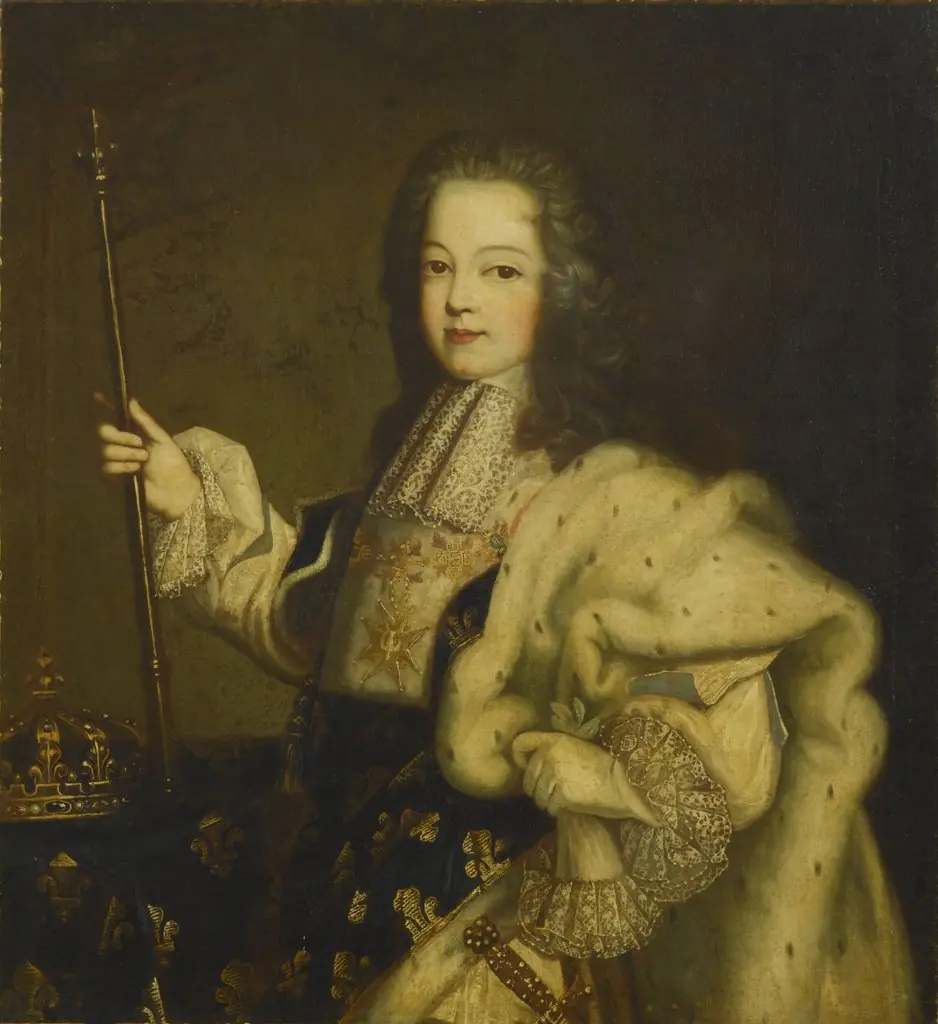 Louis XV, roi de France (1710-1774)
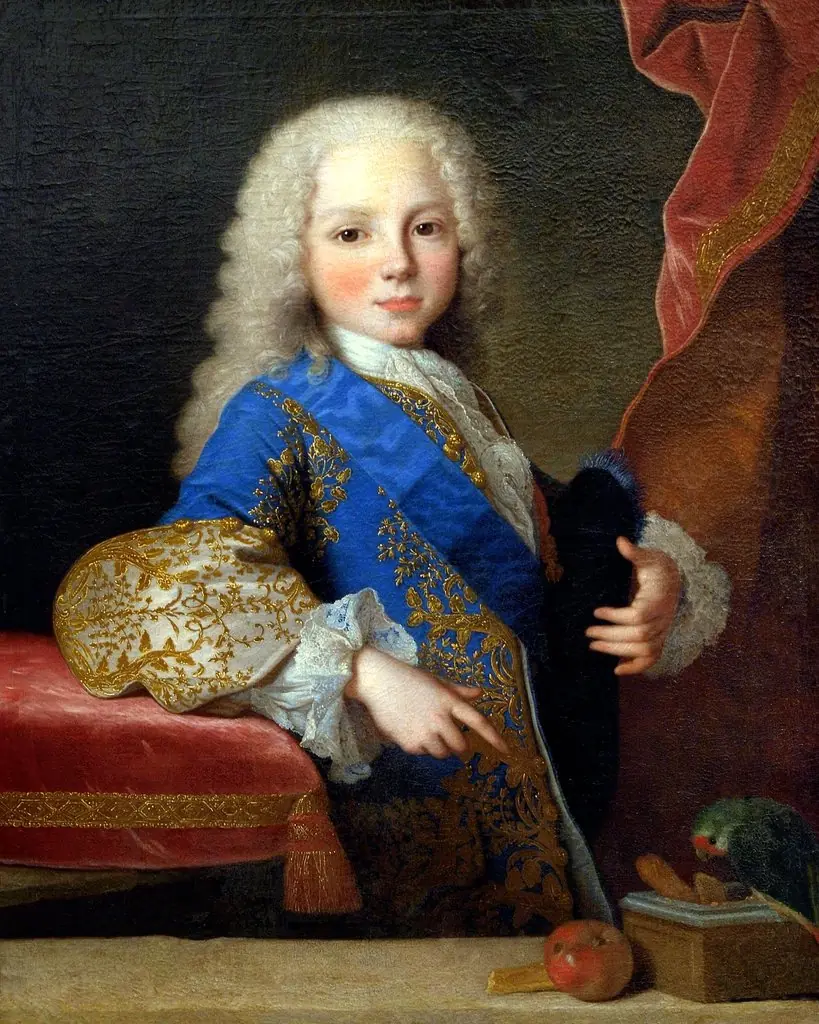 The Infant Philip of Bourbon, future Duke of Parma, Piacenza and Guastalla, in his childhood
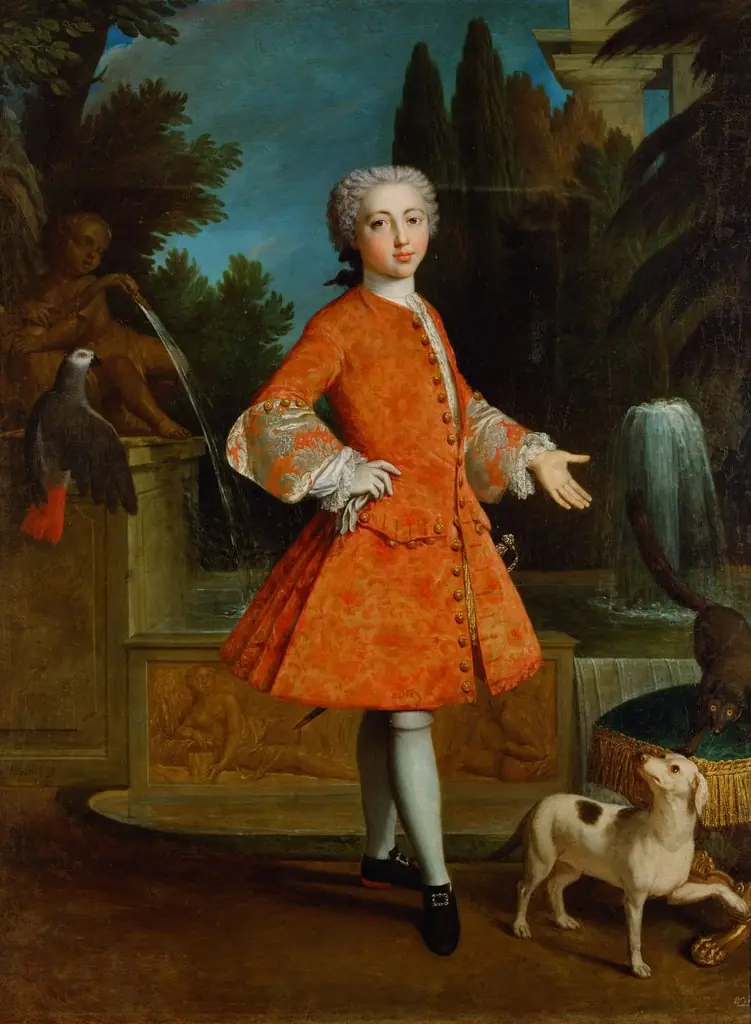 Duke Louis-Philippe of Orleans
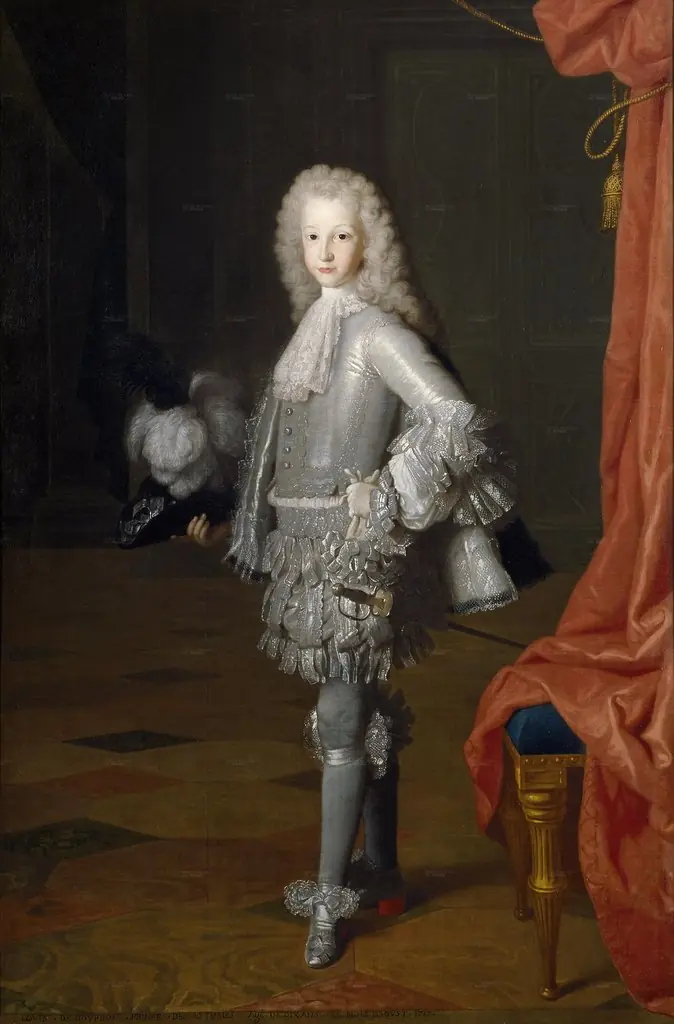 Louis I, Prince of Asturias
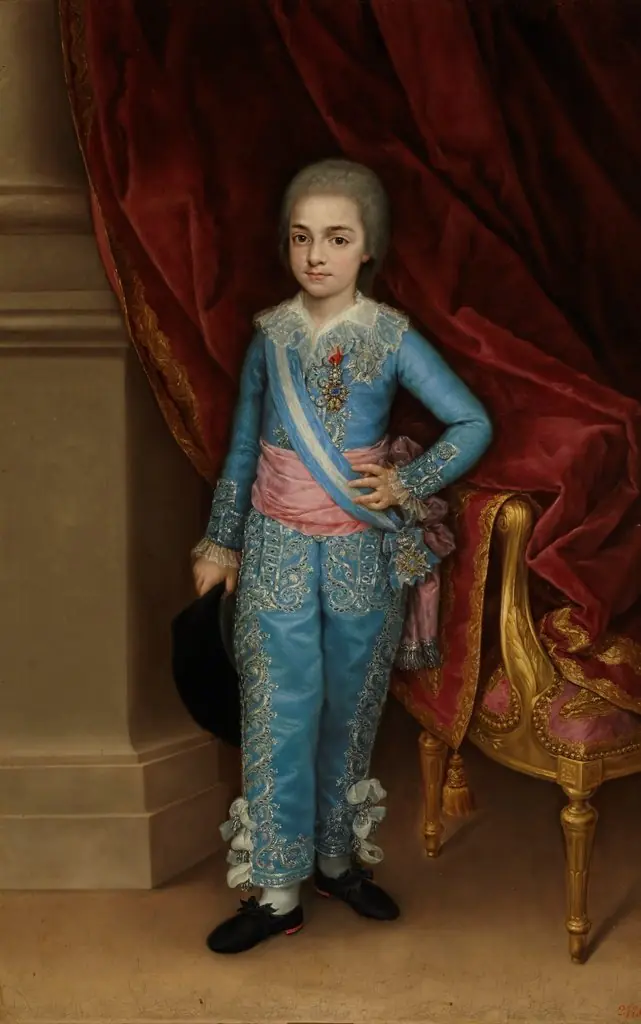 Ferdinand VII as a Boy
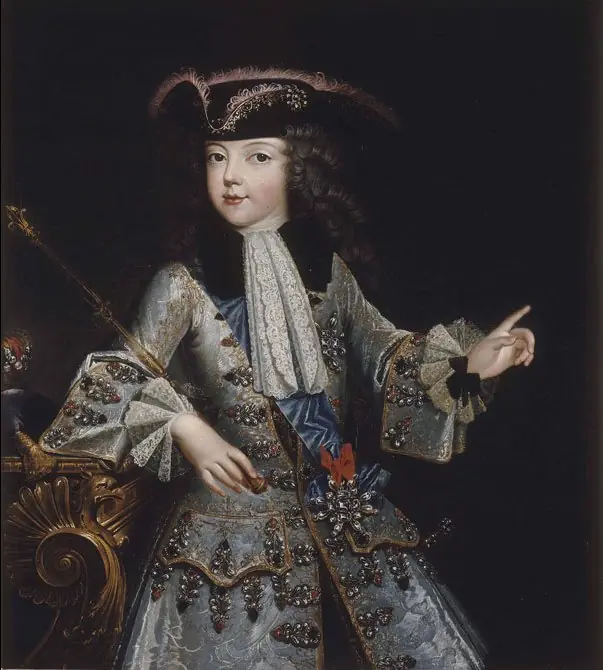 Portrait of a young Louis XV of France (1710-1774)
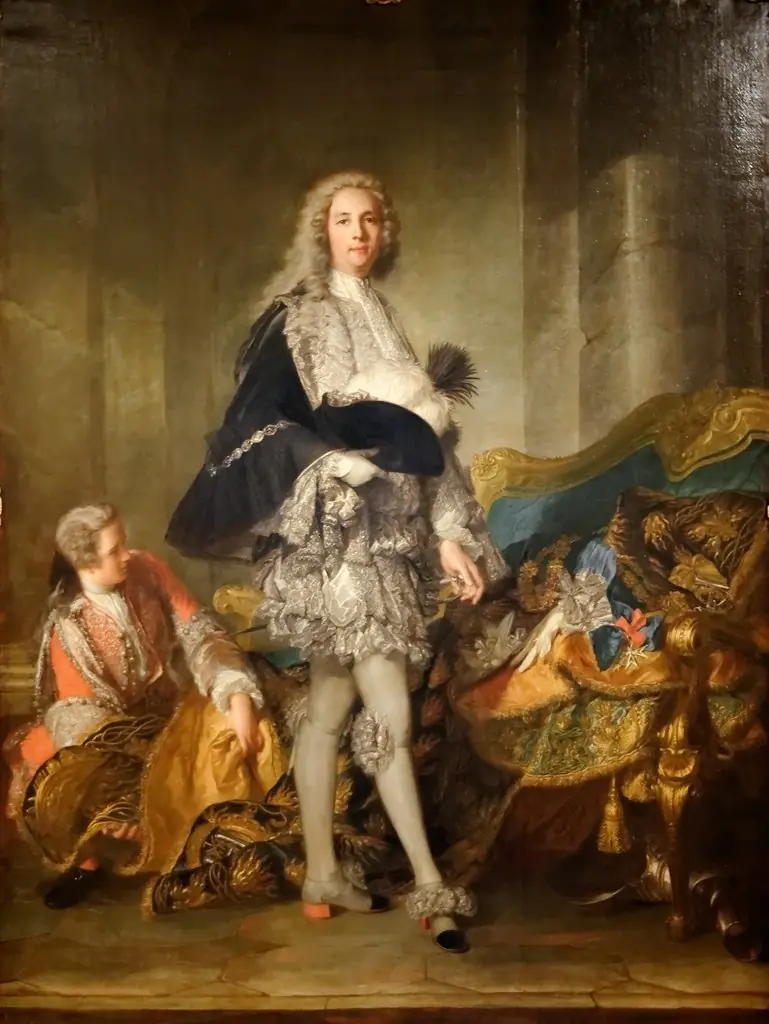 Portrait of the Duke of Richelieu
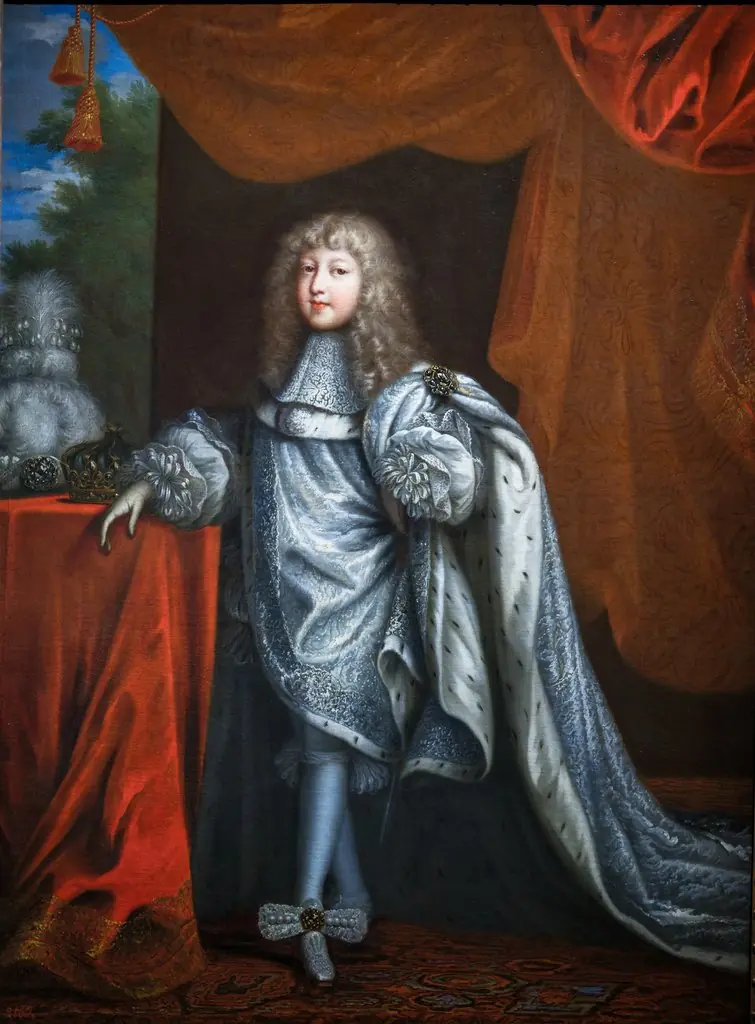 Louis of France, the Grand Dauphin
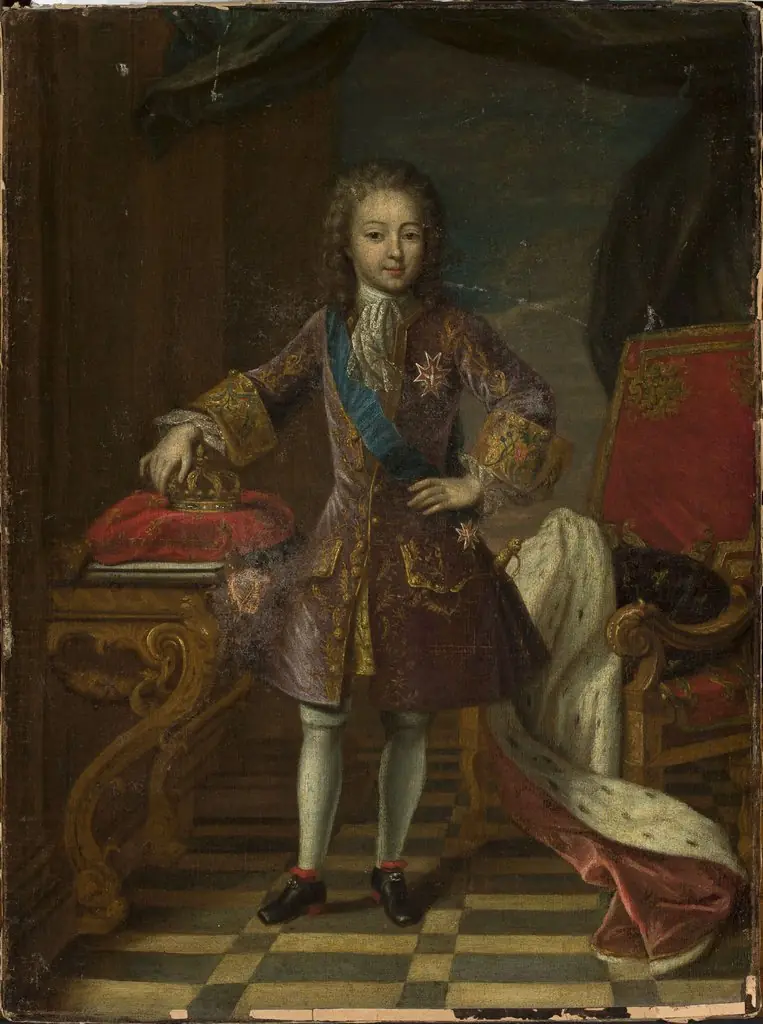 Portrait of Louis XV at the age of 10
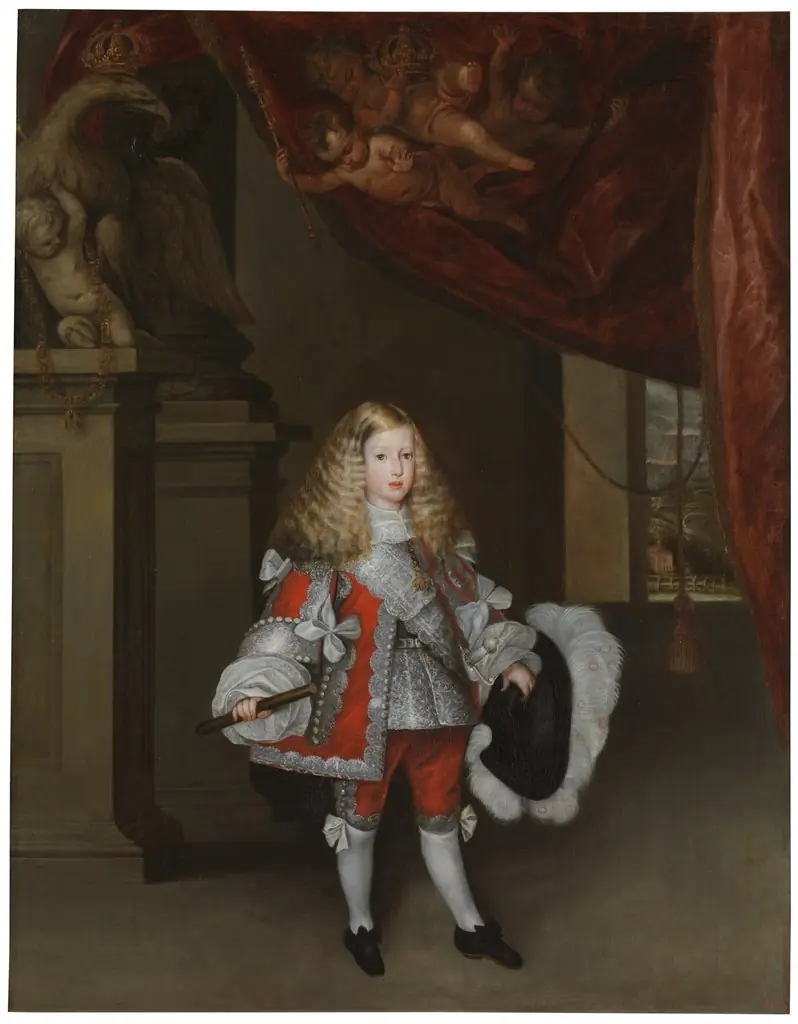 Charles II as a Child