Artwork
Portrait of a man in a Polish costume
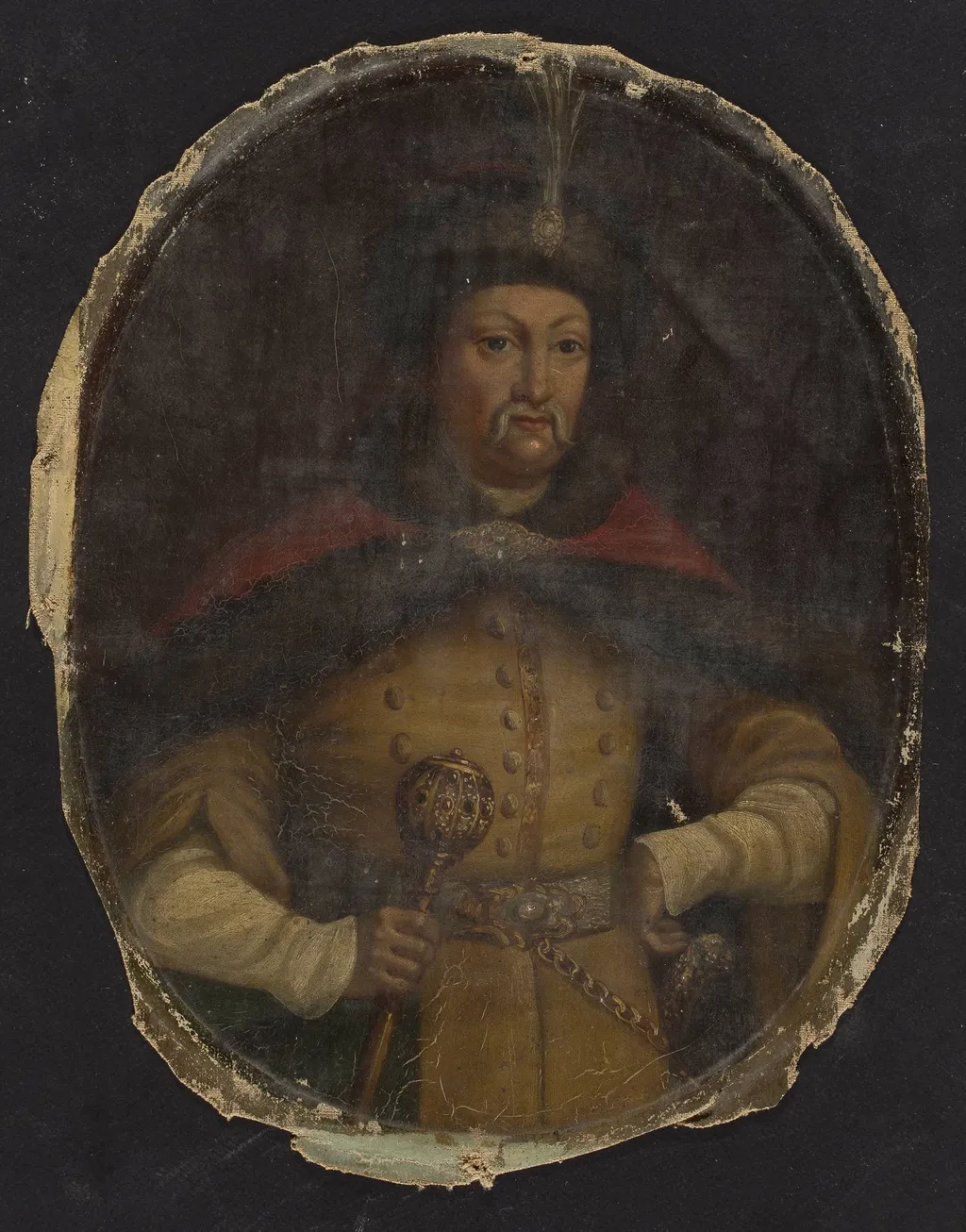
Portrait of a man in a Polish costume is an oil painting by Jerzy Siemiginowski-Eleuter. It dates from 1695 and is held in the collection of the National Museum in Warsaw.
About this work
Overview
Painted around 1695 by Jerzy Siemiginowski-Eleuter, this oil-on-canvas portrait captures a nobleman dressed in traditional Polish attire.
Painted around 1695 by Jerzy Siemiginowski-Eleuter, this oil-on-canvas portrait captures a nobleman dressed in traditional Polish attire. The artist, a prominent figure in the Polish Baroque movement, served as court painter to King John III Sobieski. The work is part of the National Museum in Warsaw’s collection and reflects the fusion of European artistic conventions with distinctly Polish cultural elements.
Subject & Meaning
The unidentified sitter wears a fur-lined robe, a red sash, and a chain belt—symbols of Polish aristocratic identity. His neatly trimmed beard and composed expression suggest dignity and status. The small ornate object in his hand may indicate a personal or ceremonial item, reinforcing his social role. The plain black background isolates him, emphasizing his presence as a representative of Polish nobility.
Technique & Style
Siemiginowski-Eleuter employs chiaroscuro to model the figure with strong contrasts between light and shadow, lending volume to the fabric and facial features. The brushwork is precise, particularly in rendering the texture of fur and metal embellishments. The dark, unadorned background enhances the three-dimensionality of the subject, a technique rooted in Italian Baroque traditions but adapted to local sensibilities.
History & Provenance
Created during the late 17th century, the portrait likely originated in the Polish–Lithuanian Commonwealth’s court circles. It remained in Polish collections through the centuries and entered the National Museum in Warsaw’s holdings in the 19th or early 20th century. Surface cracks and subtle pigment fading reflect its age and environmental exposure over time.
Context
In the decades following the Battle of Vienna (1683), Polish nobility increasingly emphasized national dress as a marker of identity amid political fragmentation. Siemiginowski-Eleuter, trained in Italy, brought Renaissance and Baroque techniques to portray Polish elites with both elegance and cultural specificity, bridging Western artistic norms with local traditions.
Legacy
This portrait stands as a representative example of how Polish artists integrated international styles to affirm national identity. While not widely exhibited, it contributes to scholarly understanding of Baroque portraiture in Eastern Europe and the role of dress in constructing aristocratic imagery during a period of shifting political power.
Artist & collection
Artist
Jerzy Siemiginowski-Eleuter (born Jerzy Szymonowicz; c. 1660 – c. 1711) was a prominent Polish painter and engraver of the Baroque era. He was court painter to king John III Sobieski and a Polish–Lithuanian noble. He is…

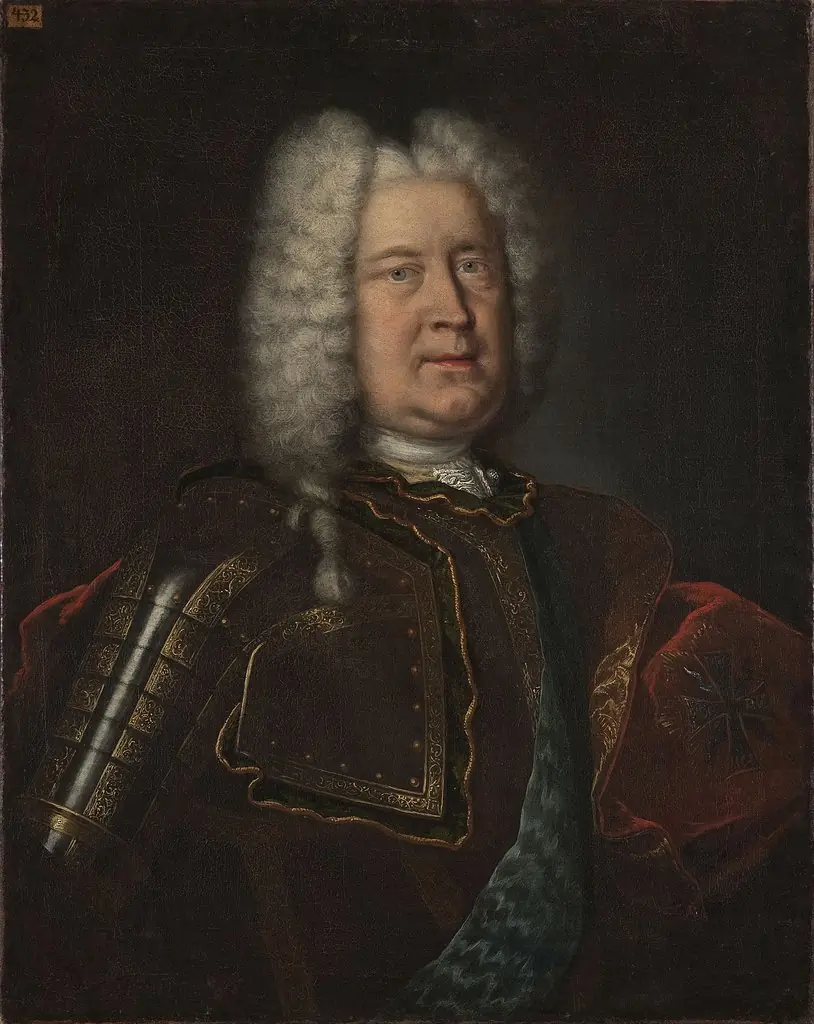
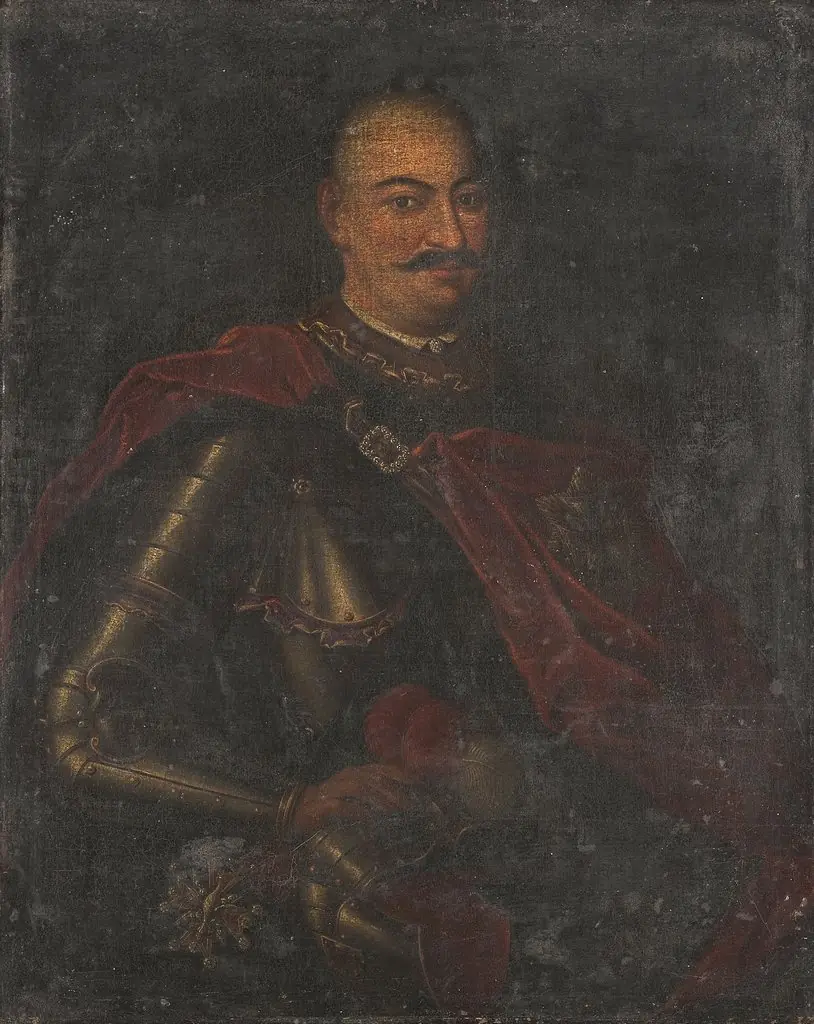 Portrait of a nobleman in armour
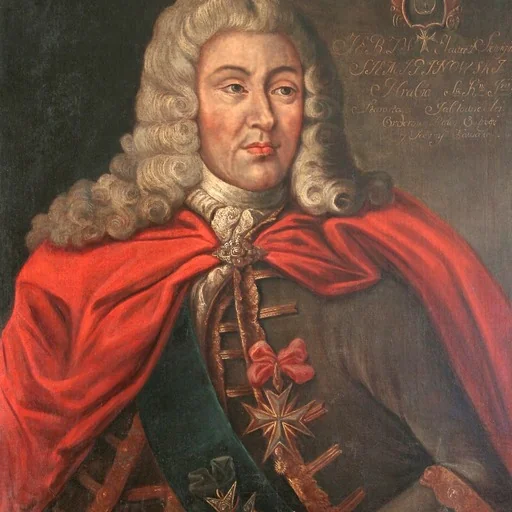
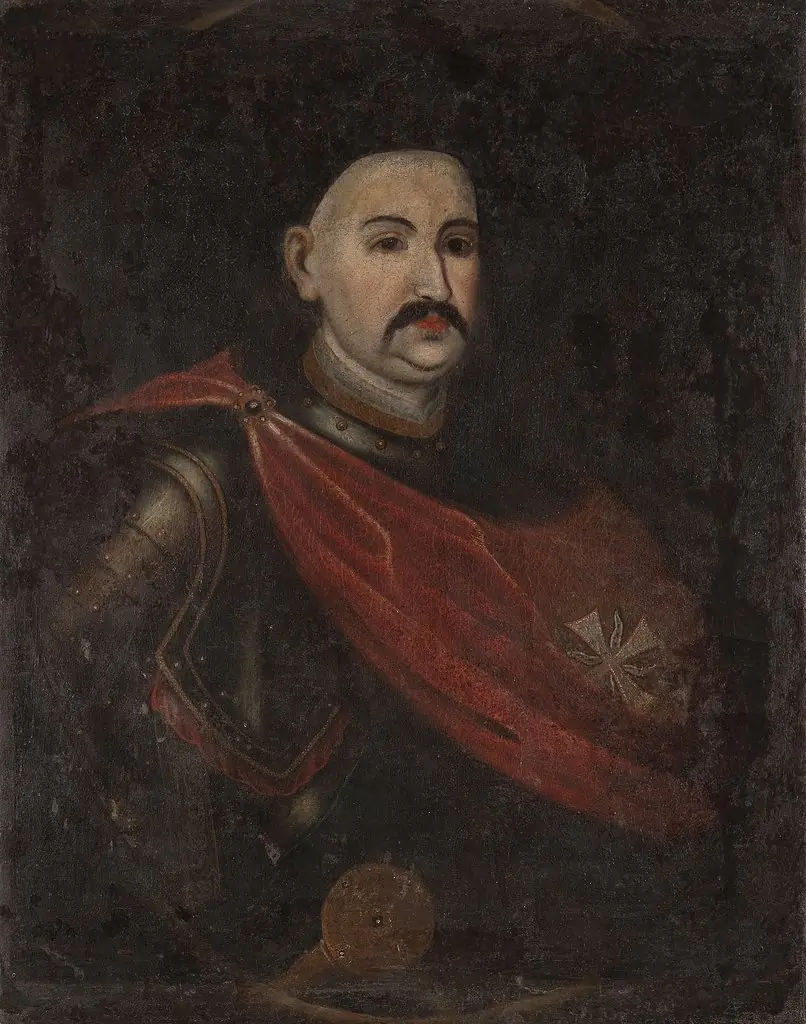 Portrait of Mikołaj Hieronim Sieniawski
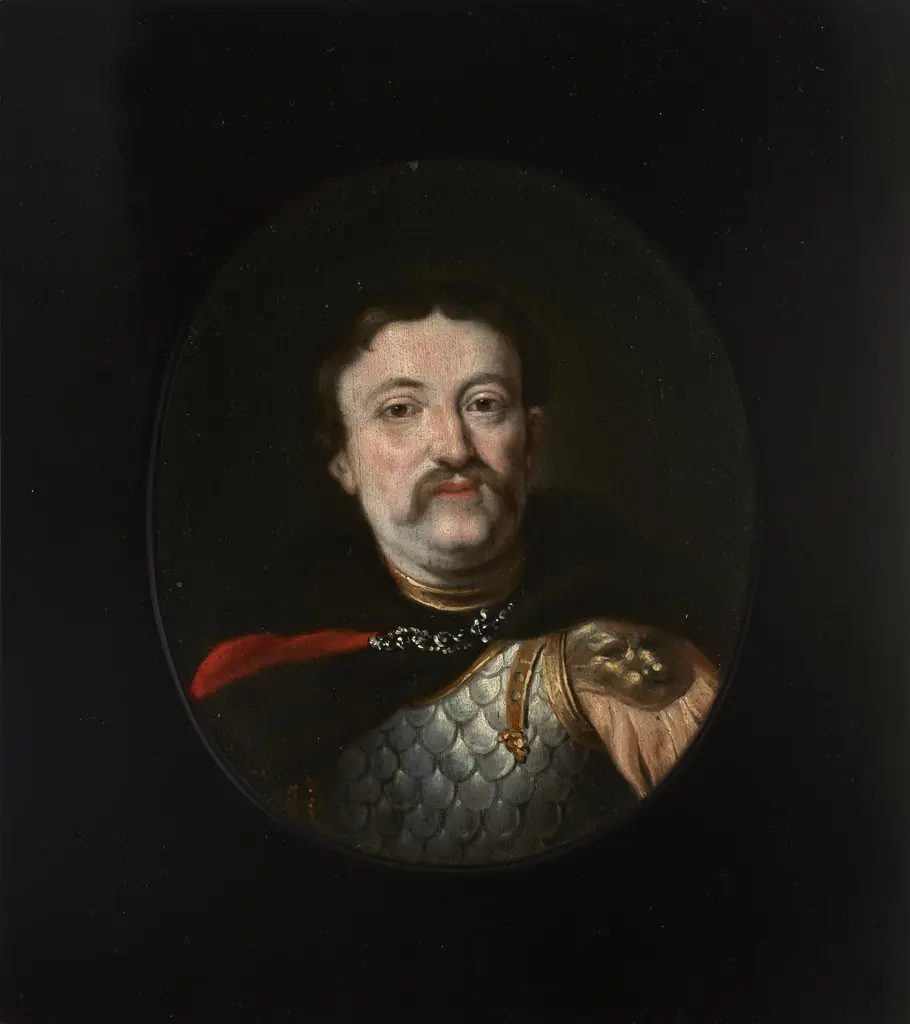 Portret Jana III Sobieskiego (1629-1696), króla Polski
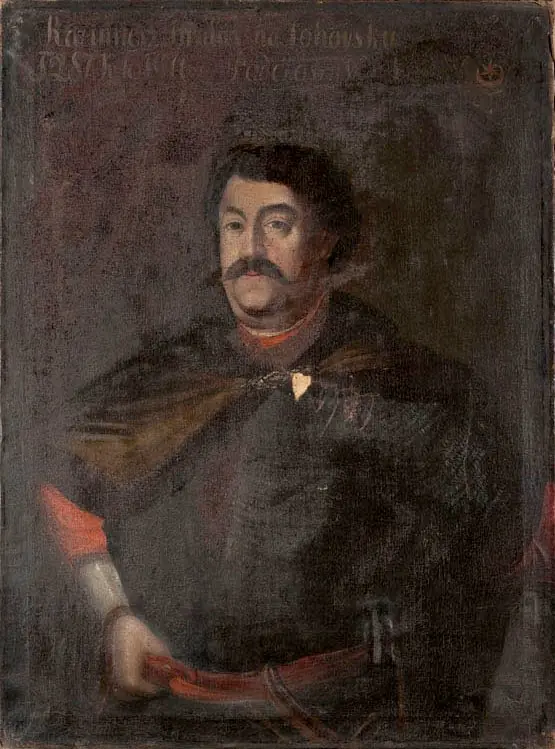 Portrait of Kazimierz Tyszkiewicz, Leliwa coat of arms (?–1652), cup-bearer of the Grand Duchy of Lithuania
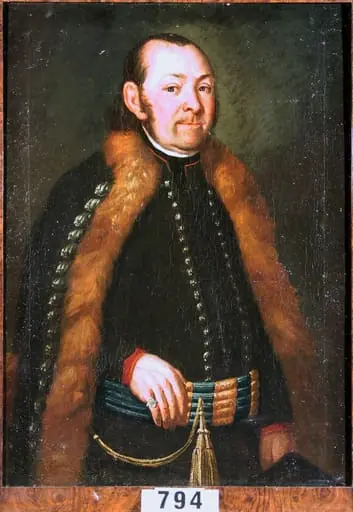 Măcelarul sibian Georg Hinzmann
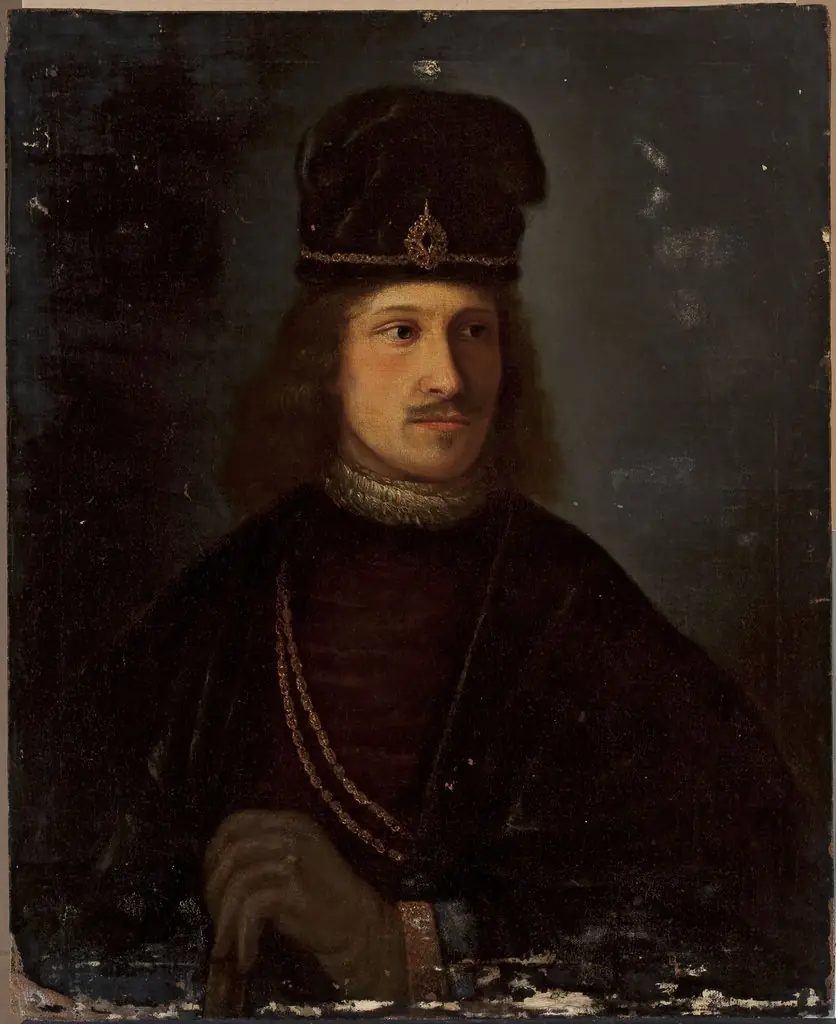 Portrait of a man in a tall cap
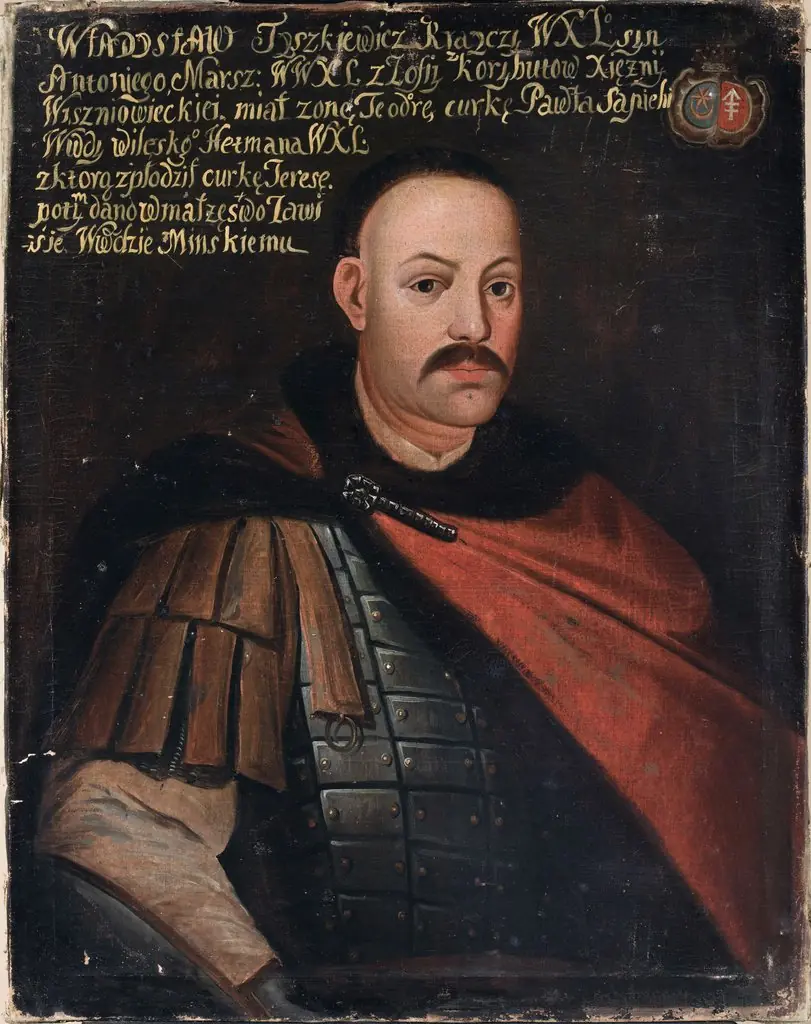 Portrait of Władysław Tyszkiewicz, Leliwa coat of arms (1644–1684), carver of the Grand Duchy of Lithuania
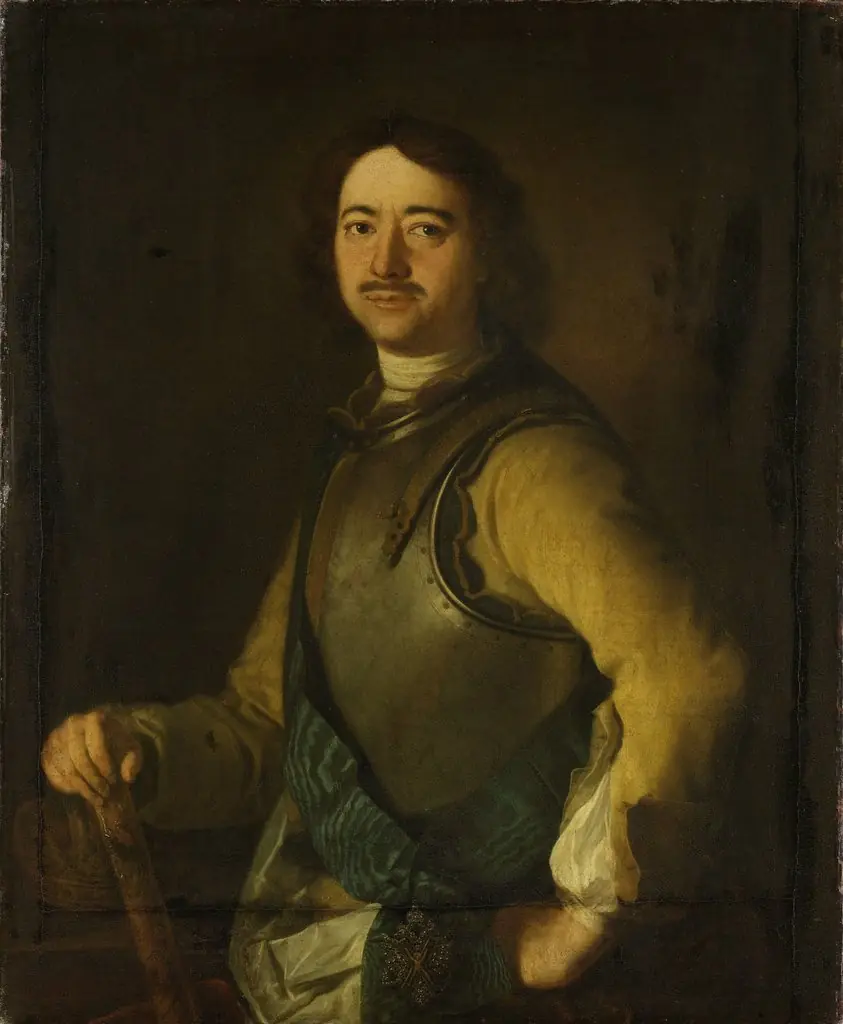 Peter the Great, tsar of Russia
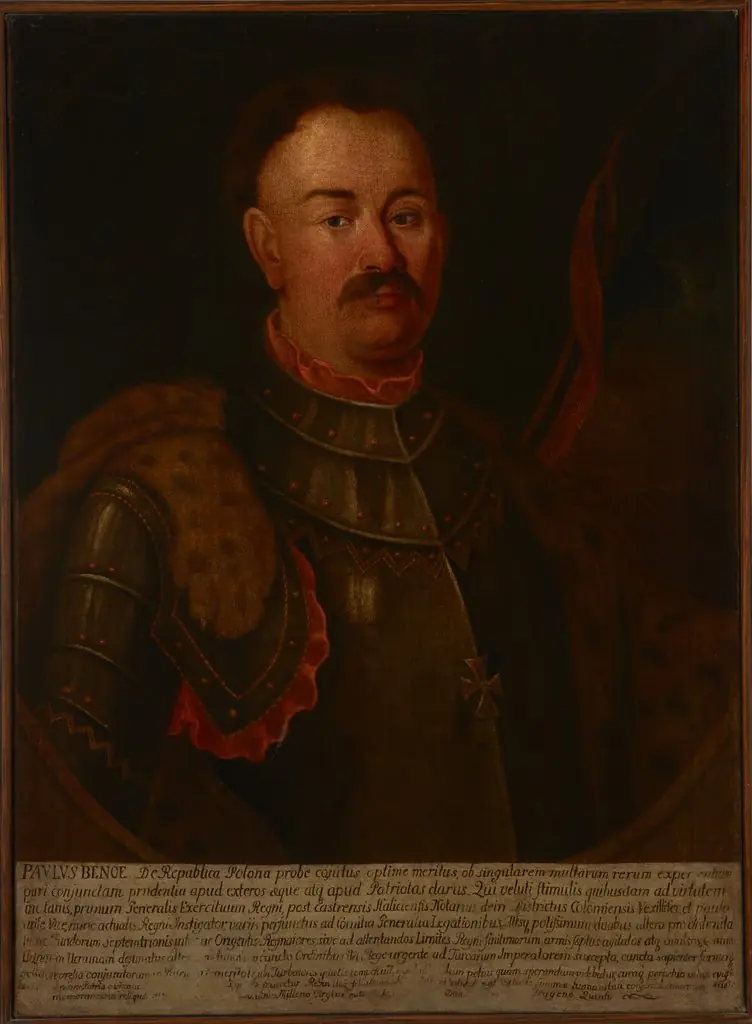 Portrait of Paweł Benoe, Castellan of Warsaw (? -1755)
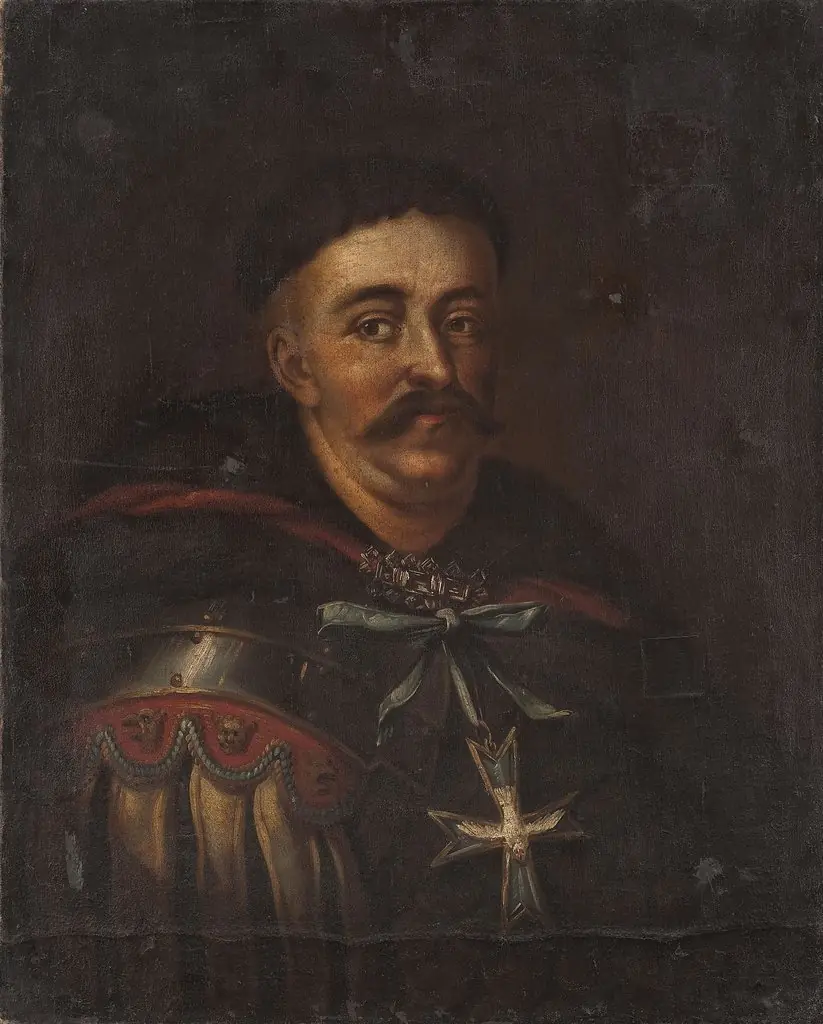 Portrait of John III Sobieski (1629–1696), King of Poland
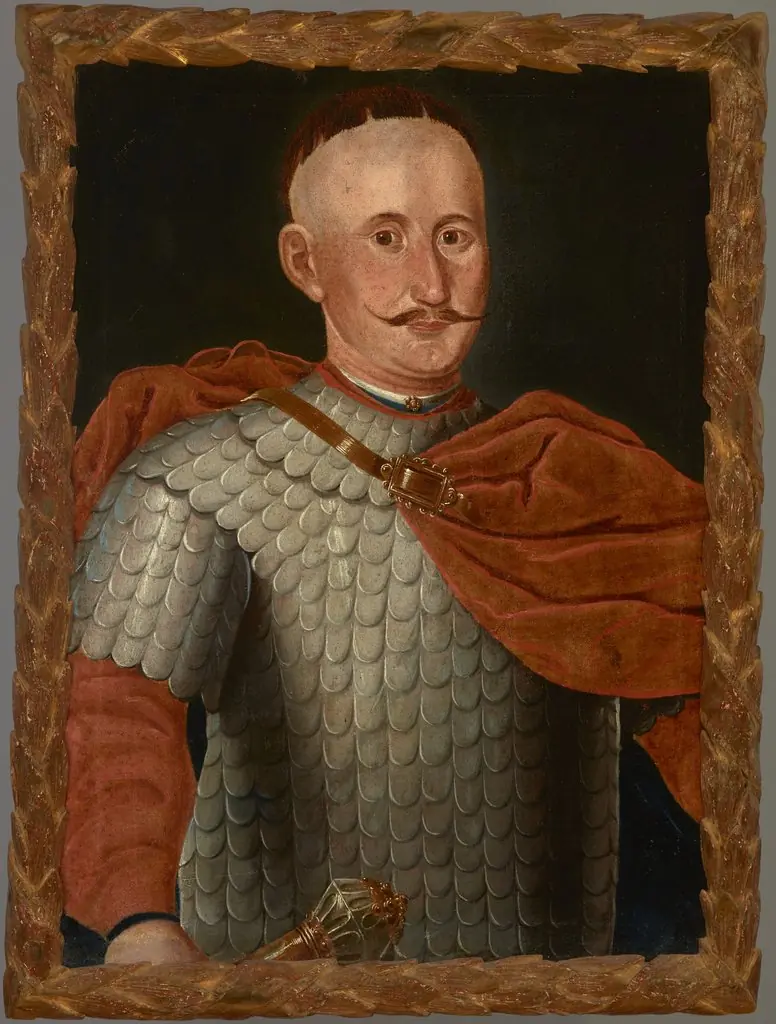 Portrait of Mikołaj Wybranowski
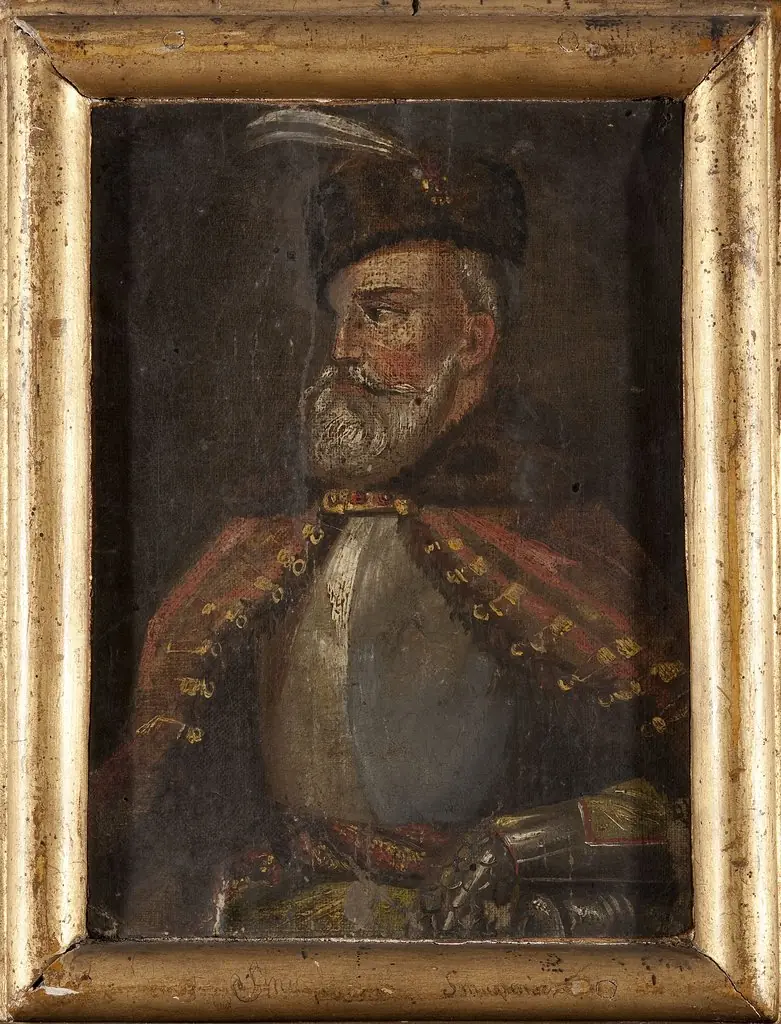 Portrait of Stefan Czarniecki (1599–1665)