Artwork
Portrait of a man
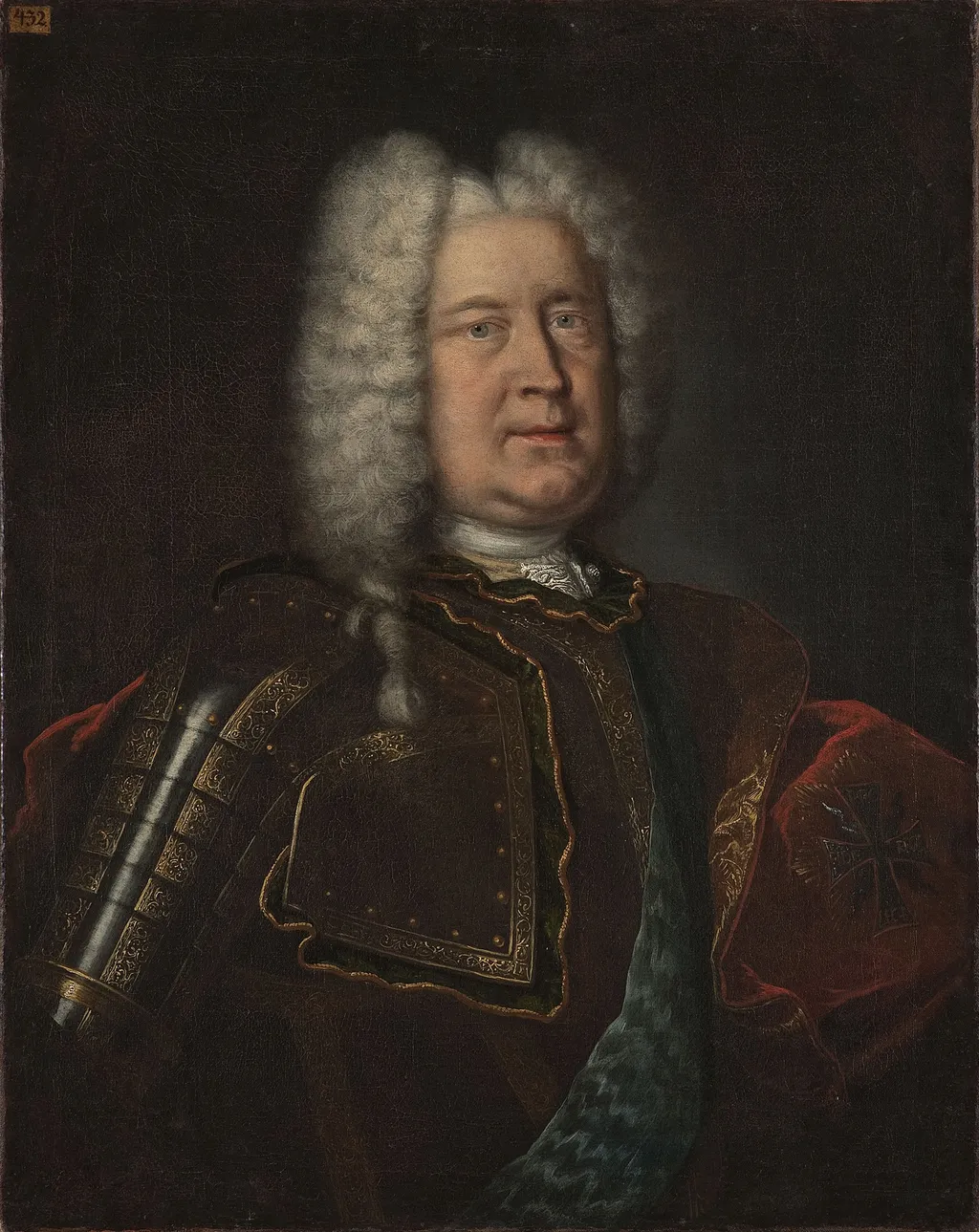
Portrait of a man is an oil painting by Jerzy Siemiginowski-Eleuter. It is held in the collection of the National Museum in Warsaw.
About this work
Overview
Portrait of a Man is an oil painting created in 1800 by Jerzy Siemiginowski-Eleuter, a leading Polish Baroque artist. The work is a portrait of an unidentified male subject, currently housed in the National Museum in Warsaw.
Subject & Meaning
The painting depicts an unidentified man dressed in a dark, ornate coat with gold trim, a large white wig, and holding a sword in his left hand. His serious, almost stern expression is emphasized against a plain black background, drawing focus to his facial features and attire.
Technique & Style
The painting exemplifies Baroque techniques, notably the use of chiaroscuro, where strong contrasts between light and dark (evident in the shining gold trim and the dark coat against a black background) create dramatic depth and emphasize the subject's presence.
History & Provenance
Created in 1800 by Jerzy Siemiginowski-Eleuter, a court painter to King John III Sobieski and a noble himself, the painting is now part of the National Museum in Warsaw's collection, highlighting the artist's significance in Polish Baroque art.
Context
As a work by a prominent court painter and noble, the portrait reflects the aesthetic and social values of the Polish-Lithuanian nobility during the late Baroque period, emphasizing dignity, status, and military prowess (symbolized by the sword).
Legacy
While the subject remains unidentified, the painting contributes to the legacy of Jerzy Siemiginowski-Eleuter as one of Poland's most accomplished Classical Baroque artists, illustrating his mastery of the genre in capturing the essence of his sitters through expressive, dramatically lit portraits.
Own this work as a print
Artist & collection
Artist
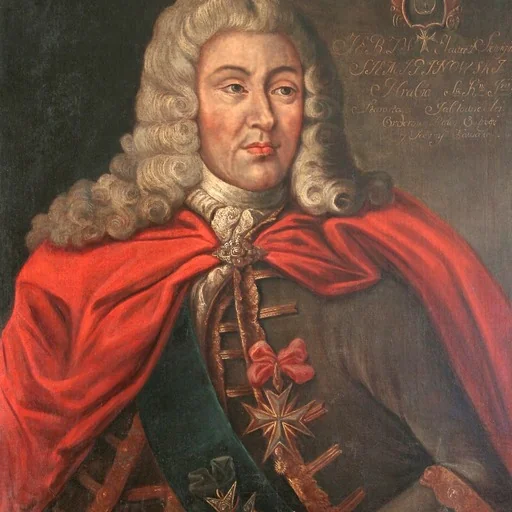
Jerzy Siemiginowski-Eleuter (born Jerzy Szymonowicz; c. 1660 – c. 1711) was a prominent Polish painter and engraver of the Baroque era. He was court painter to king John III Sobieski and a Polish–Lithuanian noble. He is…

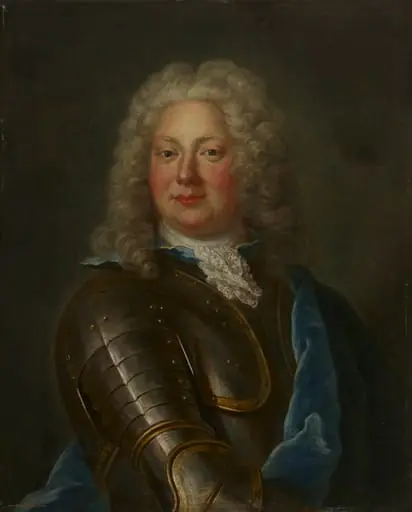 Hovimarsalkka Gustaf Jakob Horn af Rantzien
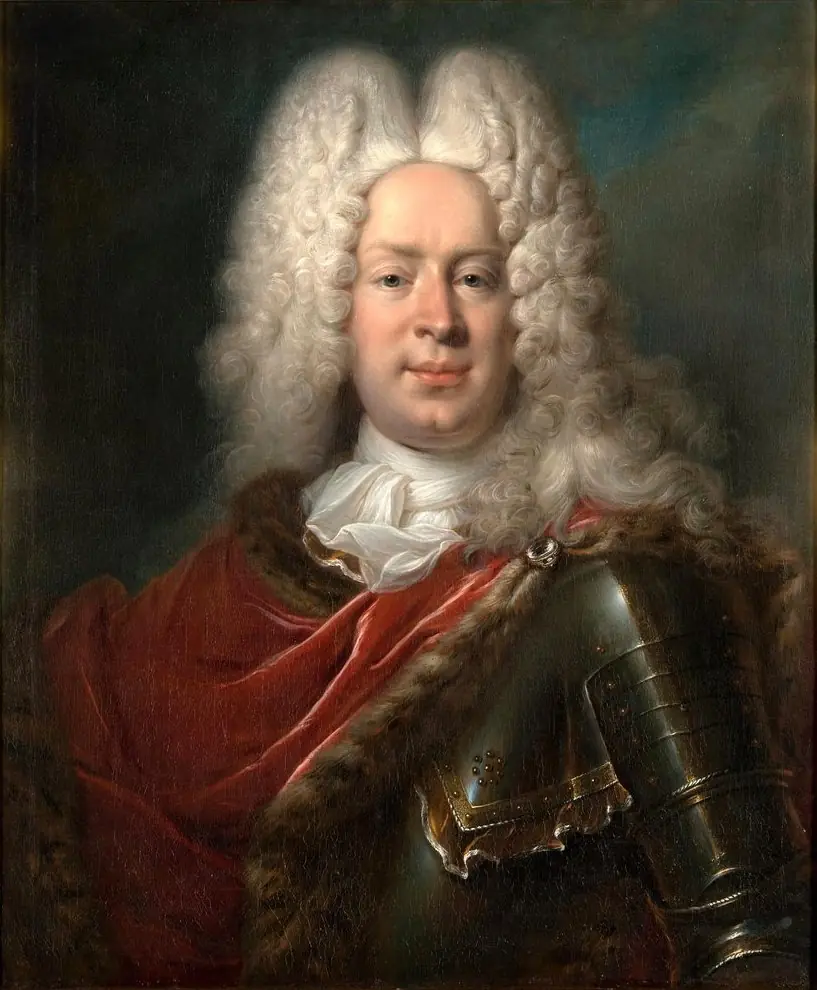 Portrait of Count Georg Wilhelm Werthern
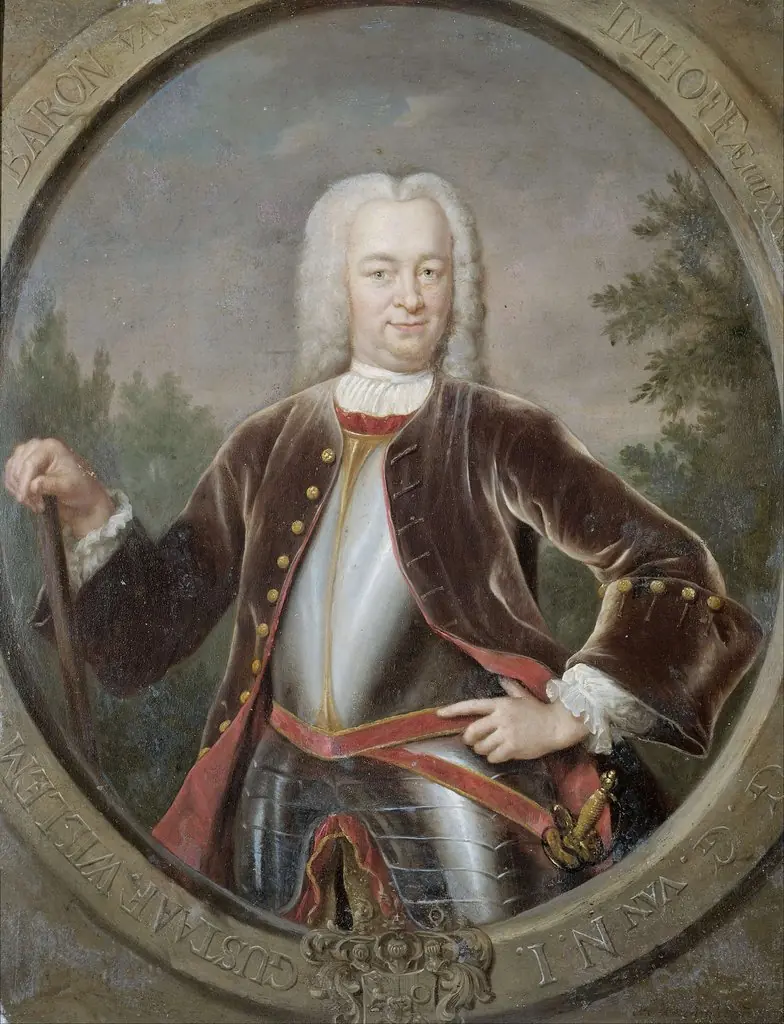 Portrait of Gustaaf Willem, Baron van Imhoff, Governor-General of the Dutch East India Company
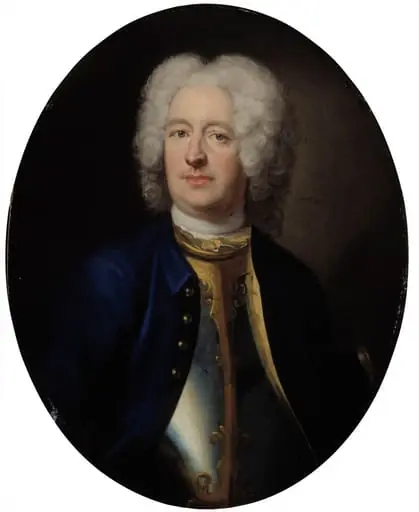 Kenraalimajuri Simon Jacob Wennerstedt
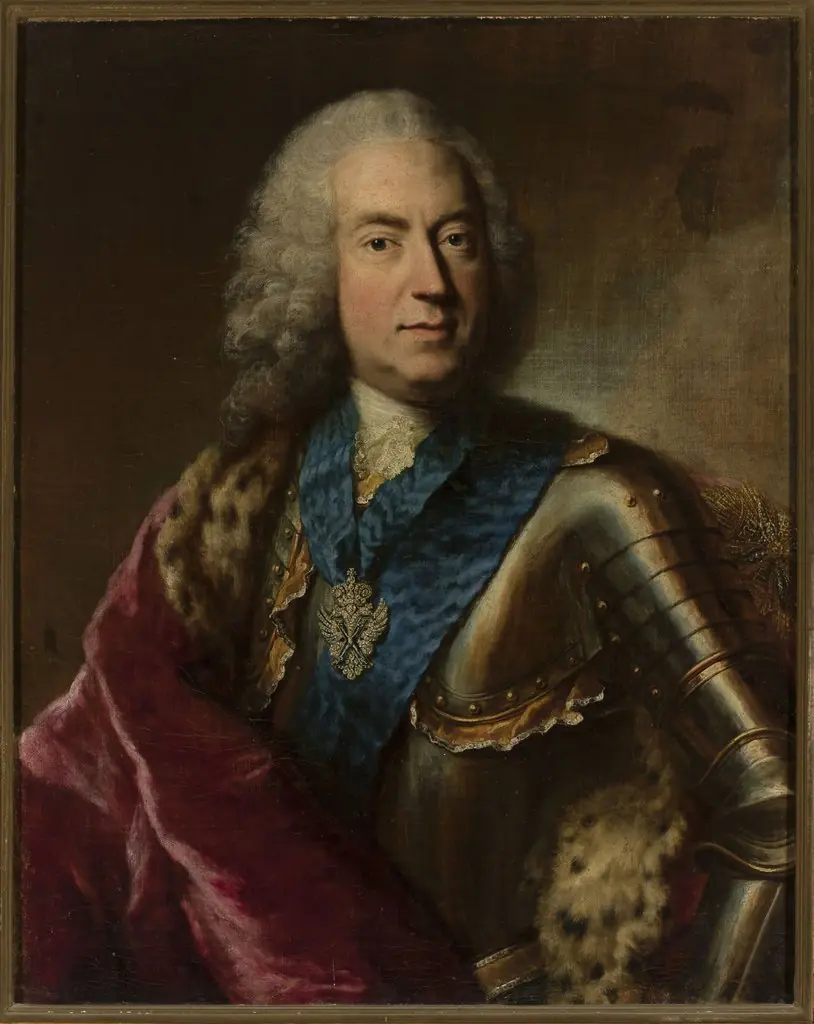 Portrait of Karl August Rex, Saxon minister
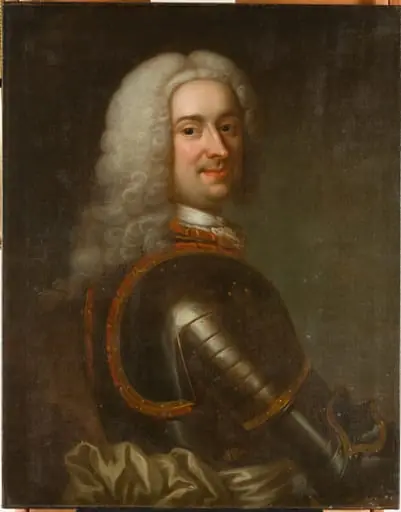 Portrait Münchhausen Kopie
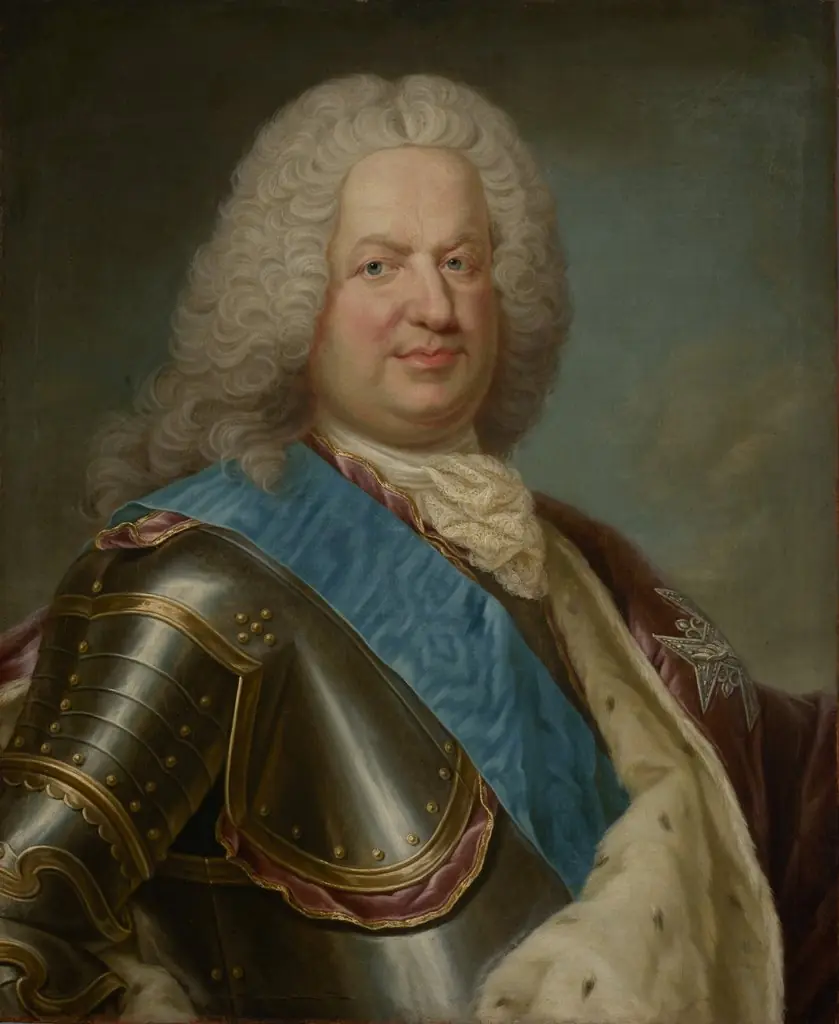 Portrait of Stanislaus Leszczyński (1677–1766))
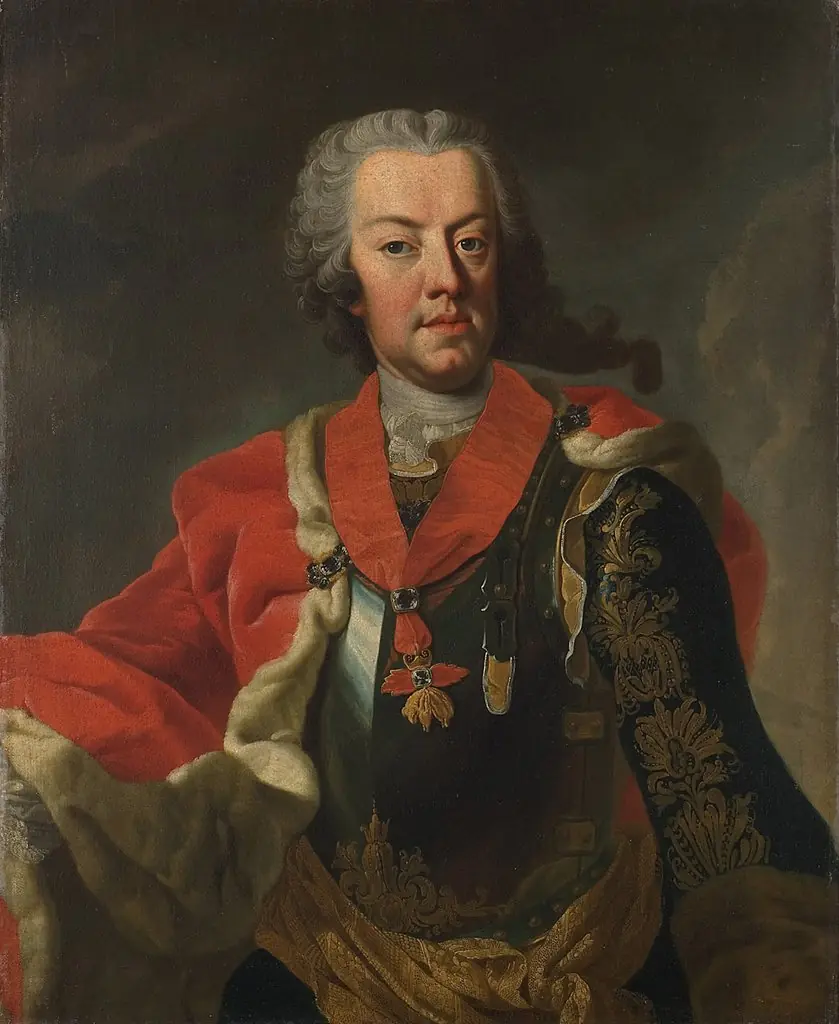 Herzog Karl Alexander von Lothringen (1712-1780), Brustbild
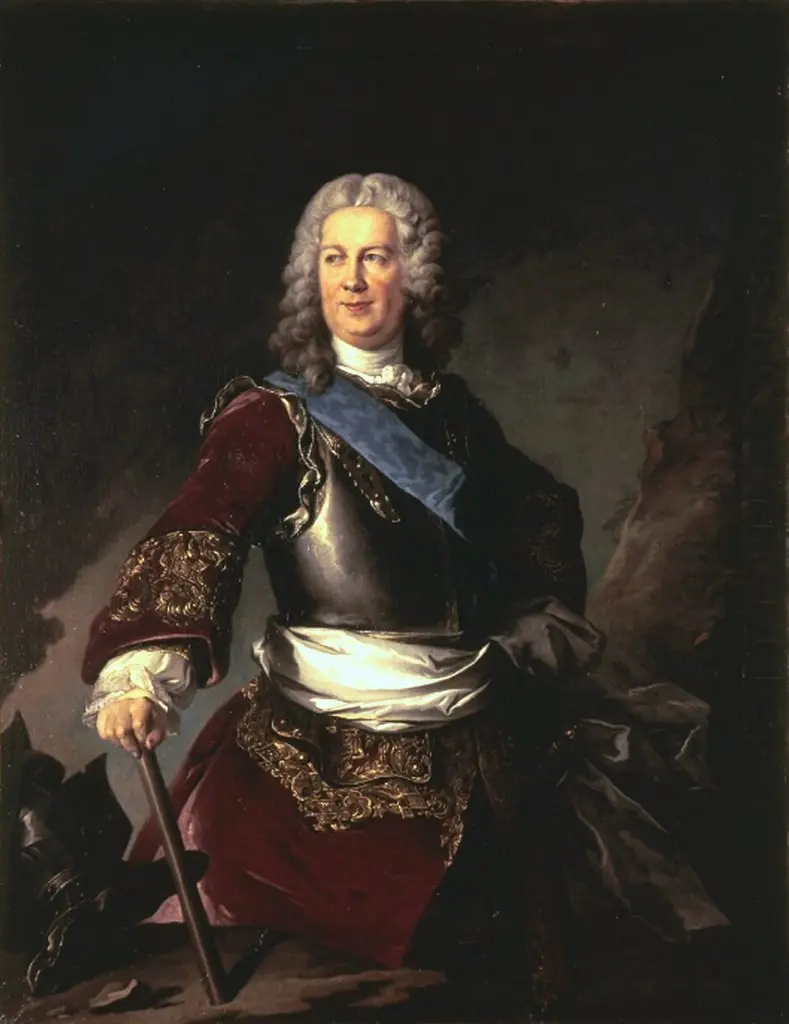 Thomas Goyon de Matignon (1684-1766), comte de Gacé, seigneur de Briquebec, Brigadier des armées du Roi en 1719.
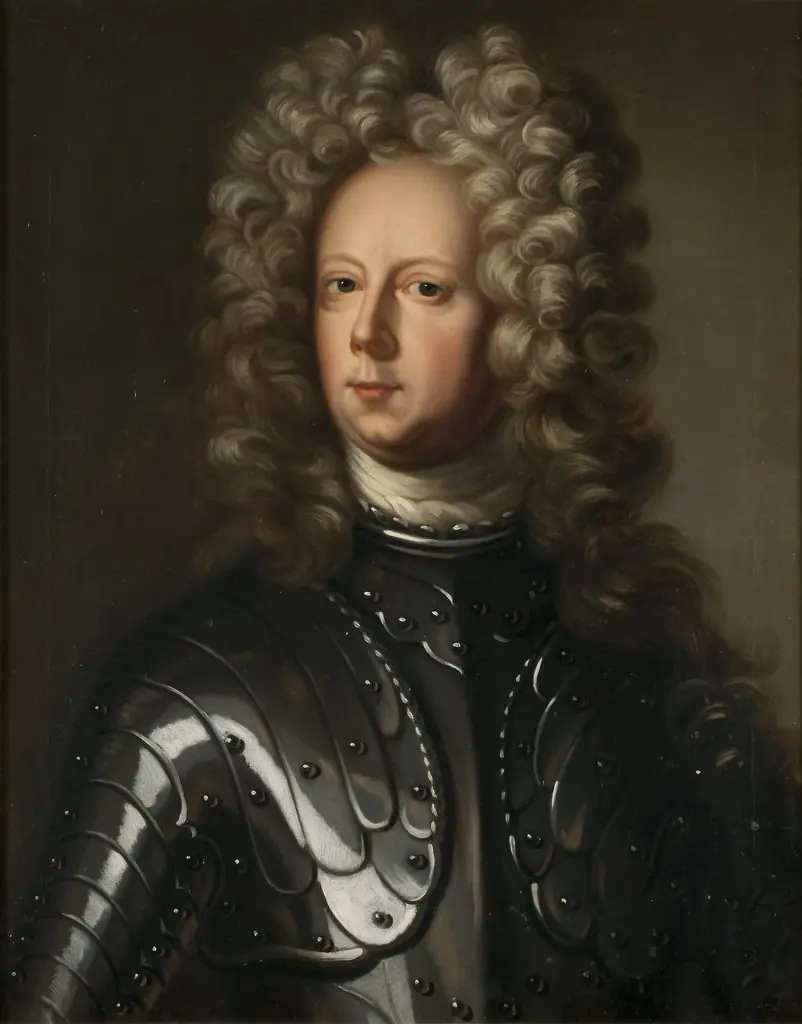 Carl Gustaf Rehnskiöld, 1651-1722, count, council of the realm, field marshal
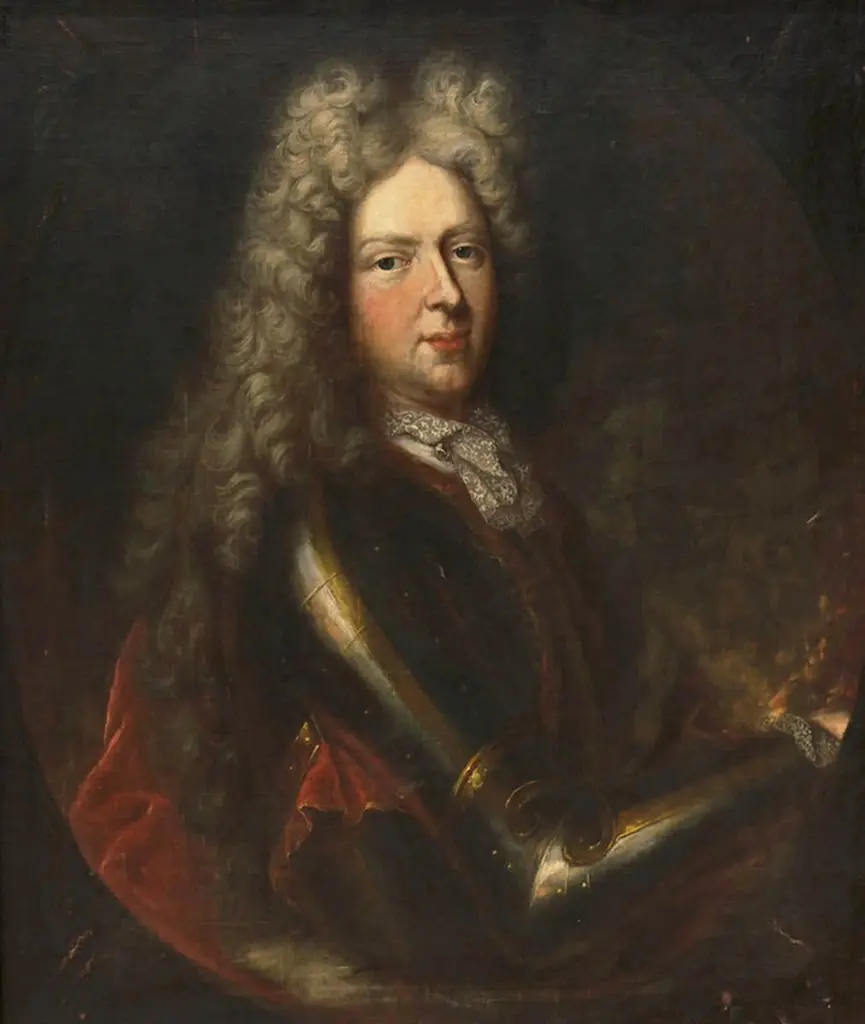 Markgraf Georg Friedrich II von Brandenburg Ansbach
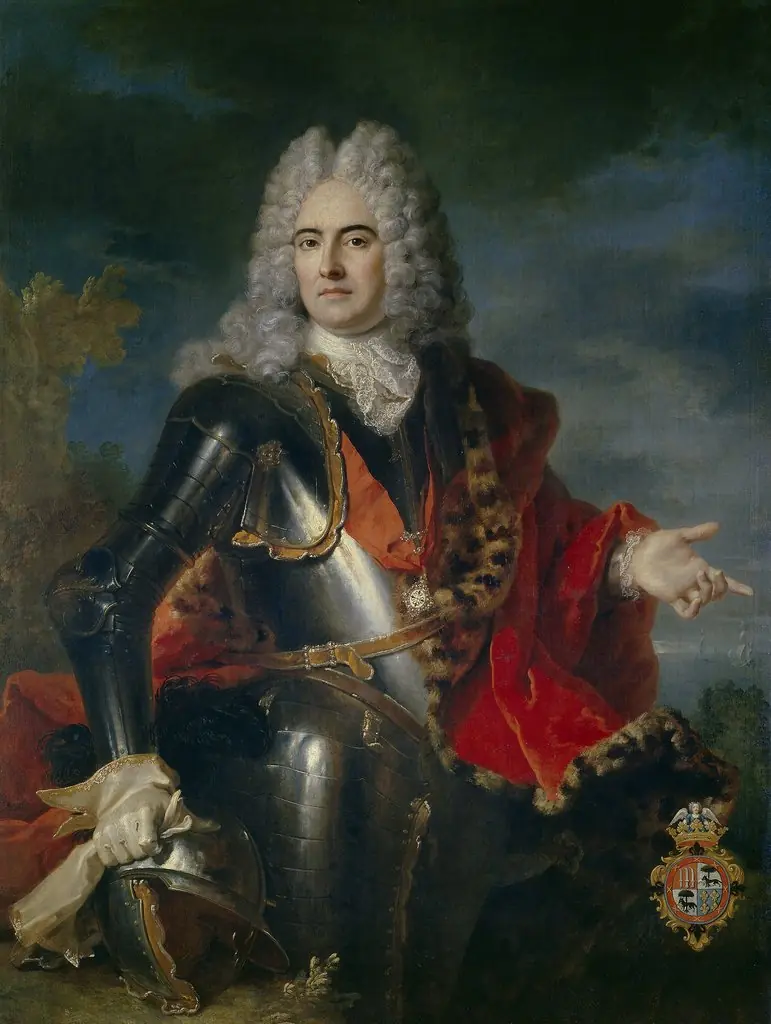 Don José de Rozas y Meléndez de la Cueva, first Count of Castelblanco