Artwork
Bețivi
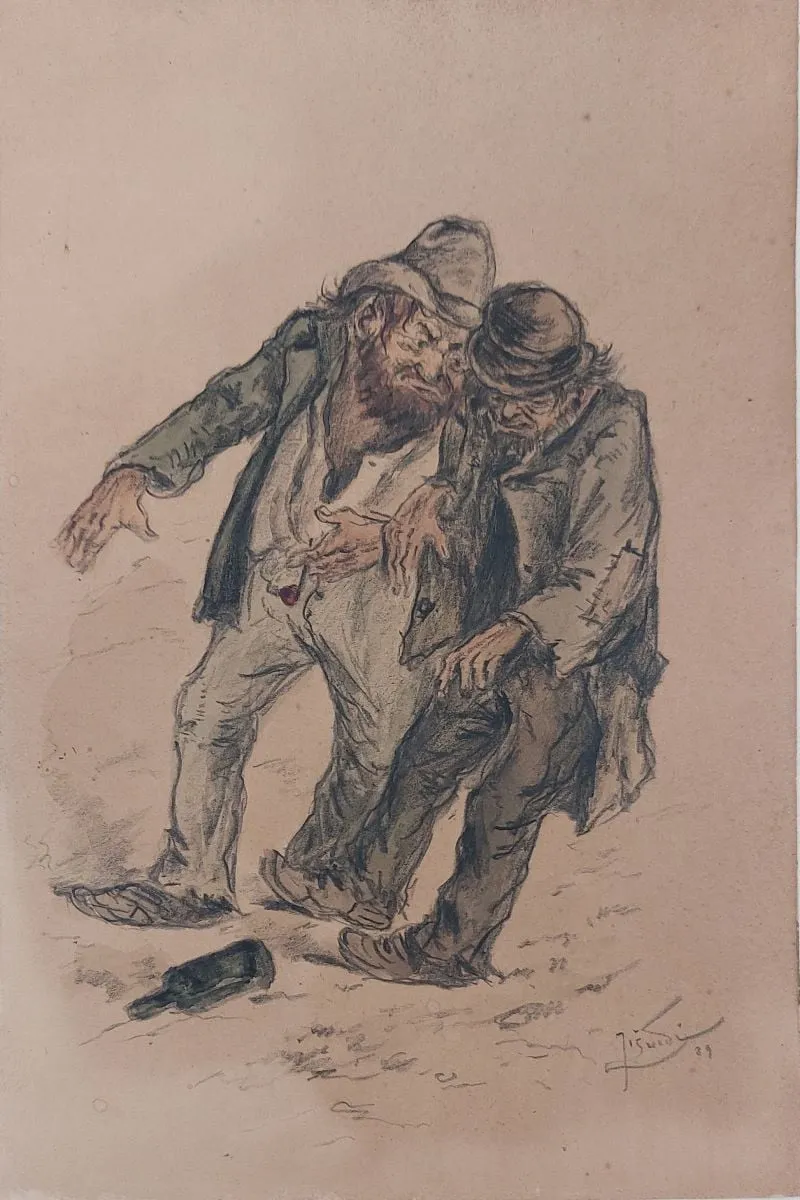
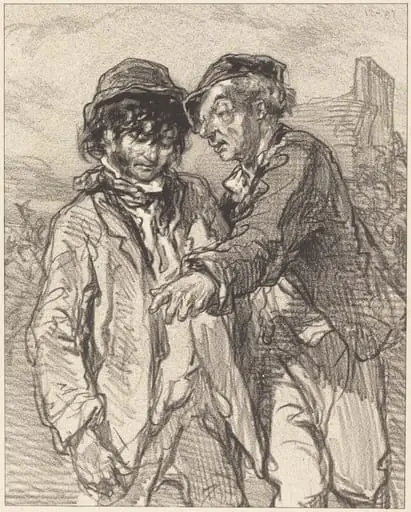
Bețivi is a print by the Impressionist artist Constantin Jiquidi. It dates from 1889 and is held in the collection of the Bucharest Municipality Museum.
About this work
Overview
The piece resides in the Museum of Ethnography, where it is valued for its unembellished portrayal of rural Romanian life.
Bețivi, painted in 1889 by Constantin Jiquidi, is a small-scale work rendered in ink or pencil on paper. It depicts two laboring men in quiet motion, their postures and attire suggesting exhaustion or resignation. The piece resides in the Museum of Ethnography, where it is valued for its unembellished portrayal of rural Romanian life. Its immediacy and lack of idealization align it with the broader Realist tradition of the late 19th century.
Subject & Meaning
The two figures, dressed in frayed garments and walking in silence, appear to be peasants or itinerant workers. Their downward gazes and physical weariness imply a life shaped by hardship. The untied shoe and absent background focus attention on their bodily presence rather than circumstance. The title, meaning 'drunkards' in Romanian, hints at social marginalization, yet the image avoids moral judgment, presenting them with quiet dignity.
Technique & Style
Jiquidi employed rapid, loose linework to capture texture and movement, particularly in the men’s beards and crumpled clothing. The sketchlike quality suggests direct observation rather than studio refinement. Shading is minimal, and the pale, uniform background eliminates context, heightening the figures’ isolation. This method prioritizes emotional resonance over detail, reflecting Realism’s emphasis on authentic, unvarnished life.
History & Provenance
Created in 1889, Bețivi entered the collection of the Museum of Ethnography shortly after its completion, likely through the artist’s direct donation or institutional acquisition. Its preservation reflects early 20th-century efforts to document folk life and working-class conditions. The work has remained in the same institution since, with no record of public exhibition or private ownership outside its current home.
Context
In late 19th-century Romania, artists increasingly turned to everyday subjects as national identity took shape beyond aristocratic or religious themes. Jiquidi’s focus on marginalized laborers aligned with broader European Realist trends, influenced by Courbet and Millet. Unlike romanticized depictions of peasants, Bețivi offers a restrained, observational approach, reflecting a shift toward sociological documentation in art.
Legacy
Bețivi remains a quiet but significant example of Romanian Realism, valued for its unadorned humanity. While not widely reproduced, it is frequently cited in scholarly discussions of vernacular representation in Eastern European art. Its endurance in the Museum of Ethnography underscores its role as a document of social conditions, preserving the dignity of ordinary lives without embellishment.
Artist & collection
Artist
Romanian printmaker and painter Constantin Jiquidi worked in the late 1800s, turning out prints and scenes of everyday life.
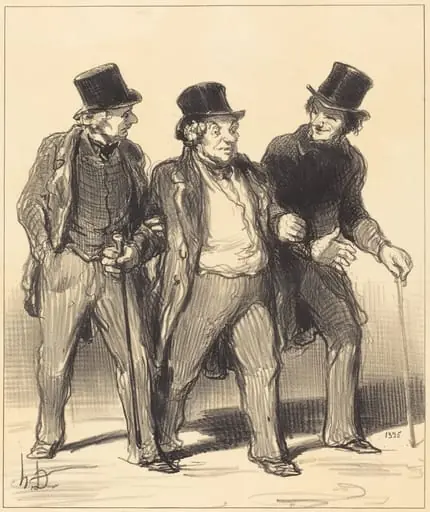 Il me semble que j'aperçois... un... chien... pas muselé!...
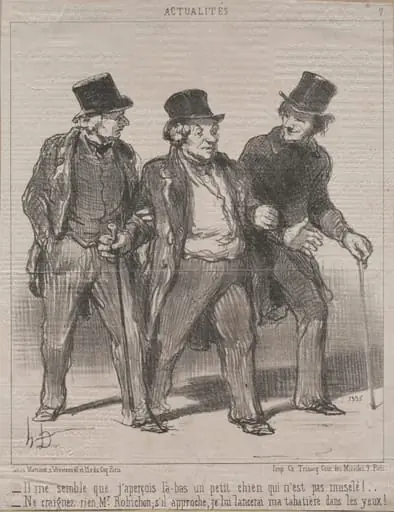 It seems to me that I notice a little dog there that is not muzzled!...
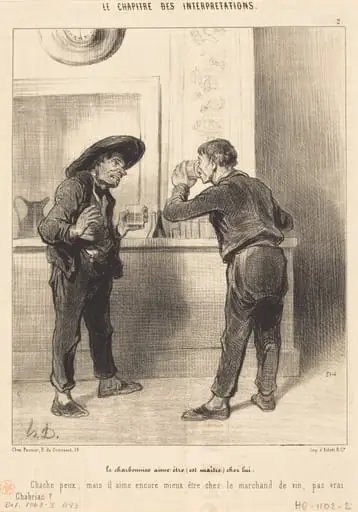 Le Charbonnier aime être (est maitre)...
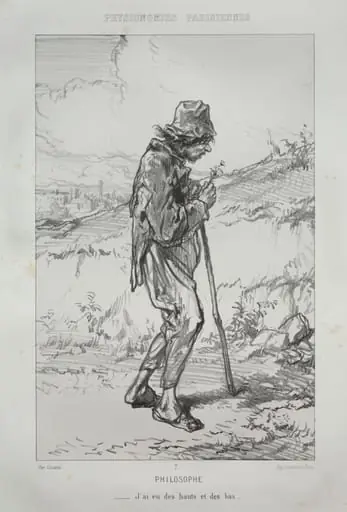 Philosophe
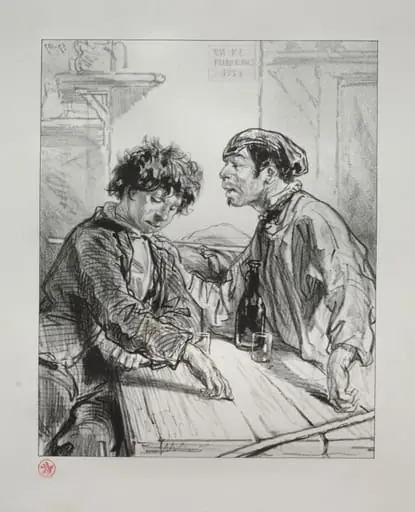 Young man, you have capital, but no experience. That doesn't matter, you interest me
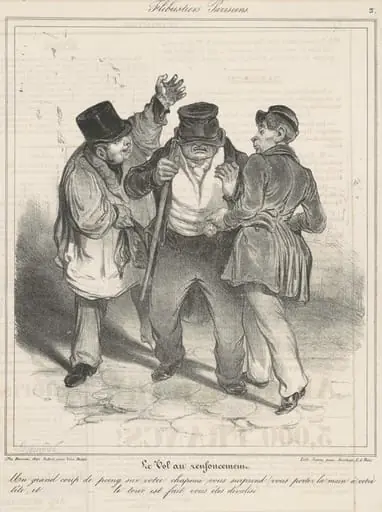 Le vol au renfoncement
 Histoire d'en dire deux
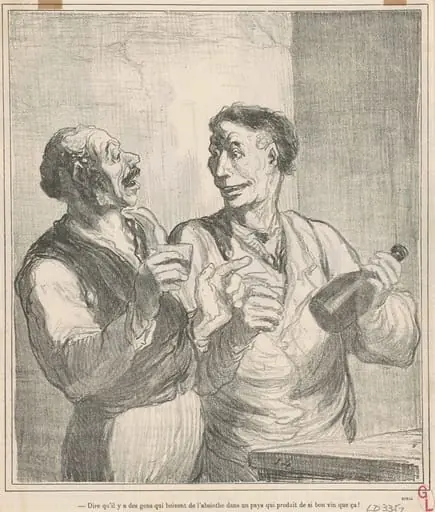 Dire qu'il y a des gens qui boivent de l'absinthe ...
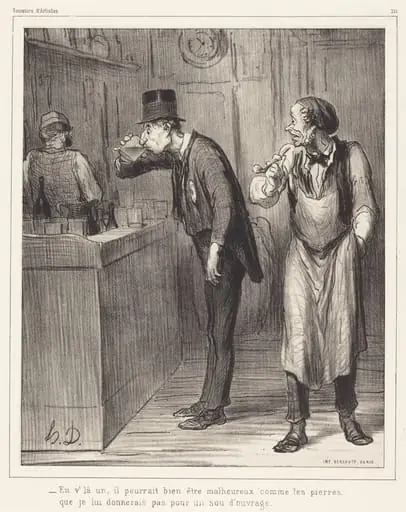 En v'la un, il pourrait bien être malheureux...
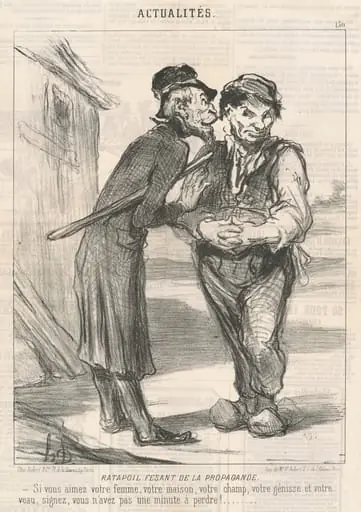 Ratapoil Fesant de la Propaganda: Si vous aimez votre femme, votre maison, votre champ, votre génisse et votre veau, signez, vous n'avez pas une minute de perdre!
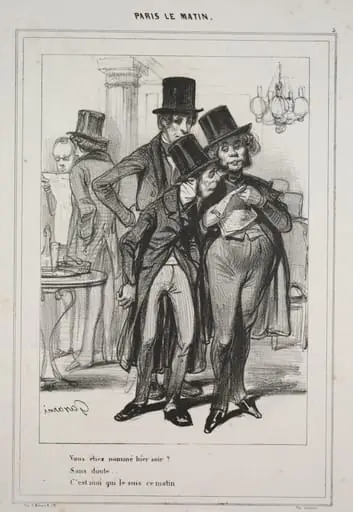 "Vous étiez nommé hier soir?...," from the series Paris Le Matin
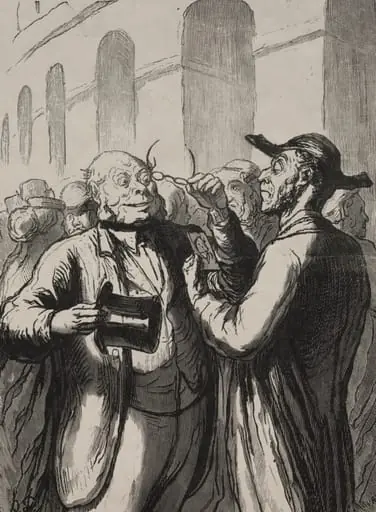 At the Universal Exhibition: Security check at the entrance: the bald need to lift their hats, and the short-sighted need to remove their glasses.