Artwork
Moisés llevado por los ángeles
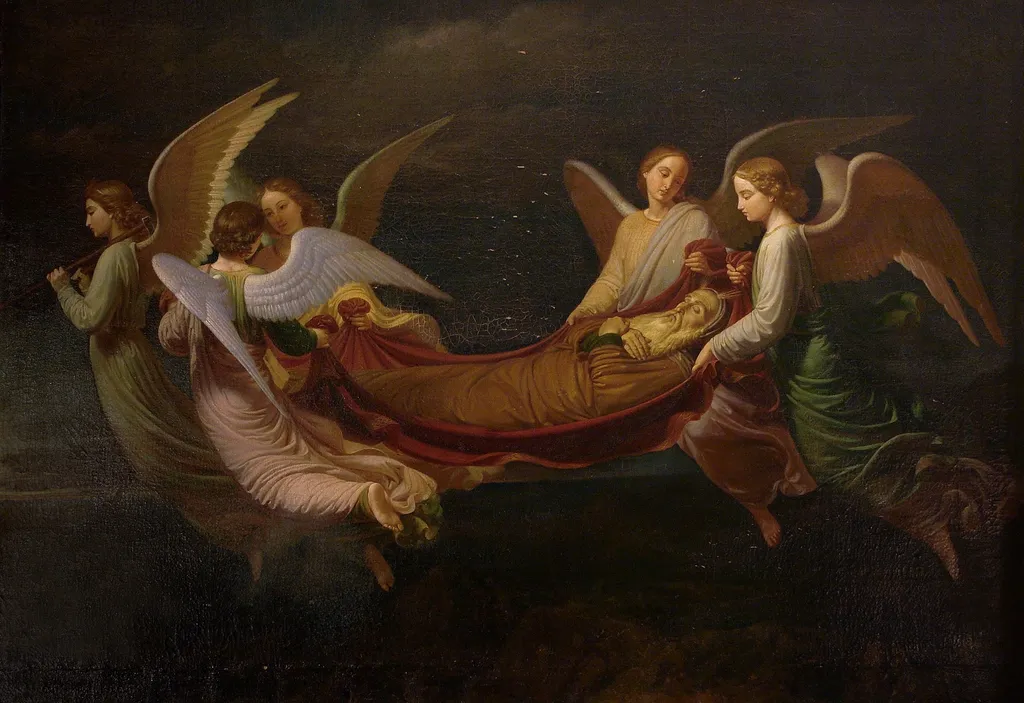
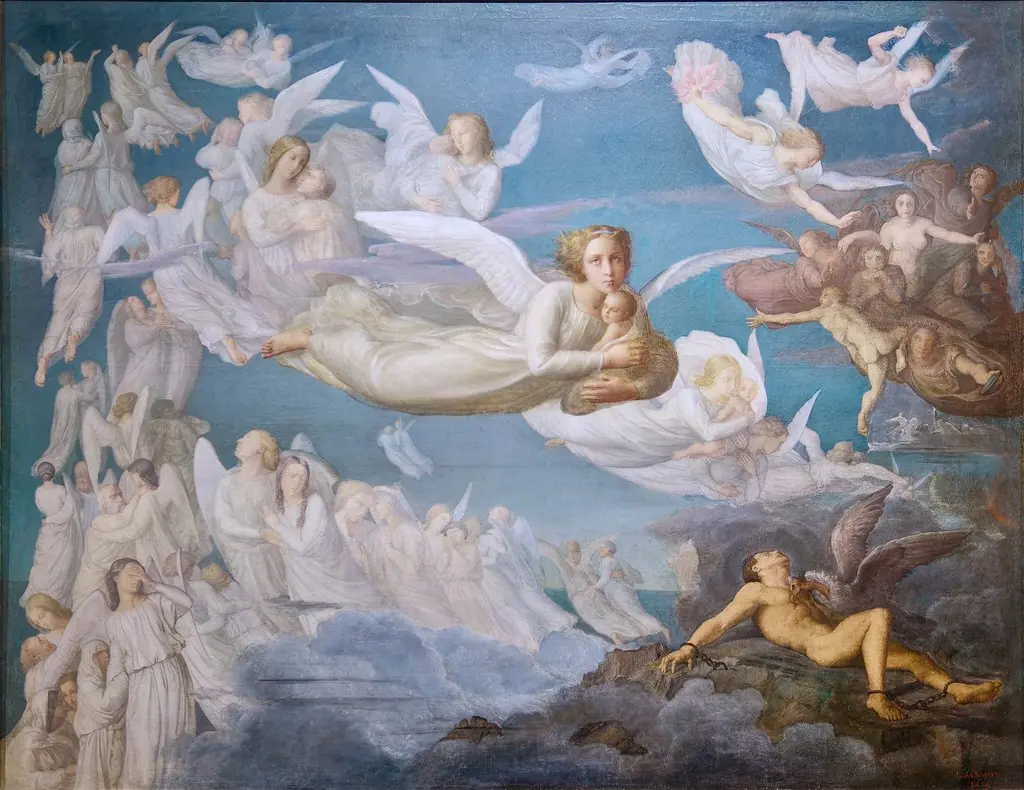
Moisés llevado por los ángeles is an oil painting by Joaquín Espalter y Rull. It dates from 1840 and is held in the collection of the Museo del Prado.
About this work
Overview
Known for his portraiture and historical subjects, he produced this work during a period when religious themes remained prominent in Spanish academic art.
Joaquín Espalter y Rull, a Catalan artist based in Madrid, completed this oil painting in 1840. Known for his portraiture and historical subjects, he produced this work during a period when religious themes remained prominent in Spanish academic art. The painting is part of the permanent collection at the Museo del Prado, where it reflects the 19th-century interest in biblical narratives rendered with technical precision.
Subject & Meaning
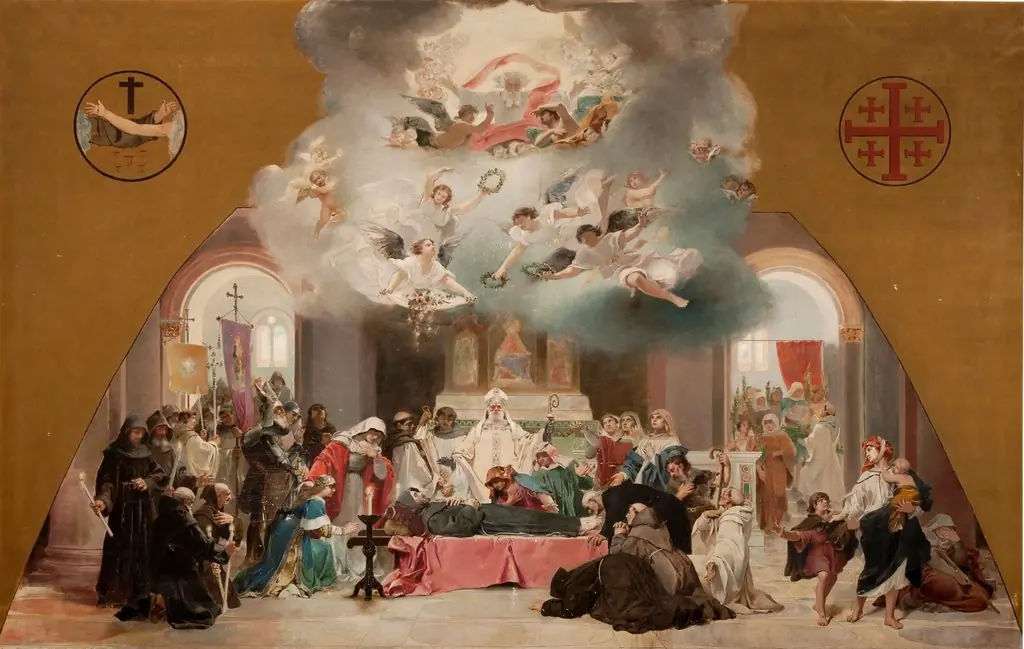
The painting illustrates the moment after Moses’ death, when angels transport his body to its resting place, as suggested by apocryphal traditions. Six angels, each with gentle expressions, carry a figure swathed in crimson fabric. Their musical instruments imply a celestial procession, transforming grief into sacred reverence. The scene avoids dramatic intensity, instead emphasizing quiet dignity and divine care.
Technique & Style
Espalter y Rull employs chiaroscuro to model the angels’ forms, giving volume to their draped robes and softening transitions between light and shadow. Warm hues in the red cloth and fabric folds contrast with the dark, turbulent sky, anchoring the figures in a luminous space. Delicate brushwork captures the texture of silk and skin, while the composition’s symmetry enhances its tranquil, ritualistic tone.
History & Provenance
Painted in 1840, the work entered the Museo del Prado’s collection shortly after its completion. Espalter y Rull, active in Madrid’s artistic circles, was recognized for his adherence to academic conventions. The painting’s early acquisition by the museum suggests it was valued for its technical competence and devotional subject matter, aligning with institutional tastes of the mid-19th century.
Context
In 1840s Spain, religious imagery remained central to state-sponsored art, even as secular themes gained ground. Espalter y Rull’s depiction of Moses reflects a tradition of sacred narrative painting favored by academies, drawing on both biblical texts and Renaissance precedents. The calm, orderly composition contrasts with the emotional intensity of Romanticism, favoring classical restraint.
Legacy
Though not widely exhibited outside Spain, the painting endures as an example of mid-19th-century Spanish academic style. It preserves the conventions of religious painting during a transitional era, when artists balanced devotional content with technical training. Its presence in the Prado ensures continued study of how biblical subjects were interpreted within institutional frameworks.
Own this work as a print
Artist & collection
Artist
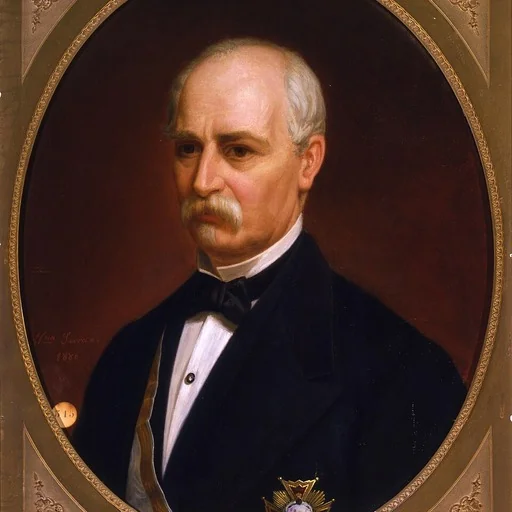
Joaquim Espalter i Rull or, in Spanish, Joaquín Espalter y Rull (30 September 1809 – 16 January 1880) was a Catalan painter who spent most of his career in Madrid; known primarily for portraits and historical scenes.