Artwork
James VI, King of Scotland
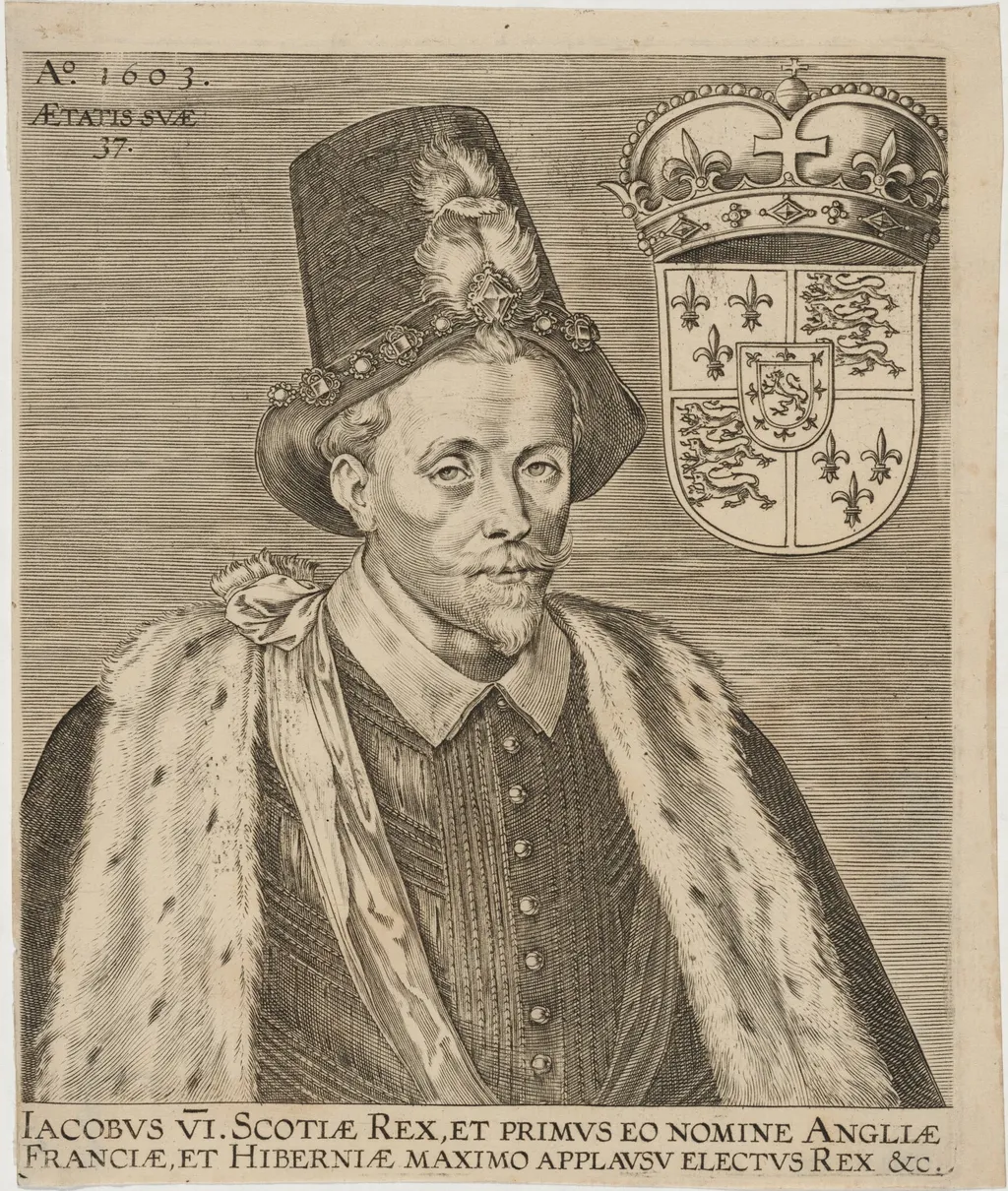
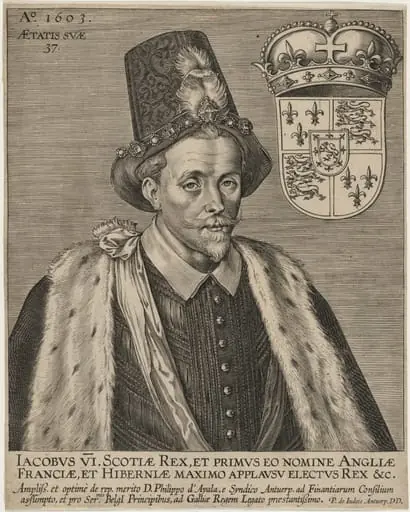
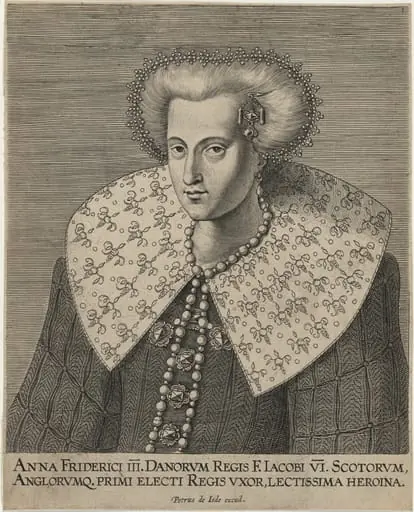
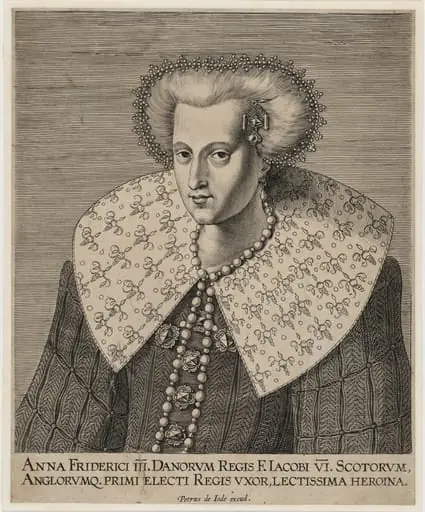
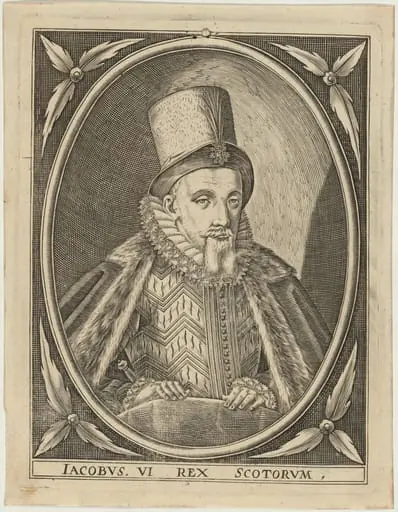
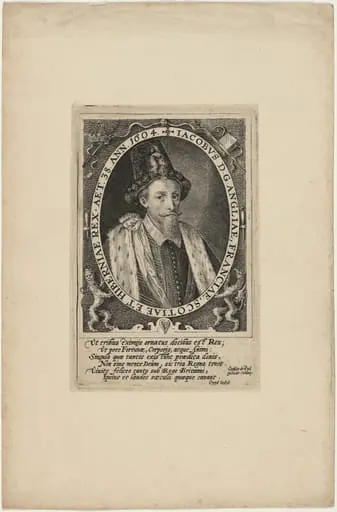
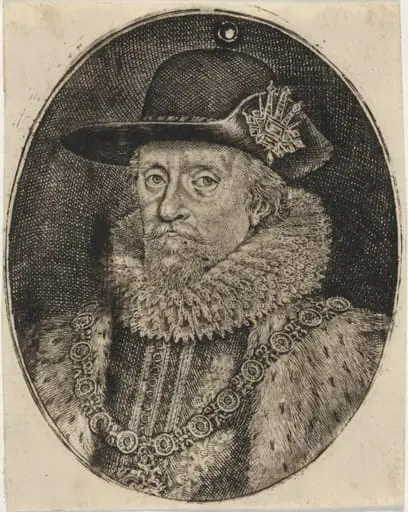
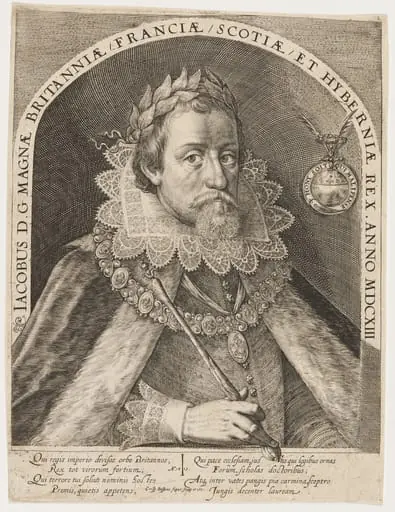
James VI, King of Scotland is an ink print by the Baroque artist Pieter de Jode I. It dates from 1603 and is held in the collection of the National Gallery of Art.
About this work
Overview
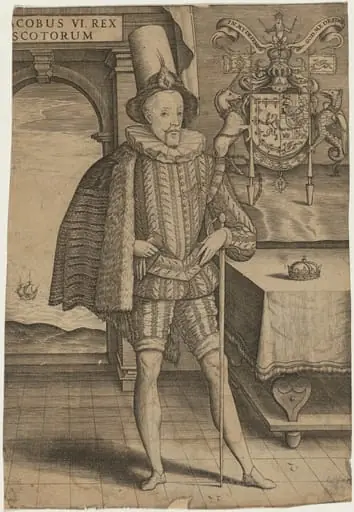
This early‑17th‑century engraving, executed by the Flemish printmaker Pieter de Jode I around 1603, portrays James VI of Scotland. Rendered in fine line work, the image presents the monarch in full regalia, framed by an elaborate heraldic shield. The print exemplifies the meticulous craftsmanship typical of contemporary portrait engravings.
Subject & Meaning
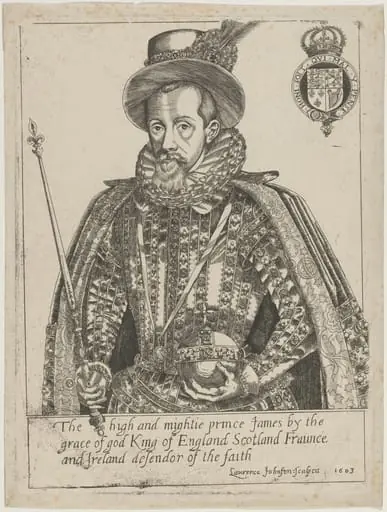
The figure is identified as James VI, distinguished by a tall, feather‑adorned hat, a fur‑trimmed cape, and a dark, buttoned shirt with a white ruff. Behind him, a coat of arms displays a lion, a fleur‑de‑lis, and a cross, symbols that underscore his royal lineage and claim to multiple thrones.
Technique & Style
De Jode employs precise hatching and cross‑hatching to convey the textures of fabric, fur, and metal, creating a sense of depth and materiality. The contrast of light and shadow, together with the intricate detailing of the heraldic devices, aligns the work with the Baroque emphasis on dramatic visual effects.
History & Provenance
Created shortly after James VI inherited the English crown as James I, the engraving likely served as a propagandistic portrait circulated among supporters. Pieter de Jode I, active in Antwerp, was known for reproducing royal likenesses for a European audience, and copies of this print appear in several early modern collections.
Artist & collection