Artwork
Cupid Fires His Arrow, after a Relief by Johan Tobias Sergel
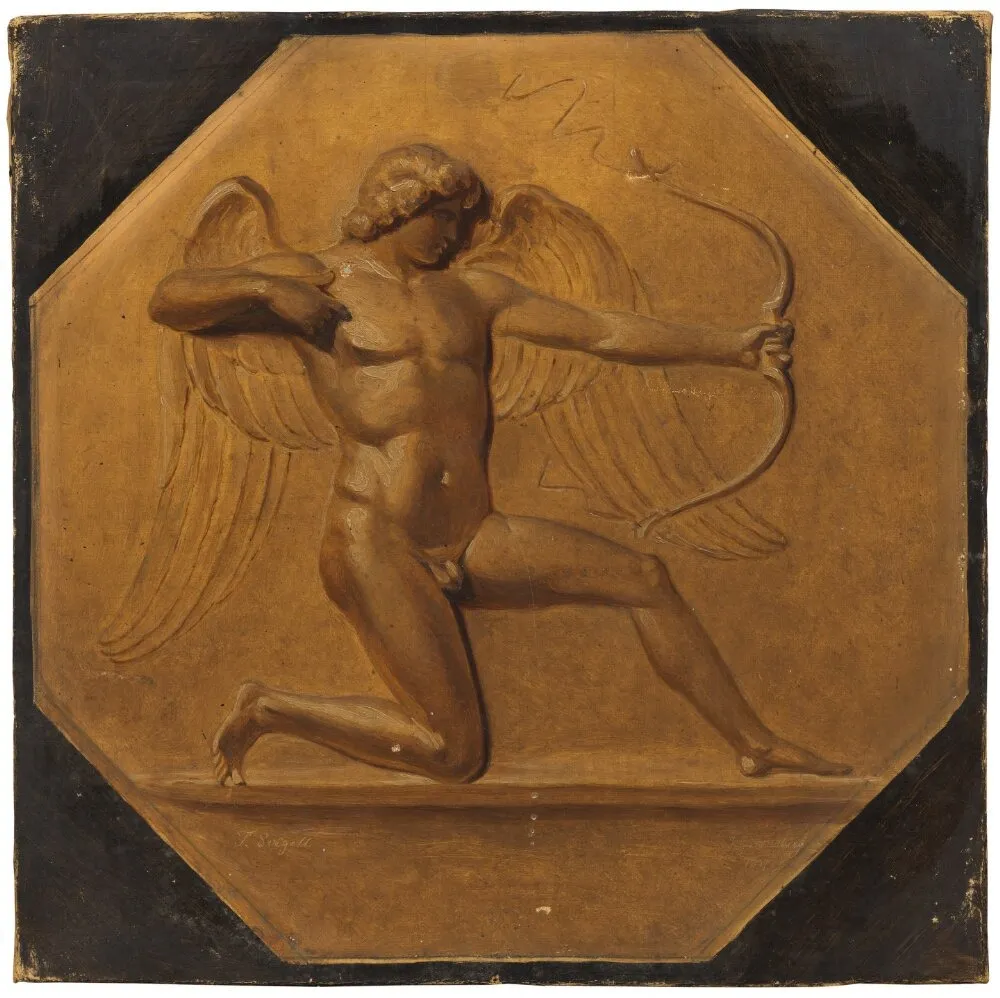
Cupid Fires His Arrow, after a Relief by Johan Tobias Sergel is an unspecified painting by Johan Gustaf Sandberg. It dates from 1838 and is held in the collection of the Nationalmuseum.
About this work
Overview
Painted in 1838 by Swedish artist Johan Gustaf Sandberg, this work is a faithful rendering of a sculptural relief by Johan Tobias Sergel. Rather than an original composition, it translates three-dimensional classical imagery into a two-dimensional painted format, reflecting a 19th-century interest in reviving and reinterpreting antiquity through academic precision.
Subject & Meaning
The subject is Cupid, the Roman god of desire, captured mid-action as he draws and releases an arrow. His poised stance—winged, one leg lifted, bow drawn—conveys dynamic tension rooted in classical ideals of motion and grace. The imagery evokes timeless themes of love and fate, common in neoclassical art, without overt narrative or moralizing.
Technique & Style
Sandberg employed muted earth tones and careful chiaroscuro to mimic the tonal range of marble relief. The background’s deep brown enhances the relief’s luminous modeling, emphasizing volume and texture. Brushwork is restrained, avoiding painterly flourish; the goal was fidelity to the original sculpture, aligning with academic conventions of the period.
History & Provenance
The painting entered the collection of Sweden’s Nationalmuseum shortly after its completion. It reflects Sandberg’s role in documenting and disseminating national artistic heritage, particularly works by Sergel, who was a leading sculptor of the Swedish neoclassical movement. The piece served as both homage and educational tool within institutional collections.
Context
Created during a period when European academies prized classical antiquity as the highest artistic standard, Sandberg’s work responded to a broader cultural project: elevating national art by linking it to ancient models. In Sweden, this meant honoring local artists like Sergel while aligning with international neoclassical trends.
Legacy
Though not widely exhibited today, the painting remains a documented example of how 19th-century painters engaged with sculpture as a source. It illustrates the academic practice of translating sculptural forms into painting, preserving Sergel’s relief for audiences unfamiliar with the original, and affirming the enduring influence of classical motifs in Nordic art.
Artist & collection
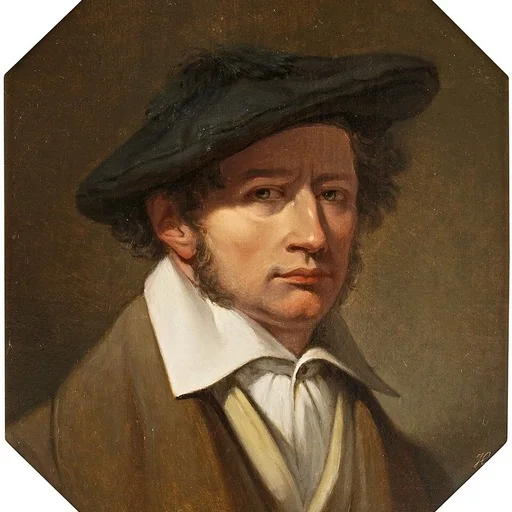
Artist
Johan Gustaf Sandberg (13 May 1782 – 26 June 1854) was a Swedish painter. He was foremost a history painter and used settings from Norse mythology and Swedish history. His most widely known work in this area are his…

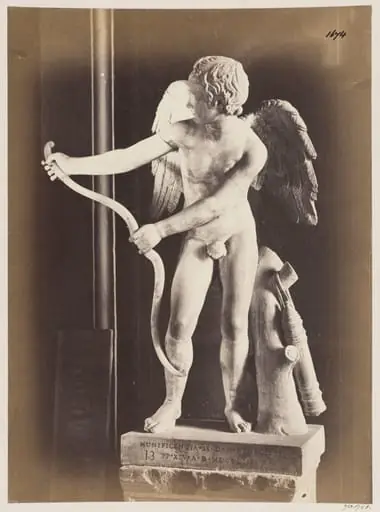 Sculpture - Statue of Cupid with his bow, in the Capitoline Museum.
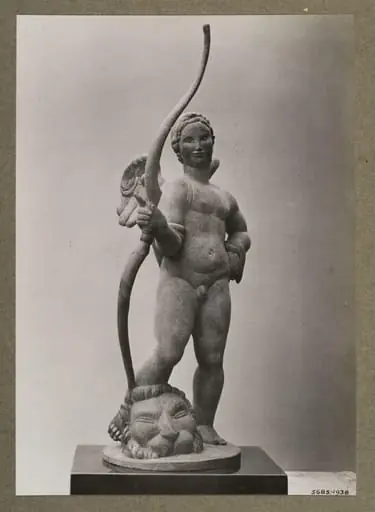 Amorino
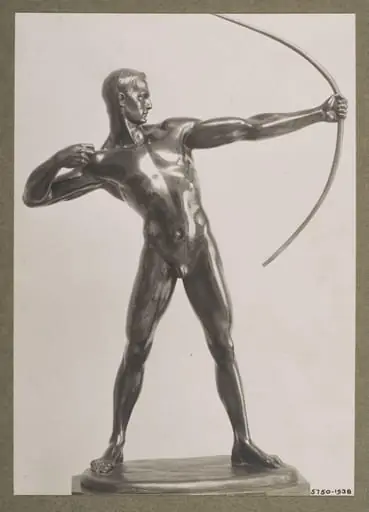 The Boy Archer
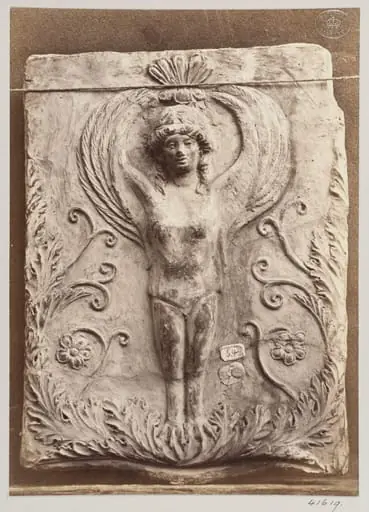 Bas-relief of a Siren in terra cotta
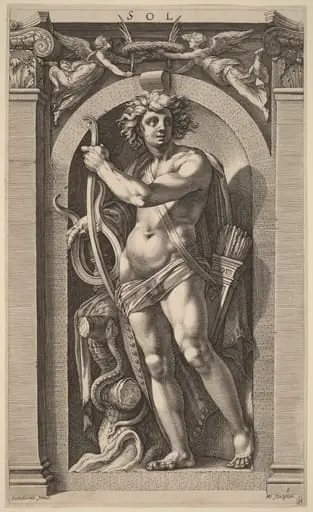 Sol or Apollo
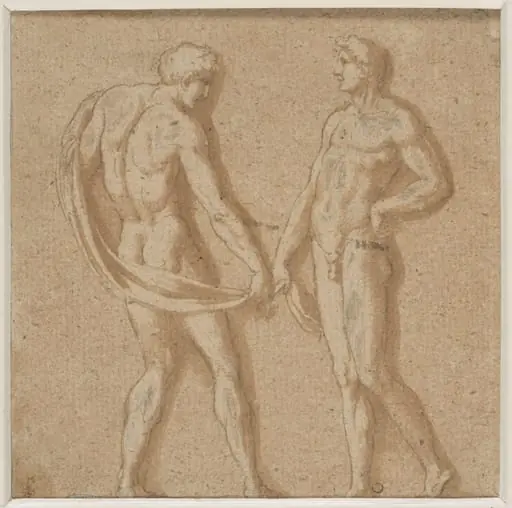 Two athletes
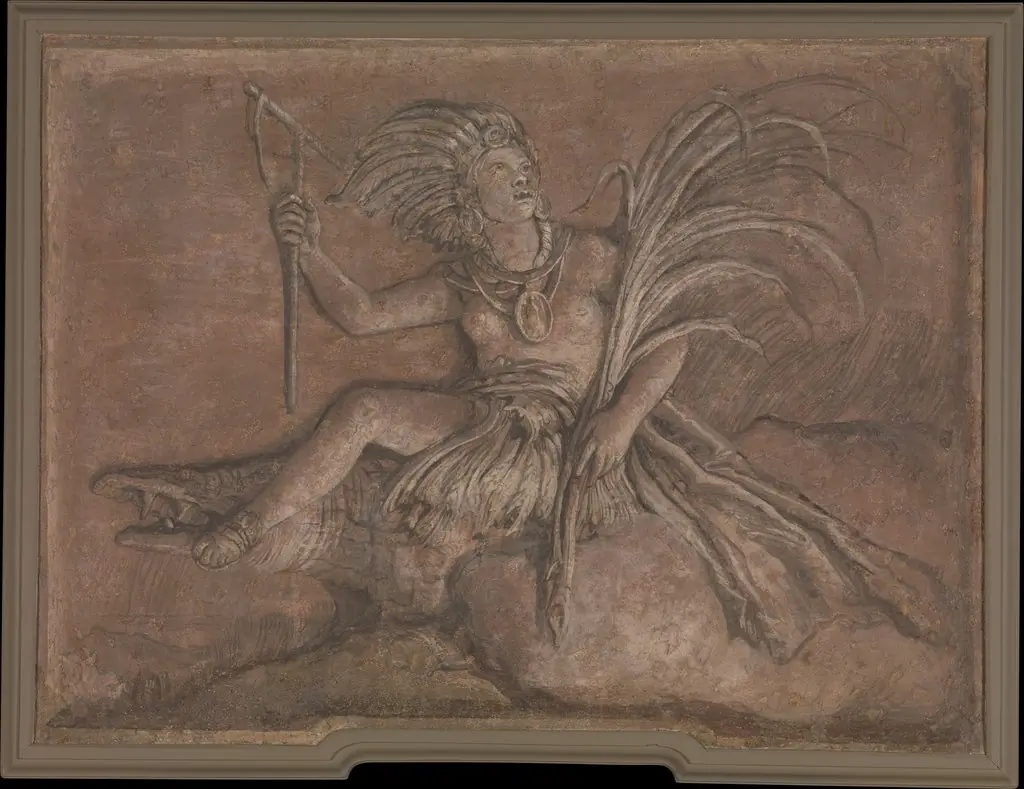 America
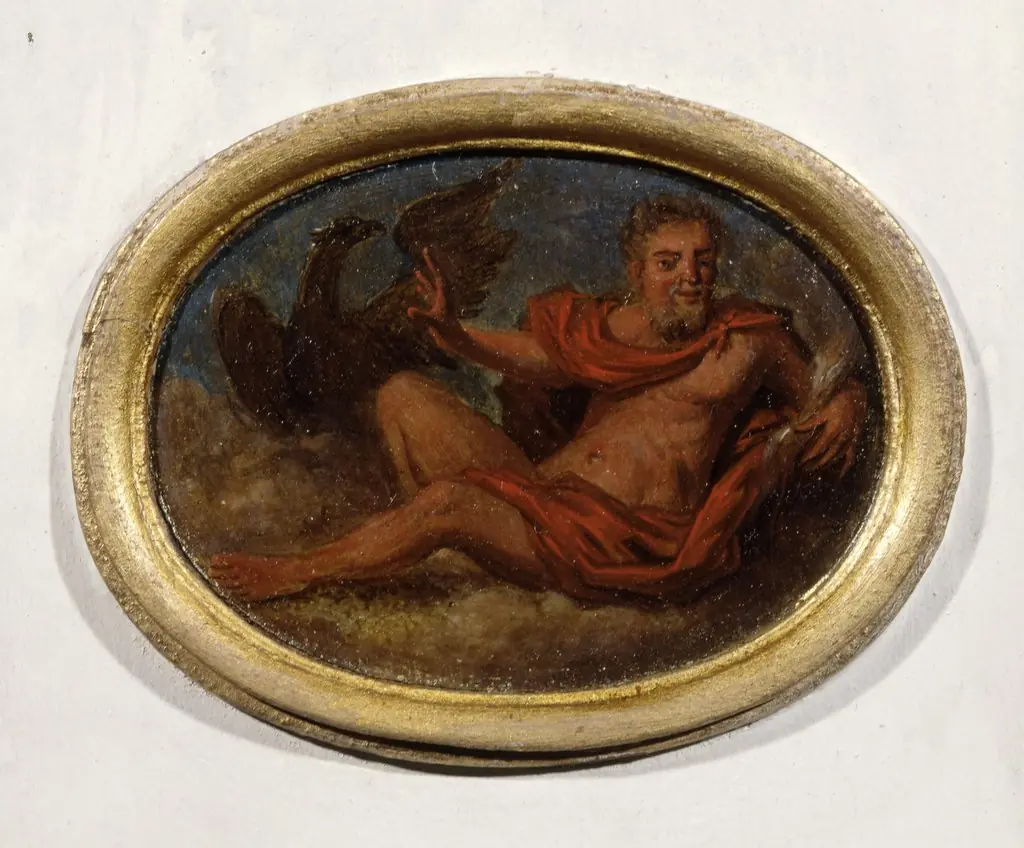 Jupiter
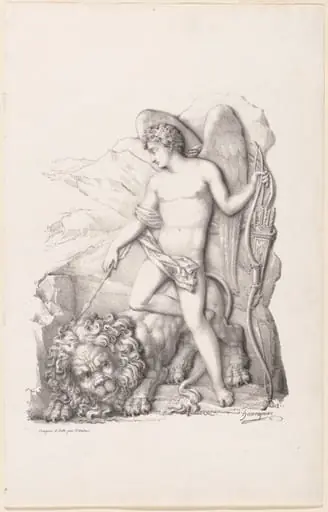 L’Amour terrassant un lion (Personification of Love Vanquishing a Lion)
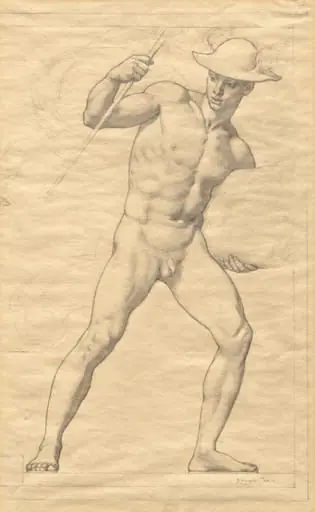 Mercury
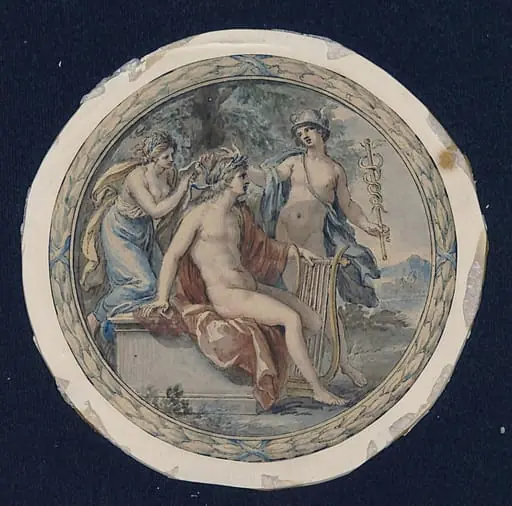 Apollo with his lyre, with Mercury and a muse
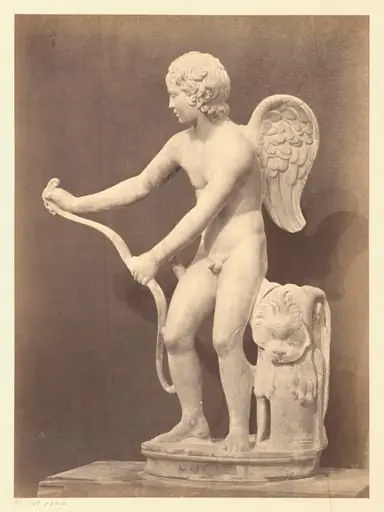 Cupid with bow